Photo credit: Think Through Tac/Youtube
Every gun shop has a wall of legends. Rifles that get talked about like they were handed down on stone tablets. And if you’re honest, a handful of those “legends” are mostly living off stories, old photos, and one guy’s cousin who swears his shot sub-MOA once in 1998.
I’m not saying any of these rifles are useless. Most of them will still kill deer and punch paper just fine. I’m saying their reputation often runs way ahead of what they actually deliver for the average hunter or range guy who buys one, mounts a scope, and expects magic. Here are 20 rifles that tend to survive on hype, nostalgia, or marketing more than cold performance on the bench and in the field.
1. Remington Model 700 (late-production years)
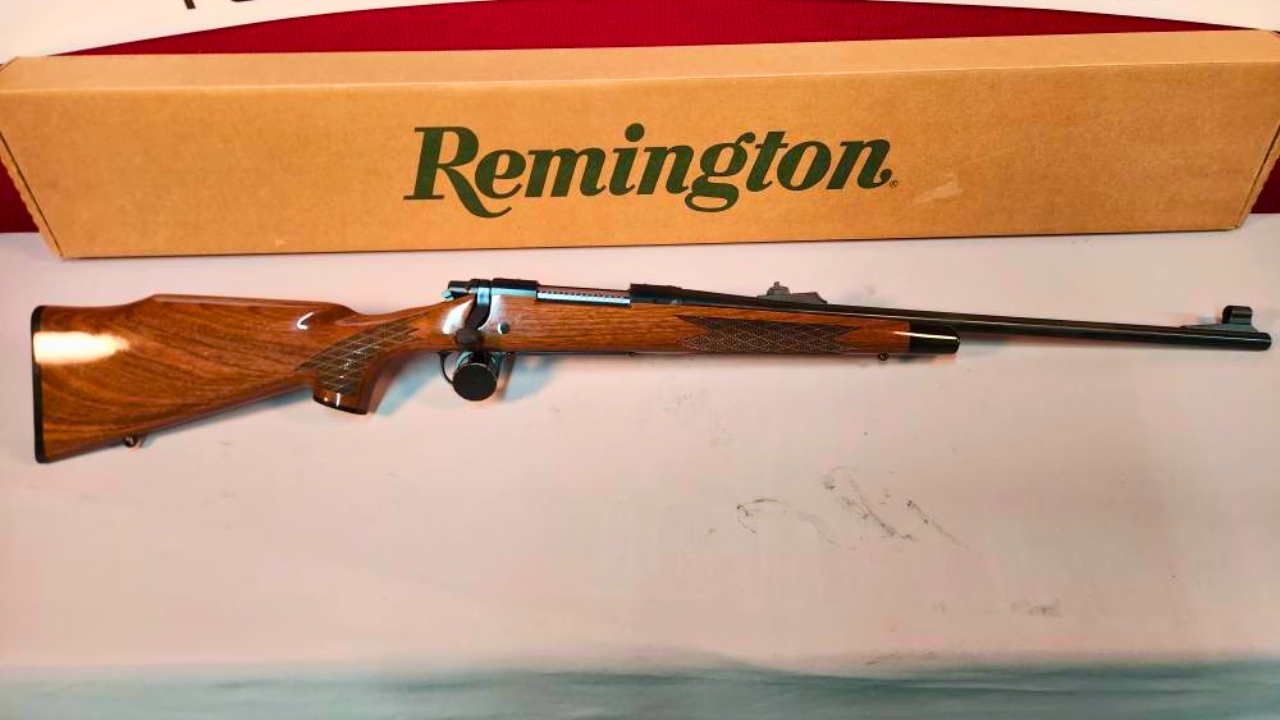
The Model 700 name still carries weight, and for good reason—older ones can be excellent. The trouble is the reputation didn’t stop when the consistency did. Later rifles came out in a stretch where finish, rough actions, and uneven accuracy were common enough that you’d see guys chasing issues that shouldn’t exist on a “classic.”
You can still get a good one, and the aftermarket is endless. But buying one purely because “it’s a 700” is how you end up with a bolt that feels like it’s dragging gravel and a rifle that needs more work than you planned.
2. Ruger Mini-14 (older thin-barrel models)
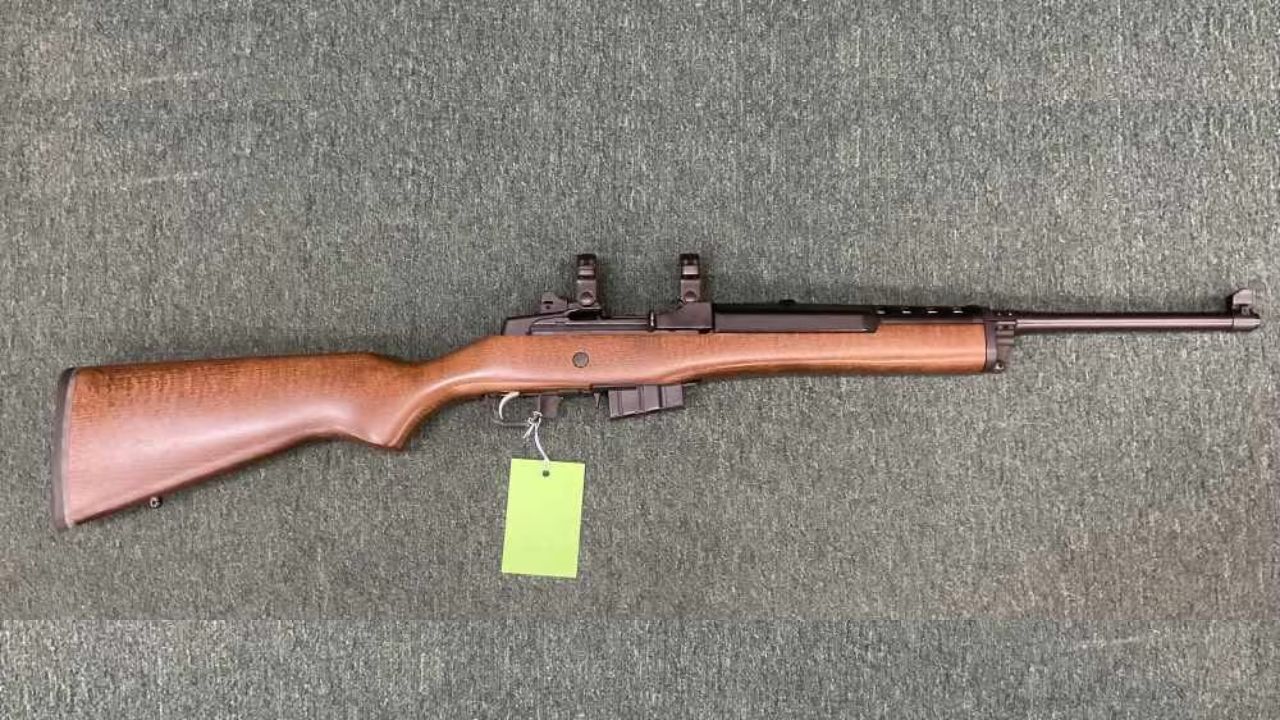
The Mini-14 has that ranch-rifle cool factor. It points fast, carries easy, and it just looks right in a truck. But plenty of the older thin-barrel rifles heat up quick and start walking shots, especially if you treat it like a lightweight AR and run it hard.
For coyotes at normal ranges, it can do the job. Just don’t buy one expecting tight groups or modern AR accuracy. The “it’s just as good” talk is mostly wishful thinking.
3. Springfield Armory M1A (standard models)

The M1A is the king of looking capable. Walnut, steel, .308, iron sights that make you feel like you should be wearing a field jacket. Then you go try to wring practical precision out of it and realize you’re paying a lot for nostalgia and noise.
They can shoot well, but many don’t without effort and ammo they like. Add in the cost of good mags and the weight for a “do-it-all” rifle, and the romance fades fast.
4. Colt AR-15 “Match Target” era rifles (ban-era choices)
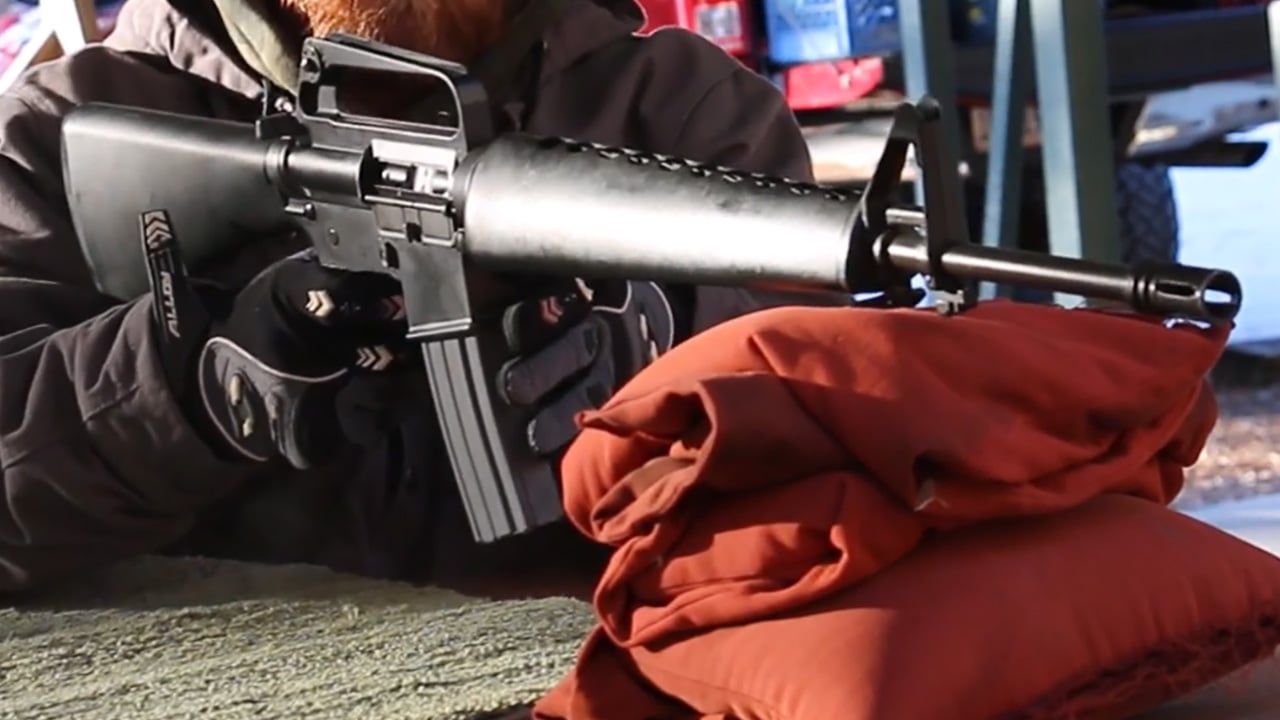
Colt’s name sells rifles, and I get why. But there was a period where you were paying Colt money for oddball pin sizes, neutered features, and a rifle that didn’t feel like it wanted to play nice with standard parts. Folks bought the pony and figured the rest would follow.
Some run great. Some are just awkward, expensive reminders that branding doesn’t equal performance, especially once you start swapping triggers, uppers, or furniture.
5. FN SCAR 17S

The SCAR 17 has a reputation that walks into the room before it does. It’s light for a .308 semi-auto and it’s a proven design. But for most shooters, it’s an expensive way to get beat up by recoil impulse, chase optics durability issues, and feed a rifle that doesn’t give you proportionally better results on target.
If you need what it is, you already know. If you just want a “badass .308,” the performance-to-dollar ratio sobers you up in a hurry.
6. IWI Tavor X95
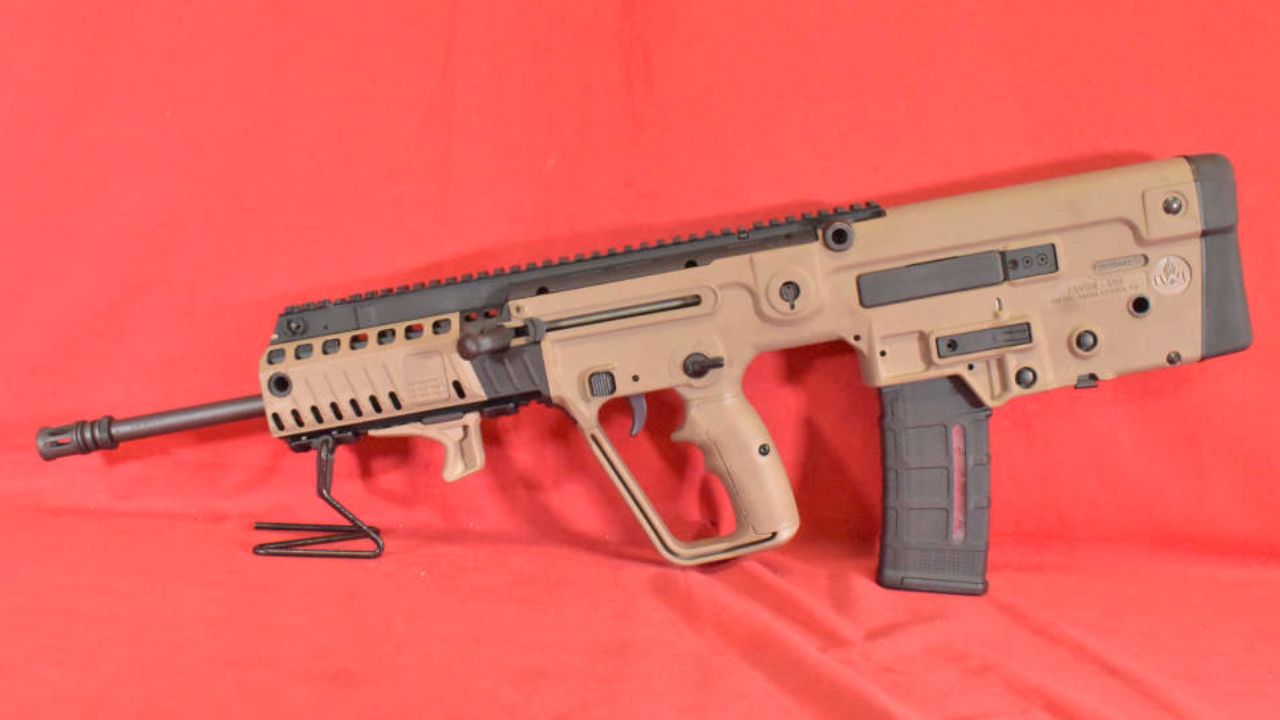
Bullpups are handy in tight spaces, and the X95 is one of the better-known ones. Still, the hype often ignores the real-world feel: mushier triggers, different balance, and a manual of arms that’s not as natural for most Americans as a standard AR.
Reliable? Usually. Magical? Not really. If you’re buying it because you think it’ll shoot like your favorite AR with better handling, you may be disappointed once the novelty wears off.
7. Kel-Tec SU-16
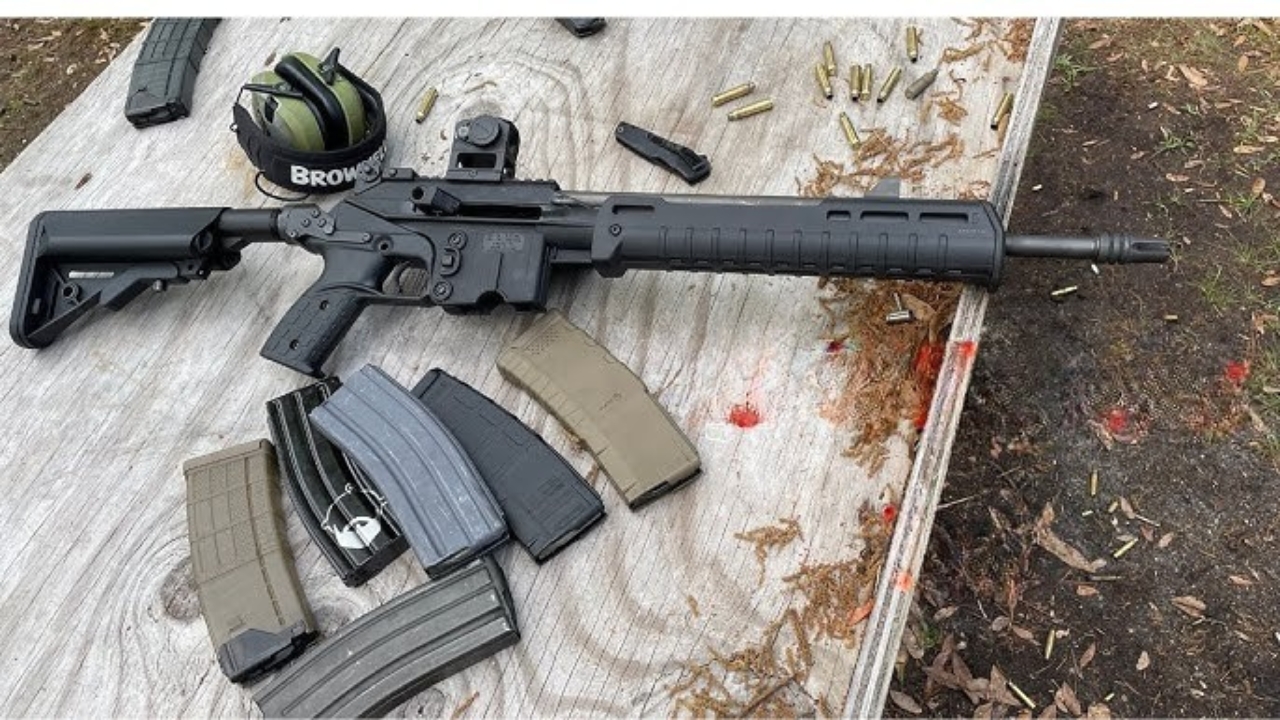
The SU-16 shows up in “lightweight survival rifle” conversations all the time. It folds, it’s light, it takes AR mags. On paper it’s a dream for a backseat rifle. In the hands, it can feel like exactly what it is: a lightweight polymer package that flexes and heats up fast.
They can work fine for casual use. But if you expect it to hold up like a duty-grade rifle or shoot like a decent AR, you’re leaning on reputation and internet lore.
8. Remington 742/7400 Woodsmaster
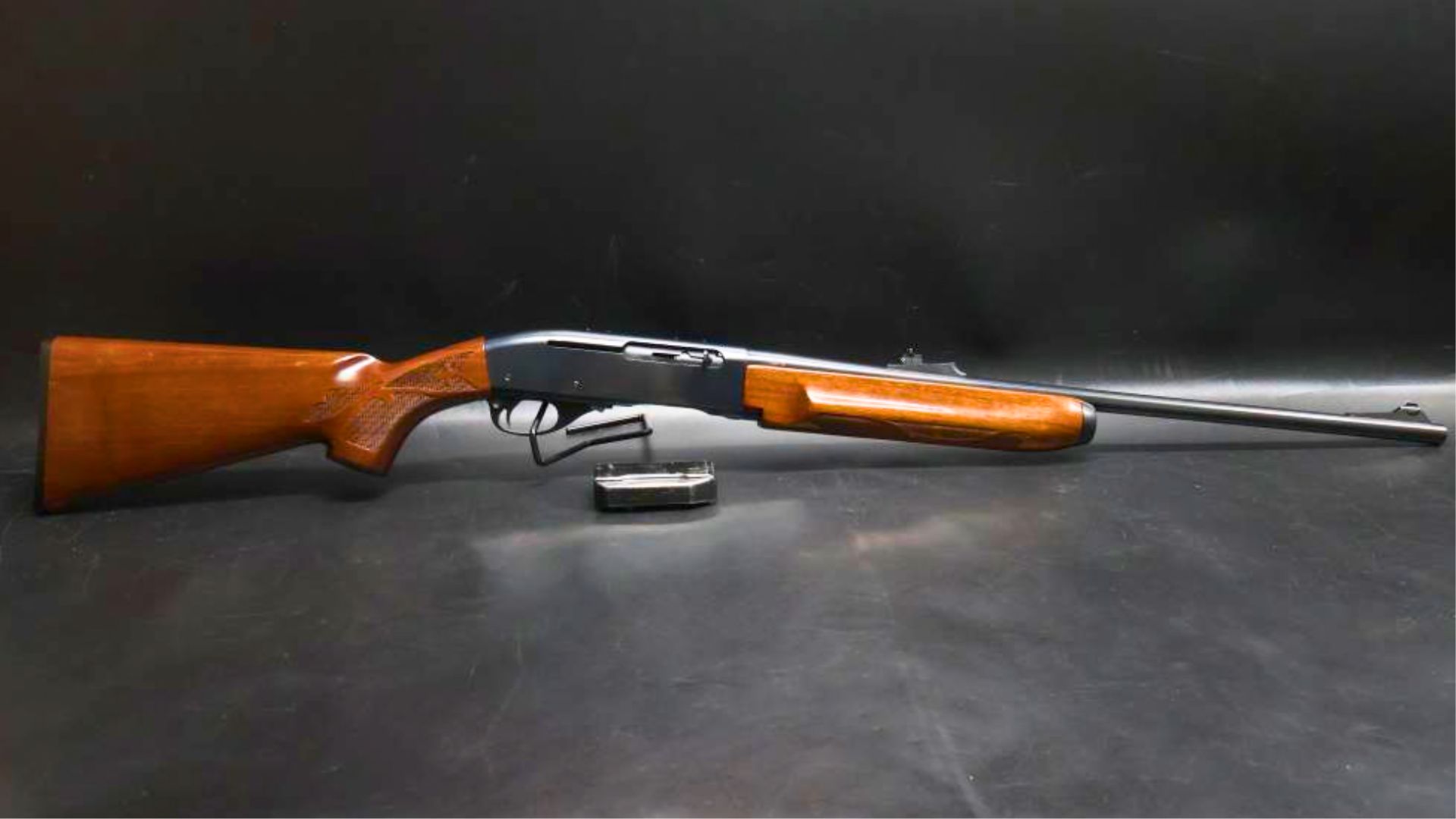
These old autoloaders killed a pile of whitetails, no question. Their reputation is “fast follow-up shots in the timber.” The performance reality is worn rails, finicky cycling, and parts that aren’t exactly falling off trees anymore.
If you’ve got one that runs, don’t abuse it. If you’re buying one because grandpa had one, go in with eyes open. When they start acting up, they can turn into safe queens quick.
9. Marlin Model 60 (as a “never fails” .22)
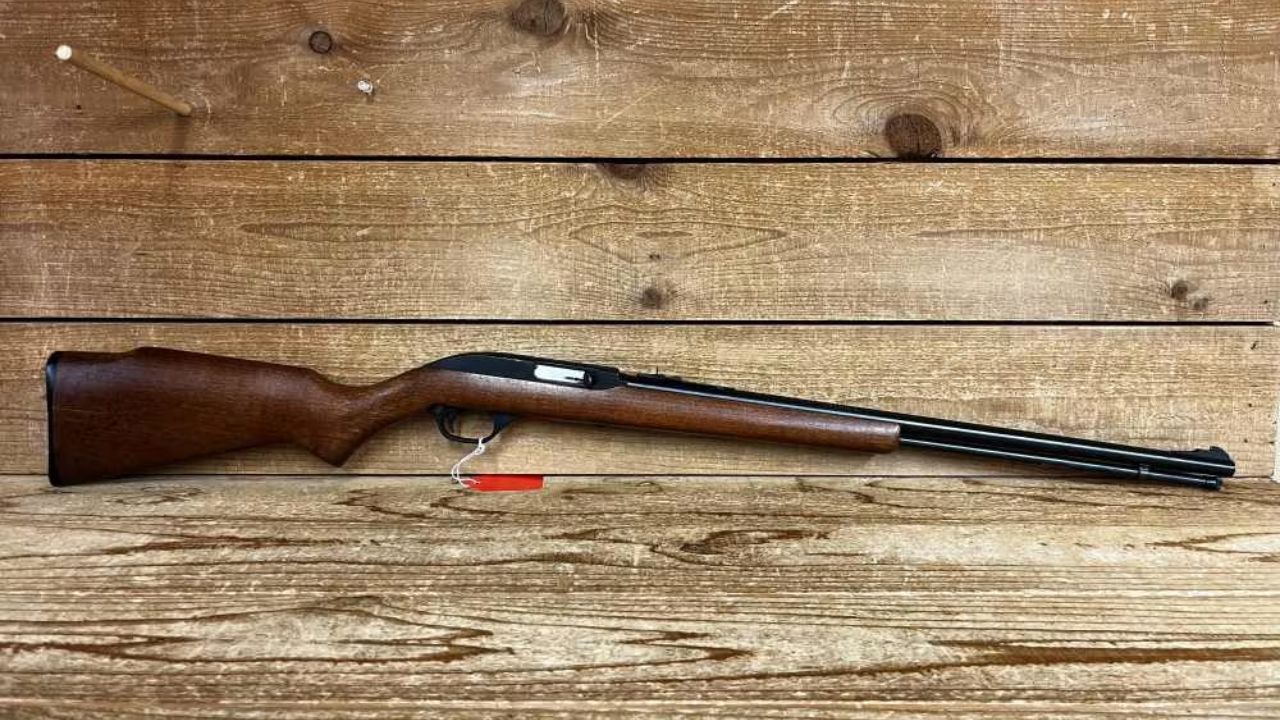
The Model 60 has fed generations of kids into shooting, and I like that. But the way some folks talk, you’d think it’s indestructible. Tube-fed .22s get dirty. They get finicky. And the moment you mix cheap bulk ammo with a dry action, you learn what “reliable” actually means.
A good Model 60 is a joy. A tired one with a worn feed throat and decades of crud is not the unstoppable legend you heard about.
10. Ruger 10/22 (stock carbine, out of the box)

This one will ruffle feathers, but hear me out. The 10/22’s reputation is built on what it can become, not what it is when you bring it home. A bone-stock carbine is usually “minute of squirrel head at 25–40 yards” and that’s about it.
Once you start swapping barrels, triggers, and stocks, it can be a tack driver. But that’s the point—its name rides on the aftermarket. Out of the box, most aren’t the laser beams folks brag about.
11. Henry U.S. Survival AR-7
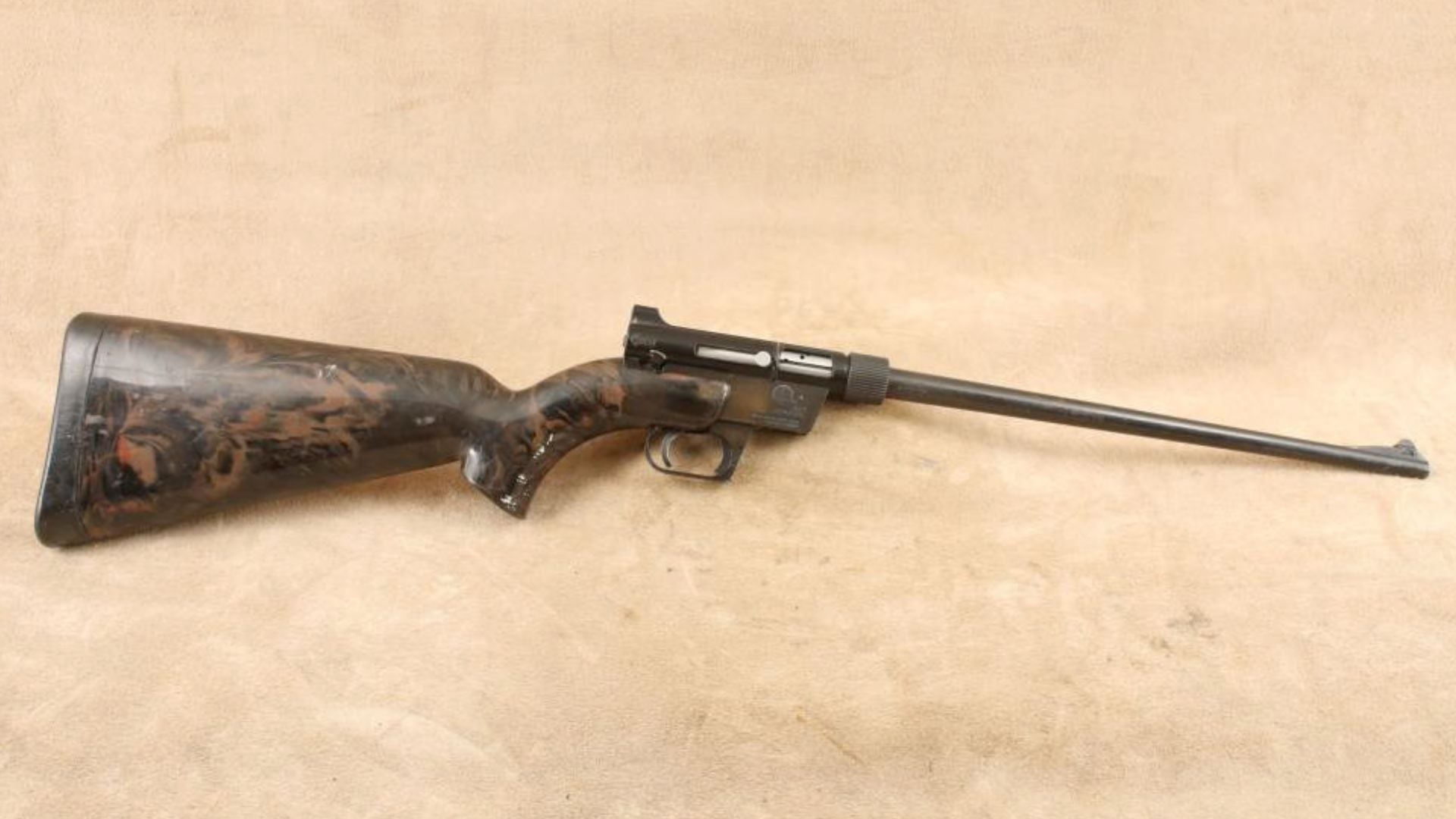
The AR-7’s reputation is pure survival fantasy: stash it in a plane, toss it in a boat, live off rabbits. In real life, it’s a small .22 with odd ergonomics, limited sights, and accuracy that can be “good enough” on a calm day if you do your part.
For a novelty or a packable option, fine. As a serious tool, it’s often a compromise stacked on top of another compromise.
12. Mosin-Nagant 91/30

The Mosin legend is big: cheap, tough, and somehow “sniper accurate” because a few were. Most of what’s on the market are rifles with mixed parts, rough bores, and triggers that feel like you’re dragging a log chain.
They’re fun. They’re history. But expecting consistent accuracy and comfortable shooting because the internet said they’re built like tanks is how you end up bruised and annoyed after 20 rounds.
13. SKS (as a “poor man’s AK”)
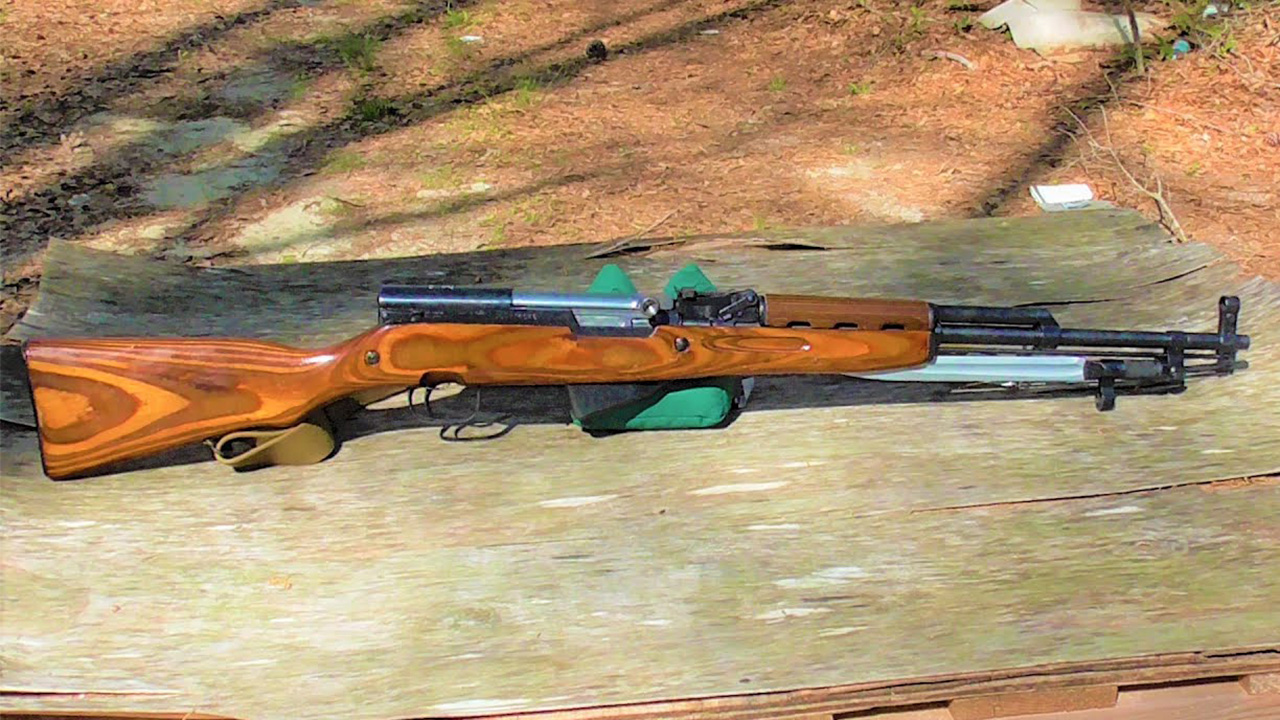
A good SKS is reliable and handy. The reputation problem comes when it gets sold as basically an AK with wood furniture. The manual of arms is different, the reloads are slower, and the aftermarket “tactical” junk bolted onto them usually makes them worse.
Keep it simple and it’ll treat you right. Buy it expecting AK performance and you’ll spend your time trying to force it into a role it doesn’t fit.
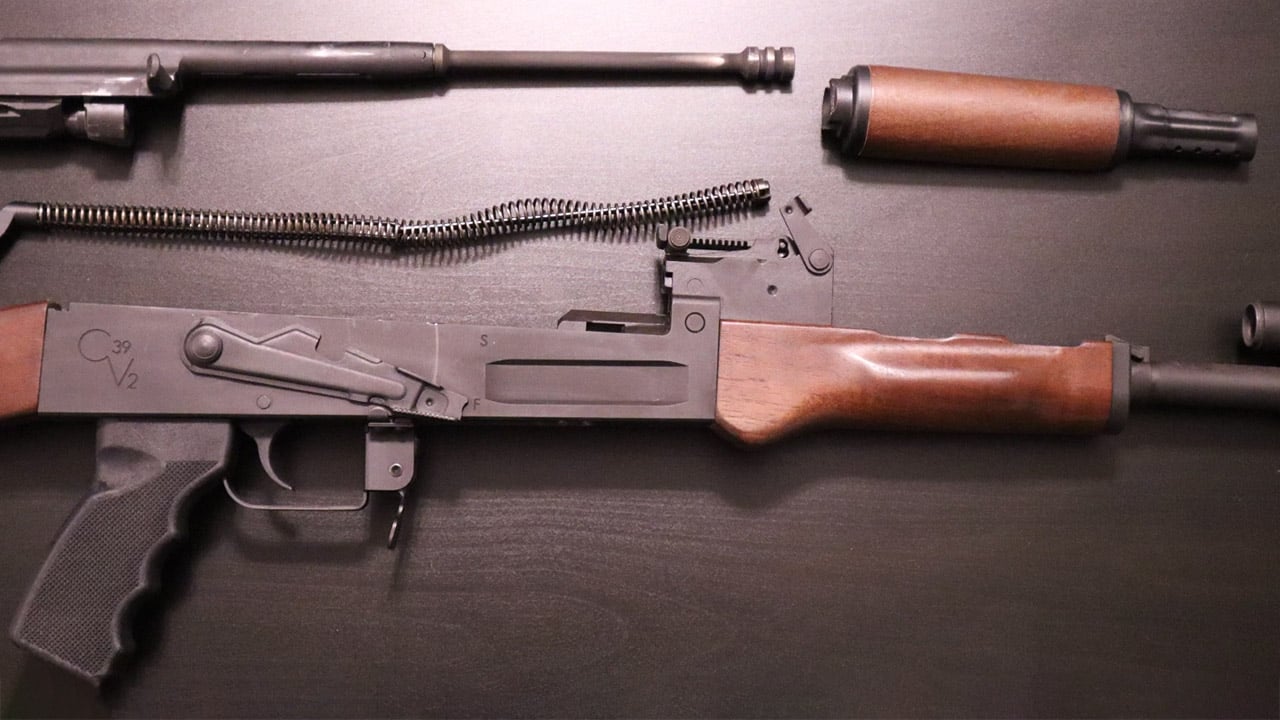
14. Century Arms C39V2 (milled AK)

There was a stretch where this rifle’s reputation got carried by “milled receiver” talk, like that alone meant quality. Plenty of owners found out the hard way that overall build and metallurgy matter more than the receiver type.
An AK that eats itself isn’t a bargain, and it sure isn’t a legend. If you want an AK, buy one with a track record for longevity, not just a cool spec on a hang tag.
15. Kimber 84M (as a guaranteed lightweight tack driver)
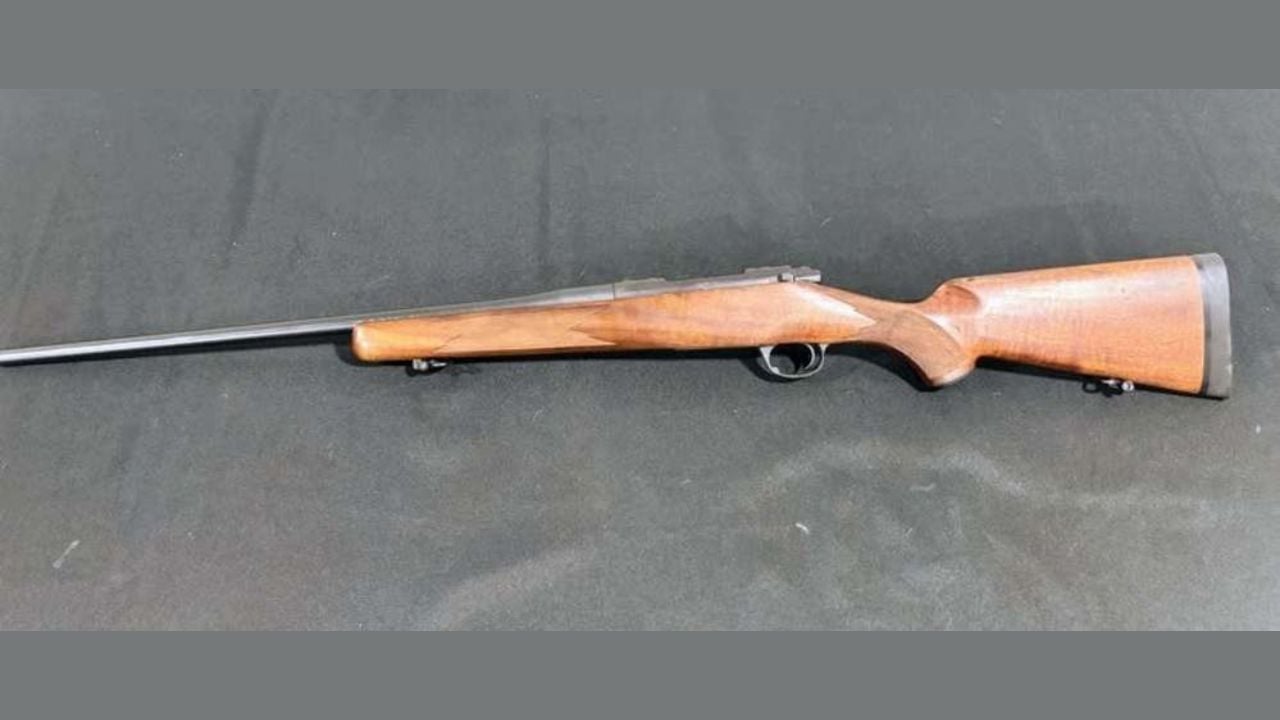
Kimber’s little bolt guns get sold on the idea of “mountain rifle that shoots tiny groups.” Some do. Some don’t. The reputation is so strong that guys will blame themselves, their scope, their rings, their ammo—everything—before they admit the rifle might just be average.
When you get a good one, they carry like a dream. When you get a so-so one, you’re paying premium money for a rifle you’ll always be trying to “tune” into what the name promised.
16. Christensen Arms Mesa (early hype years)

Christensen built a reputation on carbon barrels and lightweight precision. The Mesa got pulled into that reputation, even though it’s not the same category as their higher-end carbon rigs. A lot of buyers expected custom-ish performance and got “decent hunting rifle” results.
Nothing wrong with “decent,” but the price tag and marketing make folks expect more. And when accuracy is merely okay, it stings.
17. Savage 110 (older “it’s always accurate” examples)
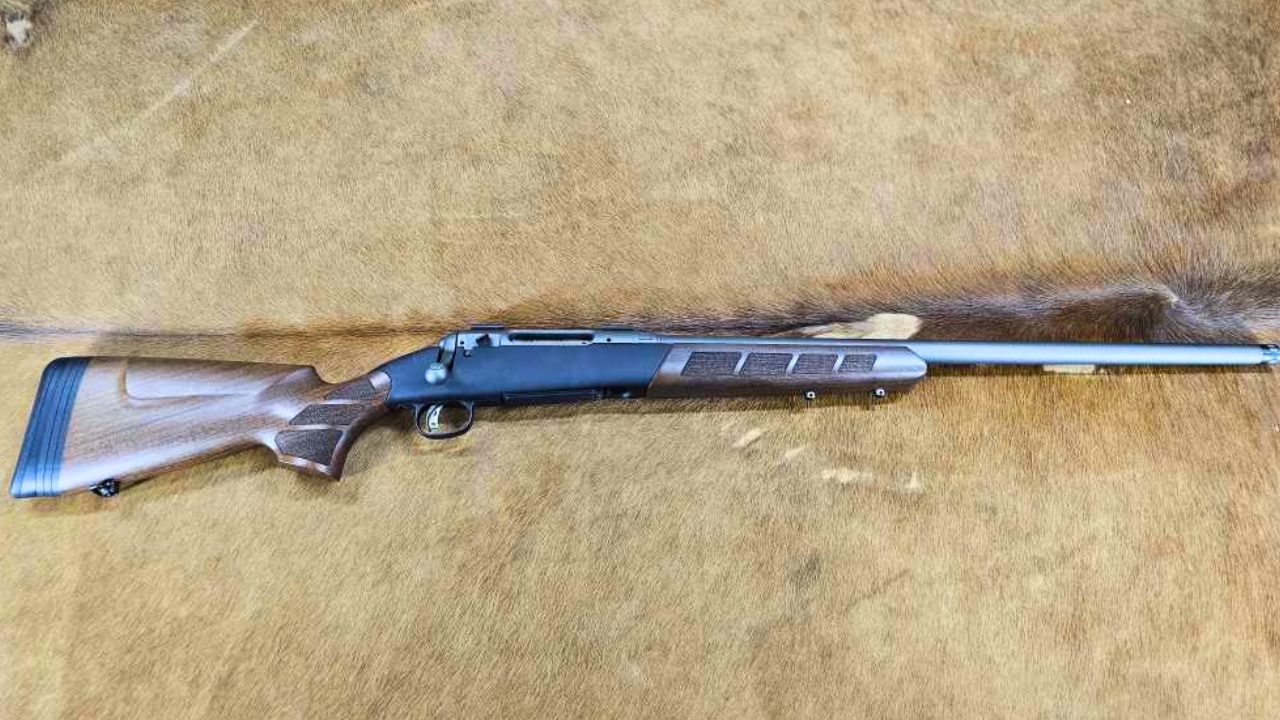
Savage earned its accuracy reputation honestly over the years. But like anything made in volume, not every example is a home run. The myth is that any old 110 automatically stacks bullets, no questions asked.
I’ve shot Savages that embarrassed rifles costing twice as much. I’ve also seen rough chambers and picky barrels that took a lot of load work to behave. The name helps, but it’s not a guarantee.
18. Winchester Model 70 (used market “pre-64 mystique” spillover)
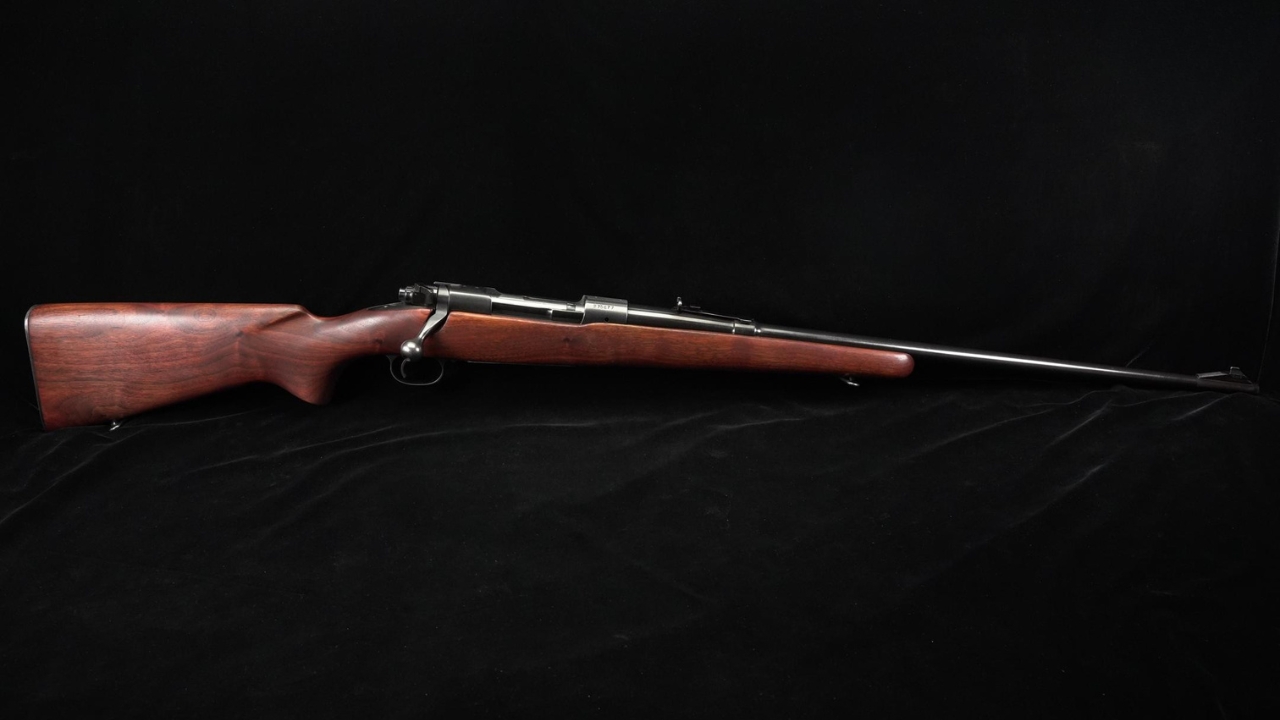
The pre-64 Model 70 reputation is so big it bleeds onto every Model 70 with a Winchester logo. Great rifles exist across all eras, but the used market sometimes prices plain rifles like they’re museum pieces just because the story sounds good at the counter.
If you want a Model 70 because you like controlled-round feed and classic lines, go for it. Just don’t pay collector money for a rifle that shoots like any other hunting gun and has been carried hard for 30 seasons.
19. Barrett M82A1/M107 (as a “practical” rifle)
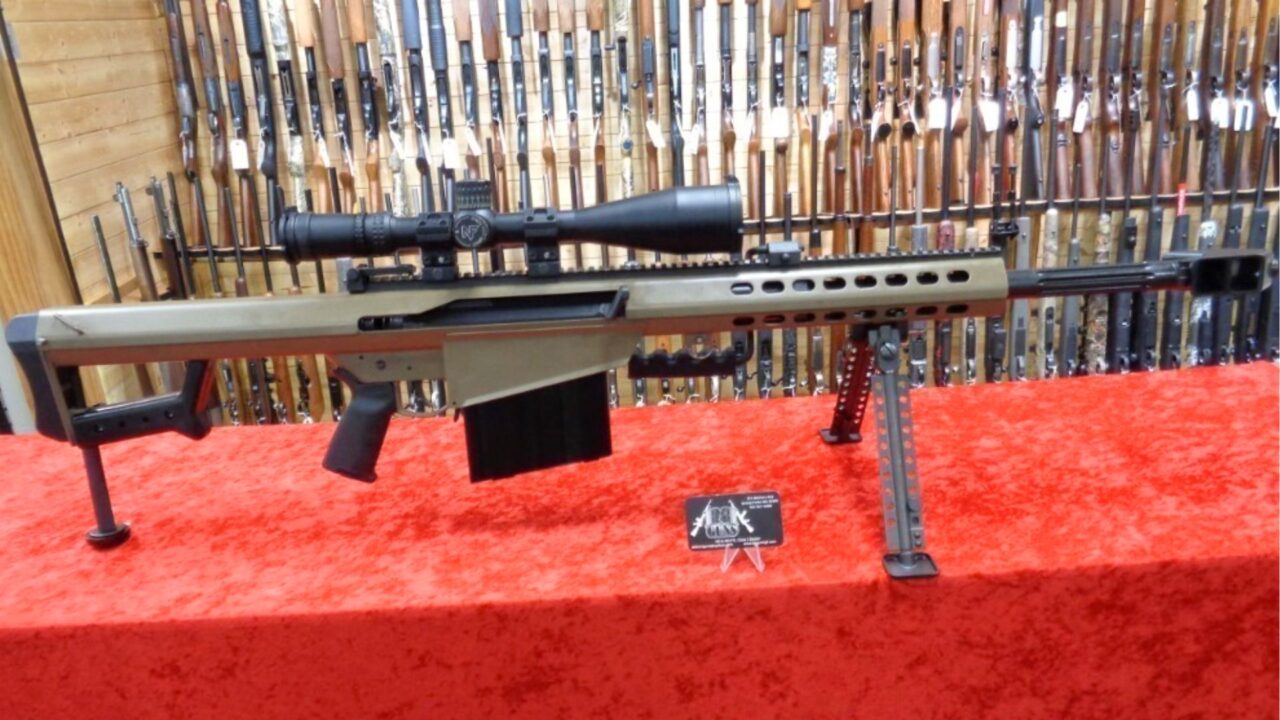
This one’s the king of reputation. Everybody knows what it is. Everybody wants to shoot it once. And almost nobody needs it. The performance story is usually “it’s insanely accurate,” when the real-world experience for most owners is “it’s loud, expensive to feed, heavy to move, and the recoil is more push than punch but it’s still a whole event.”
It’s a machine built for a role. If your role is normal hunting and normal range days, it’s mostly a reputation purchase.
20. Desert Tech SRS (bullpup precision mystique)
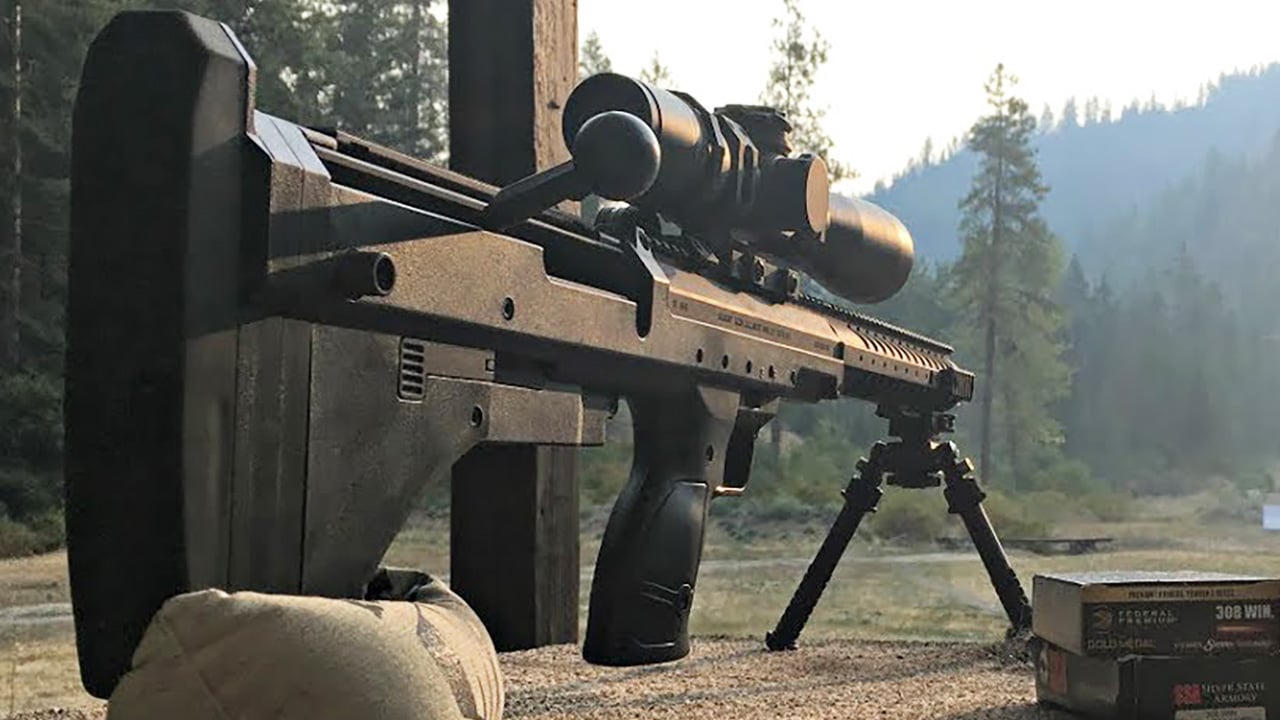
The SRS has a reputation as a precision rig that’s short, modular, and almost unfairly capable. The reality is more complicated. Bullpup triggers and balance can take getting used to, and the whole platform asks you to buy into a system that isn’t as plug-and-play as conventional bolt guns.
When they’re set up right, they can shoot. But plenty of buyers realize they wanted a simple, conventional rifle after all—something they can hand to a buddy at deer camp without a 10-minute explanation.
Here’s the honest takeaway: reputations aren’t useless. They’re just not a substitute for range time and real expectations. If you’re about to buy a rifle because “everybody knows” it’s great, slow down. Shoulder it, work the action, look at the mags and parts availability, and think about how you’ll actually use it when the weather’s bad and the excitement wears off.
Like The Avid Outdoorsman’s content? Subscribe to our newsletter so you never miss an article.
Here’s more from us: