
Photo credit: Dmitriy Prayzel/ShutterStock.com
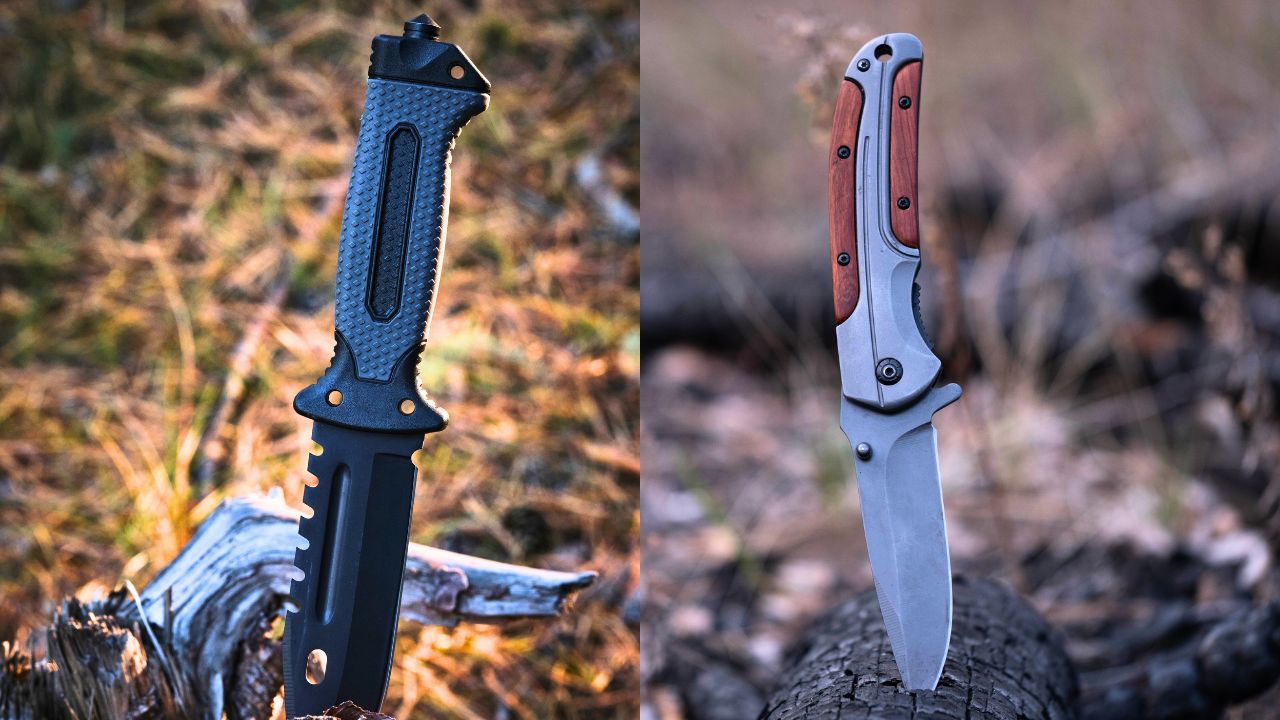
Whether you’re hunting, camping, or prepping for the unexpected, choosing between a fixed blade and a folding knife isn’t always straightforward. Each style has its strengths, and knowing when one outshines the other can make your tasks easier and safer. Fixed blades typically deliver durability and power, while folders bring portability and convenience. But it isn’t just about size—it’s about matching the tool to the job. Here’s a breakdown of when each knife type earns its place on your belt or in your pocket.
Fixed blades dominate heavy-duty field work
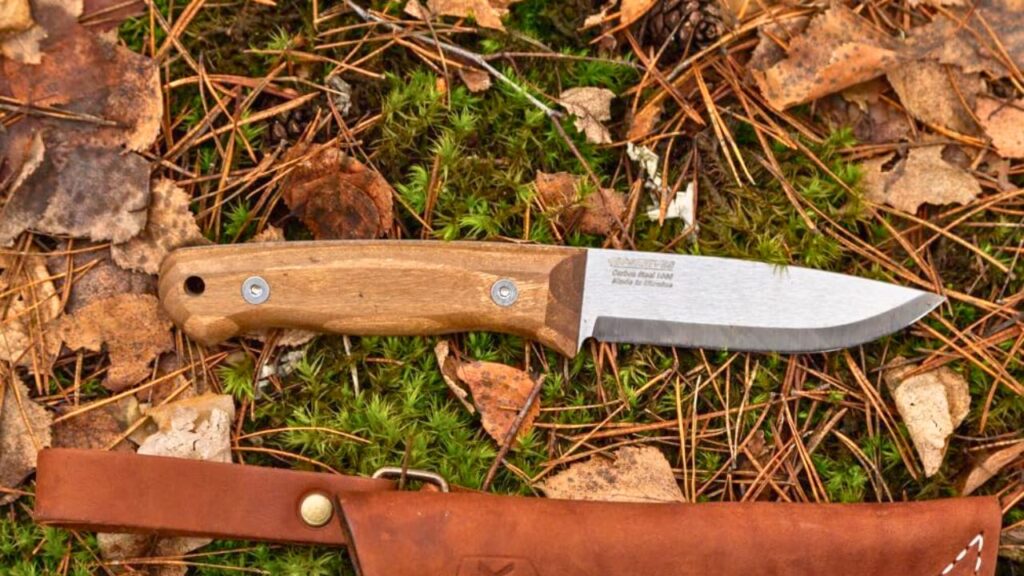
When you’re processing big game, splitting kindling, or tackling rugged camp chores, fixed blades hold up better. Their solid, one-piece construction means there are no moving parts to fail under stress, and they handle torque and prying more effectively than folders.
If your hunts or trips involve frequent hard-use scenarios, a dependable fixed blade will outperform a folder every time. It provides strength, control, and confidence when tasks push your knife past the limits of a folding design.
Folders shine when portability is the priority
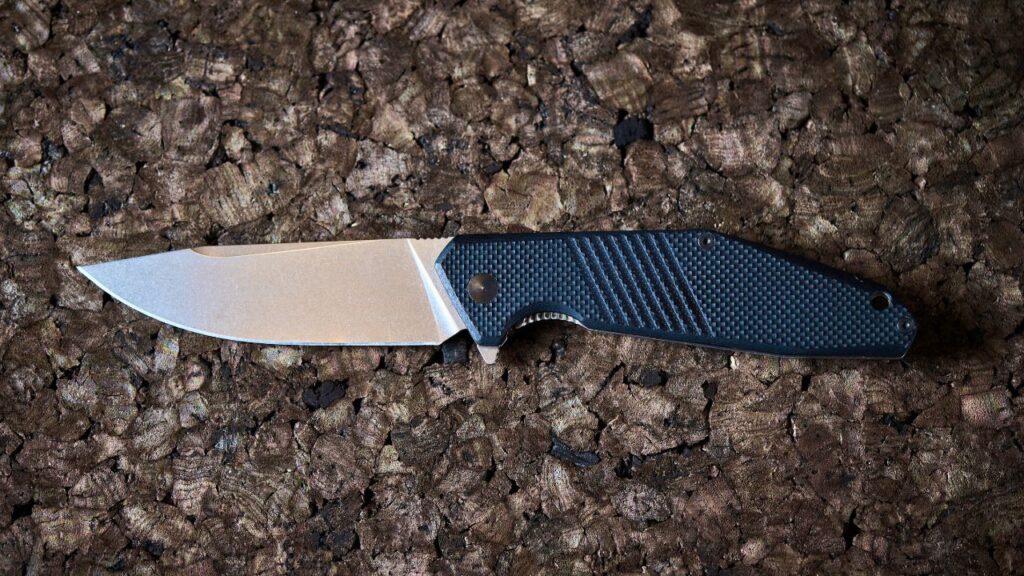
If you need a knife you’ll actually carry every day, folders take the lead. Their compact size makes them pocket-friendly, and modern locking mechanisms offer plenty of security for light and medium-duty tasks.
From cutting cordage to opening packages or dressing small game, a well-built folder keeps you ready without taking up belt space. While they can’t handle extreme abuse like fixed blades, they’re easier to keep on you, making them the practical choice for daily carry.
Fixed blades are better for survival and bushcraft
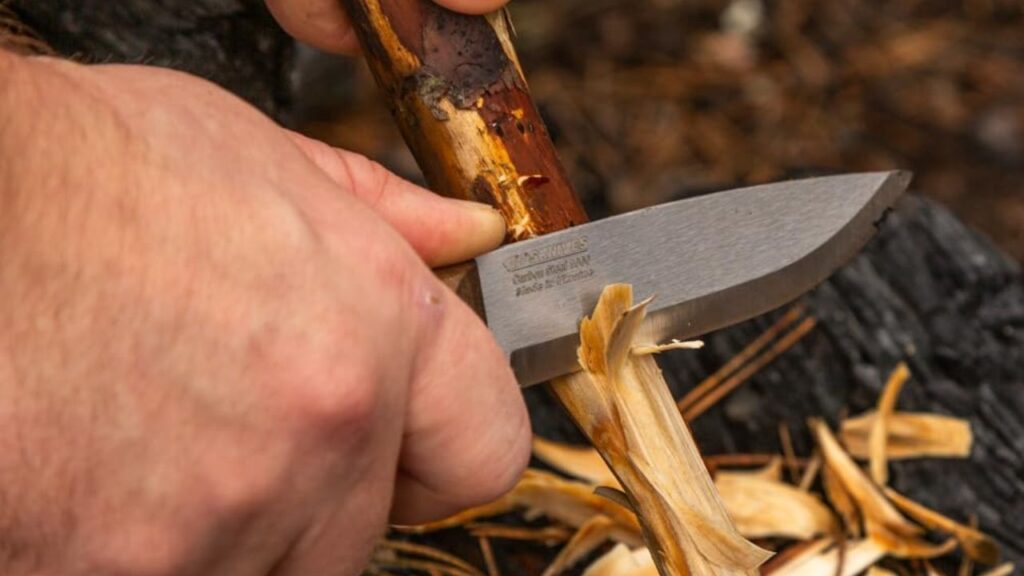
In true survival scenarios, durability trumps everything. Fixed blades excel when you need to baton wood, build shelters, or craft tools in the field. Their strength under stress is unmatched, and there’s no hinge or lock that could fail when it matters most.
If you’re going off-grid or into harsh environments, a reliable fixed blade belongs in your kit. The added weight pays off when your knife becomes a primary tool for keeping yourself safe, fed, and sheltered.
Folders offer versatility for everyday tasks
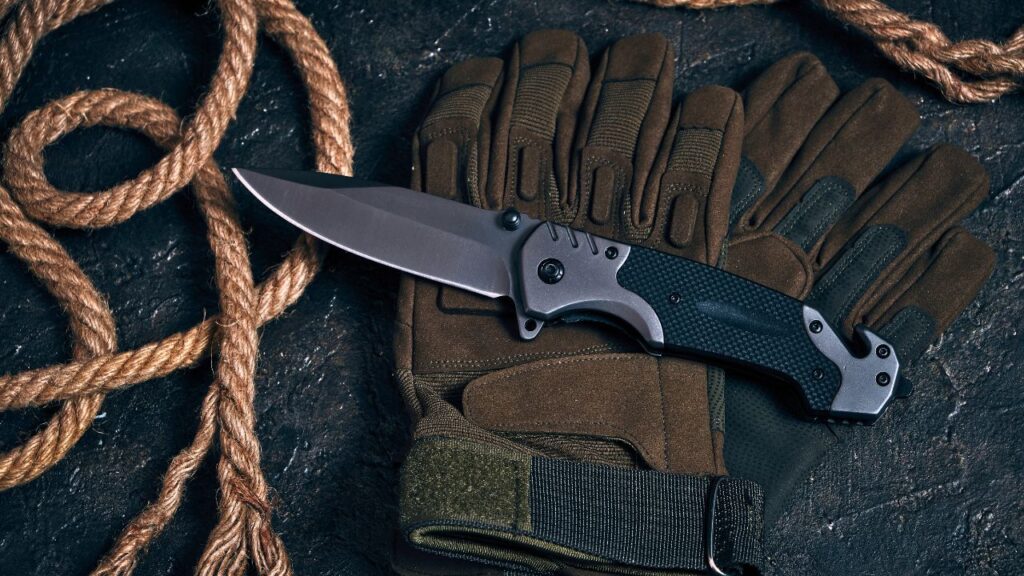
A folding knife’s strength lies in accessibility and convenience. When you need a quick-cutting tool for repetitive, small-scale tasks, they outperform larger fixed blades. Folders tuck away easily, so you’re more likely to carry them daily.
Modern folders also feature one-handed deployment, pocket clips, and slim profiles, making them ideal for situations where a bulky knife would be overkill. For EDC, they balance practicality with cutting performance better than any fixed blade.
Fixed blades perform better in wet, muddy conditions
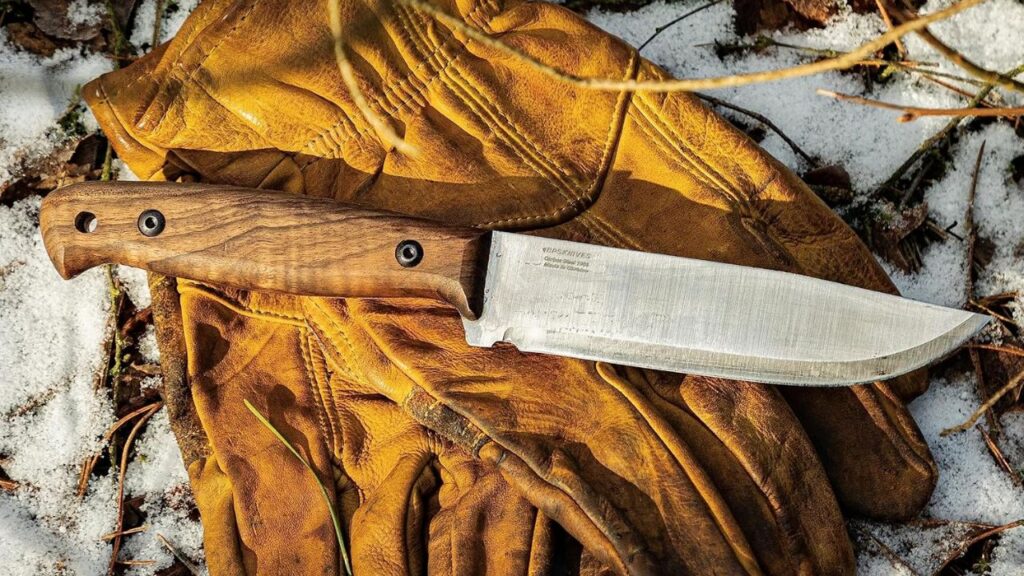
Folding knives are more prone to collecting grit, sand, and debris in their pivots, which can quickly impact reliability. Fixed blades don’t have these moving parts, so they handle rain, mud, and grime without binding up or failing.
If you’re hunting waterfowl, fishing, or working in harsh terrain, a fixed blade’s resilience stands out. You can clean them faster, keep them sharp longer, and trust them when the conditions aren’t on your side.
Folders excel for discreet carry
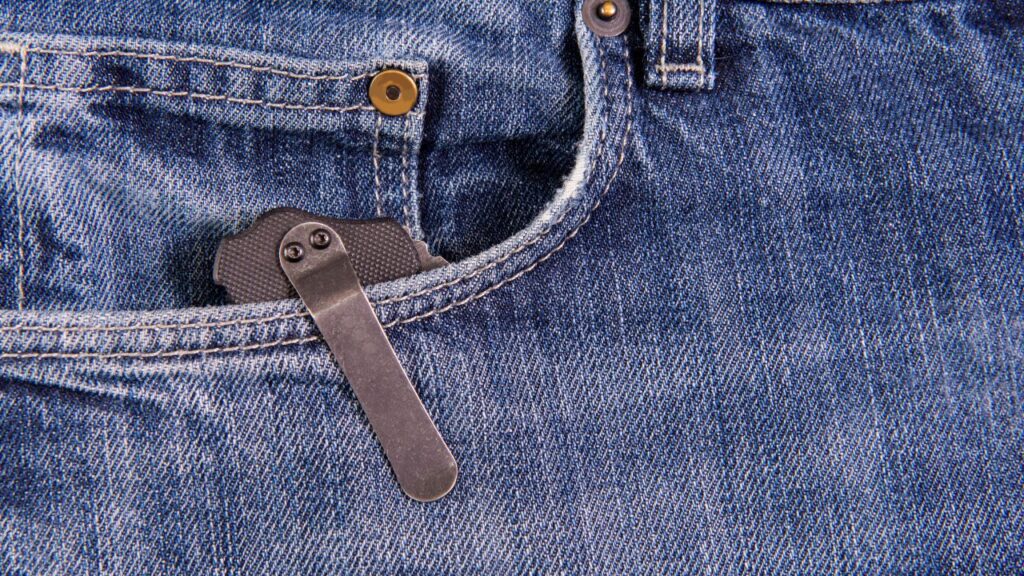
When you need a low-profile blade that won’t draw attention, folders outperform fixed blades. They ride unnoticed in a pocket, and many states have fewer restrictions on folding knives compared to larger fixed options.
For anyone who wants a knife on hand without advertising it, folders make the most sense. You still get reliable cutting ability but in a design that’s easy to conceal, comfortable to carry, and less likely to draw unwanted looks or questions.
Fixed blades bring superior strength for prying and leverage
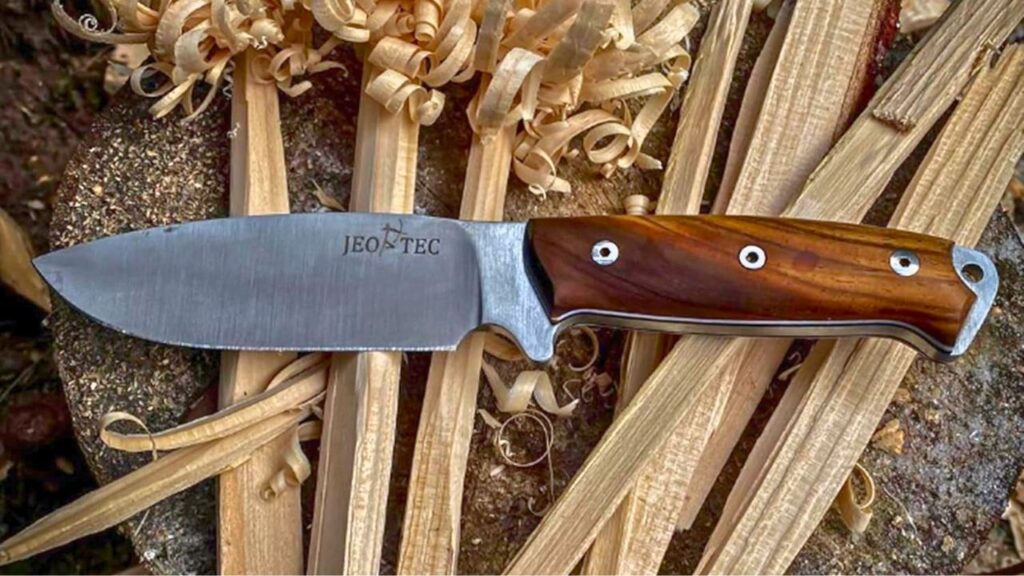
When you need to dig, pry, or exert serious downward force, fixed blades win outright. Their full tang construction and lack of hinges mean you can lean on them harder without risking catastrophic failure.
Folders, on the other hand, have weak points at their pivots and locking mechanisms, making them less reliable under extreme torque. When leverage is a factor, a fixed blade is the safer and more effective option.
Folders give you one-handed convenience
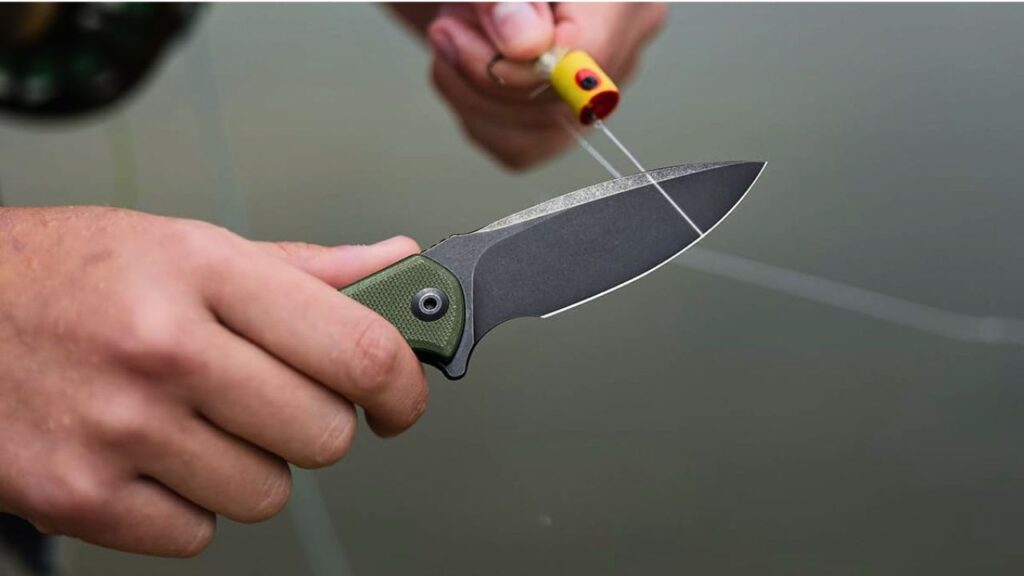
Many modern folders are built for speed, and that’s a major advantage in certain situations. With assisted or flipper-style openings, you can deploy them with one hand while your other is busy—useful when climbing, holding gear, or managing a hunt.
Fixed blades require a sheath and a deliberate draw, which slows you down. When speed and convenience matter more than brute strength, a well-designed folder outpaces its fixed-blade counterpart.
Fixed blades make maintenance simpler
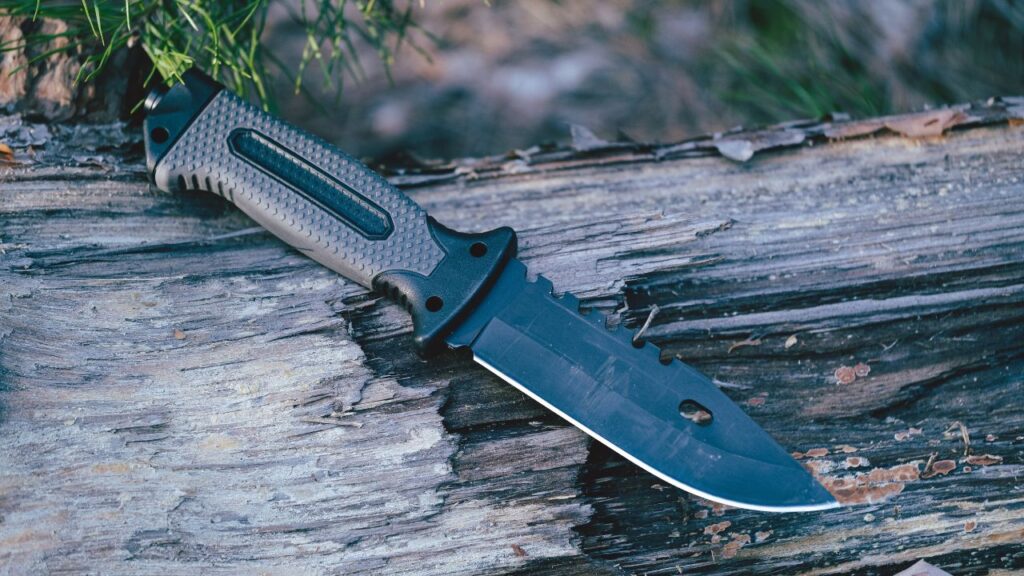
Cleaning a folding knife after field dressing game or working in dirty environments can be tedious. Blood, dirt, and moisture get into the pivot and locking mechanism, leading to wear and possible failure if not maintained properly.
Fixed blades, by comparison, are straightforward to clean and dry. They’re also easier to sharpen evenly since you’re working with a single, solid edge. If you prioritize simple upkeep and reliability, fixed blades save you time and frustration.
Folders offer more options for everyday customization
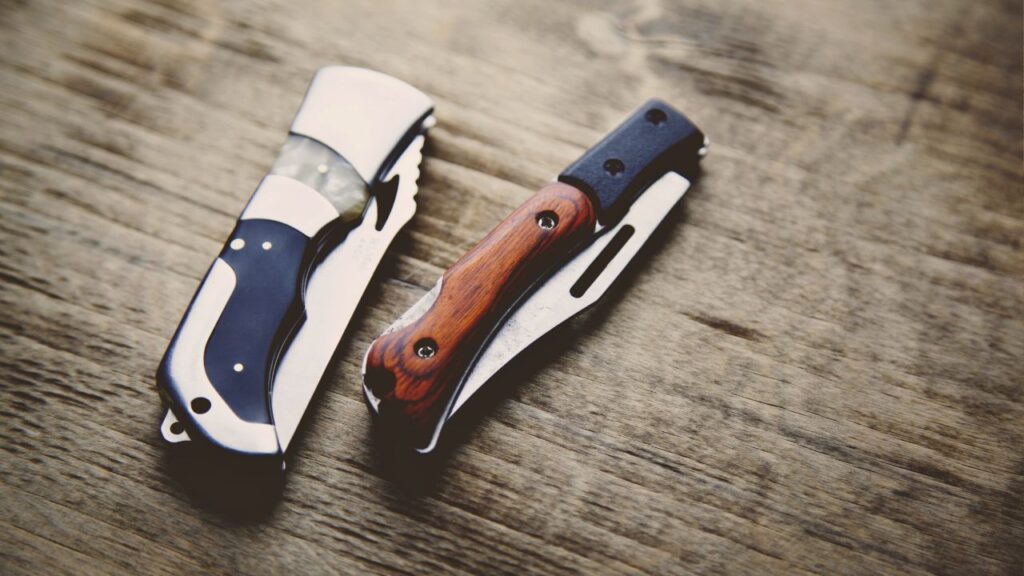
From blade shapes to locking systems and pocket clips, folders bring a wider range of customization for daily use. You can choose models designed for quick deployment, deep carry, or specific cutting profiles tailored to your lifestyle.
Fixed blades tend to be simpler tools, focusing on strength rather than variety. If you’re looking for an EDC knife that fits your preferences perfectly, a folder gives you more flexibility without compromising utility for lighter tasks.
*This article was developed with AI-powered tools and has been carefully reviewed by our editors.


