
Photo credit: Wirestock Creators/Shutterstock.com
There’s no shortage of “expert” advice in the deer woods, but a lot of it ends up hurting your chances more than helping them. Some of these so-called rules get passed down for generations without anyone questioning them. Others sound good but don’t hold up once you actually study deer behavior. If you’ve been struggling to fill tags, odds are one of these old myths is working against you. Breaking them might be the edge you need this season.
You can’t hunt mornings during the rut
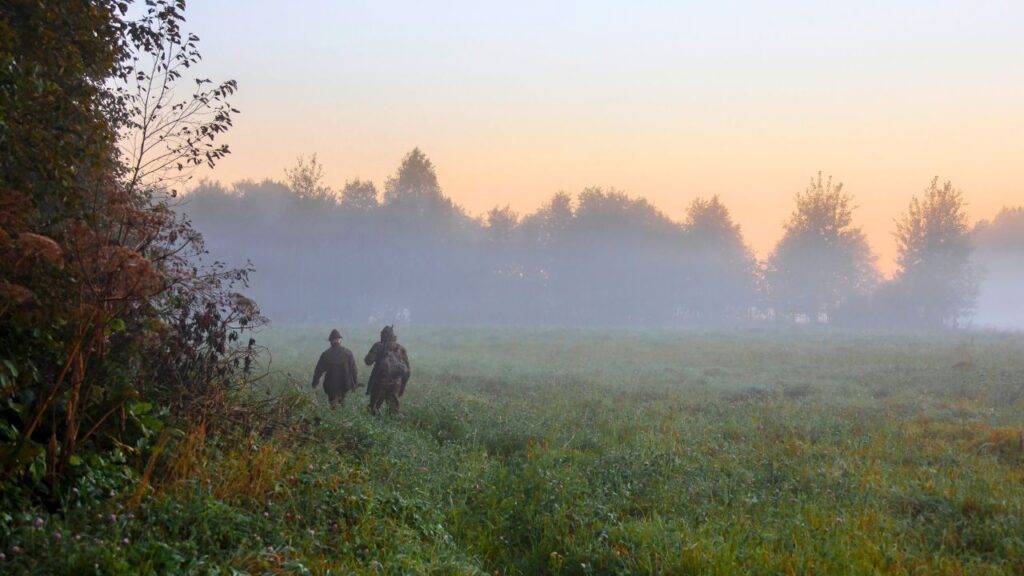
Plenty of hunters skip mornings during the rut because they’ve heard deer move less early. The truth is, mature bucks often stay on their feet late into the morning, especially when they’re pushing does.
If you’re sleeping in, you’re missing prime daylight activity. Slip in quietly before shooting light and set up where you know does bed. Patience pays off here — many big deer get taken after other hunters have already headed home for breakfast.
Deer won’t move in the wind

One of the most common myths is that deer lock down completely on windy days. While heavy winds might shift where they travel, deer still move — they just use different routes for cover.
Instead of skipping the hunt, adjust your setup. Focus on areas with natural windbreaks like thick timber or low draws where deer feel safer. With fewer hunters braving the conditions, a windy day can actually give you the advantage if you know where to be.
You need scent eliminators to kill big bucks
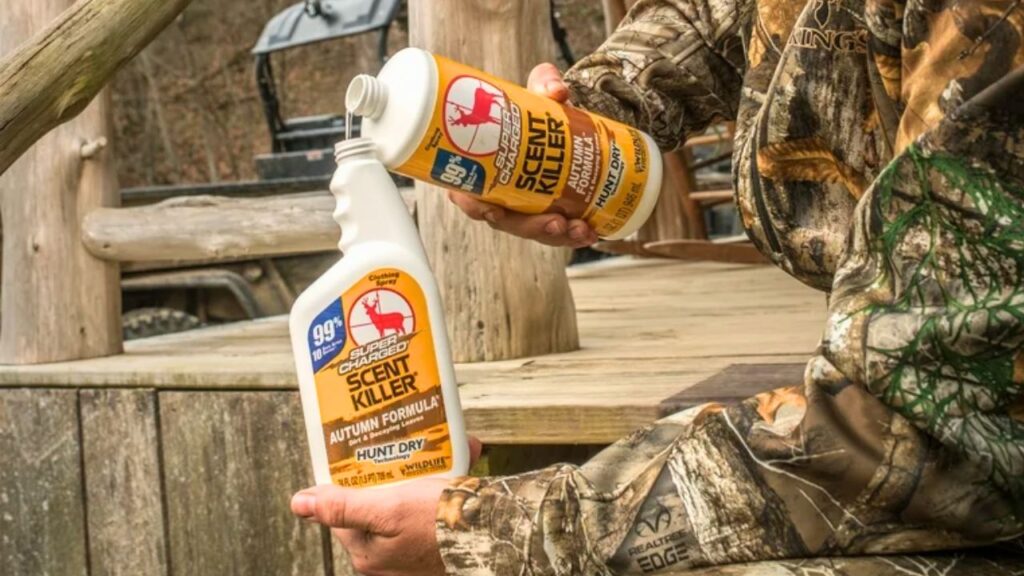
Scent-control products get marketed like they’re magic, but they can give hunters a false sense of security. Even the best sprays and ozone machines can’t beat a deer’s nose.
Instead, focus on wind and thermals. Position yourself where your scent won’t drift into bedding or feeding areas, and stay disciplined with your entry and exit routes. Playing the wind will consistently beat gadgets, and it’s the strategy experienced hunters rely on when chasing pressured deer.
Rattling only works on aggressive bucks
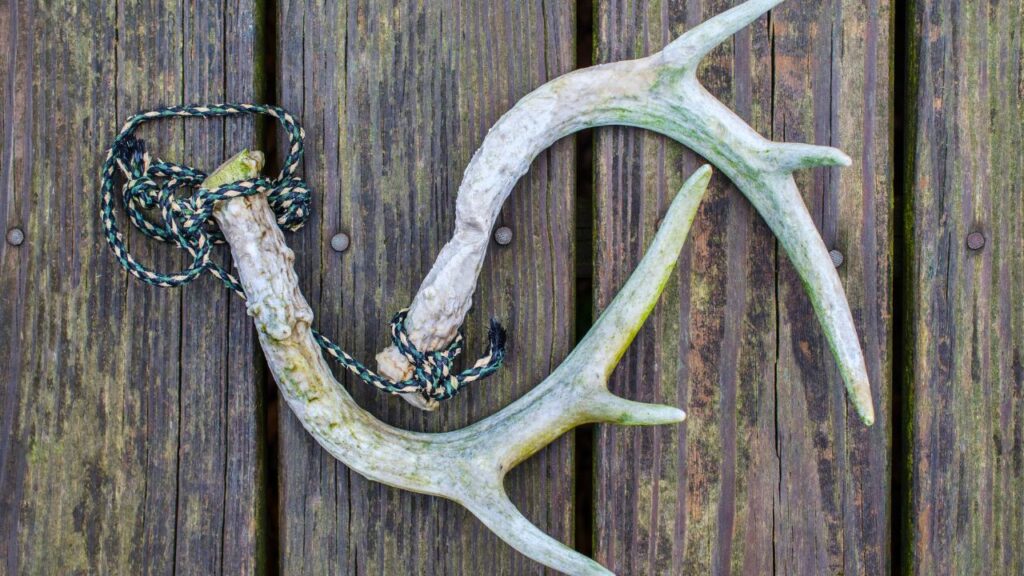
A lot of hunters leave their rattling antlers at home, thinking only dominant bucks respond. The reality is, rattling can bring in all kinds of deer, including curious younger bucks and does.
The trick is matching your intensity to the conditions. During peak rut, a louder, more drawn-out sequence can grab a buck’s attention. Early in the season, light tickling of antlers works better. The key isn’t skipping rattling altogether but learning when and how to use it.
Deer always bed on south-facing slopes
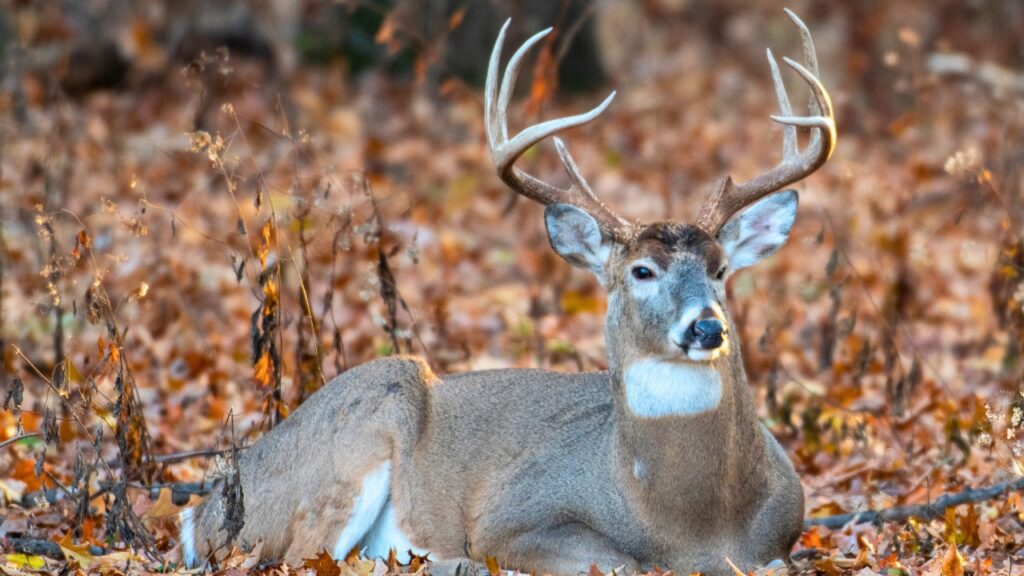
It’s true that deer favor south-facing slopes in winter for warmth, but treating it as a rule can cost you opportunities. Bedding depends on more than sunlight — cover, food access, and hunting pressure matter just as much.
Sometimes the bucks everyone expects to be sunning on south slopes are tucked into shaded north hillsides for security. Scouting trumps assumptions. Pay attention to tracks, droppings, and beds rather than blindly trusting slope direction, and you’ll find deer where others don’t bother looking.
The full moon shuts deer down

This one gets repeated every season, but data and field experience don’t back it up. Deer don’t stop moving during a full moon — they often just shift activity patterns, feeding more at night and returning to cover later in the morning.
Instead of skipping those days, adjust your timing. Get in earlier and hunt longer into midday when bucks come back to bed. Understanding how moon phases influence deer behavior can actually make you more successful, not less.
You need high-end gear to fill tags
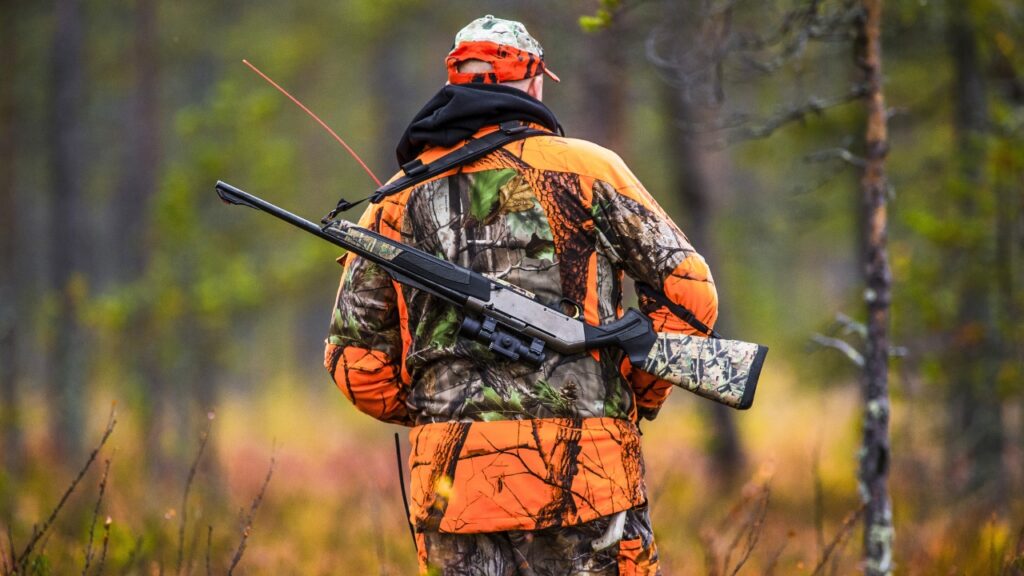
Marketing pushes the idea that you can’t succeed without the newest camo, premium optics, and thousand-dollar rifles. The truth? Plenty of hunters tag out every year using budget-friendly setups.
What matters more is knowing your equipment inside and out. A well-practiced shot with a reliable rifle and decent glass beats someone with top-of-the-line gear they don’t fully understand. Time scouting, reading sign, and learning wind patterns is a better investment than chasing trends in the hunting aisle.
The more time on stand, the better
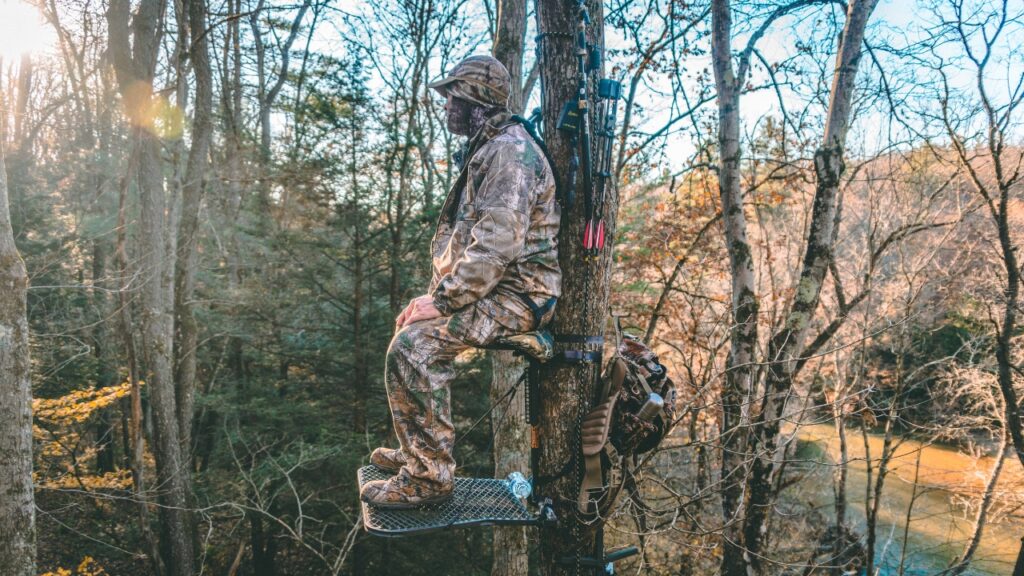
Sitting all day can be productive, but only in the right location. Many hunters burn out their spots by parking in the wrong stand for hours, letting scent and pressure push deer elsewhere.
Strategic hunting beats sheer time every time. Focus on entry and exit routes, hunt where the wind is right, and don’t be afraid to relocate when conditions change. Quality sits in high-traffic areas consistently outperform marathon sits in dead zones where deer rarely move in daylight.
*This article was developed with AI-powered tools and has been carefully reviewed by our editors.


