Photo credit: Judson Guns – CC BY-SA 3.0/Wiki Commons
A strong name can carry a gun company for a long time. If a brand built rifles your grandpa trusted, pistols police carried, or shotguns that filled bird seasons for decades, people keep giving it the benefit of the doubt. Sometimes that trust is earned. Sometimes it lingers long after the products stop feeling special.
That does not mean every gun from these brands is bad. Most of them still make some good firearms. The problem is when the reputation does more work than the gun itself. These are the brands that often get praised because of what they used to be, not always because of what buyers are getting now.
Remington
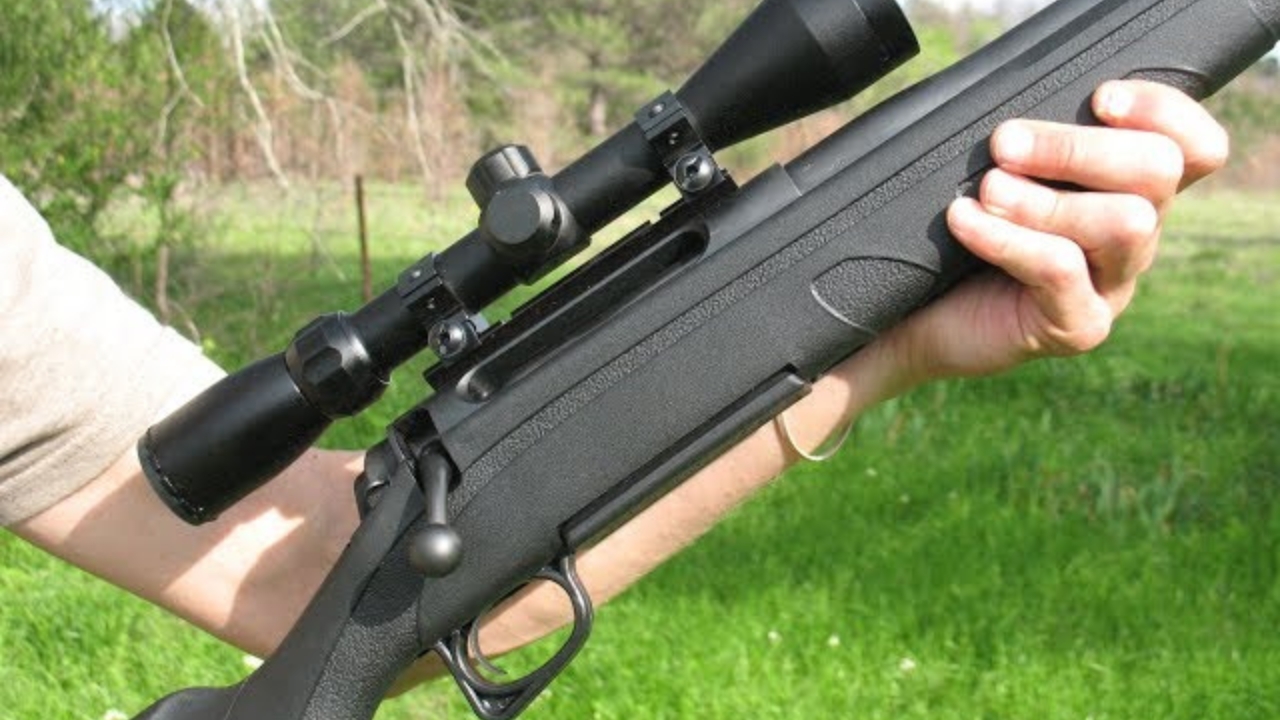
Remington may be the clearest example of a brand still living off old glory. The old 870 Wingmaster, Model 700, Nylon 66, Model 1100, and classic deer rifles built a level of loyalty most companies would love to have. For generations, Remington felt like one of the safest names in American gun racks.
The problem is that later Remington products did not always feel like they came from the same company. Rougher finishes, cheaper-feeling guns, troubled handguns, and years of corporate mess made buyers more cautious. The Remington name still means something, but it no longer gets an automatic pass just because the old guns were great.
Colt
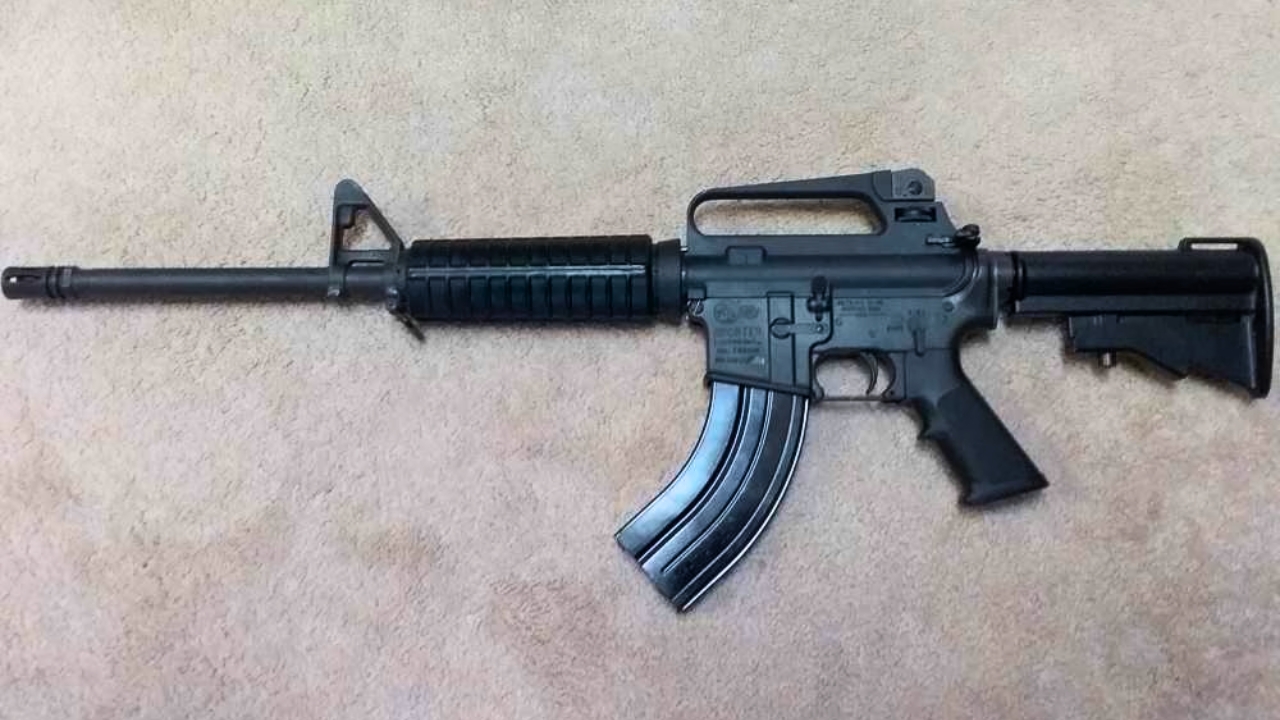
Colt has history that almost no handgun company can match. The 1911, Single Action Army, Python, Detective Special, AR-15 legacy, and military contracts gave Colt a legendary name. That name still sells guns before many buyers even compare them.
But Colt’s modern reputation is complicated. The company still makes desirable firearms, but it also charges heavily for the pony on the slide or receiver. Some buyers feel like they are paying more for heritage than current superiority. Colt is still important, but the brand name alone does not mean the gun is automatically better than what competitors are building.
Kimber

Kimber built its reputation on attractive 1911s that looked like custom guns regular buyers could afford. For a while, the formula worked extremely well. Nice finishes, good-looking grips, and upgraded features made Kimber feel like a step above plain service pistols.
The issue is that Kimber’s reputation often outruns the trust many shooters have in the guns. Picky feeding, magazine sensitivity, break-in talk, and small carry pistols that look better than they shoot have made buyers more skeptical. Kimber still makes pretty guns, but pretty is not enough when people are paying serious money.
Springfield Armory
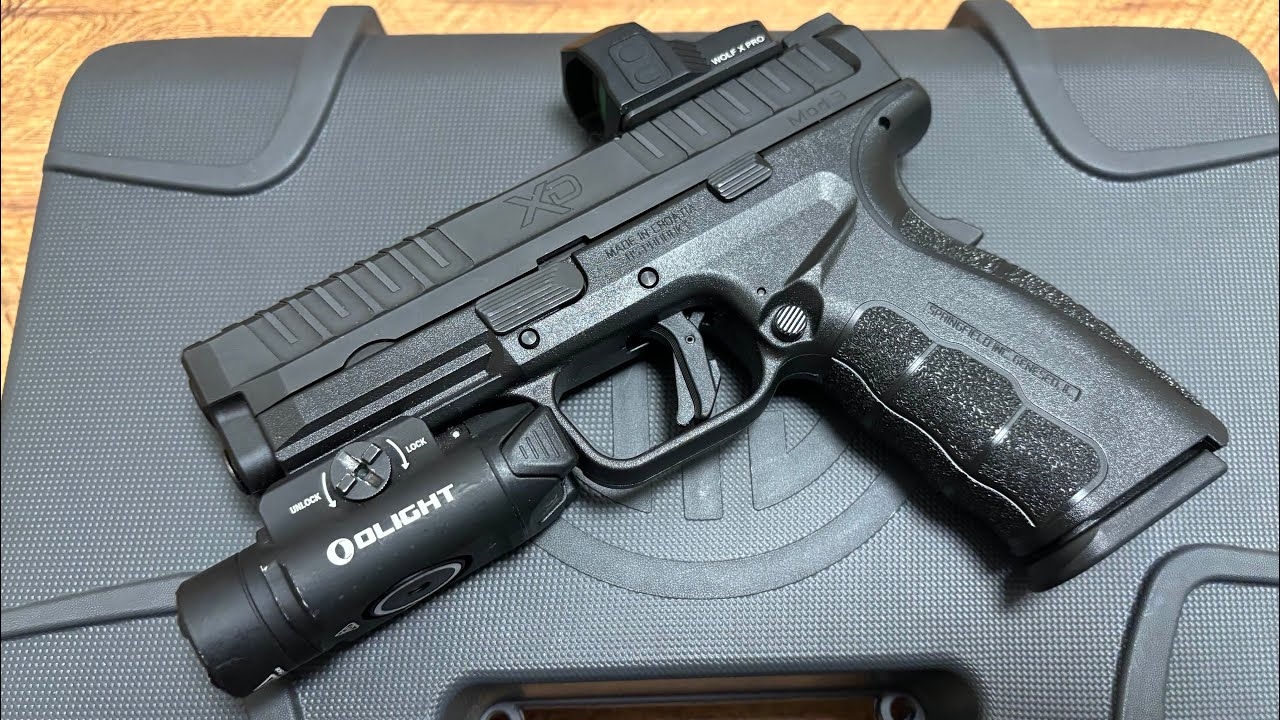
Springfield Armory benefits from a name that sounds older and more historically connected than the modern company really is. The brand has sold plenty of good firearms, from 1911s to M1A rifles to the XD and Hellcat lines. It knows how to market guns well.
The problem is that the name can make buyers assume more heritage and American tradition than every product actually delivers. Some Springfield guns are excellent values. Others feel like imported designs, smart branding, or feature-packed answers to trends. The company is not bad, but the reputation sometimes feels bigger than the gun in the box.
Winchester
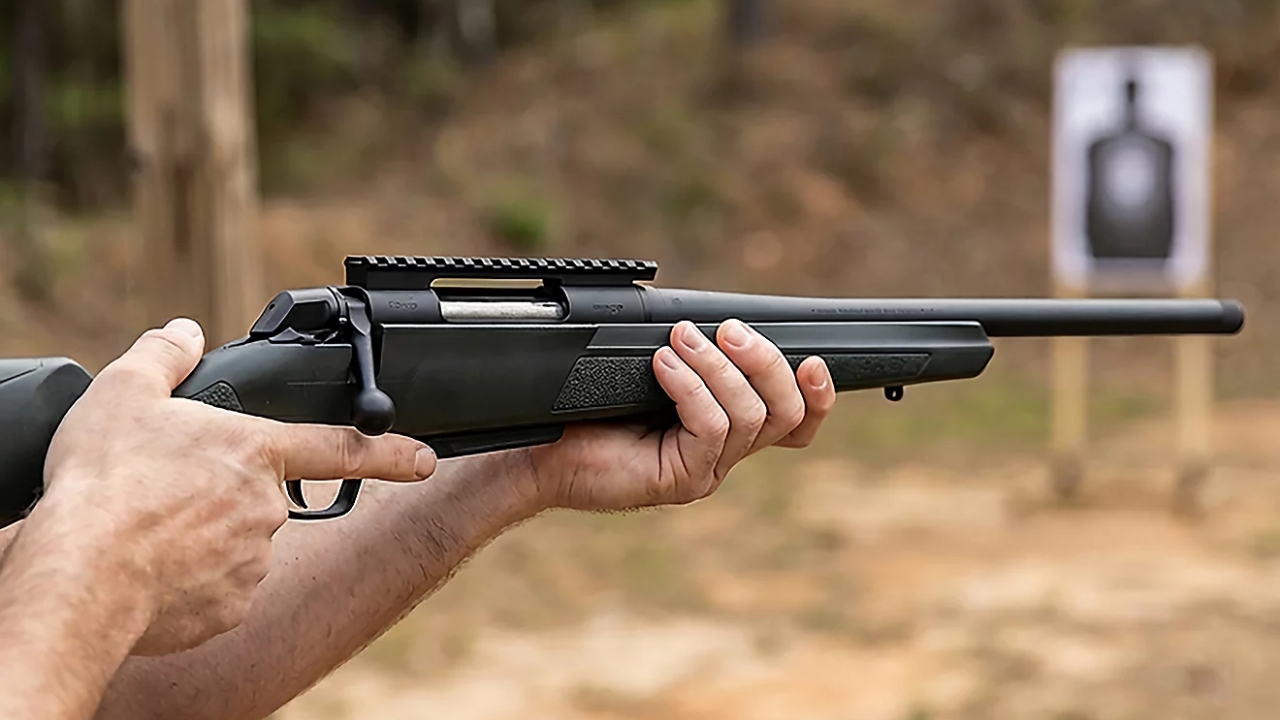
Winchester is one of the greatest names in firearms history. The Model 70, Model 94, Model 12, Model 21, and countless lever guns made Winchester feel almost untouchable. For hunters, the name still carries real weight.
Modern Winchester-branded guns can still be good, but the brand is not the same simple American icon many people picture. Ownership changes, overseas production, and a smaller lineup have changed what the name means. A Winchester on the box still gets attention, but buyers should judge the exact gun instead of assuming old Model 70 or Model 94 magic is automatically there.
Marlin
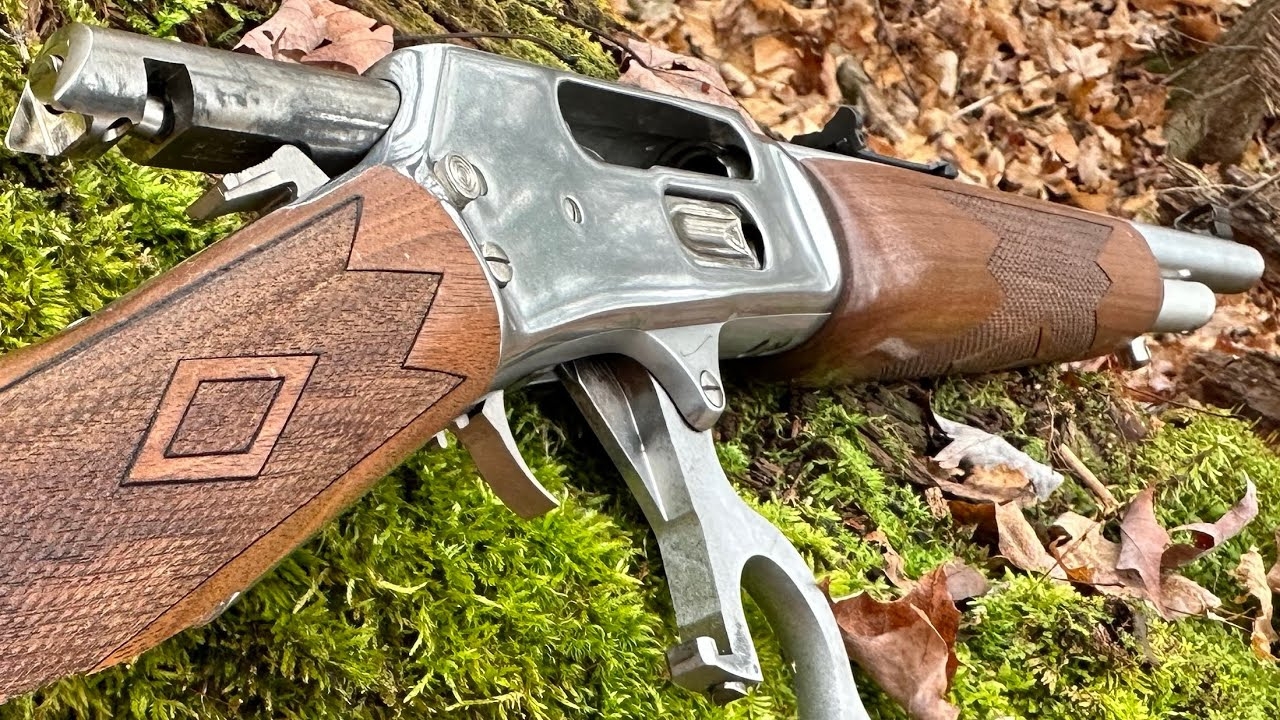
Marlin earned huge loyalty with lever-action rifles that hunters trusted for generations. A good old Marlin 336, 1894, or 1895 still feels like one of the most honest hunting rifles around. That reputation was earned in deer camps, trucks, and thick woods.
The problem is that Marlin’s reputation took a hit during rough production years before Ruger brought the brand back. Ruger-made Marlins have done a lot to restore confidence, but the name still carries baggage depending on era. Marlin deserves respect, but buyers have learned to ask which Marlin they are looking at, not just whether it says Marlin.
Browning
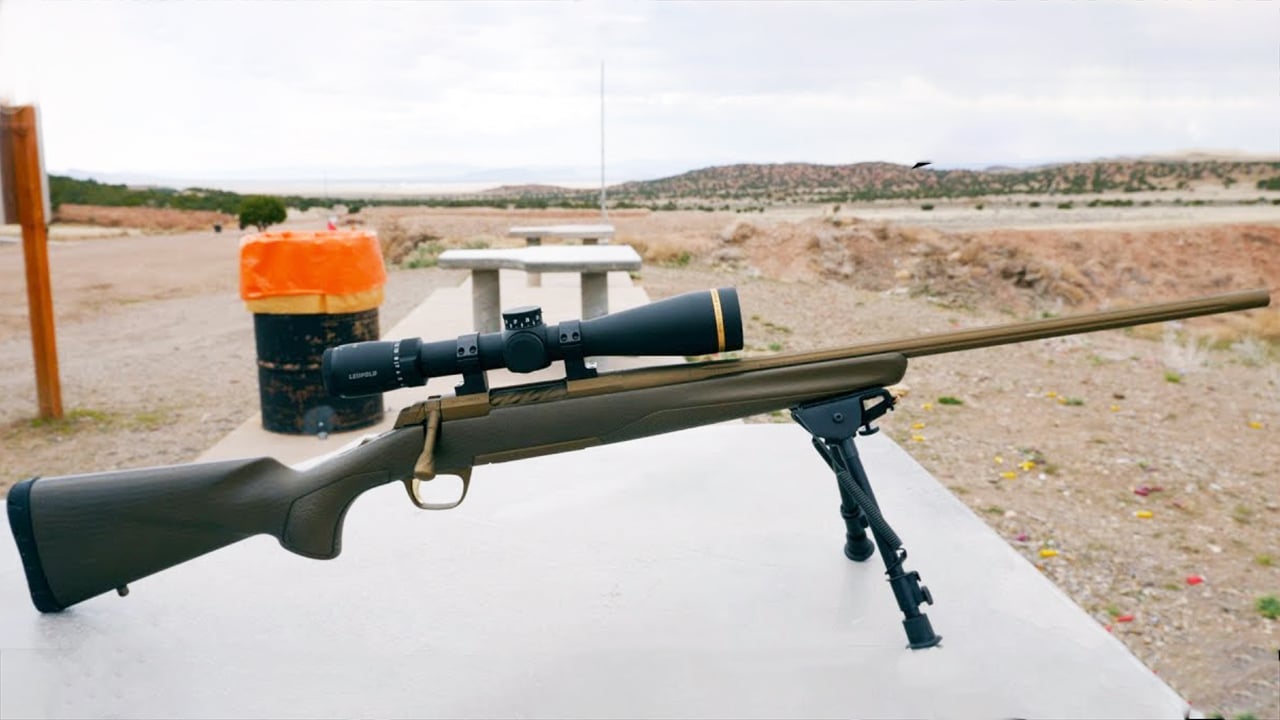
Browning still has one of the strongest names in sporting firearms. The Auto-5, Hi-Power, Citori, BAR, BLR, A-Bolt, and classic shotguns made the brand feel refined and serious. Browning still makes many good guns.
The issue is price and expectation. Browning often gets treated like it is automatically a premium answer, but not every gun wearing the Buckmark feels like a bargain. Some models are excellent. Others feel expensive for what they deliver. Browning still deserves respect, but the name can make buyers overlook whether a specific gun really beats cheaper competition.
Weatherby
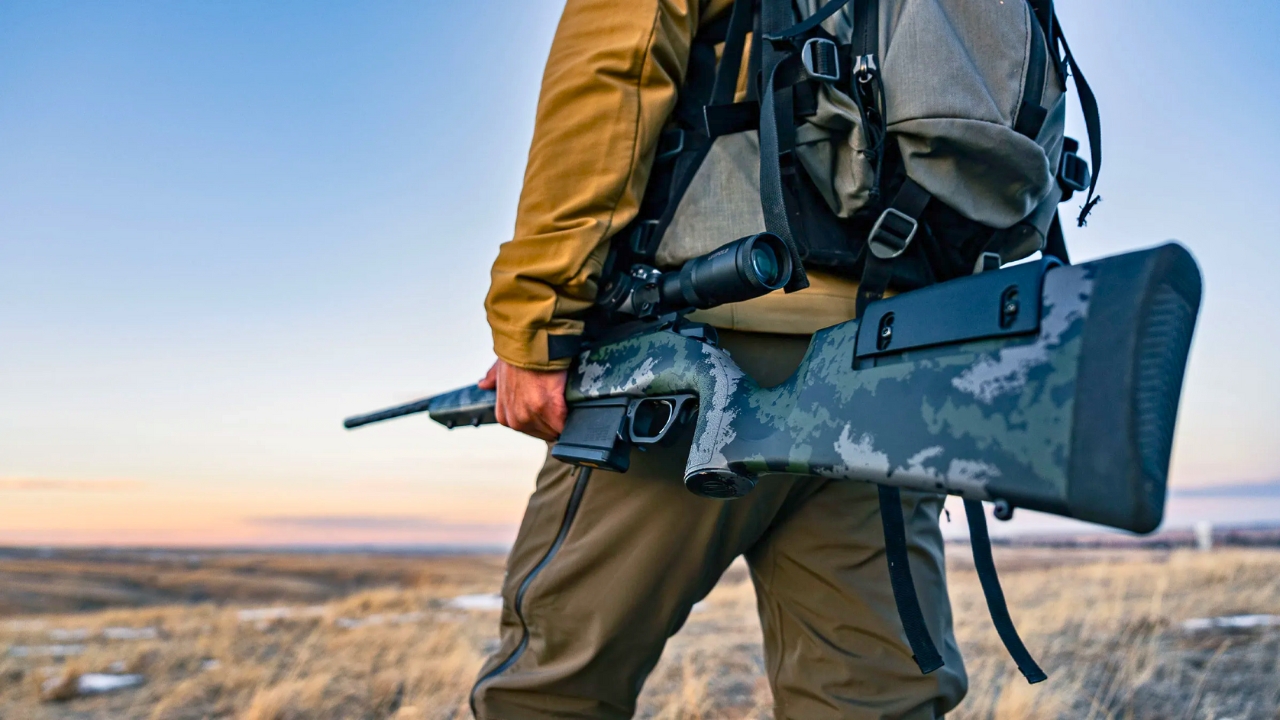
Weatherby built its reputation on speed, power, glossy stocks, magnum confidence, and big-country hunting. A Mark V in a Weatherby Magnum still has a certain presence. The brand knew how to make rifles feel special.
But Weatherby’s old identity does not always match what every hunter needs now. Plenty of hunters have moved toward lighter rifles, milder cartridges, practical stocks, and ammo they can find easily. Weatherby still makes good rifles, but the old magnum mystique can talk people into more recoil, blast, and cost than their hunting actually requires.
Smith & Wesson
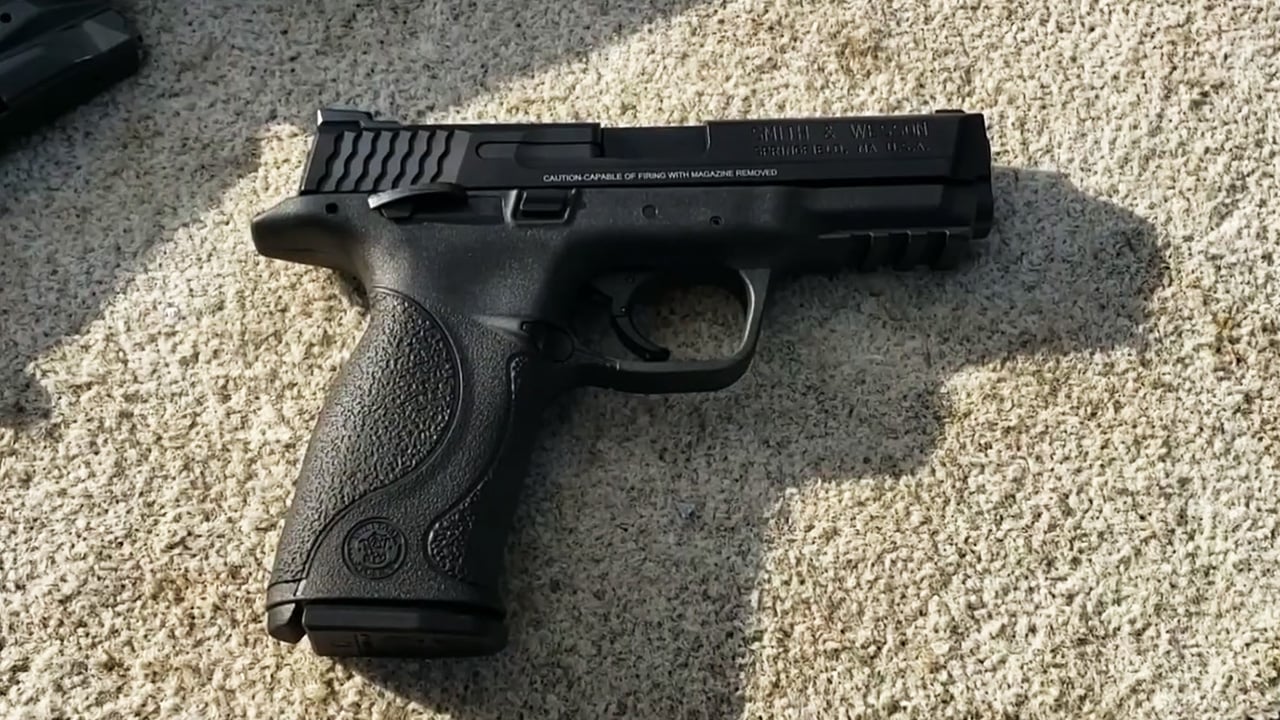
Smith & Wesson has one of the strongest handgun reputations ever built. The old revolvers alone would be enough to keep the name alive: Model 10, Model 19, Model 27, Model 29, Model 36, Model 66, Model 686, and more. The company also built major semi-auto and modern M&P credibility.
The problem is that old Smith & Wesson expectations can be hard for modern guns to meet. Some buyers still expect every revolver to feel like a pinned-and-recessed classic or every pistol to have the same sense of polish as older steel guns. Smith still makes good firearms, but the brand name does not guarantee old-school perfection.
Ruger
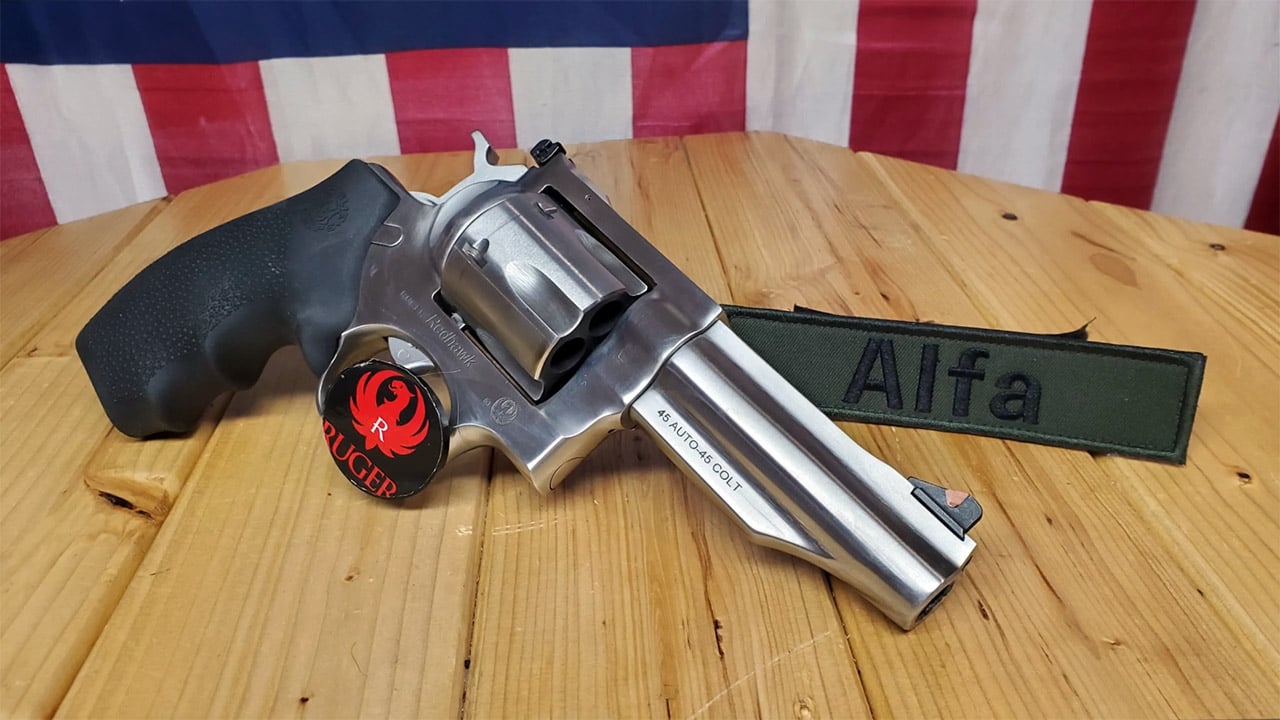
Ruger has a strong reputation for rugged, practical guns. The 10/22, Mark series pistols, GP100, Redhawk, Blackhawk, Security-Six, M77, and Mini-14 gave Ruger a tough working-gun image. A lot of that reputation is deserved.
Where Ruger sometimes gets overrated is in refinement. Ruger guns are often strong and useful, but they are not always smooth, polished, or elegant. Some buyers forgive rough triggers, plain finishes, and utilitarian feel because “it’s a Ruger.” Ruger still makes some of the best practical guns around, but rugged does not always mean superior.
SIG Sauer
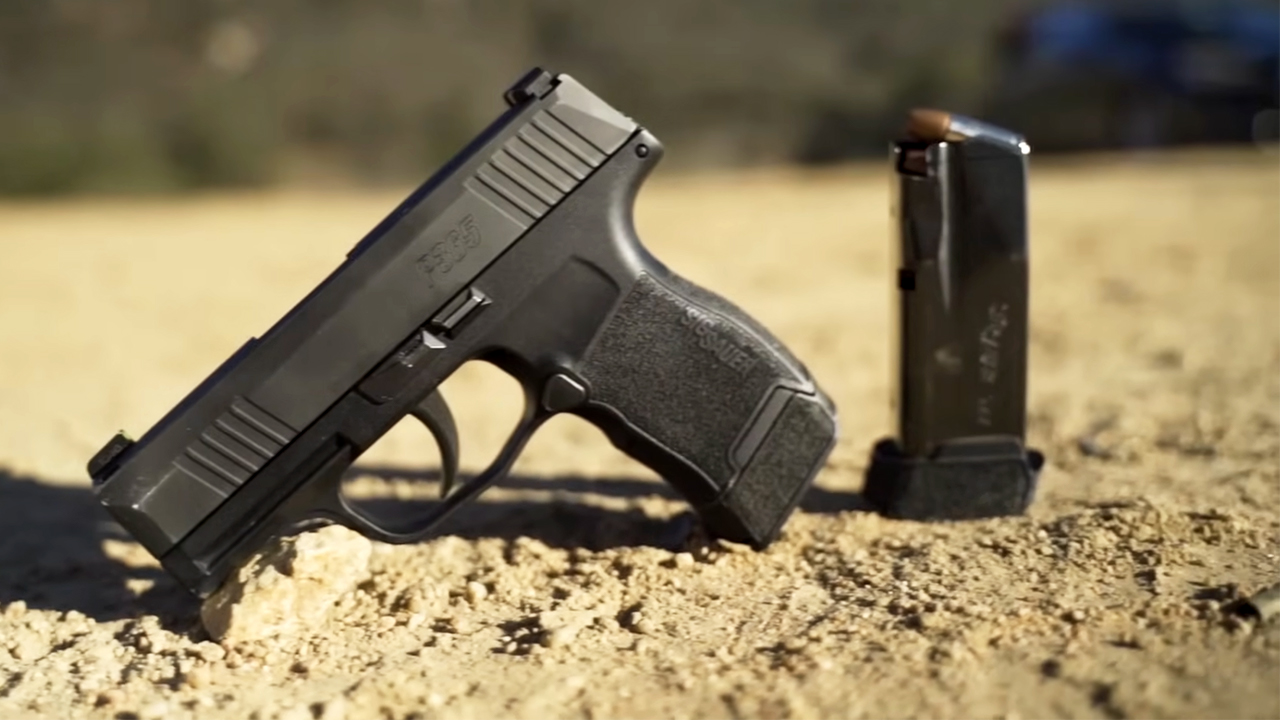
SIG Sauer built its name on pistols like the P226, P228, P229, and P220. Those guns felt like serious service pistols with excellent accuracy, solid metal frames, and a premium identity. That reputation still follows SIG today.
Modern SIG is a different animal. The company innovates quickly, releases many variants, and dominates attention with the P365 and P320 families. But fast innovation can also make some buyers feel like early adopters are doing the testing. SIG still makes excellent guns, but the old “classic SIG” reputation should not automatically transfer to every new polymer model and trim package.
Heckler & Koch
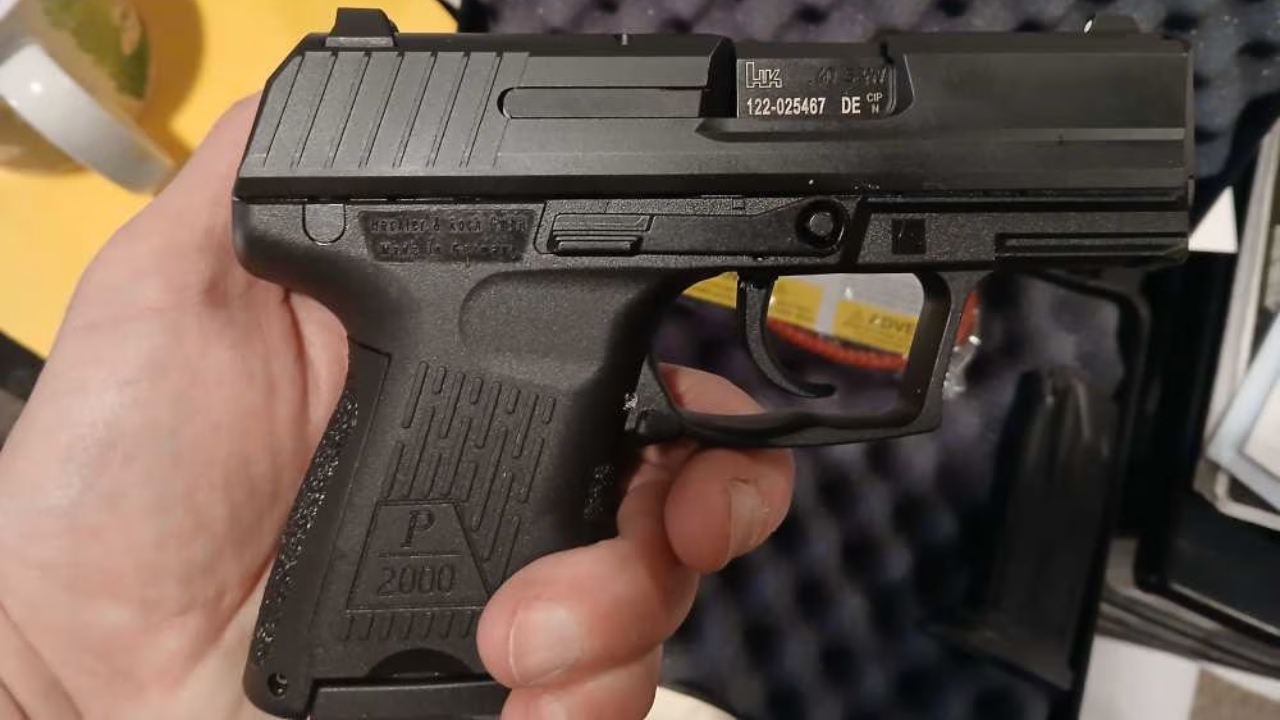
HK has a reputation for overbuilt, serious, military-grade firearms. The USP, MP5, G3, P7, HK45, and other designs gave the company a near-mythical image among gun people. HK guns often do feel durable and well engineered.
The problem is that HK pricing and attitude can make buyers expect something almost untouchable. In the modern handgun market, some HK pistols are excellent but not always dramatically better than cheaper competitors. The name still carries weight, but paying HK money does not automatically mean the gun is the best practical choice for every shooter.
Beretta
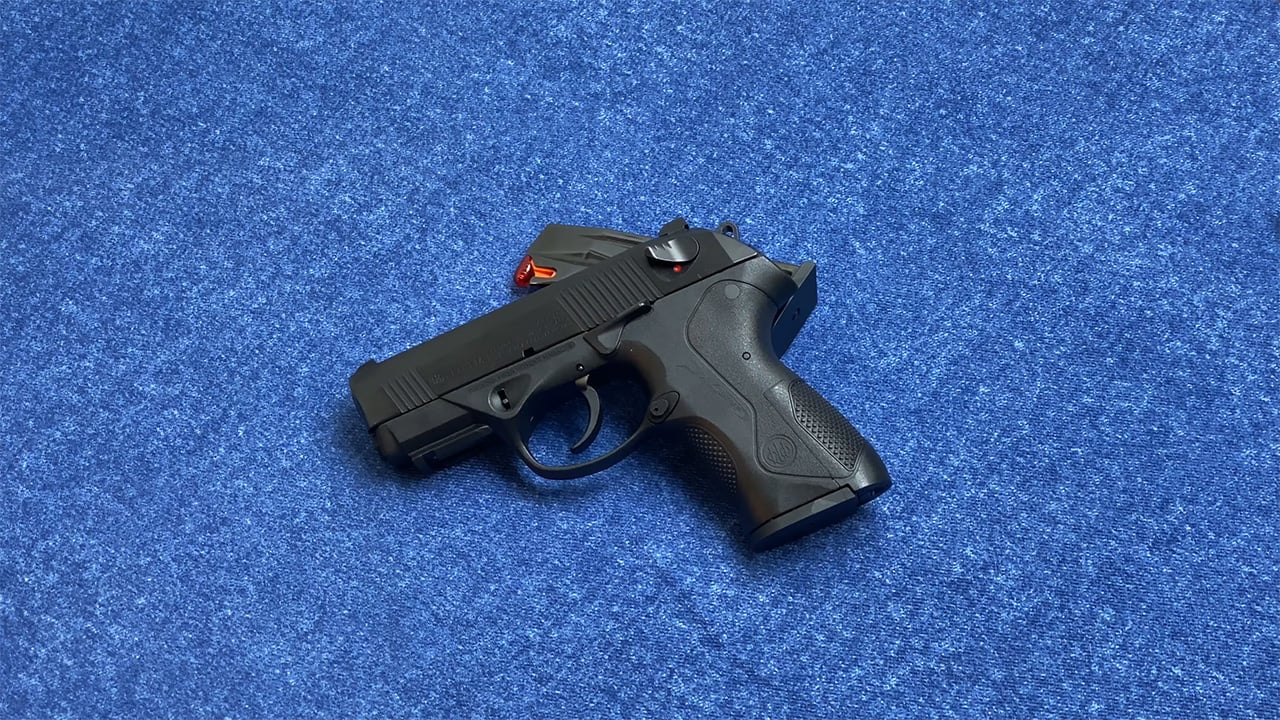
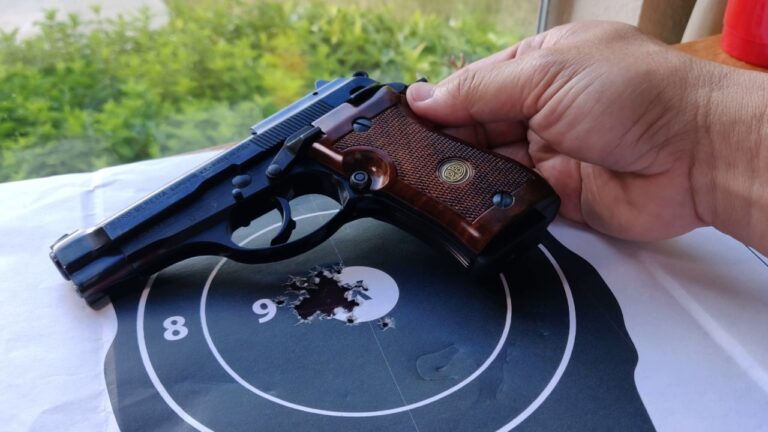
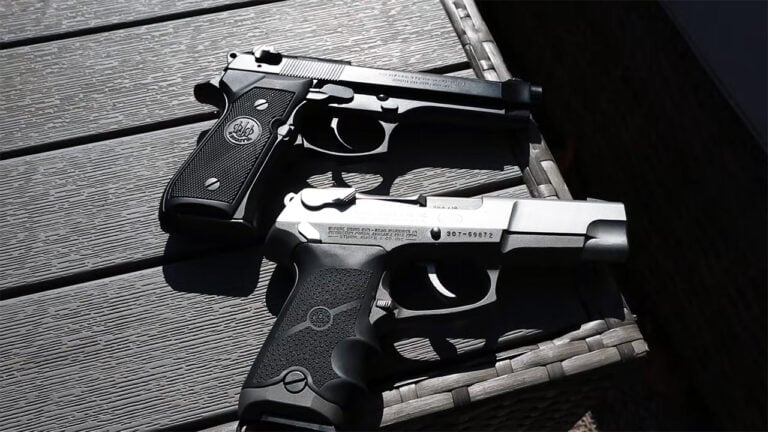
Beretta has centuries of history and some truly excellent firearms. The 92 series, 686 shotguns, A300, A400, PX4, and various military and sporting guns give the company real credibility. It is not a brand built on fake reputation.
Still, Beretta sometimes benefits from its name more than the specific gun deserves. Some models are fantastic. Others feel like they survive because the Beretta logo creates trust before the buyer checks the details. The brand is still strong, but not every Beretta is a 92FS, 686, or A400-level standout.
Benelli
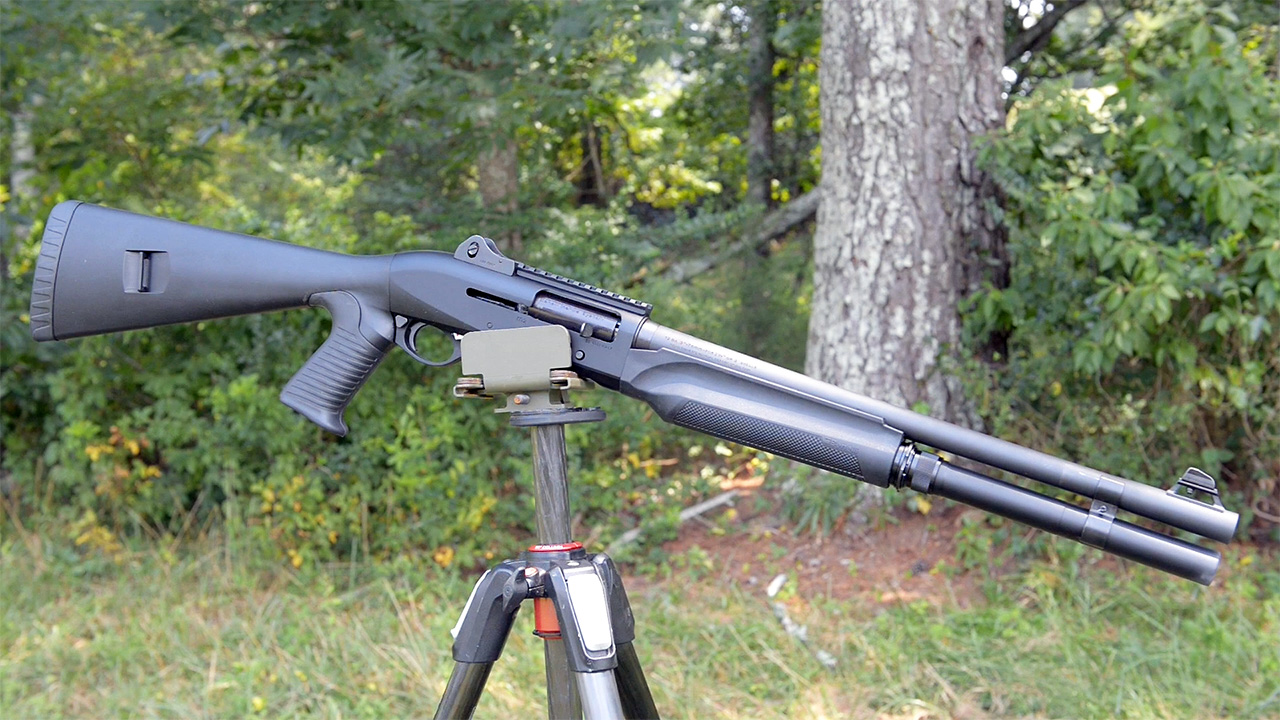
Benelli earned a serious reputation with inertia-driven shotguns that became favorites for hunters, defensive users, and hard-use shooters. The M1, M2, M4, and Super Black Eagle lines gave Benelli a premium image that still sells.
The issue is that Benelli prices can make people assume every model is automatically worth the premium. Inertia guns can be excellent, but they are not magic. Some shooters are better served by gas guns, especially if recoil sensitivity or light loads matter. Benelli still builds great shotguns, but the name can make buyers overlook fit, use case, and price.
Mossberg
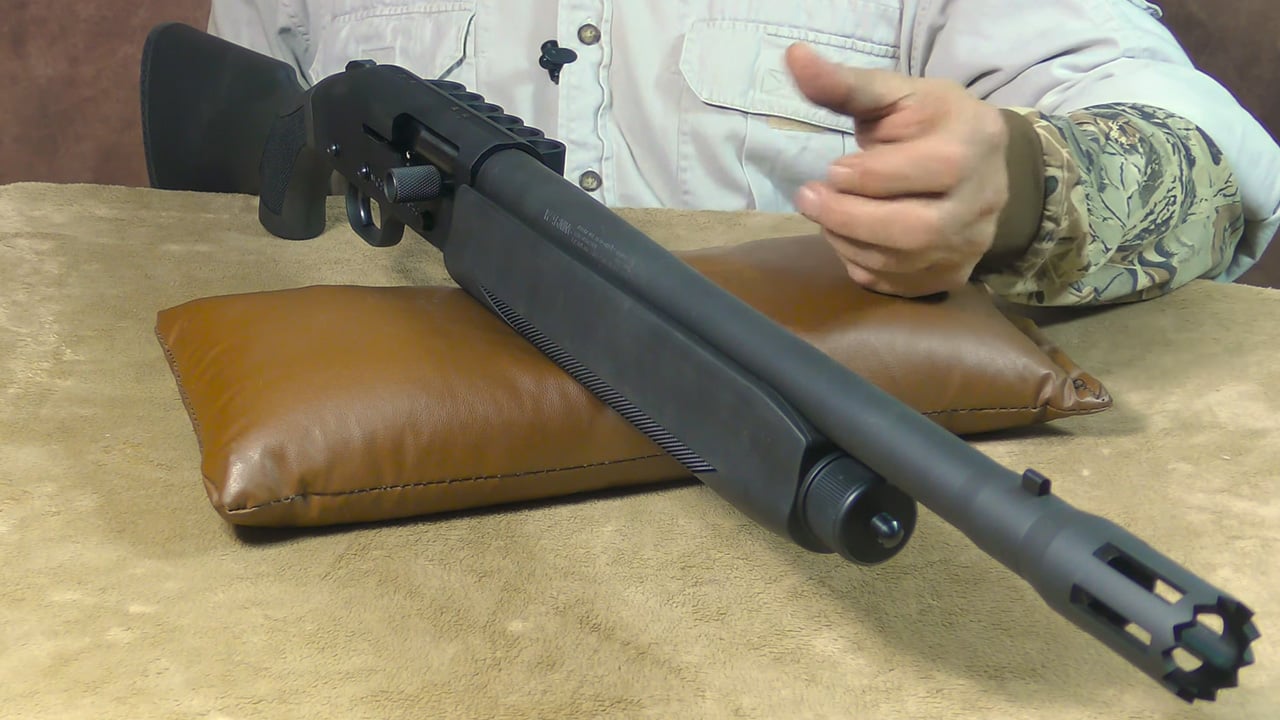
Mossberg has earned respect with the 500 and 590 shotguns. Those guns are practical, affordable, and proven. That reputation gives Mossberg a lot of goodwill with hunters, homeowners, and working-gun buyers.
But Mossberg’s shotgun reputation does not automatically lift every firearm the company makes. Some rifles and handguns feel more budget-minded than impressive. Mossberg can build useful guns, but buyers should not assume the trust they have in a 590 applies equally to every new Mossberg product.
Savage
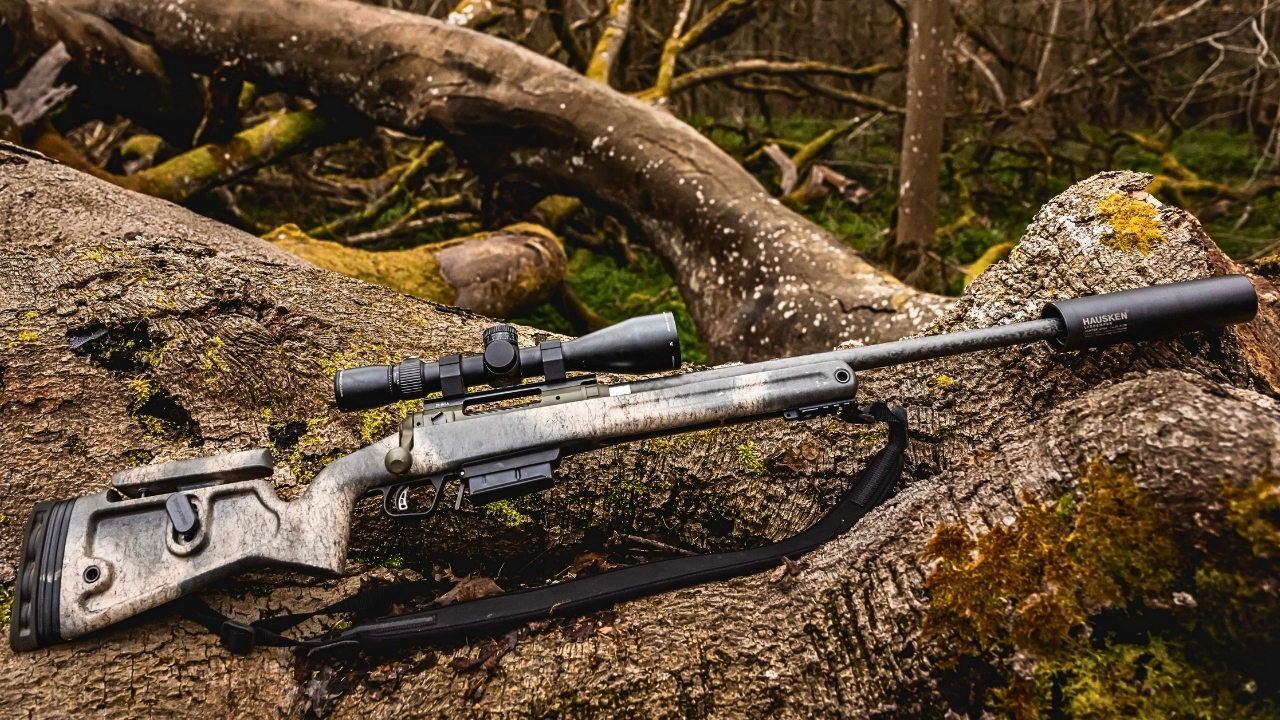
Savage built a modern reputation around affordable rifles that shoot well. The 110 and Axis lines helped make accuracy available to regular hunters without premium prices. That is real value.
The problem is that accuracy can hide other weaknesses. Some Savage rifles shoot great but still feel rough, cheap-stocked, or less refined than competitors. The brand gets praised for groups, and that matters, but a rifle is more than a target photo. Savage still deserves credit, but the reputation can sometimes cover up budget feel.
Taurus
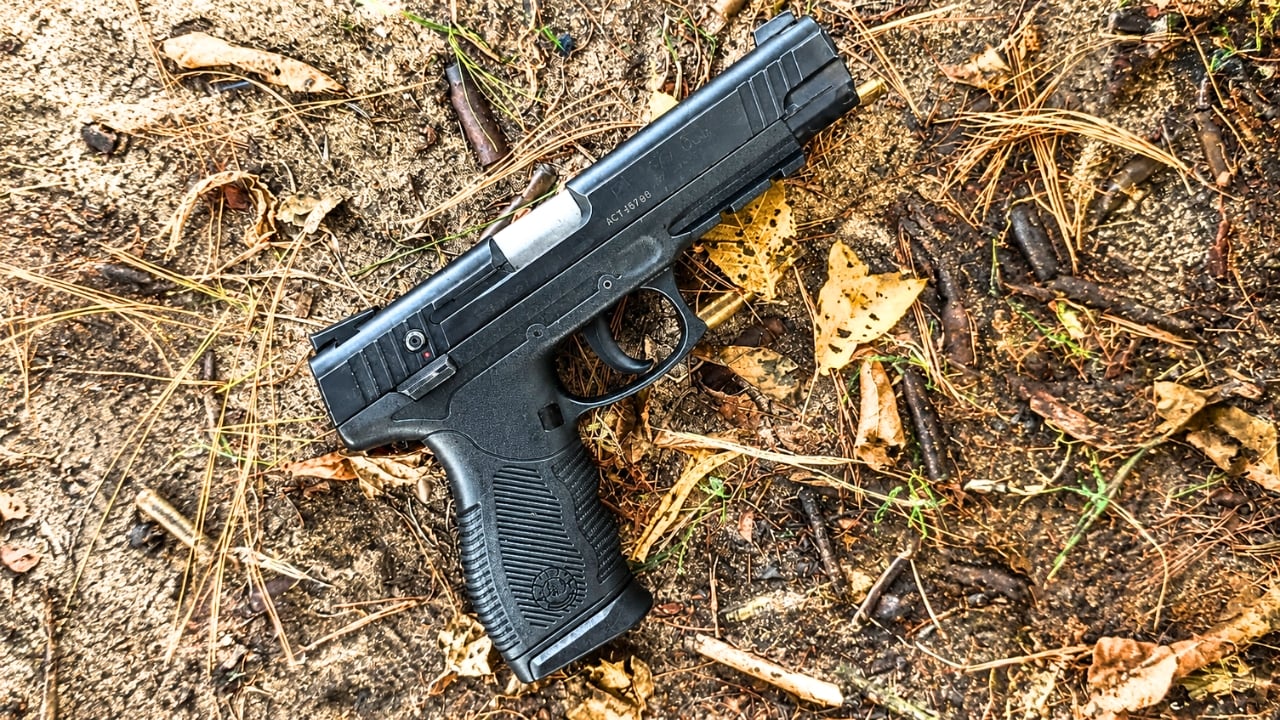
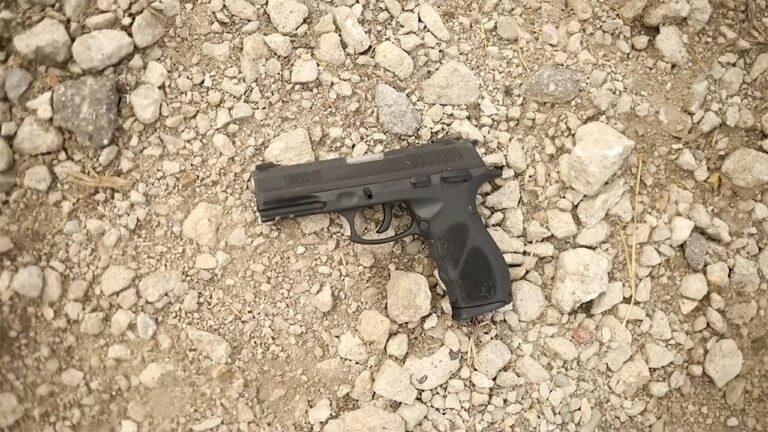
Taurus has spent years trying to move past its old reputation, and to be fair, some recent guns are much better than people expected. The G-series, TX22, and newer carry pistols have helped the brand gain ground with budget-minded buyers.
The problem is that Taurus also benefits from the idea that it has completely turned the corner. Maybe it has in some areas, but buyers still need to test carefully. Recalls, inconsistent owner experiences, and old quality-control baggage do not disappear overnight. Taurus can be a good value, but it has not earned blind trust.
CZ
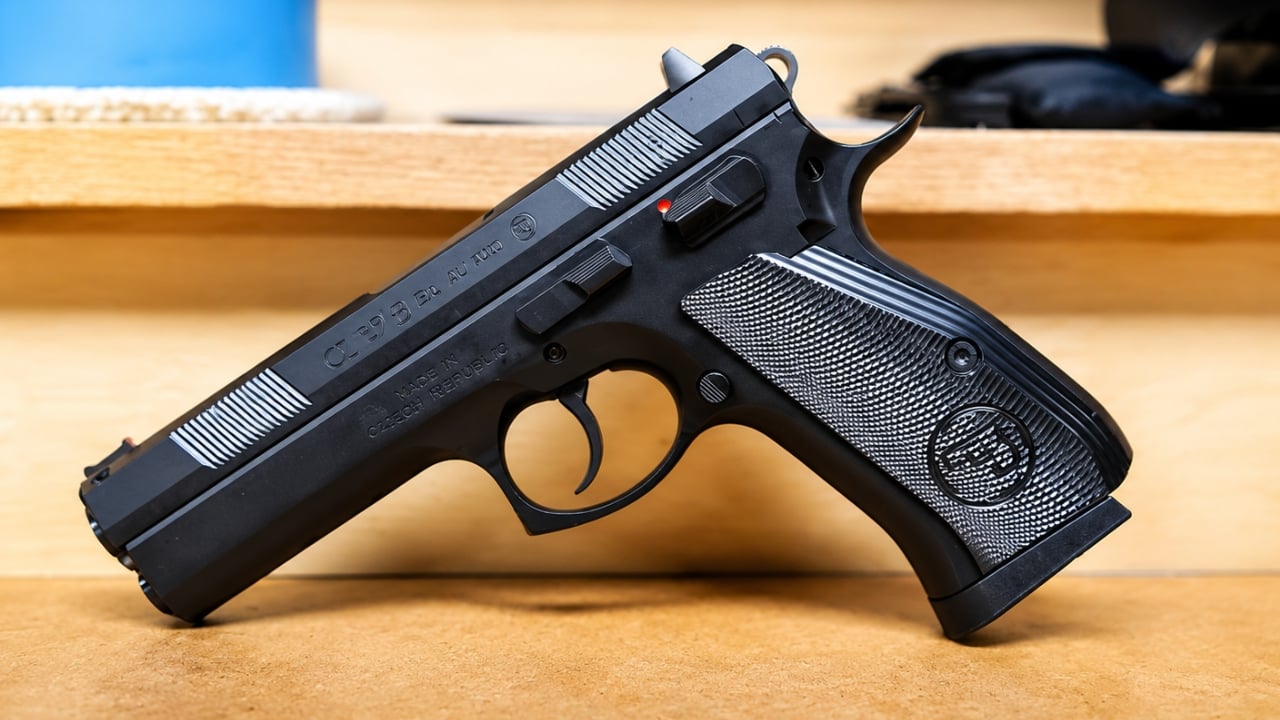
CZ has a strong following because many of its pistols and rifles are genuinely excellent. The CZ 75 family, P-01, Shadow series, rimfires, and older bolt guns earned loyalty through shootability and quality. CZ fans are not loyal for no reason.
But CZ’s reputation can make people overlook support, availability, and changing product direction. Some discontinued models are missed more than their replacements are loved. Parts, magazines, and specific variants can also be less convenient than mainstream options. CZ still makes great guns, but the fan reputation sometimes gets louder than the practical ownership experience.
Walther
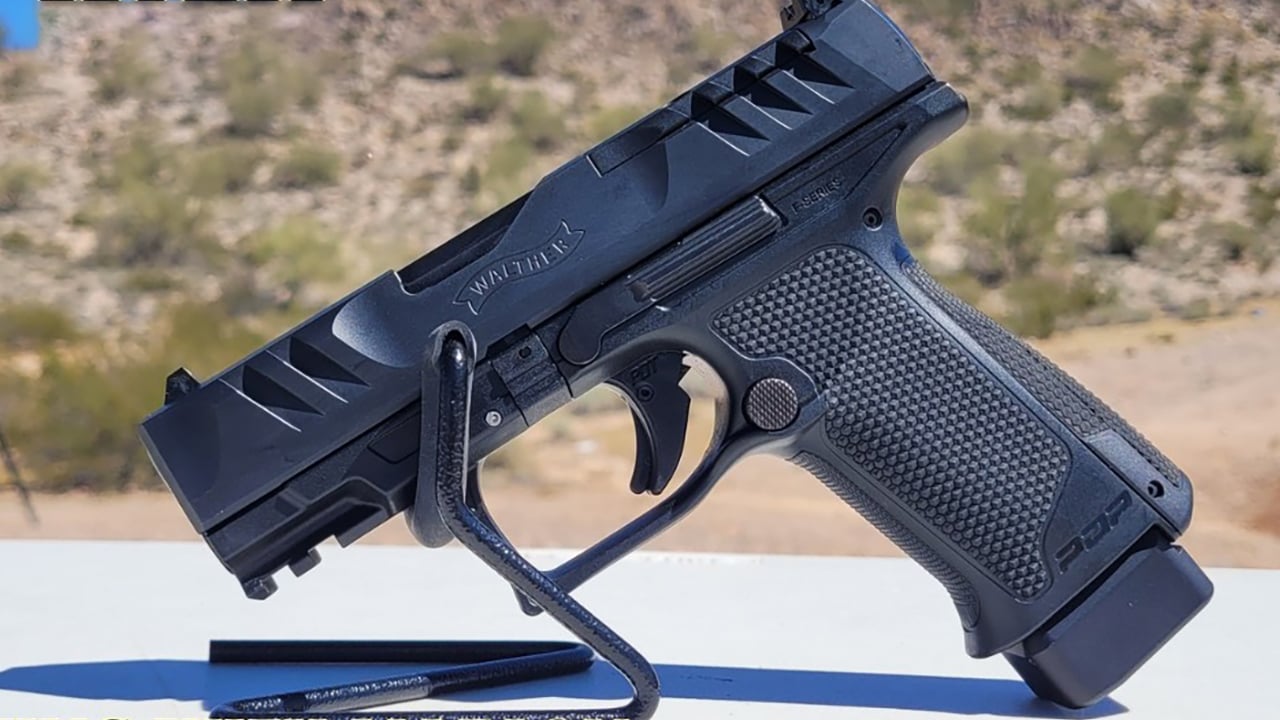
Walther has real history and makes some excellent modern pistols. The PP, PPK, P99, PPQ, and PDP lines all helped build a strong identity around ergonomics and trigger feel. Walther fans often have good reasons for their loyalty.
The issue is that Walther’s best traits do not always make it the obvious practical winner. Some models have been discontinued, support is not as broad as Glock or Smith & Wesson, and the PPK-style guns still get more credit from history than from modern performance. Walther is good, but the name can make people forgive limitations they would criticize elsewhere.
FN
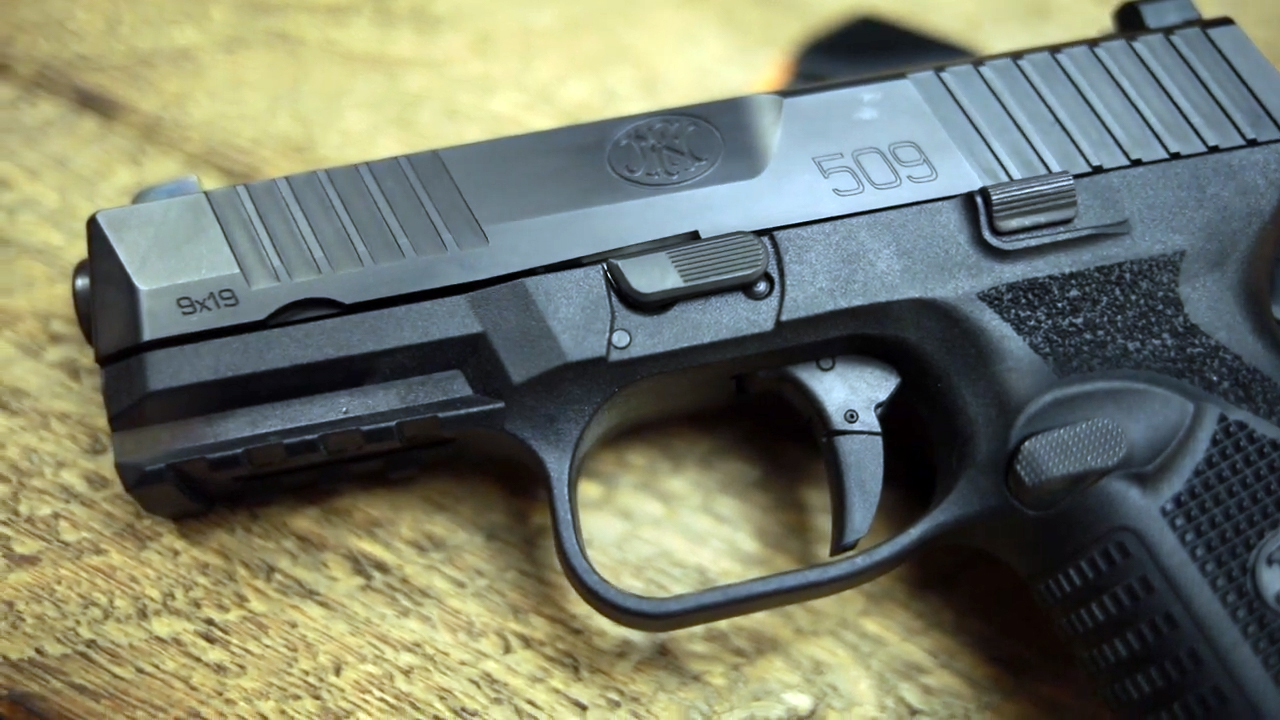
FN has serious military and law-enforcement credibility. The FAL, Hi-Power connection, SCAR, M249, Five-seveN, and FNX/509 lines give the company a strong reputation for hard-use firearms. FN sounds serious because in many cases it is.
Where the reputation can get ahead of the product is pricing and practicality. Some FN guns are excellent but expensive, while others feel like they sell heavily on duty-grade image. The average buyer may not gain enough over cheaper options to justify the cost. FN deserves respect, but the name alone should not end the comparison.
KelTec
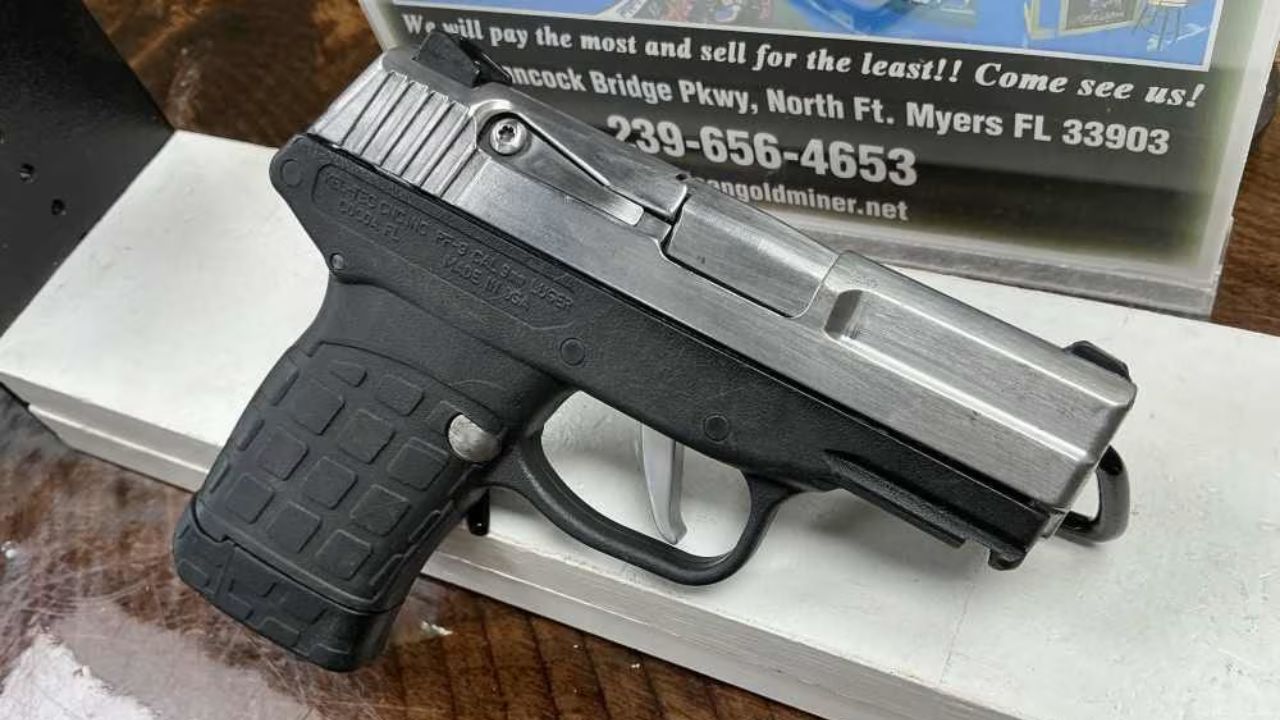
KelTec has a reputation for creativity, and that is deserved. The company makes guns other manufacturers would be afraid to try. Folding carbines, compact pistols, bullpups, and unusual designs keep KelTec interesting.
The problem is that creativity can make people excuse rough execution. Some KelTec guns feel clever but unfinished, with rough triggers, plastic-heavy construction, and quirks owners have to work around. The brand’s reputation for innovation is real, but a clever idea still has to be a reliable, refined firearm.
Rock Island Armory

Rock Island Armory gets a lot of credit for making 1911s affordable. That matters because not everyone can buy a Colt, Springfield, Dan Wesson, or custom pistol. RIA helped many shooters get into the platform.
But budget 1911 reputation has limits. The guns can be good values, but they are still usually built to a price. Fit, finish, small parts, sights, and triggers may not match the higher-end guns people compare them to. Rock Island deserves credit for access, but not every cheap 1911 is a hidden classic.
Like The Avid Outdoorsman’s content? Subscribe to our newsletter so you never miss an article.
Here’s more from us: