Photo credit: WHO_TEE_WHO/YouTube
Some rifle calibers sound meaner than they really are. The name looks powerful, the bullet diameter seems serious, or the word “magnum” makes people assume it hits like a hammer at any distance. Then you look at the actual performance and realize the reputation is doing more work than the cartridge.
That does not mean these calibers are useless. Some are excellent when used correctly. The problem is when hunters and shooters expect more than the round can honestly deliver. A cartridge can sound deadly and still have limited range, poor bullet choices, heavy recoil for the performance, or less energy than people assume. These 20 rifle calibers sound more dangerous than they really are.
.300 Blackout

The .300 Blackout sounds like a heavy-hitting rifle round, especially to people who hear “.30 caliber” and assume it belongs in the same conversation as .308 Winchester. In an AR pistol or short rifle, it definitely has a purpose. It can be excellent with suppressors, short barrels, and close-range work.
The issue is that it is not a long-range hammer. Subsonic loads hit more like pistol rounds than full-power rifle cartridges, and even supersonic hunting loads have real distance limits. Inside the right range, it works fine. But anyone expecting .308 performance from .300 Blackout is going to be disappointed fast.
.350 Legend

The .350 Legend sounds like a brush-busting powerhouse. The name alone makes it seem bigger and meaner than it is, and the bullet diameter helps sell that idea. In straight-wall states, it has become popular because it gives hunters a legal, low-recoil deer option.
But it is not magic. It is a practical short-to-moderate-range deer cartridge, not a hard-hitting thumper on the level of old big-bore rounds. It works best when hunters respect its range and choose good bullets. The name sounds bigger than the real-world performance.
.450 Bushmaster

The .450 Bushmaster sounds like it should flatten anything in front of it. It launches a big bullet, fits into AR-style rifles, and has a reputation as a straight-wall deer cartridge with authority. At close range, it can hit hard.
The catch is that it sheds speed quickly and brings plenty of recoil. It is not a flat-shooting cartridge, and it does not turn a short-barreled rifle into a long-range deer machine. It can be very effective, but it is more specialized than the name suggests. It is deadly inside its lane, not everywhere.
.458 SOCOM

The .458 SOCOM has one of the most intimidating names in the AR world. A .458-caliber bullet in a semi-auto rifle sounds serious, and in close-range roles, it can be. It throws heavy bullets with authority and has a strong following among people who like big-bore ARs.
But it is not a general-purpose hunting cartridge. Trajectory is arched, ammo is expensive, recoil is noticeable, and magazine capacity is reduced. It sounds like a monster, but for most hunters, a normal .308, .30-06, or even a good .450 Bushmaster setup is more practical.
7.62×39
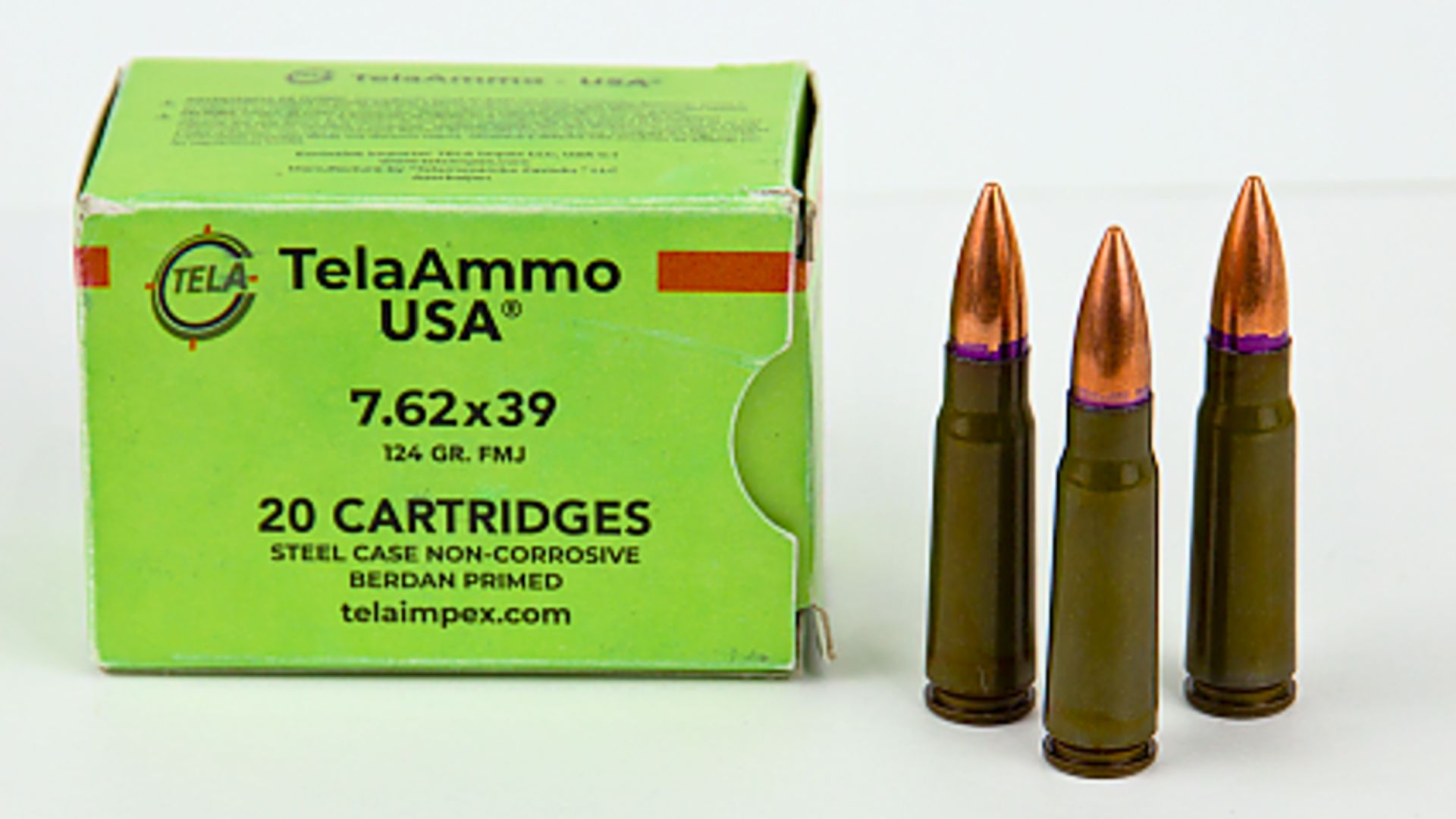
The 7.62×39 sounds tougher than it often performs in American hunting use. The military reputation behind it makes some people assume it is far more powerful than it is. In reality, it is closer to a moderate short-range cartridge than a full-power big-game round.
With proper soft-point or expanding bullets, it can work on deer and hogs at close range. But it is not a long-range hunting cartridge, and it does not hit like .308 Winchester. It is useful, affordable, and fun in the right rifles, but the reputation can make it sound deadlier than the ballistics support.
.30 Carbine

The .30 Carbine sounds like a rifle round because it is fired from a carbine, and the “.30” label makes it seem more serious than many pistol rounds. In the light M1 Carbine, it is handy, fast, and fun to shoot. For its original role, it made sense.
For hunting, though, it is limited. It does not carry the energy, bullet weight, or range most hunters want from a deer rifle cartridge. It can work on small game or certain close-range tasks with the right load, but it should not be mistaken for a true .30-caliber hunting round.
.22 Magnum
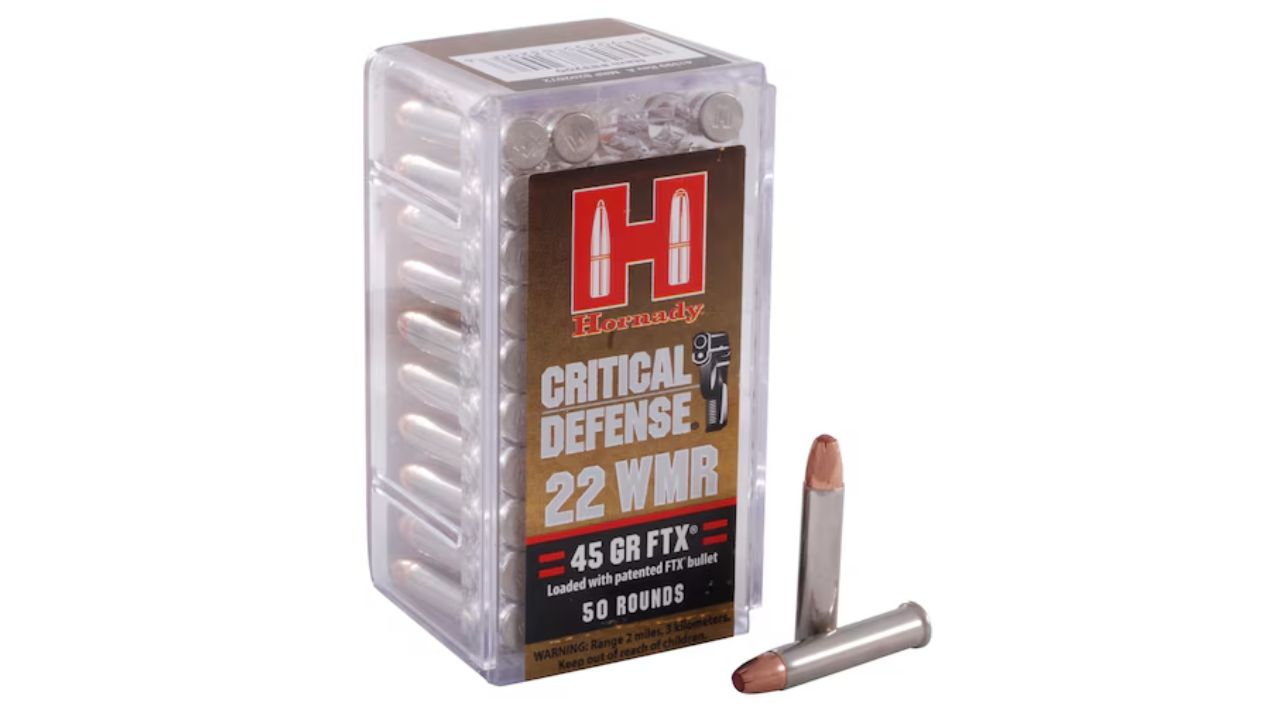
The .22 Magnum sounds like a major step up from .22 LR, and in some ways it is. It is faster, flatter, and more useful for small game and pests at longer distances. The word “magnum” gives it a tougher image than a rimfire usually gets.
Still, it is a rimfire varmint and small-game cartridge, not a deer cartridge or a serious defensive rifle round. It can be deadly on the right animals with good shot placement, but its limits are real. The name sounds bigger than the role it should fill.
.17 HMR

The .17 HMR sounds fast and nasty, and on small varmints it can be impressive. It shoots flat for a rimfire, has very little recoil, and makes prairie dogs, squirrels, and similar targets a lot of fun. It is one of the better small-game and varmint rimfires.
But it is still a lightweight rimfire. Wind pushes it around, bullet weight is tiny, and penetration is limited. It sounds surgical and deadly because of its speed, but speed alone does not make it a big-game cartridge. It is excellent for small targets, not larger animals.
.22 Hornet

The .22 Hornet has an old-school name that sounds sharper than its performance really is. It sits above rimfires and below the hotter .22 centerfires, which gives it a useful niche for small game, varmints, and low-noise hunting. In the right rifle, it is accurate and pleasant.
The problem is that many people hear “centerfire .22” and expect something closer to .223 Remington or .22-250 Remington. The Hornet is not that. It is mild, limited, and best at modest distances. It is charming and useful, but not nearly as fierce as it sounds.
.204 Ruger
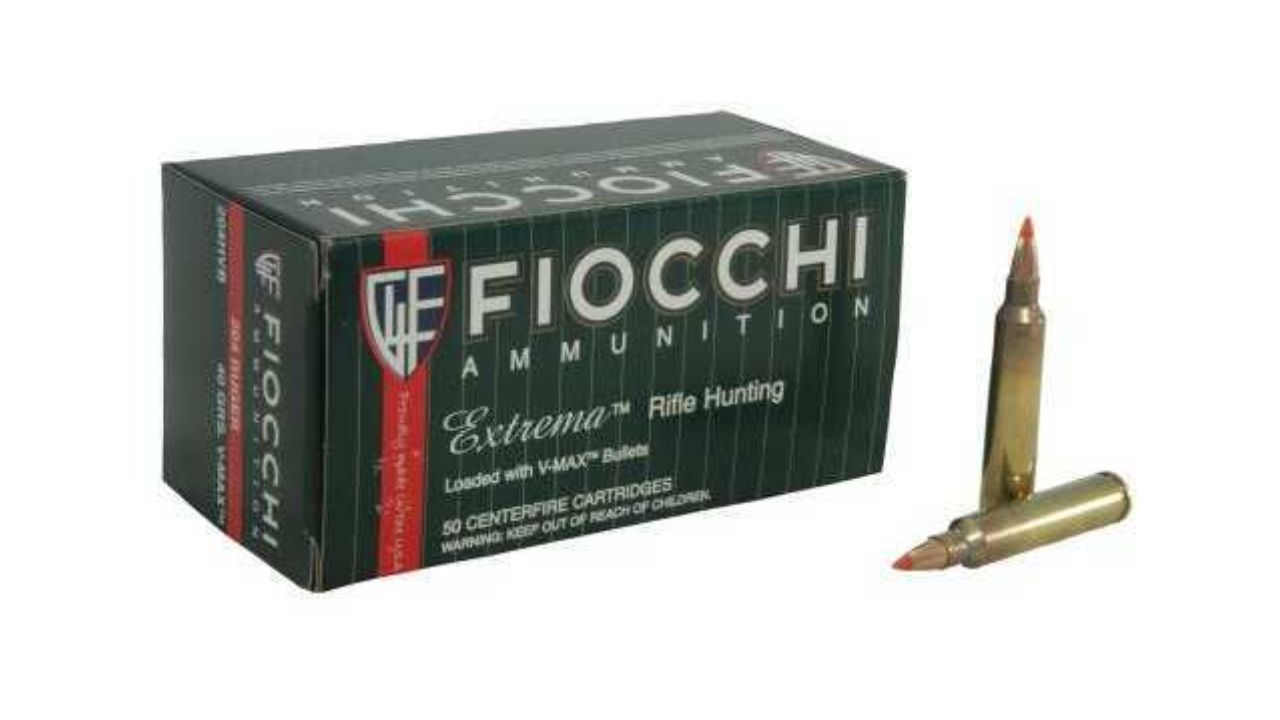
The .204 Ruger sounds like a laser beam, and in many ways it is. It is fast, flat, and excellent for varmints. On prairie dogs and coyotes under the right conditions, it can be extremely effective. The speed makes it seem nastier than its small bullet diameter suggests.
But the tiny bullets have limits. Wind, penetration, and bullet construction matter a lot. It is not a big-game cartridge, and it is not always as forgiving on larger predators as some hunters expect. It is deadly on the right targets, but it is still a small-caliber varmint round.
.223 Remington
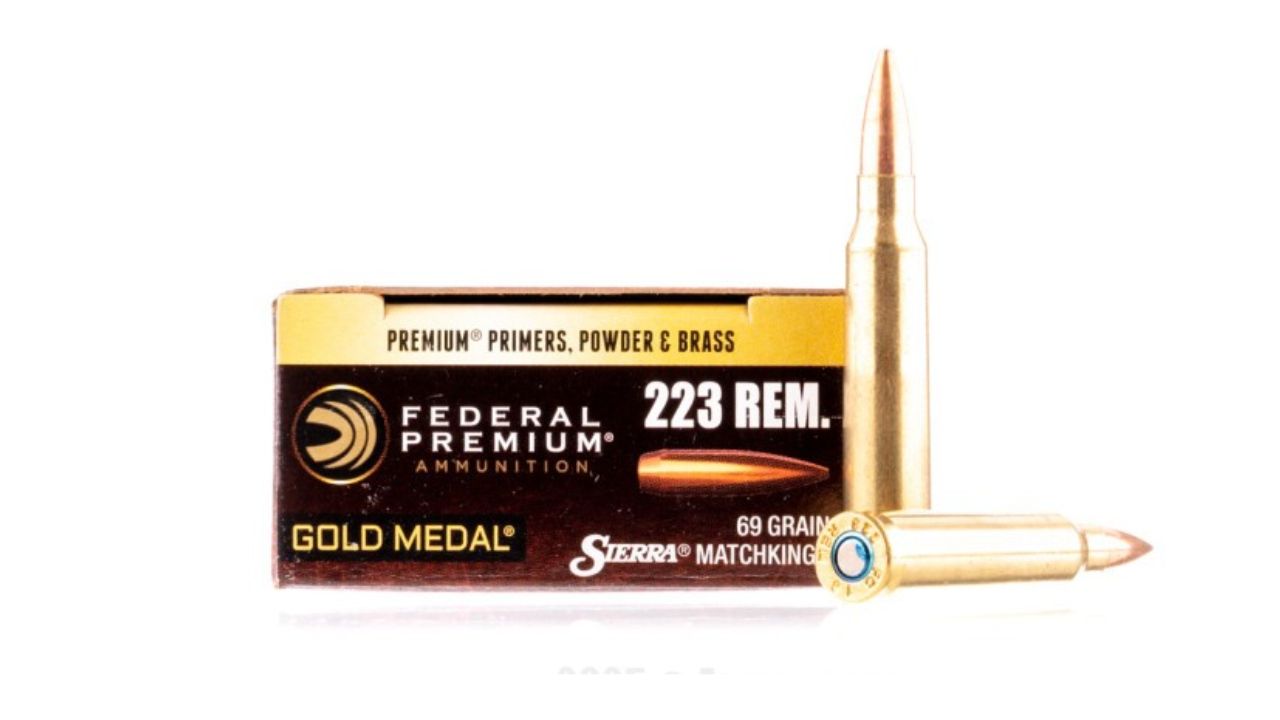
The .223 Remington has a reputation that swings wildly in both directions. Some people treat it like it is too weak for anything, while others act like it is good for nearly every rifle job. The truth is in the middle. It is accurate, common, low recoiling, and useful for varmints, predators, and some deer hunting where legal with the right bullets.
It is not, however, a magic all-purpose hunting round. Bullet selection and shot placement matter more than people want to admit. On larger deer, hogs, or bad angles, it gives less margin than bigger cartridges. It sounds more serious because of its military connection, but hunters need to respect its limits.
5.45×39
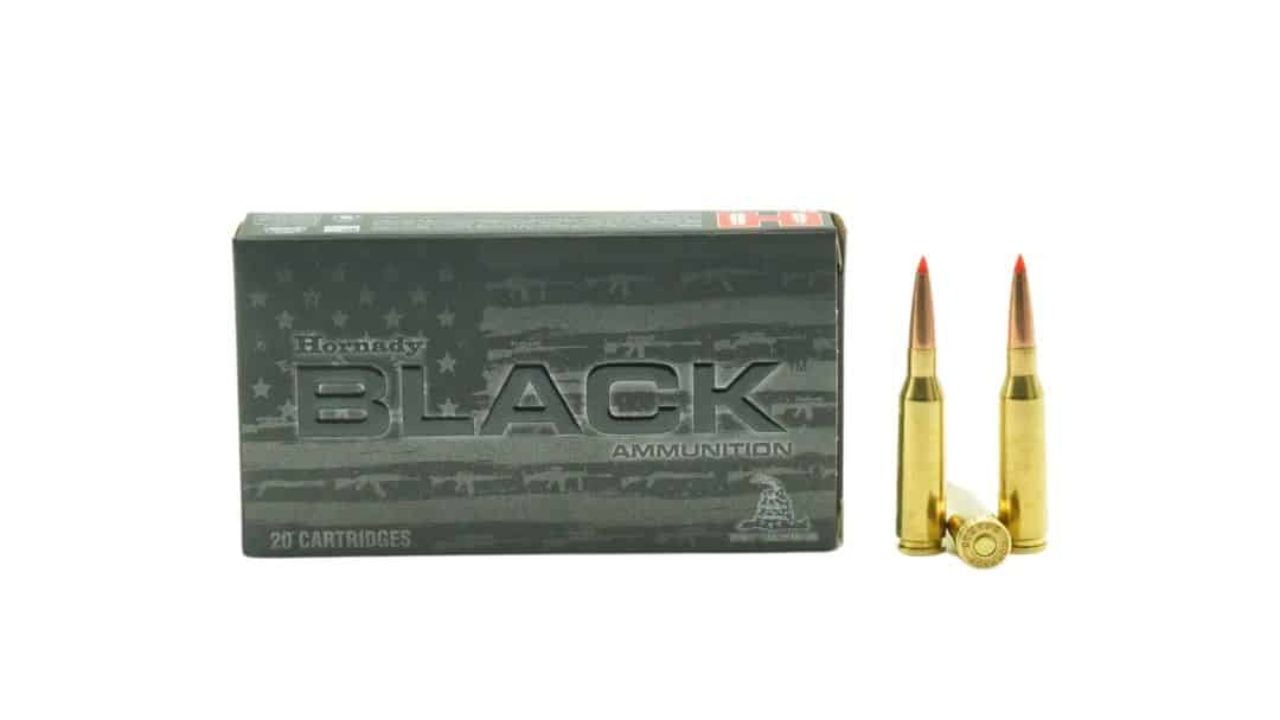
The 5.45×39 has a tough military reputation, especially because of its association with AK-74 rifles. That reputation makes some shooters assume it is a nasty little rifle round with broad hunting usefulness. It is fast, light recoiling, and interesting.
For hunting, though, it is limited by bullet selection and availability. It was not built around American hunting needs, and expanding loads are not as common as they are for .223 Remington. It sounds serious because of where it came from, but for most hunters, it is more of a range and collector cartridge than a practical field choice.
.243 Winchester

The .243 Winchester does not sound weak, but some hunters talk about it like it is a do-everything big-game round because it has killed so many deer. It is flat, accurate, and low recoiling, which makes it one of the easiest cartridges to shoot well.
The problem is when people push it past what it does best. On deer and antelope with proper bullets, it is excellent. On larger game, tough angles, or poor bullet choices, it does not offer the same margin as bigger cartridges. It is deadly in skilled hands, but it is not as big as some of its reputation.
6mm Creedmoor

The 6mm Creedmoor sounds modern, fast, and precise. It is all of those things. It is a strong target and varmint cartridge, and with good bullets it can handle deer-sized game under the right conditions. The name gives it an edge because Creedmoor cartridges have a modern performance image.
But it is still a 6mm. It is not a heavy big-game cartridge, and it does not hit like a 6.5 PRC, .270 Winchester, or .308 Winchester. It shines where speed, accuracy, and low recoil matter. Hunters who treat it like a lightweight precision tool will like it. Hunters who expect it to hit far above its weight may not.
.25-06 Remington

The .25-06 Remington sounds fast and serious, and it is a very good cartridge for deer, antelope, and coyotes. It has plenty of speed and a long history of working well in open country. In the right hands, it is extremely effective.
The issue is that speed can make it sound more powerful than it really is. It is still a quarter-bore cartridge, and bullet weight is limited compared with .270 and .30-caliber rounds. For larger game or rough angles, it does not give the same forgiveness. It is deadly when used correctly, but not as heavy-hitting as some assume.
.257 Weatherby Magnum
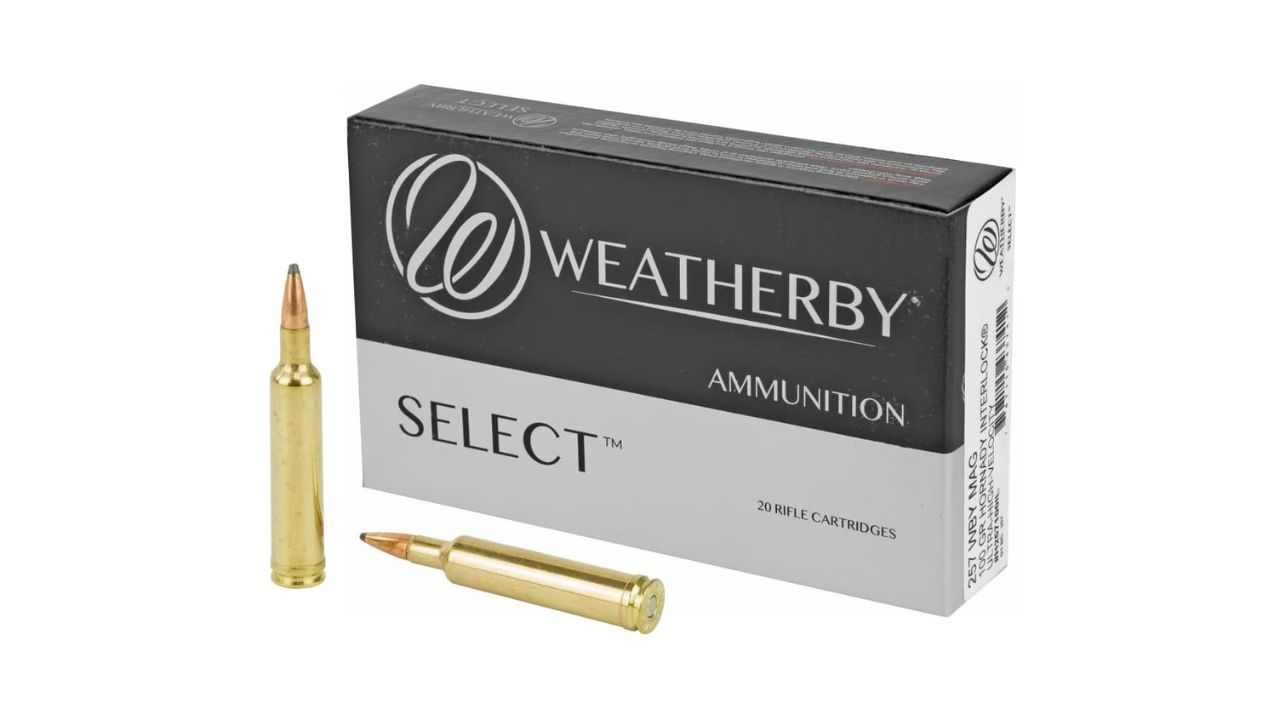
The .257 Weatherby Magnum sounds like pure lightning, and that is not far off. It is extremely fast and flat, and on deer and antelope it can be spectacular. The Weatherby name and magnum label make it sound like a giant killer.
But it relies on speed more than bullet weight. It can be hard on barrels, loud, and expensive to feed. It also does not turn a light bullet into a perfect elk or big-game hammer. It is excellent for the right kind of hunting, but the name makes it sound more universally deadly than it is.
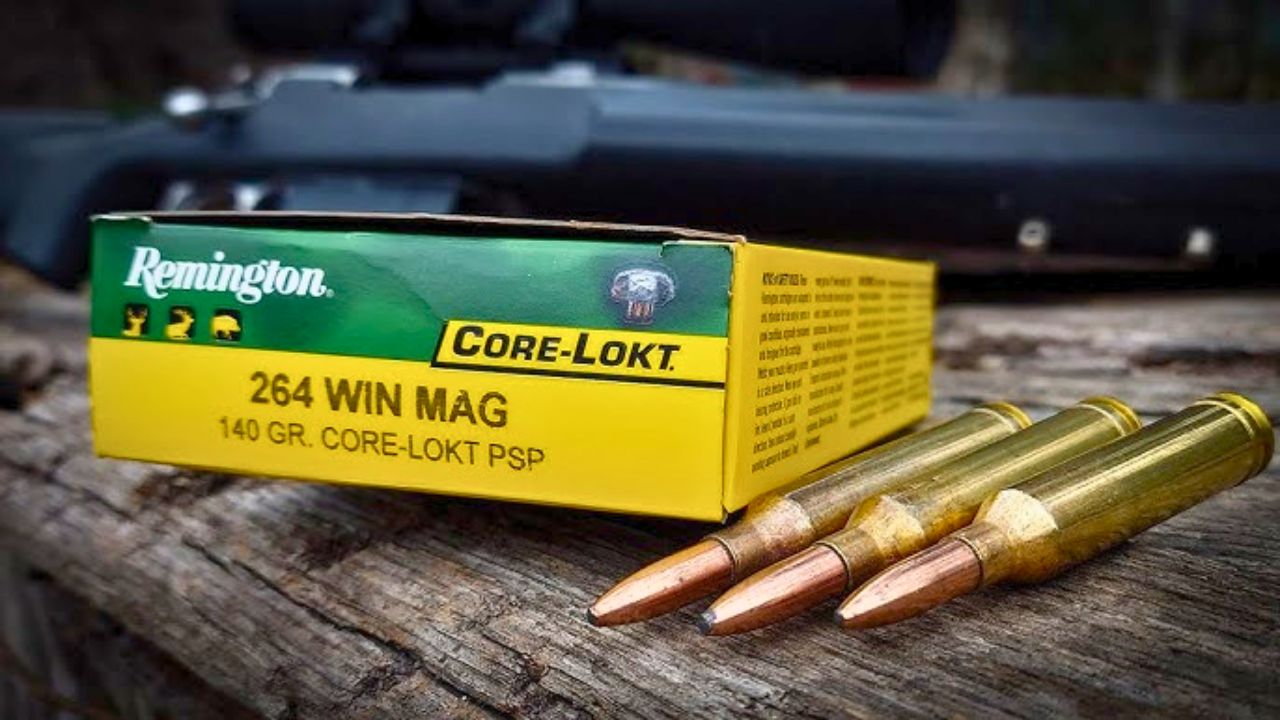
.264 Winchester Magnum

The .264 Winchester Magnum sounds like an old-school long-range killer, and it had that reputation for a reason. It pushed 6.5mm bullets fast before modern 6.5 cartridges became fashionable. On deer and similar game, it can still perform very well.
The problem is that it needs barrel length, good bullets, and realistic expectations. It is not as common as newer 6.5s, and it never became the all-around hunting cartridge some hoped it would be. It sounds like a magnum answer to everything, but in practice it is more specialized.
7mm Remington Magnum

The 7mm Remington Magnum is genuinely powerful and effective, so it may seem strange to include it here. The issue is not that it lacks performance. The issue is that many hunters overestimate how much advantage it gives them over standard cartridges at normal hunting distances.
Inside typical deer ranges, a .270 Winchester, .308 Winchester, or .30-06 Springfield often does the same job with less blast and recoil. The 7mm Rem Mag shines when distance and bullet choice matter, but it is not automatically better just because “magnum” is in the name. It is deadly, but not magic.
.300 Winchester Magnum

The .300 Winchester Magnum sounds like the answer to everything. It is powerful, flat-shooting, and capable of taking a wide range of big game. Many hunters trust it for elk, moose, mule deer, and long-range work.
But plenty of hunters buy more recoil than they can shoot well. A .300 Win Mag in the hands of someone who flinches is less deadly than a .308 they can place correctly. It also does not make up for poor range judgment or bad bullet choice. The cartridge is excellent, but the name can make people think it solves problems that only practice solves.
.45-70 Government

The .45-70 Government sounds like it should knock anything flat. It throws a big bullet, has a long history, and carries a reputation as a close-range hammer. In strong modern rifles with the right loads, it can be very effective on large game.
The problem is that the trajectory is arched, recoil can be heavy, and range is limited compared with modern bottleneck cartridges. It hits hard up close, but it is not a laser and it is not automatically the best choice for every hunt. The .45-70 is deadly in its lane, but its reputation often makes that lane sound wider than it is.
.444 Marlin

The .444 Marlin sounds like a beast, and in close woods it can be. It offers big-bore lever-action power and works well on deer, hogs, and black bear at reasonable distances. It has the kind of name that makes people assume it hammers everything.
But like other big-bore lever rounds, it has range limits and recoil tradeoffs. It is not as flat as common bolt-action cartridges, and it does not always offer the bullet selection people expect. It is a strong woods round, not an all-purpose big-game solution. The name sounds deadlier than the actual versatility.
Like The Avid Outdoorsman’s content? Subscribe to our newsletter so you never miss an article.
Here’s more from us: