Photo credit: Ozzie Reviews/Youtube
A respected firearms name can survive a surprising number of bad decisions. Shooters often remain loyal because they remember what the brand once produced, even when its current catalog barely resembles the one that built its reputation.
Some companies were weakened by bankruptcy or ownership changes. Others abandoned popular models, allowed quality control to slip, or chased crowded sections of the market while ignoring the firearms customers actually wanted. A few have started correcting course, but each of these brands went through a period when shooters had good reason to wonder what happened.
Remington
Few American firearms companies fell harder than Remington. The brand once represented dependable hunting rifles, pump shotguns, ammunition, and affordable firearms that could be found in nearly every rural gun shop. The Model 700 and Model 870 were not merely successful products. They were standards against which competitors were measured.
Years of corporate restructuring, debt, factory problems, and inconsistent quality damaged that reputation. Remington Outdoor Company eventually entered bankruptcy, and its firearms assets emerged under the separate RemArms operation. Production has resumed, but rebuilding trust is harder than restarting an assembly line. Shooters who remember older Wingmasters and polished Model 700s still compare every new Remington against the guns produced before the brand’s long decline. RemArms now has an opportunity to restore the name, but it inherited decades of expectations along with the trademarks.
Colt
Colt owns one of the most valuable names in American firearms history. The company produced revolvers that shaped the West, military pistols that served through multiple wars, and AR-pattern rifles connected directly to the platform’s early development. Few manufacturers have a catalog with that much historical weight.
The problem was that Colt spent years appearing to rely on that history instead of building aggressively for the commercial market. Popular revolvers disappeared, civilian rifle offerings came and went, and many shooters felt the company was charging premium prices for familiar designs without delivering enough improvement. Colt’s bankruptcy and eventual acquisition by CZG in 2021 reinforced the impression that the brand had drifted. The return of models such as the Python and Anaconda has helped, but Colt still has to prove that it can be more than a company selling updated versions of its greatest hits.
Winchester
The Winchester name carries almost unmatched weight among American hunters and rifle collectors. The Model 70, Model 94, Model 12, and Model 1897 helped define entire firearm categories. For generations, buying a Winchester meant buying a rifle or shotgun connected to a long line of American sporting tradition.
Over time, however, the Winchester name became more complicated. The historic New Haven factory closed, many classic firearms disappeared or shifted to overseas production, and the brand became divided among different corporate and licensing arrangements. Current Winchester-branded firearms can still be excellent, but the company no longer feels like the single, dominant American manufacturer older shooters remember. The name remains powerful, yet it is now attached to a catalog that can feel more like a carefully managed heritage collection than the center of American firearm development.
Marlin
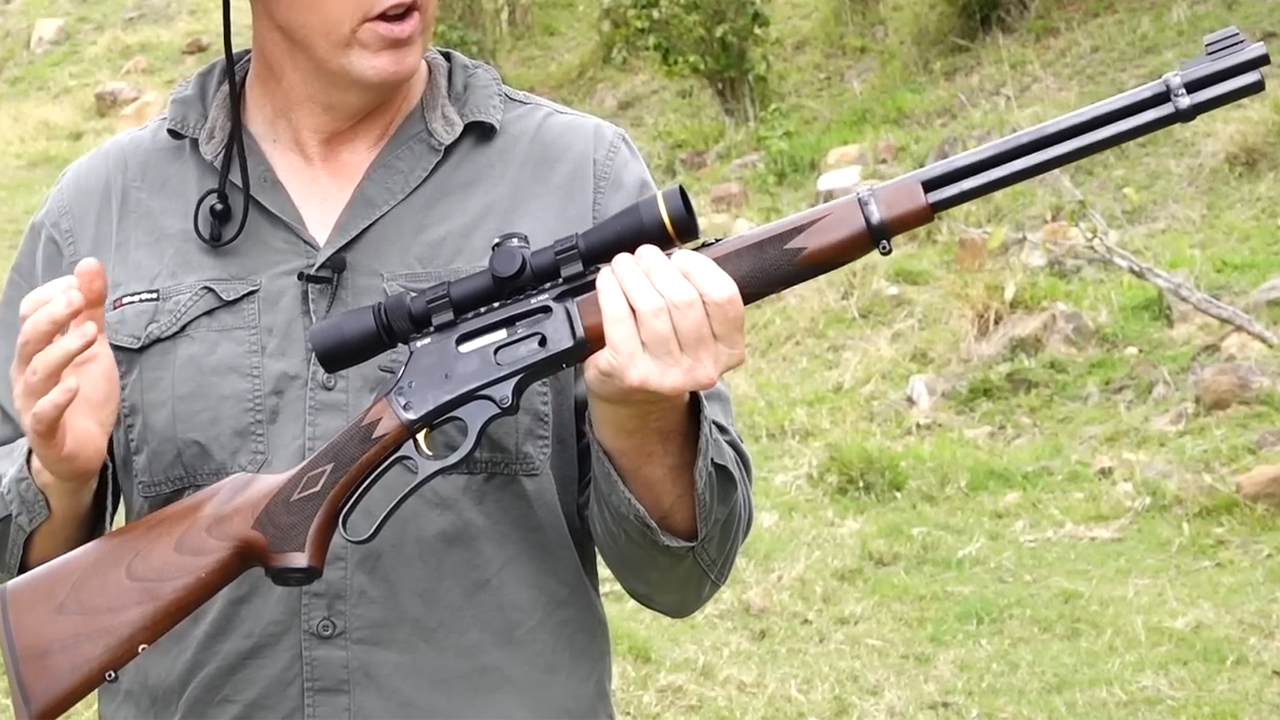
Marlin built its reputation on practical lever-action rifles that working hunters could actually afford. The Model 336, Model 1894, and Model 1895 offered straightforward designs, strong actions, and a level of character that separated them from ordinary hunting rifles. Older Marlins still command attention because they combined utility with craftsmanship.
That reputation suffered after Marlin became part of Remington’s firearms operation and production moved away from its longtime factory. Early rifles from the transition period developed a poor reputation for uneven fit, rough actions, misaligned components, and inconsistent assembly. Ruger acquired the Marlin assets in 2020 and began shipping Ruger-made Marlins in late 2021. The newer rifles have done much to repair the damage, but Marlin remains a clear example of how quickly an established name can be weakened when production knowledge and quality control are disrupted.
Kimber
Kimber built its modern reputation by offering 1911 pistols with features that once required a trip to a custom gunsmith. Buyers could get attractive finishes, improved sights, extended controls, and tighter-looking construction directly from the factory. For a time, owning a Kimber suggested that a shooter had moved beyond an entry-level 1911.
The brand eventually expanded into an enormous number of 1911 variations while also entering compact carry pistols, revolvers, and rifles. That expansion did not always strengthen the name. Reports of inconsistent reliability, demanding break-in recommendations, expensive magazines, and uneven customer experiences made some buyers question whether Kimber’s appearance still matched its performance. The Solo and certain R7 Mako pistols also became subjects of official safety actions. Kimber still produces attractive firearms, but it no longer enjoys the nearly automatic prestige it once carried among 1911 buyers.
Taurus
Taurus spent decades trying to escape its reputation as the company people bought when they could not afford something else. The brand produced inexpensive revolvers and pistols that were widely available, but inconsistent quality and uneven customer service followed it through multiple product generations.
More recent firearms such as the TX22, GX4, and updated revolver lines showed that Taurus could produce genuinely competitive designs instead of merely undercutting larger manufacturers. Just as the reputation appeared to be improving, the company issued an important safety notice covering certain GX4 pistols that could potentially discharge when dropped. Taurus instructed owners of affected pistols to unload them and stop using them immediately. One safety notice does not define an entire manufacturer, but it shows how little room Taurus has for another setback after working so hard to regain buyer confidence.
SIG Sauer
SIG Sauer earned its reputation with hammer-fired pistols such as the P220, P226, P228, and P229. These were expensive duty guns built around metal frames, smooth actions, and a reputation for serious professional use. Buyers paid more because SIG pistols felt engineered rather than mass-produced.
The company’s modern catalog is far more focused on modular striker-fired pistols, frequent model variations, optics packages, proprietary accessories, and rapid product expansion. The P320 became enormously successful, but SIG’s voluntary upgrade program added lighter internal components and a mechanical disconnector after concerns involving pistols dropped under certain conditions. The P320 remains widely used, yet the continuing controversy surrounding it has changed the way many shooters view the brand. SIG still produces capable firearms, but its identity is no longer as clear or universally trusted as it was during the classic P-series era.
Bushmaster
Bushmaster was once one of the most recognizable names in the civilian AR-15 market. Before nearly every firearms company offered an AR-style rifle, Bushmaster rifles were common in gun stores, police inventories, training courses, and magazine reviews. The brand helped make the AR-15 a mainstream commercial rifle.
Corporate consolidation and the breakup of Remington Outdoor Company nearly erased that position. Production changed hands, familiar facilities closed, and Bushmaster disappeared from the market while newer AR manufacturers built stronger identities. The name has since returned under different ownership, but it came back to a completely transformed industry. Shooters now have dozens of established AR manufacturers competing at every price level. Bushmaster is no longer the default recommendation it once was, and rebuilding that status will require more than placing a familiar snake logo on another carbine.
Para-Ordnance
Para-Ordnance helped prove that the 1911 did not have to remain a single-stack pistol. Its wide-body frames and high-capacity magazines gave competition shooters and defensive-pistol buyers more ammunition without forcing them to abandon the 1911 trigger and operating system. The Canadian company was pursuing double-stack 1911s long before the category became fashionable.
Later ownership changes, production moves, and inconsistent quality weakened the brand. Para eventually became part of the Remington Outdoor family, and the Para name was discontinued. That outcome looks especially unfortunate now that double-stack 1911-style pistols have become one of the hottest handgun categories. Staccato, Springfield Armory, Kimber, Oracle Arms, Stealth Arms, and several importers are competing for buyers that Para helped create decades earlier. The brand did not merely lose its way. It disappeared shortly before the market finally caught up with its strongest idea.
Smith & Wesson
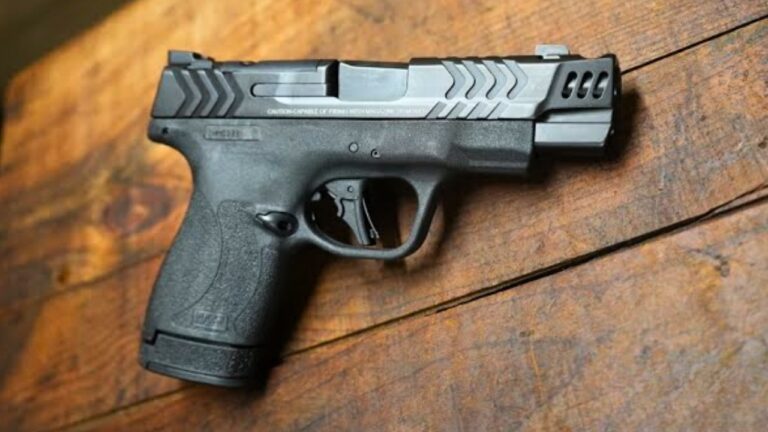
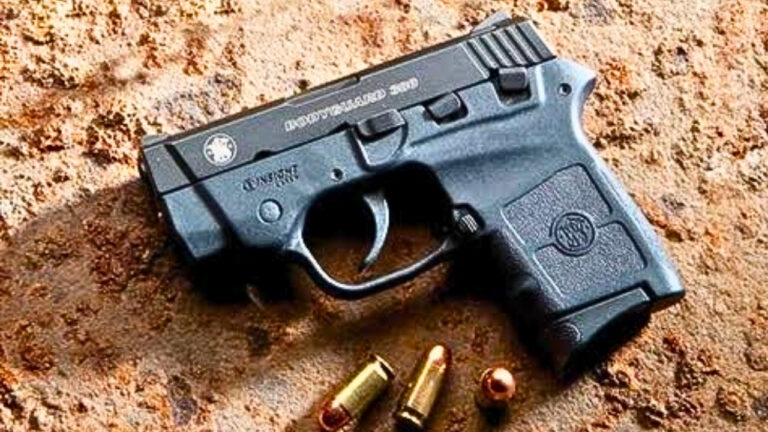
Smith & Wesson has not collapsed, and its M&P pistols remain serious defensive firearms. The company also continues producing revolvers that no other major American manufacturer can fully replace. Still, the brand has sometimes appeared uncertain about what it wants to be beyond the M&P line.
Many classic revolvers remain available, but buyers regularly complain about prices, internal locks, cosmetic shortcuts, and details that do not feel equal to older examples. Meanwhile, products such as the Sigma, SD series, and various short-lived semiautomatic designs made the handgun catalog feel less focused than it had during the company’s revolver-dominated years. Smith & Wesson moved its headquarters and major operations from Massachusetts to a new Tennessee facility, completing a major transition for a company based in Springfield since the 19th century. The move could begin a stronger era, but the company still has to balance high-volume modern pistols with the craftsmanship that made its name valuable in the first place.
Like The Avid Outdoorsman’s content? Subscribe to our newsletter so you never miss an article.
Here’s more from us: