Photo credit: Peter K. Ziminski/Shutterstock.com
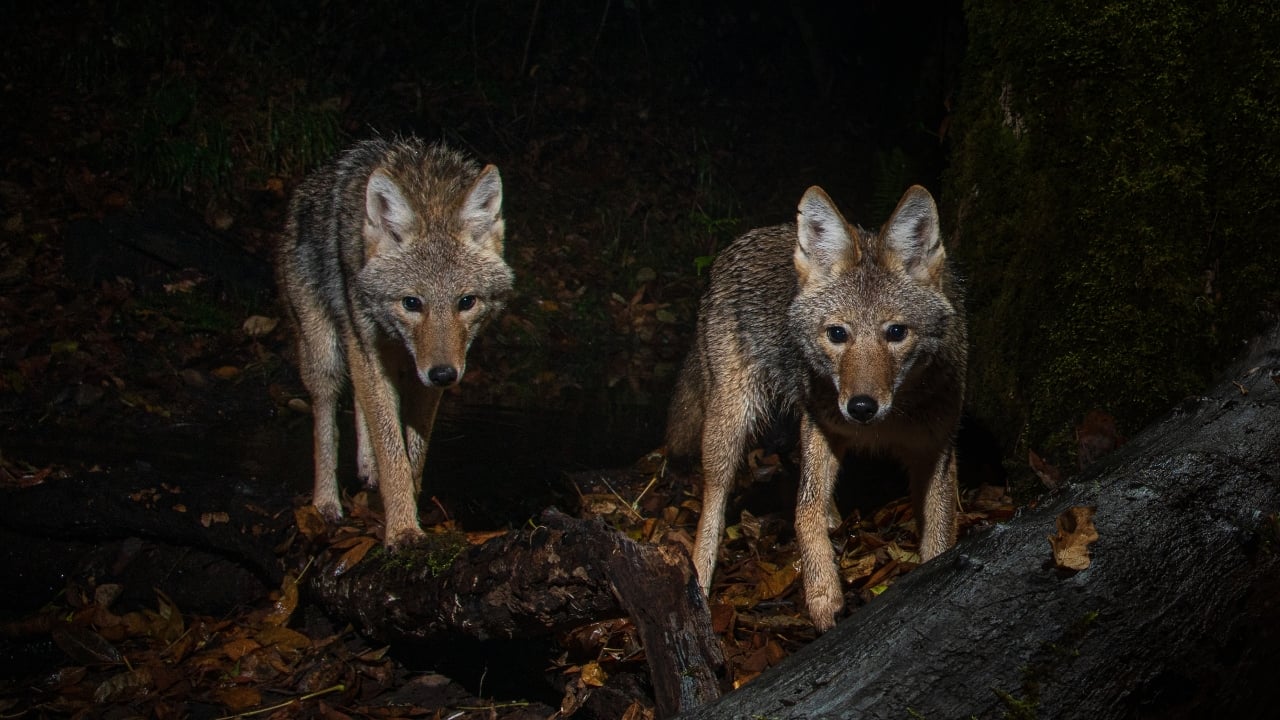
The camper heard the coyotes before he saw anything.
That is usually how it goes. Coyotes do not have to show themselves to make a campsite feel different. One howl in the distance can sound pretty. A whole group lighting up nearby after dark feels a lot less charming, especially when you are sleeping in a thin tent and trying to tell yourself they are farther away than they sound.
This time, they were not far enough.
In a Reddit post, campers were talking about what to do when coyotes, bears, or other animals come close to camp. One commenter described a night when coyotes came in close enough that their dogs realized they were surrounded.
That is the part that makes the whole thing feel less like normal background noise and more like a real problem.
Plenty of people camp near coyotes and never have an issue. Most coyotes want nothing to do with a person. They stay out of sight, move through the edges, yip and howl at night, and go on doing coyote things. But when you are in camp with dogs, everything changes a little. Dogs can attract attention. They can bark, pull, whine, or challenge animals they have no business challenging. And coyotes, especially in groups, can act bold when they know there are dogs nearby.
The camper said the dogs picked up on it.
Anyone who has camped with dogs knows that moment. The dog hears something first. Maybe its ears go up. Maybe it stops panting. Maybe it growls low enough that you feel it more than hear it. Then you realize the animal is not reacting to a random squirrel or breeze. It knows something is out there.
And once the dogs realized coyotes were around them, the mood of the campsite changed fast.
The thing about coyotes at night is that sound can mess with your head. One howl bounces off the trees. Another answers from a different direction. Then another lights up behind you. Before long, it feels like they are everywhere, and you cannot tell if they are 300 yards away or just outside the light. In open country, that can be unnerving. In timber, it is worse because you hear them without seeing a thing.
For the campers, the dogs’ reaction made it feel closer and more serious.
A person can talk himself down pretty well. “They’re just coyotes.” “They’re probably across the draw.” “They won’t come into camp.” But when the dogs get tense and the noise seems to be coming from multiple sides, that calm little speech starts falling apart.
The concern was not necessarily that coyotes were about to attack a grown adult. The concern was the dogs. Coyotes can lure, test, pressure, or circle domestic dogs, especially if the dogs are loose or small. Even bigger dogs can get into trouble if they run after one coyote and end up dealing with more than one. That is the nightmare scenario for anyone camping with pets.
You do not want your dog deciding to be brave in the dark.
That is why the safest move is usually boring: keep the dogs close, keep them leashed, bring them inside the tent or vehicle if possible, make noise, use lights, and do not let them chase anything. The minute a dog bolts out into the dark, the whole night can go sideways.
The camper’s story fit that exact fear. The coyotes were close enough for the dogs to understand what was happening. The campsite no longer felt like a little protected bubble. It felt like a spot in the middle of something else’s territory.
There is also the strange helplessness of not being able to see. If a coyote walks into a field during daylight, you can judge distance, size, direction, and behavior. At night, you get noise, maybe eyeshine, maybe shadows, and a lot of guessing. You hold a flashlight, listen, and try to decide if you need to yell, pack up, or just sit tight until they move on.
Most of the time, coyotes do move on.
But that does not make the moment feel small while it is happening. Especially when you are responsible for dogs, kids, or anyone else in camp. A coyote chorus in the distance is one thing. Coyotes close enough to make your dogs realize they are surrounded is something else.
The camper was not describing a dramatic attack. Nobody had to fight off a pack. Nobody claimed coyotes were monsters. The scare came from the pressure of the moment — dark woods, animals close by, dogs alerting, and the uneasy feeling that the camp had become the center of attention.
That is enough to turn a normal camping night into one nobody sleeps through.
Commenters had a pretty practical reaction: take coyotes seriously, but do not panic.
Several people pointed out that coyotes are common around campsites and usually are not interested in grown adults. Hearing them does not mean they are about to rush the tent. In a lot of cases, they are communicating, moving through the area, or responding to each other.
But people were much more cautious when dogs were involved. Several commenters said dogs should be kept close, leashed, and preferably inside the tent or vehicle at night. Even if a dog is tough at home, the woods are not the place to let it prove anything. Coyotes can be fast, quiet, and coordinated enough to make a loose dog regret chasing them.
Others recommended lights and noise. A bright flashlight, loud voice, clapping, banging a pot, or making yourself obvious can be enough to push coyotes away from camp. Some campers mentioned air horns or bear spray as part of their general camp safety setup, especially in areas with more wildlife pressure.
Food storage came up too. Coyotes may not be the same kind of camp raiders as bears, but scraps, trash, pet food, and dirty cookware can draw animals closer than they need to be. Commenters reminded people not to leave dog food out overnight and not to let pets wander near food smells.
A few people shared their own stories of coyotes sounding like they were right outside the tent, only to realize later the animals were farther away than they seemed. That is fair, because coyote calls can carry weirdly at night. But several also admitted that distance does not matter much when your dog is growling and the sound is coming from every direction.
The main advice was simple: keep control of the dogs, make camp boring to wildlife, and do not let curiosity pull you or your pets into the dark. Coyotes may not be the biggest danger in the woods, but when they start circling close enough for the dogs to understand it, the smart move is to tighten camp down and wait them out.