Photo credit: By Falcon® CC BY-SA 2.0, /Wikimedia Commons
“Rare” is one of the most abused words in the gun world. A gun can be out of stock, discontinued, or hard to find in your area and still not be rare in any meaningful sense. True rarity usually means low production, limited distribution, documented special runs, or a configuration that collectors can actually verify. Everything else is often just market timing, panic buying, or a seller trying to make you pay extra for something you could find again next month.
If you’ve spent any time on gun boards or in shops, you’ve heard the same claims: “They don’t make these anymore,” “You’ll never see another,” “This is a unicorn.” Most of the time, the gun isn’t rare—it’s just clean, correctly priced, or sitting in a caliber people happen to be chasing. Here are the guns people swear are rare even though they aren’t.
Glock 19 Gen 3

People call the Gen 3 Glock 19 “rare” because it disappears in certain markets or during buying waves. The truth is it’s one of the most common pistols ever made, and you can still find them everywhere if you look beyond one shop’s display case. What feels rare is often just a week of low inventory or one distributor being out.
The real twist is that some buyers confuse “desirable” with “rare.” Gen 3s have a loyal following for their feel and simplicity, and some folks like them for parts compatibility. That demand can make prices jump, which makes sellers start throwing the word “rare” around. It’s not rare. It’s popular, and popularity moves fast when the shelves get thin.
Smith & Wesson Model 10

A clean Model 10 gets treated like a museum piece in some gun shops, mostly because people don’t see classic service revolvers in pristine shape every day. But Model 10s were produced in huge numbers over a long time. You’re not looking at a scarce revolver—you’re looking at a common revolver that survived without being abused.
The “rare” claims usually show up when a gun has nice bluing or original grips. That’s not rare. That’s condition. There’s a difference. A specific early variation or special contract gun can be collectible, but the average Model 10 isn’t a unicorn. If you’re patient, you can find another one. What you’re paying for is how clean it is and how original it remains, not scarcity.
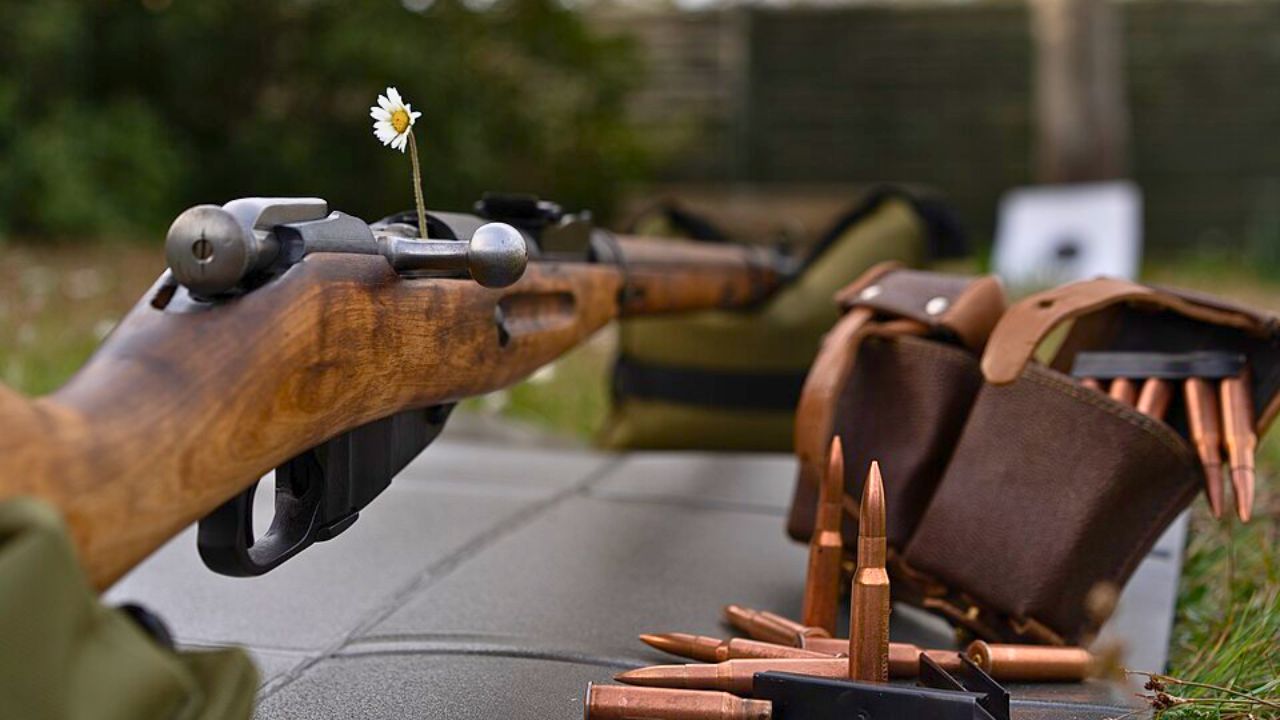
Mosin-Nagant 91/30

People still talk about Mosins like they’re disappearing relics, mostly because they remember the days when you could buy them for pocket change. But “not as cheap anymore” isn’t the same as “rare.” Millions were made. You’re not hunting a scarce rifle, you’re hunting an affordable surplus rifle that stopped being absurdly cheap.
The other confusion is condition. A genuinely clean Mosin with a strong bore and good markings can be harder to find than a beat-up example, so sellers start using the word “rare.” That clean condition is uncommon, sure, but the rifle itself is not rare. If you want a Mosin, you can still find one. You’re mainly negotiating price, condition, and how much refurb work has been done.
SKS (Chinese Type 56)

Chinese SKS rifles get called “rare” every time imports tighten or social media starts talking about them again. The reality is that Chinese Type 56 SKS rifles were produced in massive numbers. What’s hard to find is a particular configuration in excellent condition, not the general rifle.
A matching-number example with original finish and correct parts can be desirable, and desire creates the illusion of rarity. But the base model is not scarce. If you’re patient and willing to shop around, you’ll find another. The market swings create urgency, and urgency creates “rare” talk. What you should focus on is whether the rifle is correct, matching, and unmodified—because that’s what holds value, not the seller’s sales pitch.
Marlin 336 (JM-stamped)

JM-stamped Marlin 336 rifles are treated like they’re mythical, mostly because people associate that mark with a certain era of production. They’re not rare. A lot were made, and they show up constantly—especially if you look at regional shops and used racks instead of one big retailer’s inventory.
What’s actually happening is that clean JM rifles get bought fast. That’s demand, not scarcity. The moment a nice one hits the rack at a fair price, someone grabs it. Then the next guy walks in, doesn’t see any, and assumes they’re “rare.” They aren’t. They’re popular, and popularity creates empty racks. If you want one, be picky about condition and avoid hacked-up rifles, but don’t pay “unicorn money” for a common lever gun.
Ruger Mini-14

The Mini-14 gets labeled rare every time the market gets jumpy or certain models dry up for a bit. In truth, Ruger has produced a lot of Minis over the decades, and they keep circulating. What changes is pricing and visibility, not actual rarity.
A Mini feels rare when you’re trying to find a specific configuration—stainless, wood stock, a certain series—at a specific price. That’s a different problem. The rifles exist. They’re simply not always stacked in front of you. Mini-14 demand spikes during political cycles and panic waves, and that’s when the “rare” claims start flying. If you’re patient, you’ll find another. Treat it like a purchase based on condition and era, not a once-in-a-lifetime opportunity.
Remington 700 ADL

People call older Remington 700 ADLs “rare” when they stumble on a clean one with original parts and a nice bore. But the 700 is one of the most common bolt actions in America. The ADL configuration, especially, was widely sold as a working hunter’s rifle.
The confusion comes from how many have been modified. A factory ADL with intact stock, unmolested screw heads, and a clean barrel can feel uncommon compared to the hacked-up rifles you see on used racks. That’s still not rarity. That’s survivors versus projects. If you’re shopping, don’t pay extra because someone says “they don’t make them like this anymore.” Pay for condition, and confirm the rifle hasn’t been drilled, chopped, or “upgraded” into something you don’t actually want.
Colt 1911 Series 70 (common variants)

Series 70 Colts are collectible, but “collectible” isn’t the same as “rare.” Standard Series 70 pistols show up regularly, and a lot were made. People toss the word “rare” around because the guns have a reputation and the Colt name carries weight.
What’s actually rare are specific early features, documented special orders, or truly mint examples with the box and paperwork. The average Series 70 in honest used condition is not a unicorn. It’s a desirable pistol with steady demand, which means pricing stays strong and sellers get bold with descriptions. If you want one, buy it for what it is: a classic Colt 1911. Don’t let someone’s “rare” label push you into paying premium money for a very normal configuration.
Springfield M1A (standard models)

The M1A gets called rare any time certain models are backordered or the shelves are thin. But standard M1As have been sold for a long time, and plenty are out there. What you’re usually seeing is a temporary shortage or a specific version being scarce in the moment.
The other issue is that people confuse “expensive” with “rare.” An M1A can be pricey, and when something is pricey, people assume it must be scarce. That’s not how it works. The rifle is popular, it’s politically sensitive, and it’s a classic. Those factors create waves in availability. If you want one, focus on condition, bore, and whether it’s been messed with. Don’t overpay because someone claims you’ll never see another.
Browning Hi-Power (common late-production guns)

Original Browning Hi-Powers are out of production, so sellers love to call them rare. Many aren’t. Late-production guns were made in large numbers, and they show up regularly. What’s difficult is finding one that hasn’t been refinished, modified, or carried into the ground.
Collectors pay up for specific eras, markings, and correct accessories. That’s where the real money lives. A standard late-production Hi-Power in average condition isn’t rare—it’s simply discontinued and desirable. Those are different things. If you want one, buy it for condition and correctness, not for a “rare” story. A clean, original example is worth paying more for. The base pistol is still something you can find again if you don’t panic-buy.
Winchester Model 94 (post-64 standard rifles)

Post-64 Model 94s get treated like they’re becoming extinct, mostly because people remember their granddad’s rifle and want one that feels the same. But Winchester made a ton of them. The standard post-64 rifles are not rare in the way collectors mean rare.
What can be scarce is a clean example with good wood, correct sights, and a bore that hasn’t been neglected. Again, condition gets confused with rarity. A post-64 94 is a common hunting rifle that many people shot hard and stored poorly. That’s why pristine ones stand out. Don’t let a seller use “rare” to cover up what’s really being sold: nostalgia. Buy for condition and function, and you’ll find another.
Ruger GP100

A GP100 is a rugged revolver with a loyal following, and people love to call certain variants “rare” when they don’t see one locally. The truth is Ruger has sold a pile of GP100s over the years. What changes is which barrel lengths and finishes are easiest to find at a given time.
The 3-inch versions and some distributor runs can be less common, but the base model isn’t rare. It’s just a popular revolver that doesn’t always sit on shelves long. If you want one, widen your search and stop letting local scarcity drive your decisions. This is a classic case where demand creates a “rare” story. The gun is common enough that you should be negotiating like a buyer, not begging like a collector.
Taurus Judge

The Judge gets pitched as rare every time someone finds one with a specific finish or a short barrel. But the Judge platform has been produced in huge numbers and sold everywhere. It’s one of those guns you see in pawn shops, gun shops, and big-box cases constantly.
What’s actually happening is that buyers confuse “unusual concept” with “rare gun.” A revolver that chambers .410 shotshells is different, and different feels rare. It’s not. There are plenty out there. If you want one, focus on condition and whether it’s the exact size and configuration you prefer, not on a seller’s urgency pitch. A Judge is common enough that you can afford to be picky and walk away from a bad price.
AKM-pattern rifles (general imports)

People love to call AKs “rare,” especially when import rules tighten or a certain batch dries up. Specific factory markings and specific countries can absolutely be collectible. But the average AKM-pattern rifle, as a general category, is not rare. There are a lot of them out there across multiple makers and eras.
The confusion comes from model names and panic cycles. One importer stops bringing in a particular variant, prices spike, and suddenly everything is “rare.” It’s not rare. It’s market timing. If you’re buying an AK, you should care about build quality, straight sights, rivet work, and overall condition. Those things matter more than a seller’s story. Save “rare” for the specific variants collectors can prove, not for any stamped AK with a wood handguard.
Ruger 10/22 (standard carbines)

A standard Ruger 10/22 is about as far from rare as a rifle can get. They’re everywhere, they’ve been sold forever, and you can usually find one with a little patience. Sellers still toss around “rare” when they see an older one with a walnut stock or a certain cosmetic package.
What’s really happening is that people get sentimental about older rimfires and assume older equals scarce. It doesn’t. Millions exist. If you’re buying used, pay for condition, not for a “rare” label. A clean older 10/22 can be a great buy, especially if it hasn’t been drilled, hacked, or turned into a weird project. But it’s still a common rifle. You should feel zero pressure to overpay for one because someone wrote “rare” on a tag.
Like The Avid Outdoorsman’s content? Subscribe to our newsletter so you never miss an article.
Here’s more from us: