Photo credit: Nomad_Soul/Shutterstock.com
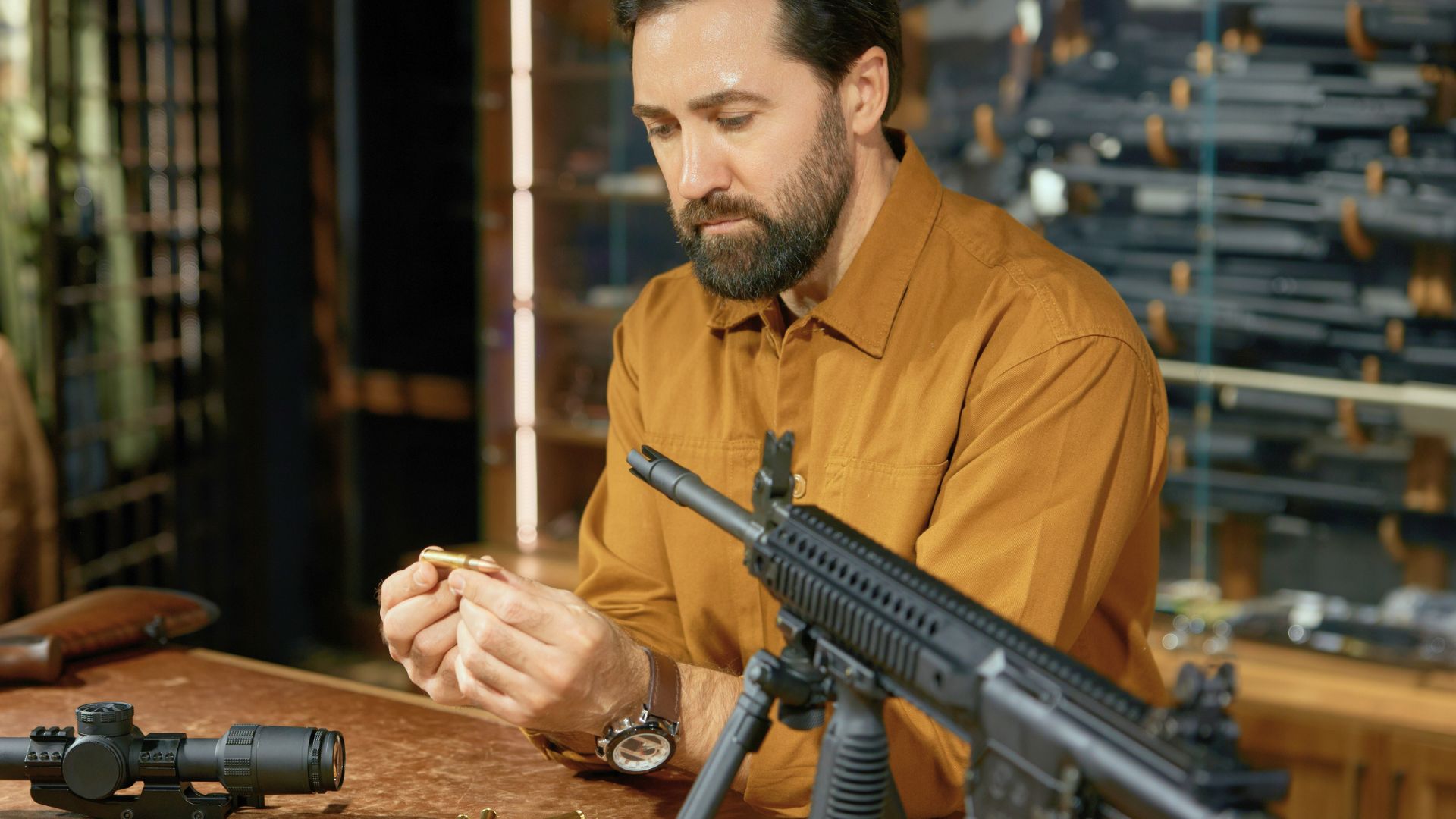
A Reddit post in r/guns described the kind of online firearm sale that makes private sellers sick to their stomach once it starts going sideways. The seller said he moved an upper receiver on GunBroker for about $4,200, shipped it out, and then got hit with a dispute from the buyer after delivery. According to the post, the buyer claimed the item was missing pieces and had roughly 20,000 rounds through it, even though the seller said the photos showed ordinary use and nothing close to that kind of wear.
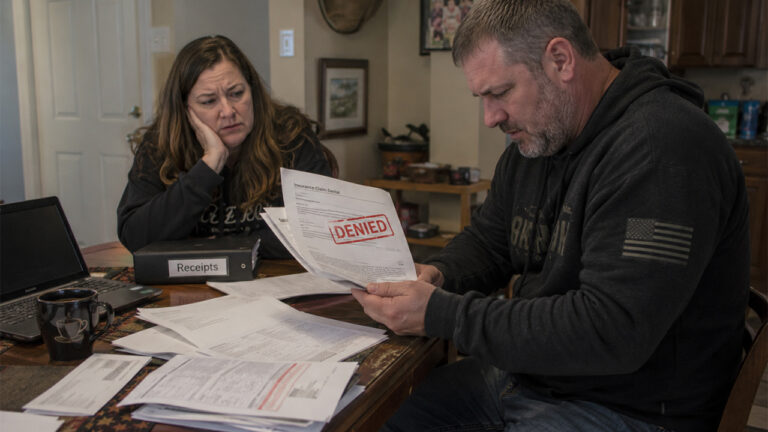
That alone would be bad enough, but the detail that pushed the whole thing into scam territory was the payment dispute. The seller wrote that PayPal had already pulled the money back out of his account, while the buyer was allegedly refusing to return the upper and claiming “consumer protection” on his side. In other words, the seller said he was now out thousands of dollars and out the item too, which is pretty much the nightmare version of an online sale.
What gives a story like this real bite is how familiar the structure feels. It is not some cartoon-level con with an obviously fake name and a sketchy email address from the start. It is a transaction that apparently made it through listing, photos, payment, and shipping before turning into a dispute over condition. That is exactly why these cases hit people so hard. By the time the problem shows up, the seller is already exposed. The part is gone, the money is tied up, and now the whole argument gets dragged into whatever system the payment platform wants to use.
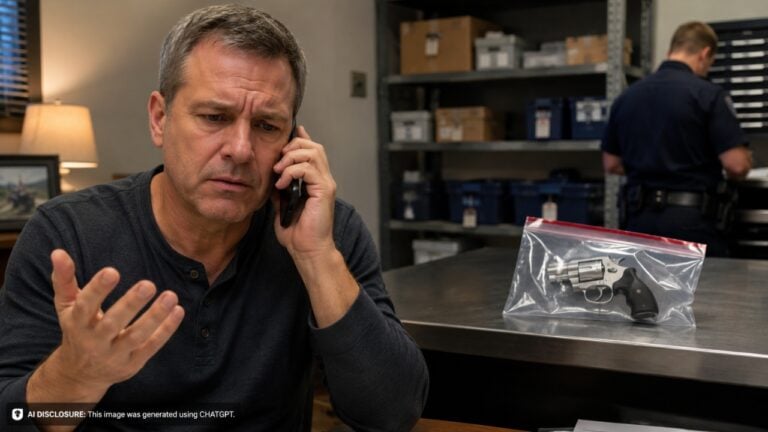
The poster also said he had contacted Flagstaff police three times and kept being told someone would call him back, but never got a return call. That detail made the thread feel even uglier, because it captured the part that frustrates people most in these disputes: once the transaction goes bad, it often stops feeling like anybody is in a hurry to help. The seller sounded less like someone arguing over a bad review and more like someone watching a high-dollar deal slip out of his hands while every official step moved too slowly to matter.
The replies around posts like this usually come back to the same hard lesson: payment method matters more than people want to admit. A separate recent r/guns warning thread flatly told buyers to avoid sending money through methods they cannot effectively dispute and urged people to check seller history closely, especially with low-feedback private-party accounts. That advice was aimed at buyers, but the bigger point cuts both ways: once a gun-related transaction relies on a fragile payment setup, you are trusting a system that may not care much about who is actually telling the truth.
That is probably why this one stands out. It is not only a complaint about an annoying customer. It is the kind of story that makes every seller go back and think about their own weak points. Did the listing photos show enough? Was the condition described tightly enough? Was the payment method smart for a deal that size? Was there any real protection once the item left? Those are the questions that start hitting after the fact, when the answers are no longer useful. That is what makes a dispute like this feel so brutal.
In the end, the Reddit post did not read like a simple argument over wear marks. It read like a seller who believed the buyer had figured out the exact kind of dispute that leaves him fighting uphill from the second the package arrives. And once a deal reaches that point, the worst part is not only losing money. It is realizing the other guy may have known from the start exactly how to make sure you were the one left holding the bag.