Photo credit: The Avid Outdoorsman
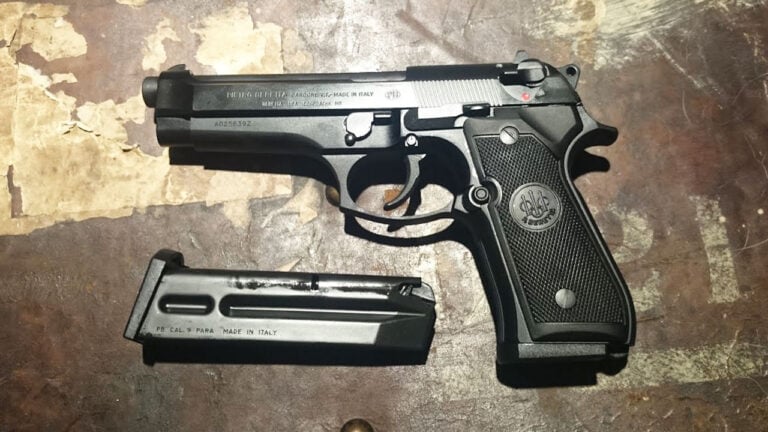
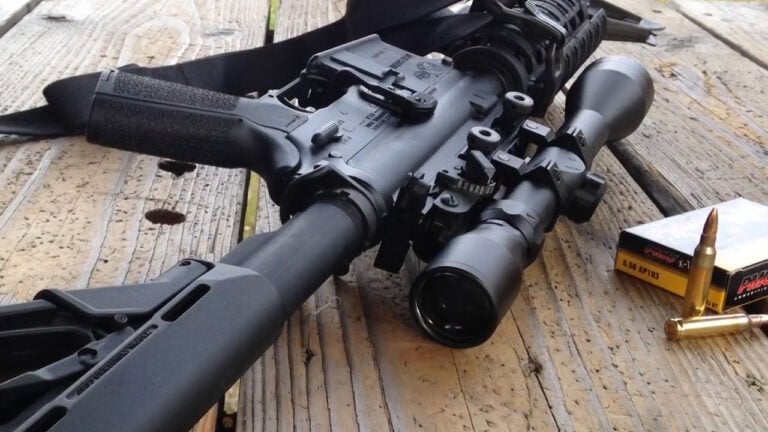
It’s easy to understand the appeal of a good old .30-06 sitting on a folding table at a weekend swap meet. No dealer lights, no glass case, just blued steel, walnut, and a hand-written tag with a price that makes you stop walking. For one hunter, that impulse buy turned into a two-season workhorse—until a state trooper showed up at his door with a very different story attached to the serial number.
A swap meet deal that felt like a win
The rifle wasn’t fancy. Think classic bolt gun, worn checkering, honest hunting dings, and a basic 3-9x scope that had probably seen more dawns than most folks care to count. The seller had a couple other long guns laid out, some slings, a box of mixed rings, and enough small talk to sound like he’d been around firearms his whole life.
The buyer did what a lot of us have done in parking lots and fairgrounds—shouldered it, worked the bolt, checked the bore the best he could, and handed over cash after a little haggling. He walked away feeling like he’d scored a “been there, done that” deer rifle that still had plenty of miles left.
Two seasons of trust built one shot at a time
Back home, the rifle got cleaned, the screws got snugged, and it went to the range. It wasn’t a benchrest rig, but it grouped well enough with 150- and 165-grain hunting loads, and the zero held. That’s all most hunters ask for out of a practical woods rifle.
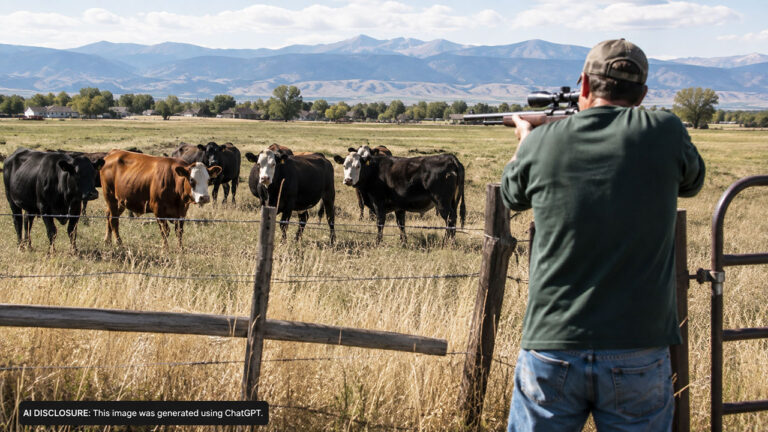
Over the next two seasons it did what a .30-06 does: it handled whitetails cleanly, didn’t fuss over ammo, and carried like a familiar tool. It rode in a soft case in the back seat, leaned in a corner of the cabin during gun week, and ended up in more photos than the hunter expected. In his mind, it was his rifle—plain and simple.
The knock that changes your whole week
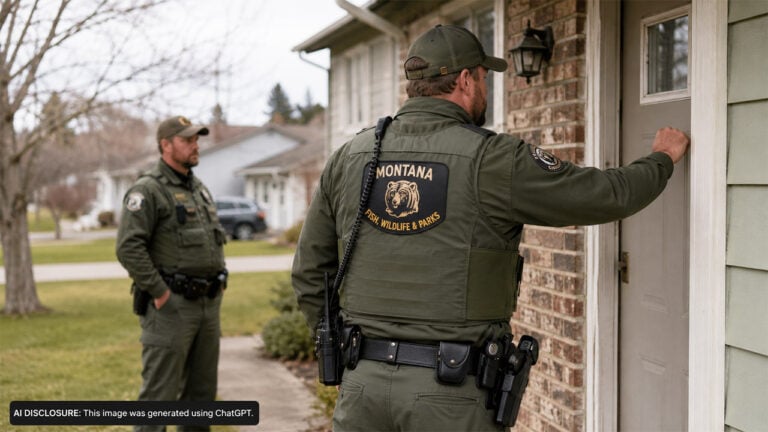
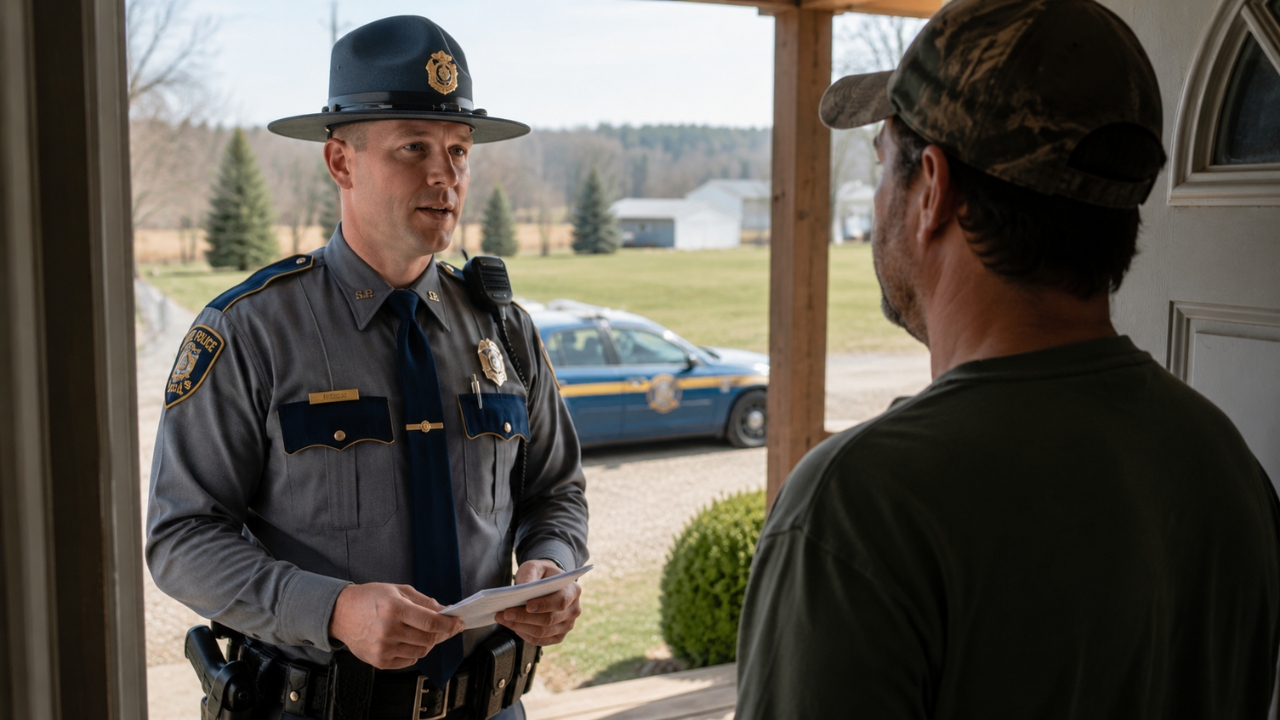
The visit didn’t start with yelling or sirens. It was a uniform at the door and a straightforward question about a specific rifle. The trooper had a serial number in hand and asked if the hunter owned that firearm.
Most folks would answer honestly without thinking twice, and that’s what happened here. The hunter went and retrieved the rifle, thinking maybe there was an issue with paperwork or a mix-up from a traffic stop or a hunting check. Instead, the trooper explained the rifle had been listed as stolen.
That’s the moment your stomach drops. Because even if you didn’t steal it, you’re now holding property that doesn’t legally belong to you, and you can’t talk your way around a serial number that’s already in a system.
How stolen guns resurface years later
In rural areas, stolen firearms have a way of floating around quietly. A truck gets broken into during archery season. A safe is pried open while a family is gone for the weekend. A shed gets cleaned out. The owner reports it, the number gets entered, and then the gun disappears into the wild.
Sometimes it pops up when a pawn shop runs it. Sometimes it shows up after a traffic stop when an officer checks a firearm in the trunk. And sometimes it takes the slow route—private sale to private sale—until somebody finally runs the serial number for a reason that has nothing to do with the buyer.
A routine welfare check, a domestic call where guns get temporarily secured, a house fire where firearms are inventoried, even a hunting incident report can put a law enforcement spotlight on a gun that’s been “normal” in someone’s cabinet for years.
What the hunter likely faced next
Once the trooper had probable cause that the rifle matched a stolen entry, the practical outcome was predictable: the rifle wasn’t staying. In most cases, law enforcement will seize it as evidence and to return it to the rightful owner once the case is sorted.
From the hunter’s perspective, that’s a hard pill. He paid for it. He maintained it. He hunted with it. But good faith doesn’t magically create legal ownership when the gun is somebody else’s property.
The next part is where a lot of folks get nervous—questions about where it came from, who sold it, how payment was made, and whether there’s any record of the exchange. If you can point to a bill of sale, messages, a phone number, or even a swap meet vendor name, that helps show you didn’t knowingly buy stolen property. If you’ve got nothing but “some guy at a table,” you’re stuck.
What hunters and gun folks focused on
When stories like this make the rounds at the range or the diner, the comments tend to split into two camps. One side says, “That’s why I won’t buy private sale guns.” The other says, “This is exactly why private sales need a paper trail.” Both camps are reacting to the same gut-level fear: doing everything you know to do and still getting burned.
A lot of hunters also zero in on the swap meet angle. Not because swap meets are automatically shady—plenty of honest folks sell gear that way—but because the environment encourages quick decisions. Noise, crowds, cash, and the pressure of “somebody else will buy it if I don’t.” That’s how you end up skipping steps you’d normally take.
And then there’s the practical frustration everyone agrees on: you can be out the money and out the rifle, even if you’re not charged with anything. Getting reimbursed means tracking down a seller who may be long gone, using a fake name, or simply unreachable.
How to keep a “good deal” from turning into a mess
There’s no perfect shield, but there are habits that lower the odds of ending up in this exact situation. The big one is documentation. A simple bill of sale with the date, names, and a description of the firearm is not a magic wand, but it’s better than nothing. If the seller refuses any kind of paperwork, that should tell you something.
Another smart move is to keep purchases above-board whenever you can. Buying through a shop or doing a transfer where it’s available and appropriate can add friction, but friction is sometimes your friend. It creates a record, and it forces at least a little accountability.
Finally, treat a too-cheap rifle the way you’d treat a too-cheap four-wheeler with no title. Maybe it’s legit. Maybe it’s a headache waiting to happen. If you’re not comfortable walking away, you’re not comfortable enough to buy it.
In the end, the toughest part for this hunter wasn’t losing a rifle that shot straight. It was realizing that “I didn’t know” doesn’t always protect you from the consequences of someone else’s bad actions. The lesson isn’t to be paranoid—it’s to slow down, get something in writing, and remember that a bargain isn’t a bargain if it follows you home two years later with a badge at the door.