Photo credit: The Avid Outdoorsman
Four years is a long time to assume a stolen gun is gone for good. Most folks file the report, keep the case number in a folder, and move on—maybe they replace it, maybe they don’t. Then one afternoon the phone rings, and it’s a pawn shop saying the pistol is sitting on their counter like it never left.
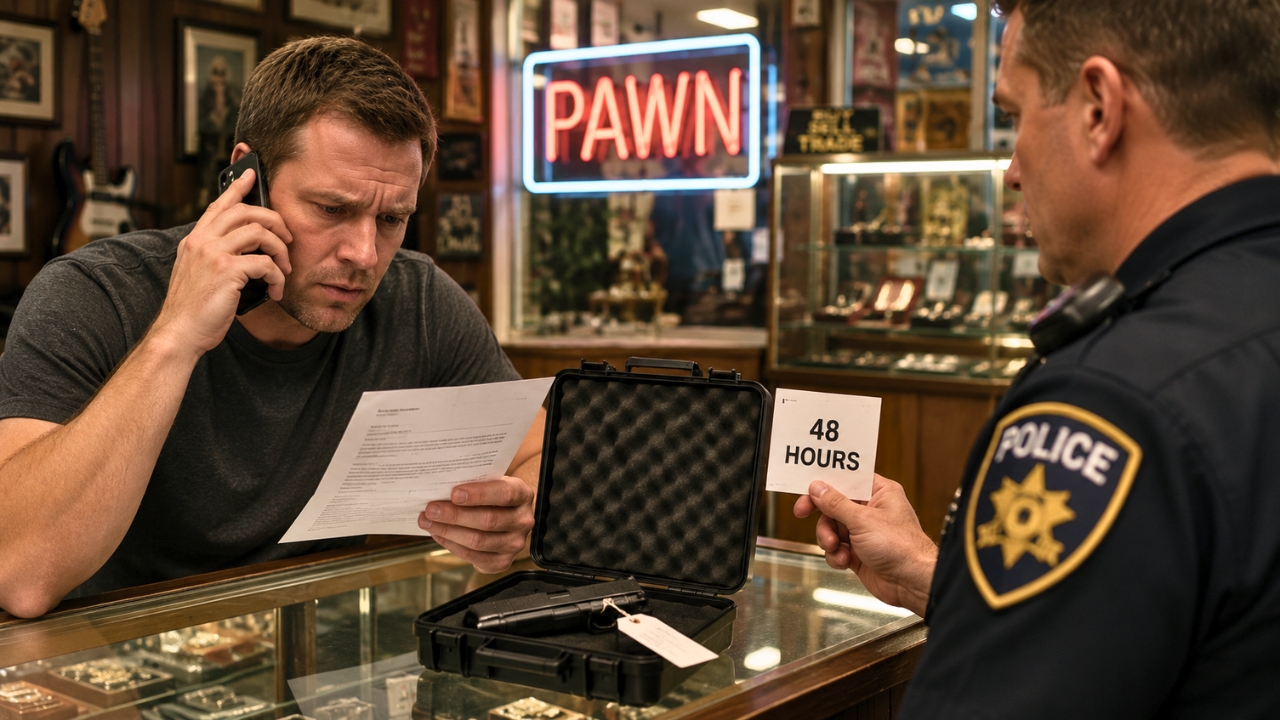
That’s the kind of whiplash one gun owner got when a shop reached out after running a routine check on inventory that had just come in. The caller wasn’t accusing him of anything. They were doing what a lot of reputable shops do: verifying serial numbers against the usual databases and making sure nothing looked off before the gun went any farther.
The theft was old news until a serial number popped
The original loss happened years earlier—one of those common scenarios that plays out in rural areas and small towns the same way it does anywhere else. A vehicle was broken into, or a house got hit when the owner was at work, or a storage building got pried open. The pistol wasn’t a “safe queen,” either. It was the kind of handgun people keep for personal protection, toss in a range bag, and sometimes carry during hunting season when they’re checking trail cameras or dragging a deer.
At the time of the theft, the owner did the right thing. He reported it, provided the serial number, and documented the make and model. That paperwork matters, and it matters a lot more than people think—especially when years go by and memories get fuzzy.
What he didn’t expect was for the gun to resurface the way it did. The pawn shop’s message wasn’t a “good news, come get it.” It was more like a heads-up that the gun had triggered a flag, and that the shop needed direction from law enforcement before anything happened next.
The pawn shop did what the good ones do
A solid pawn shop doesn’t want stolen firearms in the building, period. It’s a liability, it’s paperwork, and it can put their license at risk. So when that pistol came in—likely through a sale, trade, or pawn ticket—the staff did their intake like normal and checked the number.
That’s the moment the past caught up. The serial number matched a theft entry, and the shop made contact to cover their bases. In a lot of places, the shop also has to hold the item and notify authorities, even if the person who brought it in seems legitimate and has a receipt.
From the owner’s standpoint, it probably felt like a rare win. The pistol is finally located, and it’s sitting somewhere with cameras, paperwork, and employees who don’t want trouble. That’s about as good as it gets for recovered property.
Then the clock started ticking
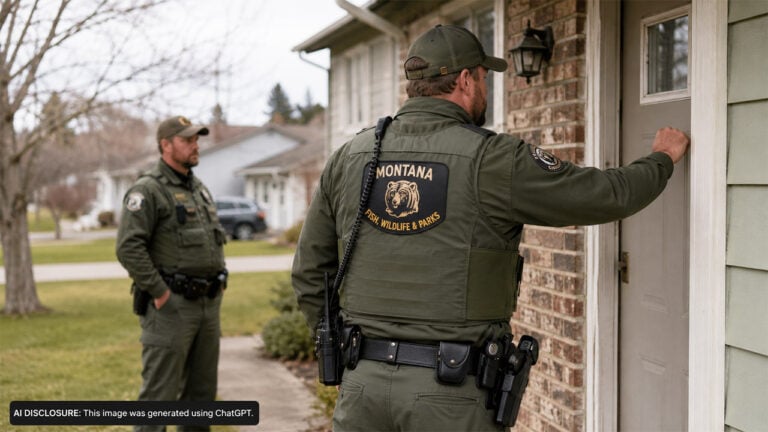
After the shop call, the owner contacted police to confirm the match and ask what the next step was. That’s when things took a sharp turn. Instead of a straightforward “bring your report and ID,” he was told he had a short window—around 48 hours—to claim the firearm before it would be destroyed as part of routine evidence disposal or property handling policies.
That kind of deadline makes people’s blood pressure jump, and for good reason. A lot of folks don’t have the ability to drop everything midweek and sit in a lobby all afternoon. And when a recovered firearm is involved, the hoops tend to multiply: property release forms, proof of ownership, background checks in some jurisdictions, and sometimes a court order if the gun was tagged to another case along the way.
It’s not hard to picture how this happens on the agency side. Departments cycle evidence rooms. They run periodic cleanouts. Somebody sees an old case number tied to a firearm and wants it off the shelf. The problem is that a “policy timeline” doesn’t always match real-life logistics for the lawful owner.
Paperwork, proof, and the reality of “ownership”
Gun folks hear “it’s your gun” and think that’s the end of it. But once a firearm gets wrapped up in evidence procedures, the practical definition of ownership can start to feel slippery. A serial number match helps, but the owner may still need the original report, any purchase record, photos, or insurance paperwork—anything that makes it easy for a property officer to say, “Yes, release it.”
There’s also the issue of how the gun came into the pawn shop. If it was used in another crime, it could be held longer. If it was recovered in a separate investigation, it might have been entered under a different file. Those details can create a maze where the owner is basically proving the obvious to three different desks.
On top of that, “destroyed” can mean different things depending on the policy. Sometimes it’s actual destruction. Sometimes it’s a mandated transfer for disposal. Either way, once it’s gone, it’s gone. And the guy who did everything right four years ago is the one trying to sprint through bureaucracy.
What other gun owners zeroed in on
When stories like this circulate around gun counters and range benches, the conversation gets practical fast. The first thing folks harp on is documentation. Keep a list of serial numbers somewhere secure. Photograph your firearms. Save purchase receipts. If you ever have to make a claim or recover property, you want to hand over a neat packet, not a vague description.
The next point is storage and transport. A lot of stolen guns start with a truck gun left under a seat, or a handgun in a console while someone runs into a store. In rural areas, it’s common to have a pistol along for fence checks or predator calls, but leaving it unattended turns a tool into a liability. A small lockbox cabled to the seat frame isn’t perfect, but it’s better than nothing.
And plenty of people focus on the “48 hours” part. The common reaction is that if an agency can hold a gun for years, the owner should get more than two days to retrieve it. Some folks talk about calling supervisors, requesting an extension in writing, or asking for a property-hold note while they gather documents. Whether that works depends on the office and the policy, but it’s the kind of pushback that sometimes buys time.
The tight window forces a hard choice
When you’re told you’ve got two days before a recovered pistol is gone, the “right” move becomes whatever gets you in the door the fastest with what you can prove. That might mean taking time off work, driving a couple hours, and bringing every scrap of paperwork you’ve got. It might mean calling the pawn shop back and asking them to document, in writing, the serial number and the date it came into their inventory so you’ve got something concrete to hand the property officer.
It also means staying calm and staying straight. This is not the situation to get heated at a clerk or an evidence tech. You want them to help you, not put your file at the bottom of the pile. Firm is fine. Clear is fine. Angry usually just slows things down.
For the rest of us, it’s a reminder that stolen guns don’t just disappear—they move around until they land somewhere that runs serials and asks questions. If you ever find yourself in that same spot, the best chance you’ve got is a clean paper trail, quick communication, and the willingness to treat the recovery like the serious business it is.
The outdoors world is full of stuff we can replace—boots, packs, optics, even a favorite rifle if we have to. A stolen handgun is different. It’s personal, it’s expensive, and it carries risk out in the world. When one finally resurfaces, nobody wants to watch it get tossed into a shred bin because the paperwork clock ran out.