Photo credit: ironwas/Shutterstock.com
Gun shows can be great for finding things you don’t see on normal shelves, but they’re also full of “deals” that only look good under indoor lighting and a little time pressure. It’s easy to convince yourself you’re beating the crowd when you’ve got a table full of blued steel in front of you and cash in your pocket. Once you get home, the story changes: a rifle with a cooked barrel, a pistol that’s been “tuned” into unreliability, bulk ammo that sat in a damp garage for a decade, or optics that turn out to be barely-centered airsoft knockoffs. The trick isn’t swearing off gun shows; it’s knowing which categories demand a hard pass unless you can fully vet what you’re holding.
Used pistols that hide worn parts and kitchen-table gunsmithing
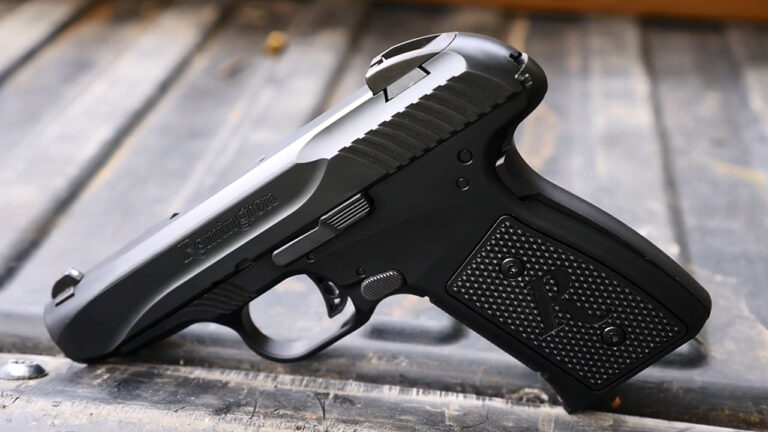
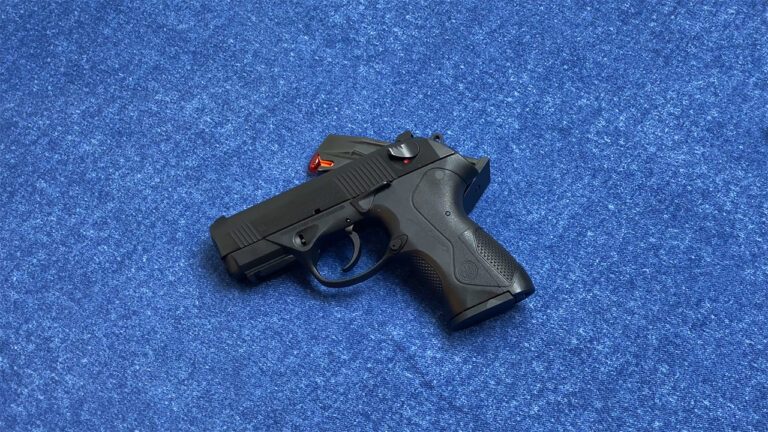
The classic gun-show trap is the “carried a lot, shot a little” handgun with a good name and a suspiciously low price. From across the table it looks fine. Up close, you start seeing peened locking lugs, rounded slide rails, mystery-sourced springs, and a trigger that feels nothing like a stock example from the same brand. A lot of these guns went through homebrew trigger jobs, recoil spring experiments, or slide lightening that never got vetted at more than one short range trip. On the table, you can’t see the reliability issues that show up once everything heats up and carbon builds. If you’re going to take a chance on a used pistol at a show, you need to already know how that model is supposed to feel, strip it far enough to check the usual wear points, and be willing to walk away the second anything smells like a project instead of a tool.
Hunting rifles that have been “improved” past their prime
Another repeat offender is the hunting rifle that’s been in the family since the first Bush administration and shows every bit of it. It’s wearing a scope older than some of the buyers in the room, the crown has clearly met more than one truck rack, and somebody “floated” the barrel with a pocketknife and too much confidence. Those rifles can be solid bones if the price reflects the work they need, but they’re often priced like they’re ready for another 30 seasons. The pitfalls show up later at the range as wandering groups, sticky bolts, mystery misfires, and mounts that won’t stay tight because the holes have been over-torqued one too many times. Unless you’re specifically looking for a project, you’re usually better off paying a bit more for a clean, unmolested rifle than dragging home something that needs a new stock, glass, and a trip to a smith before it can see the woods.
Optics and accessories with unknown histories and missing support
Tables piled high with scopes, red dots, and lights look like treasure to a budget-minded shooter, but you need to be very clear on what you’re actually buying. Used glass without a box, paperwork, or clear markings might be perfectly good, or it might be something that took a hard fall off a truck and never held zero right again. Cheap knockoffs of popular dots and magnifiers are everywhere, and under show lighting you can’t see the tint, parallax, or wandering zero that will drive you nuts later. Mounts and rings with rounded screws and mashed recoil lugs tell you they’ve already lived a hard life. Unless you’re seeing a serious discount on a brand with a warranty you know you can use, it’s often smarter to walk past the “too good to be true” optics pile and buy new from a source that will still be there in five years when you need support.
Bulk ammo and reloads that looked like a bargain in the moment
Cases of loose ammo stacked under a table will pull a crowd, especially when prices are up. The problem is that once you peel the tape off at home, you sometimes find mixed headstamps, tarnished brass, unknown reloads, and boxes that smell like they spent a long time in a damp basement. Factory ammo from a known maker at a fair price is one thing. Plain white boxes with marker writing and no clear history are another. Bad storage can mean split necks, corrosion around primers, and inconsistent performance that shows up as malfunctions or pressure spikes in guns you care about. If the seller can’t clearly tell you whether it’s factory or reload, how it was stored, and what you’re actually getting by lot, you’re betting your gun and your face on a stranger’s habits. That’s rarely worth a small savings on a “deal” case under a table.
Surplus gear and magazines that no longer have real backup
Surplus bins at shows can turn up real finds, but they’re also where a lot of worn-out support gear goes to retire. Magazines are the big one: crates of surplus mags for service pistols and rifles look tempting until you realize springs are tired, feed lips are bent, and replacements have become harder to find than new production for current platforms. Holsters with soft retention, cracked kydex, or worn stitching may look fine on the table and fail under any kind of real use. The common theme is support. If you’re buying gear for guns you actually carry or hunt with, you want parts and backing from a maker that still exists, not a mystery pouch that was already on its last legs. Gun shows can absolutely be worth walking, but the stuff that looks smart in the room and falls apart at home usually has the same markers: unclear history, no paperwork, obvious hard use, and a price that only makes sense if you’re willing to treat it as disposable from day one.
Like The Avid Outdoorsman’s content? Subscribe to our newsletter so you never miss an article.
Here’s more from us: