Photo credit: James Case – CC BY 2.0, /Wikimedia Commons
Some rifles and pistols look good on paper or in the display case, but when you actually get them to the range, the truth comes out. Maybe the accuracy isn’t there, maybe the controls feel awkward, or maybe the recoil is harsher than you’d expect. Either way, some models consistently leave shooters shaking their heads. These aren’t guns that fail outright—they function—but they rarely meet expectations when it comes to real-world shooting. If you’ve run any of these, you know the disappointment.
Remington R51
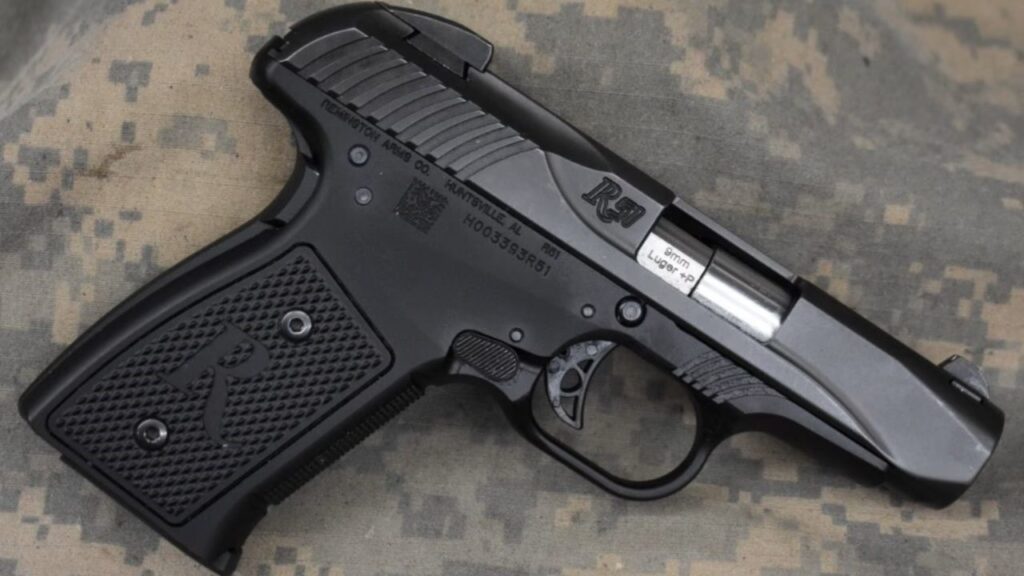
The R51 came back with big marketing and promises of modern performance in a retro-inspired package, but range time told a different story. Many shooters complained about feeding issues, awkward recoil impulse, and difficulty reassembling the pistol. While some later versions ran better than the troubled 2014 release, the early reputation stuck. Even when it works, the trigger feel and ergonomics don’t give you much confidence. It’s a gun you might take to the range once for curiosity, then put back in the safe.
Taurus Spectrum

The Taurus Spectrum tried to appeal with smooth lines and color accents, but when it came to range performance, it struggled. The trigger has a long, mushy pull that makes accurate shooting at speed tough. Light strikes and feeding problems were also common complaints. While some shooters report decent reliability with a careful ammo choice, most find it frustrating to run through even a basic training session. For a gun marketed as easy and approachable, it often ends up more trouble than it’s worth.
Kel-Tec P-11
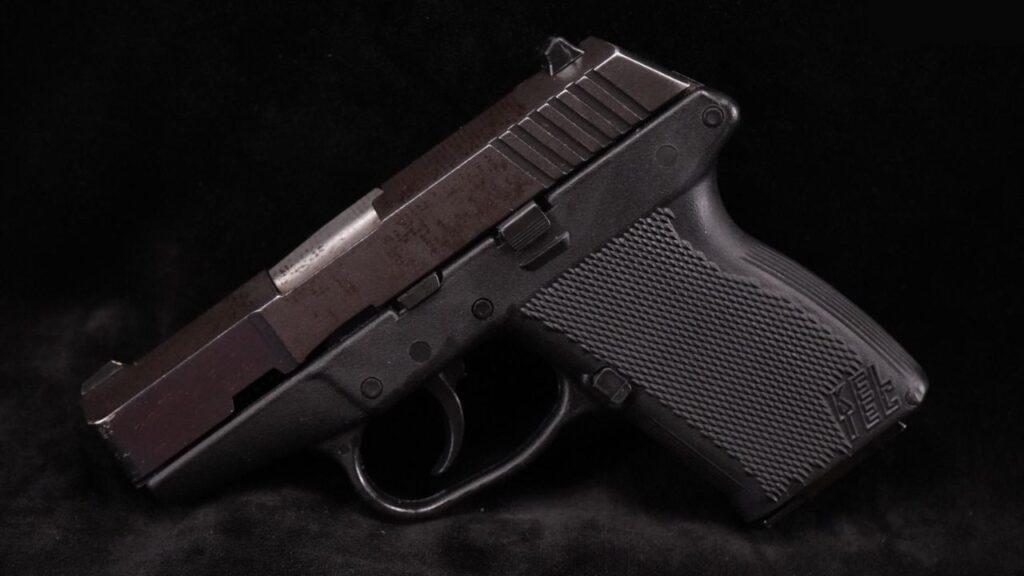
The P-11 was one of the early compact double-stack 9mm pistols, but the design hasn’t aged well. The trigger pull is extremely long and heavy, which kills accuracy for most shooters. Recoil feels snappy, especially for its size, and follow-up shots take extra effort. While the gun’s light weight makes it easy to carry, it doesn’t translate to enjoyable range sessions. You can put rounds through it, but it’s not something you’ll be eager to keep shooting after the first magazine.
Century Arms C39v2
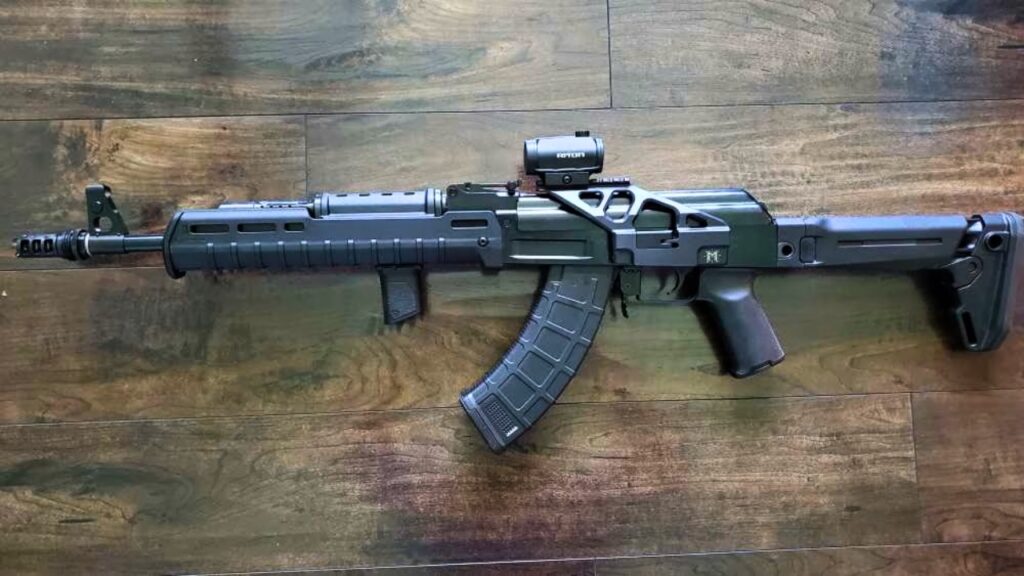
The C39v2 is an American-made AK that promised better quality, but many shooters found the opposite. Accuracy tends to be average at best, and there have been reports of premature wear on critical parts like the bolt and trunnion. For a rifle that costs more than many imported AK variants, the performance doesn’t justify the price. At the range, you’ll get the familiar AK feel, but without the long-term confidence you want from a gun you’re putting hundreds of rounds through.
Hi-Point .380
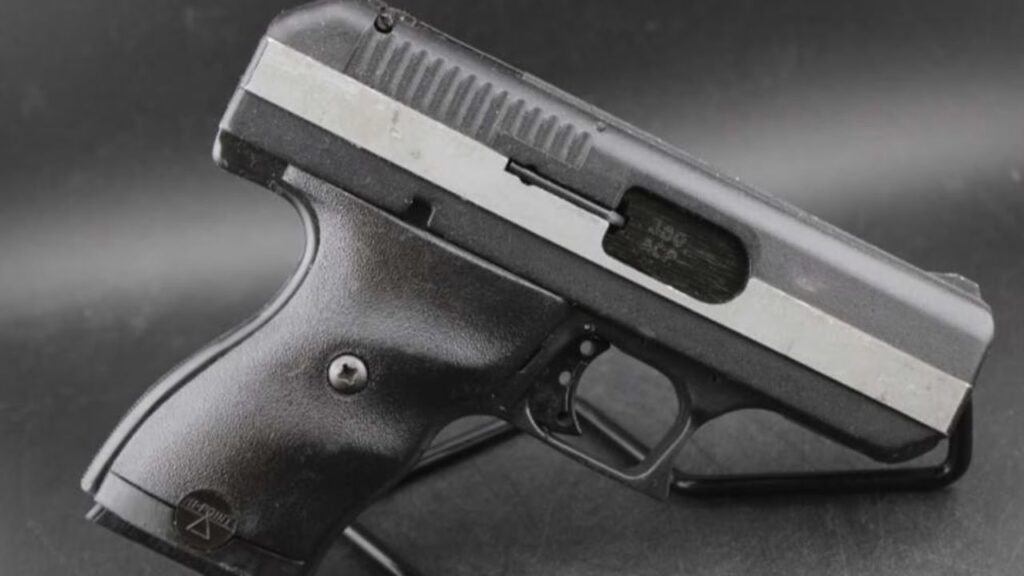
Hi-Point pistols are known for being affordable, and in fairness, they often run reliably. The problem is the shooting experience itself. The .380 model is heavy for its caliber, has a clunky trigger, and sights that don’t inspire confidence. Accuracy is acceptable at close range, but stretching it out shows the limits quickly. The weight soaks up recoil, but it also makes the gun feel unbalanced. For the range, it’s functional—but not enjoyable or impressive by any measure.
IWI Jericho 941 Polymer
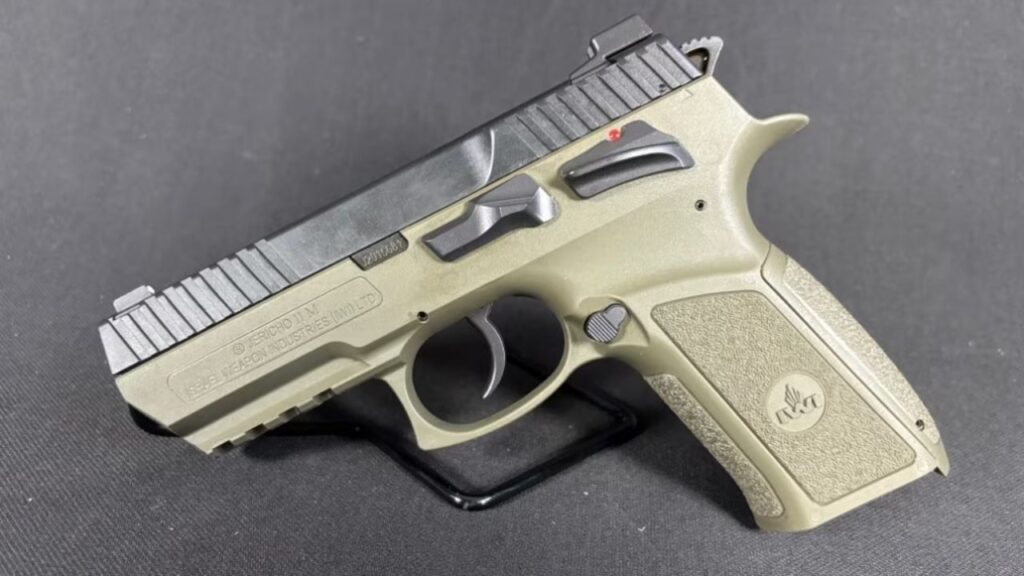
The all-steel Jericho models have a solid reputation, but the polymer-framed version hasn’t won the same respect. Many shooters report more felt recoil, less balance, and a trigger that feels gritty out of the box. While accuracy can be fine with practice, the shooting experience lacks the smooth, planted feel of the metal models. At the range, you’re left with a gun that feels like it’s trying to live up to its heritage but never quite gets there.
Mossberg Blaze
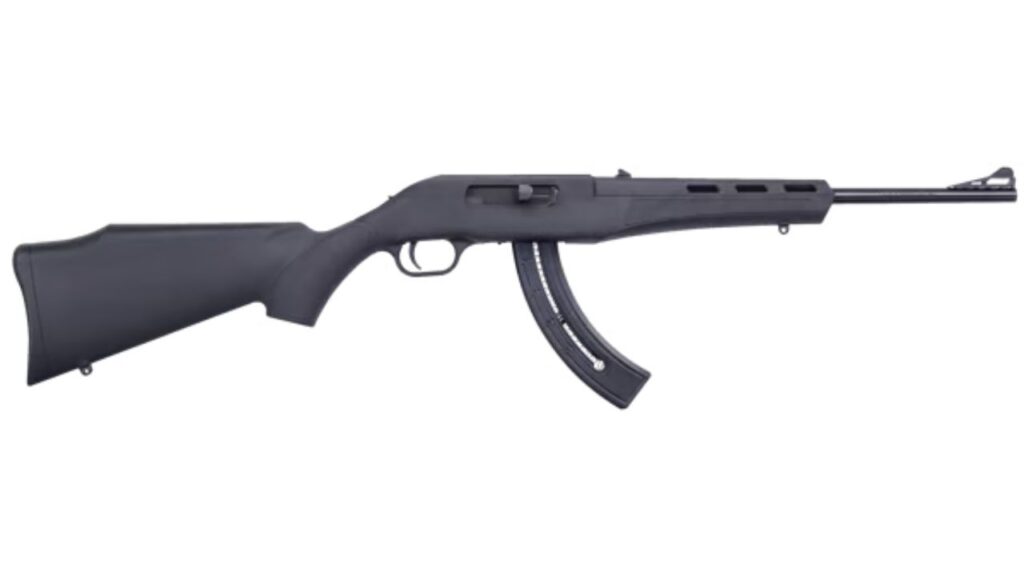
The Blaze is a lightweight .22 rifle meant to be affordable and easy to handle, but the plastic-heavy construction feels toy-like to many shooters. Accuracy is average for a .22, and the controls feel less refined than competitors in the same price range. Feeding issues aren’t rare, especially with bulk ammo. It’s fine for casual plinking, but for extended range days or serious small-game prep, it leaves you wishing you’d spent a little more on something sturdier and more consistent.
Walther CCP (First Gen)
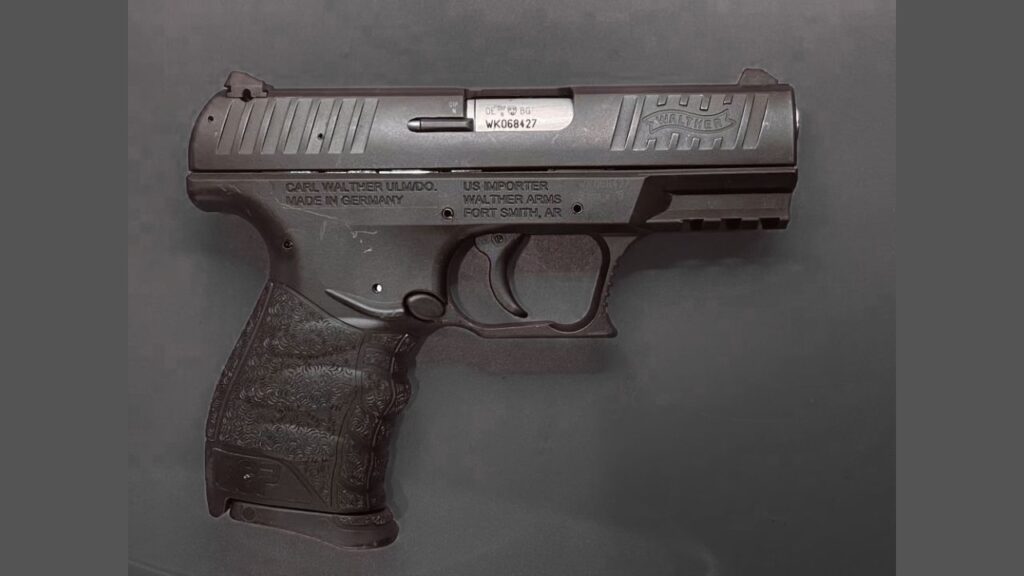
The first-generation Walther CCP had an interesting gas-delayed blowback system, but it came with teething issues. Many shooters struggled with disassembly, reliability problems, and an inconsistent trigger. While the ergonomics are good and recoil is mild, the overall shooting experience was hurt by stoppages and a learning curve on maintenance. Later versions improved, but if you’ve shot one of the originals, you know it could sour you on the model entirely. For range time, it was more hassle than fun.
Chiappa Rhino .40 S&W
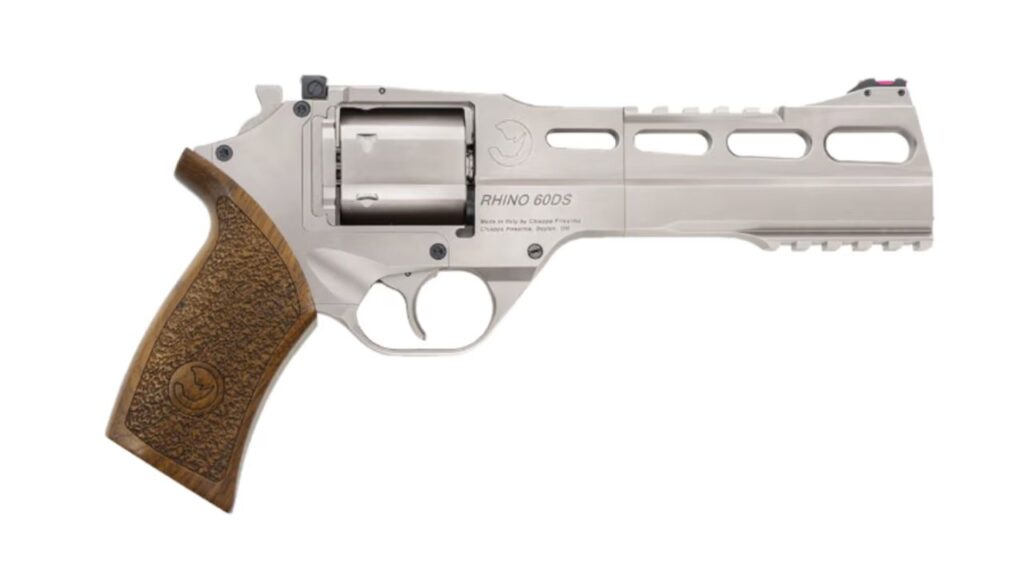
The Chiappa Rhino in .40 S&W tried to offer a revolver with reduced muzzle rise thanks to its low barrel position, but the result is mixed. While recoil is straight back, it’s sharp, and the unusual grip angle feels odd to many shooters. The trigger pull in double action can be heavy and uneven, making accuracy harder to maintain. It’s a conversation piece and unique in design, but at the range, most shooters find the novelty wears off after a few cylinders.
Ruger LC9 (Original)
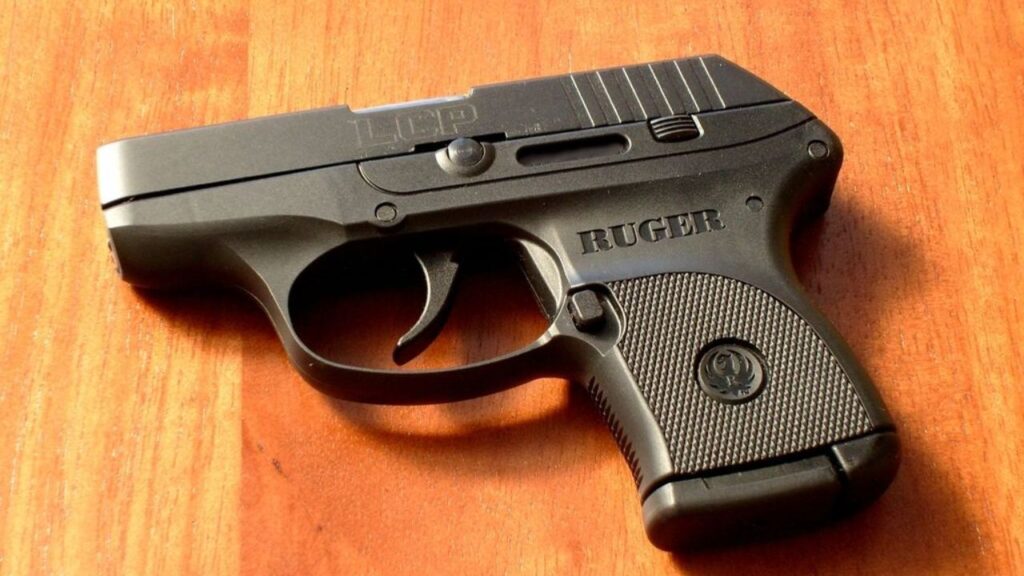
The original LC9 was small, slim, and easy to carry, but its range manners weren’t great. The trigger had an exceptionally long pull with a vague break, making accurate shooting slow and deliberate. Combined with a snappy recoil impulse, it wasn’t a gun you’d want to put a lot of rounds through in one session. Ruger improved the trigger in later models, but the original left plenty of shooters disappointed after their first range day with it.
*This article was developed with AI-powered tools and has been carefully reviewed by our editors.