Photo credit: 1ShotTV/YouTube
A “tank” handgun is the kind you can drop on gravel, run hard in bad weather, and still trust when it’s time to press the trigger. The catch is that toughness often comes with tradeoffs you feel every single day—weight on your belt, bulk under a cover garment, heavy controls, stiff springs, sharp recoil in odd calibers, or a manual-of-arms that asks more from you than most shooters want to give.
If you’ve carried long enough, you’ve probably owned at least one of these. They’re not bad guns. They’re durable, proven, and usually reliable. They’re also the kind of handgun that makes you work around it—rather than the other way around. Here are the tough-as-nails models that can still be a pain to actually live with.
Desert Eagle

The Desert Eagle is built like a steel anvil, and it feels that way the moment you pick it up. It’s huge, heavy, and loud in a way that makes most range days feel like a minor event. If you’re the type who likes big-bore handguns, it’s hard not to respect the engineering and the sheer durability of the gun.
Living with it is another story. It’s not a practical carry piece for normal humans, and it’s not the kind of gun you toss in a backpack and forget about. It wants the right ammo, it wants you to keep it clean, and it punishes lazy technique. It’s a tank, but it’s a tank that demands attention, planning, and a sense of humor.
HK Mark 23

The HK Mark 23 was built to survive serious use, and it shows in every line and every ounce. It’s overbuilt, extremely durable, and confidence-inspiring if you like big, serious handguns. On the range, it can feel like it was designed to run forever, because it basically was.
Carrying it is where reality hits. It’s enormous, and that size affects everything—holsters, concealment, comfort in the car, even how you draw under pressure. It also encourages you to treat it like a “system” rather than a pistol, which means accessories, gear, and more bulk. The Mark 23 is tough, but for most people it’s tough to justify as anything other than a specialty tool.
Beretta 92FS

The Beretta 92FS is famously reliable and built to take abuse. It has the kind of longevity you see in service pistols that have been ridden hard for decades. You can shoot it a lot, feed it a lot, and it usually keeps doing what it’s supposed to do.
The downside is the size and the shape. The 92FS is a big gun, and the grip can feel like a brick in smaller hands. Concealment is possible, but it’s rarely comfortable, and the long slide and wide profile aren’t doing you favors. The controls also ask you to be consistent, because they’re not the same as what most modern striker-fired guns train into you. It’s durable, but it can feel like work compared to simpler carry choices.
SIG Sauer P226
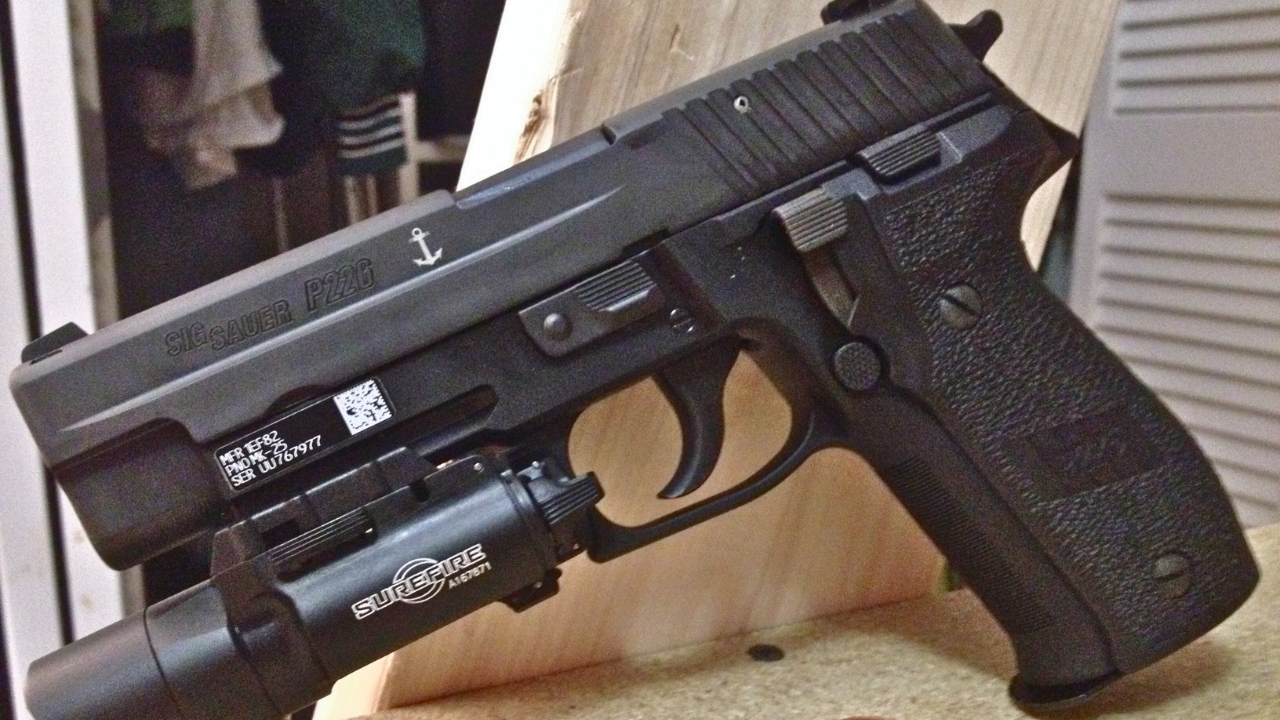
The SIG P226 is one of those pistols you can trust to keep running when things get dirty and your schedule gets rough. It’s proven, it’s solid, and it has the kind of build quality that makes you believe in it before you ever fire the first shot.
But it can be a lot to live with. The weight is real, especially if you’re carrying all day, and the size isn’t friendly to casual concealment. It also has a manual-of-arms that demands repetition if you want to run it fast and clean under stress. None of that is a deal-breaker, but it’s not effortless. The P226 is a tank, and like most tanks, it makes you plan around it.
HK USP .45
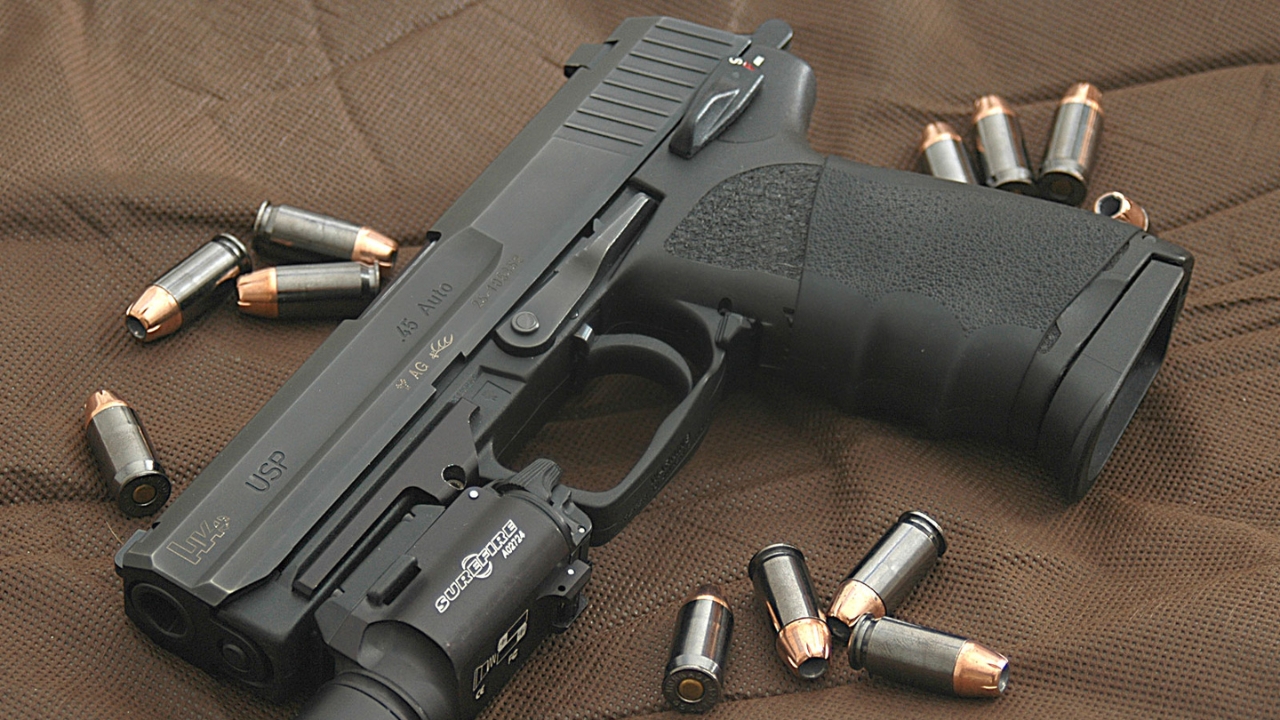
The HK USP .45 has a reputation for durability that didn’t come from marketing. It’s built to last, built to run, and built to shrug off hard use. If you want a .45 that feels like it could survive a long, ugly career, it’s easy to understand the appeal.
The hard-to-live-with part is the bulk and the layout. It’s a large pistol, and carrying it concealed isn’t exactly comfortable. The trigger system and controls can also feel like a commitment—great once you’re dialed in, but not always friendly if you’re bouncing between different guns. Add .45 recoil and slower follow-up shots for many shooters, and you’ve got a pistol that’s tough and trustworthy, but not always enjoyable to carry or shoot at speed.
Ruger Redhawk

The Ruger Redhawk is the definition of overbuilt. It’s a heavy revolver that can take powerful loads and keep doing it without complaint. If your idea of peace of mind is a big wheelgun that feels like it was cut from a block of steel, the Redhawk scratches that itch.
Living with it means living with weight, bulk, and a lot of gun on your belt. It’s not subtle, and it’s not forgiving if you’re trying to carry it all day in normal clothes. The heavy build also means the gun can feel slow to bring on target compared to lighter carry revolvers. It’s a tank that will last, but you pay for that durability every time you strap it on or try to run it quickly.
Ruger Super Redhawk

The Ruger Super Redhawk is built for serious magnum work, and it feels like it. It’s thick, strong, and designed to take a steady diet of heavy loads that would beat up lighter revolvers over time. If you want a revolver that can handle hard use, it’s a safe bet.
The problem is that it’s a lot of revolver. The frame and overall size make it awkward as a practical carry gun unless you’re in a very specific situation. It’s heavy, it prints, and it demands a holster setup that most people don’t want to deal with. On top of that, shooting full-power loads is still full-power loads—durable doesn’t mean comfortable. It’s a tank, but it’s not friendly.
Smith & Wesson Model 500

The S&W 500 is built to handle ridiculous power, and it’s engineered with a strength margin that commands respect. It’s the kind of revolver that makes people stop talking when you open the case, because everyone knows it’s serious hardware.
And then you shoot it, and you remember why most people don’t live with it. The recoil is heavy, the blast is brutal, and practice gets expensive fast. Carrying it is also a chore, because it’s large and heavy even by big-revolver standards. It’s tough enough to do the job, but it’s hard to justify for regular use unless you’ve got a very specific need and you’re willing to pay the price in comfort and shootability.
Smith & Wesson Model 29

The Model 29 is a classic, and it’s built with that old-school feel that makes you trust the steel in your hand. It’s strong, it’s proven, and it’s one of those revolvers that can last a lifetime if you treat it reasonably.
The issue is that “reasonably” matters. Heavy magnum use can still be a lot for any revolver over time, and it’s a lot for you too. Even when the gun holds up, living with it means living with recoil that can wear you down and slow your follow-up shots. It’s also not a small carry revolver, so concealment is a project. The Model 29 is durable and iconic, but it can be a handful in every sense.
Colt Python

The Colt Python feels like quality the moment you touch it. It’s built well, it’s smooth, and it has the kind of fit that makes you want to keep it forever. It’s a tough revolver in real-world terms, and it can handle a lot of shooting with proper care.
The hard part is that most people don’t treat a Python like a daily carry tool. The value, the finish, and the reality of wear make you think twice about tossing it into rough use. It’s also a larger revolver than people expect if they’ve been living with micro-compacts. Holster comfort, concealment, and sweat management become real concerns. It’s built like it can take it, but it’s hard to live with when you care about keeping it nice.
CZ 97B

The CZ 97B is a heavy, all-steel .45 that feels like it could outlast you. It soaks up recoil well, it feels planted when you shoot, and it has that “solid” character that polymer guns can’t really imitate. If you like steel handguns, it’s easy to appreciate.
Carrying it is where the romance fades. It’s big, it’s heavy, and it’s not the kind of pistol that disappears under a T-shirt. The grip is also substantial, and not everyone runs it comfortably at speed. Finding holsters and support gear can be more of a hunt than it is for mainstream carry guns. The 97B is tough, but it asks you to accept weight and bulk as a lifestyle.
FNX-45

The FNX-45 is a durable, high-capacity .45 that was built with hard use in mind. It’s reliable, it runs dirty, and it’s the kind of pistol that feels like it was designed for duty more than for comfort. If you want a .45 that’s built to take abuse, it’s a strong contender.
The downside is that it’s big in every direction. The grip is wide, the slide is chunky, and concealment can feel like trying to hide a lunchbox. On top of that, .45 is still .45—ammo is heavier, recoil is slower for a lot of shooters, and practice adds up. The gun is tough, but living with the size and the caliber takes commitment.
1911 Government Model

A full-size 1911 can be incredibly durable when it’s built right, and the all-steel Government Model has a long track record of doing hard work. It carries flatter than many people expect, and it has a feel that still makes sense in the hand, even in a world of modern striker guns.
The hard part is that it’s not a “set it and forget it” pistol for most people. You need good magazines, you need reasonable maintenance, and you need to stay on top of springs. The capacity is also a real tradeoff, and so is the weight when you carry it all day. It can be a tank, but it asks more from you than many newer designs do.
IWI Desert Eagle Jericho 941

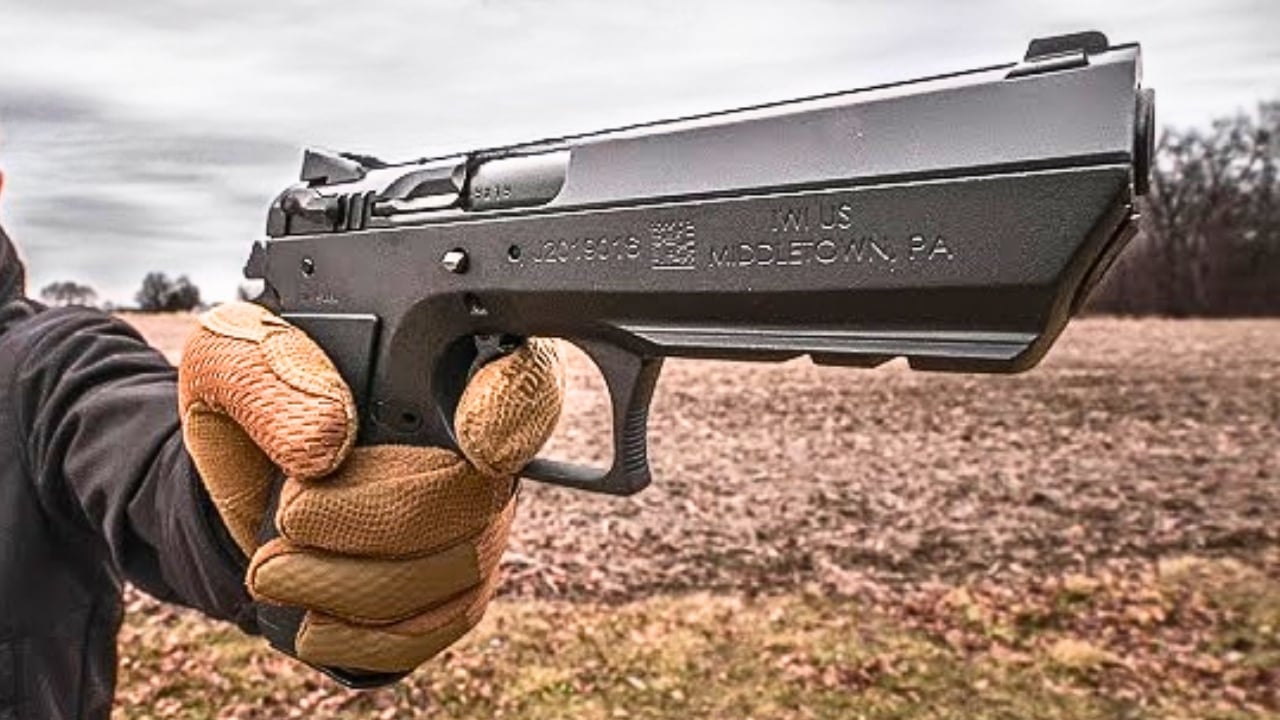
The Jericho 941 is a heavy, steel-framed pistol with a reputation for taking a beating and staying reliable. It feels like an old-school service gun—solid, steady, and built to survive long-term use without feeling fragile. It’s the kind of handgun you can run hard and trust to keep its shape.
It’s also heavy, and that matters every hour you carry it. The thickness and weight make concealment a chore compared to modern compacts, and it can feel slow and clunky if you’re trying to live the minimalist carry life. Parts and accessories aren’t always as easy to find as they are for the most common duty pistols. It’s durable as hell, but it’s not always convenient.
Magnum Research BFR

The Magnum Research BFR is built to handle serious revolver cartridges, and it’s the kind of gun that feels like it was designed with strength as the first priority. It’s massive, it’s solid, and it’s the revolver equivalent of overbuilt equipment that doesn’t flinch when the load is heavy.
Living with it is basically admitting you’re not pretending it’s practical. The size makes it awkward for anything resembling normal carry, and the recoil of the cartridges it’s built for can be punishing even when the gun holds up fine. It’s also a handgun that turns every outing into a deliberate choice—ammo, holster, range time, the whole deal. It’s a tank, but it’s not a daily-driver handgun unless your life is built around it.
Like The Avid Outdoorsman’s content? Subscribe to our newsletter so you never miss an article.
Here’s more from us: