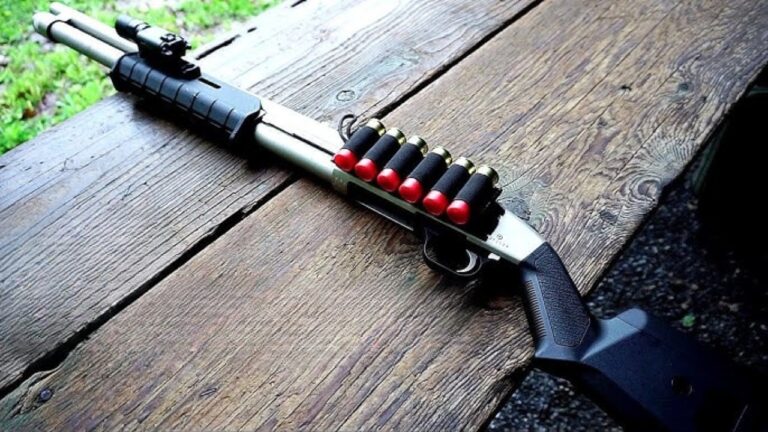
Photo credit: Jordi Mora/Shutterstock.com
Mountain hunting teaches you fast that gear matters. Every ounce counts, and every shortcut shows up when the trail gets steep. Some rifles that look perfect in a gun shop turn into dead weight by the second ridge—too heavy, too long, or too unforgiving to carry through thin air. It’s not that these rifles can’t shoot; they’re just miserable to live with when every climb steals your breath. Between awkward balance, brutal recoil, and unnecessary bulk, these are the rifles that make you wish you’d packed lighter. By the time you reach camp, you’ll be thinking more about your sore shoulders than your shot placement. These are the rifles hunters regret hauling into the high country.
Remington 700 Sendero

The Remington 700 Sendero is a tack-driver built for precision, not portability. It’s long, heavy, and stable—great on a bench, miserable on a mountain. With a 26-inch barrel and a thick stock, it tips the scale at over nine pounds before you even add a scope. Add a bipod and glass, and you’re suddenly lugging a small boat anchor uphill.
It’s accurate, no question, but mountain hunting isn’t about half-inch groups—it’s about endurance. The Sendero’s weight and length make it awkward to shoulder in tight brush and a burden on steep climbs. You’ll notice it on day one and regret it by day two. It’s the rifle you’ll love at the range but swear at halfway up a scree slope. For flatland or long-range setups, it’s excellent. In the mountains, it’s a reminder that precision often comes with a price—in pounds.
Browning X-Bolt Long Range

The Browning X-Bolt Long Range is beautifully made and incredibly accurate, but it’s built for prone shooting, not backcountry carrying. The heavy contour barrel and oversized stock push it close to ten pounds before accessories. It balances forward, which feels steady on a rest but miserable on a sling.
You’ll appreciate its precision on paper, but you won’t love it when you’re fighting elevation gain and thin air. The X-Bolt LR shines at 800 yards but feels clumsy in the timber or on steep switchbacks. After a few miles, every step reminds you of its bulk. It’s a fantastic rifle in the right environment—open-country hunting, not thin-air climbs. It’s the kind of gun you talk yourself into bringing once, only to realize halfway up the ridge that accuracy doesn’t matter if you’re too tired to steady it. The X-Bolt Long Range is precision’s burden personified.
Ruger Precision Rifle

The Ruger Precision Rifle is one of the most accurate factory rifles ever made—but it’s also one of the least practical for mountain hunting. It’s a modular beast, packed with metal, rails, and adjusters that all add up to serious weight. The average RPR tips the scale at over 10 pounds bare, and that’s before you mount a scope big enough to match its potential.
Try carrying that up a 9,000-foot ridge, and you’ll quickly realize it’s a range rifle, not a mountain rifle. Its folding stock and chassis system feel tactical, but every ounce of that steel becomes a liability when the terrain turns vertical. It handles beautifully prone, but most mountain shots aren’t taken prone. The Ruger Precision Rifle is a marvel of engineering that makes you pay for every ounce of it in sweat. It’s the definition of a rifle that shoots better than you can carry.
Weatherby Mark V Accumark

The Weatherby Mark V Accumark is gorgeous and overbuilt. It’s a high-end long-range rifle that can withstand harsh conditions—but it’s heavy enough to ruin your knees getting there. Between the fluted stainless barrel and the solid composite stock, it’s pushing nine pounds naked. Add glass and a sling, and you’re flirting with eleven.
It’s a dream for open-country elk hunts where you glass from the truck, but it’s the wrong rifle for any serious climb. Its long 26-inch barrel catches brush, and the balance feels front-heavy the moment you start uphill. Weatherby rifles are made to perform flawlessly at long range, but the Accumark’s mass and length make it one of those guns that looks better in camp than on your back. You’ll love its precision—right up until the moment you have to haul it three thousand vertical feet.
Savage 110 Long Range Hunter

The Savage 110 Long Range Hunter was designed for exactly what the name says—long-range shooting. The problem is, “long range” doesn’t mix well with “long hikes.” This rifle is heavy, bulky, and awkward to sling over your shoulder for any distance. At nearly ten pounds bare, it’s better suited to open-country hunts where you’re driving, not climbing.
It’s reliable and accurate, but it’s built like an anchor. The adjustable stock and muzzle brake add function but not forgiveness. Every ounce feels multiplied at altitude, especially when you’re side-hilling across shale. It’s a rifle you’ll admire for its consistency on paper but curse when the trail gets steep. The 110 Long Range Hunter is proof that precision shooting and mountain hunting rarely belong in the same sentence. It performs beautifully in the right setting—flat terrain, steady rest, and no elevation gain required.
Winchester Model 70 Super Grade

The Winchester Model 70 Super Grade is a classic, elegant rifle with fine wood and old-school charm—but that beauty comes at a cost. Between the dense walnut stock and polished steel, it’s a heavy, forward-balanced rifle that’s meant for stands and blinds, not mountain hunts.
You’ll feel every step of the climb with that rifle slung over your shoulder. The glossy finish doesn’t help either—it’s slippery when wet and too pretty to risk scratching against rock or brush. It shoots wonderfully and carries history in every line, but it’s better suited for whitetail woods than alpine ridges. The Super Grade is the kind of rifle you bring once to the mountains, regret immediately, and then leave home forever after. It’s a showpiece, not a pack rifle—and by the time you reach your first overlook, you’ll know it.
Remington 7400

The Remington 7400 is an old semi-auto that earned plenty of love from deer hunters, but it’s not built for elevation. Its long action, heavy barrel, and wood stock make it both clunky and unbalanced. It’s reliable enough with light loads, but it’s never been considered a mountain rifle.
You’ll fight it all day—the awkward weight, the noisy action, and the slippery stock. The 7400’s semi-auto system adds bulk without adding accuracy, and when you’re climbing, that extra weight in the wrong place wears you down fast. It’s fine for a treestand or a short hike, but lugging it into steep country is punishment. The rifle’s soft recoil doesn’t make up for how much it drags on a pack. The 7400 is a fine woods gun that turns miserable the second the trail gains elevation. It’s a reminder that convenience doesn’t always travel well.
Browning BAR Safari

The Browning BAR Safari is beautifully built and smooth-shooting, but it’s one of the heaviest rifles you can bring into the mountains. The semi-auto system, thick barrel, and classic walnut stock all add up to a rifle that tips the scale near ten pounds. It carries more like a shotgun than a mountain rifle.
It’s incredibly accurate for a semi-auto, but that precision doesn’t matter when you’re exhausted halfway through the climb. The BAR’s weight and balance make it steady on target but miserable in motion. Its glossy finish doesn’t help—it’s slippery and loud when bumped against rocks. In open country or from a stand, it’s great. But when you’re gaining a couple thousand feet in elevation, it’s the rifle you’ll wish you left in the truck. The Browning BAR Safari is elegance and power, wrapped in regret for anyone climbing uphill.
Tikka T3x Lite in Magnum Calibers
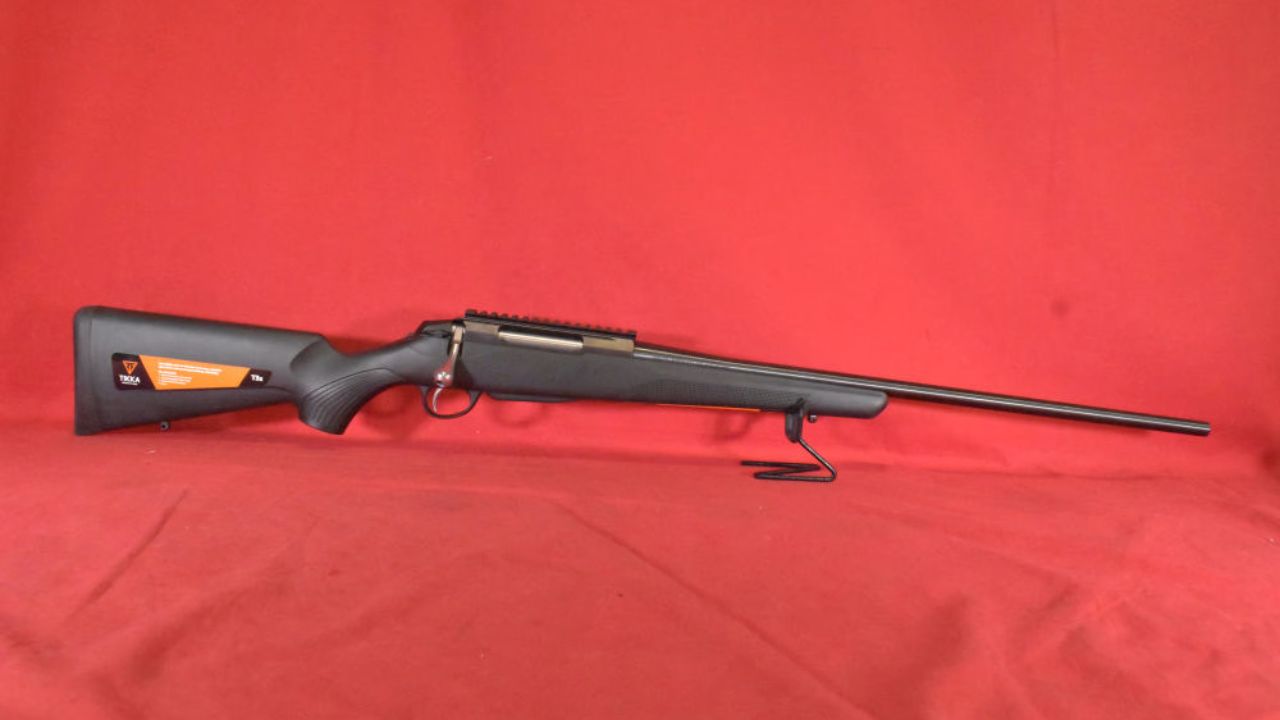
The Tikka T3x Lite is a superb rifle—accurate, lightweight, and well-balanced. The issue comes when you chamber it in magnum cartridges. That’s when “lite” turns from a compliment to a warning. The recoil from a .300 Win Mag or .338 Winchester Magnum in this platform is vicious. You’ll dread every shot, especially after a few practice rounds.
The rifle itself isn’t the problem—it’s the mismatch between weight and caliber. A seven-pound gun can’t comfortably manage magnum recoil without punishing the shooter. It’s fine for one shot in the field, but repeated shooting leaves bruises and bad habits. On the trail, it carries beautifully; on the range, it beats you up. The T3x Lite in magnum form is the perfect example of how “lightweight” and “hard-hitting” shouldn’t always share the same stock.
Ruger No. 1

The Ruger No. 1 is one of the prettiest single-shot rifles ever made—and one of the most impractical to carry in mountain terrain. Its short overall length is nice, but the weight distribution is awful for long hauls. Most of the mass sits forward, making it feel heavier than it is. Add the mental stress of carrying a single-shot rifle on a high-country hunt, and it’s as exhausting mentally as physically.
The No. 1 shines in open-country or blind hunting where speed and follow-ups don’t matter. In the mountains, every missed shot feels like a disaster. You’ll hike lighter rifles twice as far without complaint, but one day with a Ruger No. 1 in steep terrain will convince you to leave it behind next time. It’s a piece of craftsmanship that belongs in a collection, not on your back at 10,000 feet.
Mossberg Patriot Predator
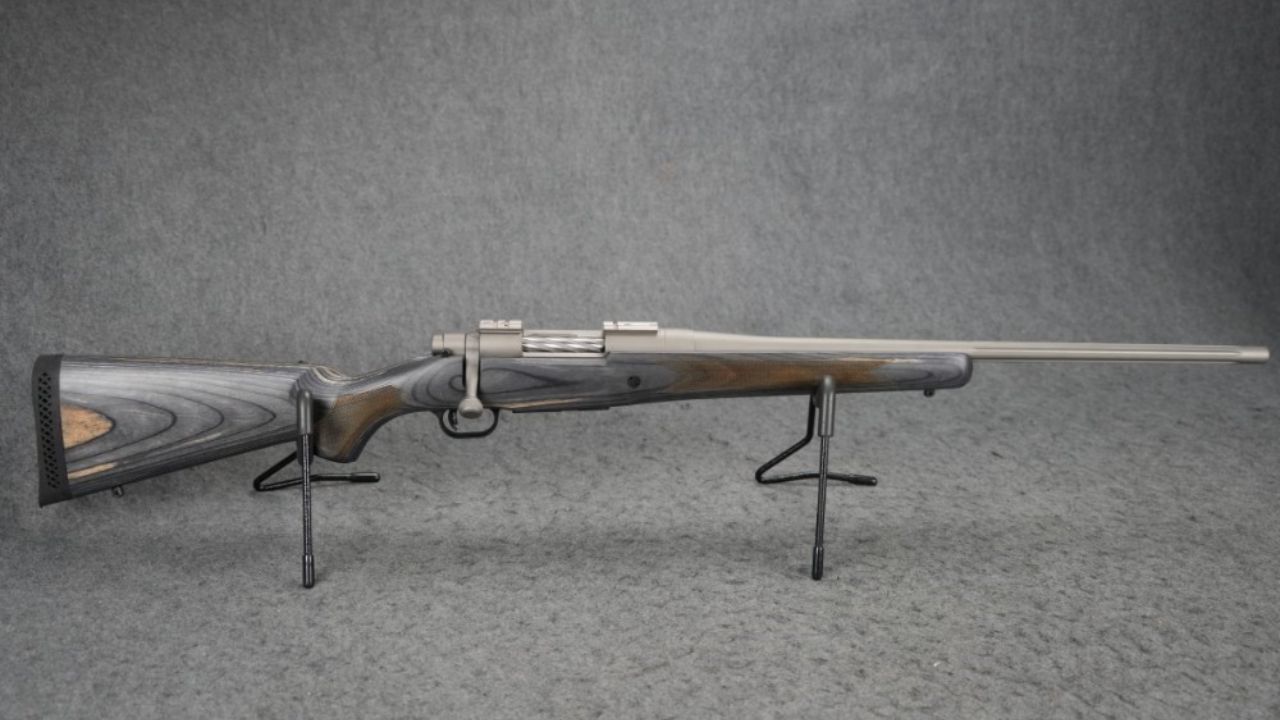
The Mossberg Patriot Predator is a solid budget rifle, but its rough edges show fast in the mountains. The finish wears easily, the stock flexes under sling pressure, and the action feels gritty when cold. It’s light, yes, but it’s not built for punishment or moisture. Extended climbs in rough terrain expose its weaknesses fast.
The synthetic stock creaks, the bolt sticks when dirty, and accuracy fades when the barrel heats. It’s a rifle that works fine for short hunts or flatland setups but not the kind of gun you trust after ten miles in rough country. Hunters have made it work, sure—but most who’ve hauled one through real elevation never do it twice. The Mossberg Patriot Predator saves weight and money but costs confidence when you need it most. It’s a budget mountain rifle that reminds you why quality matters when the trail doesn’t forgive mistakes.
Christensen Arms Ridgeline (early models)

The Christensen Arms Ridgeline has a great concept: ultralight mountain rifle with carbon-fiber everything. The issue? Early models had consistency problems—barrels that shifted zero with temperature and stocks that flexed under bipod pressure. Hunters who paid premium prices found that ultralight can sometimes mean unstable.
At under seven pounds, it carries beautifully, but you pay for that weight savings in comfort and reliability. Magnum calibers feel brutal in this gun, and keeping it steady for follow-up shots takes practice. When it’s dialed, it’s fantastic—but plenty of owners have experienced the frustration of seeing groups open up as conditions change. It’s a rifle you want to love and might even brag about owning, but in the high country, it can betray your expectations fast. Lightweight is great, but not when it costs consistency.
Savage Impulse Big Game

The Savage Impulse Big Game brought straight-pull innovation to American rifles, but it’s heavier than you’d think. The action, barrel, and chunky stock combine into a rifle that carries like a barbell after a few miles. It’s incredibly smooth and accurate, but the extra metal in the mechanism adds bulk in all the wrong places.
Hunters quickly learn that shaving seconds off a bolt throw doesn’t help if you’re wiped out before the stalk. The Impulse Big Game shines on the range or in blinds, but it’s too heavy and unbalanced for serious backcountry work. It’s not unreliable—it’s just impractical. The rifle performs exactly as advertised but at a physical cost few mountain hunters are willing to pay. It’s the kind of gun that makes you feel like you brought technology to a place that still favors simplicity.
Barrett Fieldcraft (magnum versions)

The Barrett Fieldcraft was one of the lightest production rifles ever made, and that’s both its strength and downfall. In standard calibers, it’s a dream to carry. In magnum versions, it’s punishing to shoot. The recoil is fierce, the muzzle jump is extreme, and follow-up shots are a struggle. Hunters who’ve used one for extended trips say the fatigue isn’t from the hike—it’s from shooting the rifle.
The ultralight design magnifies recoil and noise while offering almost no forgiveness in field positions. It’s an engineering marvel but one that trades shootability for portability. In the mountains, that balance tips fast. You’ll love carrying it, but when the moment comes to shoot, you’ll be wishing for ten more ounces of steel. The Fieldcraft’s magnum variants are proof that shaving weight can go too far when power’s involved.
*This article was developed with AI-powered tools and has been carefully reviewed by our editors.