Photo credit: WHO_TEE_WHO/YouTube
Guides usually care less about what a cartridge looks like on a forum chart and more about what happens after the trigger breaks. They see bad angles, wind, rushed shots, excited hunters, and animals that do not stand perfectly broadside while someone gets settled. That is where certain calibers start losing the argument.
Some of these rounds have killed plenty of game. That does not mean a guide wants to hear a client defend one for the wrong hunt. When better options give more penetration, better bullet selection, flatter trajectory, easier ammo access, or more forgiveness, these are the calibers hunters have a hard time justifying.
.223 Remington for deer

The .223 Remington is accurate, cheap to practice with, and excellent for varmints and predators. With the right bullets and careful shot placement, it can kill deer where legal. That is usually where the defense starts.
The problem is that a guide does not get to control every angle, every yardage, or every heartbeat of the client behind the rifle. Compared with .243 Winchester, 6.5 Grendel, 6.5 Creedmoor, 7mm-08 Remington, or .308 Winchester, the .223 gives less margin on deer-sized animals. It can work, but “can work” is not the same as a guide feeling good about it.
.22-250 Remington for deer
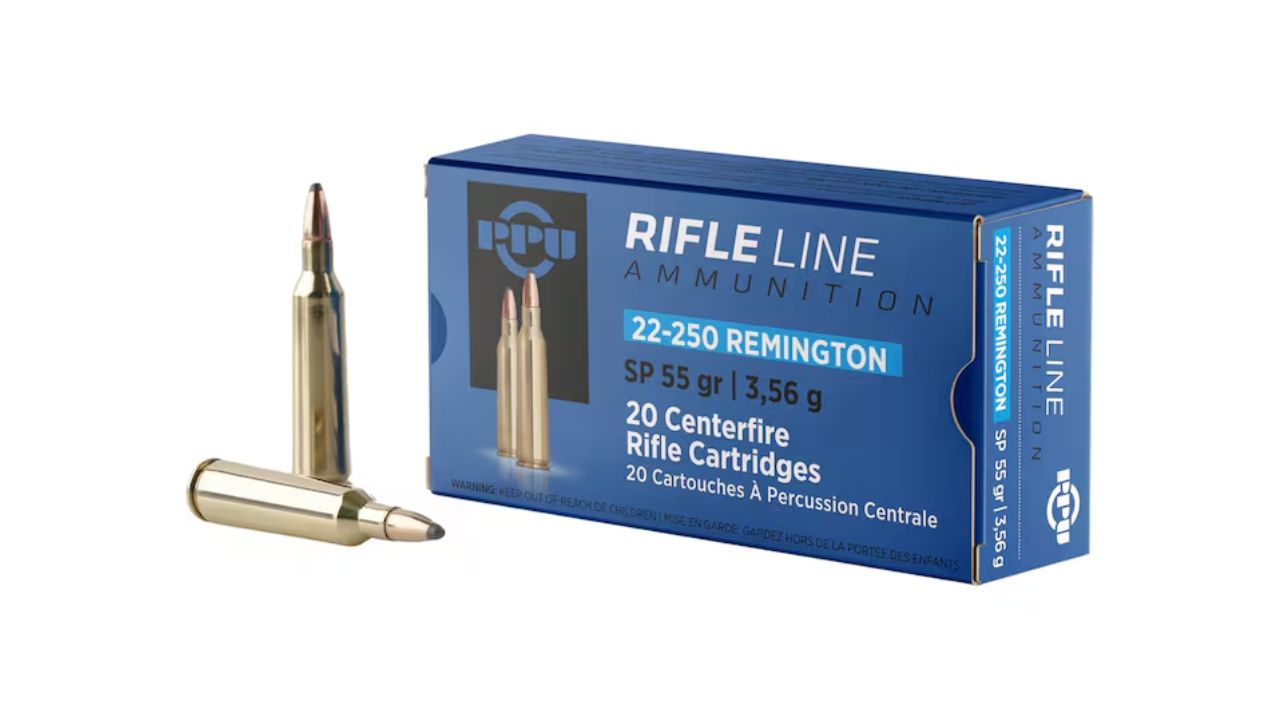
The .22-250 Remington is a great varmint cartridge. It is fast, flat, and very effective on coyotes and prairie dogs. Some hunters defend it for deer because it has speed and can be deadly with the right bullet.
That argument gets thin fast in guided hunting. Bullet choice becomes critical, and light varmint bullets are a bad idea on deer-sized game. A guide would usually rather see a hunter show up with .243 Winchester, 6mm Creedmoor, or 6.5 Creedmoor because those cartridges give more suitable bullet weight and better room for real-world shot conditions.
.17 HMR

The .17 HMR is fun, accurate, and useful on small varmints. It shines when the targets are small, the range is reasonable, and the wind is not too ugly. It has a real place, but that place is narrow.
A guide is not going to be impressed if someone tries to stretch it into tougher small-game or predator work. Wind drift, light bullets, and fragile terminal performance limit what it can cleanly handle. For guided predator or serious varmint hunting, .223 Remington, .22-250 Remington, or even .22 WMR in closer roles make more sense.
.22 Hornet

The .22 Hornet has old-school charm and mild manners. It is quiet compared with larger centerfires, easy on the shoulder, and useful for close-range varmints or small predators. In a light rifle, it can be pleasant to carry and shoot.
But it is not a cartridge most guides want to see when shots may stretch or wind becomes part of the day. The .223 Remington does almost everything more practically, with better ammo availability, more rifle options, and more reach. The Hornet is neat, but it is hard to defend when the guide knows a .223 would make the job easier.
.222 Remington
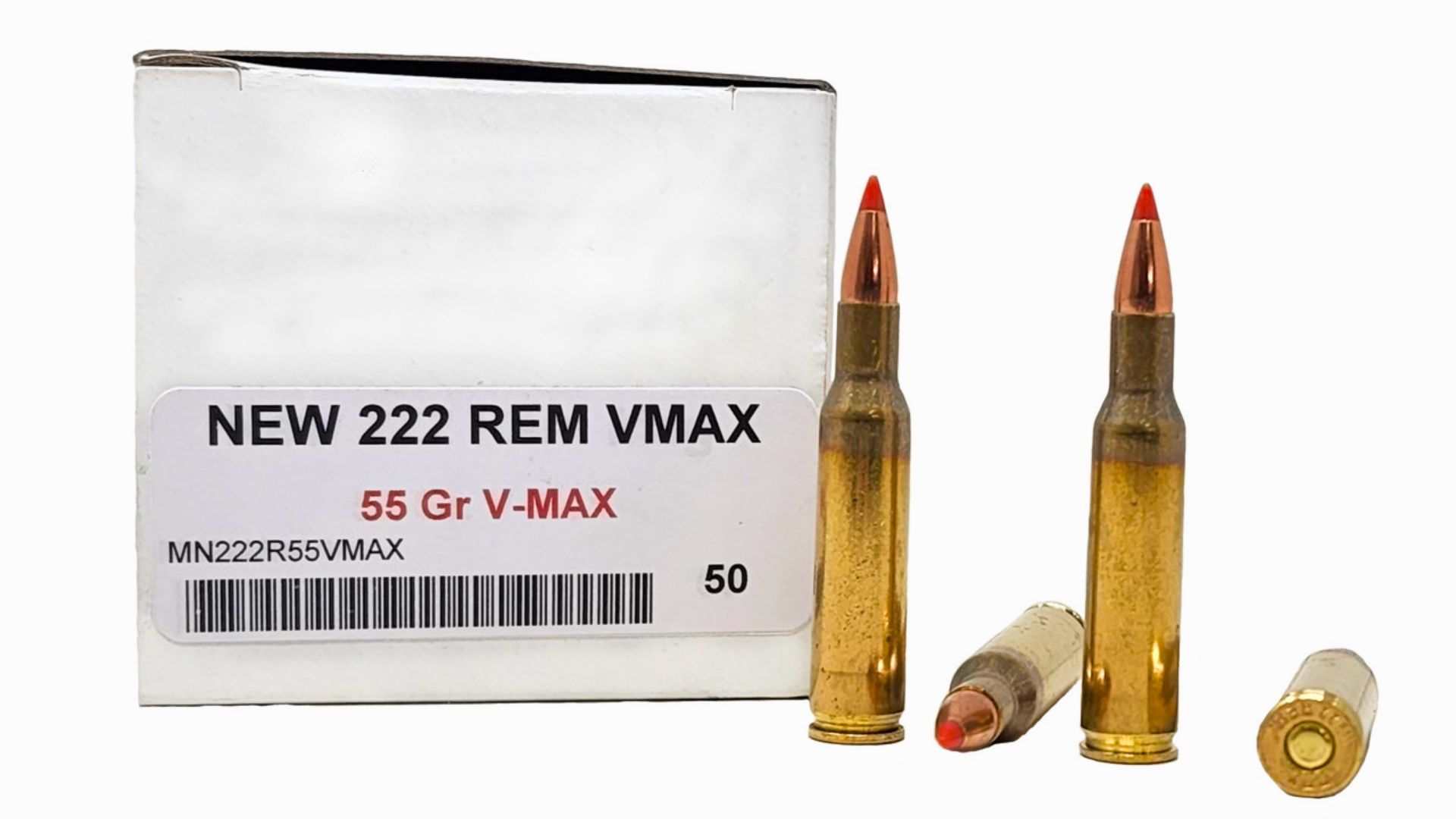
The .222 Remington was once a serious accuracy cartridge, and it still shoots beautifully in the right rifle. It is mild, efficient, and capable on varmints and small predators. Nobody needs to pretend it suddenly became useless.
The guide problem is practicality. If something goes wrong with ammo, zero, or rifle setup, .222 Remington is not nearly as easy to support as .223 Remington. The field advantage is not there anymore. A hunter can love the .222, but defending it to a guide over .223 usually sounds like sentiment more than strategy.
.243 Winchester for elk
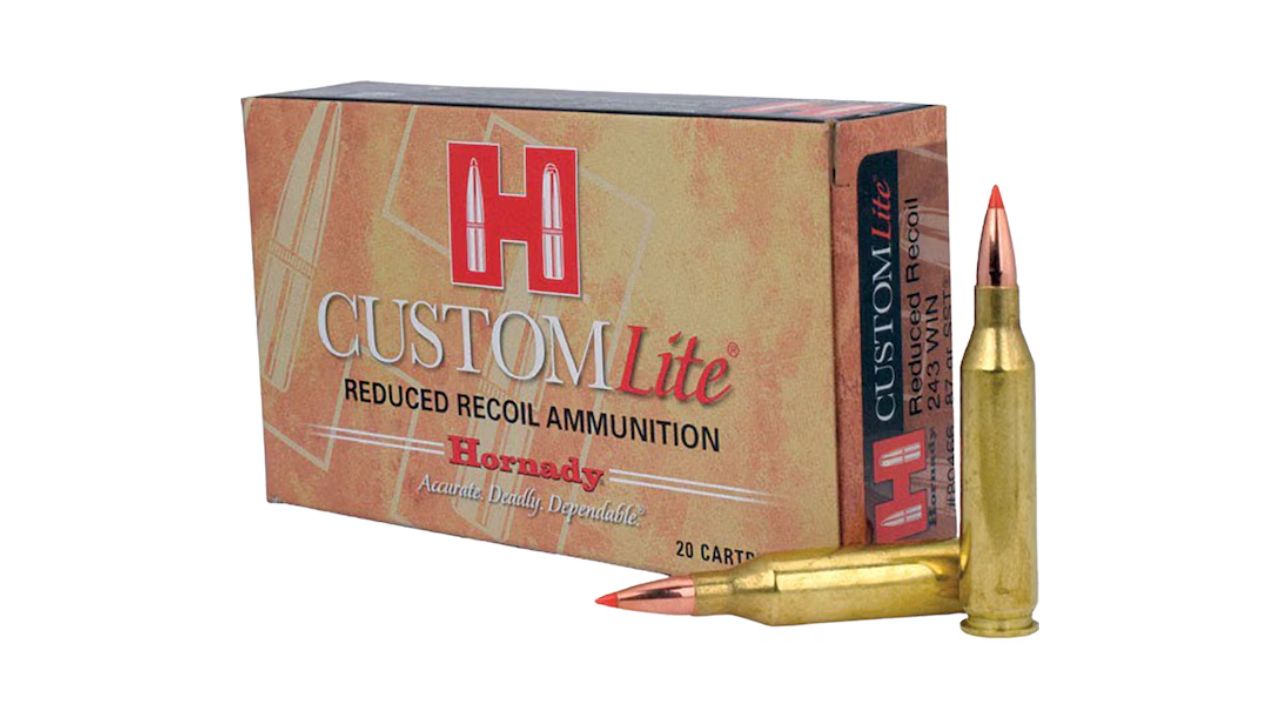
The .243 Winchester is a fine deer and antelope cartridge with the right bullets. It is light-recoiling, accurate, and has put a lot of venison in freezers. But elk are where the conversation changes.
A guide who has to track wounded elk through steep country is not going to love hearing someone defend a .243 as “enough.” It may be legal in some places and can work with premium bullets and perfect shot placement, but guides usually want more bullet weight, penetration, and authority. Cartridges like 6.5 Creedmoor, 7mm-08 Remington, .270 Winchester, .308 Winchester, or .30-06 Springfield make a stronger case.
6mm Creedmoor for elk

The 6mm Creedmoor is accurate, flat, and excellent for target shooting, varmints, and deer-sized game with proper bullets. It is easy to shoot well, which matters. But easy recoil does not erase the limits of a small bullet on large animals.
For elk, most guides are going to prefer something with more bullet weight and sectional density. A hunter may be skilled enough to make it work, but a guide has to plan around imperfect conditions and follow-up responsibility. The 6mm Creedmoor is much easier to defend for deer than elk.
.240 Weatherby Magnum

The .240 Weatherby Magnum is fast, flat, and interesting, especially for hunters who like Weatherby cartridges. It can work well on deer and antelope, and it has more speed than standard 6mm rounds. Performance is not the main problem.
The problem is support and role. A guide hearing .240 Weatherby may wonder why the hunter did not bring something easier to feed and more broadly useful. Ammo availability can be a pain, and for bigger game it still does not bring the bullet weight of more versatile cartridges. It is a cool round, but not one that wins many practical arguments in camp.
.25-06 Remington for elk

The .25-06 Remington is excellent on deer, antelope, and open-country game when matched with good bullets. It shoots flat and does not kick hard. Plenty of hunters love it for good reasons.
But when the hunt turns to elk, the defense gets harder. The .25-06 can work with tough bullets and careful shooting, but it gives less margin than .270 Winchester, 7mm-08 Remington, .308 Winchester, or .30-06 Springfield. A guide who has seen elk soak up poor hits is not going to be comforted by speed alone.
.257 Weatherby Magnum for elk
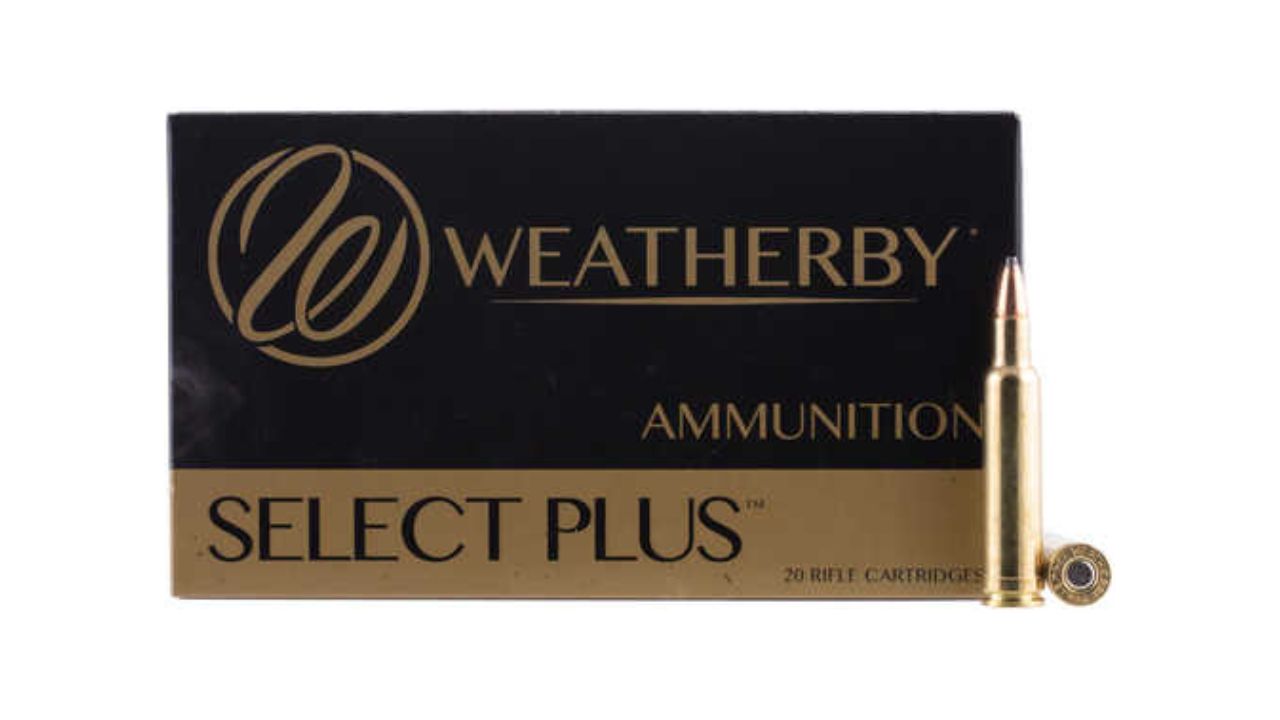
The .257 Weatherby Magnum is fast and impressive on paper. For deer, antelope, and sheep-sized game, it can be spectacular. It shoots flat enough to make longer shots feel easier, and it has a devoted following.
Still, for elk, the guide argument is not easy. It is a small-bore magnum that depends heavily on bullet construction and clean placement. Many guides would rather see a less flashy cartridge with heavier bullets and better penetration. The .257 Weatherby is a great open-country deer round, but it is not the easiest elk cartridge to defend.
.30-30 Winchester for elk

The .30-30 Winchester is one of the greatest deer cartridges ever made. In thick woods, inside reasonable distance, it still works beautifully on whitetails, blacktail, and similar game. Nobody should act like it is useless.
But elk are a different standard. A guide may tolerate a .30-30 in very specific close-range timber situations with the right bullet, but it is not what most want a client carrying. Limited range, modest energy, and slower follow-up precision at distance make it hard to defend when .308 Winchester, .30-06 Springfield, .270 Winchester, or 7mm Remington Magnum exist.
.300 Blackout for deer
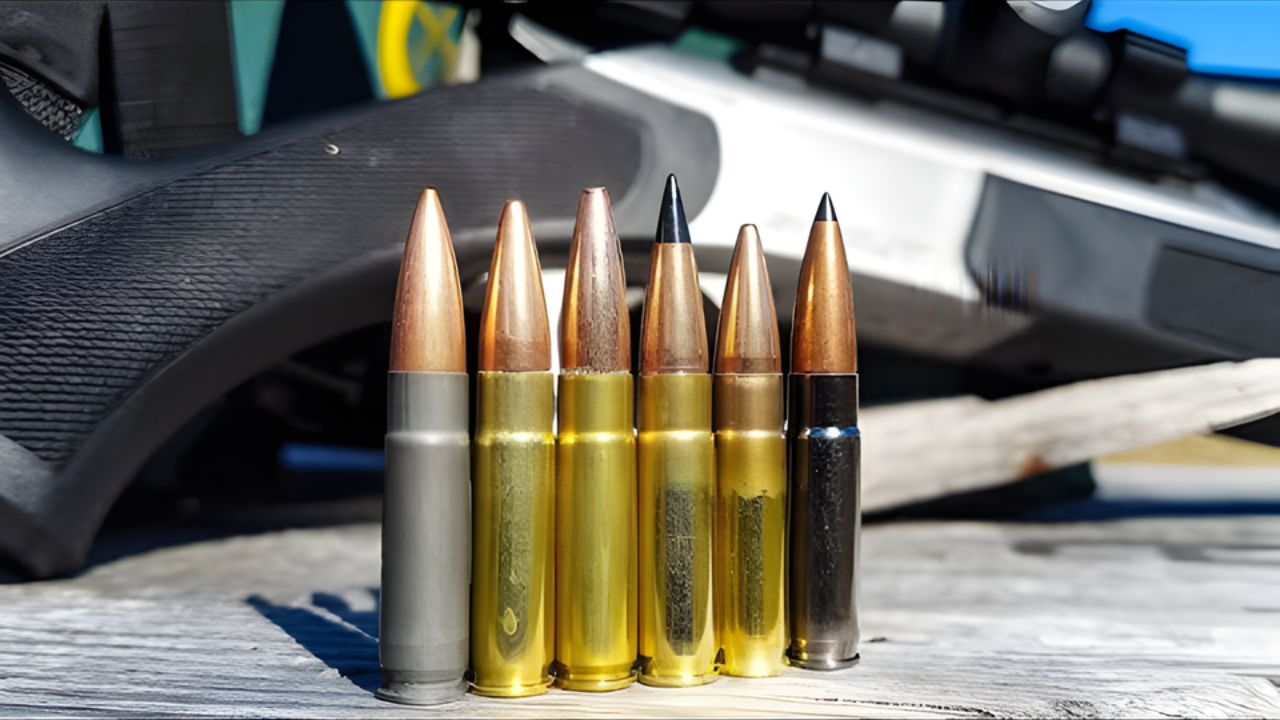
The .300 Blackout is useful in short barrels, suppressed rifles, and close-range hog setups. It has a real niche, especially with supersonic hunting loads inside sensible distances. The problem is that some hunters defend it like it is a general deer cartridge.
A guide is going to see the limits quickly. Trajectory drops fast, range is limited, and bullet selection matters a lot. Compared with .30-30 Winchester, 6.5 Grendel, .350 Legend, .308 Winchester, or even .223 with proper loads in some legal areas, the .300 Blackout is harder to justify for guided deer hunts unless the setup is very specific.
6.8 SPC

The 6.8 SPC was built to give AR-15 shooters more punch than .223, and it can be useful on deer and hogs at moderate distances. It is not a bad cartridge. It just never became the obvious hunting answer many expected.
Guides care about whether a cartridge gives enough performance and whether the hunter can support it easily. The 6.8 SPC now sits in a crowded space with 6.5 Grendel, .300 Blackout, .350 Legend, and traditional bolt-gun rounds all competing for attention. It can work, but defending it as the best choice takes effort.
7.62x39mm

The 7.62x39mm can kill deer and hogs at close range with proper soft-point or expanding ammunition. In the right rifle, it is handy and mild. For woods use, it is not ridiculous.
Still, most guides are not going to love it. Ammo quality varies, accuracy from many rifles can be inconsistent, and the cartridge does not offer much range. It gets harder to defend once .30-30 Winchester, .350 Legend, 6.5 Grendel, or .308 Winchester are on the table. For guided hunts, consistency matters.
.303 British

The .303 British has taken plenty of game and deserves historical respect. In a good Lee-Enfield or sporterized rifle with proper ammo, it can still handle deer, hogs, black bear, and similar animals. The cartridge itself is not weak.
The issue is the package most hunters bring it in. Old rifles, old scopes, rough triggers, uncertain zeroes, and limited ammo choices make guides nervous. A hunter may shoot one well, but defending it over a modern .308 Winchester or .30-06 Springfield is hard unless the guide already knows the rifle and shooter.
.300 Savage

The .300 Savage is efficient, mild, and perfectly capable of killing deer. In a Savage 99, it has a lot of class and still makes sense for woods hunting. It is not a cartridge that needs mockery.
But a guide hearing .300 Savage may wonder about ammo availability, rifle condition, and real-world range. The .308 Winchester does almost everything the .300 Savage does with far better support. If a hunter already owns and shoots one well, fine. If they are trying to defend it as the smartest guided-hunt choice, that is tougher.
.35 Remington

The .35 Remington is a legitimate woods cartridge. It hits well at close range and has worked on deer, hogs, and black bear for generations. In a Marlin lever gun, it still has real appeal.
The problem comes when hunters defend it outside that close-range lane. Ammo is not as easy to find as it used to be, trajectory is limited, and modern alternatives are easier to support. A guide may respect the cartridge, but still prefer .350 Legend, .360 Buckhammer, .45-70 Government, .308 Winchester, or .30-06 Springfield depending on the hunt.
.444 Marlin

The .444 Marlin has real power and can hit hard on deer, hogs, and bear. It is not weak, and in a good lever gun it can be very effective. This is more about practicality than capability.
Guides may question it because .45-70 Government largely owns the big-bore lever-gun space now. The .45-70 has broader ammo support, more rifle options, and more load variety. A hunter can absolutely use a .444 well, but defending it over a .45-70 usually comes down to personal attachment.
.270 WSM

The .270 WSM is fast, flat, and effective. It can handle deer, antelope, sheep, and elk with good bullets. On paper, there is a lot to like.
The problem is that guides also think about backup ammo, travel problems, and whether the cartridge offers enough advantage over easier choices. Compared with .270 Winchester, 6.5 PRC, 7mm Remington Magnum, or 7mm PRC, the .270 WSM can feel like a cartridge with more hassle than payoff. If everything goes right, it works. If something goes wrong, support is thinner.
.300 Remington Ultra Magnum
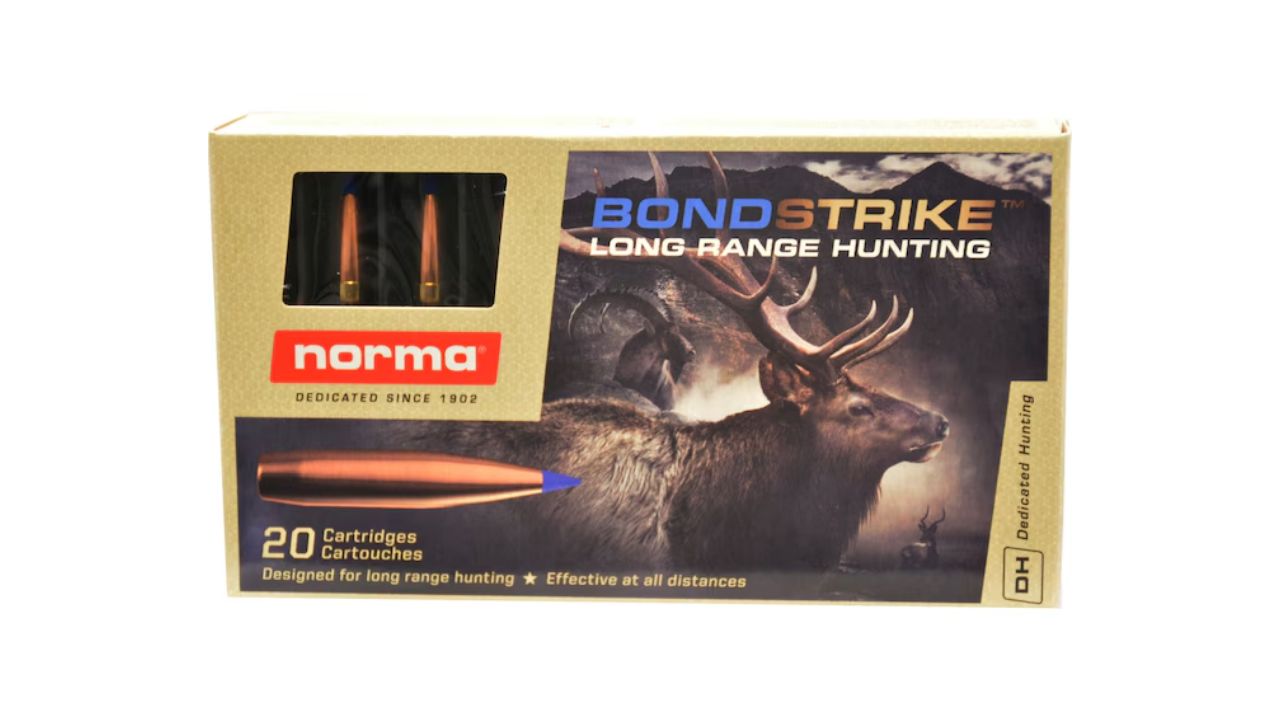
The .300 Remington Ultra Magnum brings a lot of power. It shoots flat, hits hard, and can absolutely handle big game at distance. Nobody can honestly call it underpowered.
The issue is that many hunters cannot shoot it as well as they claim. Heavy recoil, muzzle blast, and rifle weight can cause flinching and poor follow-through. Guides often prefer a cartridge the client shoots well over a cannon they fear. A .300 Winchester Magnum, .300 PRC, 7mm PRC, or even .30-06 Springfield in capable hands is usually easier to defend.
Like The Avid Outdoorsman’s content? Be sure to follow us.
Here’s more from us: