Photo credit: Bryant Ridge
Some pistols look great under the glass—polished stainless slides, slick chrome finishes, and just enough shine to make your wallet lean forward. But once the honeymoon phase wears off, the flaws come through fast. Shiny doesn’t mean shootable. Plenty of these guns are all show and no follow-through: triggers that feel like coat hangers, slides that slap instead of cycle, and tolerances loose enough to rattle. These are the pistols that fool folks at first glance. You think you’re picking up something sharp, only to find out you’ve brought home a headache with a mirror finish.
Jennings J-22 (Chrome)
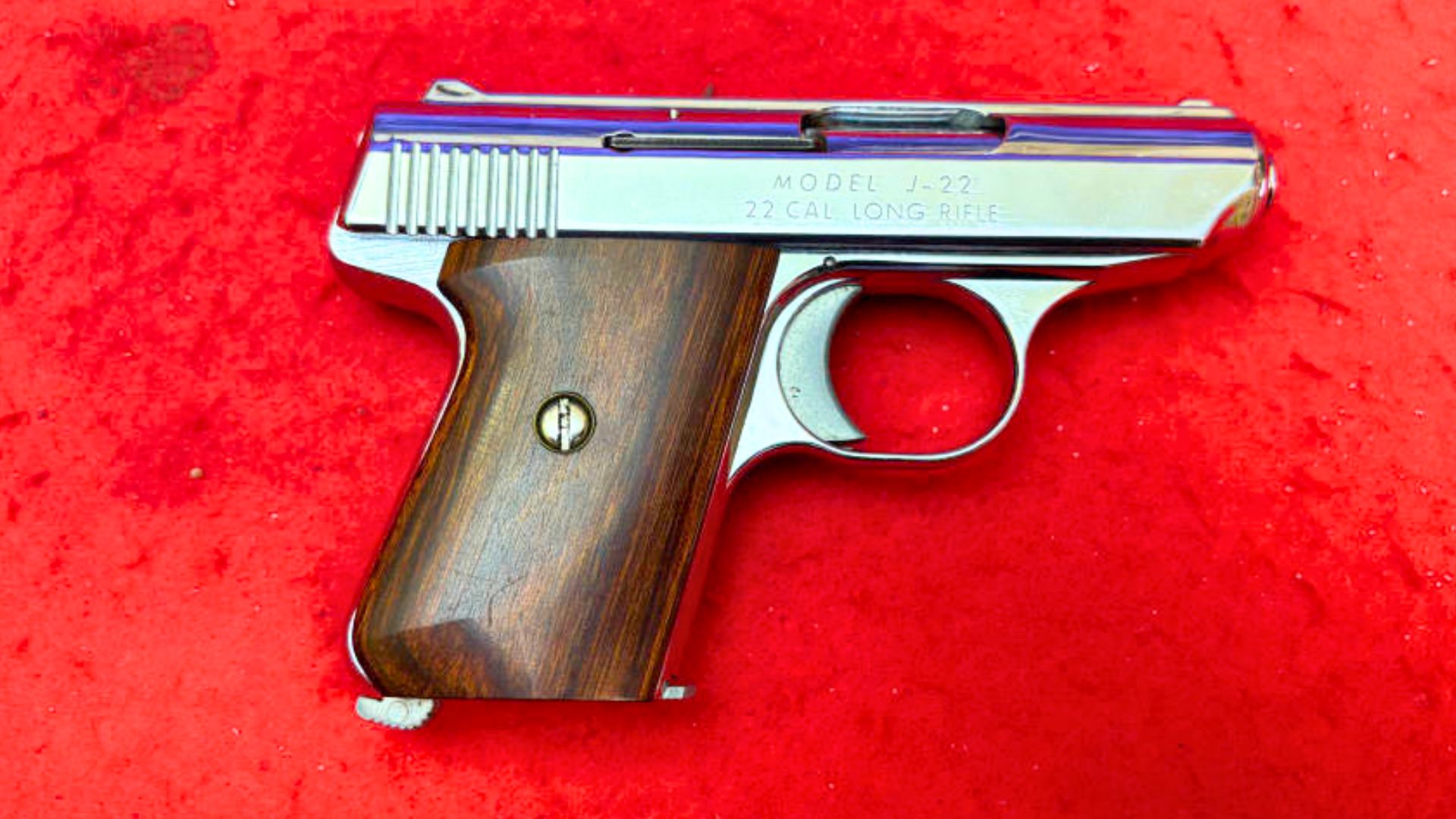
The chrome Jennings J-22 looks slick enough to catch the eye of a new buyer, but you won’t be admiring the finish once you start pulling the trigger. It’s prone to feed issues, rimlock, and cracked slides if you feed it anything beyond soft-shooting ammo. The pot metal construction doesn’t handle wear well, and the tolerances feel more like guidelines than engineering.
The shiny slide adds nothing but fingerprints and glare. It makes it look more expensive than it is, and that’s part of the trap. At the range, it’s not uncommon to see these jam every couple of rounds. There are far better ways to spend your money if you want a reliable .22.
Lorcin L380

The Lorcin L380 has a chrome or brushed nickel slide that might catch your eye, but it quickly loses its charm. It’s heavy, poorly balanced, and known for frequent failures to feed and extract. The grip feels awkward, and the trigger isn’t helping anybody shoot accurately.
Underneath that shiny exterior is a pistol made from soft zinc alloy and questionable quality control. It might look flashy in a pawn shop case, but that finish is doing all the heavy lifting. If you’re expecting it to run like it looks, you’ll be disappointed. These are the kinds of guns people buy once and never trust again.
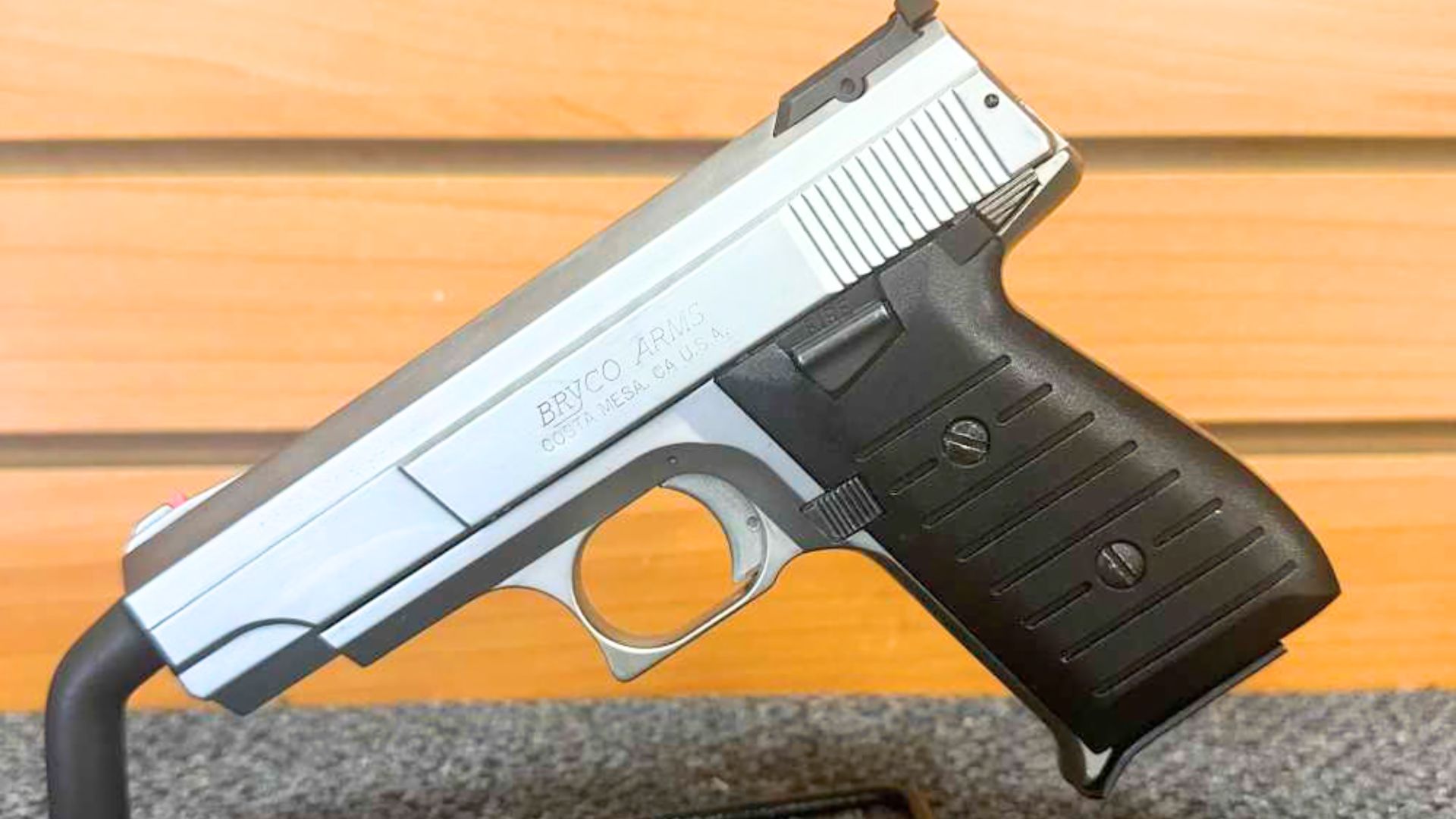
Bryco Model 38 (Nickel)
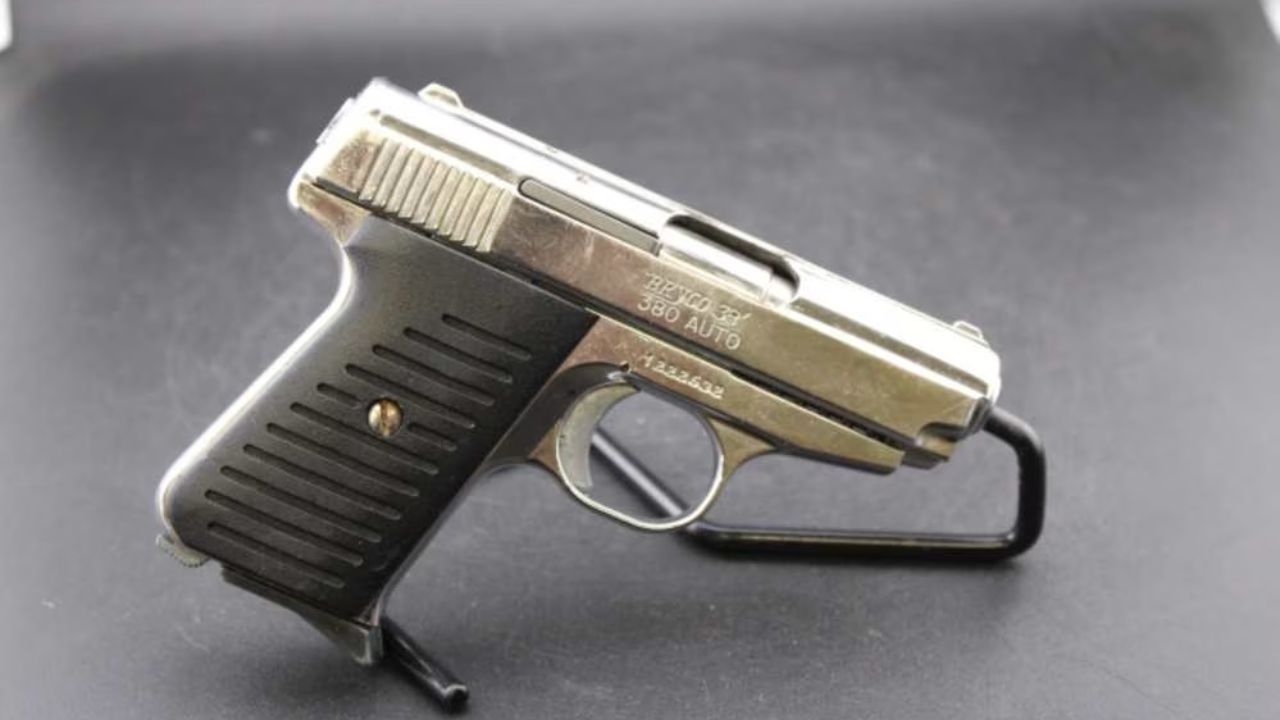
The Bryco 38 in nickel plating has fooled more than a few folks looking for an affordable .380 with some flair. It looks sleek and has just enough polish to catch the light, but once you shoot it, things fall apart—sometimes literally. The slides wear unevenly, and feed ramps don’t always match the mags they came with.
The trigger is long, gritty, and unpredictable. Even with ball ammo, reliability is iffy at best. These pistols gained a reputation for breaking parts and refusing to run consistently. If someone hands you one and says it’s “better than it looks,” they probably haven’t fired it in a while.
Hi-Point CF380 (Polished Slide)
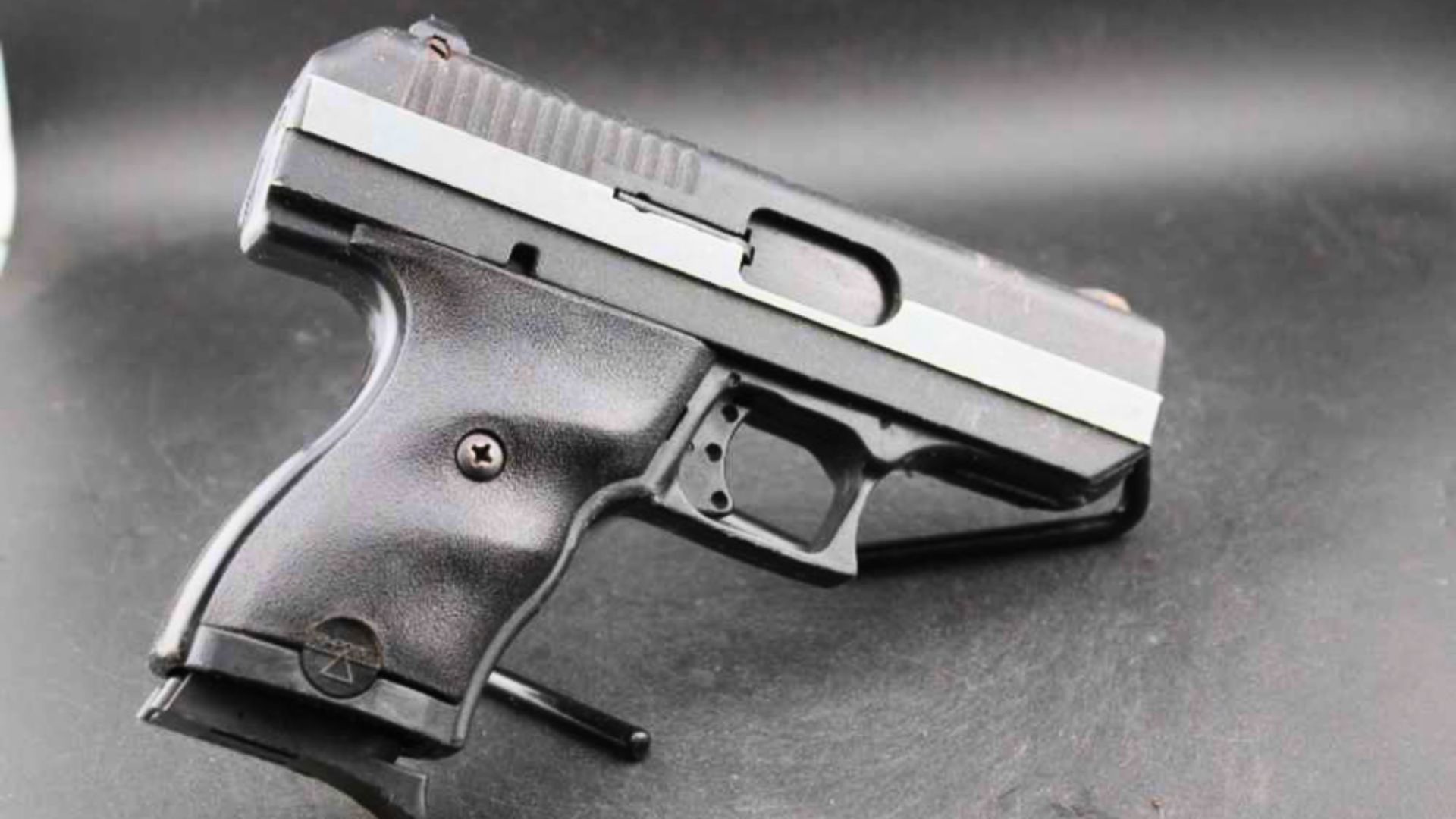
Hi-Points are already known for being chunky and awkward, but throw a polished slide on the CF380 and now it looks like it wants to be something it isn’t. That mirror finish doesn’t change the fact that it’s heavy for a compact, hard to conceal, and sluggish on the draw.
Accuracy is fine at close range, but you’ll fight the trigger and top-heaviness the whole way. It’s functional—sure—but the shiny slide makes it look like it’s something special when it’s really just a dressed-up workhorse. Most shooters figure that out after the first range trip and move on.
AMT Backup .380 (Stainless)

The AMT Backup in .380 ACP has a stainless steel frame and slide that gives it a sleek, all-metal look. It feels solid in the hand and looks like it should perform. The reality is less exciting. The trigger pull is absurdly heavy, and malfunctions aren’t rare, especially with defensive ammo.
Disassembly is a chore, and the recoil is surprisingly sharp for such a small pistol. It’s a handful in a bad way. Shooters are often drawn in by the stainless finish and compact size, but once it’s in the holster—or worse, on the bench—it proves to be more trouble than it’s worth.
Raven MP-25 (Nickel)
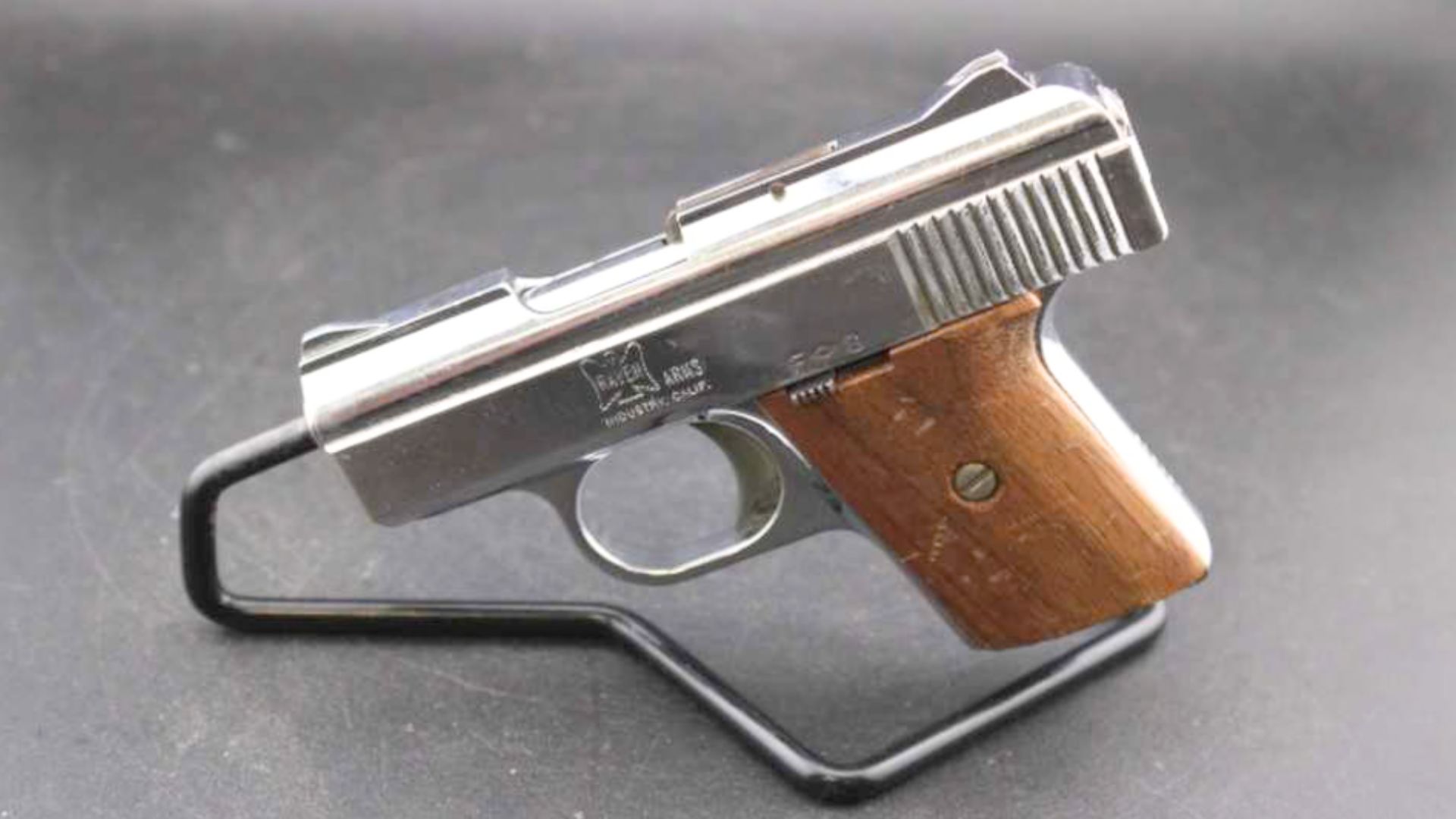
The Raven MP-25 in nickel finish practically glows under glass, but don’t let it fool you. It’s chambered in .25 ACP, which already struggles to justify itself, and the pistol itself is clunky, unreliable, and awkward to shoot. Misfeeds are common, and parts tend to wear down faster than you’d think.
It’s light enough to carry, but that’s about the only thing it has going for it. The nickel plating gives it the illusion of class, but it’s a cheap gun with a bad track record. People inherit these, look at the finish, and think they got something decent—then they shoot it.
Cobra FS380 (Polished Chrome)
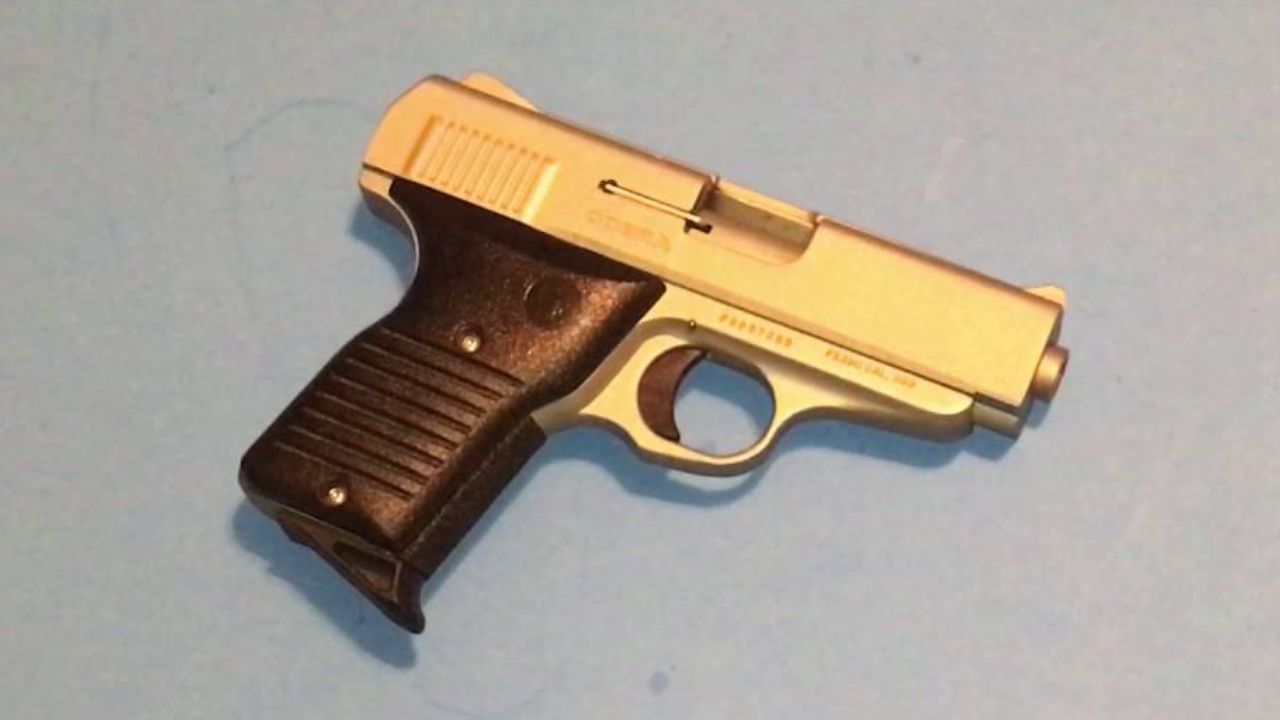
The Cobra FS380 is a large, heavy .380 with a slick chrome finish that draws attention. That’s about where the appeal ends. It’s bulky for the caliber, the trigger is stiff and unpredictable, and reliability is hit or miss. You’ll often deal with stovepipes, feed issues, or light primer strikes.
Its weight doesn’t match its performance, and the controls feel like afterthoughts. For something that looks shiny and “premium,” it’s very much a budget gun with all the drawbacks that come with that. The chrome might look good in a display case, but it won’t help you on the range or in a pinch.
Titan .25 Auto (Nickel)
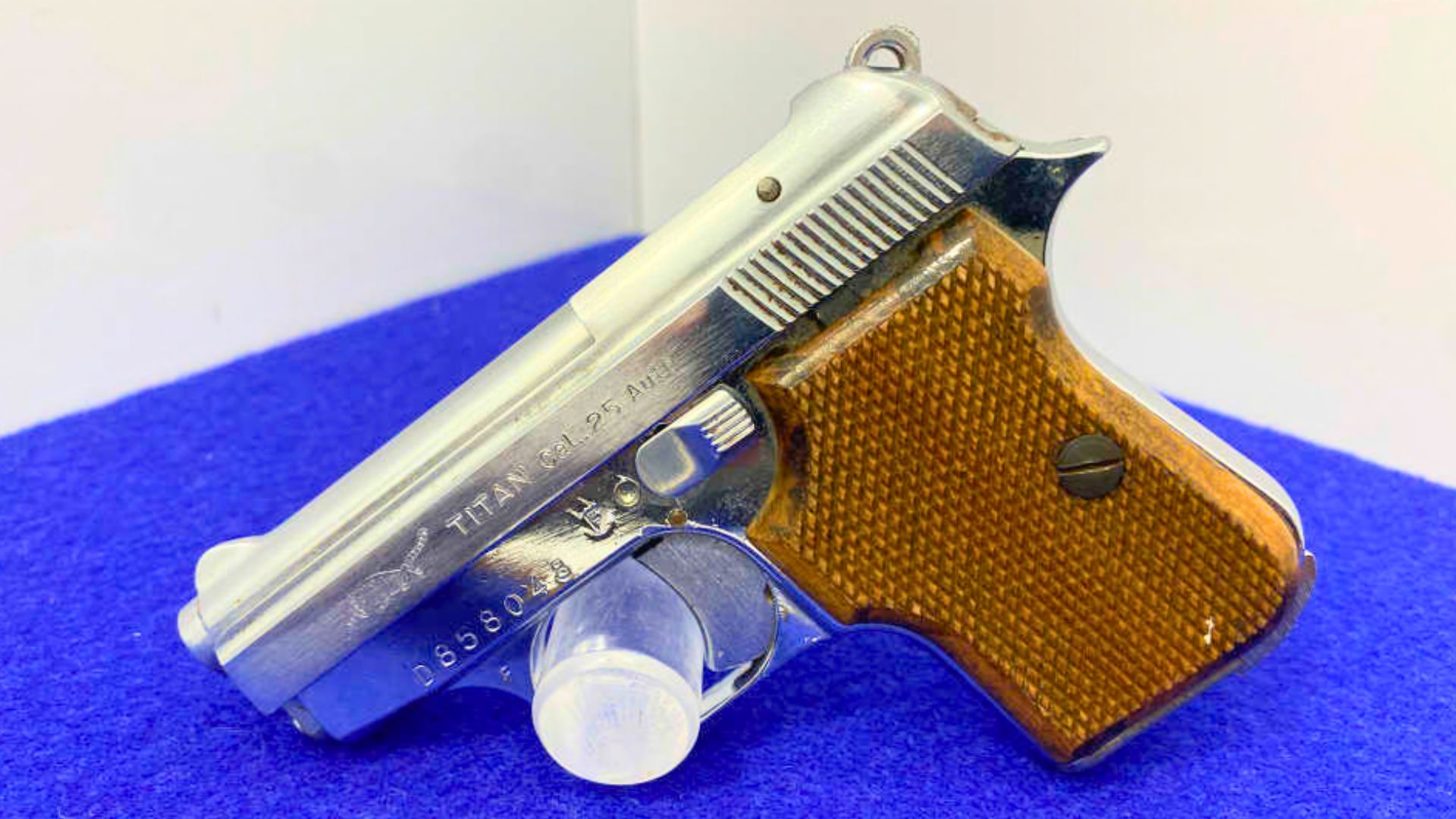
The Titan .25 Auto in nickel plating is another one of those pocket pistols that looks nice but performs poorly. It’s small, sure, but it’s hard to grip, hard to aim, and fires a caliber with questionable stopping power. On top of that, reliability is a gamble.
The nickel slide gives it a clean look, but the action feels loose, and the safety isn’t confidence-inspiring. Most shooters find they have to baby these guns to keep them running at all. They make for interesting curios, but as carry or range pieces, they disappoint fast.
Jennings Nine (Chrome)
The Jennings Nine is a full-size 9mm that tries to stand out with a bright chrome slide, but don’t let the shine distract you. It’s heavy, awkward, and has a notorious reputation for poor reliability. The magazines often fail to feed properly, and the overall feel is cheap despite the finish.
Trigger feel is rough, recoil management is poor, and disassembly is clunky. The chrome slide might make you think you’ve found a deal—but it’s mostly covering up poor performance and questionable materials. If you end up with one, it’s more of a display piece than a shooter.
Smith & Wesson Sigma (Stainless Slide)

The S&W Sigma series came with stainless or matte silver slides that looked sharp, especially compared to older polymer guns. But the trigger pull is heavy and gritty, often described as one of the worst in a factory pistol. Accuracy suffers because of it, and most shooters never warm up to it.
Even though it wears the S&W name, the Sigma didn’t live up to the hype. People were drawn in by the finish and affordability, but most quickly realized it wasn’t a shooter they could count on. It looks better than it performs, and that’s where the trouble starts.
EAA Windicator (Nickel)
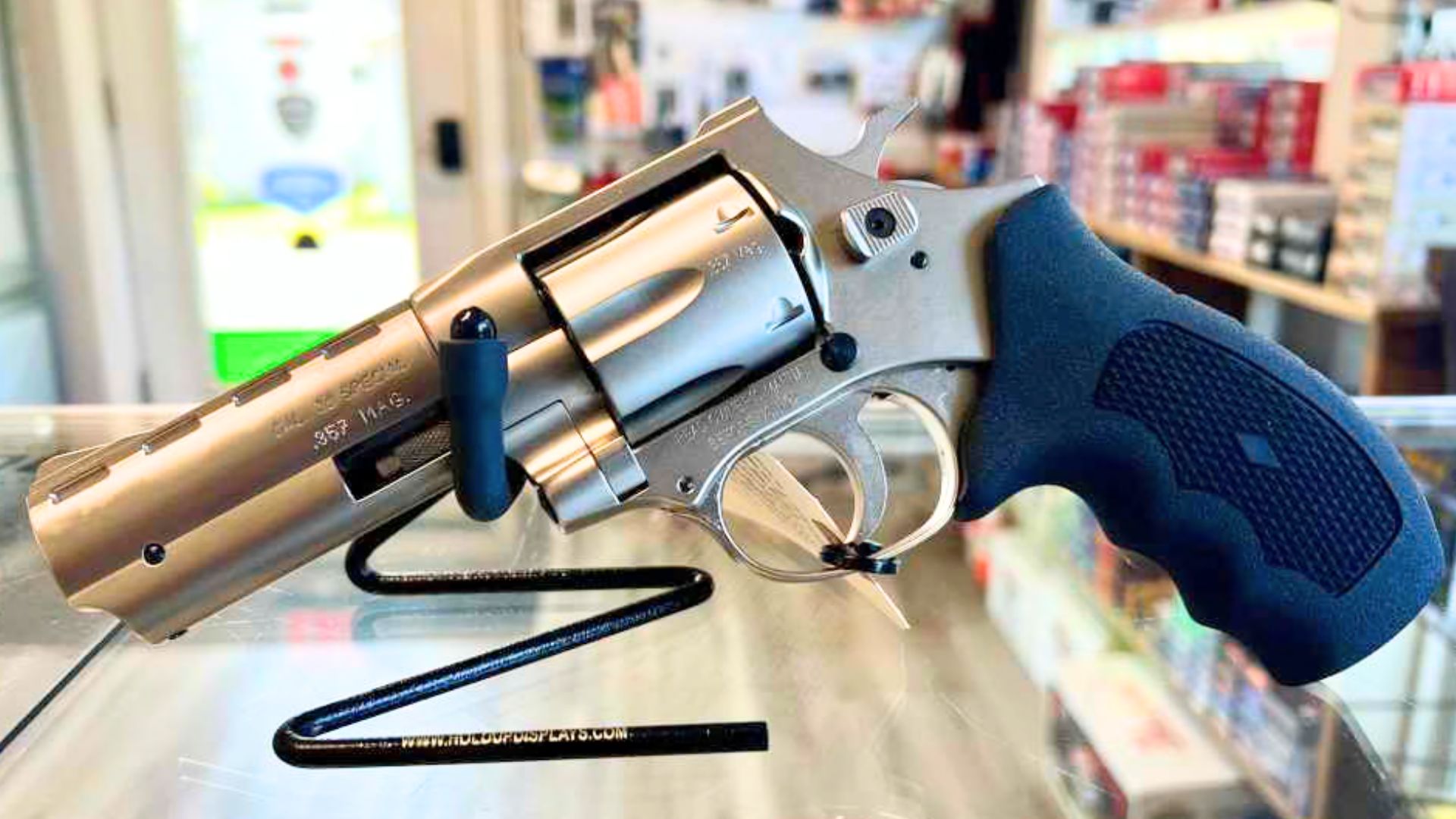
The EAA Windicator in nickel is an eye-catching revolver that feels solid, but looks can be deceiving. The trigger in double-action is heavy and stacks unpredictably, and the single-action isn’t much better. The sights are fixed and hard to pick up, especially with glare bouncing off the shiny surface.
It shoots .357 Magnum or .38 Special, but it’s not easy to manage recoil in such a compact, heavy steel frame. It’s not terrible—but that nickel shine can lead new buyers to expect more than what they’re really getting. It works, but it’s not the refined revolver it pretends to be.
Like The Avid Outdoorsman’s content? Be sure to follow us.
Here’s more from us:
The worst deer rifles money can buy
Sidearms That Belong in the Safe — Not Your Belt
*This article was developed with AI-powered tools and has been carefully reviewed by our editors.