Photo credit: Jaroslaw Kurek/Shutterstock.com
Recoil isn’t only about raw power. It’s about how force is delivered into your hands, how quickly the gun returns to target, and how much effort it takes to stay in control shot after shot. Some handguns fire powerful cartridges but spread recoil in a manageable way.
Others hit your hands sharply, twist under recoil, or punish poor leverage no matter how well you grip them. These pistols don’t necessarily scare you after one shot—but they wear you down fast. Whether it’s weight distribution, grip geometry, or simply too much cartridge for the platform, these are the handguns where recoil becomes work instead of rhythm.
Smith & Wesson Model 500 Magnum

The Smith & Wesson 500 Magnum delivers recoil that overwhelms even experienced shooters. Despite its massive frame and compensator options, the recoil impulse is violent, abrupt, and unmistakably physical. The muzzle rise is extreme, and the rearward force travels straight through your wrists and forearms with little softening.
You’re forced to reset your grip after nearly every shot, and follow-ups are slow by necessity. Even seasoned revolver shooters rarely enjoy extended sessions with it. The recoil isn’t painful in a sharp way—it’s exhausting. Every trigger pull demands focus and recovery, making it impressive but rarely enjoyable to manage.
Ruger Super Redhawk Alaskan (.454 Casull)
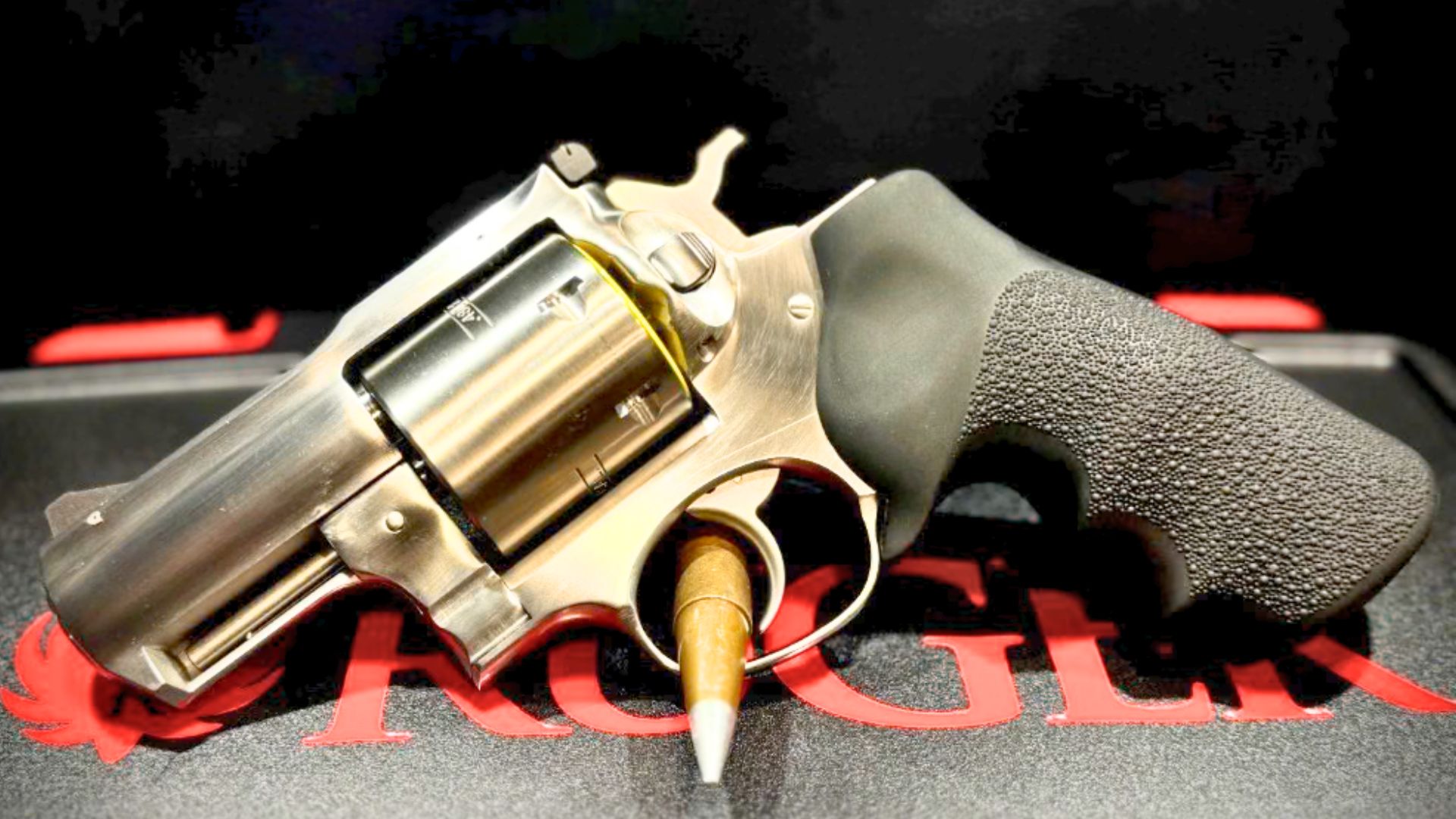
The Super Redhawk Alaskan shortens an already powerful cartridge into a brutally compact package. With .454 Casull, recoil comes fast and sharp, amplified by the short barrel and reduced forward weight. There’s little time for the gun to roll or settle.
The recoil snaps upward and rearward with authority, demanding firm grip pressure and disciplined technique. Even moderate loads feel aggressive. Follow-up shots require deliberate regripping, and fatigue shows up quickly. It’s controllable for experienced shooters, but recoil management never feels relaxed or intuitive.
Glock 29 (10mm Auto)
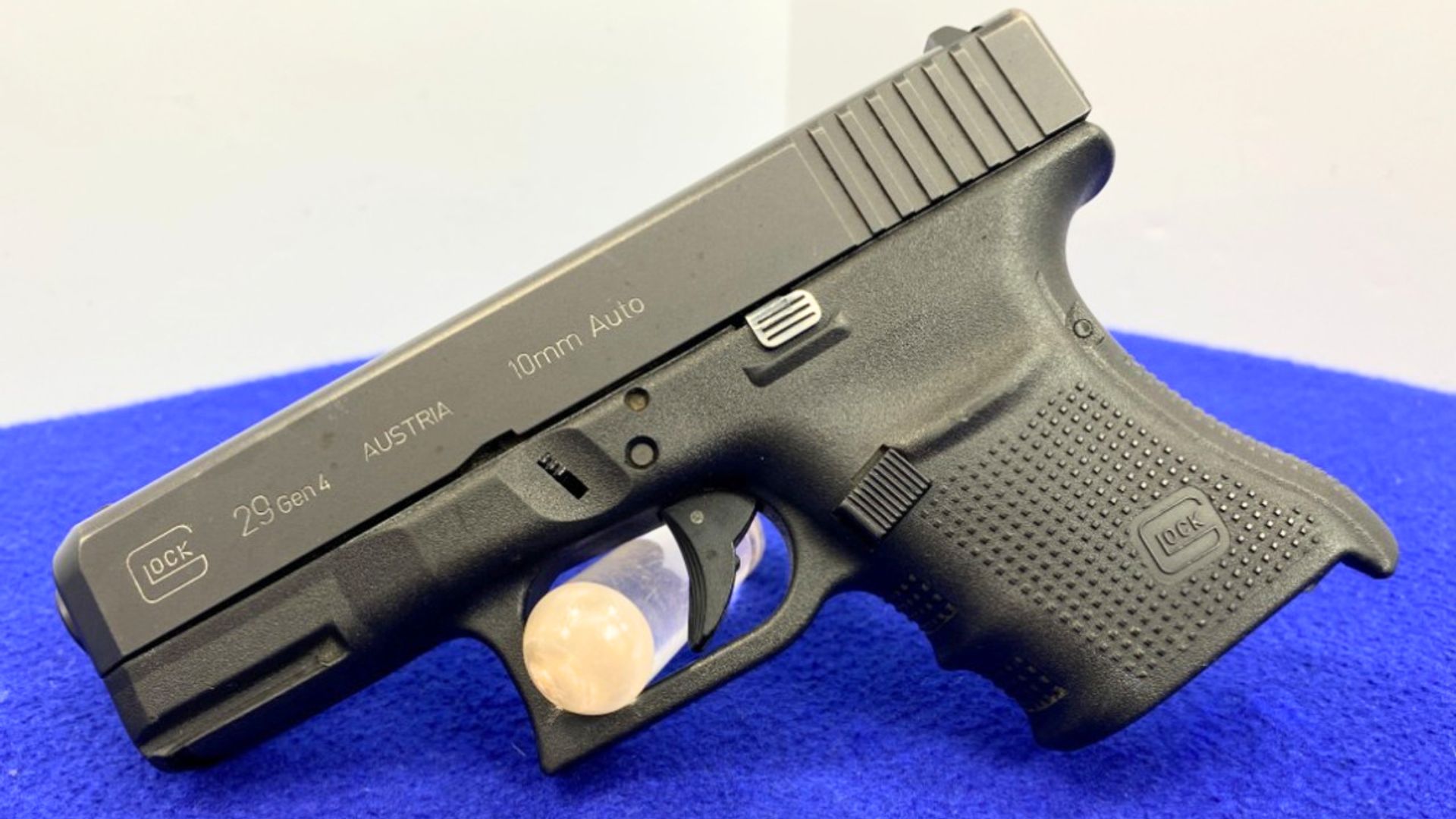
Packing full-power 10mm into a compact frame comes with consequences, and the Glock 29 makes those obvious. The grip is thick but short, limiting leverage while the cartridge delivers sharp recoil. The slide cycles hard, and muzzle rise is pronounced.
Hot loads emphasize snap rather than push, making recoil recovery work-intensive. While the pistol is reliable and capable, it asks a lot from your hands and wrists. Extended range sessions become tiring, and rapid follow-up shots demand constant focus. It’s effective, but recoil management is never casual.
Kimber Ultra Carry II (.45 ACP)

The Ultra Carry II compresses .45 ACP into a short, lightweight 1911 platform, and recoil reflects that compromise. Reduced slide mass increases speed, sending energy straight into the shooter rather than dissipating it through weight.
Recoil feels quick and abrupt, especially with defensive loads. The short grip leaves little room to absorb movement, and follow-up shots require effort. While experienced shooters can manage it, few describe it as comfortable. Over time, recoil fatigue becomes noticeable, turning practice into work rather than enjoyment.
Smith & Wesson 329PD
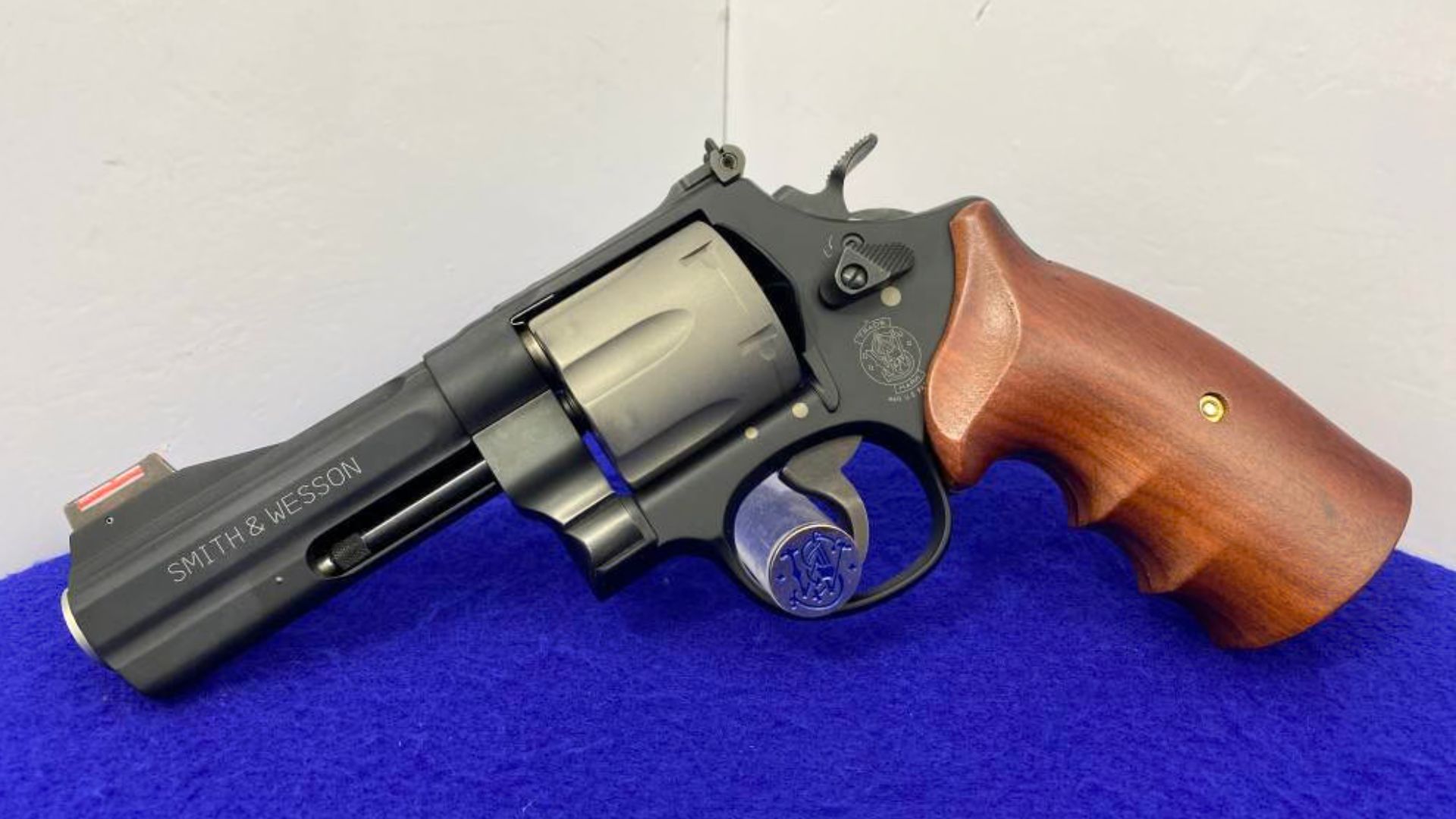
The 329PD is shockingly light for a .44 Magnum revolver, and recoil is the unavoidable tradeoff. With minimal mass to absorb energy, recoil feels sharp and wrist-jarring even with moderate loads.
Heavy hunting loads push it into genuinely punishing territory. The gun behaves exactly as physics predicts, transferring force directly to the shooter. It’s practical for backcountry carry, but recoil management is never pleasant. Every shot reminds you why weight matters in magnum revolvers.
Desert Eagle .50 AE

The Desert Eagle’s sheer size helps tame recoil somewhat, but .50 AE still delivers a heavy, demanding impulse. Recoil comes as a strong rearward push followed by dramatic muzzle movement, forcing a full grip reset between shots.
Grip circumference complicates control for many shooters, limiting consistent hand placement. While recoil isn’t sharp, it’s fatiguing and slow to recover from. The pistol demands strength and focus, making extended shooting sessions tiring. It’s impressive, but recoil management never fades into the background.
Ruger LCR (.357 Magnum)

The lightweight Ruger LCR magnifies .357 Magnum recoil in a way few shooters enjoy. Minimal mass and a compact grip mean recoil comes abruptly, snapping the muzzle upward and hammering the hand.
Defensive loads amplify the issue, making follow-up shots slow and uncomfortable. The long trigger pull doesn’t help mitigate movement. While the LCR is effective for its role, recoil management is unforgiving. Practice sessions are short for most shooters, not by choice but necessity.
Glock 27 (.40 S&W)
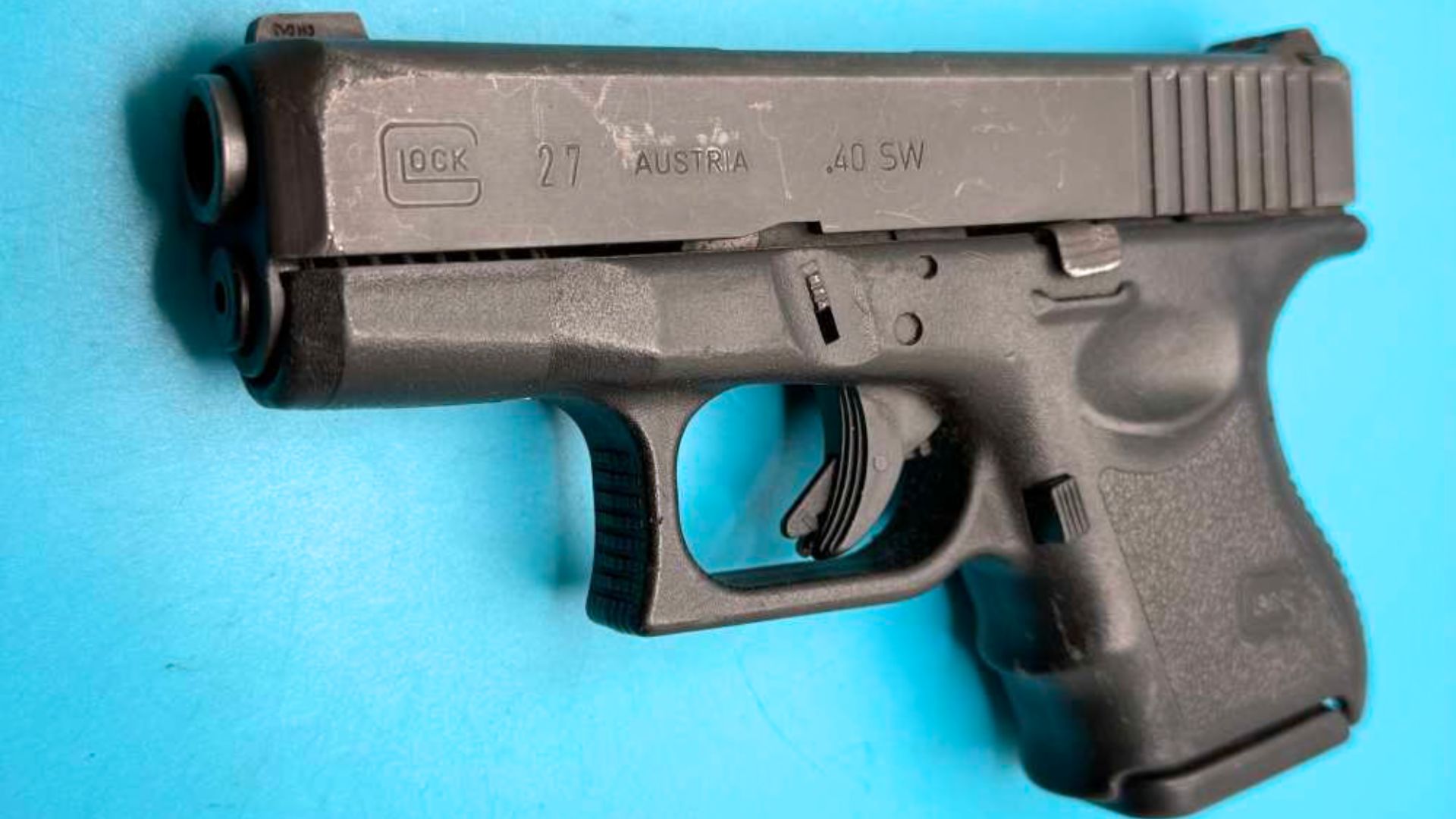
The Glock 27 squeezes .40 S&W into a short slide and grip, producing recoil that’s sharp and demanding. Muzzle snap is immediate, and the shorter grip limits leverage during recovery.
Recoil feels abrupt rather than smooth, and rapid strings require strong technique to maintain control. Many shooters find it tiring during extended practice. While it functions reliably, recoil management takes constant effort. It works, but it never feels cooperative in the hands.
Taurus Judge Magnum
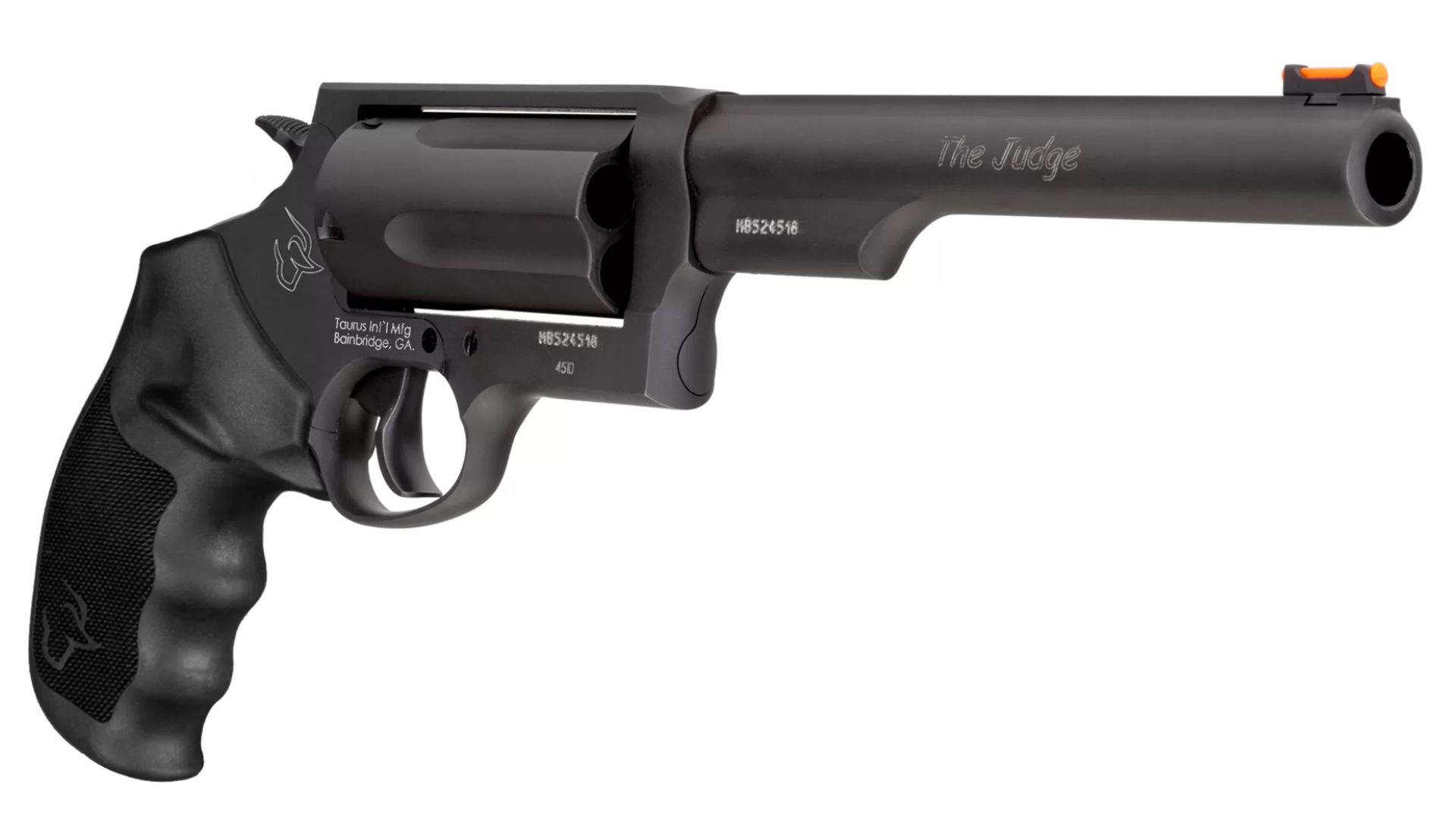
The Taurus Judge produces recoil that’s awkward rather than purely painful. The long cylinder, grip angle, and uneven weight distribution create unpredictable muzzle movement, especially with heavier loads.
Recoil feels uneven, often twisting the gun upward rather than pushing straight back. Consistency becomes the challenge, not raw power. Managing recoil requires patience and careful grip adjustment. It’s functional, but control never feels natural or smooth.
SIG Sauer P220 (10mm Auto)

In 10mm, the SIG P220 delivers recoil that feels top-heavy and abrupt. The higher bore axis contributes to noticeable muzzle rise, while the slim grip demands disciplined control.
Hot loads emphasize snap over roll, making recovery slower than expected. The pistol is accurate and capable, but recoil management always feels active rather than instinctive. Long sessions highlight fatigue sooner than most shooters expect from a service-sized handgun.
Glock 30SF (.45 ACP)
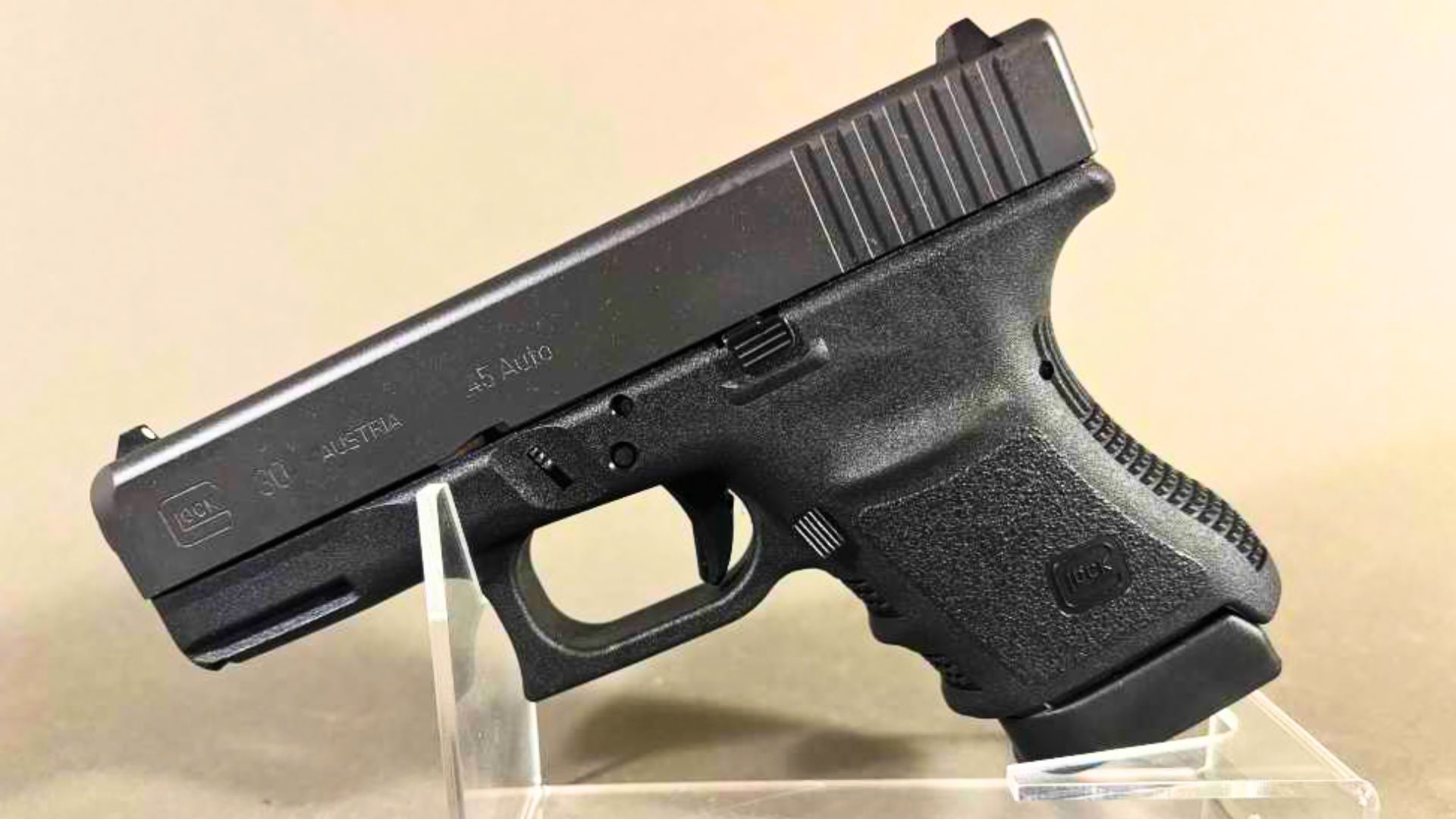
The Glock 30SF pairs a compact grip with a stout cartridge, producing recoil that’s firm and persistent. The shorter grip limits control, while the slide cycles with authority.
Muzzle rise is noticeable, and maintaining a consistent grip takes effort. It’s shootable, but recoil never disappears into rhythm. Over time, fatigue builds, especially during longer practice sessions. It’s reliable and effective, but rarely relaxing to manage.
Springfield Armory XD-M 10mm
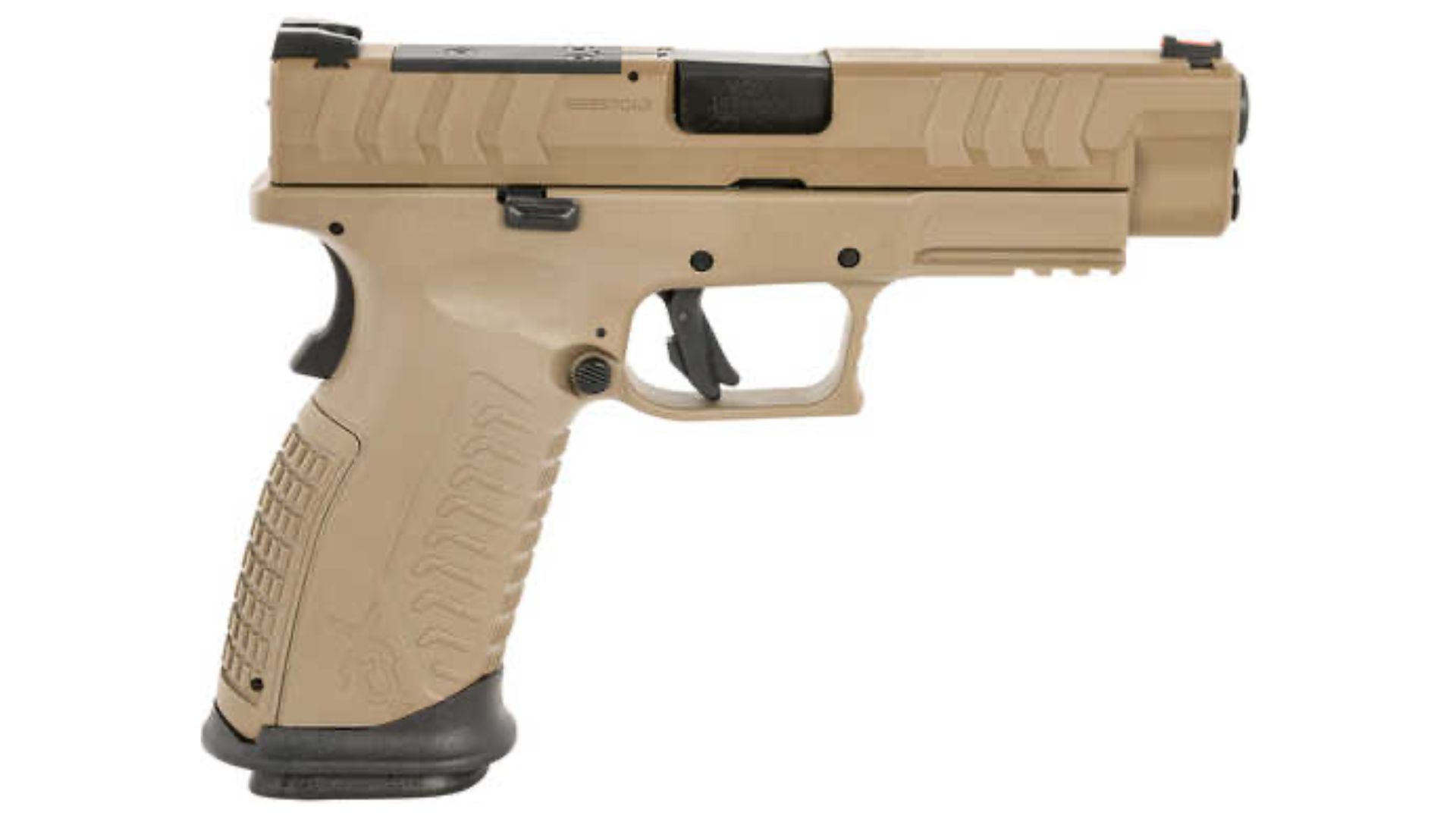
The XD-M 10mm spreads recoil better than some competitors, but it still demands respect. Full-power loads drive the slide hard, producing a sharp impulse that keeps you engaged shot after shot.
Grip texture helps, but recoil remains work-intensive. Follow-ups are manageable, not effortless. Over longer sessions, fatigue shows up quickly. It’s a capable platform, but recoil management stays front and center rather than fading into the background.
Ruger Super Blackhawk (.44 Magnum)
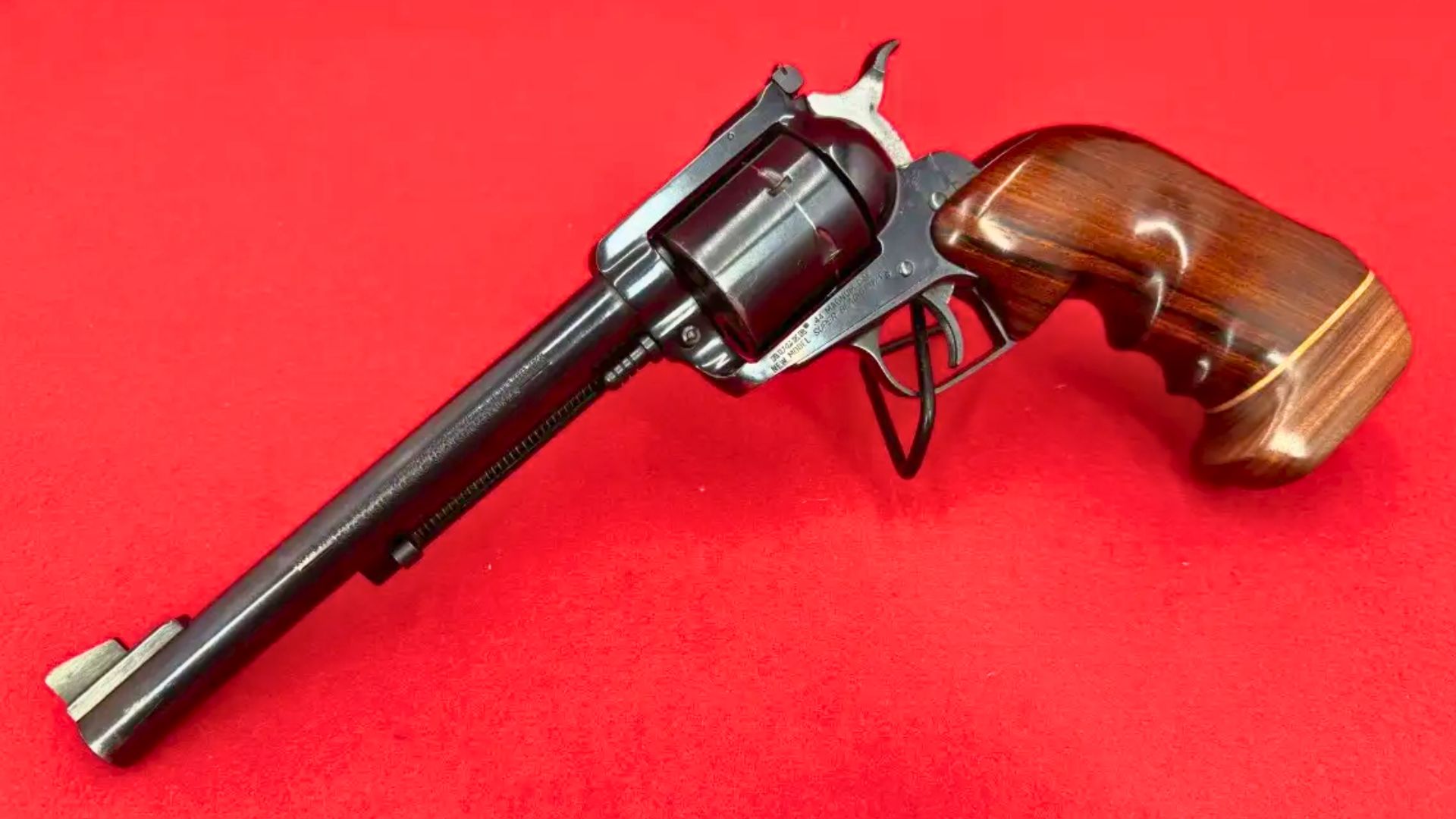
Single-action recoil from the Super Blackhawk comes straight into the hand. While the grip allows some roll, heavy loads still deliver significant force.
Recoil control improves with experience, but it’s never subtle. Each shot requires reset and discipline. Extended shooting demands breaks, not enthusiasm. It’s powerful and accurate, but recoil management remains a conscious task.
AMT Backup (.45 ACP)
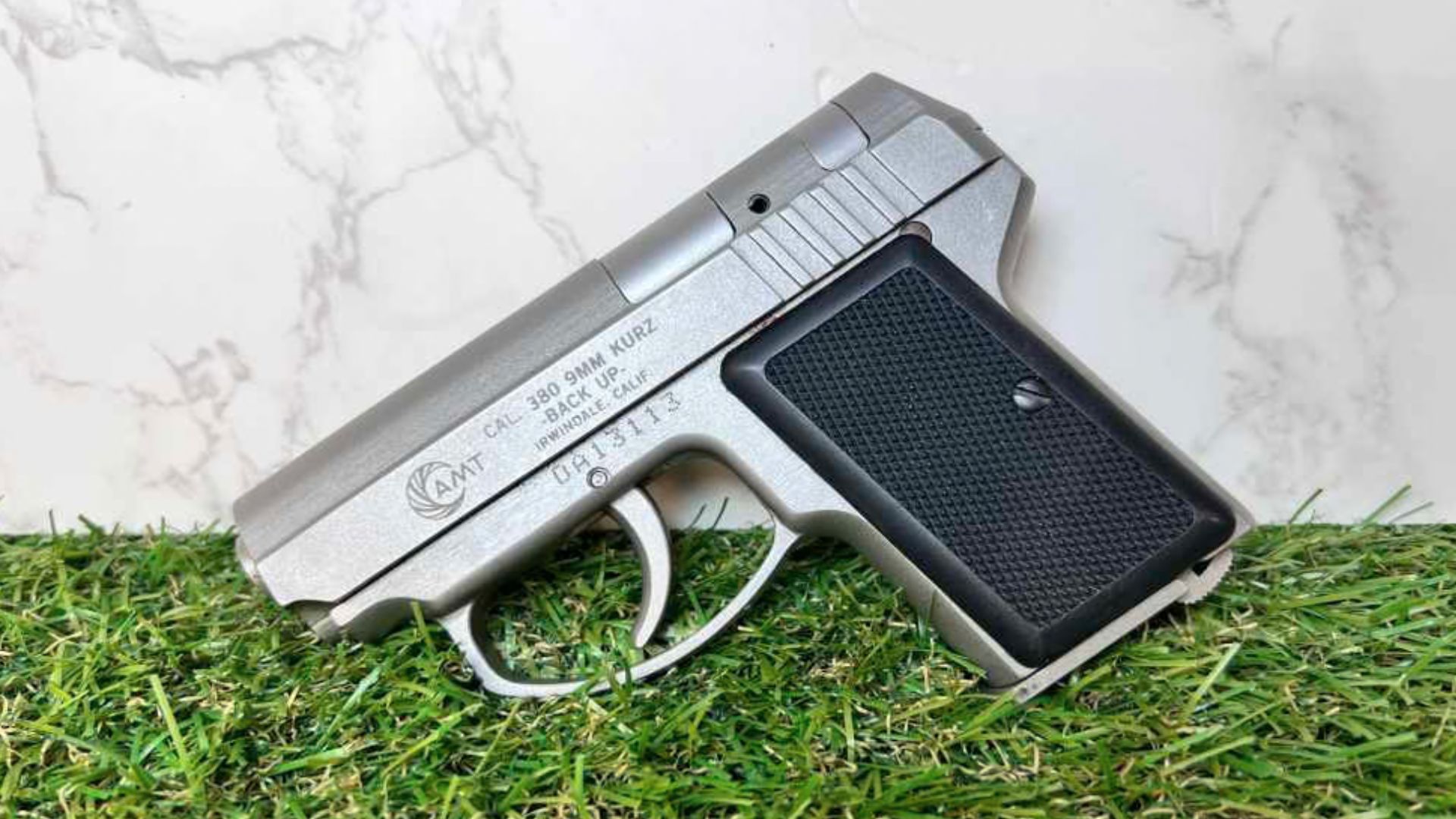
The AMT Backup combines a short grip, heavy slide, and stiff recoil spring into an unforgiving package. Recoil feels sharp and abrupt, with little room to distribute energy.
Follow-up shots are slow, and comfort is nonexistent. Every round reminds you of the platform’s limits. It functions, but recoil management is pure effort. Few shooters enjoy spending time behind it.
Glock 20 (hot 10mm loads)

With full-power loads, the Glock 20 delivers recoil that’s manageable but tiring. The frame absorbs some energy, but the cartridge still produces strong snap and noticeable muzzle rise.
Grip size helps, but extended shooting requires strength and focus. Recoil never feels gentle, even with good technique. It’s effective and dependable, but recoil management is always part of the equation, not something you forget about.
Like The Avid Outdoorsman’s content? Subscribe to our newsletter so you never miss an article.
Here’s more from us: