Photo credit: SH007ER: The Series/YouTube
Most gun owners have at least one sale they still bring up. At the time, it made sense. The gun was not getting used, the offer sounded fair, or something newer looked more exciting. Nobody wants to admit they sold the right gun at the wrong time, but the used market has a cruel way of making that obvious later.
Some firearms were especially painful to let go. They were common enough to seem replaceable, cheap enough to seem ordinary, or unpopular enough that owners assumed prices would stay soft forever. Then collectors woke up, production ended, imports dried up, or shooters finally realized what they had been ignoring. These are the guns owners sold cheap and still complain about today.
Smith & Wesson Model 27

The Smith & Wesson Model 27 was once easier to treat like just another big .357 Magnum revolver. It was beautiful, strong, and well-made, but there was a time when many shooters cared more about practical carry guns than polished N-frame revolvers.
Owners who sold one cheap usually remember the exact price because it hurts now. The Model 27 has classic Smith & Wesson craftsmanship, deep revolver history, and a shooting feel that cheaper magnums do not fully copy. It was never just a range toy. It was one of the great American .357s, and the market eventually made that clear.
Colt Sporter Lightweight
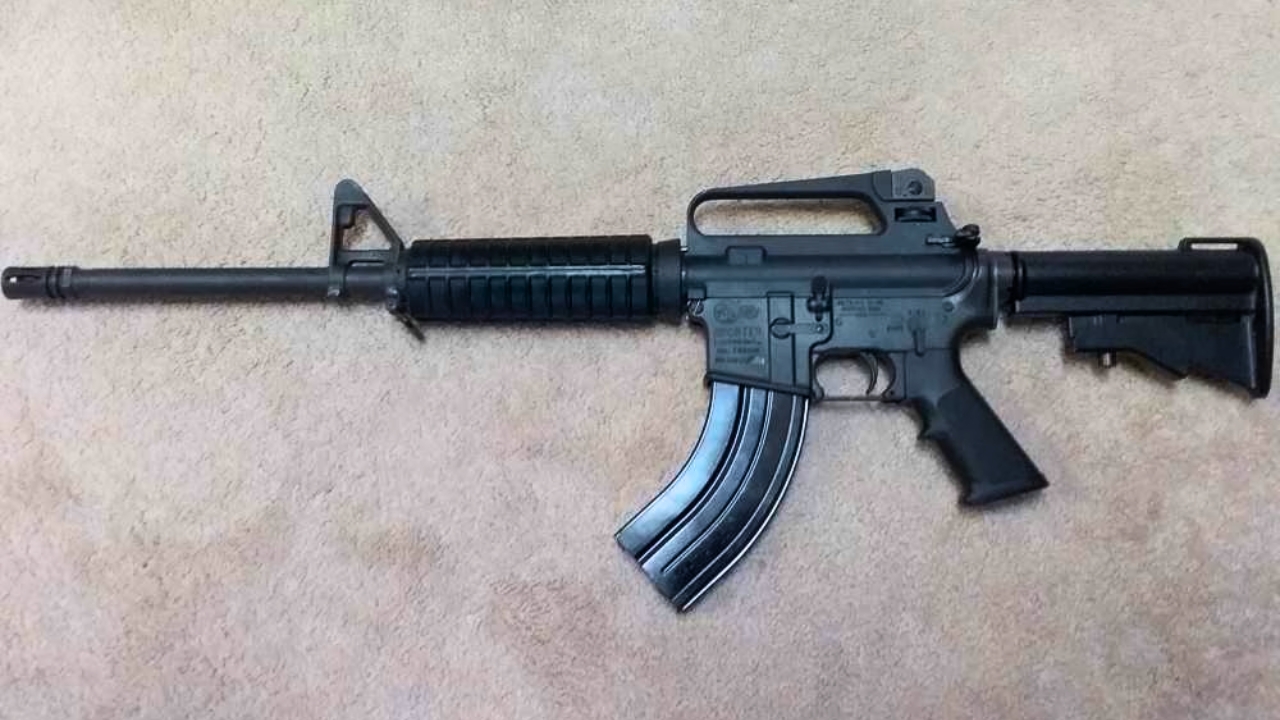
The Colt Sporter Lightweight used to seem like a normal older AR to people who were busy chasing flat-top receivers, free-float rails, and newer carbines. Plenty of owners sold them because they looked outdated beside modern builds.
That was a mistake. Older Colt ARs have become much more desirable as buyers started caring about roll marks, configurations, and pre-modern details. The Lightweight models are handy, clean, and tied to an era of Colt production people now collect seriously. Owners who sold them for regular used-AR money often complain because replacing one now is not simple.
Marlin 1894 in .357 Magnum
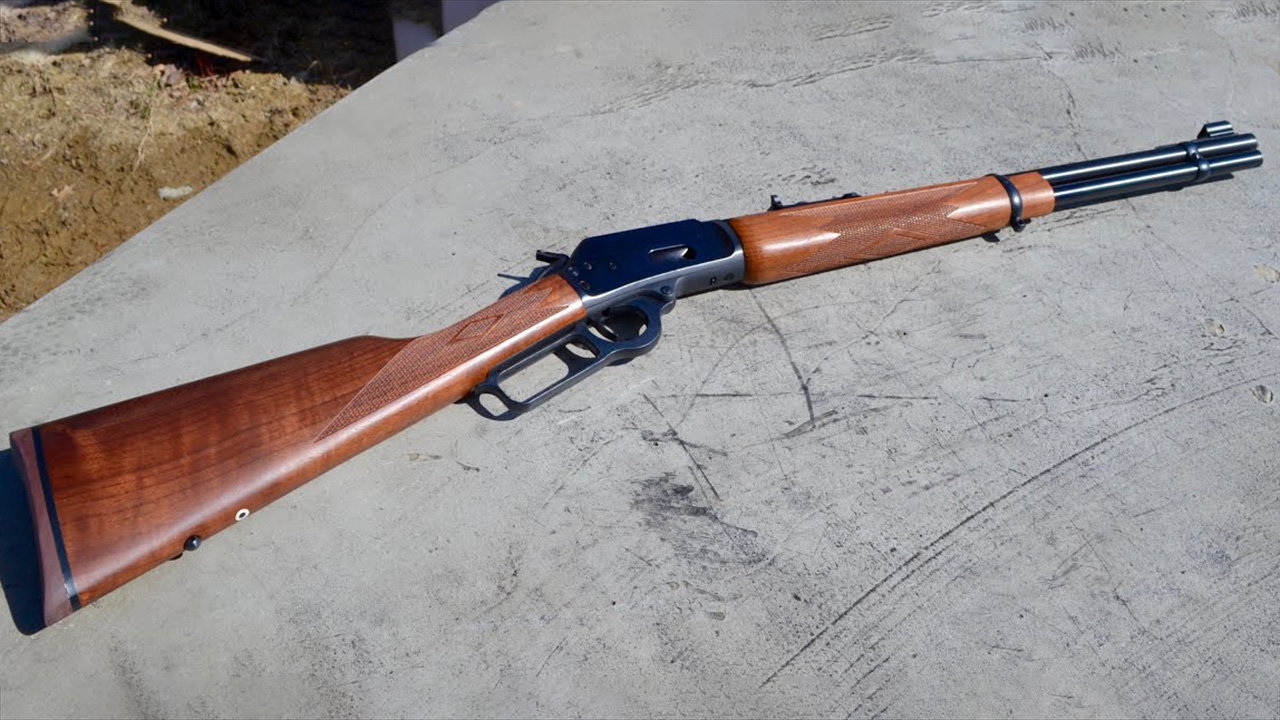
The Marlin 1894 in .357 Magnum was once just a handy pistol-caliber lever gun. It was useful, fun, and popular enough, but many owners did not realize how much the lever-gun market would change.
Selling one cheap looks brutal today. A .357 lever gun is one of the most practical and enjoyable rifles Marlin ever made. It shoots .38 Special for mild practice, handles .357 Magnum for woods use, and carries easily. Once pistol-caliber lever guns got hot, clean Marlins became expensive fast. Former owners usually know they let a good one go too easily.
Browning Superposed

The Browning Superposed was never junk, but some owners sold them before classic over-unders really started feeling difficult to replace. A lot of shooters moved toward newer shotguns, lighter guns, or semi-autos and let the old Browning go for what seemed like fair money.
Now the Superposed has the kind of respect that makes sellers wince. It was Browning’s great over-under, built with quality and style that modern shotguns often cannot touch at the same price. A clean Superposed has collector pull and field value. Owners who sold one cheap often spend years trying to justify it.
Ruger Speed-Six

The Ruger Speed-Six was once an affordable working revolver that did not get the same attention as Smith & Wesson or Colt. It was rugged, plain, and easy to sell when semi-autos became more attractive.
That decision aged poorly. The Speed-Six has a great size for a .357 revolver, enough strength for real use, and a practical feel that makes it more than a collector piece. Clean examples are not the bargains they used to be. Owners who sold one cheap usually complain because they now realize Ruger’s old service revolvers were seriously underrated.
Remington 700 Classic in .35 Whelen
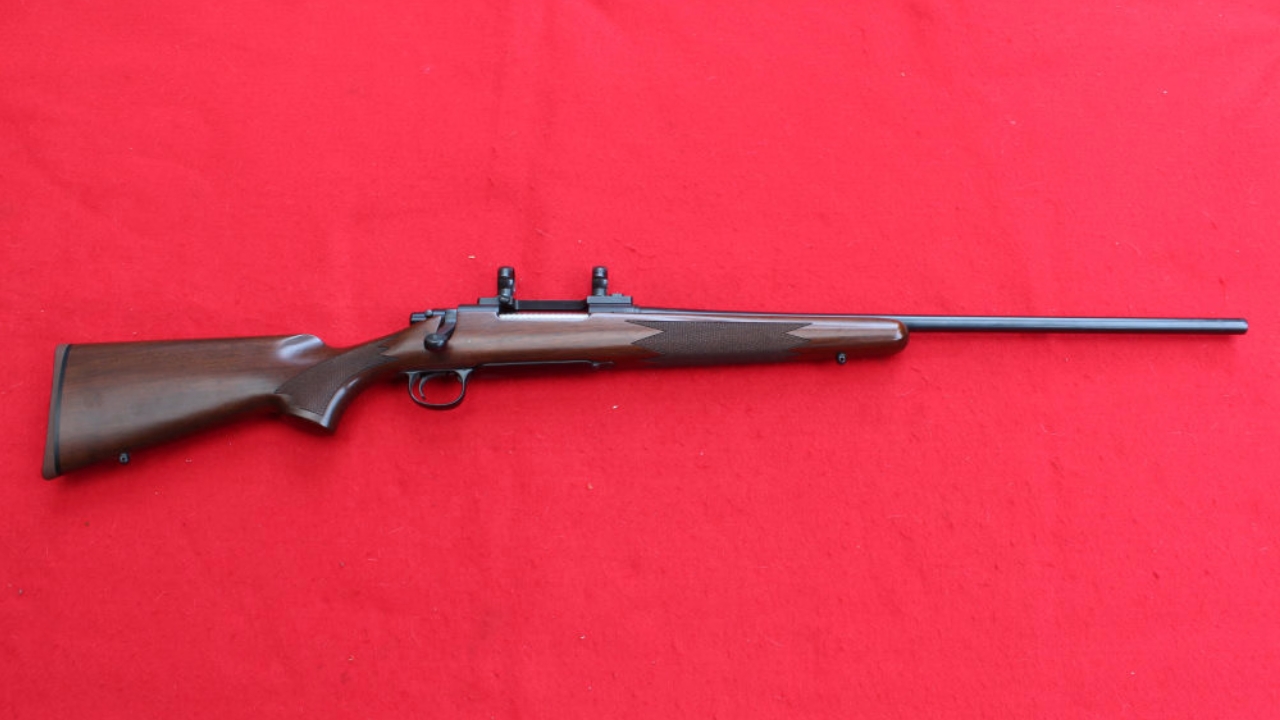
The Remington 700 Classic series had plenty of interesting chamberings, but .35 Whelen became one of the ones owners really regret selling. At the time, it may have seemed like a niche big-game cartridge in a plain traditional rifle.
Now that combination looks much smarter. The .35 Whelen hits hard without needing a magnum belt, and the 700 Classic gave it a clean, limited-run package. Hunters who sold theirs cheap often discover that finding another one is expensive and frustrating. Limited chambering runs have a way of punishing people who thought they were just selling another bolt gun.
SIG Sauer P228
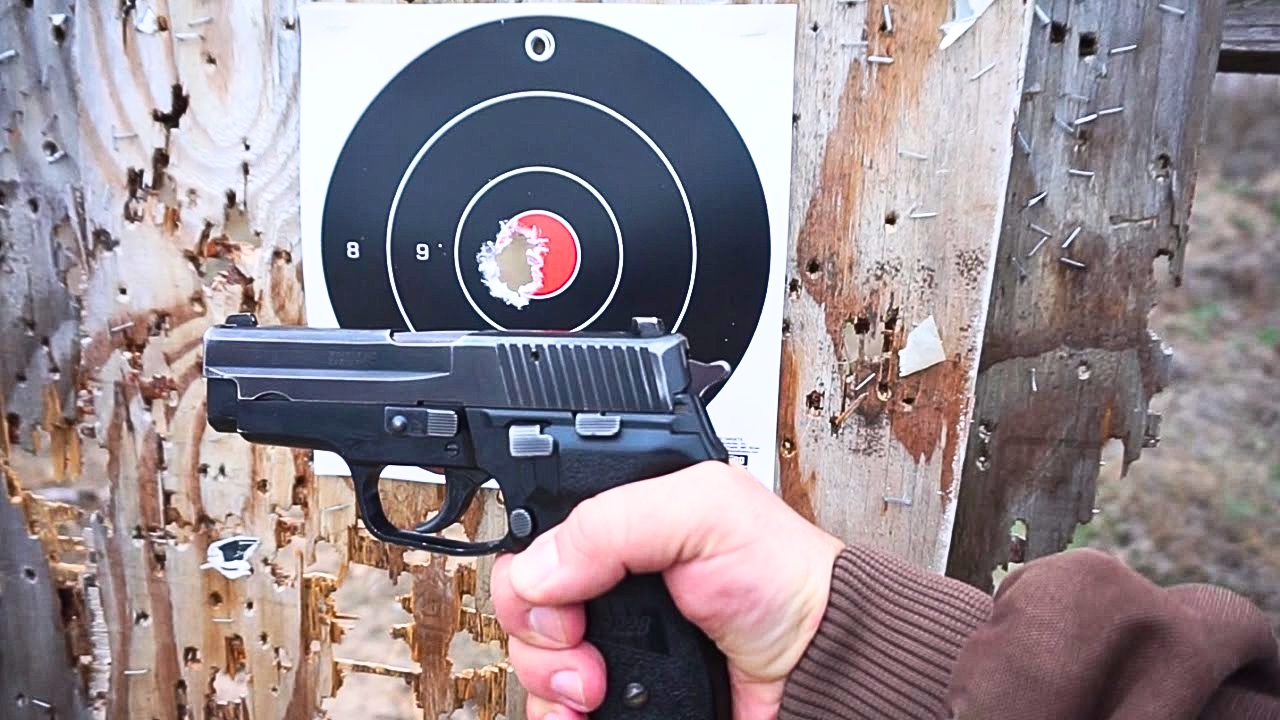
The SIG Sauer P228 was once a used compact 9mm that many owners treated like a normal carry or range pistol. It was respected, but not always protected the way classic SIGs are today.
Now sellers know better. The P228 has excellent balance, a compact size that still shoots well, and old German SIG appeal that keeps demand strong. It is not the highest-capacity pistol by modern standards, but it feels better than many newer options. Owners who sold one cheap often end up saying the same thing: they should have kept it.
Winchester Model 12 20 Gauge
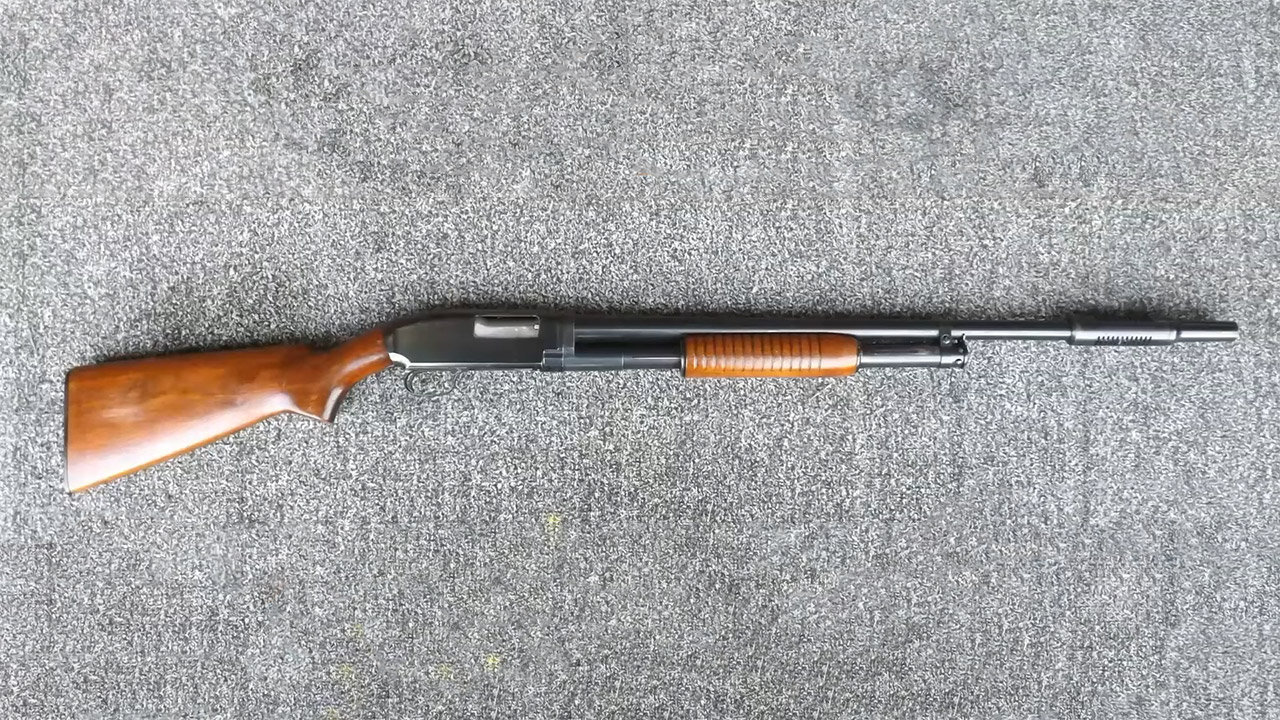
The Winchester Model 12 20 gauge was easy for some owners to let go because pump shotguns were everywhere and 12 gauges got most of the attention. A smaller-gauge Model 12 did not always seem like the one to protect.
That changed as clean small-gauge classics became harder to find. A 20-gauge Model 12 is slick, light, and field-friendly in a way many newer pumps are not. It has the same classic action feel with a sweeter carry weight. Owners who sold one cheap usually regret it the moment they handle a rough modern pump and remember what they had.
HK P7
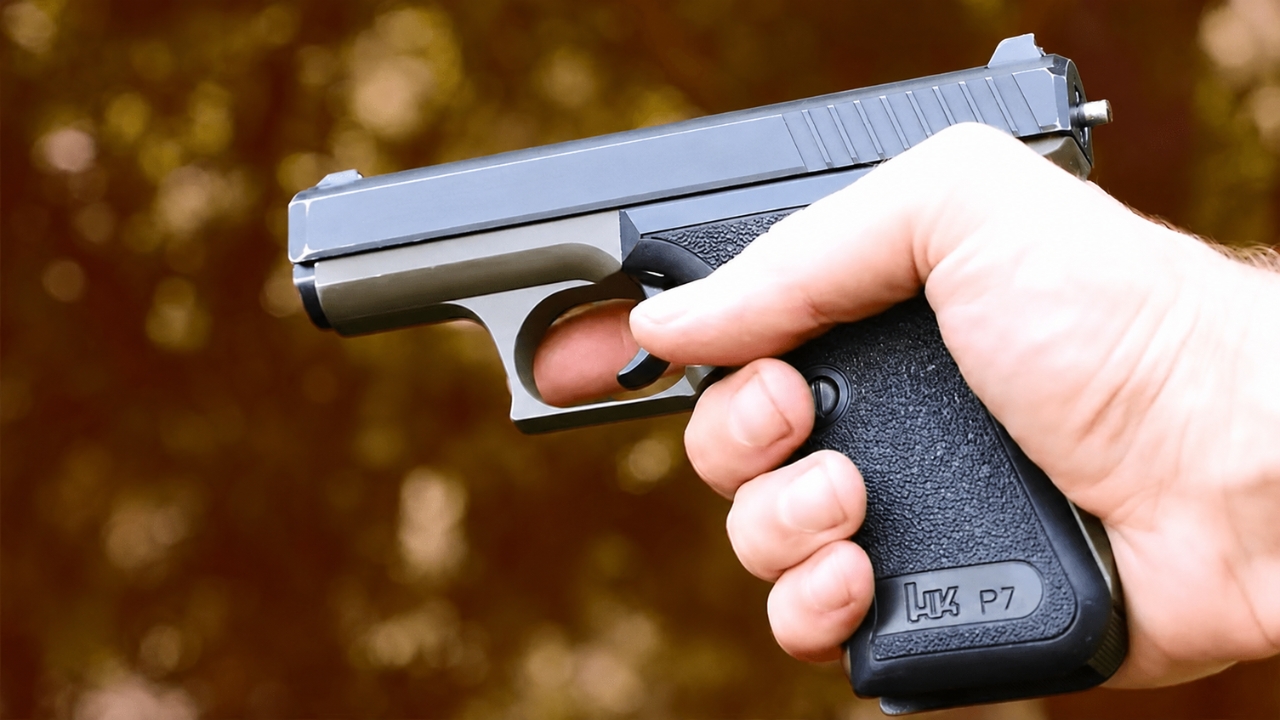
The HK P7 is one of the great examples of a gun people sold before the market got painful. For years, some owners treated it as a weird squeeze-cocker 9mm that was interesting but not practical enough to keep.
That thinking did not survive collector demand. The P7 is compact, accurate, beautifully engineered, and unlike almost anything else. It heats up, it has unusual controls, and it is not a conventional carry pistol, but none of that stopped prices from climbing. Owners who sold one cheap rarely stop talking about it because replacing it now feels like punishment.
Ruger 10/22 International
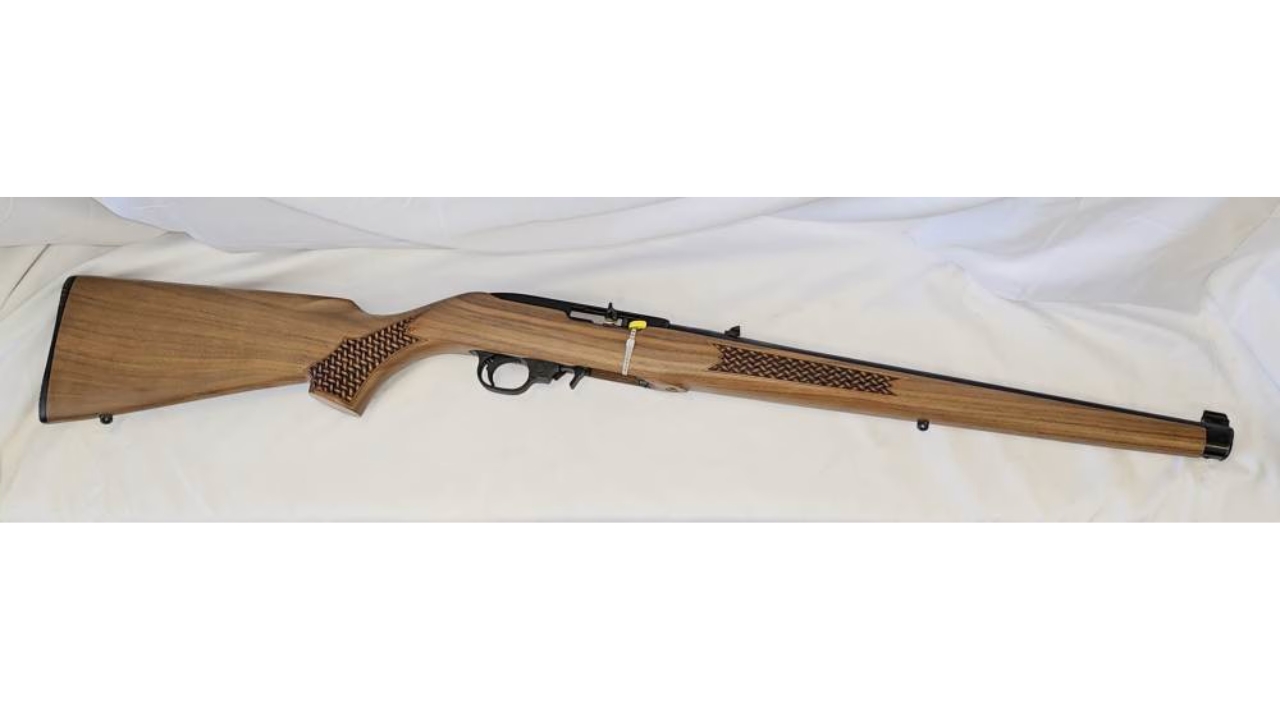
The Ruger 10/22 International was once just the Mannlicher-stocked version of a common rimfire. Some owners sold them because they already had another 10/22 or thought the full-length stock was more cosmetic than useful.
Now those rifles have much stronger appeal. The International has a distinctive look, classic Ruger reliability, and enough scarcity compared with standard models to make buyers pay attention. It is still a fun .22, but now it is also a variant people chase. Selling one cheap can feel especially dumb because everyone assumed a 10/22 would always be just a 10/22.
Beretta 8045 Cougar
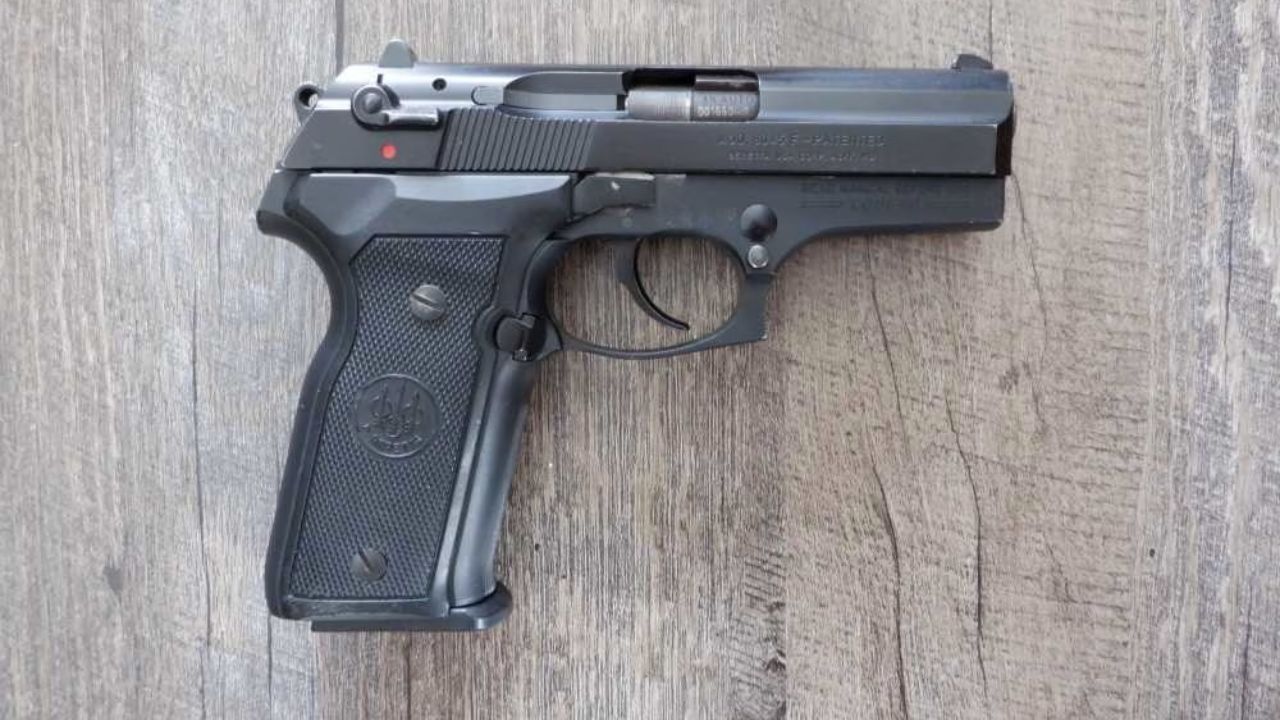
The Beretta 8045 Cougar was easy to sell cheap when polymer pistols were taking over and .45 ACP carry guns were getting smaller or lighter. The Cougar looked bulky and a little odd compared with modern striker-fired options.
But the 8045 has aged into a pistol people appreciate more now. The rotating barrel system helps with recoil, the build quality is strong, and the pistol has real Beretta character. It is not as common as the 9mm versions, either. Owners who sold one cheap often realize later that compact metal-frame .45s with this kind of personality are not everywhere.
Browning BAR Safari

The Browning BAR Safari was once treated by some hunters as a nice but ordinary semi-auto hunting rifle. If they moved to bolt guns, lighter rifles, or newer BAR models, selling the old Safari did not seem like a tragedy.
Now clean examples bring more respect. The older BAR Safari has classic Browning styling, soft-shooting gas operation, and real big-game usefulness. It feels like a hunting rifle first, not a tactical semi-auto trying to cross over. Owners who sold one cheap often complain because the replacement never had the same mix of polish and field confidence.
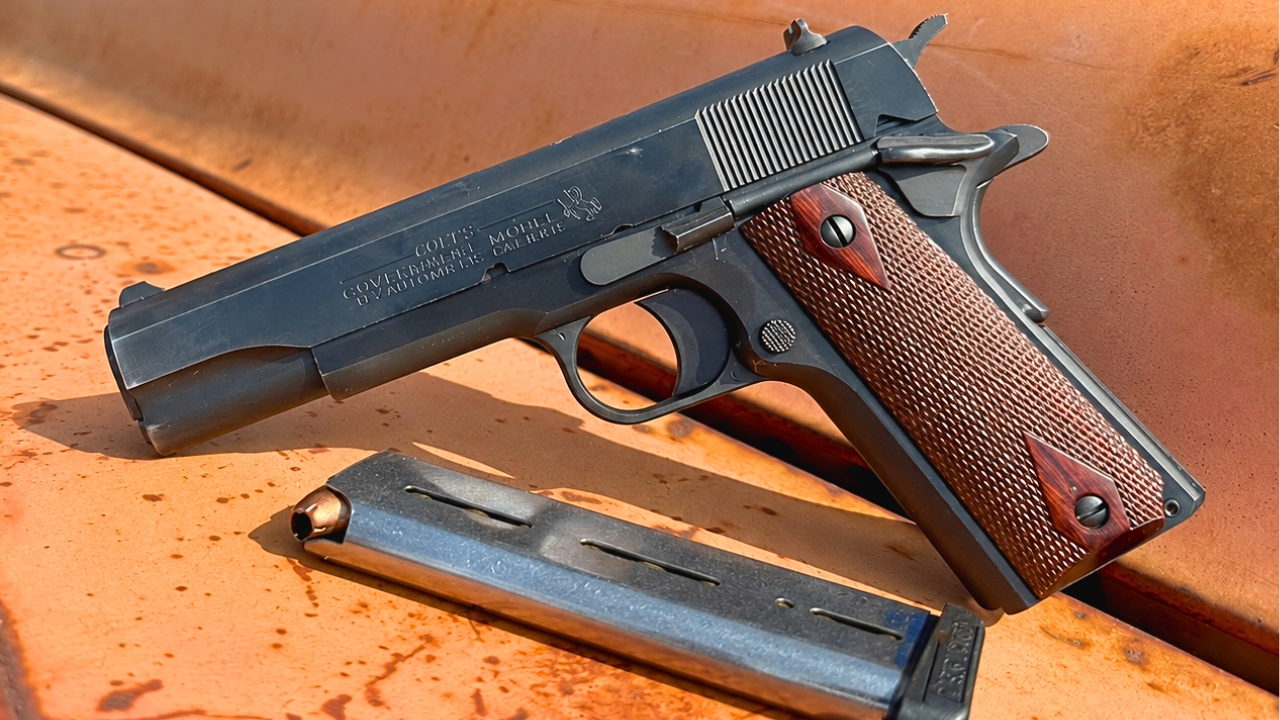
Colt 1911 Series 80

The Colt Series 80 1911 got criticized for its firing-pin safety system, and some owners used that as an excuse to sell them without much attachment. For years, they were not always treated like especially precious Colts.
That has changed as Colt 1911 prices kept climbing. A Series 80 Government Model or Commander is still a real Colt 1911 with the look, feel, and history buyers want. The firing-pin safety does not erase the value. Owners who sold them cheap often realize later that even the supposedly less-loved Colts became expensive once the market moved.
Remington Model 141 Gamemaster

The Remington Model 141 Gamemaster was once just an old pump rifle to many owners. Chamberings like .35 Remington or .32 Remington felt dated, and the rifle did not fit modern bolt-gun trends.
Now it has a lot more charm. The Model 141 is slick, unique, and tied to a style of deer hunting that still matters in thick woods. It has more mechanical personality than most modern rifles and enough practical power for close-range game. Owners who sold one cheap often complain because they did not realize how hard it would be to find another clean one.
Smith & Wesson Model 41

The Smith & Wesson Model 41 is a rimfire pistol owners should have known better than to sell cheap, but plenty still did. Sometimes a .22 target pistol seems easy to replace until you start pricing good ones.
The Model 41 is accurate, refined, and built with a seriousness that most casual rimfire pistols do not match. It turns .22 LR into real target practice instead of just plinking. Owners who sold one to fund a centerfire pistol often regret it badly. A great rimfire gets used for decades, and the Model 41 is exactly that kind of gun.
Winchester Model 70 Classic Stainless
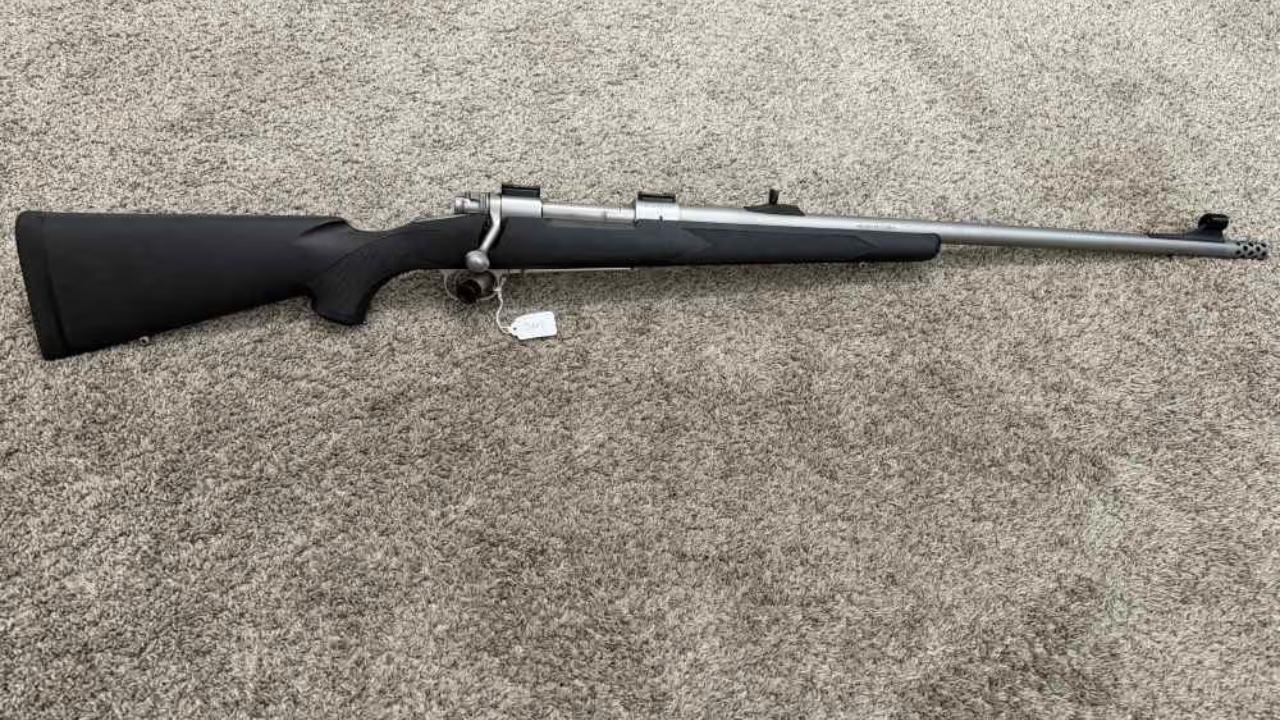
The Winchester Model 70 Classic Stainless was once a practical hunting rifle that did not seem rare enough to worry about. Stainless steel, controlled-round feed, and synthetic or composite-stocked field use made it easy to take for granted.
That was the problem. Hunters later realized the Classic Stainless had an excellent combination of old Model 70 confidence and weather-ready practicality. It was not just another bolt gun. It was a serious hunting rifle in a configuration people still want. Owners who sold one cheap now get to pay much more if they want that same rifle back.
CZ 75 Pre-B
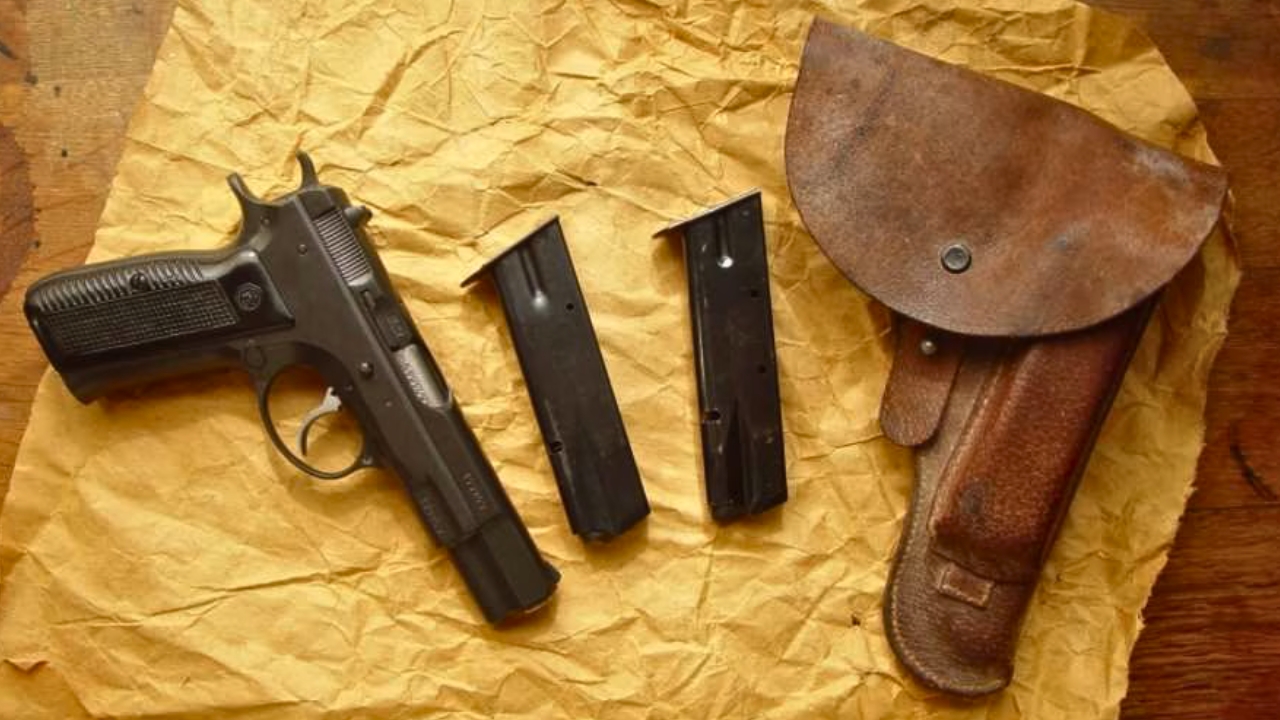
The CZ 75 Pre-B was once an odd import to a lot of American buyers. It did not have the same mainstream recognition it has now, and some owners sold them before CZ’s reputation truly exploded.
That looks painful today. The Pre-B pistols have collector interest, excellent ergonomics, and a smoother old-world feel that many CZ fans chase hard. They are not as easy to replace as current-production models, and condition matters a lot. Owners who sold one cheap usually complain because they thought they were moving an old 9mm, not a future classic.
Like The Avid Outdoorsman’s content? Be sure to follow us.
Here’s more from us: