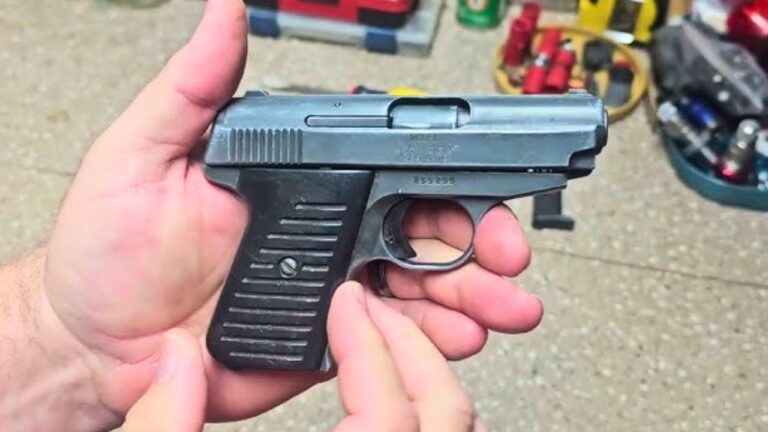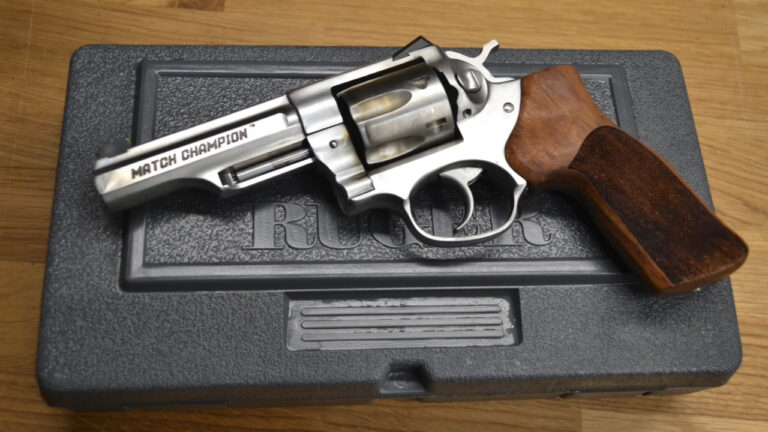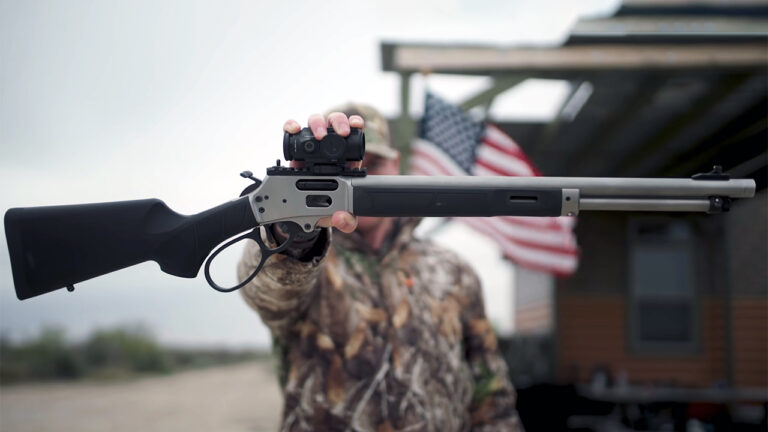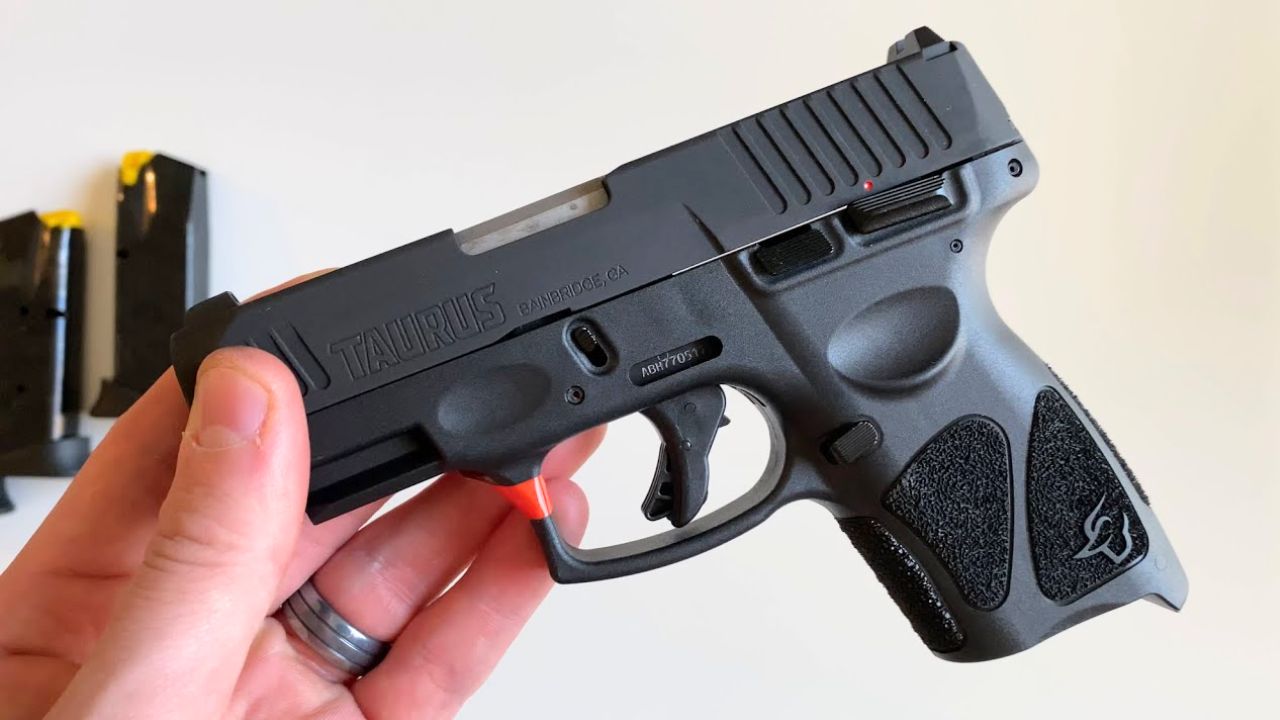
Photo credit: GunBox Therapy/YouTube
Budget pistols don’t usually fail in dramatic ways right out of the box. That’s why people get so confident about them so fast. They shoot a couple boxes, it goes bang, they declare it “just as good,” and they move on. The problem is that the most common budget-pistol failure doesn’t show up in the first 100 rounds, and it doesn’t show up in slow fire. It shows up after the gun has some miles on it, some fouling in it, and the parts that were made to a lower margin start living on the edge. That problem is extraction—specifically, an extractor that starts losing bite, losing tension, or chipping just enough that the gun turns into a stoppage machine when you need it to run.
Most casual shooters don’t notice extractor issues early because the gun will still function while the extractor is slowly getting weaker. It’ll occasionally dribble brass weird. It’ll throw cases inconsistently. It might have a random failure that gets blamed on ammo. Then, one day, it starts choking hard: failures to extract, double-feeds, stovepipes, or a case stuck in the chamber that requires tools to clear. That’s when people finally realize the part they never thought about is the part that just ended the whole show.
Why extractors are where budget guns cut corners
A budget pistol manufacturer has to save money somewhere, and it’s rarely on the parts you can see at the counter. Fit and finish sells guns. A clean slide, decent coating, and a nice-looking frame get attention. Internal parts like extractors, springs, and small pins don’t. That’s why you’ll often see cost savings in metallurgy, heat treatment, or quality control on small components. An extractor can be “good enough” to pass basic function testing and still be living closer to failure than a higher-end part would.
The extractor also does a dirty job. It lives in fouling. It deals with pressure. It’s constantly snapping over case rims and yanking hot brass out of a chamber. If the steel is soft, if the geometry is slightly off, or if the spring tension is marginal, the part will wear faster. You may never notice until you’re past the honeymoon period and you’ve already emotionally committed to the gun.
The early warning signs most people ignore
Extractor problems usually whisper before they scream. Ejection becomes inconsistent—brass goes everywhere instead of in a predictable zone. You’ll see cases barely dribble out, or you’ll get a random stovepipe when everything else felt fine. Some shooters also notice the slide feels “different” when cycling by hand, especially if the extractor claw is rough or the spring tension is weird. Most people ignore this because the gun is still running “most of the time,” and “most of the time” is how unreliable guns sneak into carry rotation.
Another warning sign is an increase in failures when the gun gets dirty. A strong extractor setup will usually still pull cases even when things are gritty. A marginal extractor will start slipping once carbon builds up. That’s why some budget pistols look fine for the first couple clean range trips and then start acting up later. The shooter thinks the gun is “ammo picky.” The truth is the extractor system is barely hanging on.
Why this failure is so disruptive compared to other issues
A lot of gun problems still let you limp along. Extraction problems often don’t. When an extractor loses bite, you can end up with a spent case stuck in the chamber and a fresh round trying to feed behind it. That’s a classic double-feed jam, and it’s one of the worst stoppages to clear quickly. In a class, it’s annoying. In a defensive context, it’s the kind of stoppage that ends your ability to keep shooting unless you’ve trained hard on clearing and you’ve got time you probably won’t have.
This is why “it ran 200 rounds” isn’t a real reliability test. A lot of extractors don’t die in the first 200. They die later, when wear and heat cycles catch up. People mistake short-term function for long-term durability, and extractors are the part that punishes that mistake.
The harsh truth about “cheap now, expensive later”
Once an extractor starts failing, you’re usually not done spending money. You’ll likely replace the extractor, the spring, and sometimes related parts. You may need a gunsmith if the geometry or fit is off. And if the gun is a less-common budget model, parts availability can be limited or inconsistent. That’s where the “budget” gun becomes a time sink and a money sink. It’s not that it’s impossible to fix. It’s that you’re now investing in a platform you bought to avoid investing.
There are budget pistols that run great long-term, and there are expensive pistols that can have issues. But in the budget category, extractor durability is one of the most common long-term weak points because it’s a small part that does a hard job and doesn’t sell the gun at the counter. That’s why it gets overlooked until it quits.
How to test and monitor extraction like you actually care
If you own a budget pistol and you’re thinking about carrying it, you should put it through a test that stresses the extractor system. Shoot it dirty. Don’t clean it every 100 rounds. Run a few hundred rounds across multiple sessions and watch ejection pattern. Mix ammo types. Run drills that involve speed and heat. Then inspect the extractor claw for chipping or rounding. If you don’t have the discipline to do that, you shouldn’t trust the gun for serious use.
A small flashlight and basic cleaning picks also help you keep the extractor channel honest, because carbon packed behind the claw will create its own problems even on good guns. You can find basic maintenance gear at Bass Pro Shops, but again, the point isn’t shopping—it’s not pretending a gun is reliable when you haven’t stressed the system that most commonly fails.
Like The Avid Outdoorsman’s content? Subscribe to our newsletter so you never miss an article.
Here’s more from us: