Photo credit: The Avid Outdoorsman
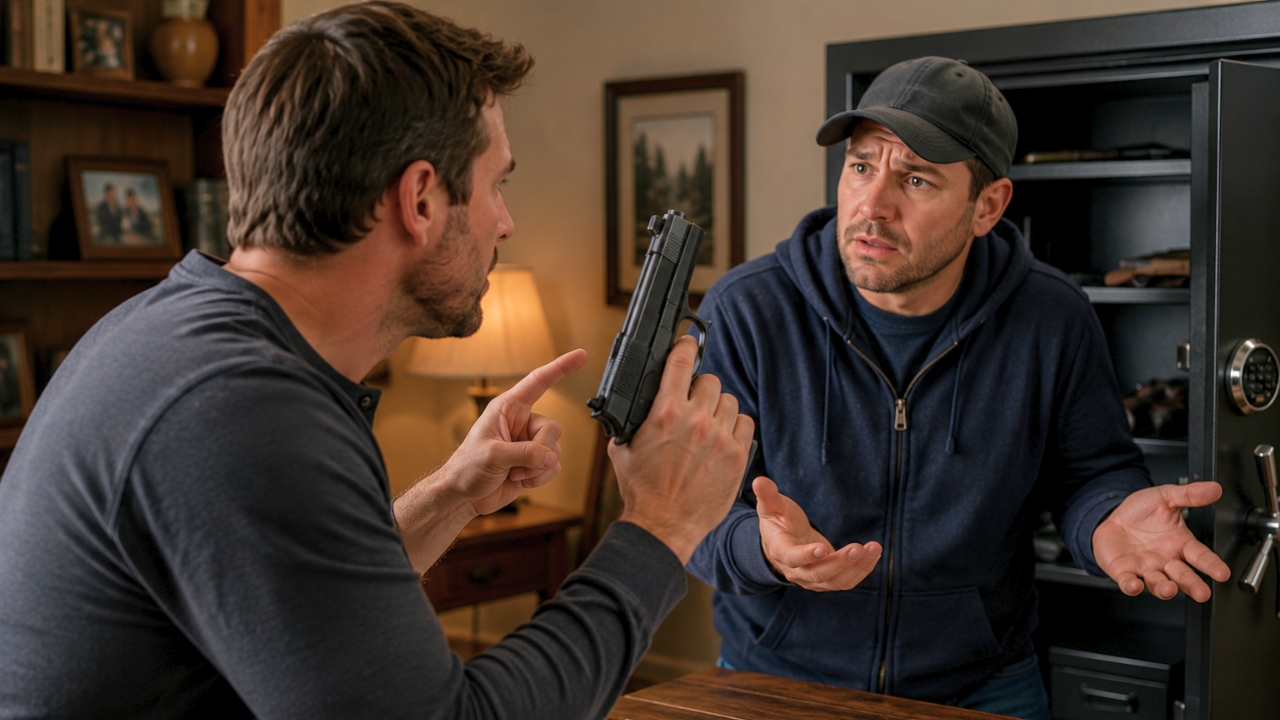
The gun owner said he had just discovered that someone he knew had stolen one of his firearms. According to the Reddit post, that left him trying to figure out what to do next, especially because the person involved was not a random stranger.
The original Reddit post can be found here: https://www.reddit.com/r/legaladvice/comments/4hyi7x/just_discovered_that_i_had_a_gun_stolen_by/
That is where stolen-gun problems get uncomfortable. If a stranger breaks into a car or house and steals a firearm, most people understand the next move immediately: call police, file a report, give the serial number, and document the theft.
It gets harder when the person who took it is someone the owner knows.
The gun owner may have been tempted to handle it privately. That is a common reaction when family, friends, roommates, or acquaintances are involved. Nobody wants to create a criminal case if they think the gun can be returned quietly. Nobody wants to make a report that could hurt someone they know. But with firearms, waiting or making up a cleaner story can create bigger problems.
A stolen gun is not just missing property. It is a weapon that can be sold, pawned, carried, hidden, or used in a crime. If the owner knows it was stolen and does not report it, he could end up in a much worse position later if the gun is recovered somewhere bad. The first question will be why it was never reported.
The post turned on that exact issue. The owner needed to be honest about what happened. If he knew who took it, that needed to be part of the report. If he tried to soften the story, leave names out, or pretend he did not know, he could make himself look suspicious or uncooperative later.
There was also the practical matter of recovery. Police cannot do much with a vague “my gun is missing” report if the owner is withholding the person most likely to have it. A clear report with the serial number, make, model, date, location, and suspected person gives officers a better chance of locating it before it changes hands.
The owner’s personal relationship with the thief did not change the risk. If someone steals a firearm, they have already crossed a serious line. Protecting that person by staying quiet could end up putting the owner, the public, and the firearm’s rightful status in a worse spot.
Commenters told him not to lie, not to hide the suspect’s name, and not to make the report sound different than what he believed happened. Several said a stolen firearm should be reported accurately and immediately.
Others said he needed to gather proof before filing the report if he had it. That could include messages, admissions, witness information, photos of the gun, the serial number, receipts, and anything showing when the firearm disappeared.
Some commenters warned that trying to handle the stolen gun privately could backfire. If the person who took it sold it or used it before returning it, the owner would have no clean record showing he reported the theft when he learned about it.
A few people also said the owner should stop thinking of it as a personal disagreement. Once a firearm is stolen, the problem is bigger than the relationship between the two people involved.
The post ended with the owner facing the responsible choice. He may have known the person who took the gun, but that did not make the theft less serious. The safest move was to tell the truth, report the firearm stolen, and let the paper trail show exactly when he found out and what he did about it.
Like The Avid Outdoorsman’s content? Subscribe to our newsletter so you never miss an article.
Here’s more from us: