Photo credit: The Avid Outdoorsman
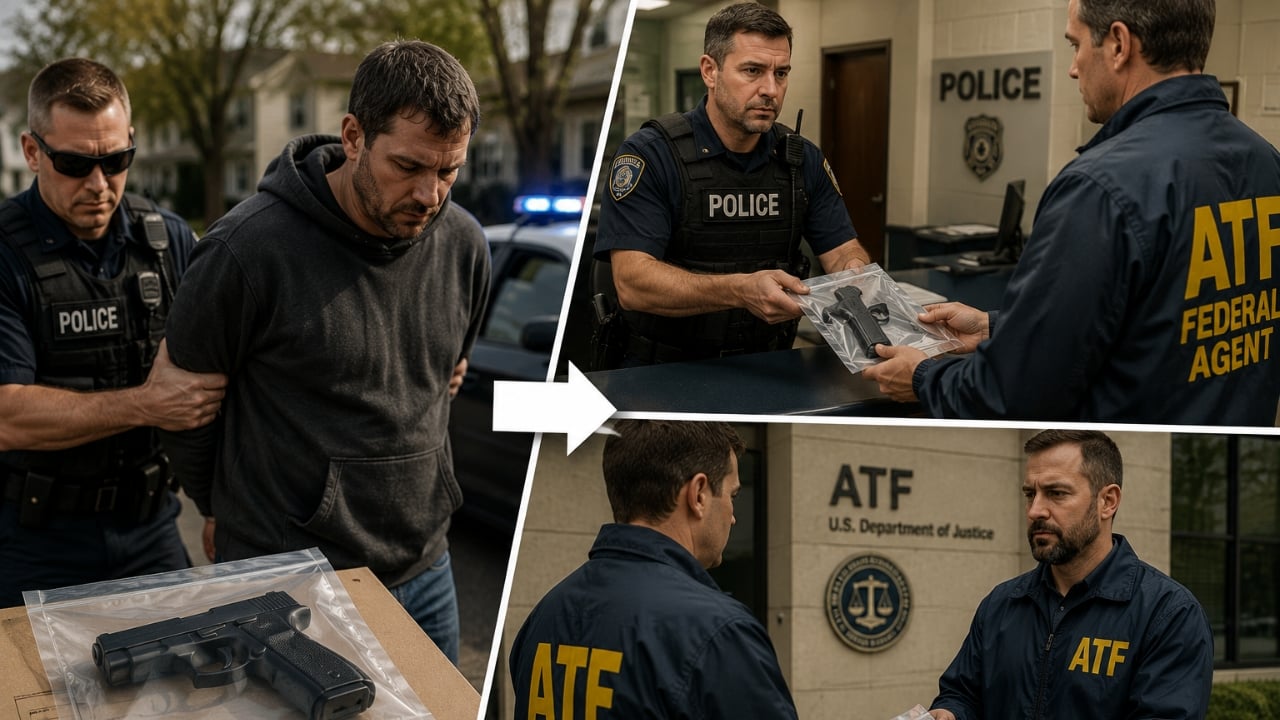
The gun owner said the firearm had already been stolen, which was bad enough. But according to the Reddit post, the gun was later recovered from a felon, and that turned the recovery process into something much more complicated.
The original Reddit post can be found here: https://www.reddit.com/r/legaladvice/comments/1emf1wn/trying_to_get_a_stolen_firearm_back_from_police/
At first, a stolen gun being found sounds like good news. The owner reports it missing, police recover it, and eventually the firearm goes back where it belongs. That is how people hope it works.
But when the gun is recovered in connection with a criminal case, things do not move that simply.
The owner said the firearm ended up tied to a felon, which likely meant it became evidence. Once that happens, the question is no longer just whether the gun belongs to the original owner. Police and prosecutors may need it for charges, evidence handling, lab work, serial number verification, or court proceedings. Even if the owner has receipts and a clean stolen-gun report, the firearm may not be released until the case is resolved or the proper agency clears it.
The frustrating part was that the gun seemed to move between different levels of custody. Local police may have recovered it first, but if federal charges were involved or if a prohibited person had the firearm, federal authorities could become part of the case too. That can leave the owner stuck calling one office, then another, then another, trying to figure out who actually has the gun and who has authority to release it.
For the owner, the firearm was his property. For law enforcement, it may have been evidence. Both things can be true at the same time, and evidence usually wins until the legal process is finished.
This kind of case also shows why reporting a stolen gun correctly matters. A serial number, police report, purchase paperwork, and proof of ownership can help establish that the owner was not connected to the later criminal possession. The report creates the timeline: the gun was stolen before it was found with someone else.
Without that timeline, the situation could look much worse.
The owner’s next step was not likely to be showing up and demanding the firearm. It was finding out which agency had custody, whether the case was still active, what release process existed, and what documents he needed to prove ownership.
Commenters told him to be patient but persistent. Several said if the firearm was evidence in a criminal case, he may not be able to get it back until the case was finished or the prosecutor approved the release.
Others suggested contacting the evidence department, the detective assigned to the case, or the prosecutor’s office rather than only calling the front desk. The person answering general phone calls may not know the status of evidence tied to a specific case.
Some commenters said he should keep copies of every document showing the gun was his and that it had been reported stolen. Receipts, serial numbers, the original theft report, and any recovery notice would all help when it came time to request release.
A few people also warned that federal involvement could slow everything down. If the gun was part of a federal felon-in-possession case, the release decision might not be controlled by the local department anymore.
The post ended with the owner in the strange position of knowing his stolen firearm had been found, but still not being able to take it home. Once a stolen gun becomes evidence, recovery is no longer just about ownership. It is about waiting for the legal system to finish using the firearm for the case it was found in.
Like The Avid Outdoorsman’s content? Subscribe to our newsletter so you never miss an article.
Here’s more from us: