Photo credit: The Avid Outdoorsman
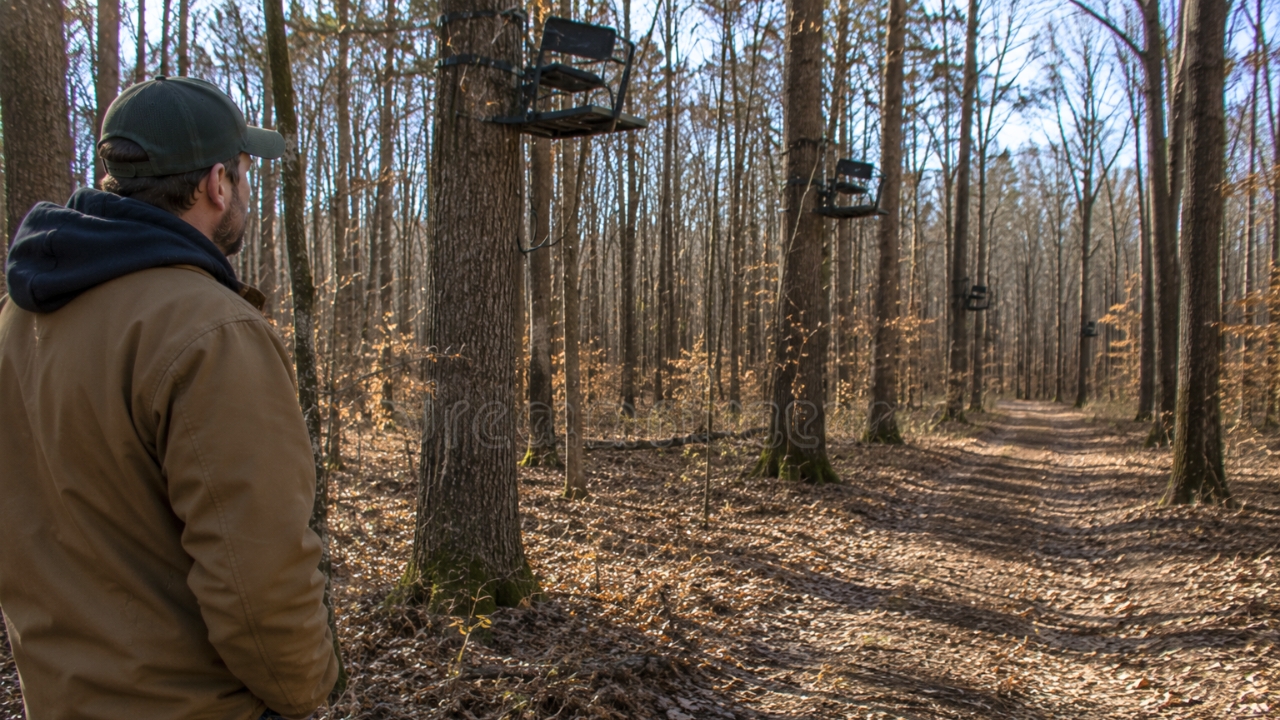
The family thought they knew who had permission to be on the property. According to the Reddit post, the land belonged to the poster’s family, and there were already clear expectations about who could use it. Then they found several treestands set up on the land, and the number made it obvious this was not a one-time mistake.
There were four or five of them.
The original Reddit post can be found here: https://www.reddit.com/r/legaladvice/comments/55kge9/treestands_on_private_property/
That many treestands tells a different story than one lost hunter placing a stand too close to a boundary. Someone had been scouting the land, hauling gear in, picking locations, and likely planning to hunt there more than once. If nobody in the family had given permission, that meant the property was being treated like someone else’s hunting spot.
For a landowner, that is a serious problem. A treestand is not just clutter in the woods. It means someone may return before daylight with a gun or bow. It means they may have cut trails, baited areas, trimmed lanes, or moved around the property without anyone knowing. It also means the family cannot assume they are alone on their own land during hunting season.
The poster wanted to know what they could legally do with the stands. That is where these disputes become irritating. The stands were on private land without permission, but they still belonged to someone. Destroying or keeping them could create a separate fight if the people who placed them came back and claimed the family stole their equipment.
The family also had to think about safety. Catching someone in a treestand during season is not like catching someone picking apples from a tree. The person could be armed, irritated, embarrassed, or convinced they have a right to be there. A direct confrontation in the woods could go bad quickly.
The safest path was to document everything and involve the right authority. Photos, GPS locations, property records, no-trespassing signs, and a call to a game warden could give the family a cleaner way to handle it than dragging the stands out and hoping nobody complained.
Commenters advised the family to document the stands before moving anything. Several said to take photos, mark the locations, and make sure there was proof the stands were on private property.
Others recommended contacting a game warden or conservation officer. Because the issue involved hunting equipment and likely unauthorized hunting, commenters believed wildlife officers would be more useful than treating it like ordinary abandoned property.
Some suggested posting the property more clearly if it was not already marked. If the land was posted and hunters still placed stands there, it would be harder for them to argue they misunderstood the boundary.
A few commenters said the family could leave notes on the stands telling the owners to remove them by a certain date, but others warned that this might alert trespassers before authorities could identify them. Trail cameras were suggested as a way to see who returned without forcing a confrontation.
The post ended with the family facing a problem that had clearly been going on longer than they realized. One stand could be a mistake. Four or five looked like a pattern, and the family had every reason to shut it down before unauthorized hunters treated the land like theirs again.
Like The Avid Outdoorsman’s content? Subscribe to our newsletter so you never miss an article.
Here’s more from us: