Photo credit: Daniel Shumny/Shutterstock.com
Glock is one of the rare gun brands that changed the question. Before Glock, a lot of serious handguns were judged through an older lens: metal frames, hammers, manual safeties, decockers, double-action first shots, and more traditional service-pistol thinking. Then Glock showed up with a polymer-framed, striker-fired pistol that looked plain, worked hard, carried plenty of rounds, and made simplicity feel like an advantage instead of a shortcut.
That is why every handgun maker still has to answer Glock in some way. A new defensive pistol may beat Glock in grip feel, trigger quality, optics mounting, factory sights, modularity, or price. Plenty do. But the comparison still comes back to Glock because the company helped define the modern striker-fired pistol category. Glock’s own history says the pistol was accepted by the Austrian Army in 1983, passed NATO durability testing in 1984, and was selected by the Norwegian Army as a standard sidearm soon after.
1. Glock Made Polymer Frames Impossible to Ignore

Polymer-framed pistols were not always treated seriously. Early skeptics saw them as strange, cheap-looking, or too different from traditional steel and aluminum handguns. Glock changed that by putting polymer into a service pistol that could survive hard use.
That forced the rest of the handgun market to respond. Once enough agencies, militaries, instructors, and regular shooters saw that a polymer pistol could be durable, light, and reliable, the old arguments started sounding weaker. Today, polymer frames are everywhere. Glock was not the only company to use polymer, but it was the brand that made the idea impossible to dismiss.
2. Glock Turned Simplicity Into a Selling Point
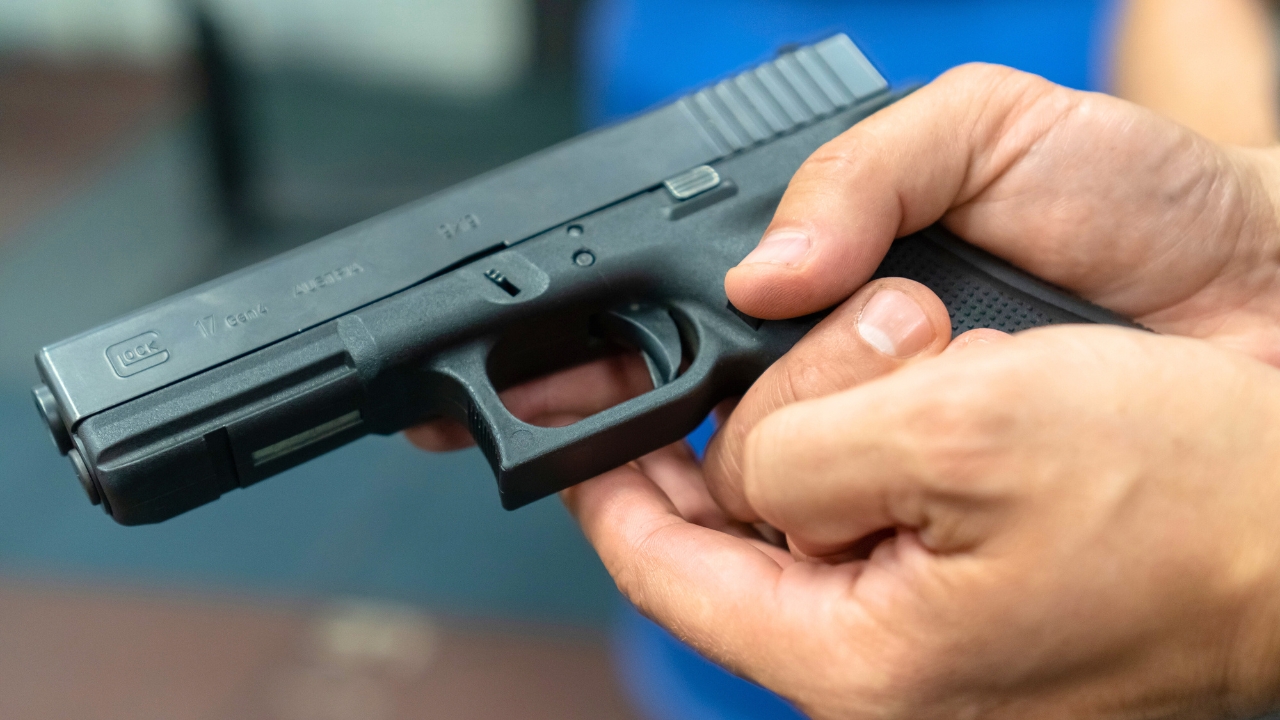
Glock did not win people over with fancy lines or complicated controls. It won them over with a pistol that was simple to load, simple to fire, simple to fieldstrip, and simple to maintain. That simplicity became part of the brand’s identity.
That changed what buyers expected from defensive handguns. A pistol no longer had to be covered in external controls to feel serious. In fact, fewer controls became a strength for many shooters. Glock made the idea of a clean, consistent, striker-fired pistol feel normal, and competitors have been chasing that formula ever since.
3. The Safe Action System Changed the Conversation
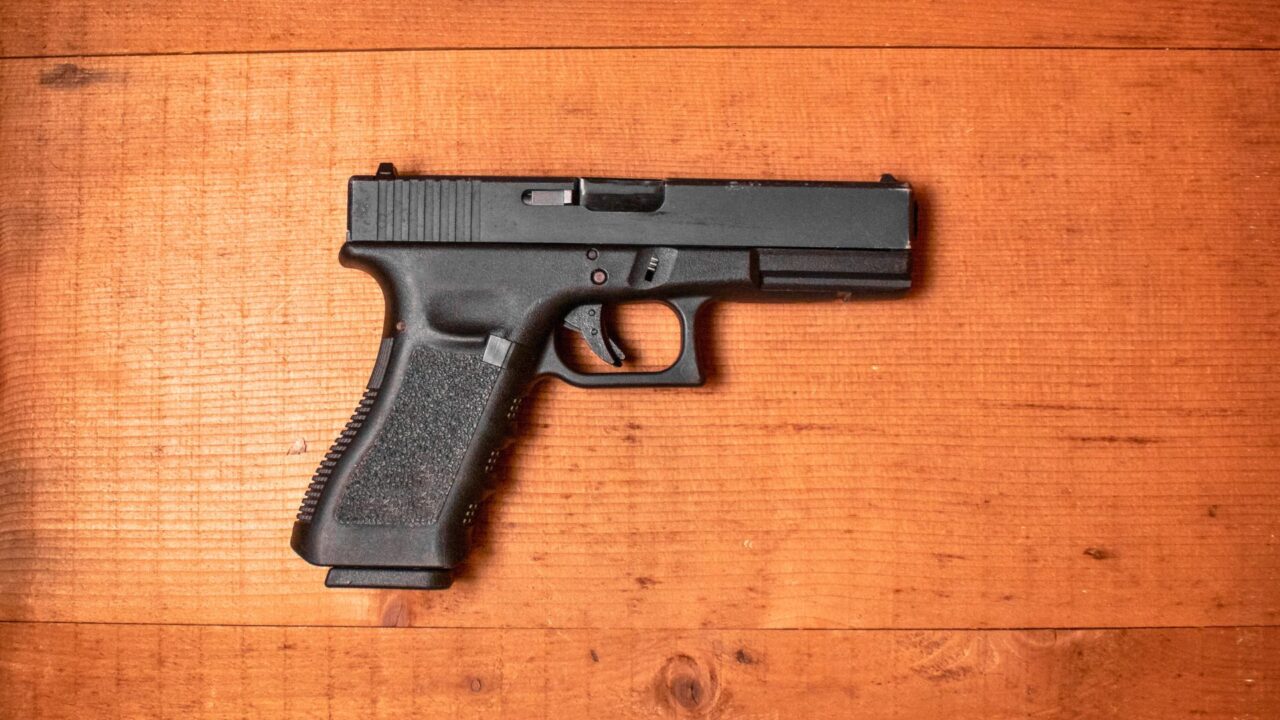
Glock’s Safe Action system gave the pistol three passive, independently operating mechanical safeties that disengage as the trigger is pulled and re-engage when the trigger is released. Glock describes it as a fully automatic safety system built around trigger, firing pin, and drop safeties.
That mattered because it let Glock avoid the traditional manual-safety/decocker setup while still building safety mechanisms into the pistol. Shooters could carry a gun with no thumb safety to sweep off and no hammer to manage. Not everyone likes that system, and safe holstering still matters deeply. But the design changed what many people expected from duty and carry pistols.
4. Glock Made the Trigger Pull Consistent
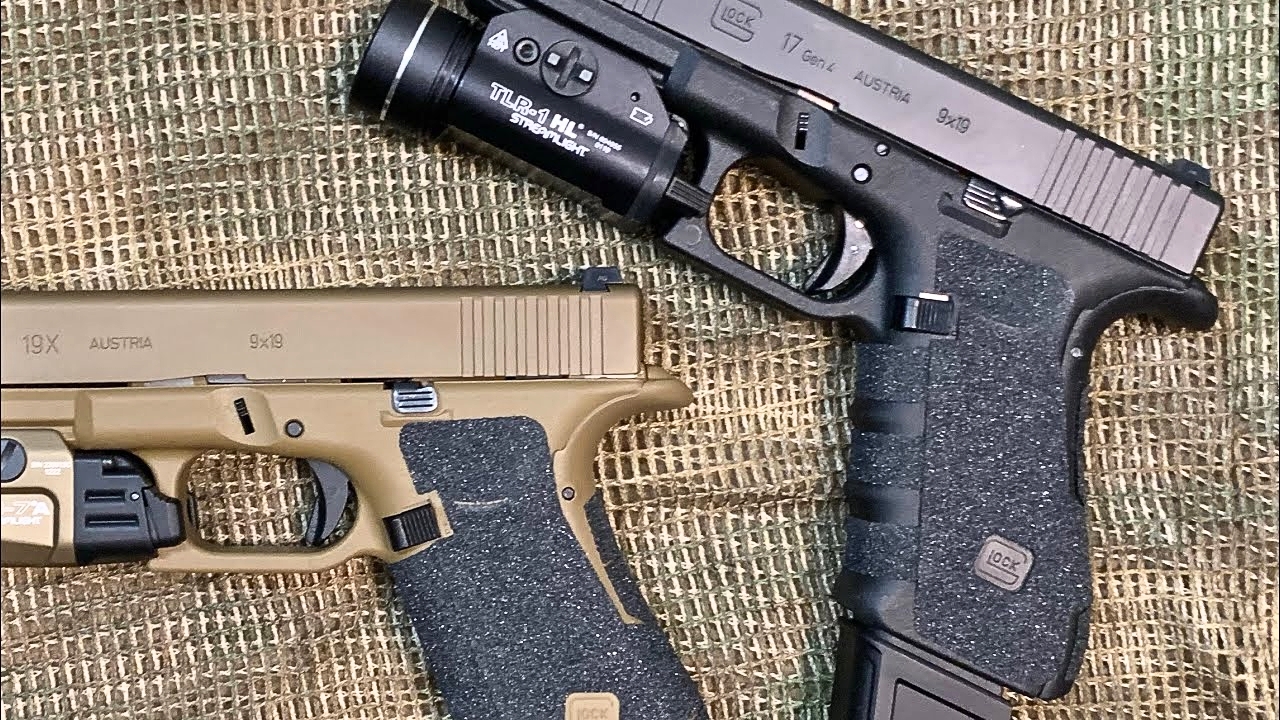
The Glock system gave shooters the same general trigger pull from first shot to last. Glock’s European Safe Action page describes the system as providing a consistent trigger pull from the first to the last round.
That was a big deal compared with traditional DA/SA pistols, where the first shot was longer and heavier and follow-up shots were lighter. DA/SA pistols still have serious supporters, but Glock made consistency the modern default. A lot of today’s striker-fired pistols are built around that same basic appeal: press the same trigger every time and train the same trigger every time.
5. The Glock 17 Proved the Formula First
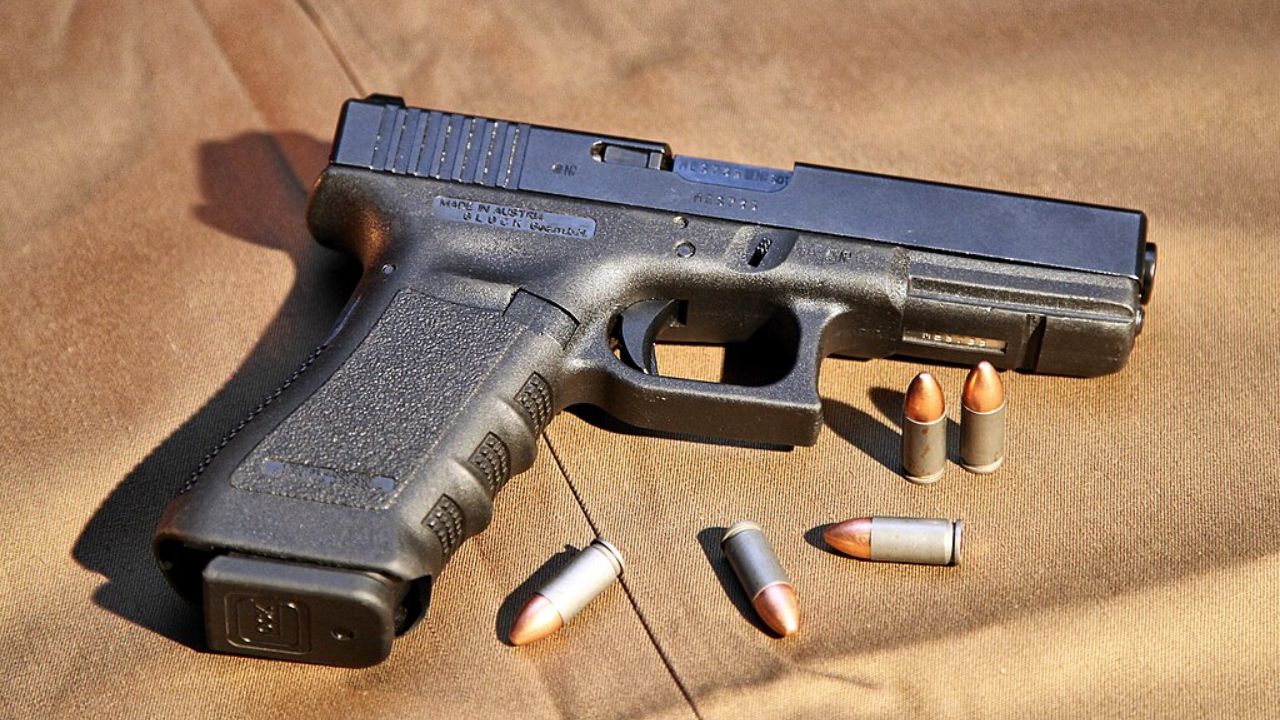
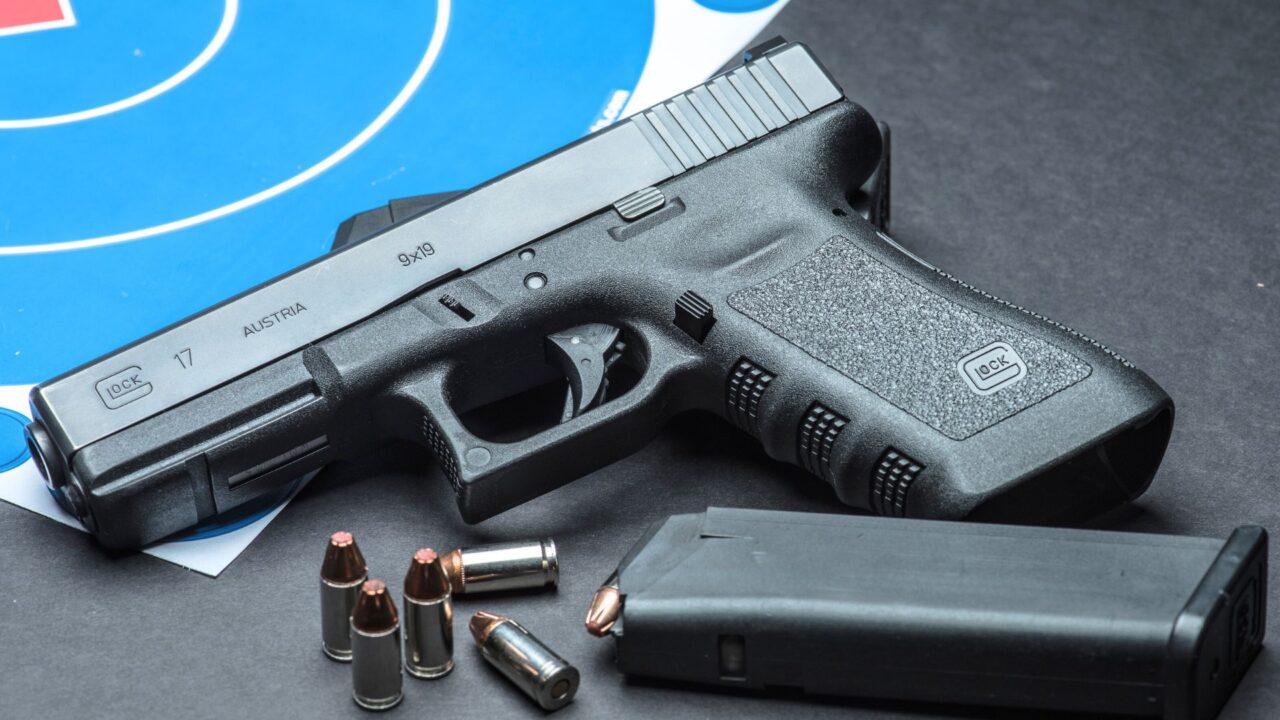
The Glock 17 was the pistol that proved the whole idea could work. It was not pretty in the old-school sense, but it held 17 rounds of 9mm, used a polymer frame, and ran through serious testing. Glock says the pistol was accepted by the Austrian Army in 1983, then passed NATO durability testing in 1984.
That gave the brand early credibility. Glock was not only telling civilians that its pistol was durable. It had military adoption and durability testing behind it. Once that reputation started spreading, the G17 became more than a new handgun. It became proof that the old service-pistol rules were changing.
6. Glock Made 9mm Feel Like the Practical Standard

Glock did not invent 9mm popularity, but it helped cement 9mm as the practical defensive handgun cartridge for a huge number of shooters. The Glock 17 and Glock 19 gave people reliable, high-capacity, manageable 9mm pistols that were easy to train with.
That mattered as ammunition improved and shooters cared more about capacity, recoil control, and practice volume. A 9mm Glock became the simple answer for police departments, new buyers, concealed carriers, and home-defense users. Other calibers still have fans, but Glock helped make 9mm the baseline most handgun makers still build around.
7. Glock Made the Compact 9mm the Center of the Market

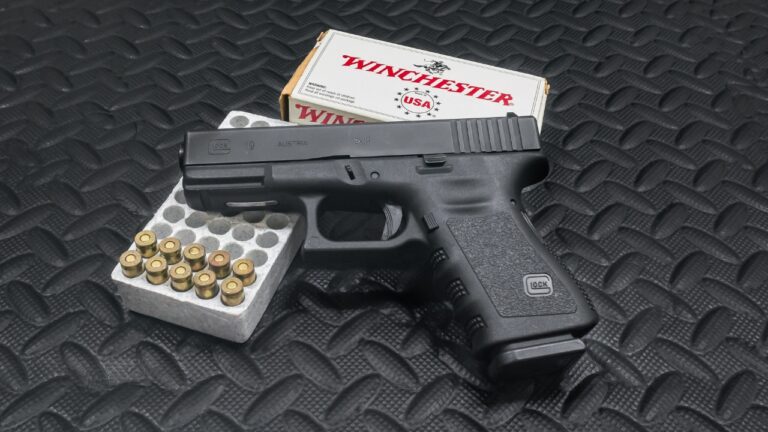
The Glock 19 may be the clearest example of Glock’s influence. It was compact enough to carry, large enough to shoot well, and held enough rounds to feel serious. That size-to-capacity balance became the measuring stick for modern compact pistols.
Every compact 9mm still gets compared to it. The SIG P320 Compact, M&P Compact, CZ P-10 C, Walther PDP Compact, HK VP9, Springfield Echelon Compact, and countless others all live in a world Glock helped define. Even when another pistol beats the Glock 19 in certain features, the comparison usually starts there.
8. Glock Forced Everyone to Care About Reliability Reputation

Glock built its name around reliability. That reputation became so strong that other handgun makers had to prove they could match it. It was no longer enough for a pistol to feel good in the hand or look better in the display case. Buyers wanted to know whether it would run dirty, run hot, run through classes, and keep working with common ammo.
That pressure helped the whole market. Competitors had to tighten quality, improve magazines, test harder, and support their guns better. Glock’s reliability reputation became a wall every new striker-fired pistol had to climb.
9. Glock Made Maintenance Feel Less Intimidating

A Glock is easy to fieldstrip, easy to clean, and easy to keep running with basic care. That mattered for agencies, armorers, instructors, and regular owners. A pistol that does not need a gunsmith for routine maintenance is easier to issue, easier to train on, and easier to trust.
That changed expectations. Modern handguns are now judged partly on how easy they are to maintain. Can the owner clean it without a fight? Can parts be replaced easily? Can armorers support it? Glock made those boring ownership details part of the buying decision.
10. Glock Built One of the Strongest Aftermarkets in Handguns

Glock’s aftermarket is enormous. Triggers, sights, barrels, slides, frames, magazine releases, connectors, holsters, optic cuts, lights, baseplates, and internal parts are everywhere. Some upgrades are useful. Some are questionable. Either way, the support is massive.
That made Glock feel safer to buy. Owners knew they could find holsters, magazines, parts, and upgrades almost anywhere. Competitors now have to answer that too. A pistol may have better factory features, but if holsters and magazines are hard to find, buyers notice. Glock made support ecosystem part of the standard.
11. Glock Became the Default Law Enforcement Answer
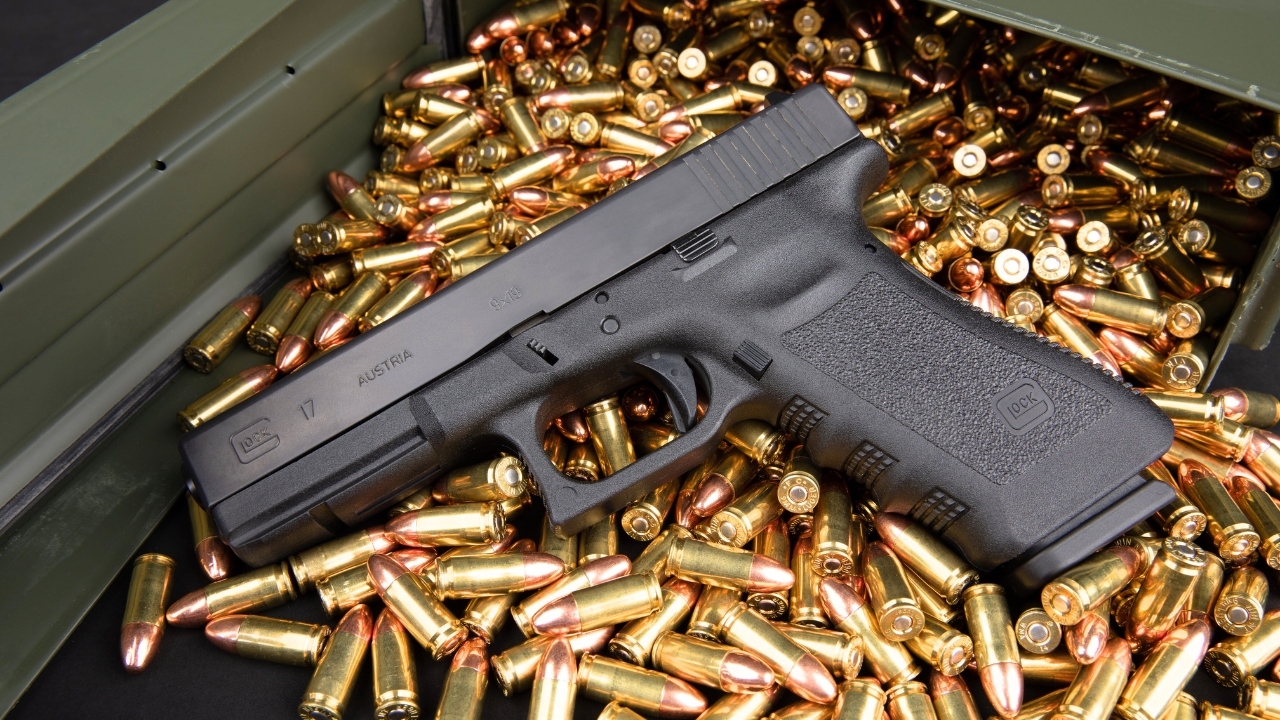
Glock became deeply tied to law enforcement in the United States and abroad. The company’s history points to early military adoption in Austria and Norway, and Glock’s U.S. growth became strongly connected to police use.
That professional presence helped sell the brand to civilians. A pistol carried by officers and agencies feels proven to buyers, even if agency adoption is never a perfect measure of what an individual should carry. Glock gained a credibility loop: agencies bought them, civilians trusted that adoption, and more departments saw the guns everywhere.
12. Glock Made “Boring” a Compliment

A lot of Glock pistols are not exciting. They are plain, blocky, black polymer pistols with decent triggers, basic sights on many models, and very little visual romance. But that plainness became part of the appeal.
Shooters started using “boring” as praise. A boring pistol is one that runs. A boring pistol does not need constant tinkering. A boring pistol gets carried, trained with, dropped in holsters, cleaned occasionally, and trusted. Glock made boring feel smart, and that is a harder trick than it sounds.
13. Glock’s Generations Kept the Brand Moving Without Losing the Formula
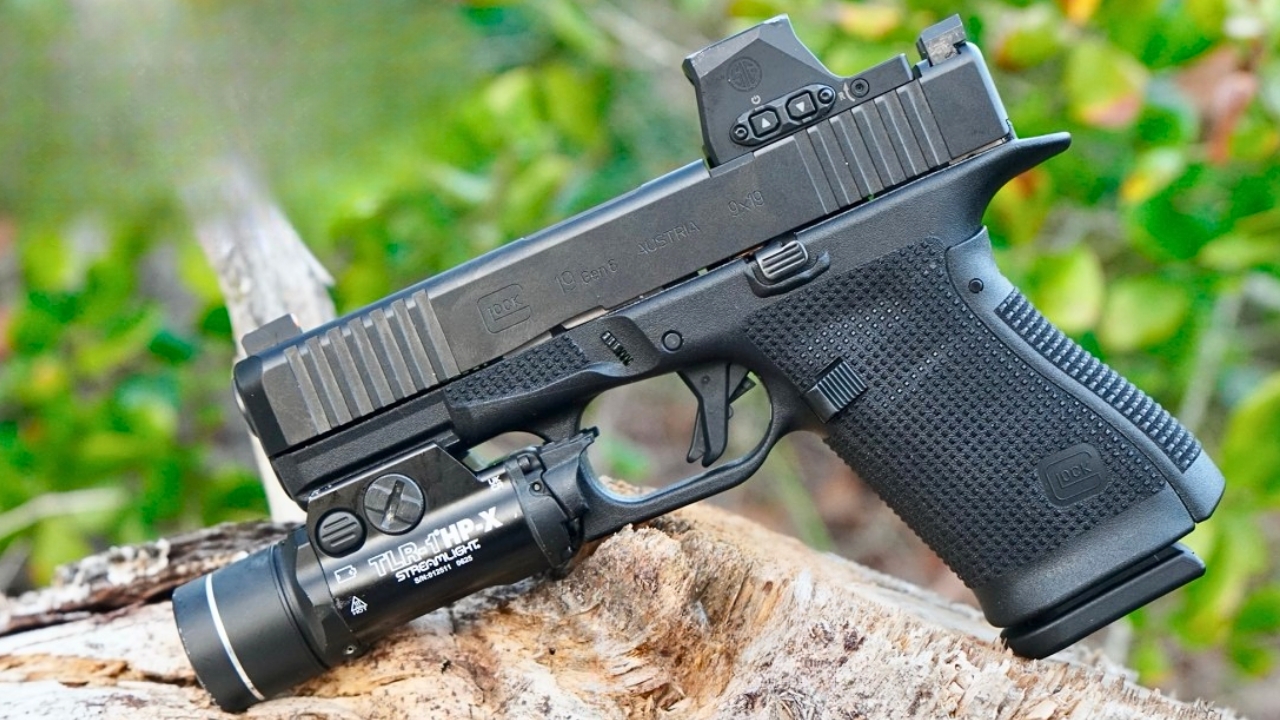
Glock has changed over time, but usually in careful steps. Gen5 pistols brought updates like front serrations, nDLC finish, ambidextrous slide stop lever, reversible magazine release, flared magwell, removal of finger grooves, the Glock Marksman Barrel, and a smoother trigger pull.
That matters because Glock has had to modernize without alienating the people who like the simple formula. The brand moves slower than some shooters want, but that is also part of why Glock pistols feel familiar across generations. The company changes enough to stay relevant while keeping the core identity recognizable.
14. Glock Made Every Rival Prove Its Difference

One of Glock’s biggest wins is that competitors have to explain why they are better. Better grip? Better trigger? Better optic system? Better sights? More modularity? Lower price? More capacity? Cleaner ergonomics? Every newer handgun has to make its case against the Glock baseline.
That is real power. A brand becomes dominant when even people who dislike it still use it as the reference point. Glock may not be the best pistol for every shooter, and plenty of rivals beat it in specific areas. But those rivals still have to answer the Glock question: why should someone choose this instead?
15. Glock Became Bigger Than Any One Model

Glock became the brand every handgun maker has to answer because it is bigger than the Glock 17, Glock 19, Glock 43X, Glock 45, or Glock 48. The company changed what people expected from modern defensive pistols: polymer frames, striker-fired consistency, simple controls, high reliability, easy maintenance, broad magazine support, and massive aftermarket backing.
That is the real legacy. Glock did not make every older handgun obsolete, and it does not build the perfect pistol for every person. But it forced the market to shift. If a handgun maker builds a striker-fired defensive pistol today, it is building in Glock’s shadow whether it admits it or not.
Like The Avid Outdoorsman’s content? Be sure to follow us.
Here’s more from us: