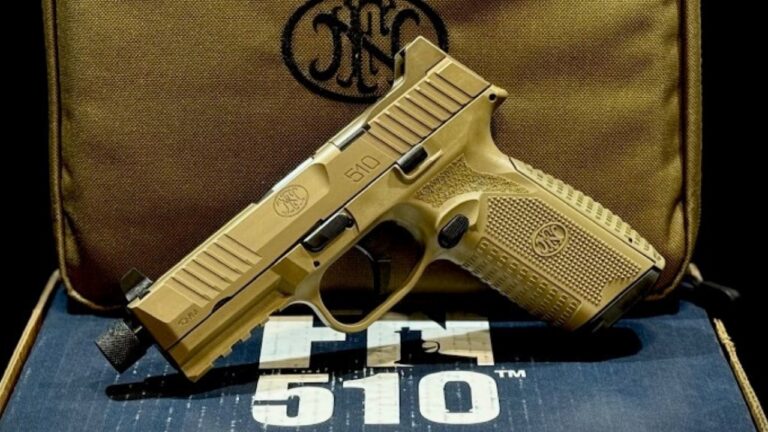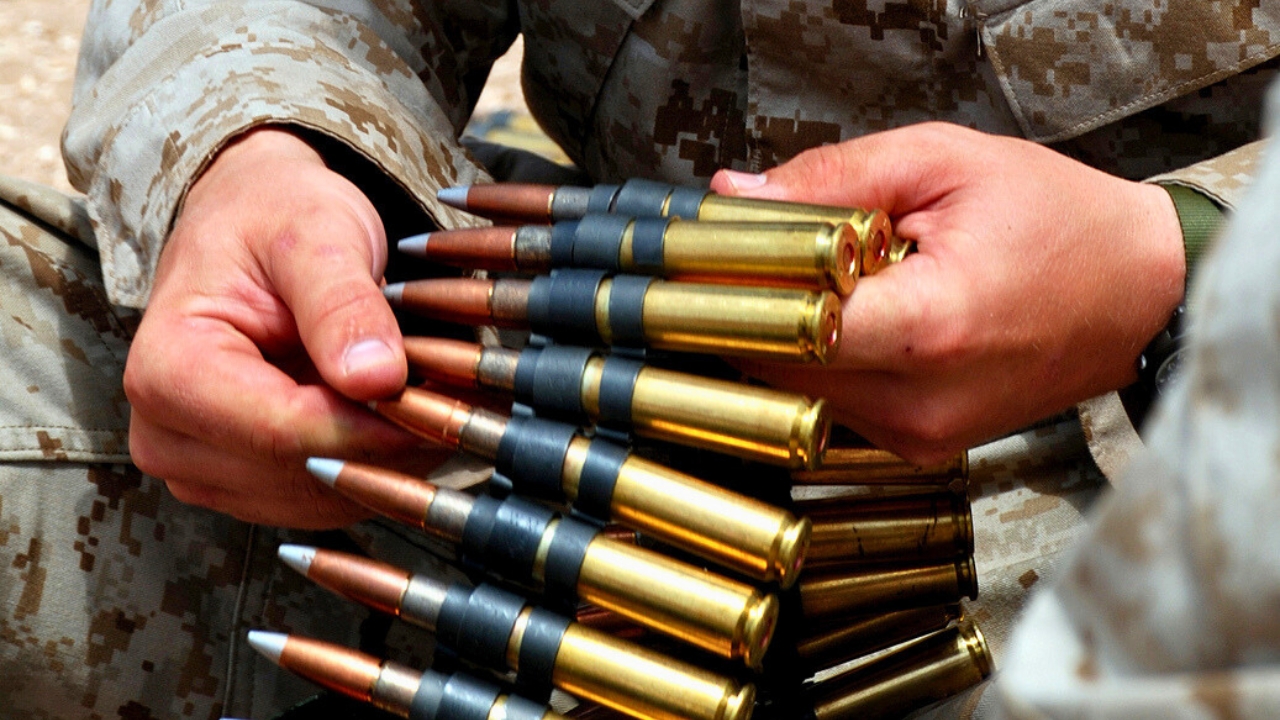
Photo credit: Master Sgt. Grady T. Fontana – Public Domain/Wiki Commons
There’s a reason certain calibers stick around across wars, branches, and generations. The U.S. military doesn’t gamble when it comes to ammunition. These are the rounds that earned their place through decades of reliability, combat effectiveness, and battlefield performance. Some of them might not be flashy, but they’ve proven themselves in harsh environments and high-stakes situations—and you can still count on them today.
.30-06 Springfield

The .30-06 served the U.S. military for over 50 years, starting in 1906 and seeing action through World War II and Korea. It was chambered in legendary rifles like the M1903 Springfield and the M1 Garand, making it one of the most battle-tested cartridges in American history.
It offered solid ballistics and long-range capability, especially with heavier projectiles. Even after it was phased out, the .30-06 remained a favorite among American hunters and shooters. Its legacy lives on in civilian rifles that trace their roots straight back to military designs.
5.56x45mm NATO

Adopted during the Vietnam War, the 5.56 NATO became the standard rifle round for American forces. It replaced the heavier 7.62 NATO in the push for lighter gear and higher magazine capacity. The M16, M4, and now the M27 IAR all run this caliber.
Its performance has evolved over time with new bullet designs and twist rates, making it more effective in real-world combat than critics originally claimed. Lightweight, accurate, and fast, it remains one of the most widely used military rounds around the world.
7.62x51mm NATO
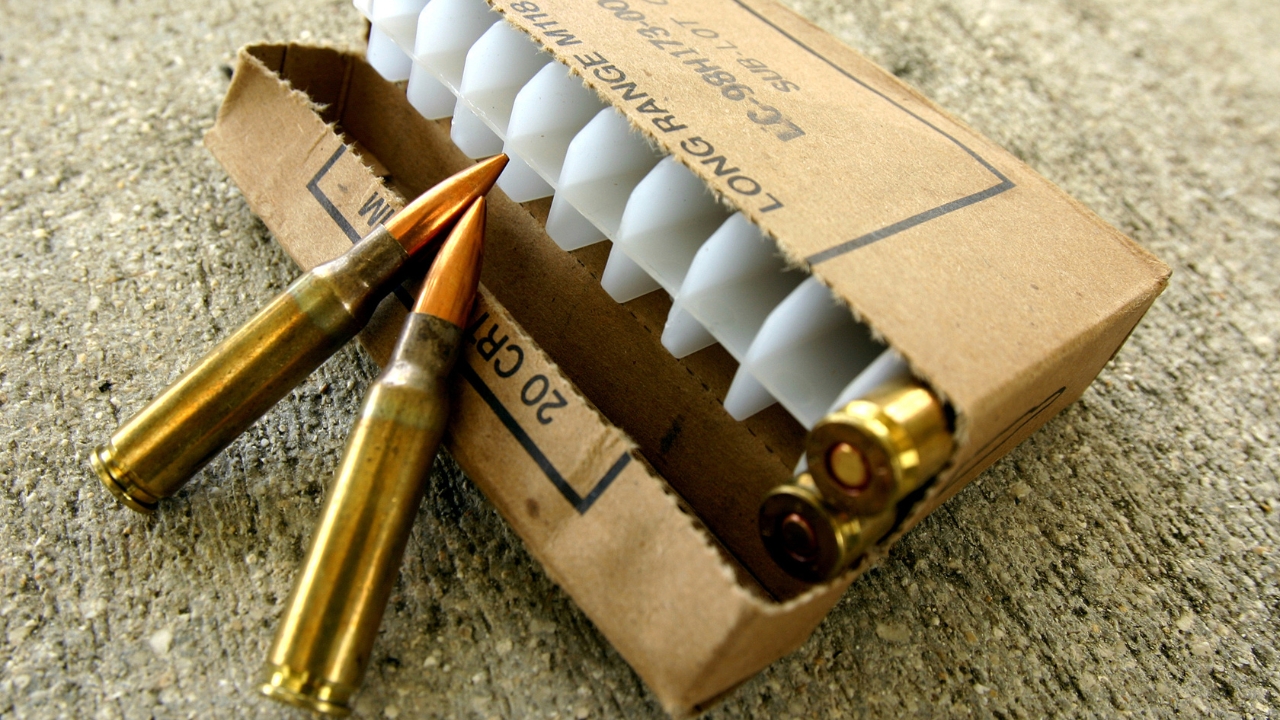
After the .30-06, the 7.62 NATO became the U.S. military’s new full-power rifle cartridge. It powered the M14 and continues to see use in designated marksman rifles, machine guns like the M240, and long-range precision platforms.
While it’s heavier than the 5.56, it offers better performance at distance and through barriers. That’s why it’s still trusted for roles where stopping power and reach matter more than weight. You’ll find it in the hands of snipers and gunners across multiple branches.
.45 ACP

The .45 ACP earned its reputation through the M1911, which served as the standard-issue sidearm from 1911 through the 1980s. Known for its stopping power at close range, it proved effective in both World Wars and beyond.
Even though newer designs have replaced the 1911 in official use, the .45 ACP remains popular among special operations units and civilian shooters. Its subsonic nature also makes it suppressor-friendly, giving it continued utility in tactical roles.
9x19mm Parabellum
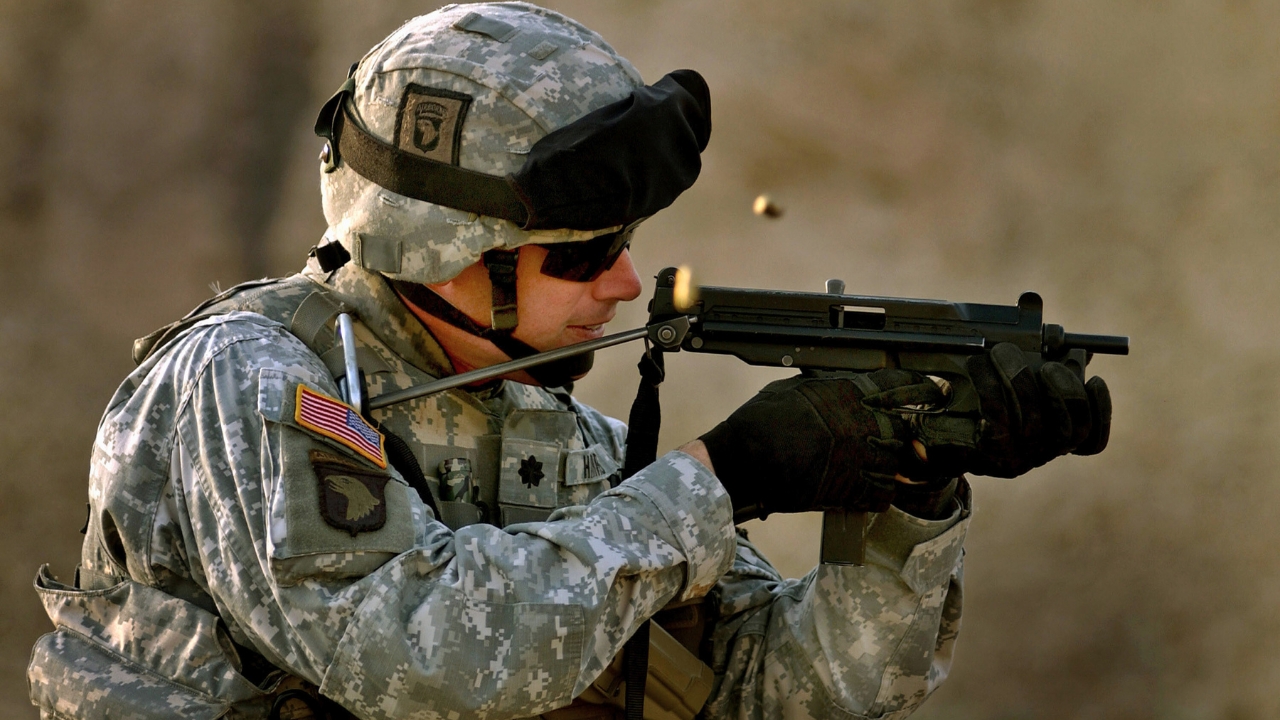
The 9mm took over from the .45 ACP as the standard sidearm round in the 1980s with the adoption of the Beretta M9. It’s now used in the Sig Sauer M17 and M18 pistols, marking its continued reign in the U.S. military.
It’s lightweight, controllable, and allows for higher magazine capacity. Critics doubted its stopping power early on, but modern bullet design has improved its performance in combat and defensive use. It’s now standard across most NATO forces for good reason.
.50 BMG
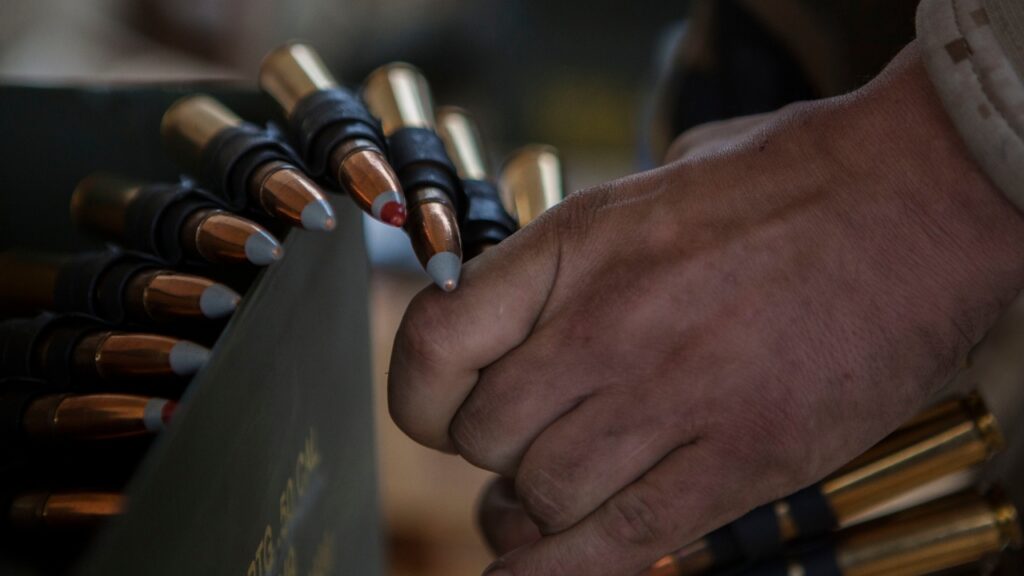
Developed in the early 20th century, the .50 BMG was designed for the M2 machine gun, which is still in service today. It delivers massive energy and is used for everything from vehicle suppression to anti-materiel roles.
You’ll also find the .50 BMG in sniper platforms like the Barrett M82. Its long-range capability and penetration make it valuable in modern combat. Few rounds are as iconic—or as loud—as the half-inch beast the military still counts on.
.38 Special

Before semi-autos became the norm, the .38 Special was the go-to round for U.S. military police and pilots. It was especially common during World War II in revolvers like the Victory Model.
It offered manageable recoil and decent performance in a compact package, ideal for backup or close-quarters carry. While it’s no longer standard issue, it paved the way for revolvers in service roles and left a lasting mark on law enforcement and military gear.
.30 Carbine

Designed for the M1 Carbine, the .30 Carbine was meant to fill the gap between pistols and full-sized rifles. It saw heavy use in World War II and Korea, offering a lighter platform for officers, support troops, and paratroopers.
It’s not a powerhouse round, but it was light, fast, and easy to shoot. The M1 Carbine became one of the most-produced military firearms ever, and this cartridge gave it the speed and range it needed for mid-range fights.
6.8mm Remington SPC
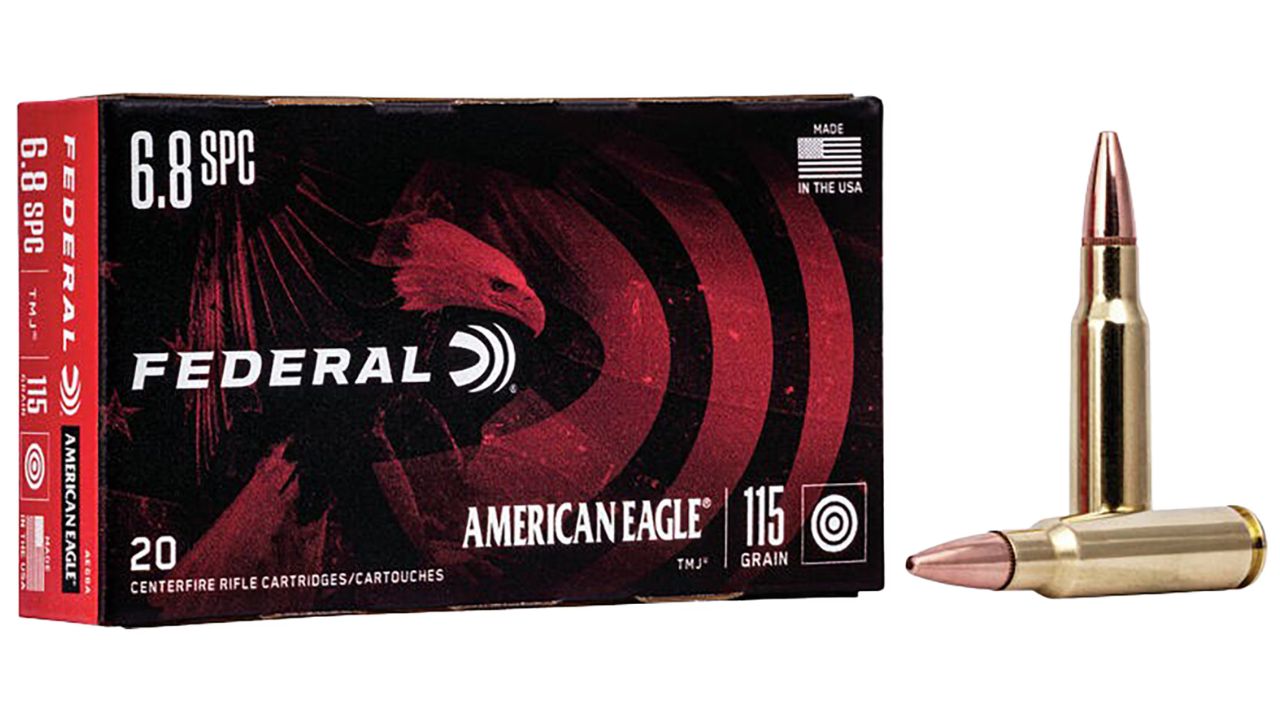
The 6.8 SPC was developed with special operations in mind, aiming to outperform 5.56 in terms of energy and terminal performance. Though it never became standard issue, it saw some use in SOCOM units looking for better performance in short barrels.
It fits into standard AR platforms with minimal changes, making it attractive for specialized builds. It never fully replaced the 5.56, but it proved there’s room for improvement in intermediate cartridges when mission needs shift.
.300 Winchester Magnum
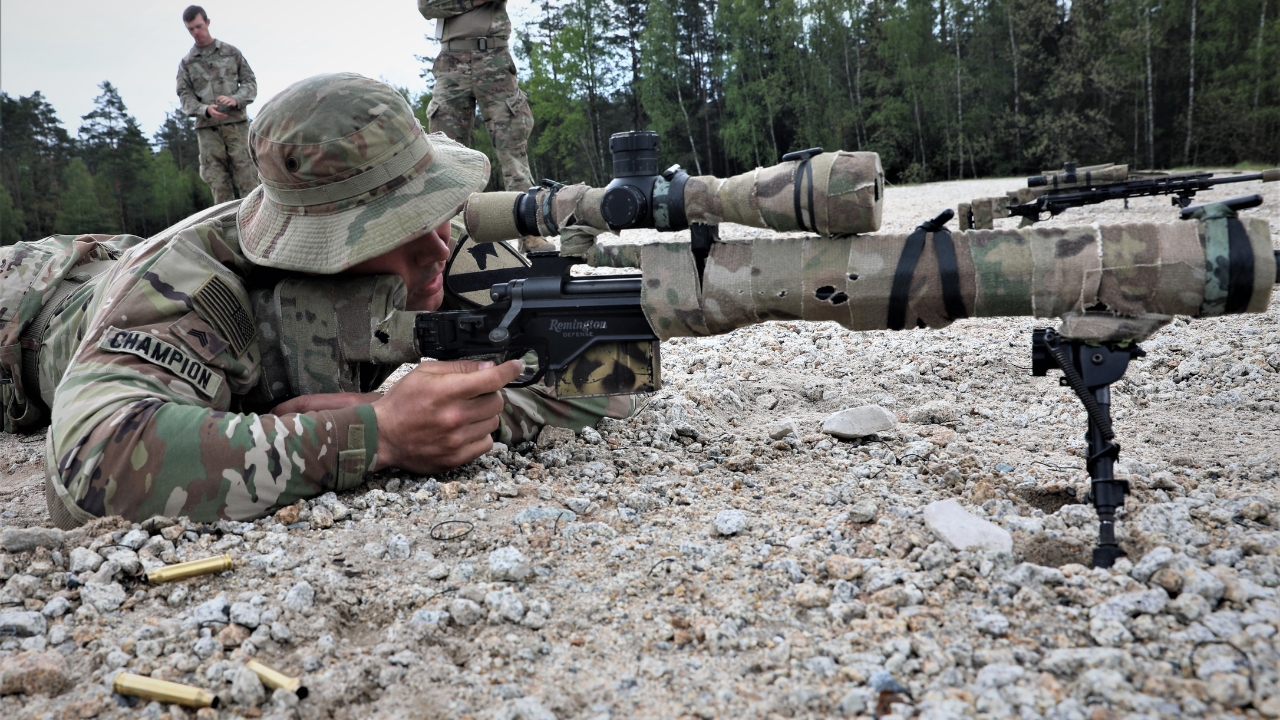
Used primarily by snipers, the .300 Win Mag gives you more range and energy than the 7.62 NATO without stepping into the .50 BMG category. It’s been used in platforms like the M2010 Enhanced Sniper Rifle and continues to serve in long-range precision roles.
This round offers better wind resistance and terminal ballistics at extended ranges, which is why it became a favorite in Afghanistan’s open terrain. If you’re reaching past 1,000 yards, it still earns its keep.
6.5 Creedmoor

The 6.5 Creedmoor is a newer addition, recently adopted for some sniper and designated marksman roles. It offers flatter trajectories, less recoil, and better wind performance than 7.62 NATO, all while fitting in the same platform size.
It’s been heavily tested by SOCOM and precision shooting units. While it’s not replacing anything across the board, it’s carving out a space thanks to its consistency and long-range precision. In modern warfare, accuracy matters more than ever.
.300 Blackout

Built for suppressed fire and short barrels, the .300 BLK has found its way into special operations units that need something compact and quiet. It can cycle both supersonic and subsonic loads without modification, giving it serious flexibility in the field.
Its effectiveness drops off at distance, but inside 200 yards, it delivers far more punch than 5.56—especially when suppressed. For close-quarters use and night missions, this round offers a real tactical advantage without sacrificing AR platform familiarity.
*This article was developed with AI-powered tools and has been carefully reviewed by our editors.