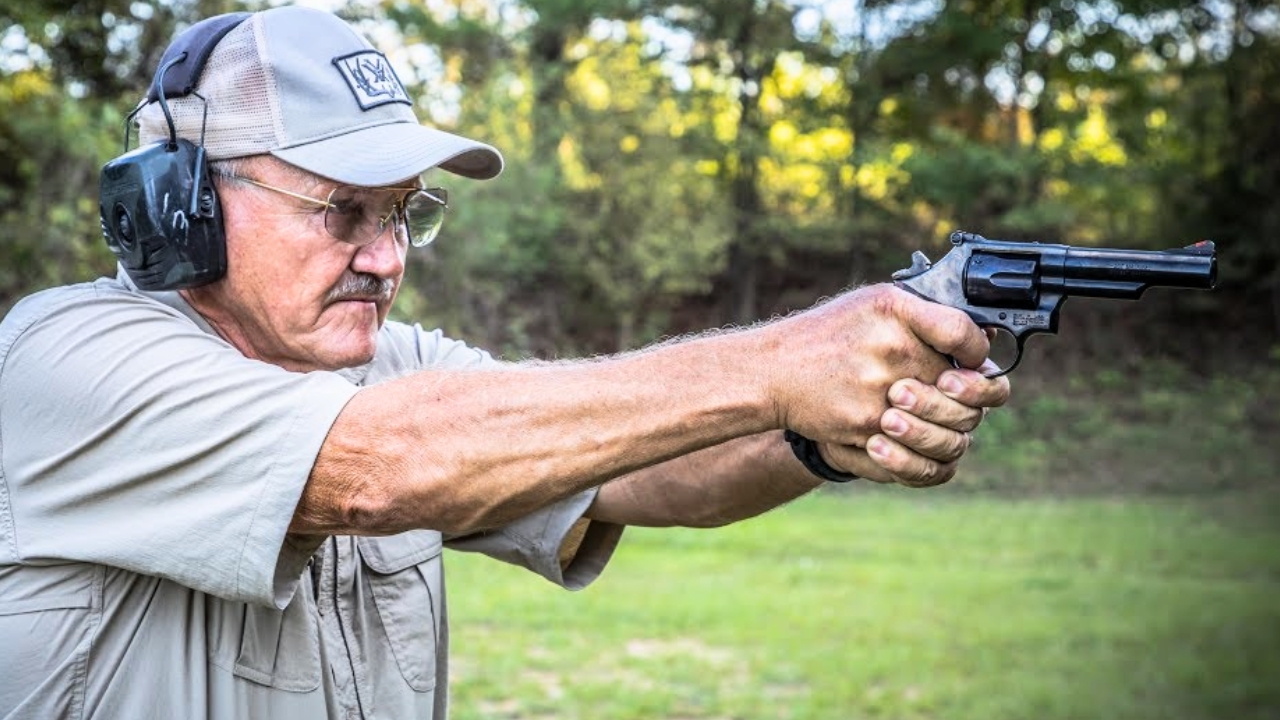
Photo credit: Lena Miculek – Trigger Tribe/YouTube
Some pistols don’t impress you in the first magazine. They feel a little stiff. The trigger has a hint of grit. The controls are sharp, the sights feel dated, and you wonder why anyone still cares. Then you put real time on the gun—hundreds of reps, a couple spring changes, a few holster scuffs—and it starts to make sense.
The truth is, certain designs wear in instead of wearing out. The bearing surfaces polish. You learn the reset. The gun starts tracking flatter because you quit fighting it. Old-school materials also age with a kind of honesty: bluing thins where your hands live, edges round off, and the whole thing becomes more yours than new.
These are the pistols that reward patience. You won’t understand them from a glass counter or a quick rental lane. You only find out after you carry one, clean it, shoot it, and let it teach you what it does well.
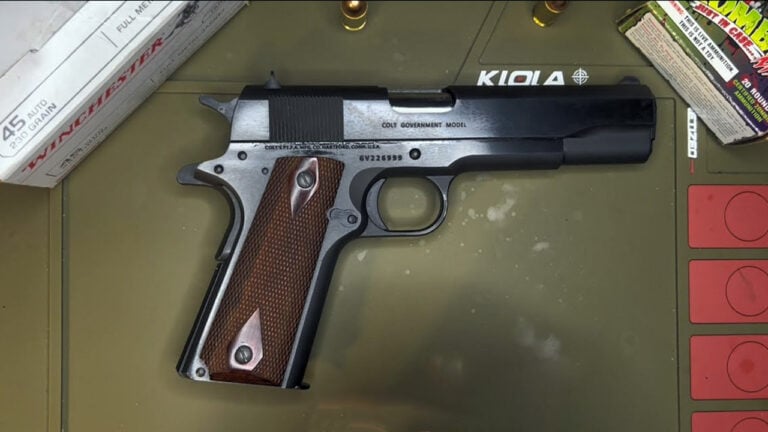
Colt Government Model Series 70

A Series 70 Colt Government Model can feel tight and a little gritty when it’s fresh, especially if you’re used to a Glock 19 Gen5. Give it time. The slide-to-frame feel smooths out, the trigger break becomes more predictable, and the whole pistol starts to run like it’s on rails.
What really changes is you. You learn what a good 1911 reset feels like, how the safety clicks on and off without drama, and how the gun rewards a consistent grip. Keep it lubricated, replace springs on schedule, and feed it magazines that actually work. After that, the pistol stops feeling “old” and starts feeling deliberate. A worn-in Government Model is one of the few handguns that can make slow fire and fast splits feel equally natural.
SIG Sauer P226
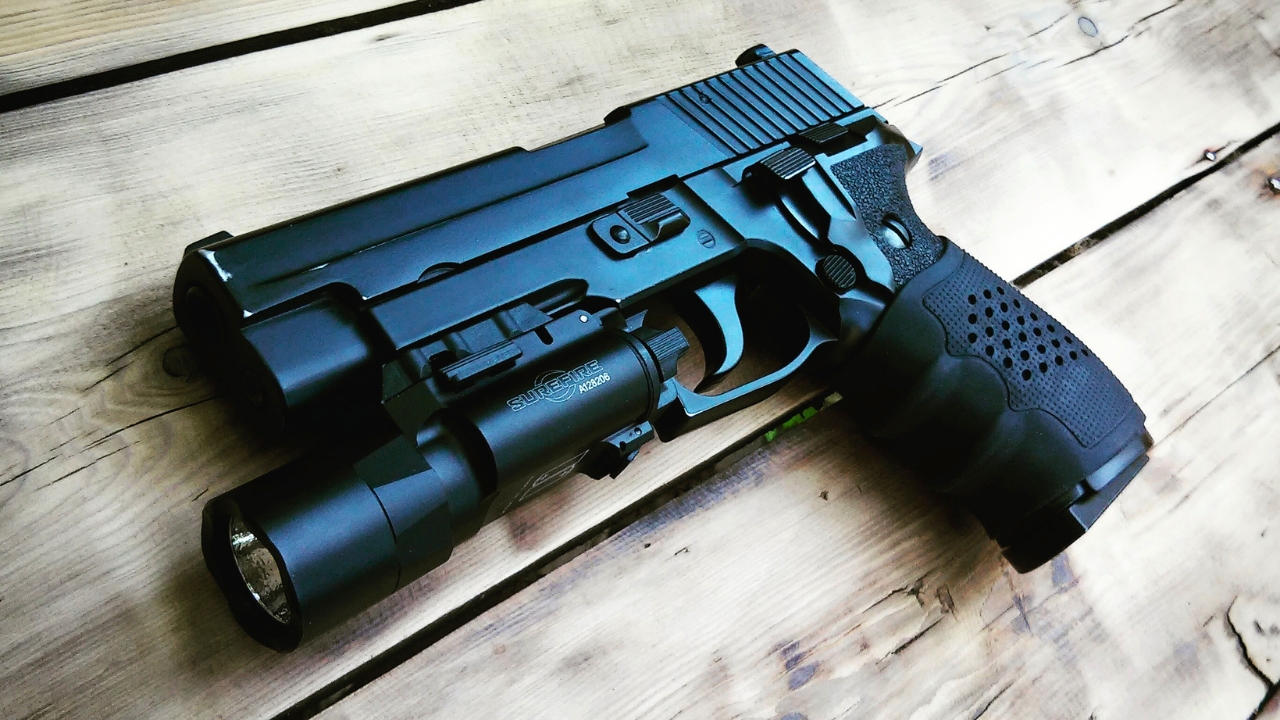
A SIG Sauer P226 doesn’t get its reputation from looking pretty. It earns it by settling in. The DA pull can feel heavy at first, and the gun might seem top-heavy until you’ve run a few hundred clean presentations. Then the double-action stroke starts to feel like one continuous sweep, and the single-action break tightens up into something you can call.
As the rails burnish and you learn the rhythm, the P226 starts tracking flatter than you’d expect from an alloy-framed duty pistol. You also figure out where it shines: long practice days, fast draw-to-first-shot work, and accuracy that’s there even when you’re tired. Keep an eye on recoil springs and magazine springs, and don’t ignore grip screws. With honest upkeep, a well-used P226 turns into a pistol you can run hard without thinking about it.
Beretta 92FS

A Beretta 92FS can feel huge if your frame of reference is a Glock 19 Gen5. Carry one for a while and your opinion changes. The open-slide design runs dirty and keeps chugging, and the long sight radius makes the gun feel calmer at speed than its size suggests.
The big change over time is how the gun recoils. As you learn to let it roll and return, the 92FS becomes a “metronome” pistol—press, track, press—without beating you up. The trigger improves with use, too, especially if you dry-fire it the right way and keep the locking block and rails properly lubed. Replace recoil springs on a reasonable schedule and watch your magazines. When a 92FS is worn in, it feels less like a brick and more like a well-balanced tool that won’t quit.
CZ 75 SP-01

A CZ 75 SP-01 can feel like a lot of pistol on day one—heavy, slick, and a little “different” in the controls if you’ve lived on American patterns. Run it hard and it starts to make sense. The weight and low bore line work together, and the gun settles into a straight-back recoil pulse that’s easy to ride.
The trigger is where the age shows in a good way. As the internals polish, the DA pull gets cleaner and the SA break becomes less crunchy. You also learn the grip shape and how high you can get your hands without chasing slide bite. Keep the slide rails wet and don’t cheap out on magazines. After a few thousand rounds, an SP-01 starts feeling like a competition gun that still makes a perfectly believable home-defense pistol—smooth, steady, and hard to shake off target.
SIG Sauer P229

A SIG Sauer P229 can feel overbuilt when you first pick it up, especially in a world of featherweight compacts. Then you shoot it hard and realize that extra mass is doing you a favor. The gun soaks up recoil, tracks clean, and lets you stay honest about your sight picture when you’re pushing pace.
The P229 also gets better as you learn the DA/SA transition. The first shot stops feeling like a hurdle and starts feeling like a deliberate part of the draw. Over time, the trigger smooths, the decocker becomes second nature, and the gun starts running like an extension of your hands. Keep an eye on recoil springs and the condition of your magazines, and don’t let it go dry on the rails. A well-used P229 is one of those pistols that feels “broken in” without ever feeling worn out.
HK USP Compact

A Heckler & Koch USP Compact 9 is a pistol you grow into. The grip can feel blocky until you find the right fit with your hands, and the recoil spring system can make the slide feel stout. Put in the reps and the whole gun starts feeling like it was built for real carry, not the display case.
What improves with age is confidence. The USP Compact has a way of running no matter how much lint, sweat, or daily life you throw at it, and the recoil impulse stays controllable even when you’re tired. You also learn to run the controls your way—safety/decocker up, down, or ignored—without confusion. Keep the gun reasonably lubricated, replace springs when they’re due, and don’t run worn magazines. After a few seasons of carry, a USP Compact turns into a boringly dependable pistol that still shoots tight.
Smith & Wesson 3913
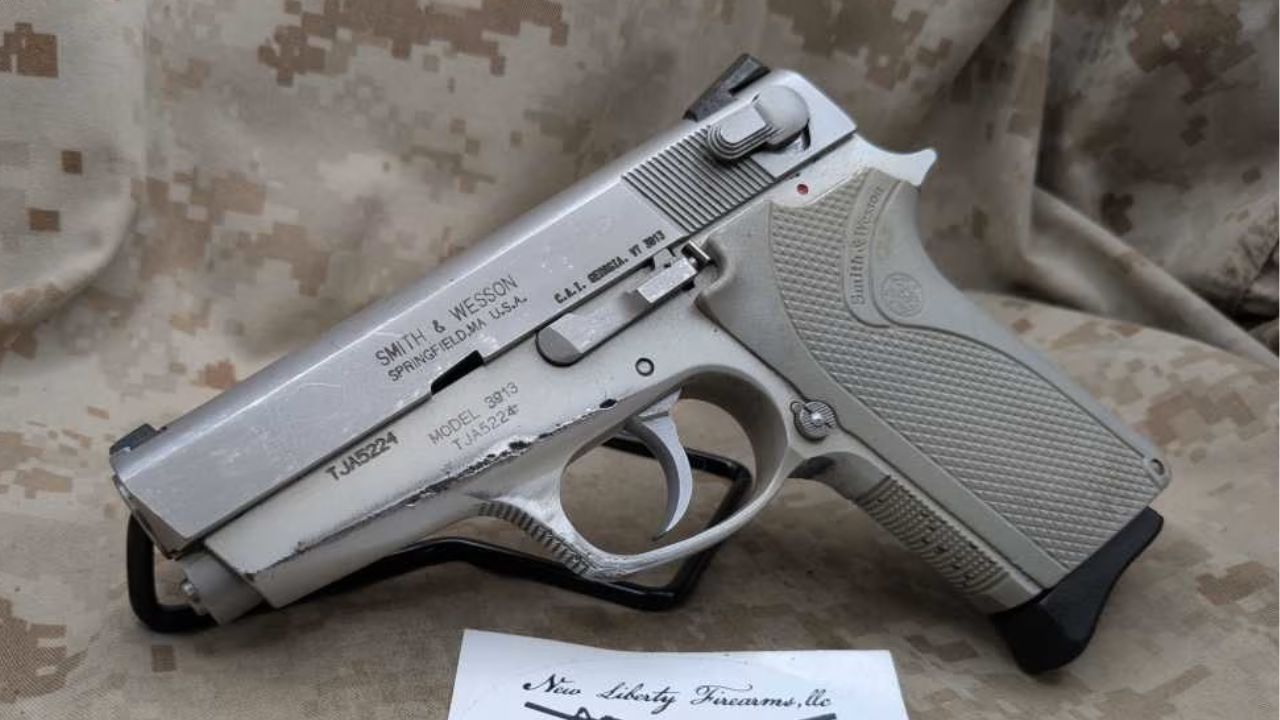
A Smith & Wesson 3913 is a pistol you can overlook until you spend a month carrying it. The single-stack shape disappears under a shirt, the controls are familiar, and the gun has a steadiness that a SIG Sauer P365 doesn’t always deliver.
What gets better with age is the way it runs. Third-gen Smiths tend to smooth out as the trigger components polish, and the 3913’s DA/SA cycle becomes predictable enough that you stop thinking about it. You also start trusting the gun’s manners: it feeds, it ejects, and it shoots to a point of aim you can learn. Replace recoil springs on schedule, keep the rails lightly lubricated, and use magazines in good shape. A used 3913 with honest wear often feels more “sorted” than a brand-new carry pistol that still needs to prove itself.
Kahr K9

A Kahr K9 is one of the rare carry pistols that feels better after it’s been shot a lot. Out of the box, it can be tight, and the long, smooth trigger feels unfamiliar if you’re used to a crisp single-action or a short striker break. Stick with it and the gun starts to click.
The K9’s stainless weight helps it settle, and once the rails and internals wear together, the pistol cycles with a smoothness that surprises people who assume “small” means “snappy.” You learn how much grip pressure it wants and how to ride the reset without trying to force it. Keep it clean, keep it lubricated, and run fresh magazines. Do that and a K9 becomes a compact you can shoot for a long session without feeling slapped around, and you’ll trust it more every season.
Walther PP
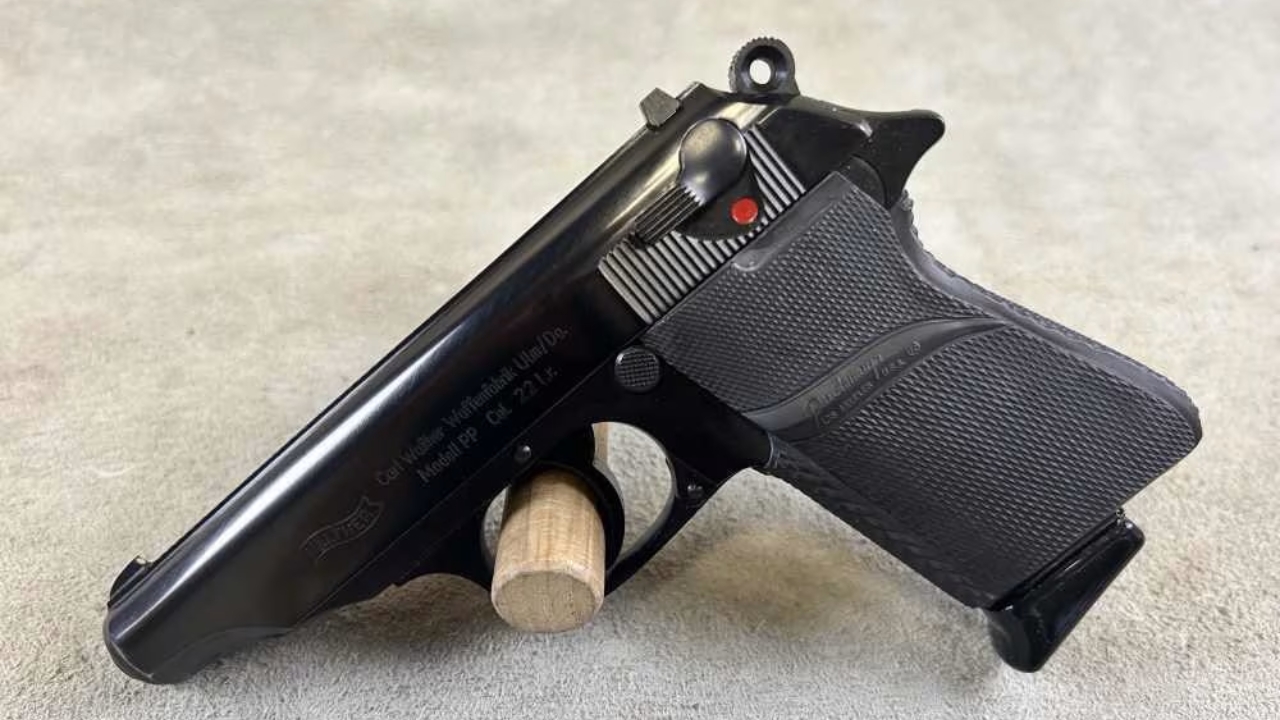
A Walther PP is one of those pistols you understand only after you live with it. The first impression can be mixed: the DA pull is long, the sights are modest, and the blowback snap is sharper than you’d expect for the caliber. Then you start carrying it and you realize why it stuck around for so long.
As you put rounds through it, the trigger smooths and the controls start feeling more natural. You also learn the gun’s cadence—press through that first shot, let the slide do its job, and run the reset clean. The PP rewards a steady grip and consistent ammo more than brute strength. Keep it lubricated, replace recoil springs when they’re tired, and pay attention to magazine condition. A Walther PP with honest wear becomes a quiet, easy-to-pack pistol that points where you look and runs when you need it.
Beretta 84F Cheetah
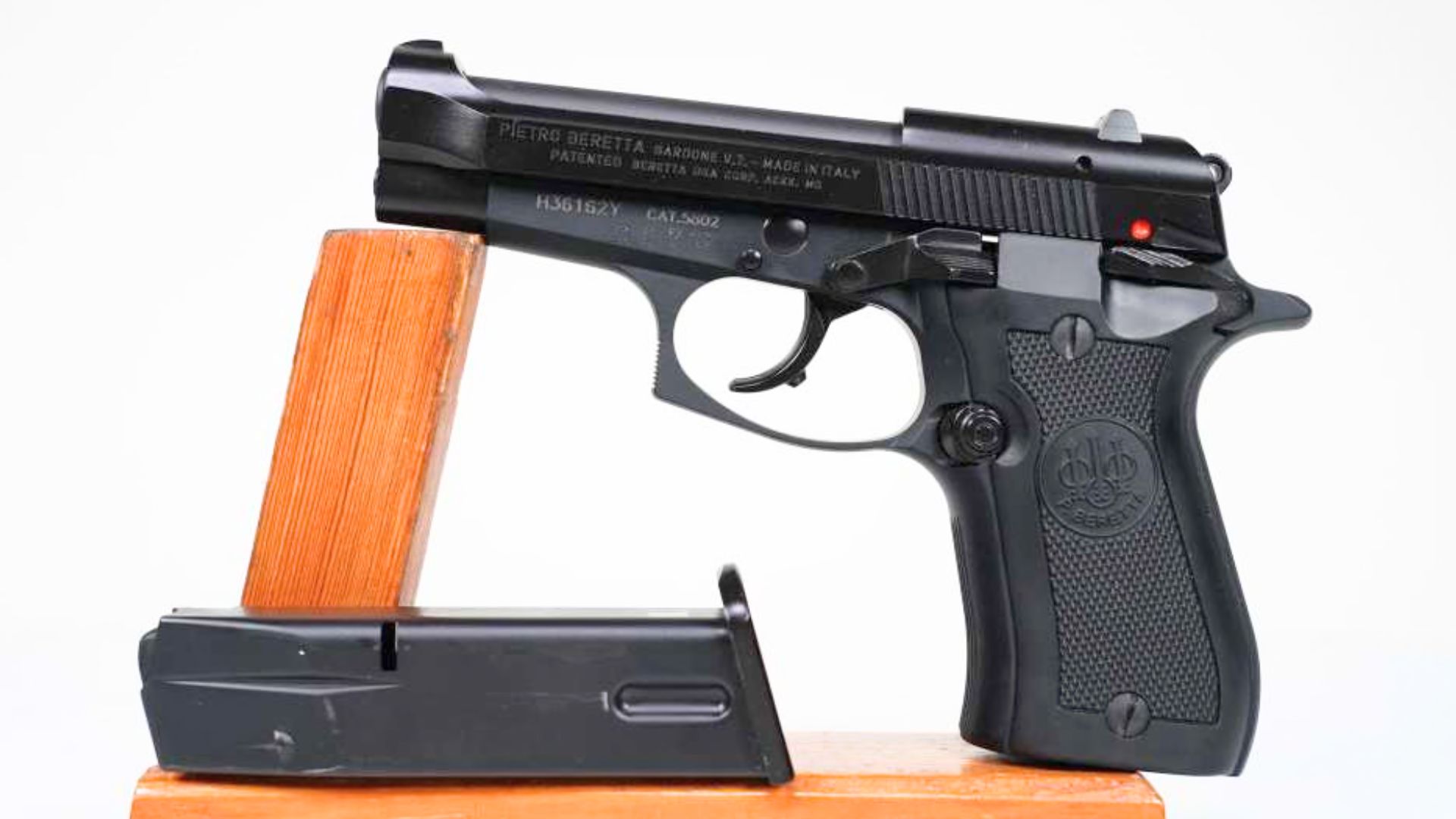
A Beretta 84F Cheetah is the kind of pistol you can dismiss as “old .380 stuff” until you actually shoot one well. The gun has real hand-filling grip geometry, good sights for its era, and a slide that’s easy to run. Carry it for a while and you stop thinking of it as a compromise.
What improves with time is control. The 84F sits low and returns to the sights quickly, and the DA/SA trigger tends to get smoother as the gun loosens into itself. You also learn what magazines it likes and how much lubrication it wants on the rails. Treat it like a serious pistol, not a novelty, and it rewards you with steadier hits than most pocket-size .380s can manage. A worn-in Cheetah becomes a “shoot it a lot, carry it a lot” gun that keeps its manners even when you’re moving fast.
Ruger Mark II

A Ruger Mark II is one of those pistols you appreciate more every year you own it. At first, it can be a little stiff, the controls feel dated, and you might dread taking it apart. Then you realize what you’ve got: a .22 that will run a mountain of ammo, hold its accuracy, and make you better at calling shots.
The more you shoot it, the more the trigger and bolt feel settle down into a predictable rhythm. You start doing real practice with it—sight tracking, trigger control, transitions—because it’s cheap enough to shoot all day. Keep it reasonably clean, replace springs when they’re tired, and don’t abuse the magazines. A beat-up Mark II that still prints tight groups is the kind of “old” gun that quietly becomes your most-used gun.
Smith & Wesson Model 10

A Smith & Wesson Model 10 is the definition of a gun that gets friendlier with use. The first time you run one, the double-action pull can feel long and old-fashioned. Keep shooting it and you start to notice how smooth that stroke is, how the sights sit still, and how the gun doesn’t punish you for spending an afternoon on the line.
What changes with time is the timing of your hands. You learn to roll through the trigger without staging it, and the Model 10 teaches you to call shots the hard way. A lot of these revolvers have already lived a working life, which means the action is often slicker than anything new. Replace tired springs only if you have to, keep the cylinder clean, and don’t over-oil it. A Model 10 that’s been shot and carried is usually better than one that’s been “preserved.”
Smith & Wesson Model 19

A Smith & Wesson Model 19 has a way of growing on you because it feels alive in the hand. It’s lighter and quicker than the big N-frames, and once you learn the balance, you can run it fast without the gun trying to jump out of your grip.
What makes it better with age is the action and your own trigger rhythm. A well-shot K-frame often has a double-action pull that feels like it’s riding on polished glass, and that smoothness makes accuracy feel easier than it should. You also learn what loads actually make sense for the gun. Treat it like a working revolver, not a proof-testing device. Keep it clean under the ejector star, watch your screws, and don’t ignore a weak mainspring. When you do it right, a Model 19 becomes the revolver you shoot better than you “deserve” to.
Ruger Security-Six

A Ruger Security-Six is one of those revolvers that gets more trustworthy the longer you own it. It might not have the same polished feel as a classic Smith the first time you spin the cylinder, but it’s built to keep working when you’re not babying it.
As you shoot it, the action smooths and your hands learn the grip shape. The Security-Six has that “field gun” personality—easy to live with, easy to clean, and tough enough that you stop worrying about it. The more time you spend with it, the more you appreciate a revolver that doesn’t require delicate handling to stay in time. Keep the chambers clean, replace springs only when they’re truly tired, and use grips that fit your hand instead of your Instagram. A Security-Six with honest wear is the kind of sidearm you keep by the truck seat for decades.
Colt Detective Special

A Colt Detective Special is a classic that makes more sense after you’ve actually carried it. On paper, a small-frame revolver looks outdated. In a real waistband, that rounded profile and enclosed feel ride comfortably, and the gun stops snagging on every piece of clothing you own.
The Detective Special also teaches you what “shootable” means in a compact revolver. With decent grips and time behind the trigger, you can run it faster than most people expect, and the action on a well-used Colt can be surprisingly smooth. What gets better with age is familiarity—draw stroke, reload rhythm, and learning exactly where the sights lift. Keep it clean, don’t slam the cylinder, and use ammo that prints to the sights you’ve got. A Detective Special that’s been carried honestly feels more like a partner than a collectible.
Like The Avid Outdoorsman’s content? Subscribe to our newsletter so you never miss an article.
Here’s more from us: