
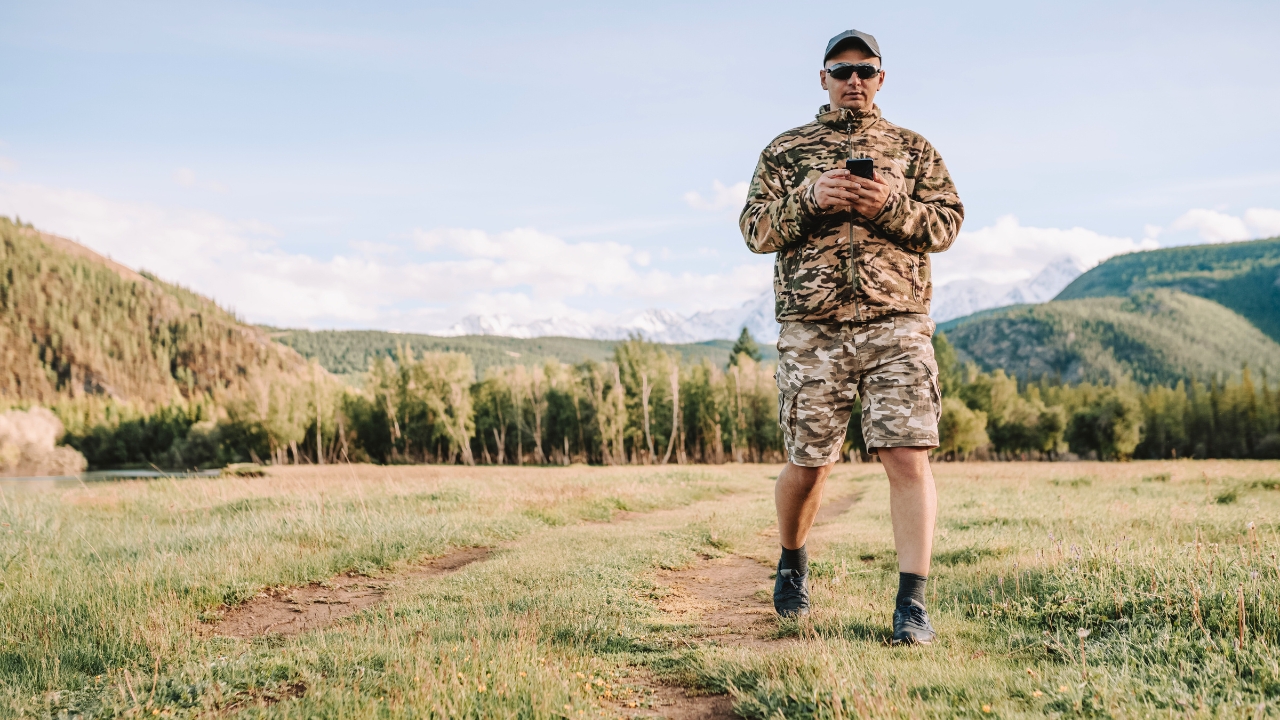
Photo credit: avtk/Shutterstock.com
There was a point when I knew exactly what broadhead people were arguing about, which camo patterns were getting mocked, and which guy on YouTube had the latest opinion about why most hunters were doing everything wrong. I could tell you what rifle setups were trending, what boots people were praising that month, and which calls were suddenly supposed to change everything for spring turkey season. I had plenty of opinions, and if I’m being honest, I had not fully earned most of them. That part took me longer to admit than it should have. It is easy now to stay connected to the outdoor world without actually being out in it very much. You can sit inside, watch hunt recaps, gear breakdowns, camp videos, and “lessons learned” clips for hours and start to feel like you are staying sharp. Some of that content is useful. Some of it really does teach people things. But there came a point where I had to look at my own habits honestly and admit I was consuming way more outdoors than I was actually living. I had watched more sunrise footage than actual sunrises from a stand, a blind, a ridge, or a boat ramp, and that realization bothered me because I knew exactly what it meant.
The truth is, outdoor content can make you feel involved even when you are getting soft. That is the danger in it. Watching good hunters talk through setups, wind, movement, sign, and shot decisions can create the impression that you are keeping your edge. You hear the language enough that it starts sounding like your own. You follow enough gear talk that you begin thinking like a buyer, not a hunter. You start knowing what people say works before you have spent enough time learning what actually works for you. That was where I found myself. I was still interested. I still cared. I still thought about the woods all the time. But there is a big difference between being mentally entertained by the outdoors and being physically present in it. The woods do not care how many videos you watched that week. They do not reward your saved playlists, your opinions in comment sections, or your confidence built from watching somebody else figure it out. They respond to time, repetition, patience, and failure. That is the kind of knowledge that only shows up when you are there before daylight and still there after things quit going your way.
Watching kept me interested, but it didn’t keep me sharp
This is the part I think a lot of people do not say out loud because it sounds like a criticism of something they enjoy. I am not against outdoor videos. I still watch them. Some are useful, some are entertaining, and some genuinely help new hunters get started in ways they could not have twenty years ago. The problem starts when watching becomes a substitute for going. That shift is hard to catch because it usually feels productive while it is happening. Maybe you tell yourself the season is still a few weeks off. Maybe life is busy, the weather is bad, or you are too tired to get outside that morning. So you watch somebody else scout, pattern deer, work birds, tune a bow, or break down a rifle. It scratches the same interest without demanding the same effort. After a while, though, you start noticing that your confidence is still there but your instincts are not as clean. You think you are staying plugged in, but in reality you are getting further removed from the part that matters most. Woodsmanship is not something you maintain by observation alone. It gets dull the same way any hands-on skill gets dull when you stop using it.
The woods expose the gap fast
The thing about spending less actual time outside is that the gap shows up quickly once you get back in the field. Your body feels it first. Getting up early is harder than it used to be. Packing the truck feels clumsier. Small routines that ought to feel automatic start taking more thought than they should. Then the mental side kicks in. You move a little too fast. You overthink where to sit. You talk yourself into sign you should question and question sign you should trust. If you have been feeding yourself a steady stream of polished outdoor content, it gets even stranger because you walk into the woods with this weird secondhand confidence. You feel informed, but you are not settled. You have absorbed a lot of information, but you have not put enough of it through your own hands lately. That disconnect hit me harder than I expected. I realized I had gotten too comfortable staying close to the outdoors without actually being in them enough. Watching had preserved my interest, but it had not preserved my timing, judgment, or feel. Those come from repetition, and repetition only happens when your boots are actually on the ground.
Sunrises in the woods teach things videos never will
There is a reason people who spend serious time outside talk the way they do about mornings in the field. It is not nostalgia. It is because daybreak teaches things that are hard to explain to somebody who only sees edited versions of the outdoors. A real sunrise in the woods is not just pretty light and a cinematic background. It is information. It tells you how the wind is really moving where you are, not where an app said it would move. It tells you what wakes up first, what settles down, what routes stay quiet, and what parts of a property start talking before the rest. It teaches patience because most mornings do not come with action right away. It teaches humility because some of them never give you what you wanted at all. It also teaches comfort with boredom, and that matters more than people admit. A lot of hunting and fishing comes down to whether you can sit still, pay attention, and let the place speak before you force your own plan onto it. You do not get that from highlight clips. You get it by being there often enough that the patterns stop feeling mysterious and start feeling familiar.
I had started collecting opinions instead of experience
One of the harder things to admit was that I had become a little too ready with opinions during that stretch. That is what happens when a person consumes too much outdoor content without enough field time to balance it out. You hear strong takes all day long, and after a while you start repeating them like they came from your own experience. Maybe some of them line up with what you already believe, maybe some are borrowed almost word for word, but either way they start feeling earned when they are not. I caught myself talking too confidently about setups, decisions, and mistakes I had not personally tested enough lately. That rubbed me the wrong way once I saw it clearly. The outdoors has a way of exposing people who know the language without knowing the life behind it. I did not want to become one of those guys who can discuss every trend but struggles with the basic realities of weather, movement, timing, and patience when the hunt stops being theoretical. Experience is slower to build, but it sits deeper. Opinions are easy to gather. Experience costs mornings, miles, missed chances, cold fingers, and a lot of time nobody sees.
I had to make going outside the priority again
The fix for me was not dramatic, and it was not complicated. I just had to start choosing real time outside over one more video, one more gear breakdown, or one more night of sitting there pretending I was staying engaged by watching somebody else do it. That did not mean every trip had to be a hunt or every outing had to be productive. Some mornings just needed to be mornings. A walk on a property before work. A quick sit to listen. An hour spent checking sign instead of hearing somebody online explain what sign should look like. I needed less secondhand outdoors and more direct contact with the real thing. Once I started doing that again, the change was easy to feel. I got quieter mentally. I stopped overcomplicating so much. The woods started feeling familiar again instead of something I was trying to re-enter through theory. That is when I knew how far I had drifted without meaning to.
I still watch outdoor videos. I probably always will. But I do not confuse them with time in the field anymore. They are not the same thing, and treating them like they are can make a man feel more prepared than he really is. I realized I had watched more outdoor videos than actual sunrises in the woods, and that was enough to tell me something needed to change. The good news is the cure is simple, even if life makes it harder than it sounds. Get up. Go outside. Stand in the dark. Let the morning happen around you instead of on a screen. That is still where the real stuff is.
Like The Avid Outdoorsman’s content? Subscribe to our newsletter so you never miss an article.
Here’s more from us:


