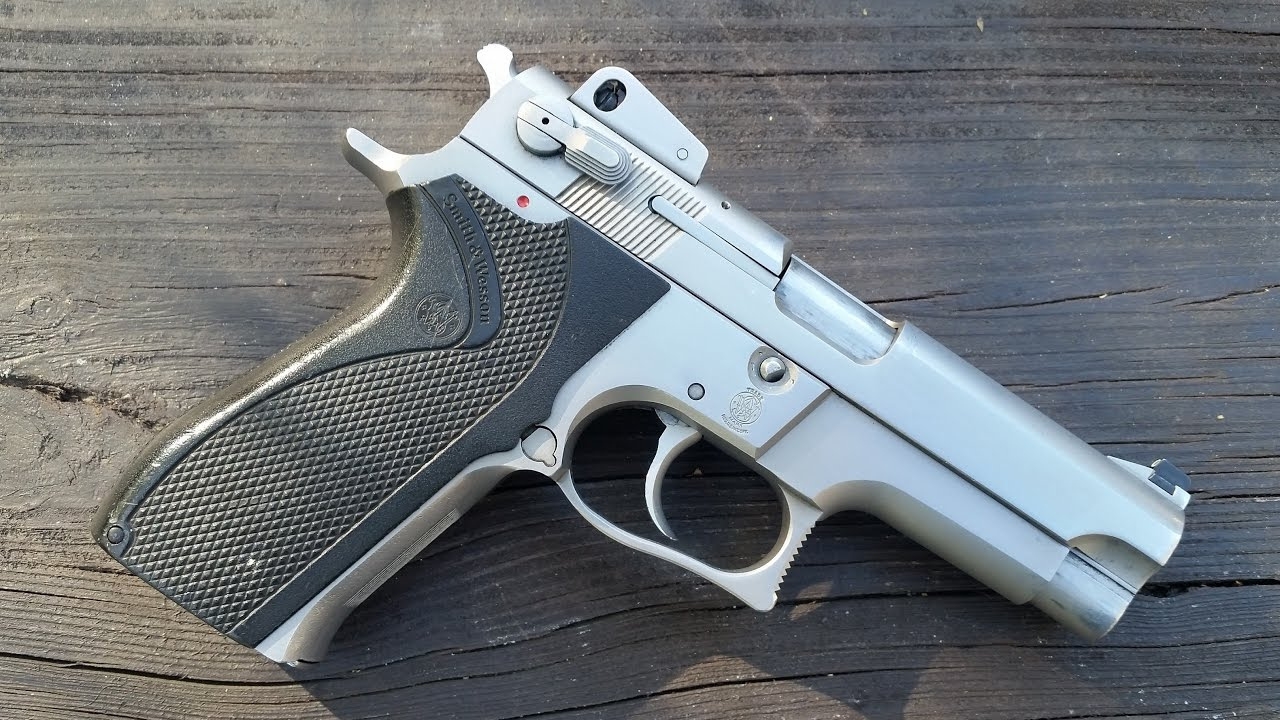
Photo credit: Guns&ShotTV/YouTube
Some guns do not prove their value right away. They get ignored, criticized, sold cheap, or treated like yesterday’s answer while everyone chases the next thing. Then a few years pass, prices change, production ends, and shooters start realizing the old gun was better than people admitted.
That is when patient owners start looking smart. They did not panic-sell. They did not trade a proven firearm for whatever was trending. They kept the gun, used it, and watched everyone else come around later.
Marlin 336
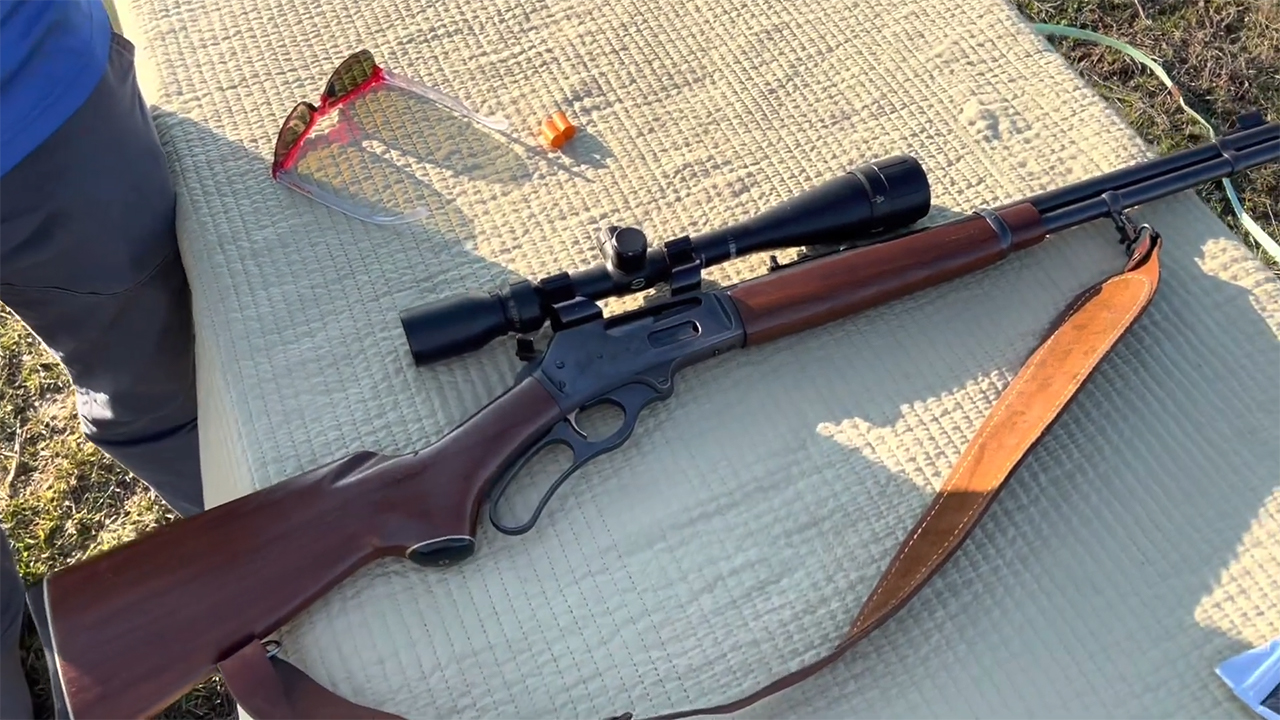
The Marlin 336 made patient owners look smart because it went from common deer rifle to highly respected lever gun. For years, plenty of hunters treated it like a basic .30-30 that would always be easy to replace. It sat in closets, deer camps, and pawn shops without much excitement around it.
Then clean older Marlins became harder to find, and the demand for good lever guns changed the conversation. Hunters started wanting rifles with walnut, blue steel, and real field history again. The people who kept their 336 instead of trading it away ended up with a rifle that still hunts well and carries more used-market respect than it once did.
Ruger Security-Six
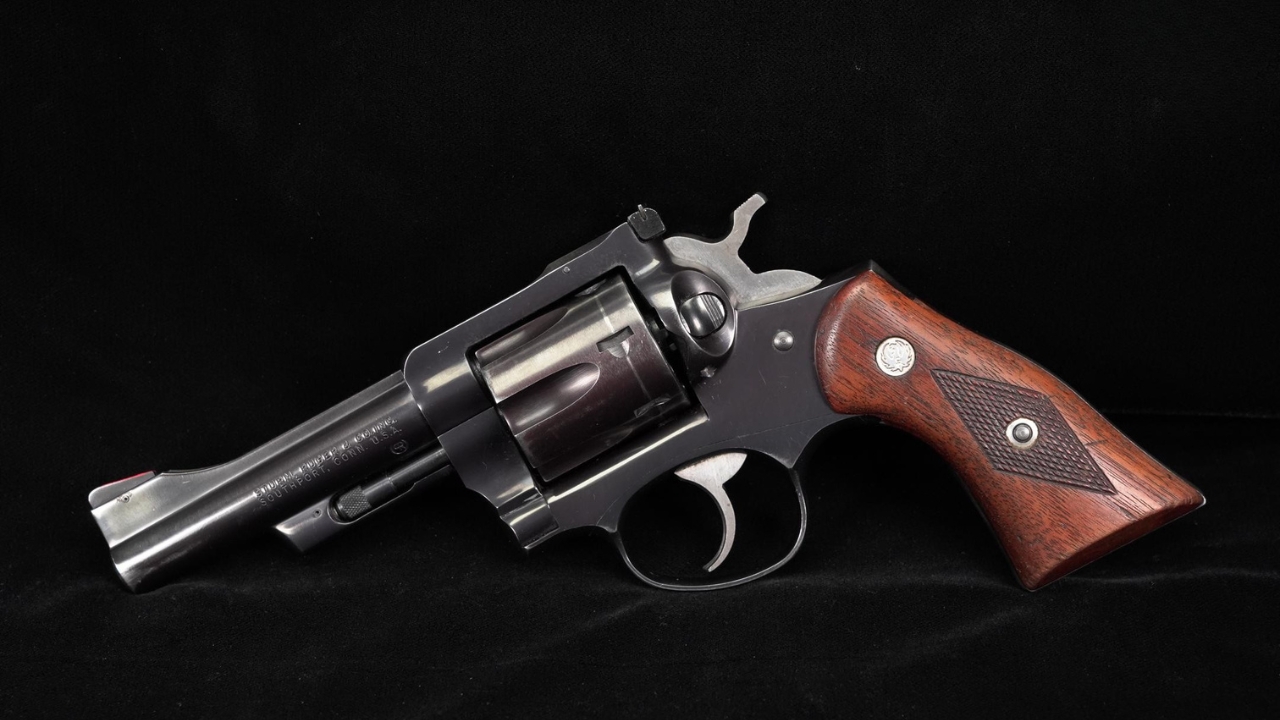
The Ruger Security-Six rewarded owners who understood rugged revolvers before the market fully caught up. It was always a tough .357 Magnum, but for a long time it lived behind Smith & Wesson and Colt in the minds of many buyers. Some shooters treated it as the practical alternative instead of the desirable one.
That attitude shifted as older Ruger revolvers became more appreciated. The Security-Six has enough strength for serious use, but it also balances better than some heavier magnum revolvers. Patient owners who kept theirs now look smart because these guns are no longer the overlooked bargains they used to be. They became proof that sturdy working revolvers age very well.
Smith & Wesson 5906
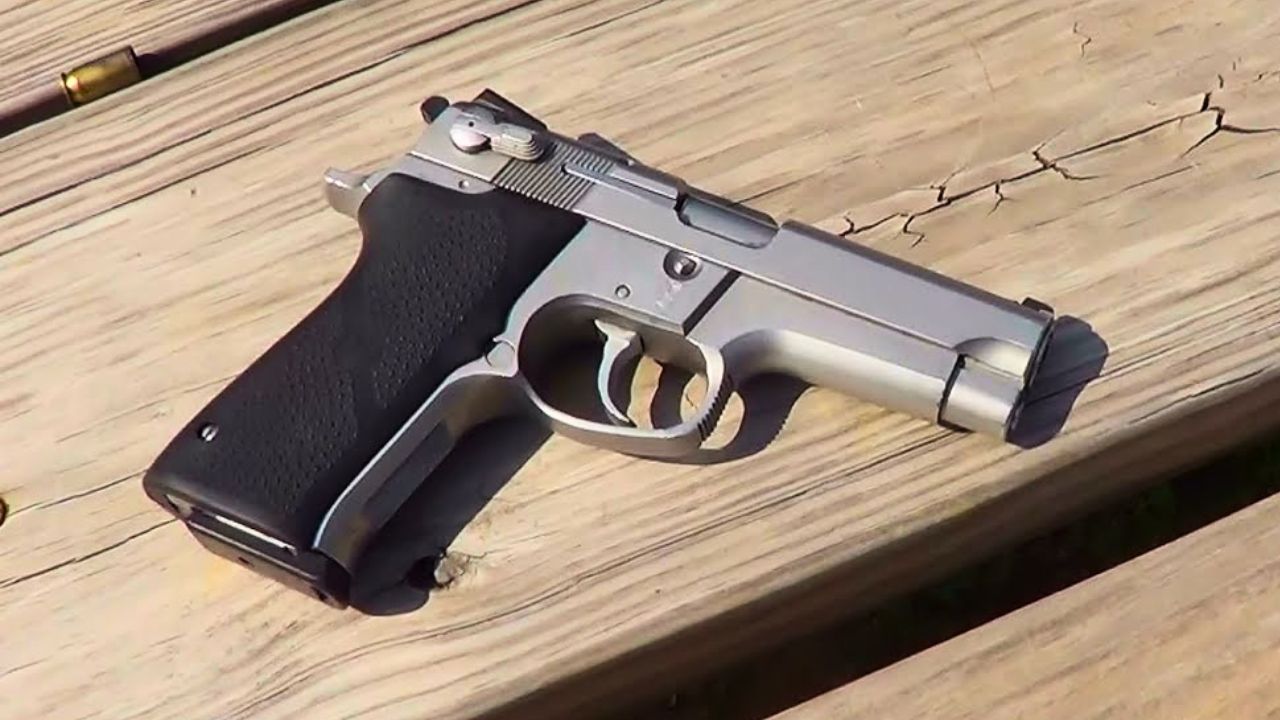
The Smith & Wesson 5906 looked outdated to a lot of shooters once polymer pistols took over. It was heavy, stainless, traditional double-action, and tied to the old duty-gun era. Police trade-ins used to make them look almost ordinary because so many were available at reasonable prices.
Patient owners ended up being right. The 5906 is reliable, soft-shooting, and built with a level of all-metal durability that newer pistols do not always offer. As clean examples became harder to find, the same weight people mocked became part of the appeal. Owners who held onto them watched a once-dismissed service pistol become a respected classic.
Remington 870 Wingmaster
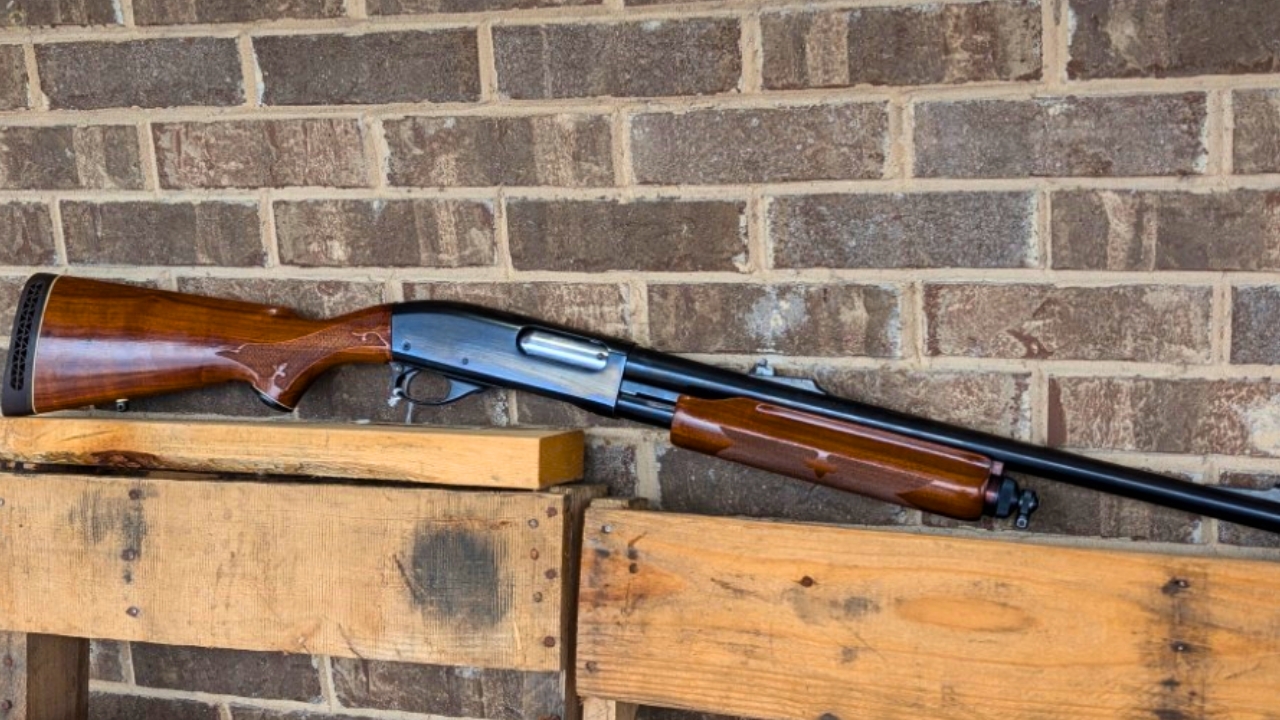
The Remington 870 Wingmaster made patient owners look smart because quality pump shotguns became easier to appreciate over time. When cheaper 870 Express models and newer tactical shotguns were everywhere, some people forgot how nice the Wingmaster really was. It looked like just another pump gun to buyers who were not paying attention.
The smooth action, better finish, and field versatility aged extremely well. A Wingmaster can hunt birds, deer, turkey, and small game with the right setup, and it still feels better than many budget pumps. Owners who kept clean older examples ended up with shotguns that are harder to replace than people expected. That is exactly how a common gun turns into a keeper.
Browning Hi-Power
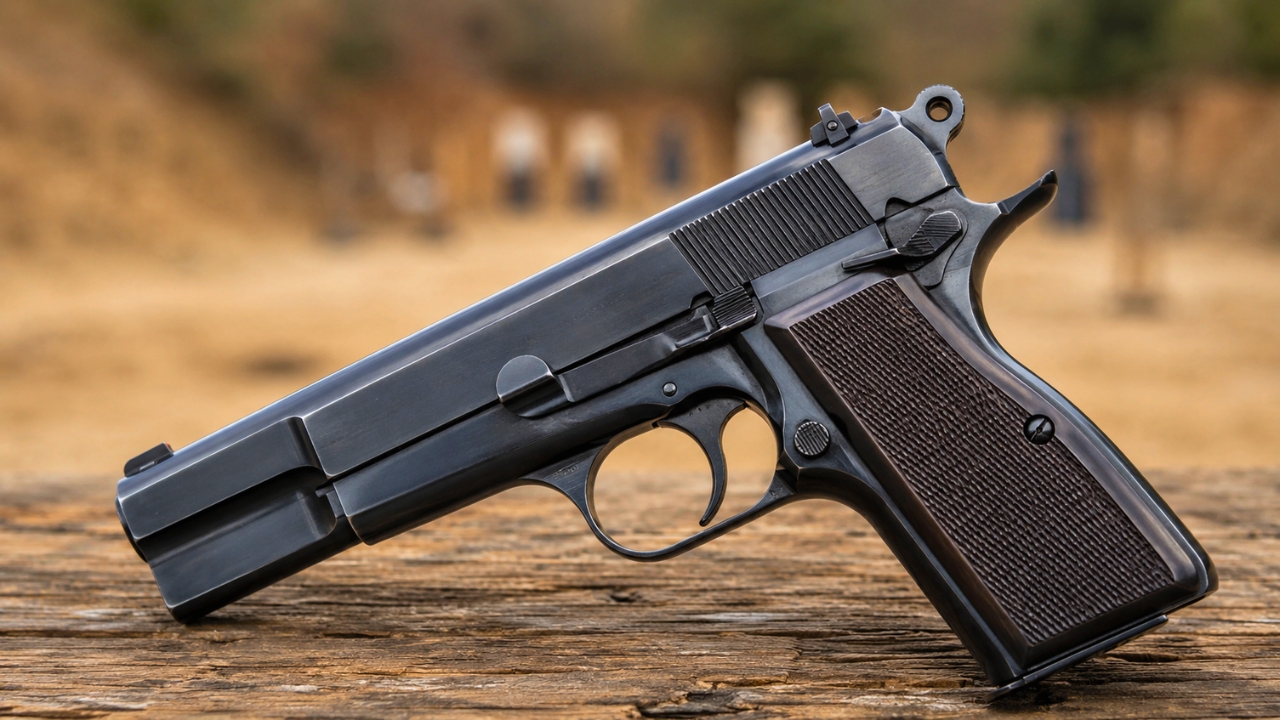
The Browning Hi-Power rewarded patient owners because its reputation never really disappeared, even when modern pistols made it seem outdated. Some shooters doubted it because of the single-action system, older sights, magazine disconnect, and lower capacity compared with newer double-stack 9mm pistols. For a while, it looked like a classic being passed by.
Then demand and nostalgia caught up hard. The Hi-Power’s slim grip, natural handling, and historical importance made it increasingly desirable. Owners who kept original examples watched interest rise as supply tightened. The pistol that once seemed old-fashioned became one of the clearest examples of why selling a discontinued classic can be a mistake.
Winchester Model 94

The Winchester Model 94 made patient owners look smarter because many people assumed old .30-30 lever guns would always be common and cheap. The rifle was so familiar that it became easy to take for granted. Some hunters dismissed it as outdated beside scoped bolt rifles and flatter-shooting cartridges.
The market eventually reminded everyone that classic woods rifles still matter. Older Model 94s gained collector and hunting appeal, especially clean examples with desirable features. Even later rifles earned renewed respect from hunters who wanted light, fast-handling carbines. Patient owners who kept their Model 94s now have rifles that feel more meaningful and harder to replace than they once did.
Colt Detective Special

The Colt Detective Special was doubted when small revolvers started losing ground to compact semi-autos. It was heavier than many newer pocket guns, limited to .38 Special, and tied to a different defensive era. Some shooters saw it as charming but outdated.
Patient owners benefited from the fact that old Colts have a way of becoming more desirable with time. The Detective Special offers six shots, classic lines, and a level of craftsmanship that collectors continue to value. Clean examples no longer sit around casually. Owners who kept them look smart because the revolver’s age became part of its appeal rather than a liability.
Savage Model 99

The Savage Model 99 rewarded patient owners because it never fit neatly into the usual lever-action categories. Some hunters overlooked it in favor of Winchester 94s, Marlin 336s, or modern bolt rifles. Its hammerless design and rotary magazine made it different enough that casual buyers did not always understand why it mattered.
That uniqueness aged well. The Model 99 offered lever-action speed with chamberings that could stretch beyond traditional brush-gun limits. It also has mechanical character that modern rifles rarely match. Patient owners who held onto good examples now have rifles that are not easy to replace. The market has become much kinder to guns that offer something genuinely different.
SIG Sauer P228

The SIG Sauer P228 made patient owners look smart because it sat in a strange place for a while. It was respected, but newer SIGs, polymer pistols, and optics-ready guns pushed older metal-frame compacts out of the spotlight. Some shooters saw it as a heavy compact from another era.
Then West German and early German SIG pistols became more sought after. The P228’s balance, accuracy, and smooth shooting feel started standing out again. Patient owners who kept theirs now have a compact 9mm that many shooters actively chase. It may not have the newest features, but it has the kind of build quality and feel that age well.
Remington Nylon 66
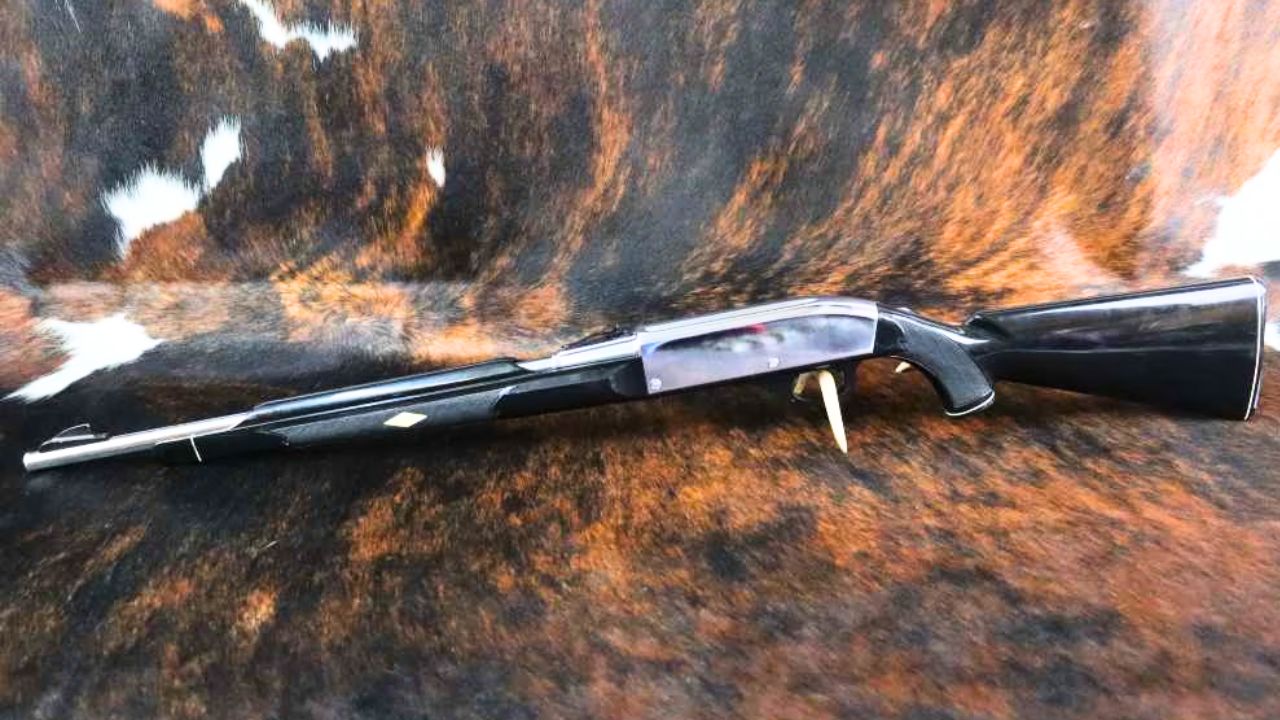
The Remington Nylon 66 made patient owners look smarter every year because it was once treated like a weird little .22. The synthetic stock, unusual styling, and lightweight feel made some shooters dismiss it as cheap or odd. It did not look like a traditional rimfire rifle, so many people underestimated it.
Owners who used them knew better. The Nylon 66 is light, handy, reliable, and fun in a way that keeps people attached. As clean examples became harder to find, the rifle’s strangeness became part of its charm. Patient owners ended up with a rimfire that is more interesting now than it was when people were ignoring it.
H&R Handi-Rifle
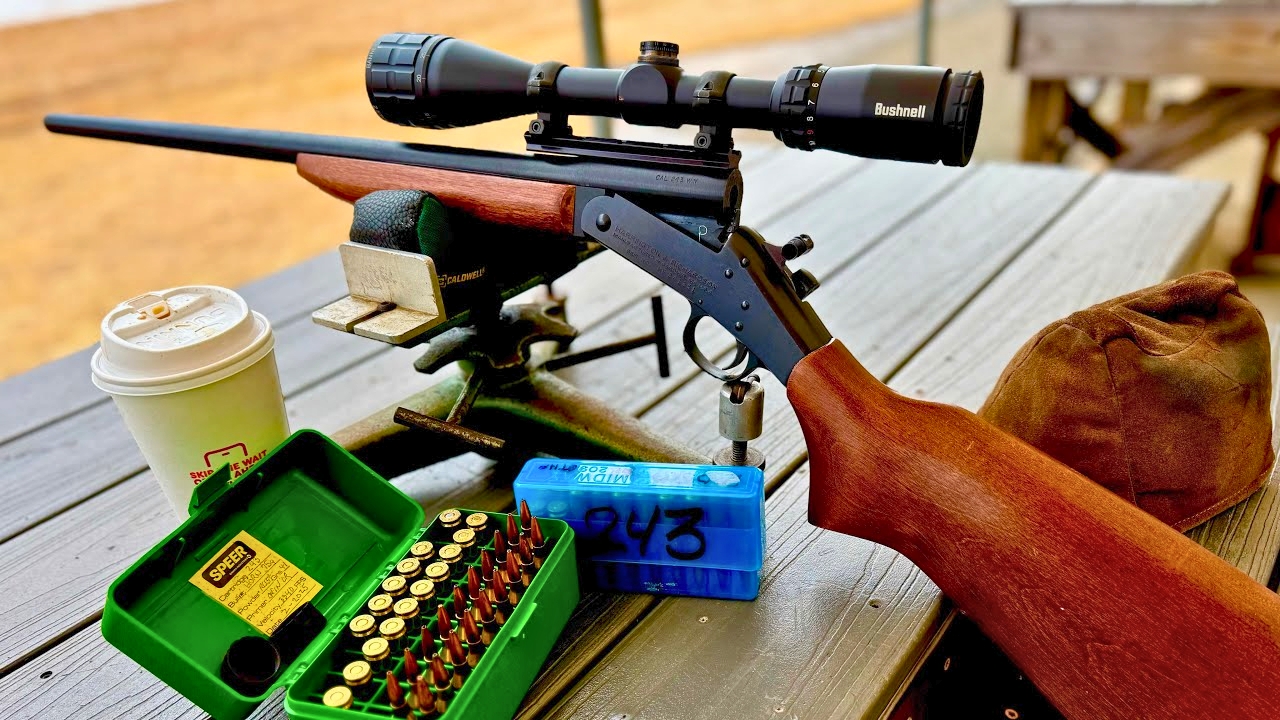
The H&R Handi-Rifle made patient owners look smart because people mocked its simplicity until production ended and demand changed. It was a plain single-shot rifle that many hunters treated as a budget tool. It had no fast follow-up shot, no fancy action, and no premium image.
Then shooters started missing what it offered. Handi-Rifles were compact, affordable, easy to carry, and available in useful chamberings. Certain versions became surprisingly sought after once buyers realized they could not just grab a new one whenever they wanted. Patient owners who kept theirs now have a discontinued working rifle that fills a role many modern guns ignore.
CZ 75B

The CZ 75B rewarded owners who ignored the crowd. For years, many American shooters focused on 1911s, Glocks, Berettas, and SIGs while the CZ 75 family remained more of a cult favorite. Some people doubted it because it was heavier than polymer pistols and less familiar than bigger-name service guns.
The pistol’s reputation kept growing because it shoots so well. The grip shape, low bore axis, and all-steel frame make it easy to understand once someone actually spends time with it. Patient owners who bought in early watched the CZ 75B become a widely respected handgun rather than a niche pick. It is the kind of pistol that made quiet loyalty look smart.
Browning Auto-5
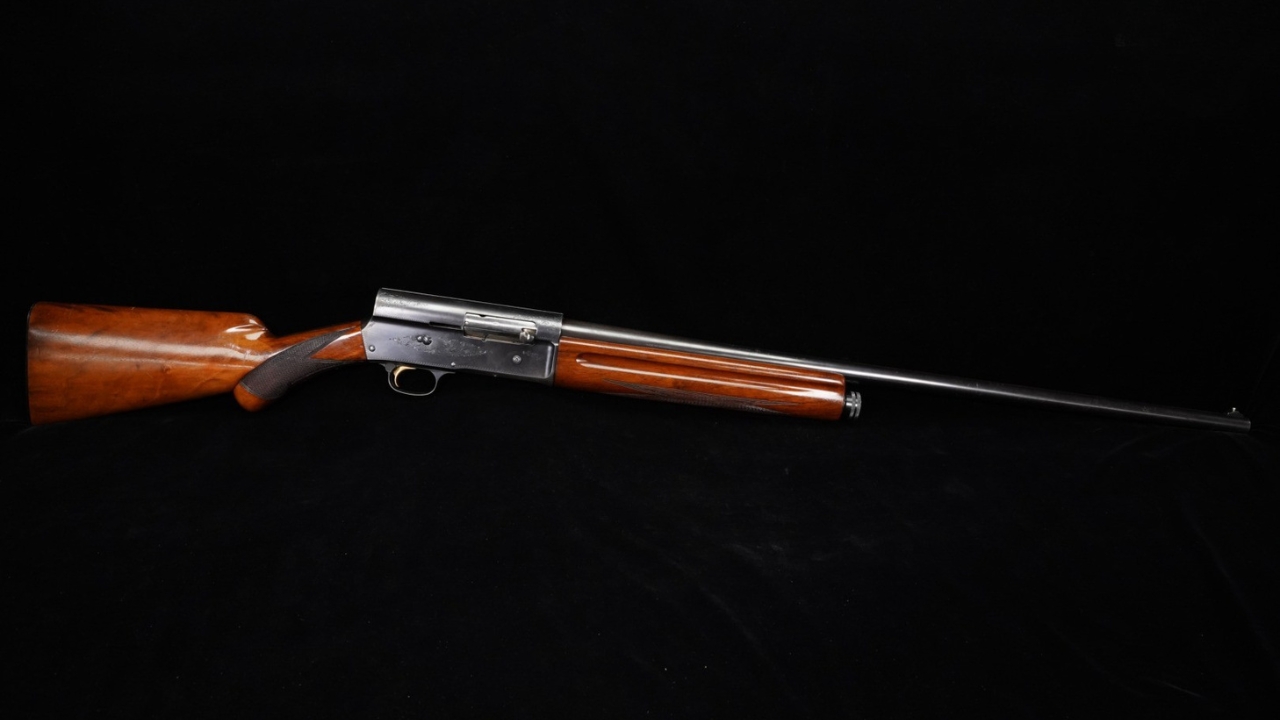
The Browning Auto-5 made patient owners look smart because older semi-auto shotguns were easy to dismiss for a while. Newer gas guns were softer, lighter, and more modern. The Auto-5’s humpback receiver and long-recoil action made it look like something from another age.
That old character became exactly what people appreciated. The Auto-5 has hunting history, durability, and a handling feel that stands apart from modern shotguns. Good examples became more meaningful as shooters started valuing classic designs again. Patient owners who kept one in the family ended up with a shotgun that feels less replaceable with every passing year.
Ruger P95

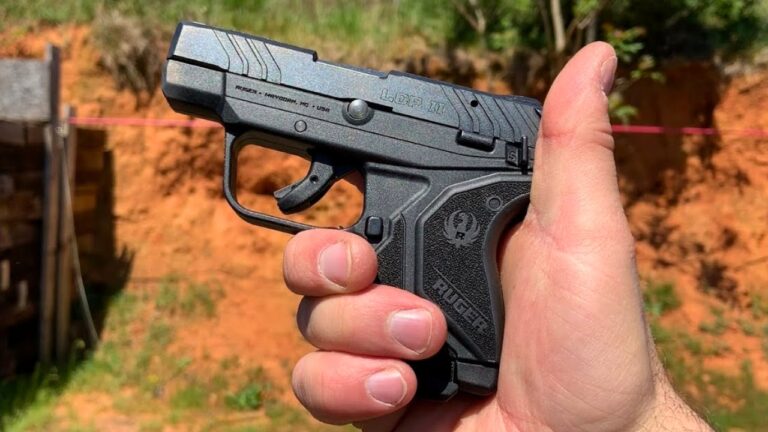
The Ruger P95 was mocked because it looked bulky, plain, and inexpensive. It did not have the cool factor of more expensive duty pistols, and it never tried to be sleek. A lot of shooters treated it like a budget gun for people who could not afford something better.
Years later, the P95 looks better because it was reliable, durable, and affordable at a time when those things mattered. Owners who kept theirs have a tough 9mm that still works and does not pretend to be something it is not. As simple, dependable used pistols became more appreciated, the P95 started looking like a smarter buy than the jokes suggested.
Weatherby Mark V

The Weatherby Mark V made patient owners look smart because it has always carried a certain level of ambition. Some hunters dismissed Weatherby rifles as expensive, flashy, or more powerful than necessary. Others preferred plain bolt guns in common chamberings and did not see the point of paying for the Weatherby name.
Over time, the Mark V’s identity held strong. It still represents speed, reach, and premium hunting-rifle confidence. Owners who kept theirs have a rifle that feels distinct from the flood of budget bolt guns and disposable-feeling hunting rifles. Even if not every hunter needs one, the Mark V remains the kind of rifle that makes long-term ownership feel justified.
Like The Avid Outdoorsman’s content? Be sure to follow us.
Here’s more from us: