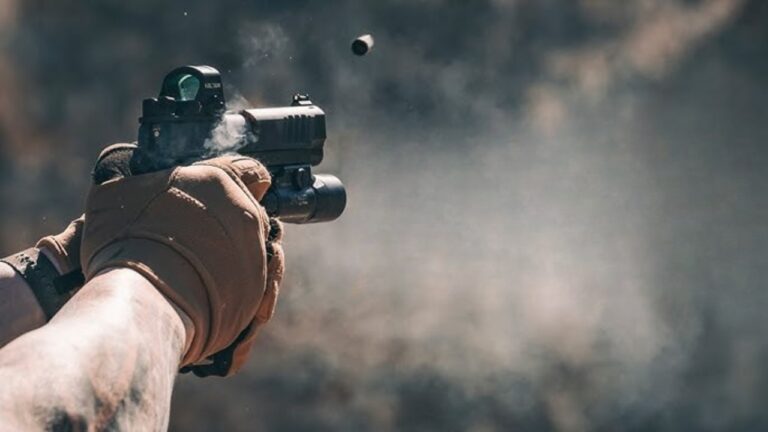
Photo credit: Muddy River Tactical
Pocket pistols sound great in theory—small, light, easy to stash. But carrying one every day quickly shows you what actually works and what’s just marketing fluff. From snaggy sights to impossible triggers, a lot can go wrong in a small package. On the flip side, some designs nail the balance and just disappear into your pocket until you need them. If you’re thinking about pocket carry, here’s what to look for—and what to avoid—before you drop one in your front jeans.
Small Size Isn’t Always Comfortable

A tiny pistol might fit in your pocket, but that doesn’t mean it carries well. Sharp edges or bulky grips can dig into your leg or catch on clothing.
What looks slim in a product photo might print badly in real life or shift around while you walk. If it’s annoying after ten minutes, it’ll drive you crazy by the end of the day. Don’t just pocket it and hope—it pays to try it seated, standing, and walking first.
Lightweight Isn’t Everything
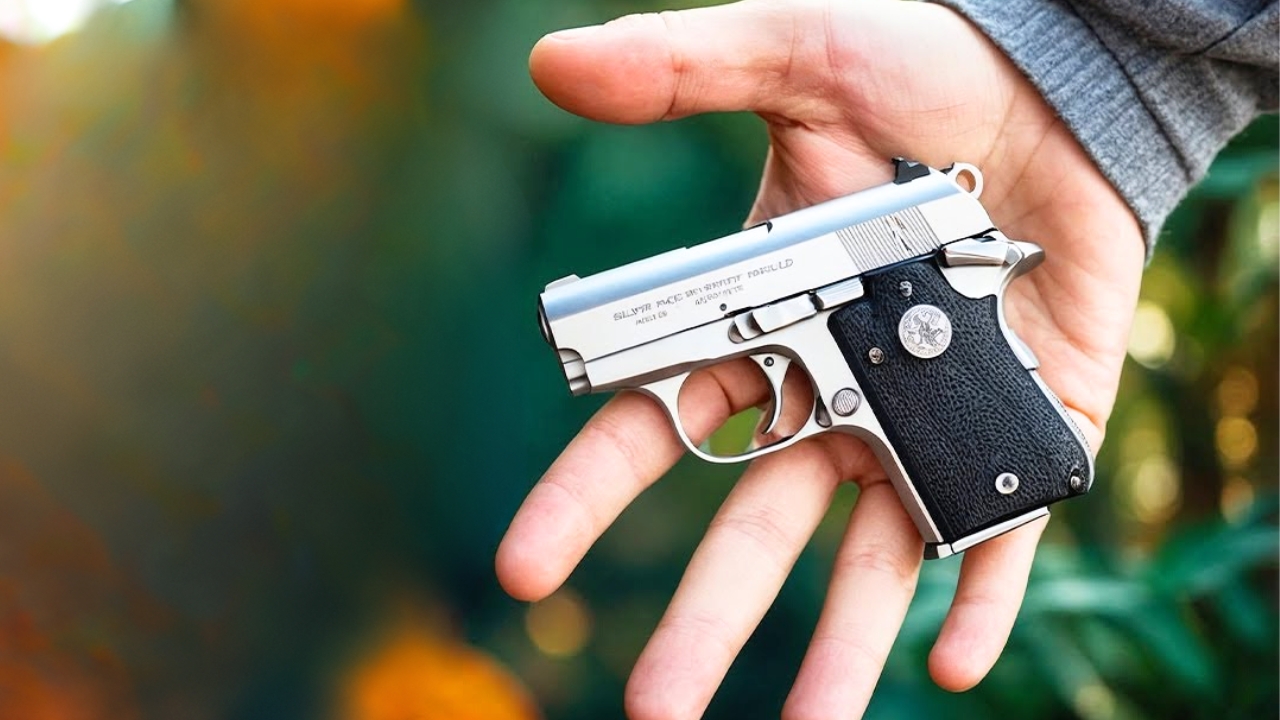
Yes, lighter is usually better for carry—but ultra-light pocket pistols can be tough to control. A featherweight gun might be nice in your pocket, but it can turn into a handful at the range.
You want something you can shoot straight, not just carry comfortably. If it bucks like crazy or you dread putting more than a few rounds through it, it’s not worth the carry weight savings. Balance matters more than just ounces.
Trigger Pulls Can Be a Dealbreaker

A long, heavy trigger might seem safer in a pocket gun, but it can mess with your accuracy and speed when it counts.
Some pocket pistols feel like you’re pulling a boat anchor with your fingertip. It makes follow-up shots slower and deliberate aim harder under pressure. Look for something with a clean, manageable pull. You shouldn’t have to fight your own gun to make it work.
Pocket Holsters Make or Break the Setup
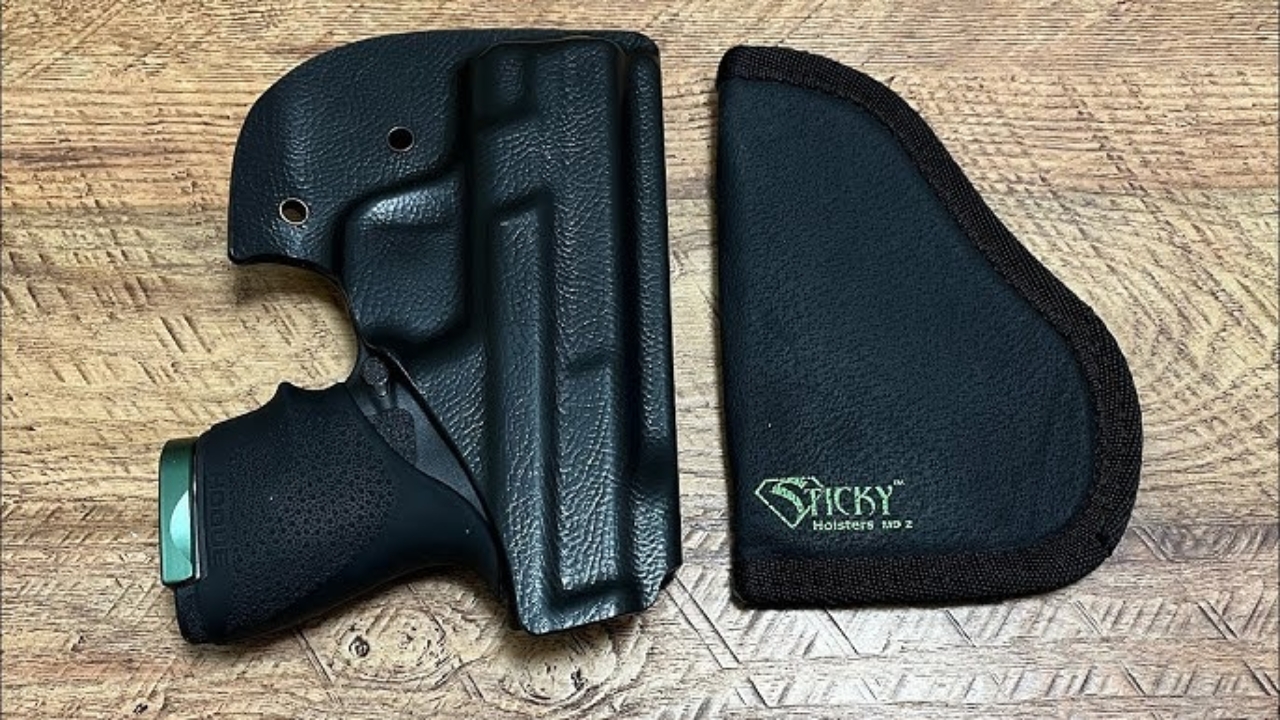
If you’re pocket carrying without a holster, stop. A good pocket holster keeps the trigger covered, holds the gun upright, and breaks up the gun’s outline.
It also helps with consistency—same position, every time. Drawing without one can be clumsy, and worse, unsafe. It’s a small piece of gear that solves a lot of big problems. Don’t skip it.
Deep Carry Can Kill Your Draw Speed

Pocket pistols are already small. If they ride too low in your pocket or sit awkwardly, you’ll fumble the draw when it matters.
A tight, deep pocket holster might feel secure, but if you can’t get a full grip and draw without shifting around, it’s too deep. Your first priority should be a fast, safe draw—not total concealment at the cost of access.
Don’t Ignore Reloads

Most pocket pistols have low capacity, and reloads aren’t exactly fast or smooth with these guns. Magazines are small, hard to grip, and easy to fumble.
If you’re carrying one of these pistols, think about how—and where—you’ll carry a spare mag. Practice reloads, even if it’s just a last-ditch scenario. Pocket guns don’t give you a lot of margin, so you need to know your limitations.
Recoil Matters More Than You Think
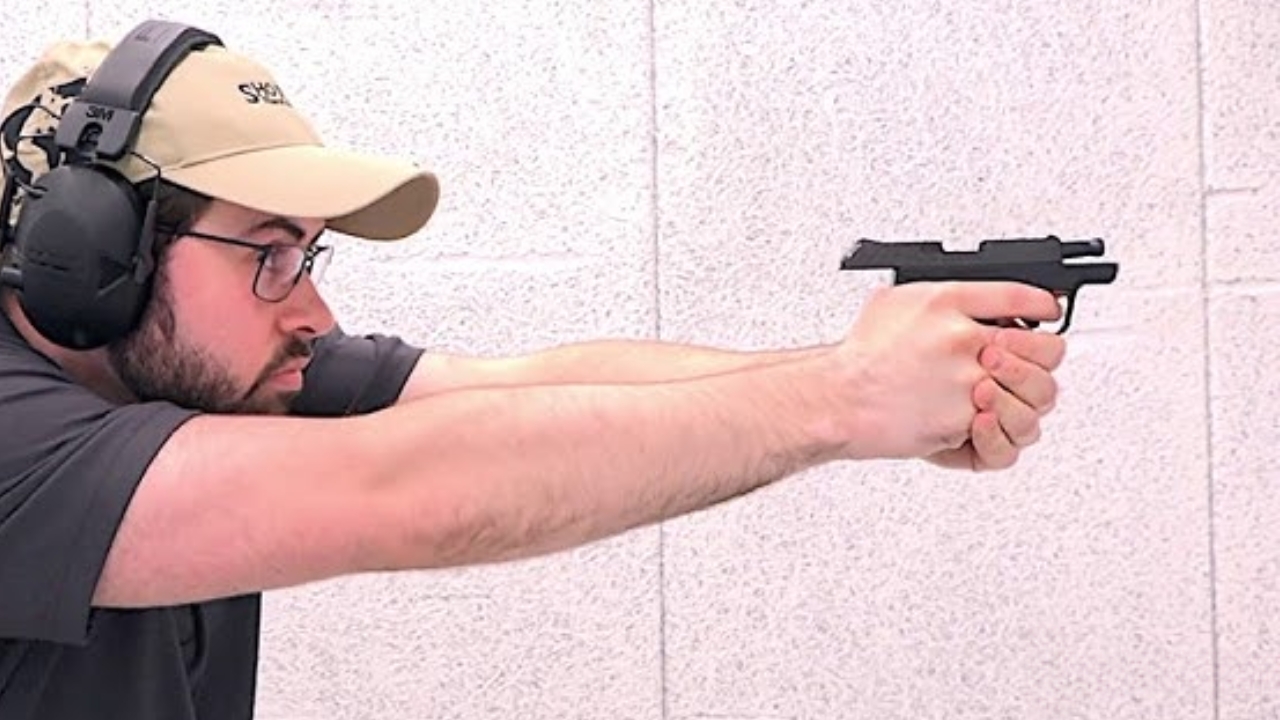
Some pocket pistols feel like they want to jump out of your hand with every shot. A tiny grip combined with snappy recoil can make even short range practice frustrating.
And if you’re not practicing, you’re not really prepared. Stick with something you can shoot regularly without hating the experience. A gun you only shoot once a year probably won’t help when things go sideways.
Sights Are Often Useless

Many pocket pistols come with tiny, low-profile sights—or none at all. That’s fine for contact-range work, but terrible for anything beyond a few feet.
If the sights are just decorative, you’re basically point-shooting. That might be acceptable for some folks, but others may want something a little more shootable. Know your needs before you settle.
Manual Safeties Can Be a Problem

On a larger pistol, a manual safety might make sense. But on a pocket pistol, it can complicate things. You don’t want to be fiddling with a tiny lever under stress.
If it’s too small to manipulate cleanly or easy to forget, it could trip you up. Simpler is usually better here. You want consistent and predictable—not fancy and fidgety.
Not All Calibers Are Created Equal

Some pocket pistols are chambered in calibers that feel good on paper but underperform in reality. A tiny .22 might be easy to shoot but lack stopping power, while a .380 might be too snappy in an ultralight frame.
Find the balance that works for you. The best caliber is the one you’ll actually train with and carry—not just the biggest one that fits in your pocket.
*This article was developed with AI-powered tools and has been carefully reviewed by our editors.