
Photo credit: Rusty Restore/YouTube
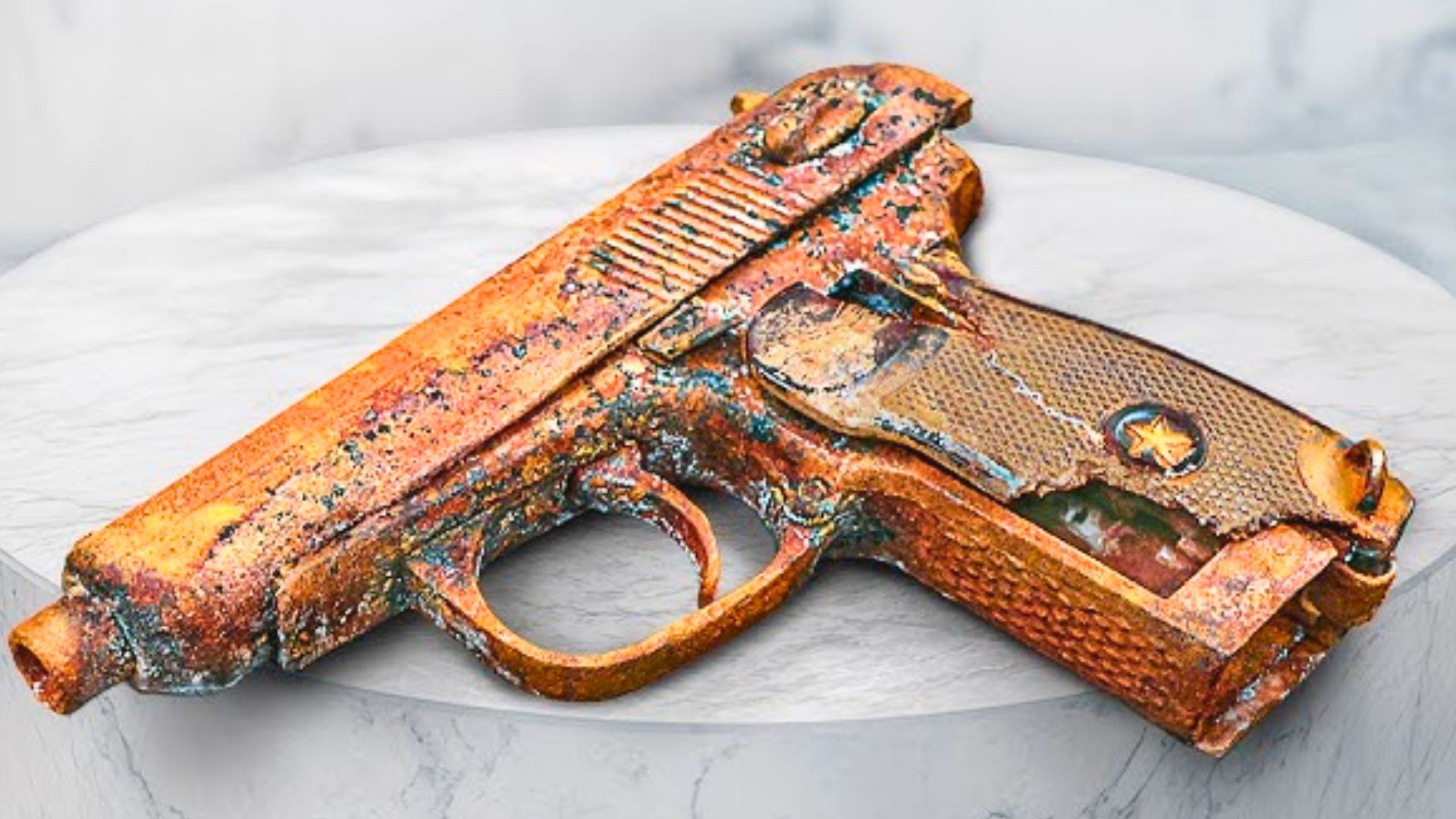
Some guns seem to rust if you so much as breathe on them. You can wipe them down, oil them up, and store them carefully—and still find a film of orange creeping across the finish a week later. It’s not always poor care; some firearms are simply more prone to corrosion because of their materials, coatings, or design quirks. Older blued steel, cheap finishes, or even rough machining can make a gun a magnet for moisture and fingerprints. If you’ve ever pulled a rifle from the safe to find fresh rust where your hand once rested, you’ll know exactly what kind of guns we’re talking about. These are the ones that demand constant vigilance, because the moment you relax, they start turning orange.
Winchester Model 94 (Pre-64)

The old Winchester 94s are beautiful rifles, but that deep blued steel doesn’t take kindly to fingerprints. The older finishes were never designed for damp climates or sweaty hands. If you handle one barehanded and don’t wipe it down immediately, rust starts forming almost overnight.
Collectors love these rifles for their history, but anyone who hunts with one knows they require constant attention. You can’t leave one in a scabbard after a rainy day or store it uncased in a humid cabin. A single wet weekend in elk country is enough to stain the receiver. The 94 will outlast generations—but only if you’re meticulous with oil and cloth.
Colt Python (Old Models)
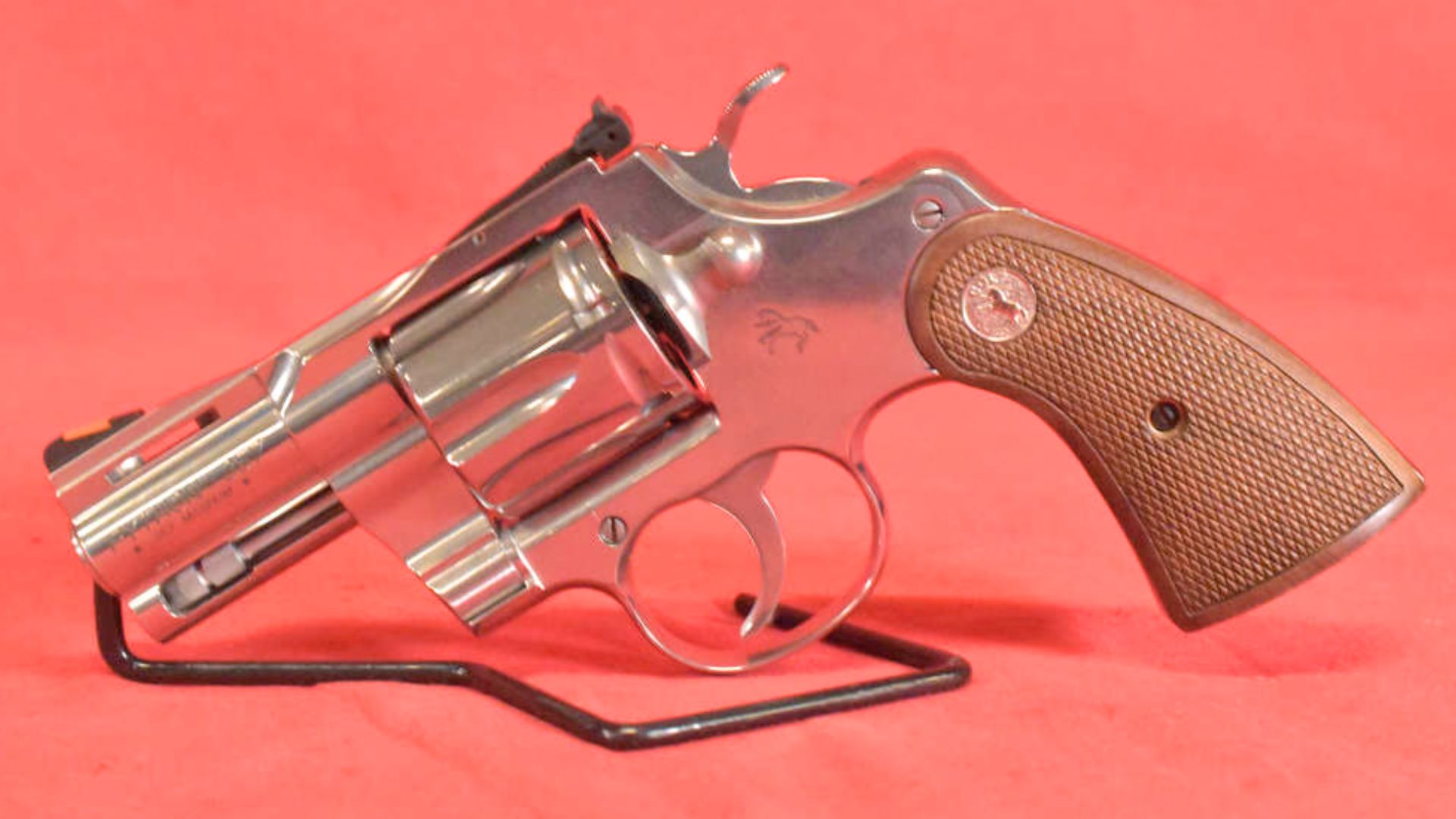
The original Colt Pythons from the ’50s through the ’70s are stunning revolvers, but that mirror-polished blue finish is a rust magnet. It looks incredible under bright light, yet it’s one of the least forgiving finishes ever made. One touch from an oily or sweaty hand can leave a fingerprint etched in corrosion.
Many owners kept their Pythons wrapped in wax paper for a reason. That bluing isn’t sealed like modern coatings, so moisture creeps in quickly. The result? Tiny rust blooms that can ruin the finish on an otherwise flawless revolver. Keeping a classic Python pristine means handling it with gloves or wiping it constantly like it’s made of glass.
Remington 700 (Older Blued Versions)

The Remington 700 is one of the most common hunting rifles in America, but those older blued steel models have a bad habit of picking up rust fast. Even after a short hunt in light mist, the barrel can start spotting by the time you get home.
The problem isn’t quality—it’s the finish. That older style of bluing just doesn’t protect against moisture or salts from your hands. Hunters who use them in cold, wet climates know the routine: wipe it down after every trip, oil it after every cleaning, and pray you didn’t miss a fingerprint. The 700’s accuracy made it famous, but keeping it looking good is a full-time job.
CZ 75B (Blued Steel Models)

The CZ 75B is an excellent pistol mechanically, but the standard blued finish on some models is notorious for surface rust. It’s a gun that loves clean, dry climates but turns ugly fast if you carry it against your skin or live somewhere humid.
That thin factory finish looks good when new but offers little protection once it wears. Many owners found that simply carrying it in a leather holster was enough to start rusting the slide rails. The solution has often been refinishing—Cerakote, hard chrome, or stainless conversions—because if you stick with the original blued steel, you’ll spend more time wiping it down than shooting it.
Springfield 1911 Mil-Spec (Blued)

The Springfield Mil-Spec 1911 is built like a tank, but its finish doesn’t share that toughness. The blued carbon steel version can start showing rust after just a little exposure to sweat or rain. Carry it inside the waistband on a summer day, and you’ll see spots within hours.
It’s a classic look, but blued 1911s have always been finicky. Between the tight slide fit and untreated steel surfaces, moisture gets trapped easily. Regular oiling helps, but it’s one of those guns that’s better for the range than the field—unless you like constant maintenance. Stainless and parkerized versions hold up better, but that deep-blue version is always fighting the elements.
Marlin 336 (Older Models)

The older Marlin 336 rifles, especially those made before stainless options were common, are known for developing rust quickly. That old-school blued finish wears thin around the receiver and lever, exactly where your hands make contact.
Hunters who used them year after year in damp climates found themselves battling surface rust after nearly every trip. The rifles still run flawlessly, but cosmetically, they don’t age well without care. A day of rain or snow, and you’ll be tearing it down to oil the internals. If you own one, you learn fast—wipe it after every touch, or it’ll show it.
Ruger Blackhawk (Blued)

Ruger’s single-actions are famously tough, but the blued versions, especially older ones, aren’t immune to corrosion. The cylinder and grip frame tend to rust first, especially if carried on your hip during long hunts or hot-weather rides.
The finish isn’t fragile—it’s just traditional bluing, which reacts fast to sweat and moisture. Hunters who keep their Blackhawks in leather holsters see this the most, since leather traps humidity. Once that orange film starts, it spreads quickly unless you stay on top of it. It’s one of those revolvers that demands old-school care to keep looking like new.
Savage Axis (Early Production)

The Savage Axis earned a reputation as an affordable workhorse rifle, but early blued models didn’t win any awards for corrosion resistance. The matte finish looks tough but offers minimal protection once scratched or exposed to humidity.
Owners who used them for truck guns or left them in deer camps often found light rust on the barrel and bolt handle within weeks. Later models improved the coating, but the first generation needed constant upkeep. You could count on it to shoot straight—but you had to babysit the finish if you wanted it to stay clean.
Mossberg 500 (Blued)

The Mossberg 500 is one of the most reliable shotguns ever built, but the standard blued versions rust faster than you’d expect. If you use it for duck hunting or keep it in a damp blind bag, you’ll see oxidation in no time.
Even wiping it down after each hunt sometimes isn’t enough if you’re dealing with saltwater or humidity. The receiver and magazine tube are the first to show rust, and once it starts, it spreads. The 500 runs great through years of abuse—but if you don’t stay ahead of corrosion, it’ll look like it’s been buried in the marsh by next season.
Beretta 92FS (Italian Blue)

The Italian-made Beretta 92FS with its glossy blue finish is a beautiful pistol, but it’s also highly sensitive to fingerprints and moisture. Touch it once, and you’ll likely leave a mark that starts to bloom into rust if left unchecked.
The steel’s finish isn’t designed for rough weather—it was meant for polished presentation and light carry. Military versions with parkerized or Bruniton finishes hold up better, but the original commercial blue looks great only if you baby it. For anyone who carries it daily, frequent wipe-downs are as important as cleaning the barrel.
Norinco SKS

The Norinco SKS rifles that flooded the U.S. market in the ’90s were rugged in function but not finish. Many came with thin bluing that barely protected the surface. As soon as they hit damp air, especially in coastal regions, they started rusting.
Owners learned that touching the barrel or receiver with bare hands was an invitation for corrosion. The steel quality was fine, but the lack of proper finishing work left them vulnerable. You could shoot them endlessly without mechanical issues, but keeping them rust-free required constant oiling and vigilance.
Colt 1903 Pocket Hammerless
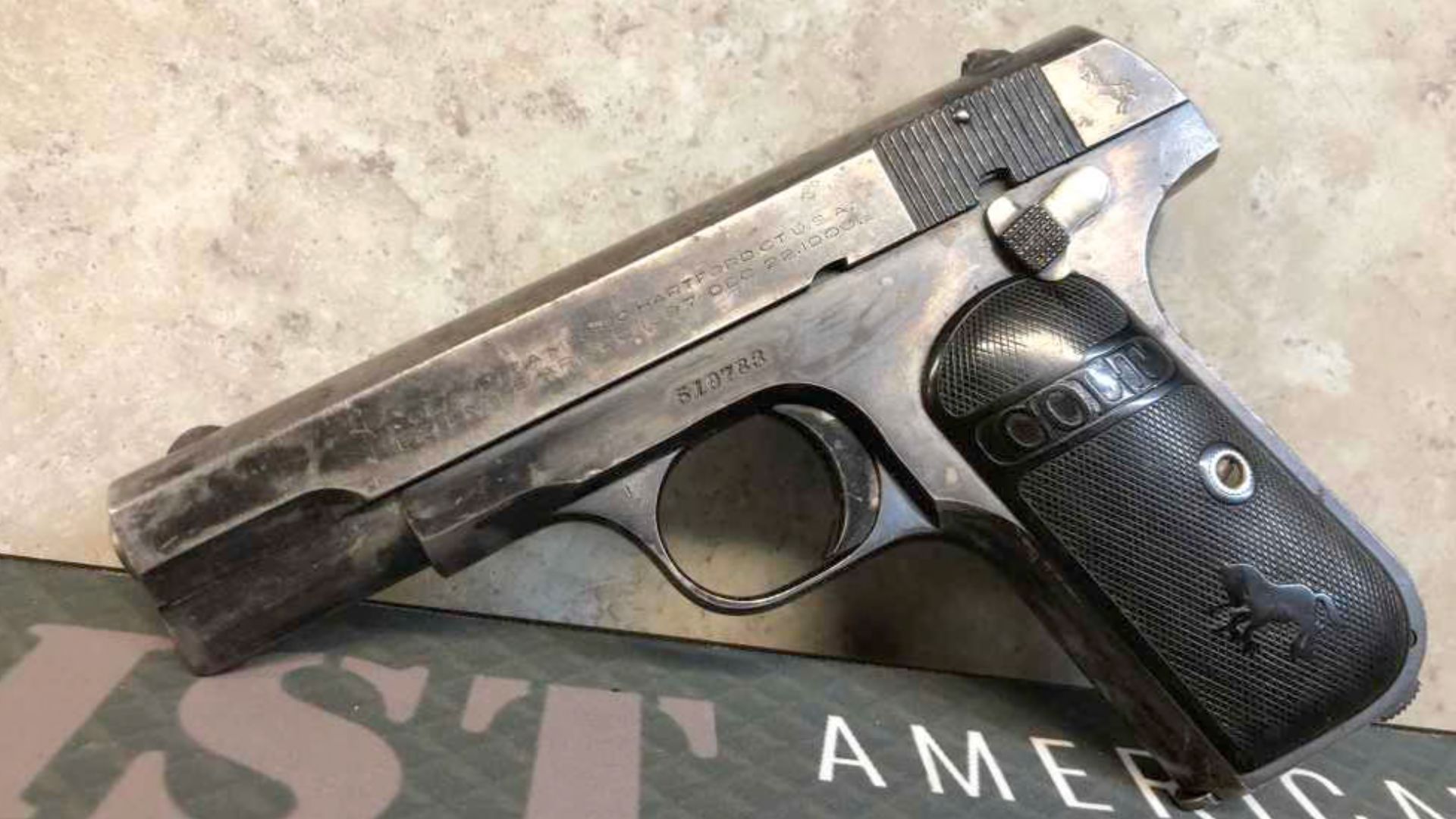
The Colt 1903 is one of the most elegant pistols ever made—but it’s also one of the most rust-prone. Those early 20th-century finishes were beautiful, but the bluing offers little defense against modern humidity.
Collectors who handle them without gloves often regret it. Fingerprints etch themselves into the steel overnight, and moisture under the grips can turn into pitting if not caught early. The 1903 might have stood the test of time mechanically, but cosmetically, it’s a nightmare for anyone who doesn’t keep a rag nearby.
Ithaca Model 37 (Older Versions)

The Ithaca 37 is another gun that runs like a dream but rusts if you forget about it. Older models with traditional bluing or parkerized finishes often develop surface rust around the receiver, loading port, and barrel.
It’s not poor craftsmanship—just the materials of the era. If you hunt waterfowl or in wet climates, the Ithaca demands care. Many hunters wrap them in waxed canvas or treat them with extra oil before trips. You can’t fault the gun’s performance, but its finish needs constant protection.
Tokarev TT-33

The Tokarev TT-33 is as rugged as it gets mechanically, but its finish wasn’t built for longevity. The thin, uneven bluing used on many imports wears off quickly, leaving the bare steel exposed to air and moisture.
Once that happens, it rusts fast—especially around the slide serrations and trigger guard. It’s one of those pistols that you can leave clean and oiled in the morning and find spotted by nightfall if you forget to wipe it after handling. Durable on the inside, fragile on the outside—that’s the Tokarev in a nutshell.
Browning Hi-Power (Pre-FN Coatings)

The early Browning Hi-Powers, especially pre-FN coated models, are some of the worst offenders for corrosion. That thin blue finish offers almost no resistance to fingerprints, sweat, or humid air.
Collectors who handle them regularly without gloves see the damage fast—tiny orange specks forming within days. Later models and FN’s more modern coatings fixed much of the issue, but the originals remain notoriously high-maintenance. It’s one of the best-feeling pistols ever made, but also one of the most likely to rust if you so much as touch it without wiping it clean.
Like The Avid Outdoorsman’s content? Be sure to follow us.
Here’s more from us:
The worst deer rifles money can buy
Sidearms That Belong in the Safe — Not Your Belt
*This article was developed with AI-powered tools and has been carefully reviewed by our editors.


