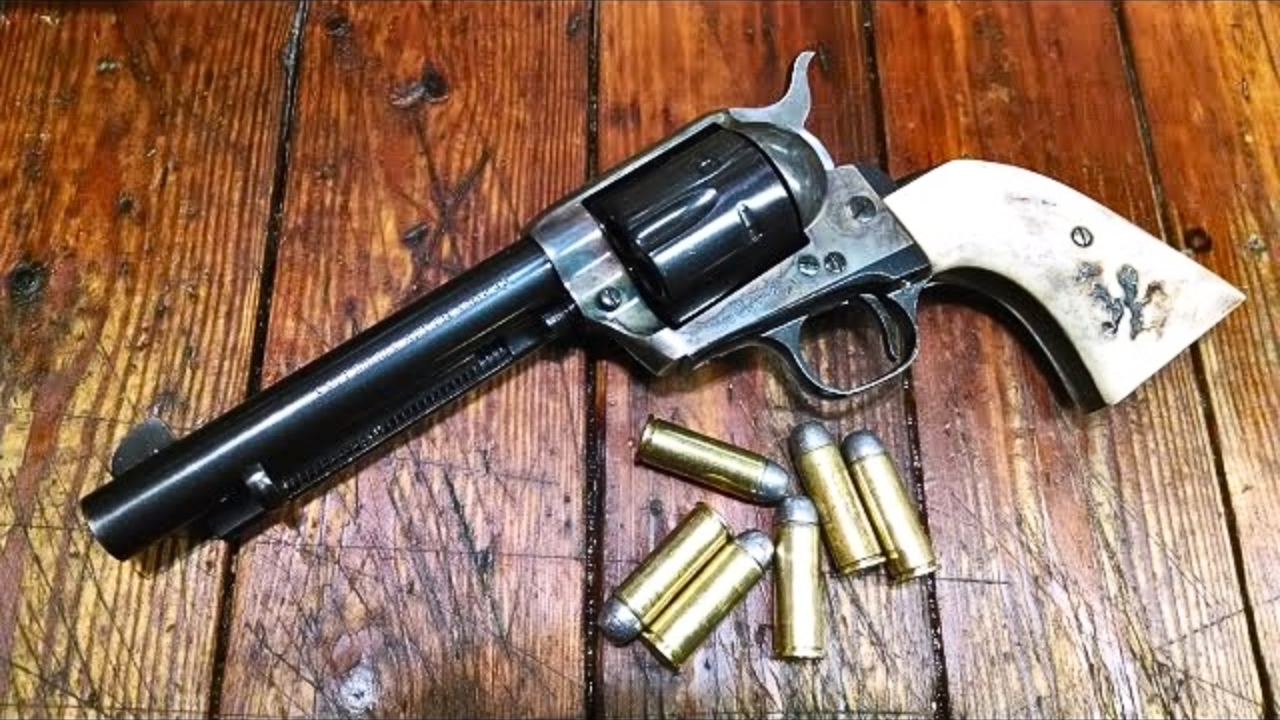
Photo credit: Lucky Gunsmithing/YouTube
You can’t talk about American handguns without tipping your hat to the Colt Single Action Army. It’s more than a revolver—it’s a symbol of the American frontier, and somehow, it’s still relevant more than 150 years later. Originally designed in 1873, the SAA was the gun that tamed the West and armed everyone from cavalry officers to ranch hands. But it wasn’t just timing that made it famous—it was the way it worked, the way it balanced, and the way it lasted. Even in a world full of polymer pistols and double-action revolvers, the Single Action Army still earns respect. There’s something in its design and history that refuses to fade, and if you’ve ever held one, you already understand why.
The balance still feels perfect
Pick one up, and you’ll understand why the Colt Single Action Army became the revolver by which all others are measured. The balance is uncanny—neither muzzle-heavy nor awkward in the hand. The grip angle lets the revolver roll naturally in recoil, bringing the hammer right under your thumb for the next shot.
It’s not a gun you fight against—it moves with you. Even modern shooters who are used to high-capacity autos are surprised at how intuitive it feels. That balance was no accident. Samuel Colt’s design team nailed the geometry so perfectly that later revolvers and even some semi-autos borrowed from it. It’s a revolver that still feels right, even 150 years later.
The trigger and hammer are pure art

The SAA’s single-action trigger is everything you want in a crisp break. It’s light, consistent, and pairs perfectly with the short, deliberate hammer travel. Every click of that four-click action feels mechanical, precise, and personal. It’s the kind of trigger pull that makes you slow down and appreciate the shot.
There’s also satisfaction in the way you thumb the hammer back—it’s deliberate, rhythmic, and becomes part of your shooting style. Compared to modern triggers, it might seem dated, but that old-school control keeps you honest. Each shot is intentional, each press earned. It’s a shooting experience few modern pistols can replicate.
The craftsmanship never went away
Every real Colt Single Action Army is a piece of craftsmanship. The lines, the fit, and the polish all show handwork you rarely see anymore. Even the newer runs from Colt have that same pride of build—the lockup tight, the timing perfect, the metal beautifully finished.
It’s not a mass-produced tool in the modern sense. It’s something that still carries the fingerprints of the people who built it. When you handle one, you’re not holding stamped parts or molded polymer—you’re holding steel that’s been shaped, blued, and finished by hands that know what they’re doing. That kind of craftsmanship is a dying art, and the SAA remains one of the few guns where it still shines.
It defined the look of the revolver

Every six-shooter that came after owes something to the Single Action Army. The long barrel, the topstrap frame, the fluted cylinder—it all started here. Hollywood may have turned the look into legend, but that silhouette was earned in the field long before the silver screen got hold of it.
You can recognize an SAA from across the room. That’s how iconic its profile is. Even when gun makers tried to modernize the design, they never strayed too far from its proportions. The Colt didn’t just define a category—it set a visual standard that shooters still equate with the American revolver.
Its history is carved into the country
Few guns have seen more of American history up close. The Single Action Army rode in saddle holsters during the frontier years, saw action in both world wars as personal sidearms, and later became a favorite for sport shooters and collectors alike. It’s one of the few firearms that bridges every generation of American gun culture.
Names like Hickok, Roosevelt, and Patton carried it—and so did countless unnamed ranchers and cowhands. When you shoot one today, you’re handling the same design that shaped the country’s relationship with handguns. That’s not nostalgia; that’s heritage. And the Colt still carries that weight effortlessly.
It still shoots straight

Despite its 19th-century design, the Single Action Army can still shoot with the best of them. Its fixed sights are simple but precise when properly regulated, and the long sight radius on the 7.5-inch models makes it easy to hold steady. Accuracy isn’t luck—it’s built into the timing, the lockup, and the clean trigger.
A good SAA will keep tight groups at 25 yards all day, and with modern ammo, it’s no slouch in terms of power. Sure, it’s not a tactical pistol, but it’s a reminder that precision doesn’t need optics or rails. Sometimes, a well-made revolver does the job just fine.
The caliber choices still make sense
The original .45 Colt cartridge gave the Single Action Army its punch, and it still does. It’s powerful, controllable, and easy to reload for. Over the years, Colt offered versions in .44-40, .38-40, .357 Magnum, and others, but the .45 remains the soul of the design.
Even today, that round hits hard and shoots clean, especially with modern loads. You can take it hunting, plinking, or through a few hundred cowboy-action rounds without it missing a beat. The gun and cartridge were built for each other—and that’s rare harmony in any era.
It inspired everything that followed

Every western-style revolver since owes its lineage to the Colt. Ruger, Uberti, Cimarron—all of them took inspiration from the Single Action Army. Even if you shoot a modern Vaquero or clone, you’re still using Colt’s blueprint.
That influence goes beyond design. It shaped shooting culture itself—the draw, the spin, the art of slow fire. It’s the reason cowboy action shooting exists at all. The Colt didn’t fade into nostalgia—it became the foundation for an entire shooting tradition that’s still alive and well.
It connects shooters across generations
Few guns bring people together like a Colt Single Action Army. Grandfathers teach their grandkids how to cock and fire one, explaining the “four clicks” that spell C-O-L-T. Collectors, shooters, and even casual fans all recognize it for what it is—a piece of living history that still works.
When you take one out to the range, it’s more than target practice. It’s a conversation with every shooter who ever owned one before you. The sound, the feel, the rhythm—it all connects the past and present in a way few other firearms can.
It still earns its legend
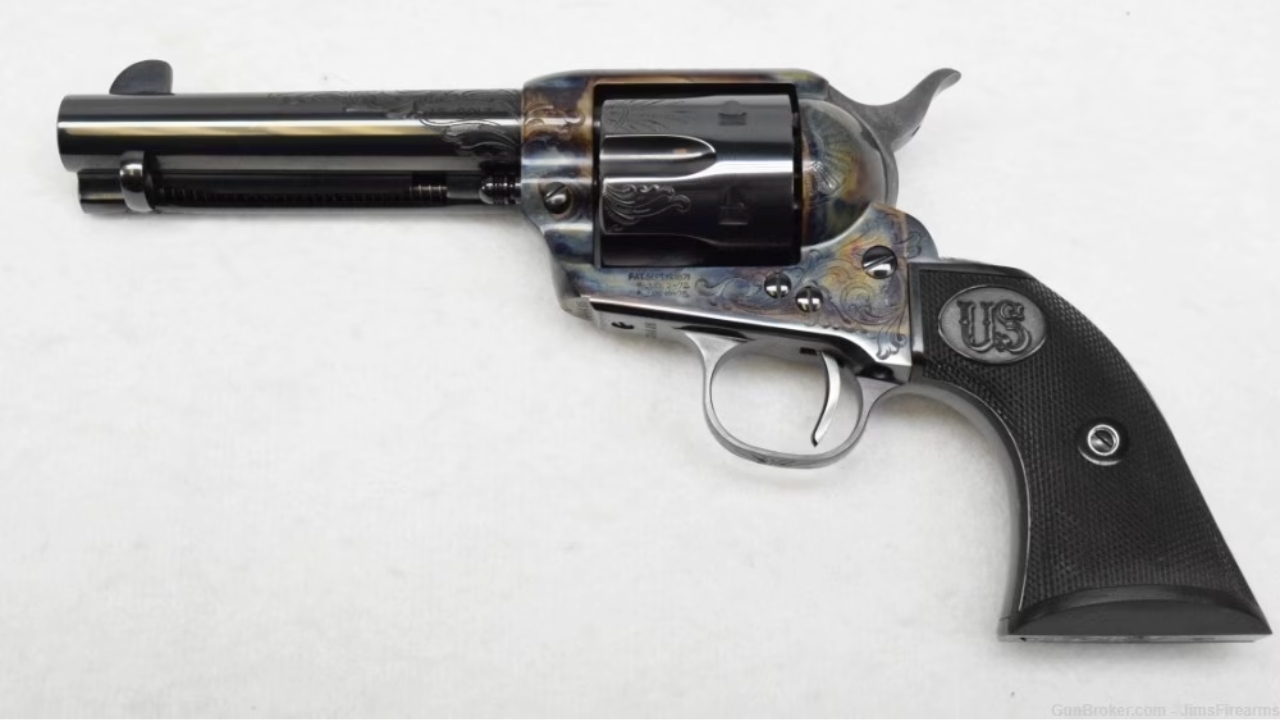
The Single Action Army isn’t a relic—it’s proof that good design and craftsmanship outlast trends. Every time you thumb back the hammer and hear those four clicks, you understand why the legend never faded. It’s not about nostalgia or Hollywood. It’s about a revolver that still feels right, still shoots true, and still carries the weight of history with ease.
Plenty of guns have come and gone since 1873, but none have stayed as timeless. The Colt Single Action Army earned its legend the hard way—and it’s still earning it every time someone takes one to the range.
Like The Avid Outdoorsman’s content? Be sure to follow us.
Here’s more from us:
The worst deer rifles money can buy
Sidearms That Belong in the Safe — Not Your Belt
*This article was developed with AI-powered tools and has been carefully reviewed by our editors.