Photo credit: 1911 Syndicate/YouTube
When the pace gets fast, the pistols that stay manageable usually have the same things working in their favor: enough weight to calm the gun down, a grip that gives you real leverage, a sight picture that is easy to track, and controls that do not fight you when the timer starts. That is why so many of the easiest-shooting handguns are still full-size service pistols or competition-leaning models. The current market reflects that, too. Glock still keeps the G17, G19, and G34 in the lineup, while CZ, Beretta, SIG, Walther, FN, HK, Smith & Wesson, Staccato, and Canik all continue selling models built specifically around speed, control, or both.
That does not mean you need the biggest or most expensive gun on the shelf. It means the pistols that stay easy to run hard usually make practical choices in size, frame material, barrel length, and trigger design. Once you have shot enough handguns at real speed, you stop caring about what looks sleek in the case and start caring about what settles back into the sights without drama.
Glock 17
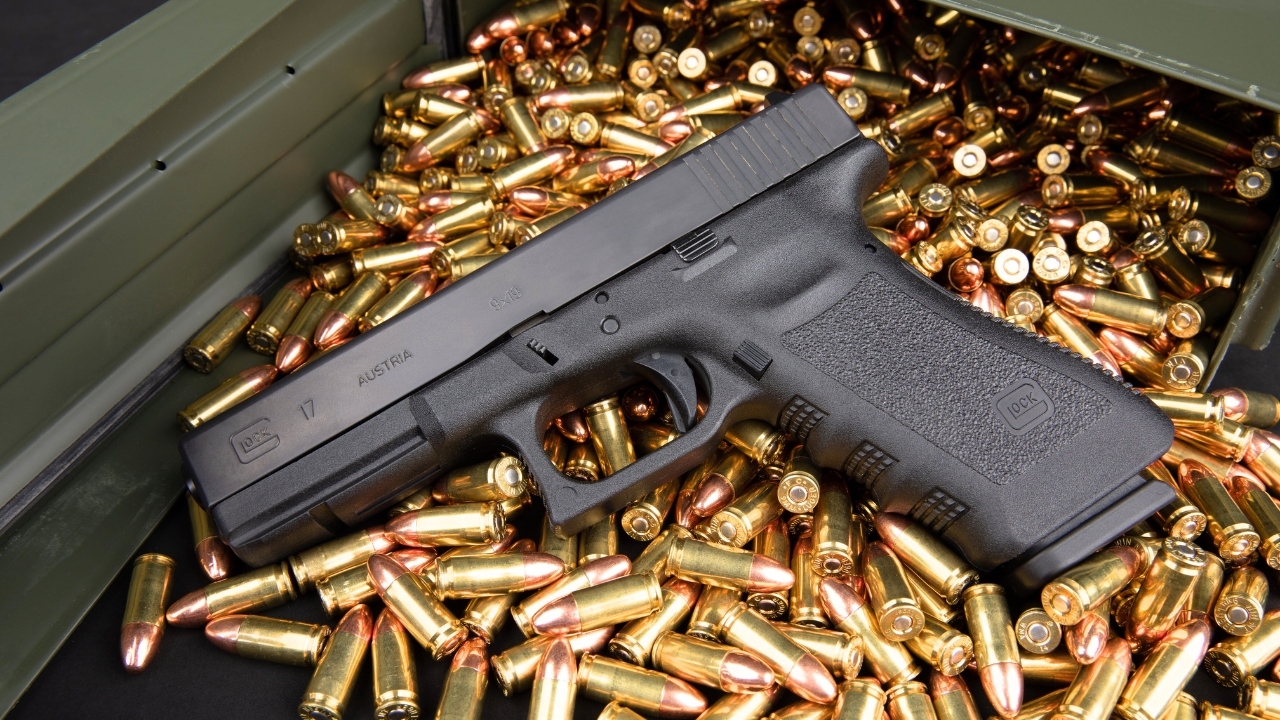
The Glock 17 stays easy to control at speed because it still sits in one of the best overall size classes for practical shooting. Glock’s current G17 Gen5 page highlights the full-size format, flared magwell, enlarged controls, and GLOCK Marksman Barrel, all of which support fast handling and repeatable hits. None of that is flashy, but it works. A full grip and a long enough sighting plane make a big difference once you stop shooting slow-fire groups and start running the gun harder.
What keeps shooters coming back to the G17 is that it does not need extra weight or oddball geometry to feel steady. It is light enough to carry, but still large enough to stay predictable through strings of fire. When you want a pistol that moves quickly without feeling twitchy, the G17 still has one of the cleanest balances in the category.
Glock 19

The Glock 19 earns its place because it gives you a controllable gun in a slightly trimmer package without dropping into the harsher feel of true subcompacts. Glock’s G19 Gen5 page emphasizes the no-finger-groove frame, flared magwell, and enlarged controls, which matter more than many people think once you start moving quickly. The gun is small enough to carry comfortably, but still big enough to give you real purchase and a predictable recoil cycle.
That is why so many experienced shooters still shoot a G19 fast without fighting it. You give up a little compared with a full-size gun, but not enough to make the pistol feel nervous in the hands. For a do-everything 9mm that still stays manageable when cadence climbs, the G19 remains one of the safest bets going.
Glock 34
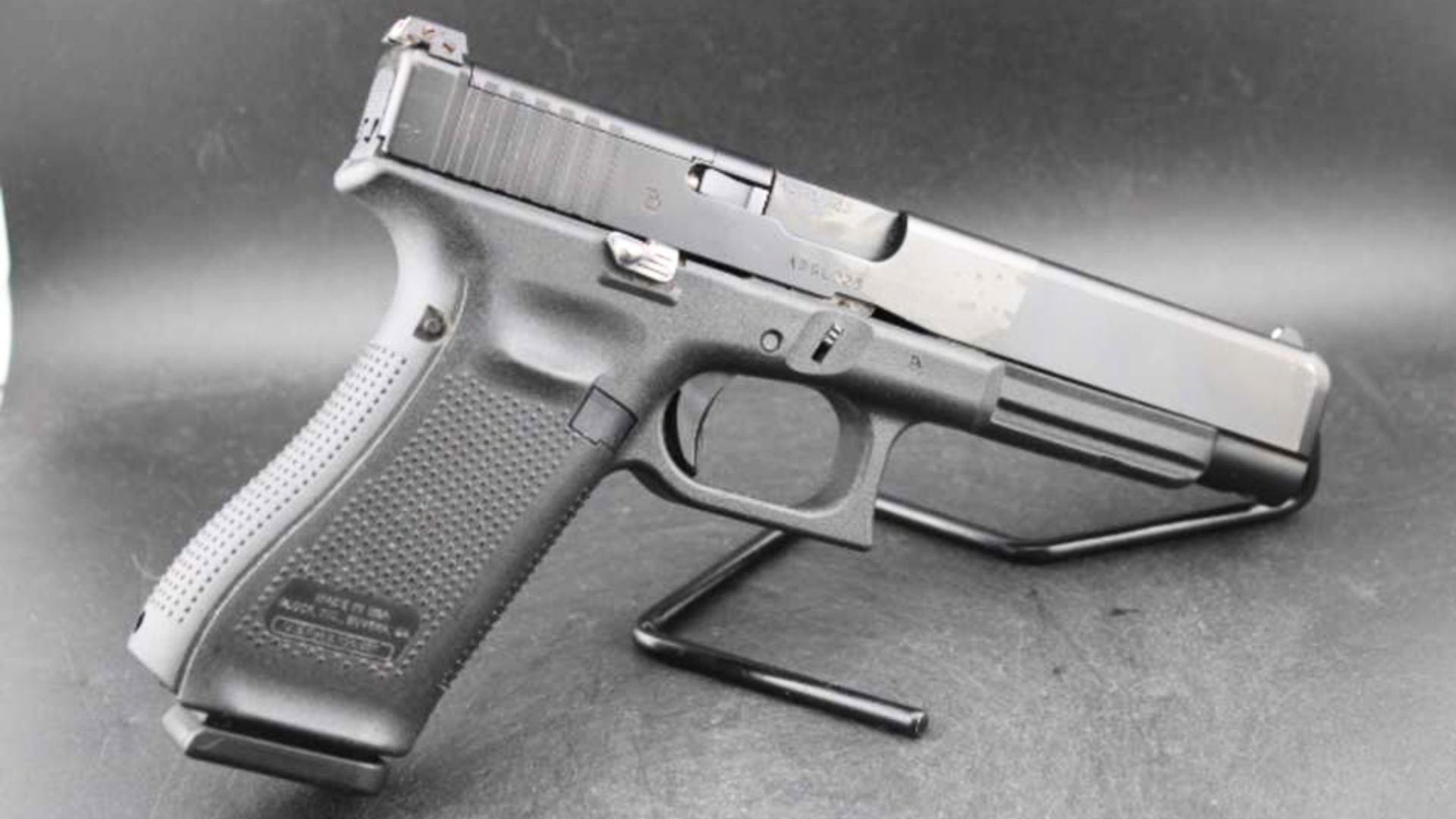
The Glock 34 was built with this exact conversation in mind. Glock’s product page says the extended barrel, longer slide, and longer sight radius were the decisive reasons for developing the G34, and the company openly notes its widespread use in IPSC and other shooting sports. That is not accidental language. This pistol exists because longer dimensions and a calmer top end help people shoot better when speed starts to matter.
The G34 tends to stay easy to control because it keeps the familiar Glock feel while stretching the gun into a more forgiving format. The sight tracking is easier to read, the added length helps the gun settle, and the overall design is still straightforward enough that nothing distracts from the shooting itself. If you already like Glocks, this is one of the easiest ones to run hard.
CZ Shadow 2

The CZ Shadow 2 is one of the clearest examples of a pistol built around staying flat under speed. CZ describes it as an all-steel, high-capacity SA/DA pistol engineered for peak performance in dynamic shooting sports, and the company calls it a top choice for elite competitors. That kind of description matches what you would expect from a heavy steel gun with refined ergonomics and a competition-first purpose.
What makes it easy to control is not magic. It is steel weight, a low-running slide, strong grip geometry, and a design that was built around fast follow-up shots instead of only casual range use. When the pace climbs, the Shadow 2 tends to stay planted in a way lighter service pistols often do not. That is why it keeps such a strong hold in action-shooting circles.
CZ 75 SP-01
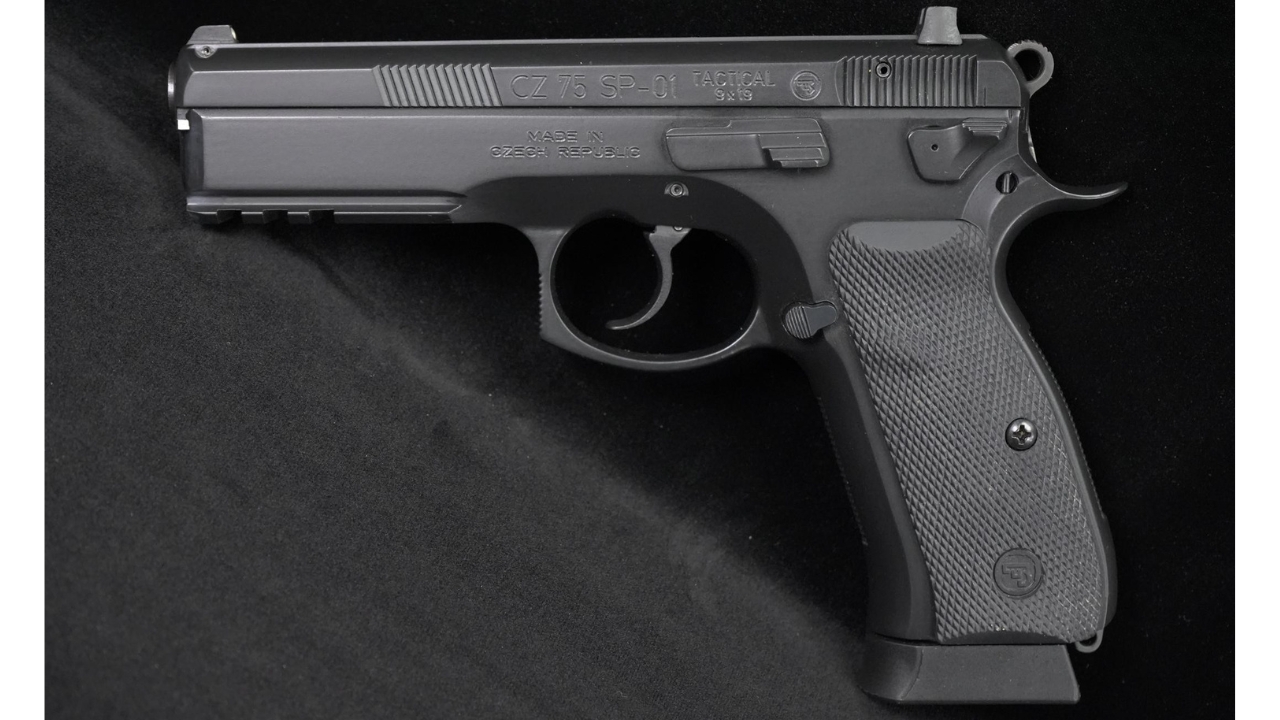
The CZ 75 SP-01 stays controllable for the same broad reasons, but in a slightly more duty-minded package. CZ says the SP-01 blends classic CZ 75 reliability with upgraded ergonomics and specifically notes the extended beavertail, improved grip geometry, and checkering that offer better control and reduced recoil, making follow-up shots faster and more accurate. That is about as direct as a product page gets.
That is exactly why the SP-01 remains such a smart fast-shooting pistol. It has enough steel to keep the gun from feeling jumpy, and the frame shape gives you a lot to work with when driving the pistol between targets. If you want a full-size DA/SA gun that stays disciplined when you speed up, the SP-01 still makes a very strong case.
Walther PDP Steel Frame Match

The PDP Steel Frame Match was built to reduce recoil and reward quick follow-up shots, and Walther says exactly that. Its official page notes that the robust steel frame and added weight significantly reduce recoil, delivering exceptionally smooth and accurate shots, and it specifically calls out rapid follow-up shots as a strength. That puts this pistol right in the center of the “shoot fast, stay in control” conversation.
The reason it works is straightforward. A 5-inch barrel, full-size frame, steel weight, and Walther’s match-oriented trigger package give the gun a calmer feel than most polymer service pistols. It is a purpose-built performance gun, and it behaves like one. If you want a striker-fired pistol that still feels settled when you start pushing pace, this is one of the stronger factory options out there.
Beretta 92FS

The Beretta 92FS stays easy to control because the design still gives you a long, stable shooting platform with a very smooth operating feel. Beretta says the 92FS uses an open-slide, short-recoil delayed locking-block system that yields a faster cycle time and delivers exceptional accuracy and reliability. That open-slide system has long been part of why the gun feels so smooth when you are tracking it through fast strings.
The other advantage is simple size. The 92FS is a large pistol, and that extra length and weight help keep the sights easy to follow. It is not a compact carry gun pretending to do competition work. It is a full-size service pistol that still rewards rhythm and control, which is why experienced shooters often shoot it faster than people expect.
Beretta 92X Performance

The 92X Performance takes those strengths and pushes them further. Beretta says the 92X Performance was created around speed and accuracy, and the company specifically notes the steel frame, heavier Brigadier slide, and Xtreme-S trigger system. On the family page, Beretta also says the frame and slide weight make the pistol more stable and minimize jump during firing. That is exactly the kind of language you want to see for a fast-shooting handgun.
This pistol stays easy to control because it was deliberately built to do that. The extra mass, the better trigger, and the oversized controls all support faster work without the gun feeling frantic in your hands. It is a competition-minded Beretta that keeps the familiar 90-series feel while making speed easier to manage.
SIG Sauer P226 XFive Legion
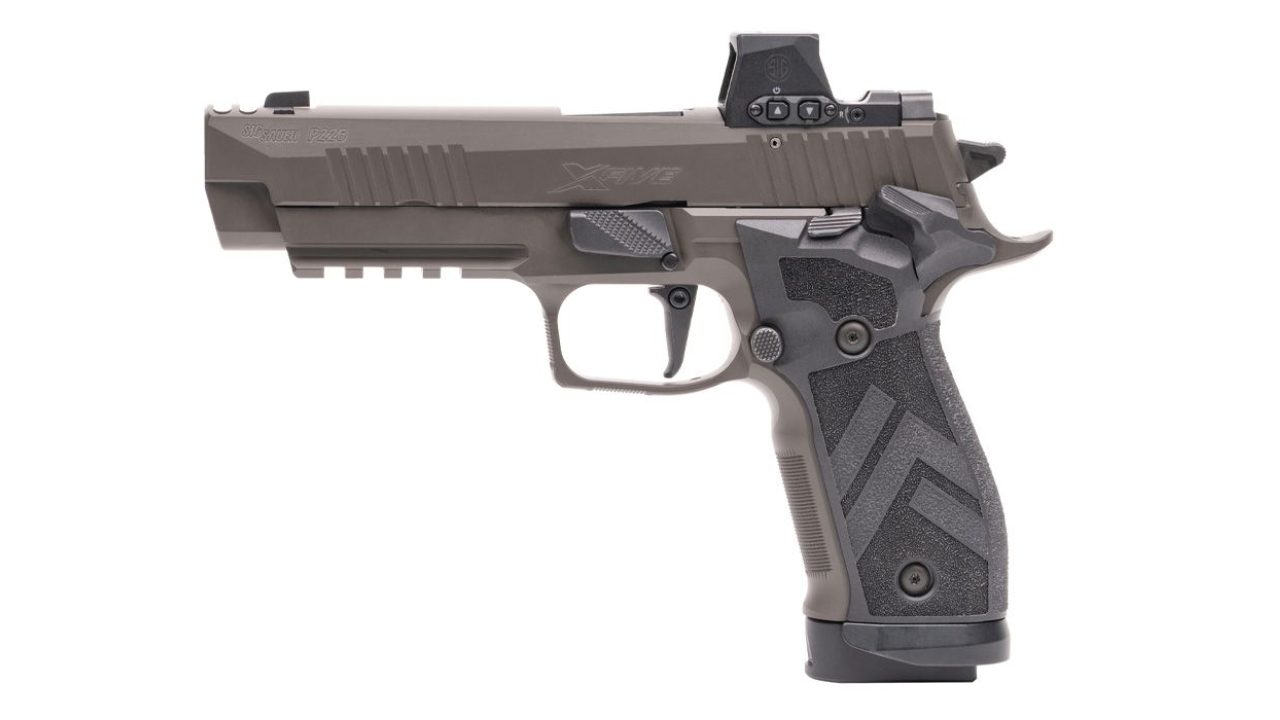
The P226 XFive Legion is one of the easiest pistols here to justify for speed because SIG openly built it around recoil reduction and control. The official page says it uses a slide-integrated expansion chamber for reduced recoil and an AX3 fully adjustable flat-faced trigger for complete control. When a company uses that wording on the product page, it is telling you exactly what the pistol was designed to do.
That approach shows up in how the gun is configured. This is a long, heavy, tuned P226 meant to stay flatter and give the shooter a cleaner trigger experience than a standard duty pistol. If you already like the P226 format, this version makes fast shooting easier by adding the kind of weight and recoil-mitigation features that usually cost you more time and money to add later.
SIG Sauer P226X Legion
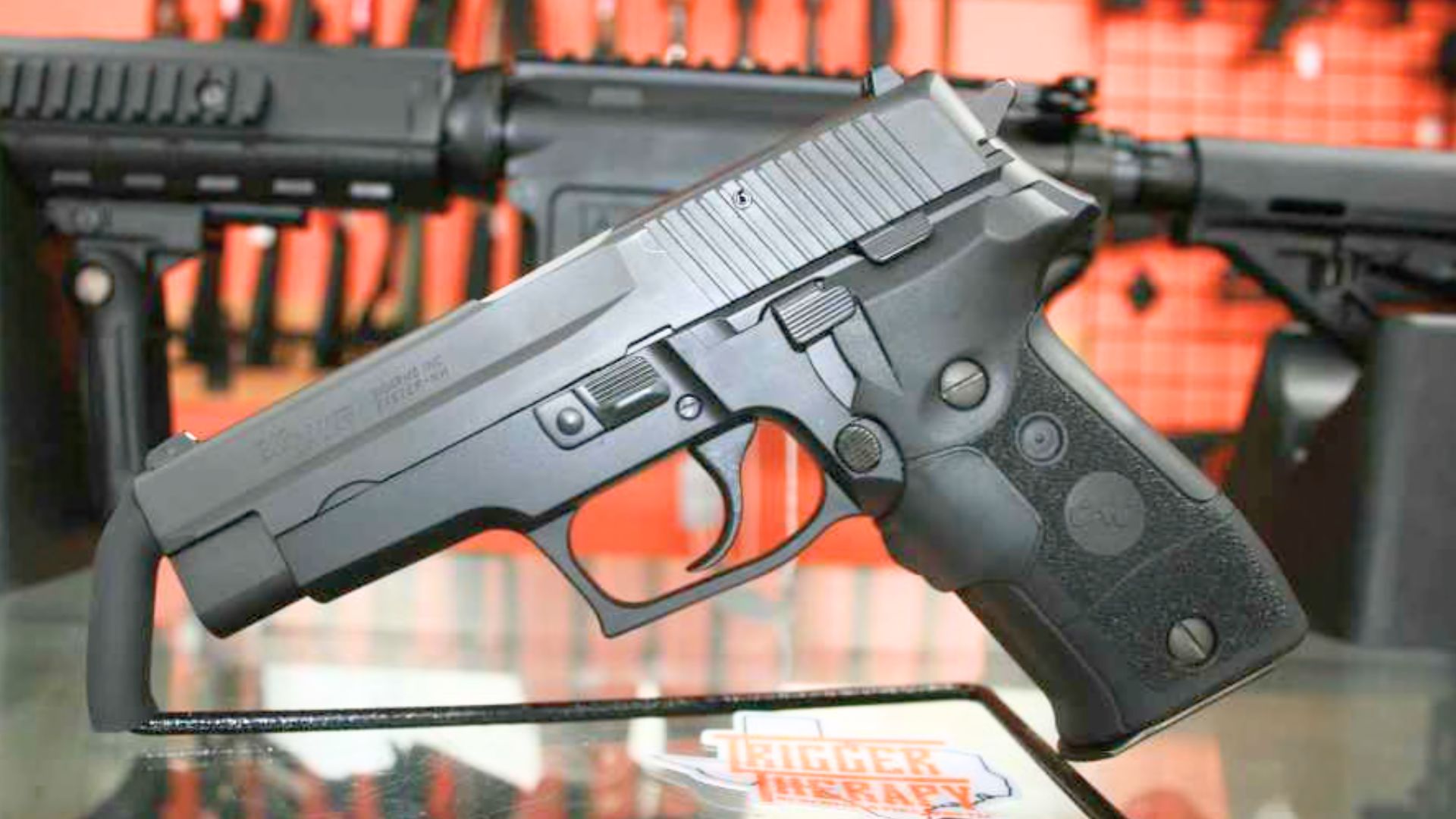
The newer P226X Legion also belongs here because SIG built it to feel more shootable right out of the box than a plain service variant. SIG says both P226X Legion models offer enhanced ergonomics for superior comfort, flush-fit 18-round magazines, and finely tuned adjustable trigger systems. Those details matter when you are trying to keep a gun controllable at pace, because comfort and trigger quality start showing up immediately in how fast you can run it cleanly.
It is still a full-size metal-frame SIG, and that already helps. Add in a better trigger and improved ergonomic tuning, and you get a gun that stays calm through faster strings without asking the shooter to fight the platform. If you want classic P226 weight with more modern performance tuning, this is a very sensible fast-shooting option.
Smith & Wesson M&P9 M2.0 Competitor

Smith & Wesson’s Performance Center M&P9 M2.0 Competitor was built with speed in mind, and the company says so directly. The official page highlights the metal frame, 5-inch barrel, and slide lightening cuts, while the Competitor HD description says it is for shooters who measure time in fractions of seconds. That is very clearly a pistol aimed at control under faster shooting, not slow casual plinking.
What makes it easier to control is the same combination you see again and again in this category: metal weight, full-size dimensions, and a long enough barrel to help the gun settle without feeling clumsy. The M&P platform was already easy to shoot well. This version gives it more of the traits shooters want once tempo starts rising.
Staccato P
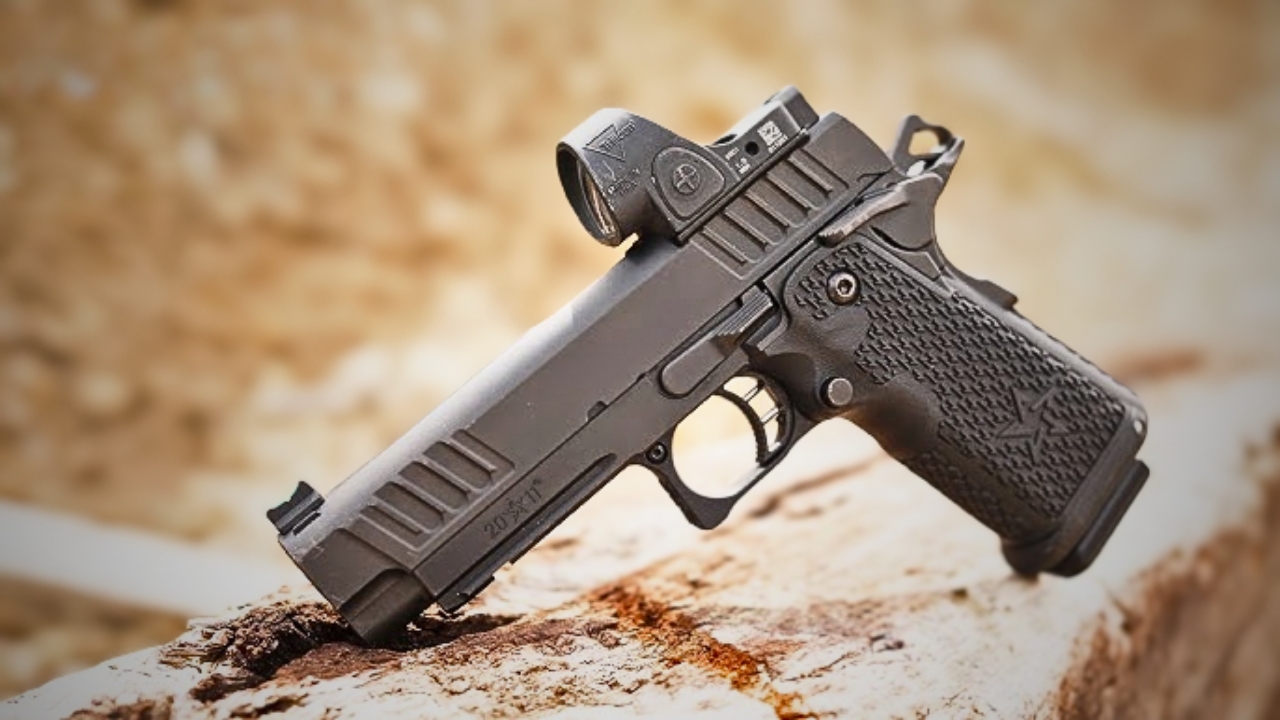
The Staccato P is a pistol that keeps showing up in serious hands because it blends duty-grade reliability with the kind of shootability people expect from the 2011 format. Staccato’s official page says the P is chosen for proven durability, reliability, accuracy, and performance, and notes that it is approved for duty by more than 1,600 law-enforcement agencies. That gives you a good sense of how seriously the platform is being used.
In practical terms, the reason it stays easy to control is that the 2011 pattern gives you a strong trigger, a stable grip, and a full-size frame that tends to track well. The Staccato P is not a bargain gun, but it is one of the clearest examples of a pistol built to stay composed when you start pushing for faster, cleaner work.
HK VP9L OR

The VP9L OR fits this topic perfectly because HK markets it as where optics-ready meets competition-ready. HK’s official page says the VP9L OR is destined to be a winner and specifically points to the ergonomics and trigger feel that made the VP9 line so successful. The “L” version exists because a longer slide and longer sighting system help shooters wring more out of the platform at speed.
That longer, better-balanced setup matters once cadence climbs. The VP9 already had a reputation for good ergonomics, and stretching the pistol into the VP9L OR format makes it easier to track, easier to drive with an optic, and easier to keep under control than a shorter service model. If you like striker guns but want a calmer one, this is a smart pick.
FN 509 LS Edge

The FN 509 LS Edge was built as a factory-tuned long-slide pistol, and FN says exactly that. The product page calls it the ultimate tactical pistol for demanding environments where split-seconds matter, and it specifically highlights the flat-faced trigger, flared aluminum magwell, and lightening-cut long slide as enhancements that help shooters master firearm control and build marksmanship. That is about as on-theme as it gets.
What makes it easy to control is that FN did not leave the shooter to build the useful parts later. The gun arrives with long-slide geometry, a better trigger, optics support, and features that support reloads and faster handling. It is a purpose-tuned 509 that feels more settled and more deliberate than a plain duty variant once the pace gets serious.
Canik SFx Rival-S
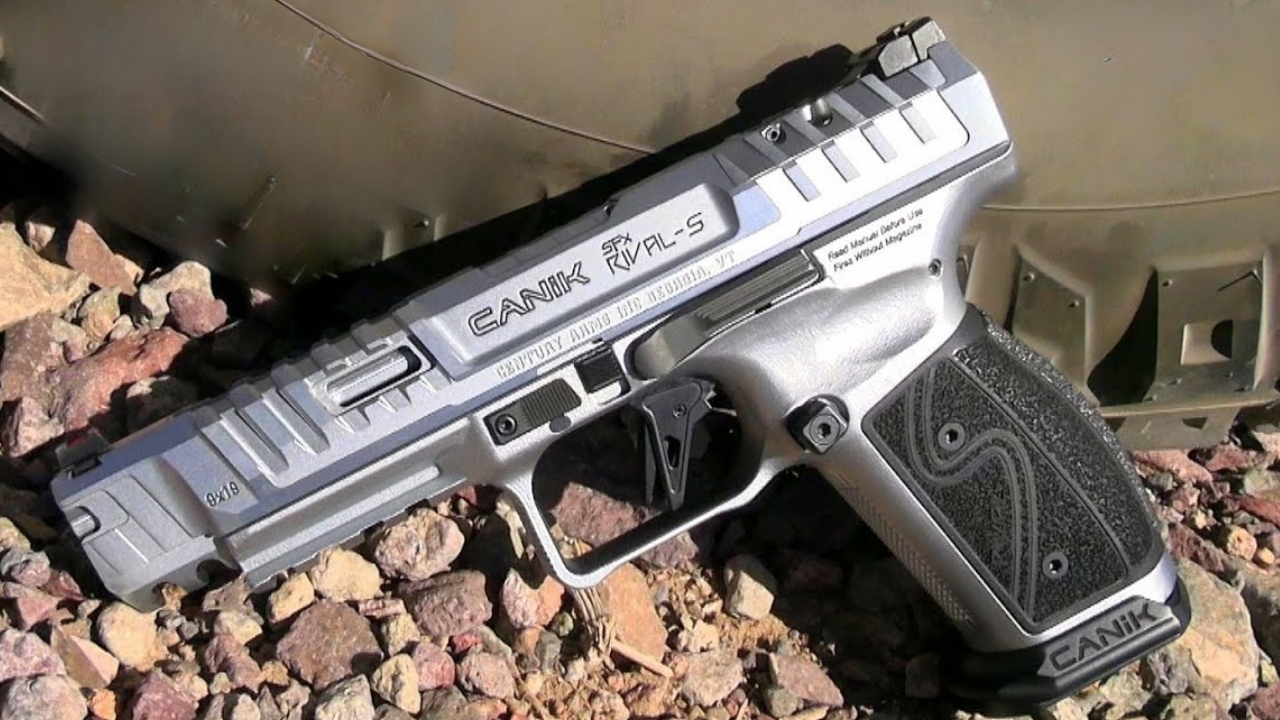
The Canik SFx Rival-S makes a strong case here because the company built it specifically around more weight and better recoil management. Canik says the Rival-S takes the proven SFx Rival design and adds the weight needed to manage even more recoil. The Canik Arms listing goes further, calling it an all-metal evolution of the platform and listing it at 2.61 pounds. That kind of mass matters once you start shooting fast.
That added steel changes the whole character of the gun. The Rival-S keeps the long-slide, competition-oriented profile of the original Rival, but the extra frame weight helps it stay flatter and feel more planted in the hands. For shooters who want a faster-shooting steel striker gun without jumping into far more expensive territory, it is one of the better current answers.
Ruger Mark IV Competition
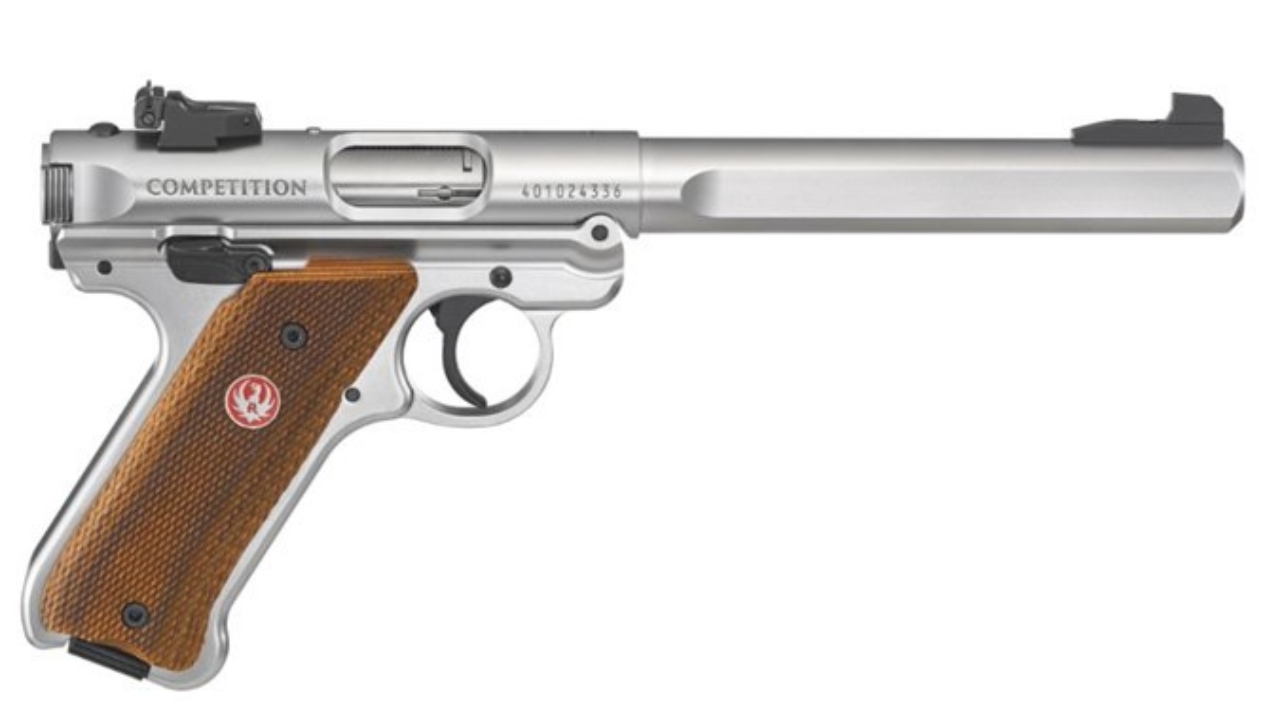
The Ruger Mark IV Competition is a rimfire pistol, but it still belongs in this conversation because control is not only about recoil management—it is also about how easy a gun is to keep stable and accurate at higher cadence. Ruger’s Mark IV Competition page highlights the one-button takedown and the cold hammer-forged barrel, while the broader Mark IV line notes the internal cylindrical bolt construction that keeps sight-to-barrel alignment fixed and supports higher accuracy potential than conventional moving-slide designs.
That fixed-barrel, heavier-target-pistol format gives you a handgun that stays extremely easy to track on steel or paper when you start shooting faster. It is not a centerfire duty pistol, but it is absolutely a pistol that remains controllable when pace climbs. For drills, practice, and fast rimfire work, it stays one of the easiest guns in the safe to run cleanly.
Like The Avid Outdoorsman’s content? Subscribe to our newsletter so you never miss an article.
Here’s more from us: