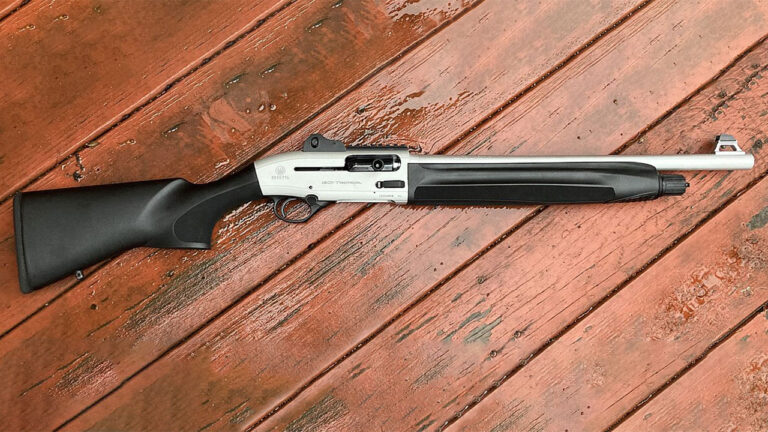
Photo credit: Camptoloma/Shutterstock.com
Some rifles will run forever, even when filthy. Others demand that you treat them like precision instruments. The difference often comes down to lubrication—or the lack of it. A dry chamber is one of the fastest ways to ruin your day at the range or in the field. From extraction failures to stuck brass and galling bolts, certain rifles simply won’t tolerate neglect in this area. If you’ve ever watched a bolt seize halfway back on a frosty morning or felt a case weld itself into a chamber after a long string of shots, you know what kind of rifles we’re talking about. These are the ones that remind you: metal on metal needs oil, or things start going wrong fast.
AR-10

The AR-10 is an accurate, capable rifle—but it hates a dry chamber. Between the high pressures of .308 and the large bolt lugs, a little lubrication goes a long way. Run it dry, and you’ll quickly find yourself fighting sticky extraction or sluggish cycling.
The gas system already blows plenty of carbon into the action, and that fouling builds fast without oil. Once it dries out, the bolt carrier starts dragging, and spent cases can hang up mid-stroke. A light coat of oil on the chamber and locking lugs keeps everything moving freely. Skip it, and the rifle’s precision and reliability both vanish before you know it.
M1 Garand
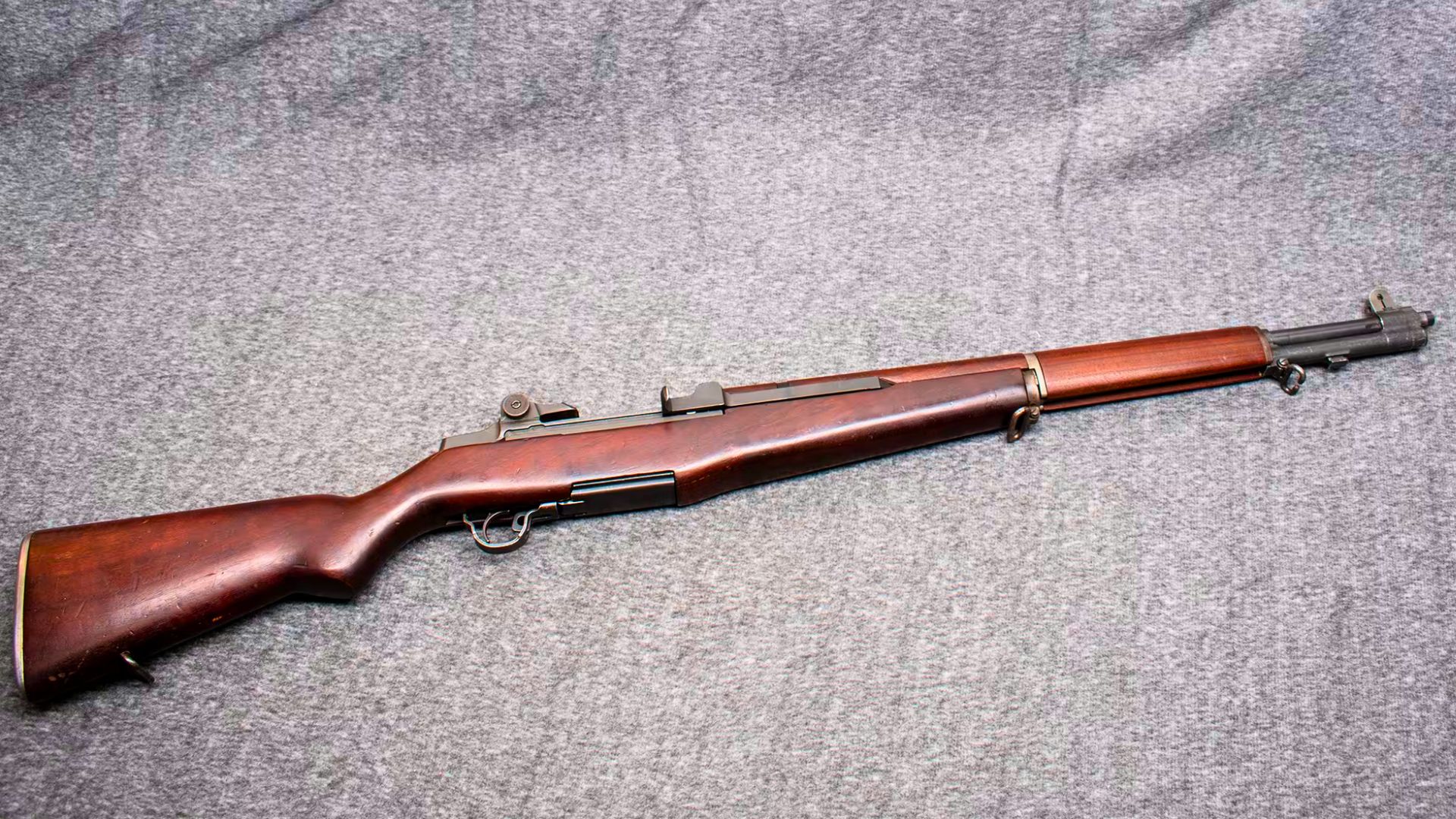
The M1 Garand was never meant to run dry. Its long-stroke gas system and tight-fitting op-rod were designed in an era when rifle grease was standard issue. Without lubrication, the op-rod binds and the bolt slows, especially in cold weather.
A dry chamber adds to the problem by increasing friction on extraction, which can cause weak ejection or even stuck cases. Garand shooters who skip the proper grease often find the rifle feels stiff and erratic. Light oil on the chamber and a thin layer of grease on the moving parts keep it cycling smoothly. The M1 might be old, but it’s picky about care—it wants to be fed, fired, and properly lubed every time.
Ruger Precision Rifle

The Ruger Precision Rifle is built for tight tolerances and precision shooting, but those same traits make it intolerant of dry conditions. If the chamber isn’t oiled lightly, you’ll start feeling resistance during bolt lift and extraction, especially after long strings of fire.
The bolt lugs and chamber throat run close enough that carbon and friction build quickly. That might not sound like a big deal, but in a precision rifle, even minor resistance can throw off consistency. A bit of CLP or gun oil keeps it slick and ensures that the bolt lift stays smooth shot after shot. Leave it dry, and the rifle’s performance starts feeling as gritty as a gravel road.
FN SCAR 17S

The SCAR 17S is known for reliability, but that reputation depends on maintenance. Its short-stroke gas system and tight chamber geometry don’t play nice when bone-dry. The rifle tends to seize up during extraction once the carbon starts to build.
A dry chamber also means more violent recoil impulse, as cases stick slightly before release. The fix is simple: a light film of oil on the bolt and chamber area. FN even advises against running the rifle dry. It’s tough enough to handle abuse, but it still needs that thin layer of protection to keep its famous smoothness.
Weatherby Mark V

The Weatherby Mark V has one of the strongest actions in the world—but it also has one of the least forgiving chambers when dry. Those tight tolerances that help with accuracy make extraction a nightmare if fouling or heat are involved.
After a few high-pressure magnum rounds, a dry chamber can start binding cases so tightly you need to hammer the bolt open. Hunters who use these rifles in dusty or freezing conditions quickly learn to keep a thin coat of oil on the chamber walls. Without it, the rifle starts feeling sticky long before accuracy fades.
Browning BAR

The Browning BAR semi-auto hunting rifle has earned plenty of fans, but if you skip lubrication in the chamber or bolt area, it’ll punish you. The action relies on smooth case movement for proper cycling, and a dry chamber adds friction at the worst point in the process.
After a few rounds, you’ll see sluggish ejection or even stuck brass. It’s not a design flaw—it’s just how tightly everything fits. A dab of oil in the right places keeps the bolt gliding and the action happy. Leave it dry, and you’re one hunting trip away from turning a trusted rifle into a single-shot.
Remington 742 Woodsmaster
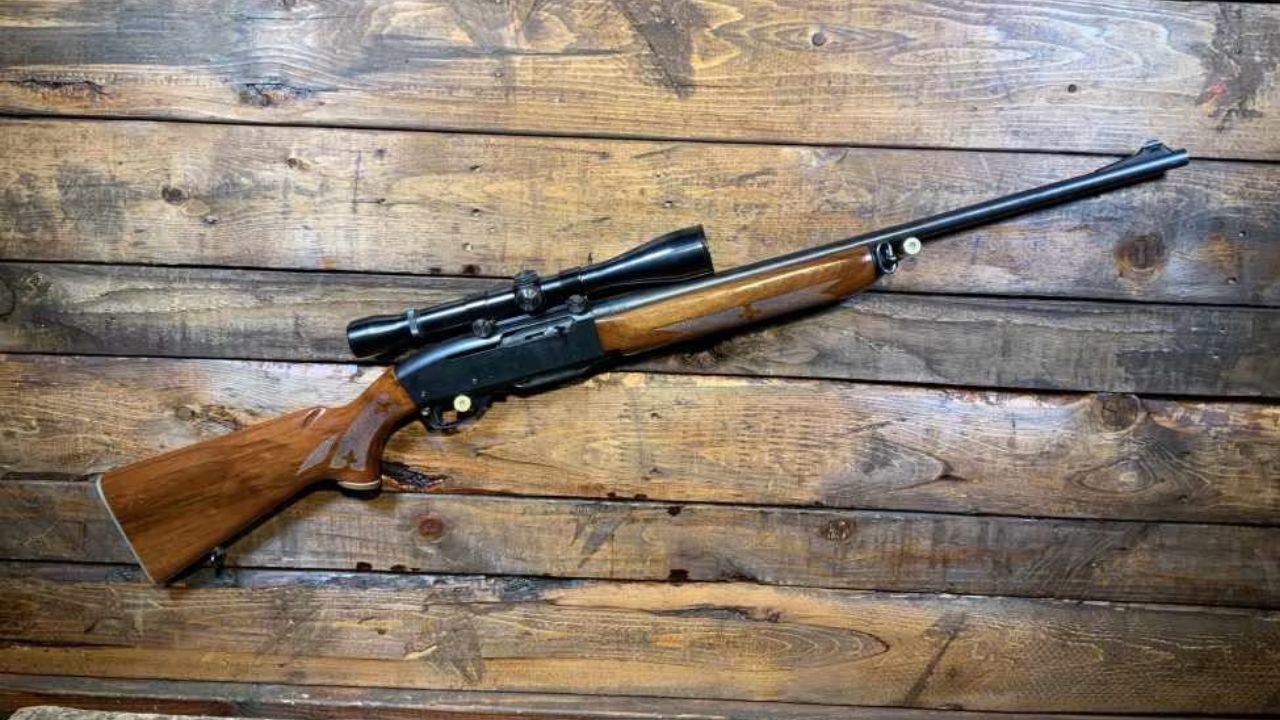
The Remington 742 has a well-earned reputation for reliability—until you neglect the chamber. This semi-auto’s locking lugs and bolt head rely heavily on smooth case extraction, and a dry or dirty chamber quickly causes problems.
Shoot it dry, and the cases start sticking after just a few rounds, especially in older rifles with worn chambers. The 742 doesn’t forgive that kind of friction; the bolt will start to seize, and the extractor can even break. A light oiling of the chamber and bolt face before each use prevents the issue. If you own one, you already know: clean and lubed keeps it alive.
Steyr Scout
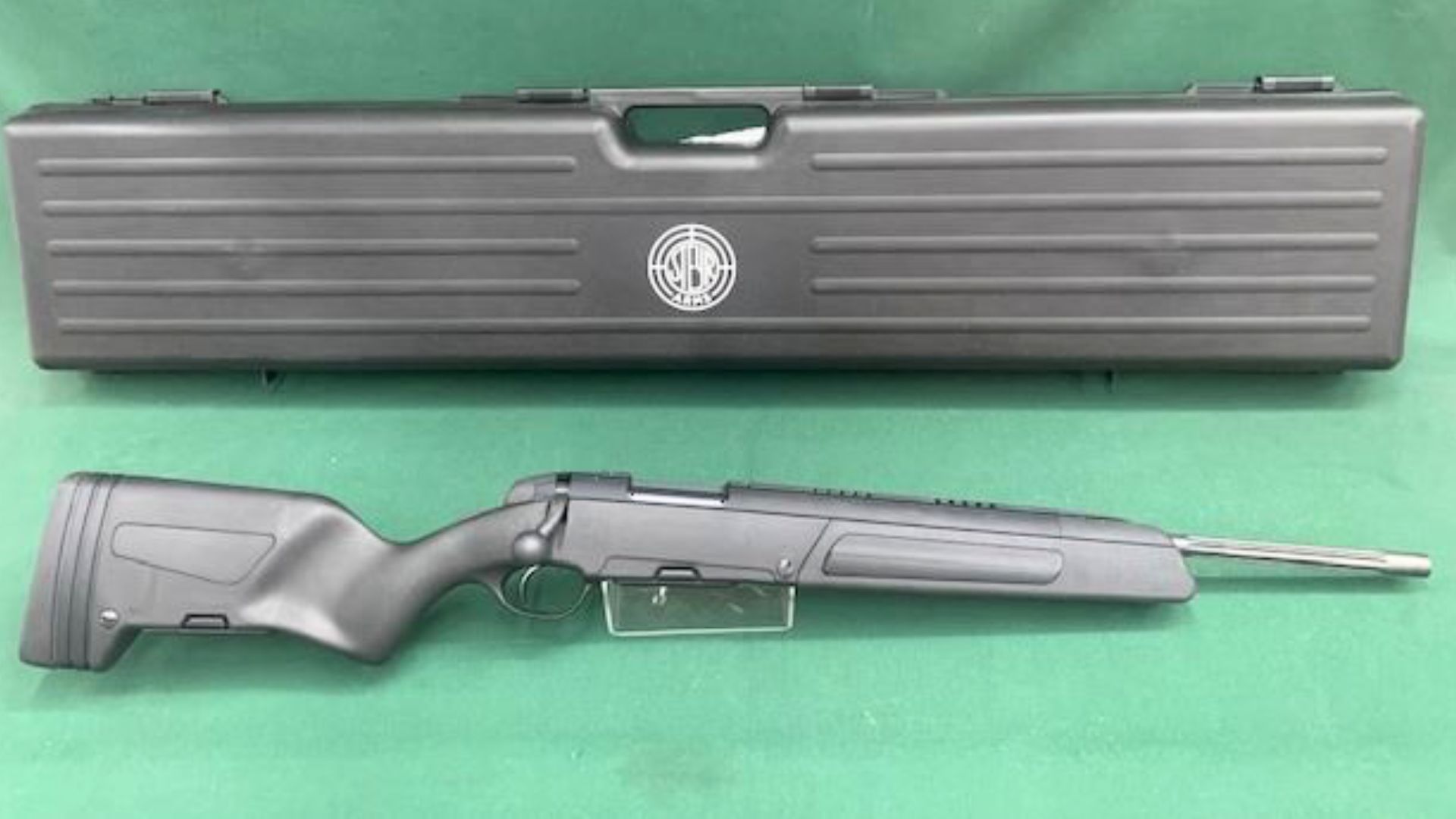
The Steyr Scout is lightweight, accurate, and well-made—but that tight precision fit means it hates a dry chamber. After a few shots, especially with hot loads, you’ll notice stiff bolt lift and rough extraction if it’s running dry.
The slickness that makes it feel so refined vanishes fast without proper lubrication. A thin coat of oil on the locking lugs and inside the chamber helps prevent galling and stuck brass. It’s not that the Scout is fragile—it’s that it’s built with such fine tolerances that friction multiplies quickly. A dry chamber turns a world-class rifle into a stubborn one.
M1A (Springfield)
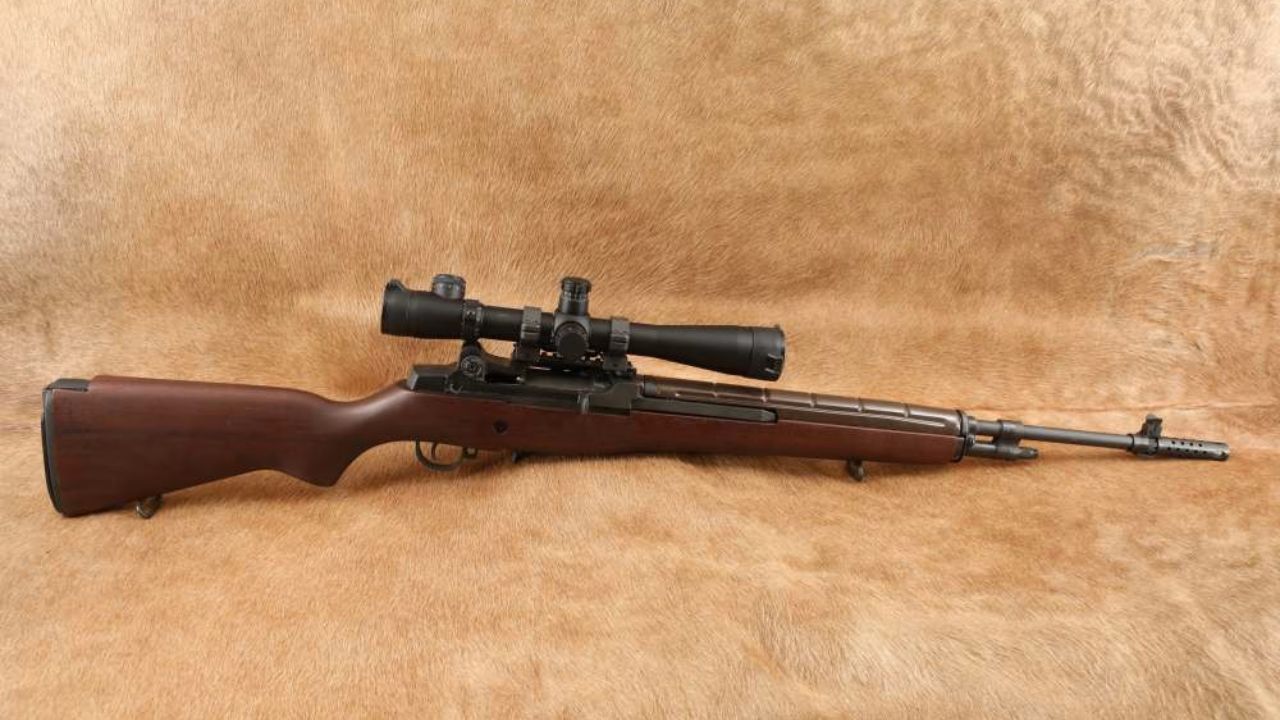
The M1A inherits much from the M14, including its sensitivity to lubrication. The op-rod system and chamber geometry don’t handle dryness well, especially in rapid fire. A dry chamber causes cases to drag on extraction, slowing the action and leading to stovepipes.
Grease on the bolt roller and a light oil film in the chamber prevent these issues entirely. Many new M1A owners learn the hard way that running it dry ruins the rifle’s rhythm. Properly lubed, it’s one of the smoothest rifles ever made. Dry, it feels like it’s fighting itself every step of the way.
Savage 110 (Blued Models)

The Savage 110 has a strong action, but older blued models with tight chambers don’t do well dry—especially in humid or cold conditions. Once fouling or condensation sets in, cases start sticking hard during extraction.
A light coat of oil inside the chamber before a hunt makes a noticeable difference. It helps prevent pitting, galling, and that awful bolt lift resistance that sneaks up after a few shots. The 110 is forgiving in most ways, but a dry chamber turns it from dependable to downright frustrating.
Ruger American Rifle

The Ruger American Rifle is a workhorse, but it’s not invincible. Many owners find that it runs better with a touch of oil on the chamber and bolt lugs, especially after a few boxes of ammo. When dry, the bolt lift gets heavy and extraction turns rough.
The rifle’s design is simple, but friction between the brass and the steel chamber can build fast. That extra resistance can cause minor case sticking, especially with hotter loads. A little lube goes a long way in keeping this affordable rifle running smoothly through long shooting sessions.
CZ 557
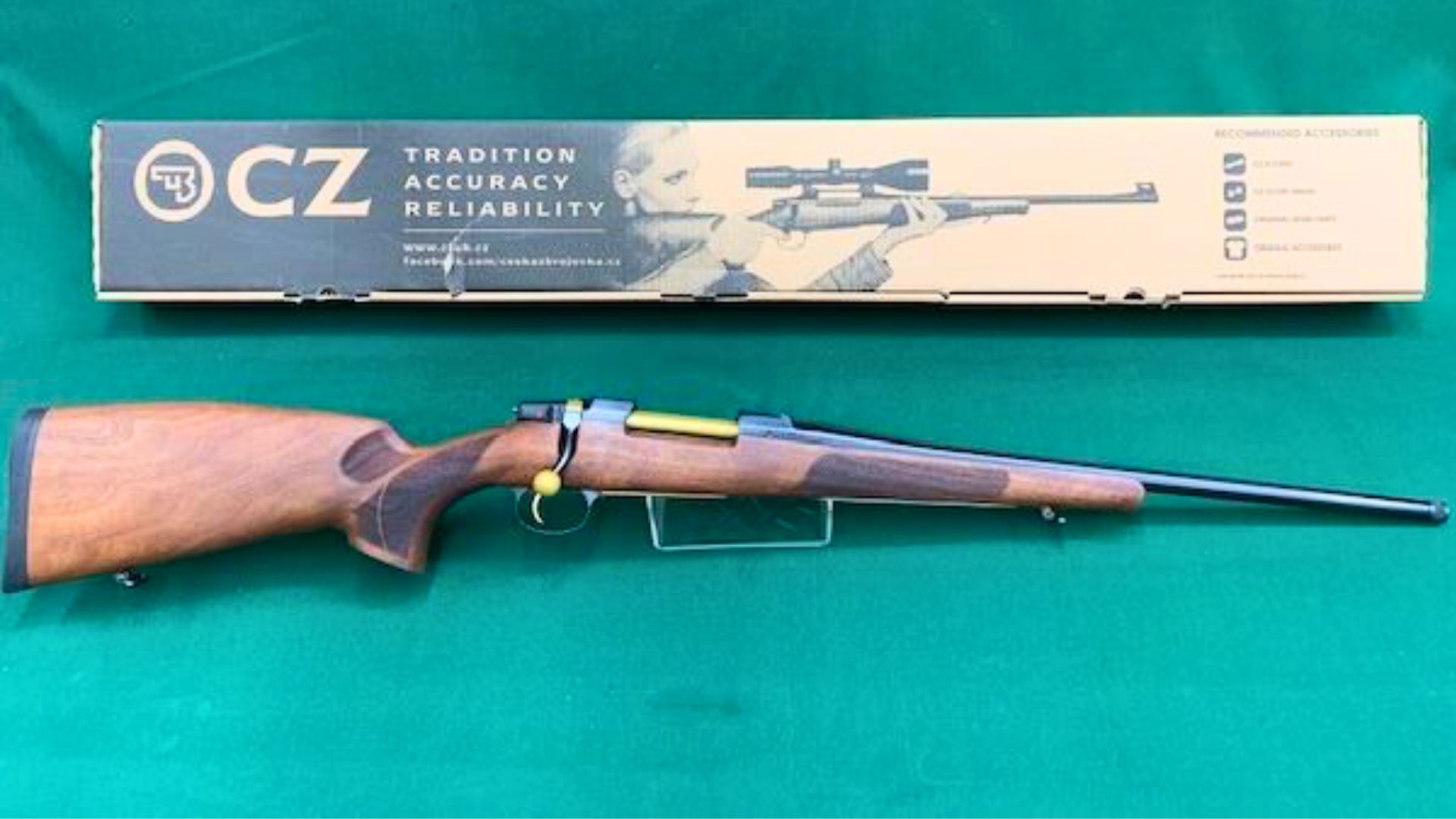
The CZ 557 has an excellent Mauser-style action, but it’s built with tight tolerances. That means it won’t tolerate a dry chamber for long. After several rounds, extraction begins to feel gritty, and cases can start sticking.
The solution is routine: a very light coat of oil on the chamber, extractor claw, and bolt raceways. Too much oil is bad—but none at all makes it stubborn. CZs are known for old-world craftsmanship, but they’re also known for needing regular care. Ignore the chamber, and that fine Czech steel will remind you who’s boss.
Tikka T3x
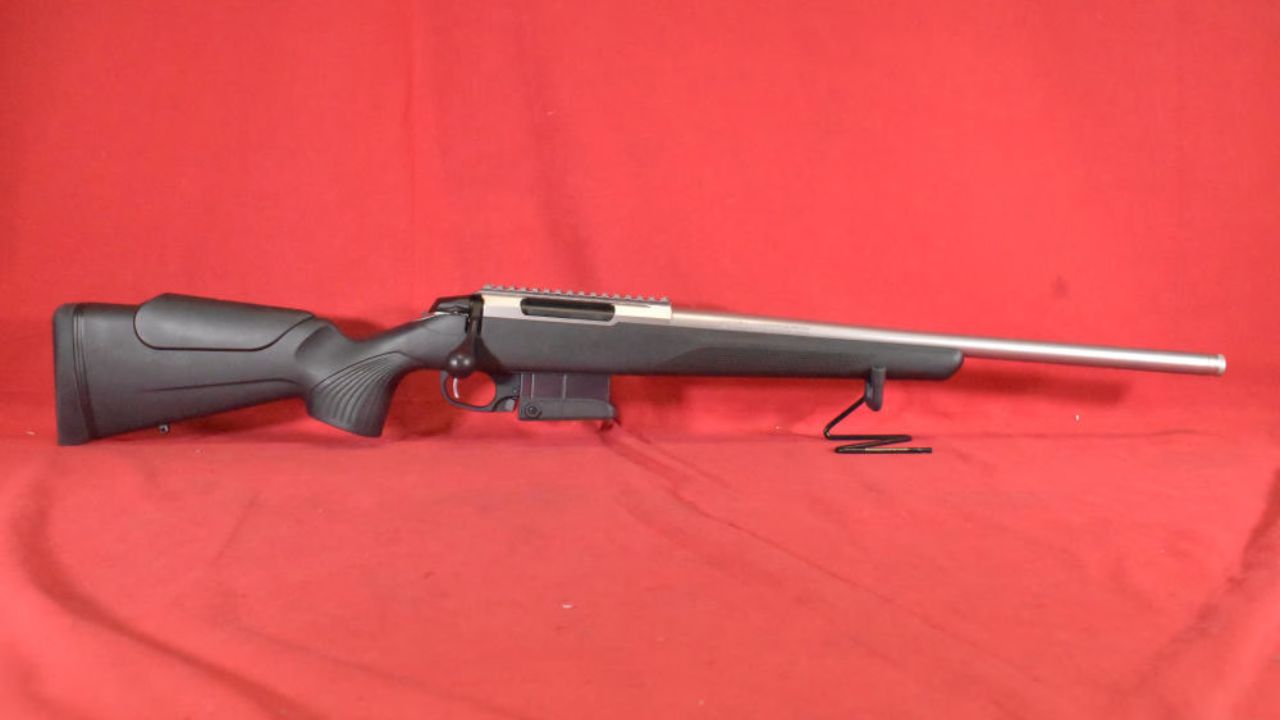
The Tikka T3x is famous for its silky-smooth bolt throw—but only when it’s properly lubricated. Leave the chamber dry, and that effortless motion disappears after a few strings of fire.
A dry chamber increases extraction resistance, especially with high-pressure rounds like .300 Win. Mag. It also contributes to heat-related binding during extended range sessions. A light coat of oil in the chamber and lugs restores that signature smoothness. The Tikka’s precision machining rewards those who treat it well and punishes those who don’t.
Desert Tech SRS
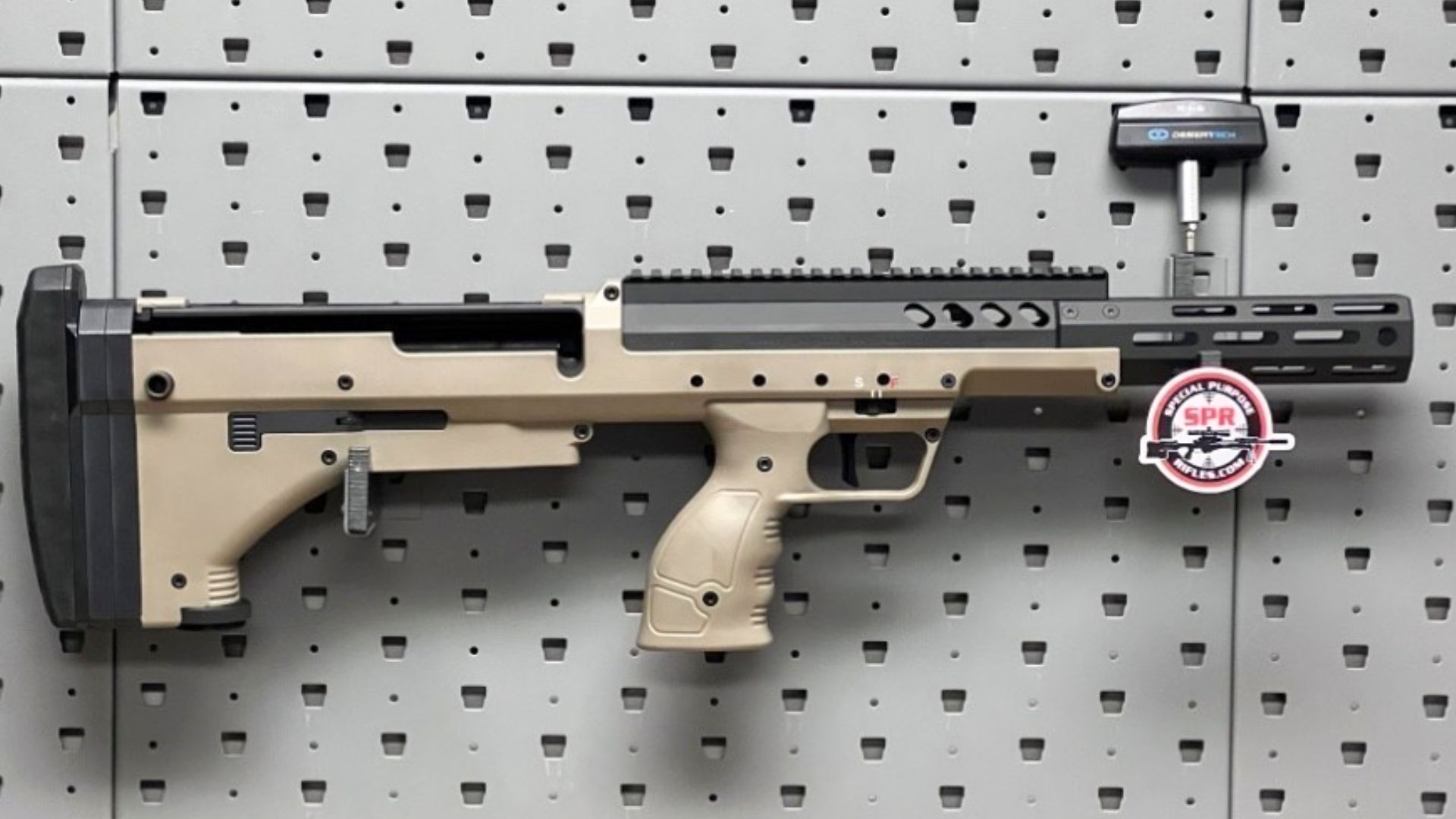
The Desert Tech SRS is a modular bullpup precision rifle with a close-tolerance chamber. It’s fantastic when clean and lubed—but miserable when dry. The combination of high-pressure loads and minimal clearance means cases can stick hard if the chamber isn’t prepped.
During long shooting sessions, the bolt lift becomes stiff and ejection slows. Once fouling mixes with heat, you’re looking at seized brass unless you apply oil. The SRS is built for performance, not neglect. A little preventive maintenance keeps it consistent—run it dry, and you’ll be fighting it every time you cycle the bolt.
Remington 788
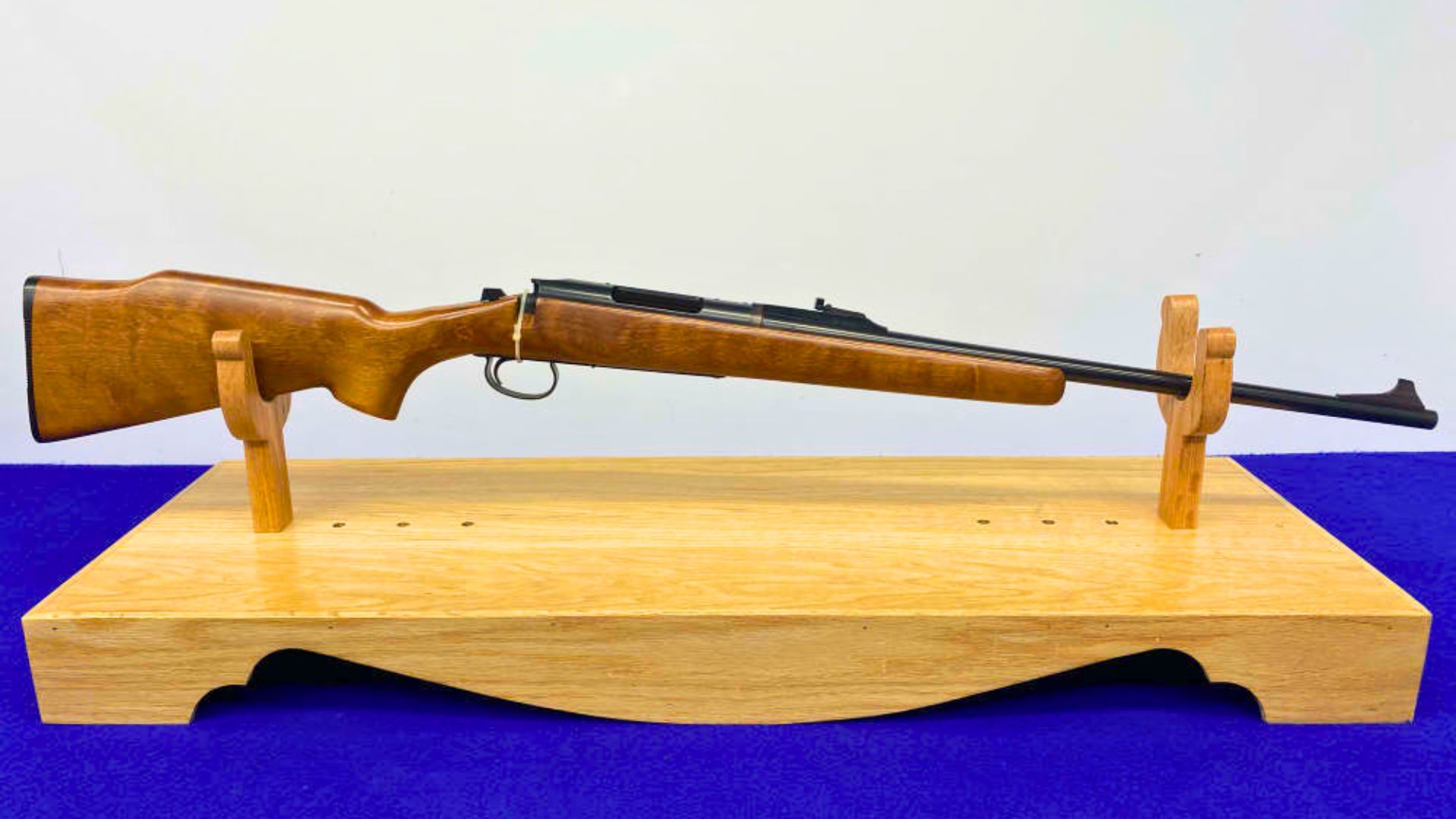
The Remington 788 is a surprisingly accurate old rifle, but it doesn’t like dry chambers one bit. Its rear-locking bolt and thin chamber walls create a setup where even slight friction makes extraction rough.
Once the chamber gets hot and dry, fired cases cling tight enough to require real effort to eject. A touch of oil before shooting helps, as does keeping the extractor clean. The 788 might look plain, but it’s a rifle that demands respect. Neglect the chamber, and it’ll remind you that simple doesn’t always mean forgiving.
Like The Avid Outdoorsman’s content? Be sure to follow us.
Here’s more from us:
The worst deer rifles money can buy
Sidearms That Belong in the Safe — Not Your Belt
*This article was developed with AI-powered tools and has been carefully reviewed by our editors.