Photo credit: Chris From The 740/YouTube
Some guns are fun because they run. Others are “fun” only if you enjoy clearing stoppages and diagnosing problems like you’re on a workbench, not a firing line. A malfunction here and there happens to anything. This list is about guns that are famous for turning range time into troubleshooting time—either because of design quirks, ammo sensitivity, magazine issues, or just plain spotty quality control.
If you want good memories, pick guns that are boring. These are often the opposite.
SIG Sauer Mosquito

The Mosquito is one of the most common “I wanted to love it” .22 pistols ever made. It’s picky about ammo, it’s quick to get finicky when dirty, and it’s the kind of gun that makes new shooters think they’re doing something wrong when the truth is the pistol just isn’t forgiving.
If a .22 pistol can’t run a decent variety of ammo without acting up, it fails at its main job: cheap, easy practice. The Mosquito creates malfunctions that outnumber the smiles for a lot of owners.
Walther P22

The P22 is another .22 that shows up in “jam-o-matic” stories constantly. Some samples run okay, but enough don’t that the reputation is earned. Weak ammo, dirty conditions, or just normal use can lead to failures to feed and failures to eject that break the rhythm of training.
The worst part is it’s often bought for beginners. Beginner shooters already struggle with fundamentals. They don’t need a pistol that adds random stoppages to the learning curve.
Remington R51
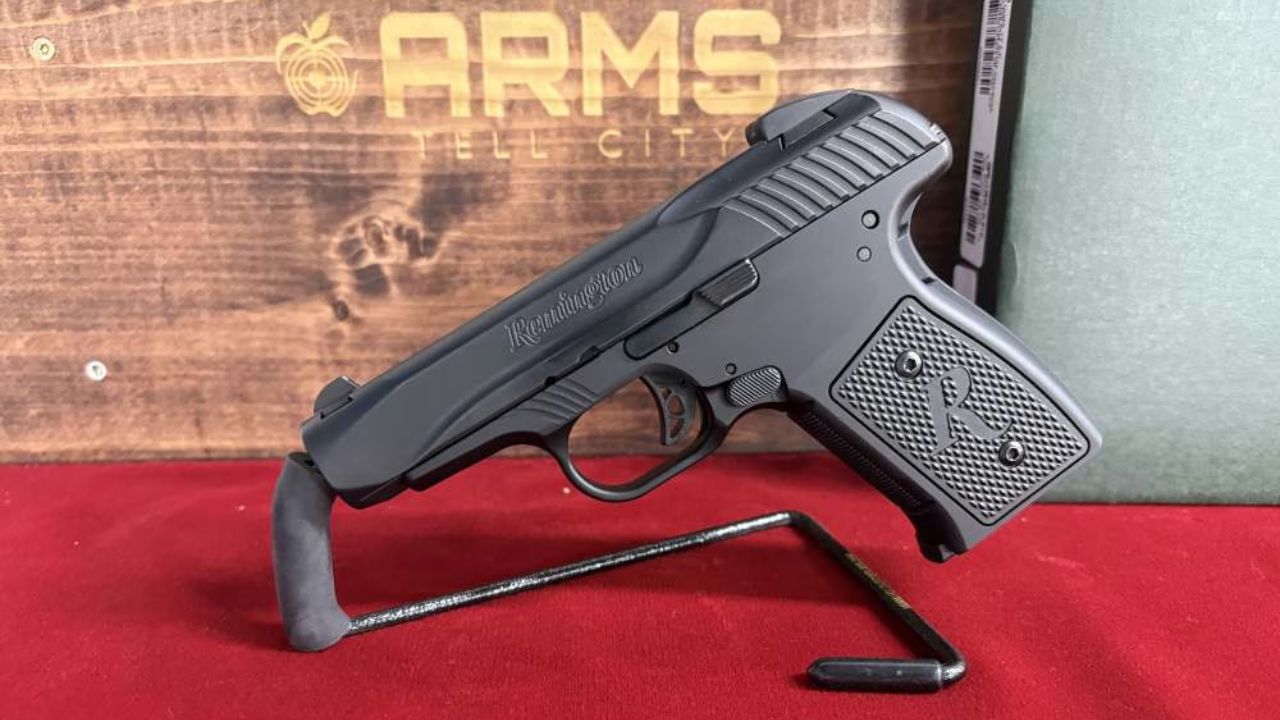
The R51 is one of those pistols that had a rocky history and never fully escaped it. Even if yours runs, the platform’s reputation exists because enough of them didn’t. When a defensive pistol creates unpredictable issues, it doesn’t matter how cool the concept is.
A carry pistol needs to be boringly consistent. The R51 has created enough “what is it doing now?” moments that many owners give up long before they ever trust it.
Taurus PT111 G2 / G2C

Plenty of G2Cs run fine, but they also generate a steady stream of “my gun is doing weird things” stories—mag issues, inconsistent triggers, occasional feed problems—especially when owners use cheap magazines or questionable ammo.
The big issue is that these are often someone’s first pistol. When a first pistol is inconsistent, it creates frustration and bad habits. A gun that teaches you to expect malfunctions teaches you the wrong lessons.
Taurus Spectrum
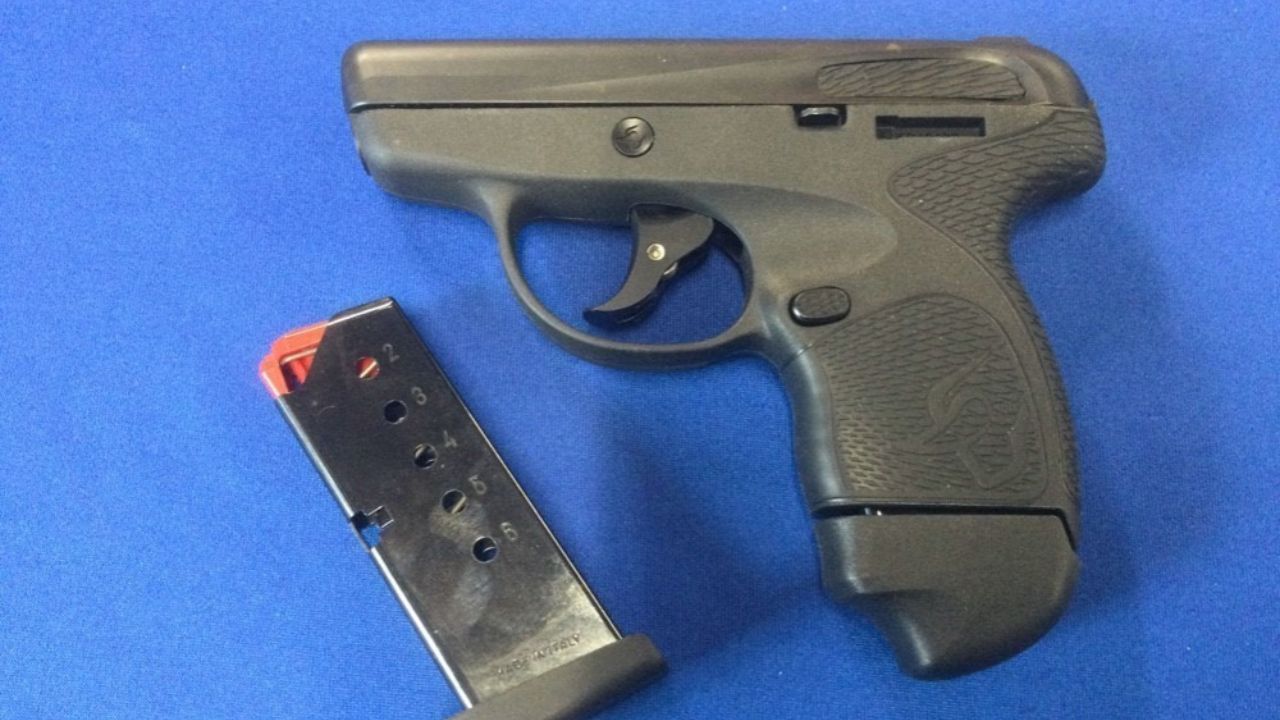
The Spectrum is infamous for disappointing owners. Small, light, and cheap sounds perfect—until it isn’t. Many people report reliability issues, and the gun’s shootability isn’t great either, which compounds the frustration.
When a pistol is both hard to shoot and prone to acting up, it becomes a safe queen fast. People stop taking it out because it stops being fun.
Kimber Micro 9

The Micro 9 is a gorgeous idea: slim, classic feel, easy carry. In practice, enough owners run into finicky behavior—ammo sensitivity, spring issues, inconsistent reliability—that it ends up on the “never again” list for some people.
Micro guns have tight margins. If the platform isn’t forgiving, you’ll spend more time testing loads and clearing stoppages than you expected. That’s not the carry experience most people want.
Kimber Ultra Carry II (3-inch 1911)

Short 1911s can be reliable, but they’re less forgiving than full-size guns. When everything is perfect—mags, springs, extractor tension—they can run. When something is a little off, they can turn into malfunction factories.
The problem is most owners don’t want a carry gun that requires constant tuning and spring schedules to stay happy. When malfunctions become part of ownership, the romance dies fast.
1911 “GI-style” budget builds (generic, entry-level)

A basic, budget 1911 can be a roll of the dice. Some run. Some need work. When you stack cheap mags, inconsistent extractor tension, and questionable fit, you can end up with a gun that malfunctions constantly until it’s tuned by someone who knows 1911s.
New shooters often think 1911s are supposed to jam because their first one was a budget build. That’s not true—but it’s a common story. The gun creates more headaches than memories until it’s sorted out.
Ruger Mark IV (when neglected and fed junk ammo)

A Mark IV is usually a reliable .22, but if you neglect it and feed it weak bulk ammo, you can absolutely turn it into a malfunction machine—especially once fouling builds up and the ammo is inconsistent.
This one is here as a reminder: rimfires aren’t centerfires. Even the good ones need cleaning and decent ammo if you want them to run smoothly. A dirty Mark IV with bargain ammo can feel like a jam clinic.
Winchester Wildcat (with cheap bulk ammo)

The Wildcat is fun and affordable, but it’s still a .22 semi-auto, and .22 semi-autos can be extremely ammo-sensitive. With weak bulk ammo, you can see failures to cycle, stovepipes, and feeding issues that kill the fun.
For beginners, this can be rough. They think they’re messing up. Sometimes they are—but often it’s the ammo and the nature of the platform. If you want memories, choose a setup that runs with common ammo.
Remington 597

The 597 has a long history of being hit or miss depending on magazines and ammo. Plenty of owners have lived the “it runs sometimes” lifestyle, where you’re constantly tweaking and trying different mags to make it behave.
A .22 rifle should be easy fun. If it becomes a reliability project, it stops being a memory-maker and becomes a headache-maker.
Kel-Tec PF-9

The PF-9 is lightweight and easy to carry, but it can be less forgiving than more modern compact 9mms. When grip isn’t solid or ammo is marginal, you can see cycling issues. Lightweight guns are easier to limp-wrist, and limp-wristing equals stoppages.
Owners often defend it because it’s thin and cheap. Real shooters often replace it because they want a pistol that doesn’t punish them with malfunctions when they’re tired, sweaty, or shooting fast.
Kel-Tec P-11
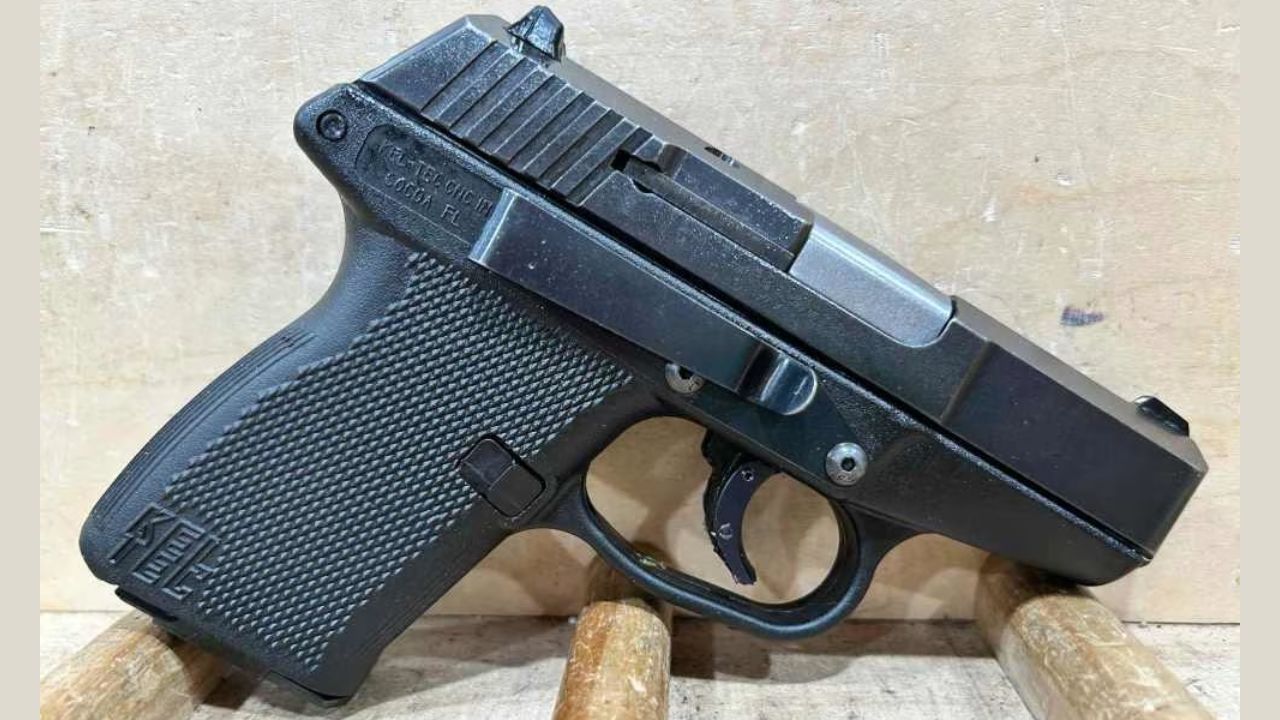
The P-11 is a classic “it’s small and it holds a lot” gun that can also feel rough and inconsistent. Heavy trigger, small grip, and older design quirks can lead to shooter-induced malfunctions and frustration—especially for newer shooters.
Even when it runs, it can be unpleasant enough that people stop practicing. Then when it malfunctions, they’re less equipped to diagnose whether it’s the gun or them. Either way, it creates more aggravation than good memories.
AR-15 builds with Bear Creek Arsenal uppers

Some BCA uppers run fine. Enough don’t that they’re a common name in “why is my AR acting weird” threads. When you’re dealing with questionable barrels, inconsistent gas systems, and parts variance, malfunctions become part of the experience for some owners.
The worst part is AR troubleshooting can turn into a rabbit hole. Instead of shooting, you’re swapping buffers, checking gas blocks, and chasing reliability. That’s not what most people wanted when they bought an AR.
Century Arms VSKA (AK pattern)
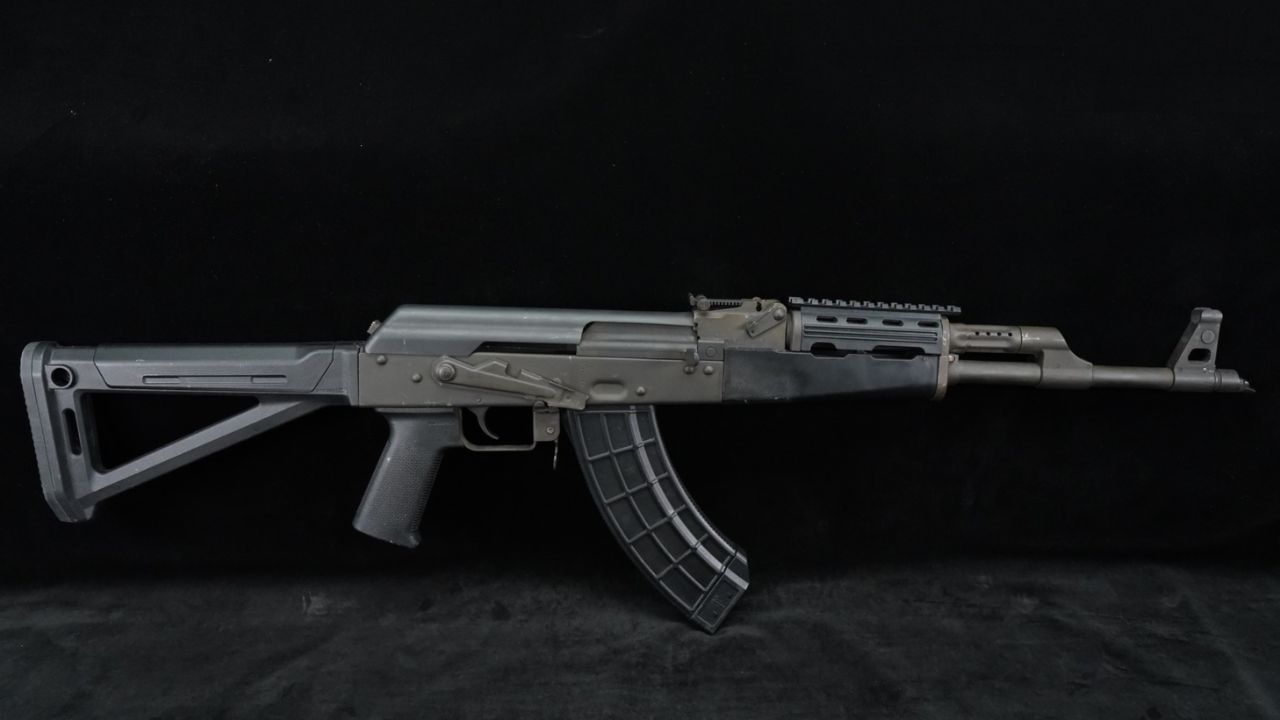
AKs have a reputation for reliability, and that’s exactly why problem AKs create such bitter disappointment. Some U.S.-built AKs have earned a reputation for uneven quality, and when an AK isn’t trustworthy, it breaks the entire point of owning one.
If your AK is giving you issues, you don’t feel like you own an AK—you feel like you own a project. That’s how you end up with a rifle that creates malfunctions instead of memories.
Like The Avid Outdoorsman’s content? Be sure to follow us.
Here’s more from us: