Photo credit: Wandering Beast/YouTube
Some rifles and pistols look and feel like they’ve got it all figured out. The finish is clean, the slide locks up tight, the bolt feels smooth, and the grip fits your hand like it was made for you. On the bench or in the shop, everything checks out. But once you start shooting—really shooting—you realize it’s all surface-level confidence. Controls get mushy, groups open up, ejection gets erratic, and that “solid” feel starts to disappear real fast. You don’t figure it out until you’ve put a box or two downrange, and by then it’s clear that what felt like a dependable workhorse was more of a letdown in disguise. If you’ve ever had a gun go from impressive to irritating that fast, you’re not alone.
Remington R51

When you first handle the R51, it feels compact and tight in the hand, with a low bore axis and metal frame that suggest it’s built for real shooting. The ergonomics seem right, the lines are clean, and it shoulders naturally. But once you start running live ammo, the wheels come off fast.
Slide bite, feed issues, and erratic ejection start stacking up in a hurry. The locking mechanism feels clunky in practice, and the recoil impulse is sharper than it should be for the size. You’re left wrestling a gun that looked like a contender but shoots like a prototype. That “solid” feel turns into frustration the longer you keep it at the range.
Mossberg Blaze

On the surface, the Blaze feels like a decent rimfire plinker. Lightweight, easy to carry, and it doesn’t feel overly cheap when you first shoulder it. The polymer stock seems sturdy enough, and the controls are simple. You figure it’s good to go for small game or teaching a new shooter.
But once you start firing, the problems creep in. The trigger feels vague and inconsistent, accuracy drifts after a few magazines, and the mag fitment can get sloppy. It’s the kind of rifle that talks a big game on the rack, but once you’ve cycled a few hundred rounds, you’re already thinking about moving on to something better built.
Taurus Spectrum
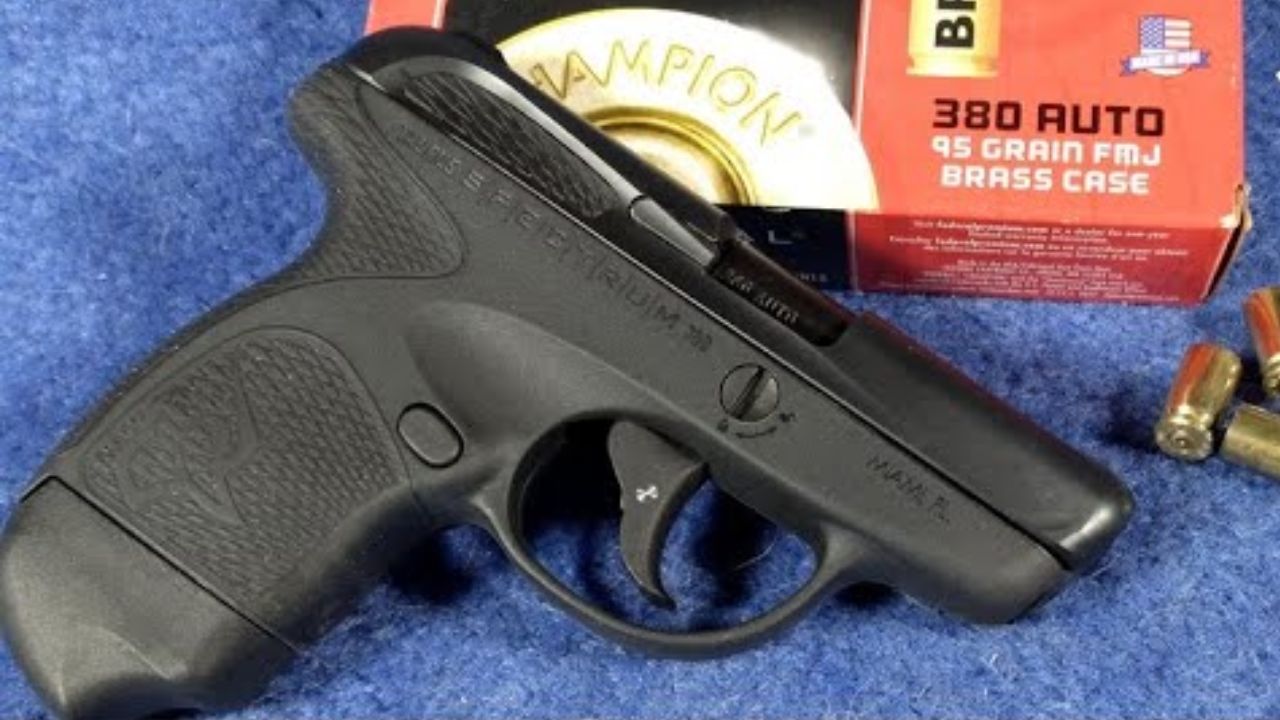
This little .380 looks and feels like a slick pocket pistol when you first pick it up. Smooth lines, minimal snag points, and a surprisingly soft grip texture all give you a false sense of quality. It feels like Taurus finally nailed a carry gun that doesn’t feel like a toy.
Then you take it to the range and start noticing how sluggish the slide feels. The trigger reset is hard to read, and you start seeing failures to feed more often than you’d like. After a few boxes of ammo, the action starts feeling looser than it should. You realize that what looked sleek and dependable is anything but once rounds are flying.
Marlin Model 795
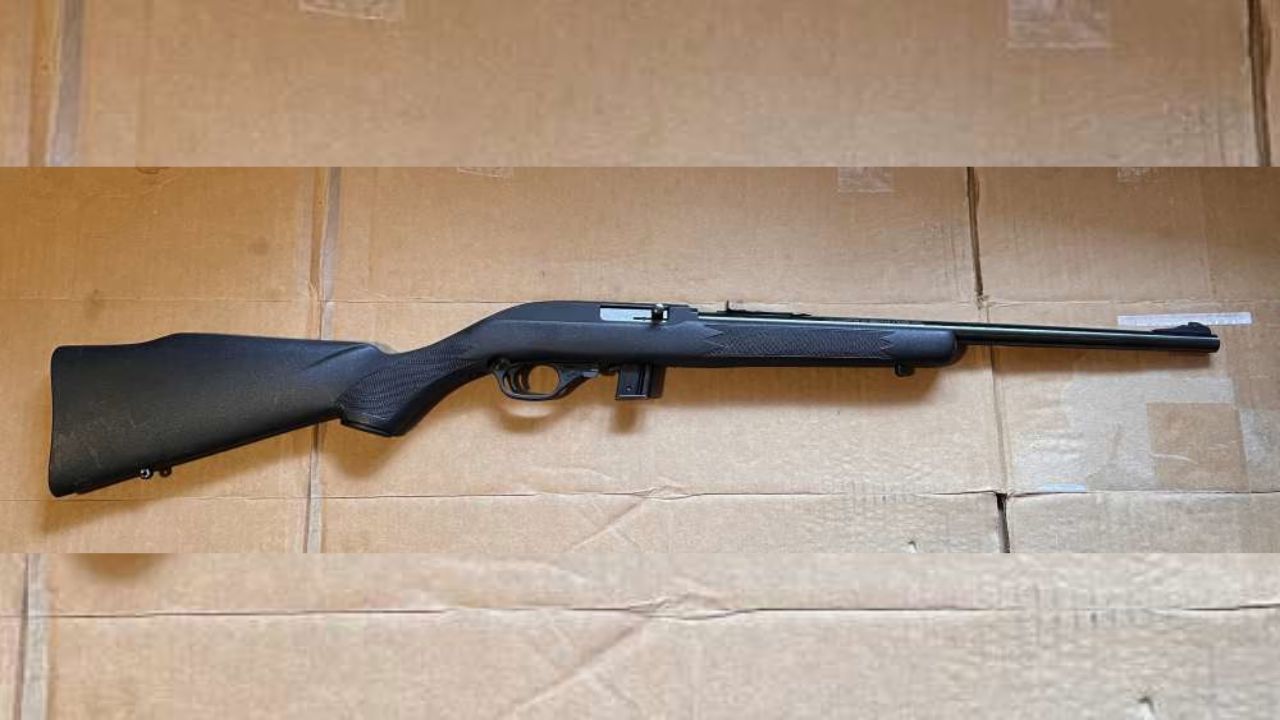
Out of the box, the 795 feels promising—lightweight, balanced, and styled after the proven Model 60. It gives the impression that you’re holding a reliable semi-auto .22 with real accuracy potential. The bolt feels slick, and it’s got a decent trigger for a budget gun.
But once you start working it harder, the flaws show up. Failure to feeds become common with bulk ammo, and the magazines don’t always seat cleanly. Accuracy drops off once the barrel heats up, and the synthetic stock doesn’t do much to steady your aim. It feels solid until you shoot it enough to see where corners were cut.
KelTec Sub2000

The Sub2000 looks like a clever setup. It folds in half, takes Glock mags, and feels surprisingly sturdy for a gun that collapses into a backpack. The metal components feel decent, and the lockup when unfolded seems solid enough to inspire confidence.
Then you actually start shooting it, and that confidence dips fast. The cheek weld is rough, the trigger is spongy, and the recoil impulse feels like it’s punching above its weight. The charging handle digs into your hand after a while, and accuracy turns out to be mediocre at best. What felt like a smart, solid design ends up wearing you down.
Walther CCP
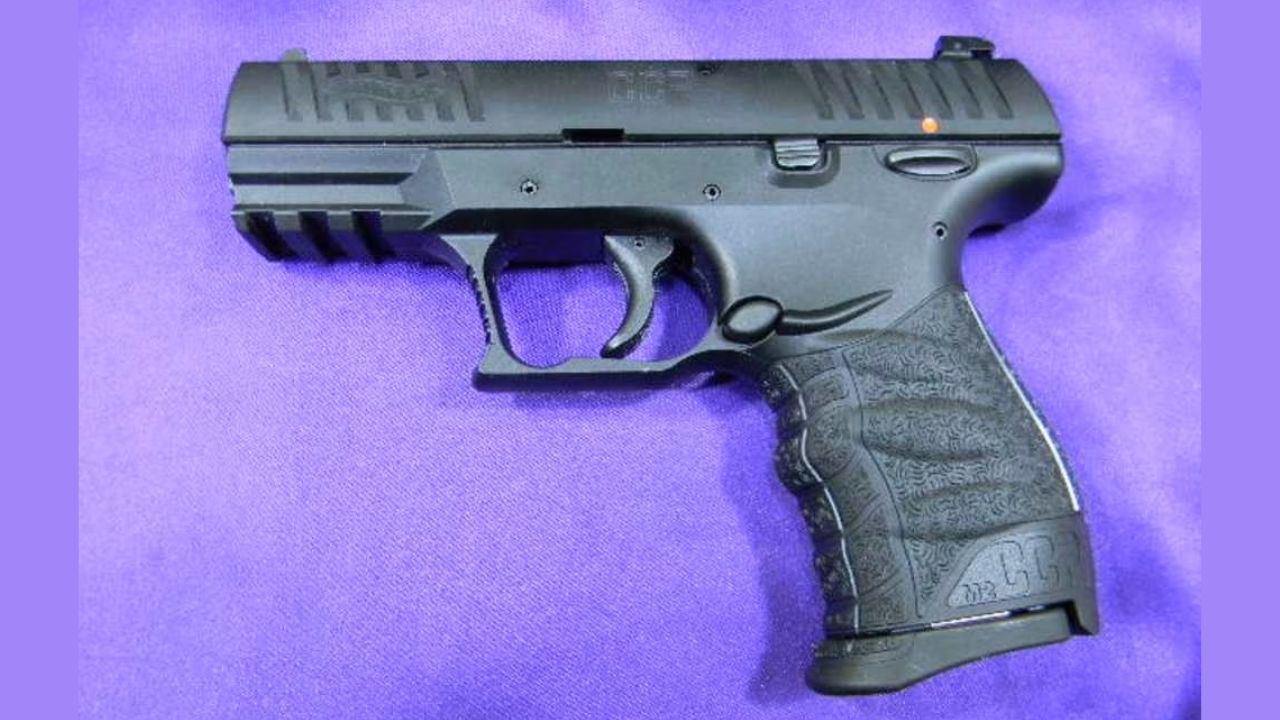
The CCP feels ergonomic and well-built the first time you handle it. The grip texture is excellent, and it points naturally. The soft recoil system makes it sound like a winner for new shooters or folks looking for less snap in a compact 9mm.
But the gas-delayed system gets finicky in practice. Field-stripping can be a pain, and carbon build-up affects function faster than expected. You start to get inconsistent cycling and a vague trigger feel. After a few sessions, you find yourself cleaning it more than shooting it. That solid first impression fades once you realize it’s not built for hard use.
Ruger LC9

The LC9 feels solid in hand, with a thin profile and decent grip angle. The safety clicks cleanly, and the metal slide has a reassuring heft to it. It looks like it’ll be a great deep-concealment pistol that doesn’t skimp on performance.
Then you put rounds through it, and the long, heavy trigger pull starts wearing on you. Muzzle flip feels worse than it should be for a 9mm this small, and the sights are sluggish to realign. It feels like a chore to shoot well, and you realize it’s not something you’ll want to train with much. That carry confidence fades quick.
Remington 770
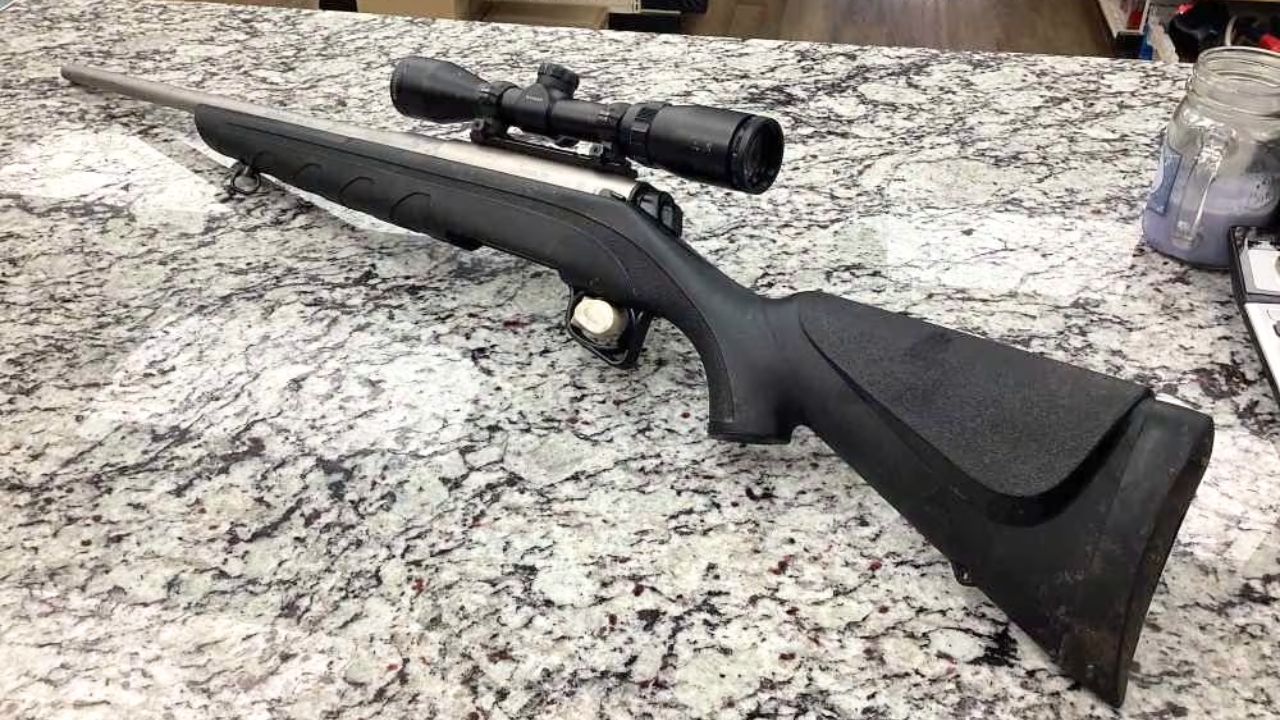
On the rack, the 770 looks like a budget bolt gun with all the right basics. It’s got a factory-mounted optic, a comfortable stock, and it doesn’t feel overly loose when you cycle the bolt dry. For the price, it seems like a good starter rifle.
But once you get into live fire, the bolt feels gritty and inconsistent. The trigger breaks like a twig, and the scope struggles to hold zero after a few shots. Group sizes open up fast, and reliability starts dipping. It might feel “good enough” in the store, but once you start shooting, it feels like a project you didn’t sign up for.
SIG Mosquito
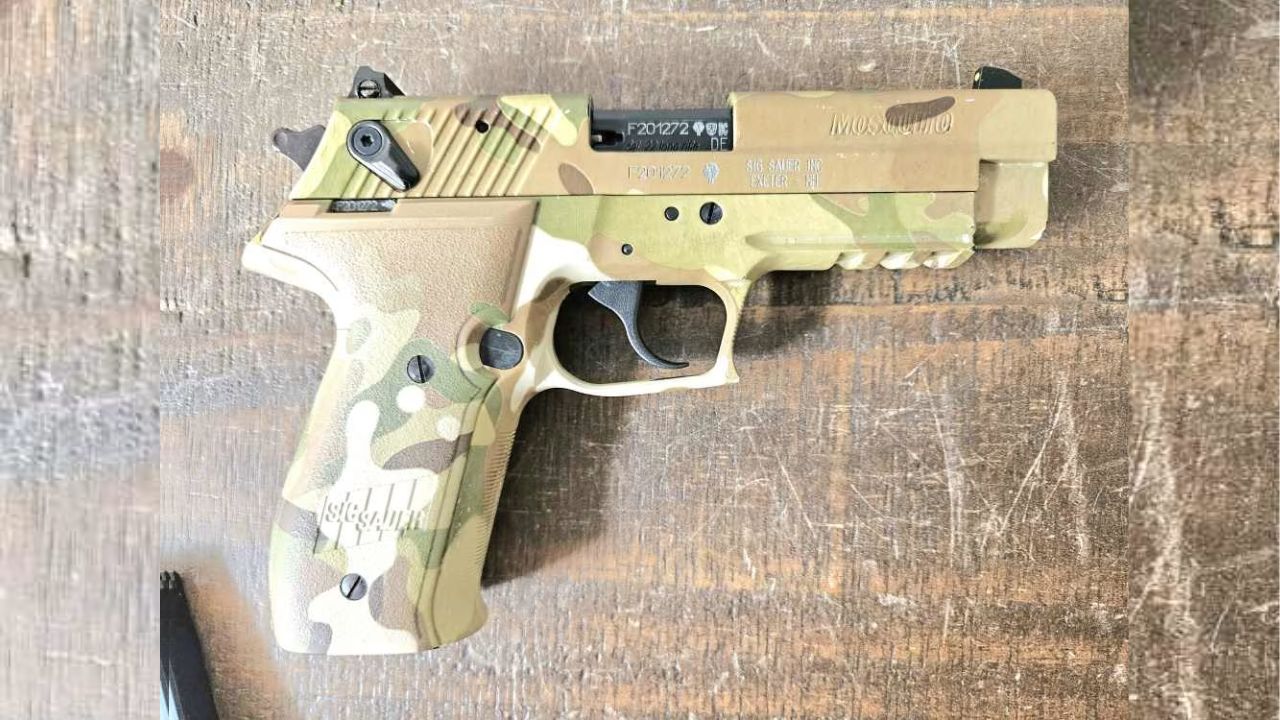
The Mosquito feels like a scaled-down SIG, and that gives it instant appeal. The controls are familiar, the slide feels decent, and it has a solid footprint in the hand. You think you’re getting a quality rimfire pistol with centerfire DNA.
But it’s incredibly ammo picky. Anything short of high-velocity .22s starts causing feed issues. The trigger is heavier than it should be, and accuracy isn’t great for the size. After a few outings, you find yourself frustrated with reliability and questioning why it felt so good to begin with. It may look and feel like a SIG, but it doesn’t shoot like one.
Winchester Wildcat
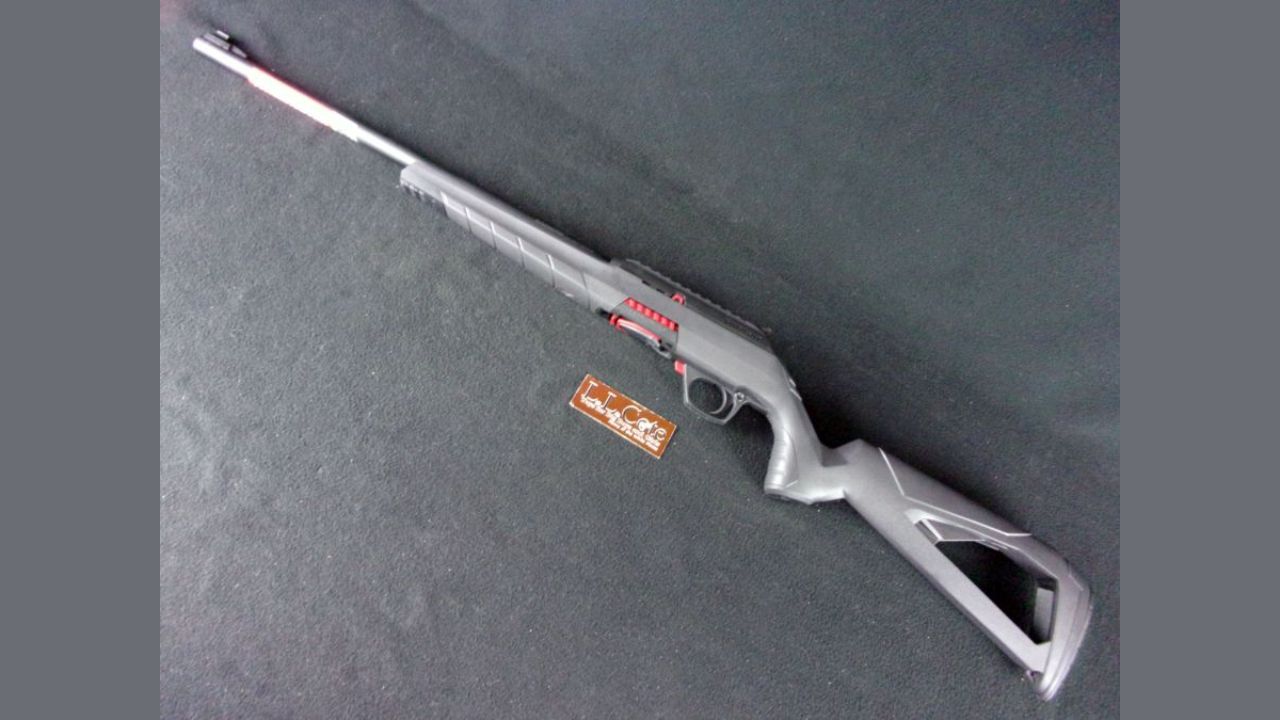
The Wildcat has a lot going for it on paper. Lightweight, modular, and cleverly designed. The chassis feels solid, and the rotary magazine looks like it borrows from the Ruger 10/22 playbook. The takedown system is slick, and you figure it’ll be a modern rimfire winner.
Then you get it on the bench, and things start to unravel. The trigger feels vague, the sights aren’t great, and you start seeing inconsistent feeding from the mag. The bolt hold-open gets finicky with wear. That clean handling feel fades once you put enough rounds through it to see the flaws. It ends up back in the safe faster than you expected.
Beretta Neos

The Neos looks and feels like a space-age plinker. It’s got a solid rail, decent balance, and a grip that fits the hand well enough. The slide racks smoothly, and it feels like it should be a reliable .22 trainer or target pistol.
But once you start running it, the accuracy underwhelms, the mags feel cheap, and extraction issues can creep in. It’s not the worst rimfire you’ll shoot, but it doesn’t live up to the feel or the Beretta name stamped on the side. It feels like a solid platform until you realize it doesn’t hold up to extended use.
FN 509 LS Edge

The 509 LS Edge feels like a tank in your hand. The frame is chunky but manageable, and the slide work looks precision-cut. It gives you that heavy-duty vibe that it’s built for real use and abuse, especially in competition or defensive roles.
But when you actually shoot it, the trigger feel is disappointing, especially given the price. It’s a bit over-sprung, and fast follow-up shots aren’t as intuitive as they should be. The size also makes it harder to control for smaller hands. It’s one of those guns that impresses you at first touch, but leaves you underwhelmed after a few long sessions on the line.
Like The Avid Outdoorsman’s content? Be sure to follow us.
Here’s more from us:
The worst deer rifles money can buy
Sidearms That Belong in the Safe — Not Your Belt
*This article was developed with AI-powered tools and has been carefully reviewed by our editors.