Photo credit: Gun Addicts/YouTube
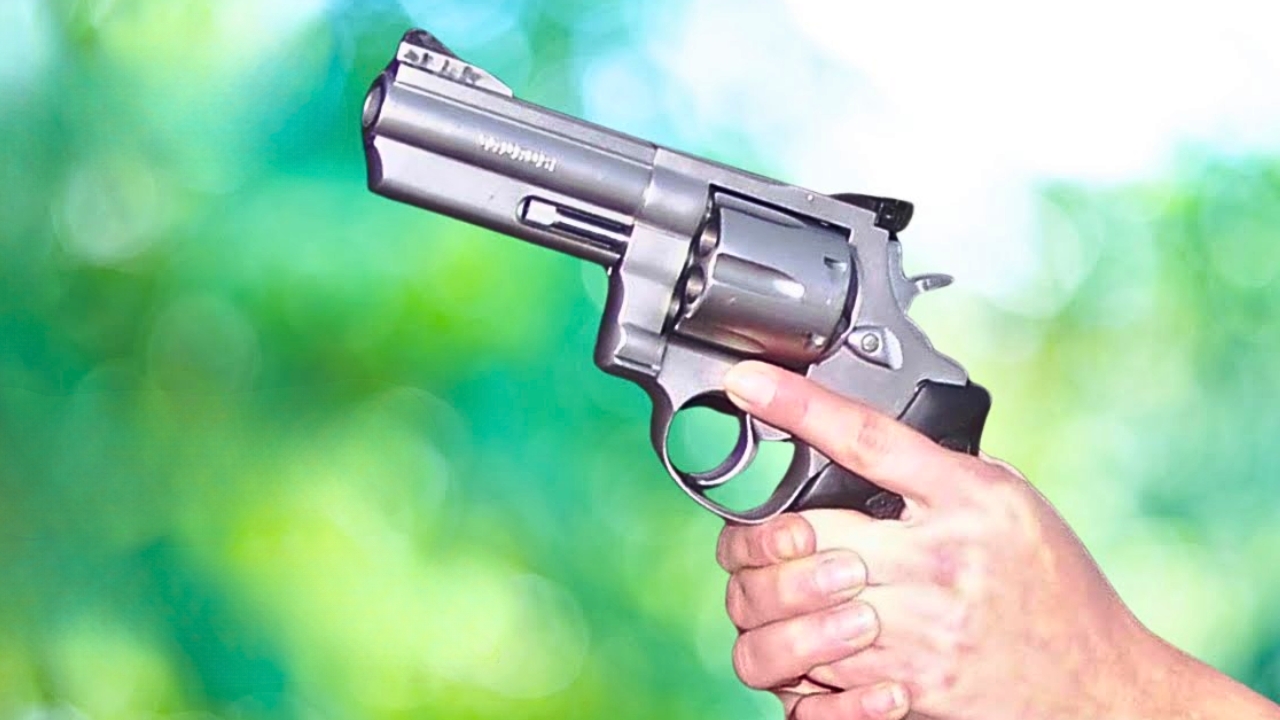
The .44 Magnum has a reputation that’s bigger than a lot of people’s actual experience with it. Most shooters know it from movies, big stainless revolvers, and that whole “most powerful handgun” era — even though plenty of cartridges have passed it up on paper since then. The real question today isn’t whether it’s powerful. It is. The question is whether it’s useful for normal people who actually carry, hunt, and spend their own money on ammo. And the honest answer is this: the .44 Magnum is still practical in the right roles, but it stops being practical fast when you try to force it into everyday handgun jobs.
Where the .44 still shines is in the places it was always meant to shine — hunting, backcountry defense, and situations where you want a handgun that hits hard at close-to-moderate range. Where it turns into “legend” is when people buy it because they love the idea of it, then realize they don’t enjoy shooting it, don’t practice with it, and end up leaving it in the safe. A cartridge that you don’t shoot much doesn’t stay practical for long, no matter how impressive it sounds.
The .44 Magnum still does real work in the field
If you hunt with a handgun, the .44 Magnum is still one of the most proven options out there. It’s capable, it has decades of real-world track record, and it’s supported by a huge range of bullet weights and load types. That matters because “.44 Magnum” isn’t one thing. You’ve got lighter, faster loads, heavier hard-cast options, and plenty in between. That lets you tailor it to your role: deer and hogs with hunting bullets, or deeper-penetrating loads for tougher angles and bigger animals.
In a practical hunting setup — quality revolver, good sights or an optic, solid holster, and realistic distances — it can be a very effective tool. Most people aren’t shooting handguns at 150 yards and being honest about it. Most shots are closer. Inside the ranges where a handgun hunter should be living anyway, the .44 has enough authority to do the job when the shooter does theirs.
It can make sense as a backcountry sidearm — with conditions
This is where the .44’s “still practical” argument usually lives, and it’s not just internet talk. A .44 Magnum revolver with the right load has the ability to penetrate and break bone in a way that lighter handgun calibers often struggle with, especially if you’re talking about large, thick animals at bad angles. That’s the whole point of carrying a heavy revolver: you’re trading capacity and speed for penetration and hard hits when things are close and ugly.
But “can” doesn’t mean “should for everyone.” Carrying a .44 all day is a commitment. It’s heavier, bulkier, and harder to conceal. Even in the woods, it’s not as comfortable as a lighter handgun. And the recoil is real — not just “I can handle it” recoil, but recoil that makes fast, accurate follow-up shots harder for a lot of shooters. If you don’t practice with it, it becomes a security blanket more than a real defensive tool.
The practical version of a .44 backcountry carry gun is one you actually train with, and one you carry in a way that keeps it accessible. A revolver buried under layers, stuck in a pack, or carried in a cheap holster that shifts around isn’t doing you any favors. The “I have it with me” part matters more than the caliber stamp.
Where the .44 Magnum stops being practical
If we’re talking everyday carry for normal life, .44 Magnum rarely makes sense. It’s big, loud, heavy, and slow compared to modern defensive setups. Even if you could carry it, most folks won’t practice enough with full-power loads to be genuinely confident under stress. And that’s the part that matters. If you’re honest, a well-fit 9mm with good ammo, good training, and consistent practice is a more practical everyday solution for most people. It’s easier to shoot well, easier to reload, easier to carry, and cheaper to feed.
Ammo cost is another reality check. .44 Magnum isn’t the kind of round most people shoot in bulk anymore. When ammo gets expensive, range time drops, and skills fade. That doesn’t mean it’s a bad cartridge — it just means it’s not a “shoot it every weekend and stay sharp” caliber for a lot of budgets.
And recoil isn’t just comfort. It affects accuracy. Plenty of shooters can fire a .44. Fewer can run it well under pressure. If you’re flinching, anticipating the blast, or taking too long to reset for the next shot, your practical effectiveness goes down. That’s the difference between owning a .44 and being dangerous with it in a good way.
The sweet spot: using .44 like a tool, not a personality
The .44 Magnum is most practical when you treat it like a specialized tool. If you want a handgun for hunting season, for a chest-rig sidearm in big country, or for a “woods gun” that can do hard work at close range, it’s still a strong option. It’s also flexible because you can step down to .44 Special loads for more comfortable practice or lower-recoil shooting, then carry full-power loads when the job calls for it. That “two personalities in one gun” setup is one of the reasons people stick with .44 revolvers for decades.
But if you’re buying it because it sounds tough, or because you think power replaces skill, it becomes legend fast. The .44 doesn’t magically make up for poor shot placement or lack of training. It just hits hard when you do your part.
So… practical, or mostly legend?
Still practical — but not as a do-everything handgun. The .44 Magnum earns its keep in hunting and backcountry roles, where penetration and heavy hits matter more than speed and capacity. It becomes “legend” when it’s bought as a statement piece and never trained with, or when it’s forced into everyday carry jobs that modern defensive pistols do better for most people.
If you want one and you’ll actually shoot it, it’s not outdated. It’s just specialized. And when you use it for what it’s good at, it’s still a serious cartridge.
Like The Avid Outdoorsman’s content? Subscribe to our newsletter so you never miss an article.
Here’s more from us: