Photo credit: MidwayUSA/YouTube
If you’ve ever sighted in a rifle, walked away confident, and then found your shots wandering the next trip out, your scope mounting might be the problem. Even the best optics can’t make up for poor installation. Small errors—things you might not even notice—can cause point-of-impact shifts, inconsistent groups, and wasted ammo chasing a “mystery” problem. If you want your zero to stay locked in, you need to get the basics right the first time. Here are the most common mounting mistakes that throw accuracy out the window.
Over-Torquing or Under-Torquing Screws

Torque matters more than most realize. Over-tightening can distort scope tubes or strip threads, while under-tightening lets the optic shift under recoil. Both will send your zero drifting.
The fix is simple—use a torque wrench and follow the manufacturer’s spec. Guessing by feel almost always leads to inconsistency. Once everything is tightened correctly, your scope will stay where it belongs.
Misaligned Rings

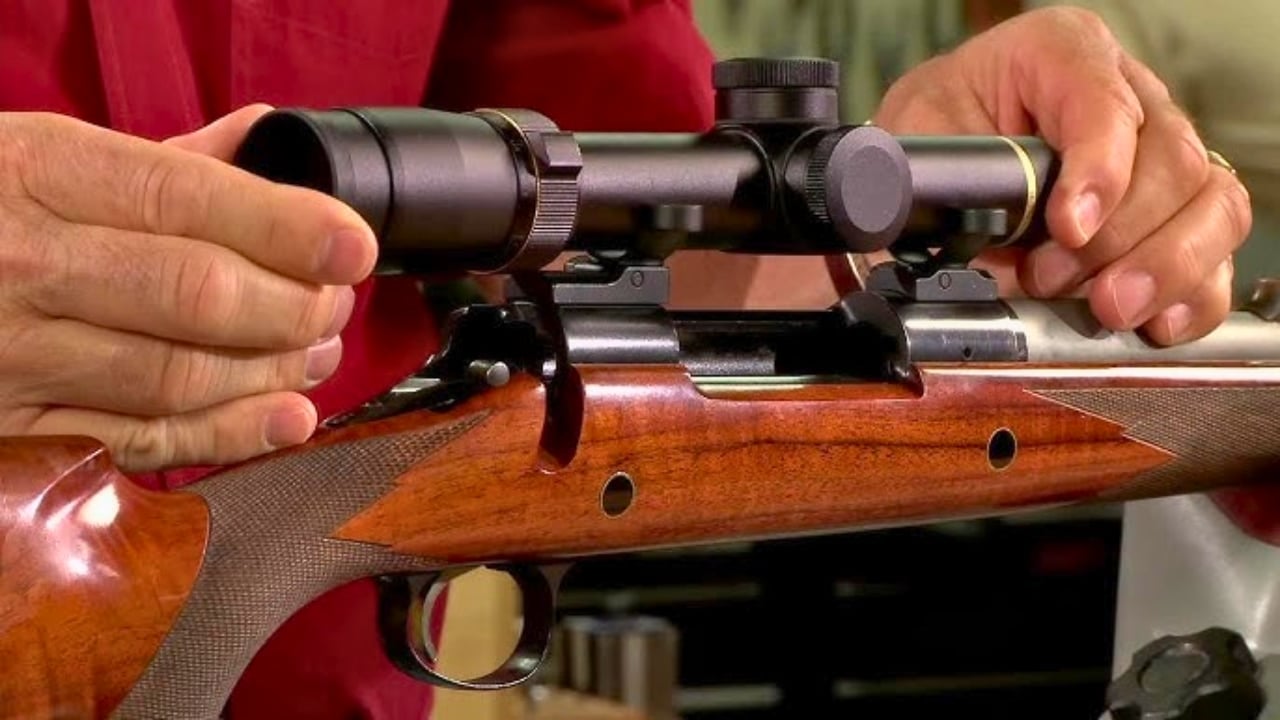
If your rings aren’t perfectly aligned, the scope tube gets stressed as you tighten it down. This can lead to binding in the erector system and erratic adjustments.
Invest in a ring alignment tool or have a shop check them before final tightening. Proper alignment reduces mechanical stress and keeps your adjustments tracking true over time.
Skipping the Leveling Step

An unlevel scope means your crosshairs aren’t actually vertical or horizontal to the rifle. At close range, it might not show—but as you stretch distance, you’ll see impacts creeping left or right.
Always level the rifle first, then level the scope to the rifle. A small bubble level or scope leveling kit takes the guesswork out and keeps your trajectory where you expect it.
Ignoring Proper Eye Relief

If you mount your optic too far forward or too far back, you’ll either be craning your neck or risking scope bite. Both lead to inconsistent shooting positions and wandering impacts.
Set the rifle in a natural shooting position and move the scope until you have a full, clear sight picture. Lock it down there so you’re consistent every time you shoulder the rifle.
Failing to Bed or Lap the Base

Mounting directly to a base with uneven contact can cause stress on the scope and allow movement under recoil. The more uneven the contact, the more likely your zero will shift.
Lapping rings or bedding the base ensures full surface contact and better grip. It’s a step many skip, but it can make the difference between rock-solid performance and chasing shots.
Not Checking Hardware After Break-In

Even a perfect mount can loosen slightly after the first few range trips, especially on hard-recoiling rifles. If you never recheck, you’ll eventually see your zero slip.
After your first shooting session, go back over every screw with a torque wrench. Once things settle in, they’ll stay put far longer. It’s a quick step that saves a lot of frustration.
*This article was developed with AI-powered tools and has been carefully reviewed by our editors.