Photo credit: Brandon and Stacy Hunt/YouTube
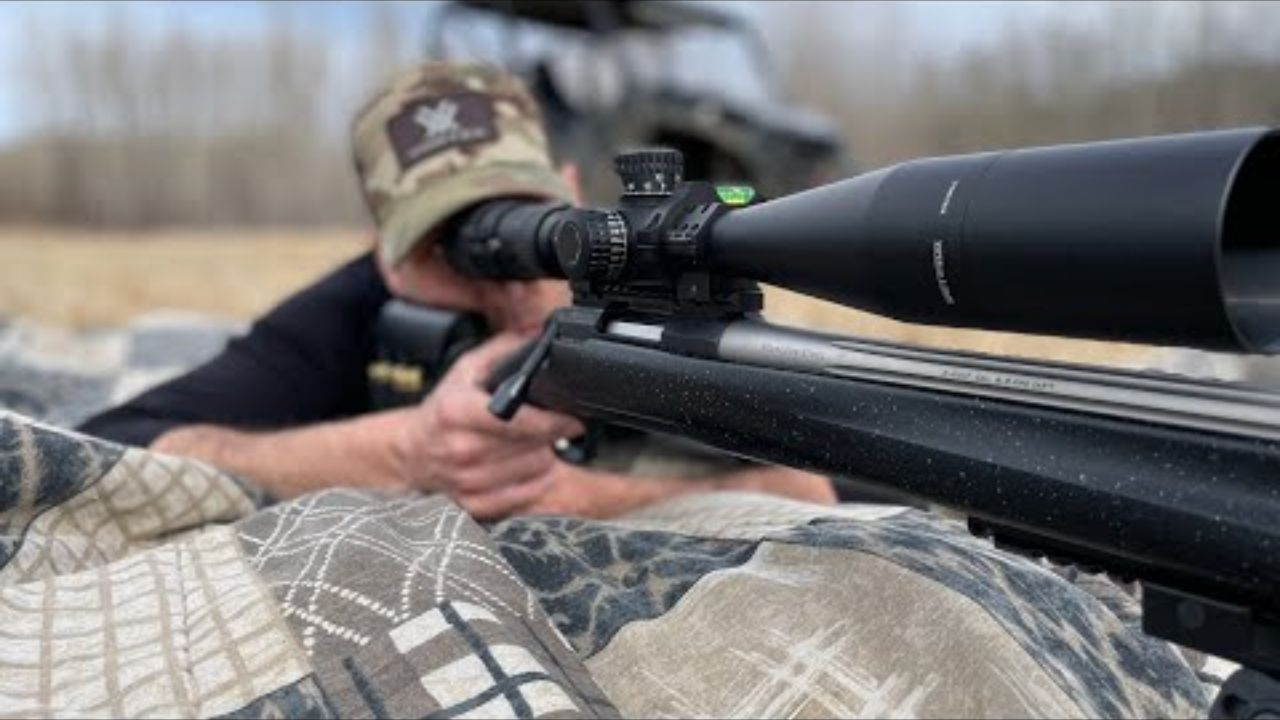
You’ve probably seen the charts and the ads—the long, flat lines that say a certain round is going to reach out past 800 yards like it’s nothing. But there’s a difference between what a caliber does on paper and what it does in the field. Some of these rounds show promise in the hands of a PRS shooter on a windless range, but take them hunting or try to work up a real-world load, and things start falling apart fast. Whether it’s poor factory ammo support, finicky barrels, overblown hype, or heat sensitivity, there are plenty of reasons a caliber might claim to be a long-range hammer and end up frustrating you after 300 yards. If you’ve chased hits at distance with any of the following, you probably know the feeling. They’re not useless—but they sure don’t live up to the promise.
.224 Valkyrie

On paper, the .224 Valkyrie looks like it should be a distance shooter’s dream. It was marketed as a high-BC, flat-shooting 6.5 Creedmoor alternative for the AR-15 platform. In the real world, it’s been plagued by inconsistent accuracy, poorly matched twist rates, and lackluster ammo selection. Plenty of shooters gave it a chance and walked away scratching their heads.
Part of the problem is how finicky it is about barrel specs and bullet pairing. If you don’t handload and spend serious time dialing it in, chances are your results won’t match the hype. And even then, the velocity often comes up short of expectations. The .224 Valkyrie promised long-range performance in a compact package—but for a lot of folks, it’s ended up being more of a headache than a breakthrough.
6.5 PRC
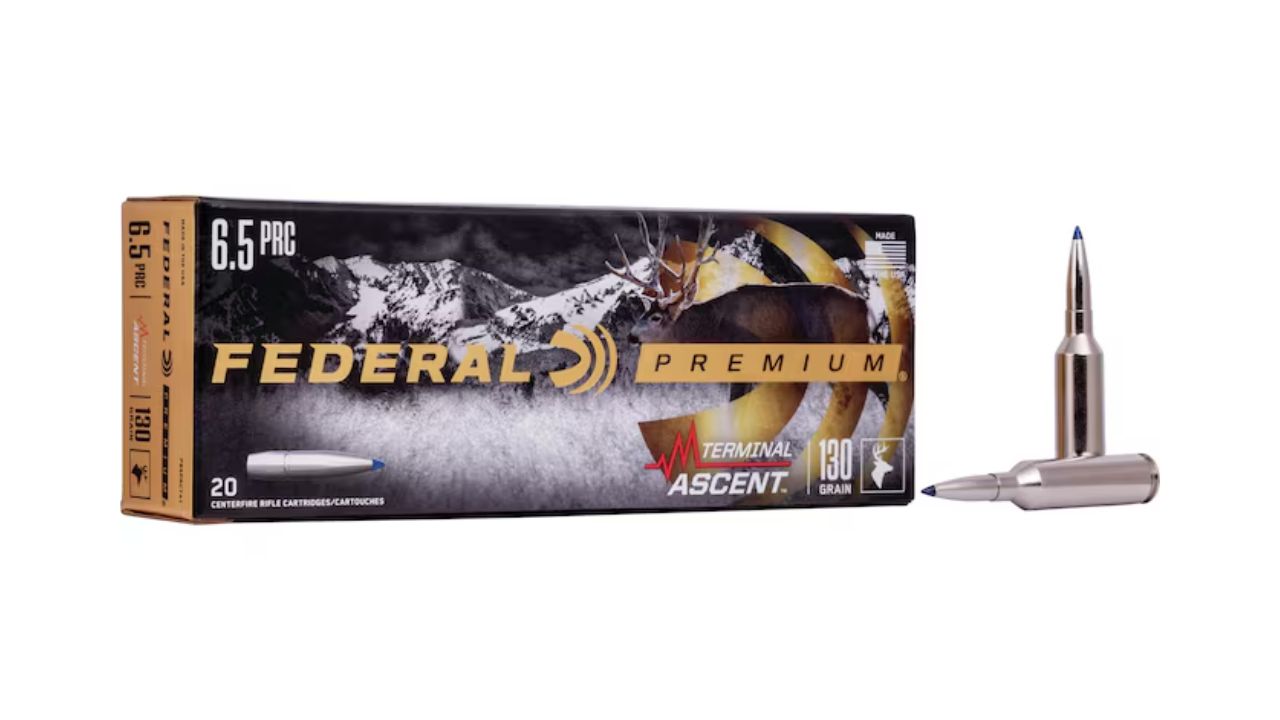
The 6.5 PRC came in hot, promising to outdo the 6.5 Creedmoor with more speed and reach. And while it does offer better velocity, it’s not the laser beam some folks expected. In real-world hunting conditions, that extra speed doesn’t always translate to cleaner hits or flatter flight at extended distances. And the recoil jump—especially in lighter rifles—can mess with follow-through and shot placement.
You also run into heat issues pretty quickly. After a few rounds, groups open up fast unless you’re running a heavy barrel or giving it time to cool. The PRC isn’t a bad round, but it’s not magic either. It demands more from your setup and your wallet, and if you’re not chasing long-range steel on weekends, you probably won’t notice much difference from a well-tuned Creedmoor.
6.8 Western
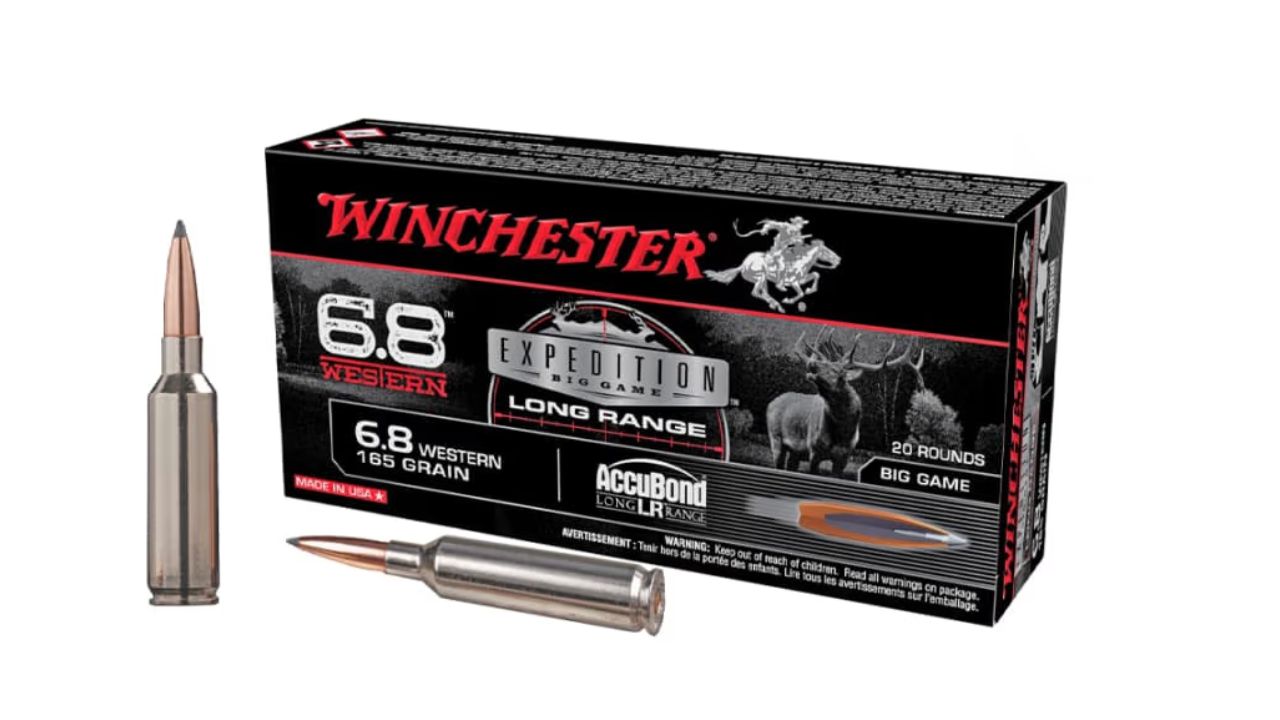
The 6.8 Western was supposed to be Winchester’s answer to the long-range hunting craze. More energy than a 6.5, higher BC bullets, and tailored for elk-sized game at extended distances. The promise was all there—but actual results have been hit-or-miss. For starters, ammo availability has never been great, and barrel options are still limited compared to more established calibers.
Even when you do get it dialed in, it doesn’t always deliver the edge it claims. Recoil sits between a .270 WSM and a .300 Win Mag, which can be punishing in lightweight rifles. That makes it harder to shoot well, especially when you’re on uneven terrain or short on time. It’s not a flop, but it hasn’t delivered on the sweeping promises either.
7mm Rem Ultra Mag
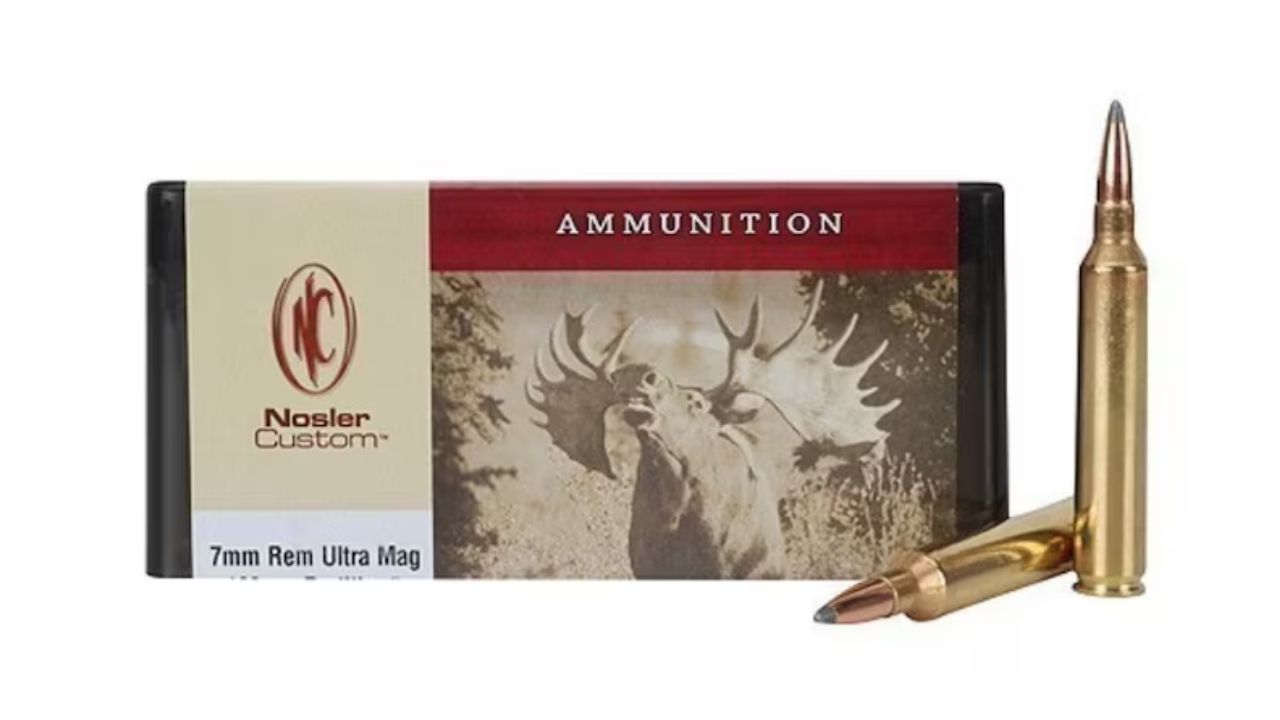
If you want muzzle velocity, the 7mm RUM delivers. It’s one of the fastest factory 7mms out there. But that speed comes at a steep cost—literally and practically. Barrel life is short. Recoil is stout. And it can be downright unpleasant to shoot for extended sessions. Unless you’re reloading, factory ammo selection is slim and expensive.
On the range, it can punch paper with authority, but keeping it consistent over longer strings is tough. POI shifts with heat, and the muzzle blast doesn’t exactly make for a fun day. Most hunters never tap into its full range potential because they can’t shoot it comfortably or consistently. It promised extreme range, but for most folks, the trade-offs don’t justify it.
.300 RUM
The .300 RUM is another overachiever that sounds good in theory but struggles in practice. With velocities that leave the .300 Win Mag in the dust, it looks like a powerhouse on ballistics charts. But burning that much powder puts stress on barrels and shooters alike. Most factory rifles chambered in it aren’t set up for precision, and the ones that are tend to be too heavy for field use.
Recoil is punishing, especially if you’re trying to get follow-up shots in quickly. And barrel life? Forget about it. You’ll torch a throat faster than you think. Sure, it can push heavy bullets with authority, but unless you’re trying to reach past 1,000 yards in open country, it’s overkill. It’s got range, but it doesn’t make it easy to use well.
.26 Nosler

The .26 Nosler made waves with its speed and high-BC bullet options, claiming a flat trajectory out to elk-range and beyond. But it chews through barrels like a buzzsaw, and it’s brutally sensitive to heat. Run a few shots through it and accuracy can shift enough to ruin a hunt. You’ve also got limited rifle options and even fewer factory loads that truly take advantage of its potential.
What you gain in speed, you lose in consistency. Most shooters aren’t reloading to chase the last few feet per second, and without careful tuning, factory ammo doesn’t always deliver. It promised to be the next evolution of long-range hunting, but it’s ended up more of a niche round that never quite lived up to the marketing.
7mm STW

The 7mm Shooting Times Westerner had its moment among custom builders and long-range hunters chasing velocity. It pushed 7mm bullets at warp speed and looked great on paper. But like many high-octane magnums, it suffers from barrel erosion, recoil fatigue, and inconsistent real-world performance unless you’re meticulous with your setup.
There’s a reason you don’t see it much anymore. Factory support faded, ammo dried up, and the advantages it offered were soon matched by easier-to-manage calibers. If you were chasing elk at 800 yards from a bench, maybe it made sense. But for most folks in practical field conditions, it became a burden. It promised long legs, but tripped over its own upkeep.
.243 WSSM

The .243 Winchester Super Short Magnum sounded like a clever upgrade—a faster, flatter .243 in a compact action. But real-world results never lived up to the pitch. Feeding problems were common. Barrel life was laughably short. And factory ammo was hard to find even when it launched. Accuracy suffered once the barrel heated up, and it never gained a strong following.
What it gained in muzzle velocity, it lost in reliability and consistency. Shooters found themselves fighting their rifles instead of trusting them. If you were expecting long-range varminting or deer hits with better trajectory, you likely ended up disappointed. The .243 WSSM may have looked like a step forward, but it stumbled almost right out of the gate.
.300 Win Short Mag
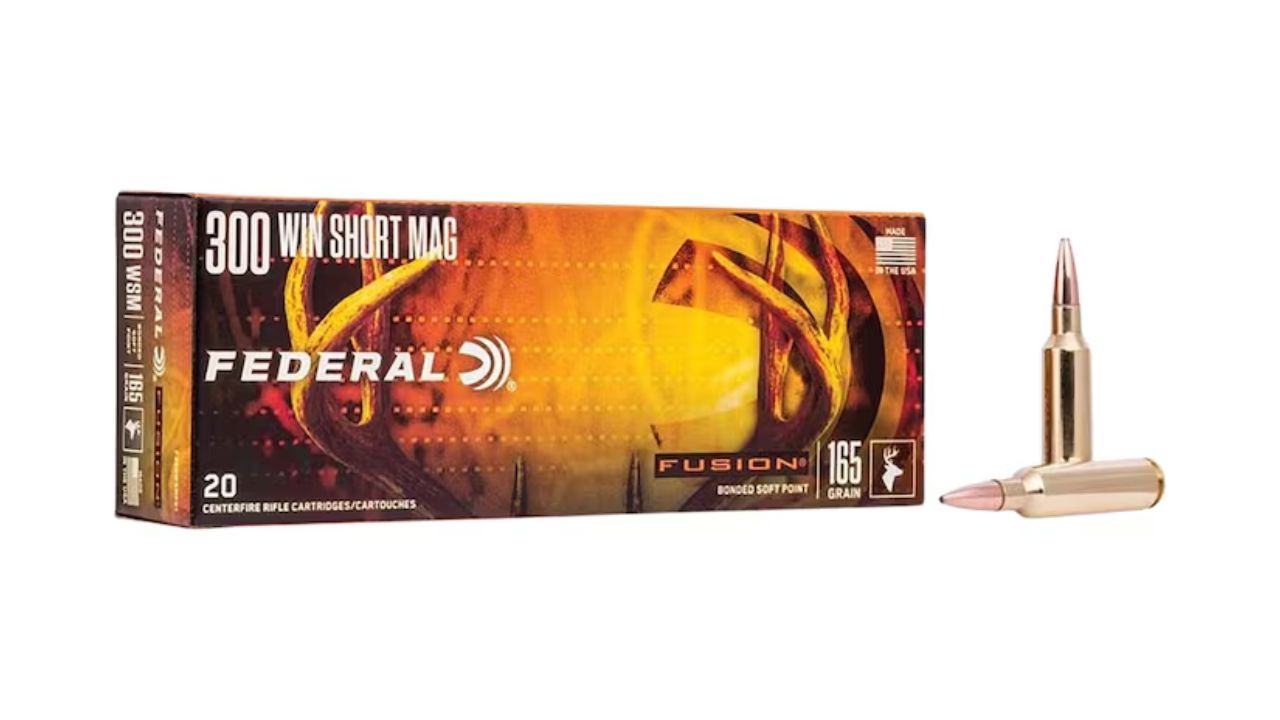
The .300 WSM promised magnum power in a short-action rifle. And while it does offer respectable performance, it hasn’t aged as gracefully as its backers hoped. Accuracy can be spotty across factory rifles, and recoil sits in that uncomfortable middle ground—not enough to justify the punch, but too much for easy control in lighter setups.
It’s also notorious for being picky about handloads. You can get it dialed in, but you’ll spend time doing it. And in terms of real-world reach, it doesn’t offer a huge advantage over a tuned .30-06 or standard .300 Win Mag. It’s not terrible—but if you bought into the “magnum reach, short-action feel” promise, you probably felt a little let down.
.257 Weatherby Magnum

The .257 Weatherby Magnum is fast—no doubt about that. But speed alone doesn’t make a caliber practical. It’s loud, burns through barrels, and delivers more recoil than most expect from a quarter-bore. In the field, it can be hard to spot your own hits or misses, especially if you’re shooting from improvised positions or uneven terrain.
Ammo isn’t cheap, and unless you’re handloading, you won’t have many bullet choices that truly take advantage of the case capacity. Sure, it flies flat, but that doesn’t mean it’s forgiving. Wind drift becomes a factor faster than you’d think, and the margin for error at long range is tighter than it looks on paper. It sounds like a dream for antelope across the prairie, but in reality, it’s a hard round to master.
.30-378 Weatherby Magnum

The .30-378 Weatherby Magnum is one of the flattest-shooting .30s ever built—but it comes at a cost. Factory ammo is expensive, recoil is punishing, and it’s not friendly to light rifles or quick follow-ups. You need a heavy rig, a good brake, and deep pockets to shoot it well.
It shines on charts and long-range benches, but field performance is less consistent. Heat causes point-of-impact shift fast, and if you don’t reload, your ammo choices are limited. For the average hunter or even most long-range shooters, it’s more rifle than necessary. It promised to stretch your reach, and technically it can—but that doesn’t mean it’s the best tool for the job. Most folks find out the hard way that more isn’t always better.
Like The Avid Outdoorsman’s content? Be sure to follow us.
Here’s more from us:
The worst deer rifles money can buy
Sidearms That Belong in the Safe — Not Your Belt
*This article was developed with AI-powered tools and has been carefully reviewed by our editors.