Photo credit: GunBroker
Every shooter has seen it before—a new pistol hits the market with glossy ads, slick videos, and promises of flawless performance. You’re told it’s the next evolution of reliability, something that will run cleaner, shoot flatter, and fit better than anything before it. But then you take it to the range, and reality sets in.
Stovepipes, failures to feed, light primer strikes—whatever the issue, the gun can’t seem to get through a magazine without trouble.
Some of these pistols came from respected brands, others were rushed designs that looked great on paper but fell flat fast. They all share one thing in common: they promised perfection and delivered headaches.
Remington R51
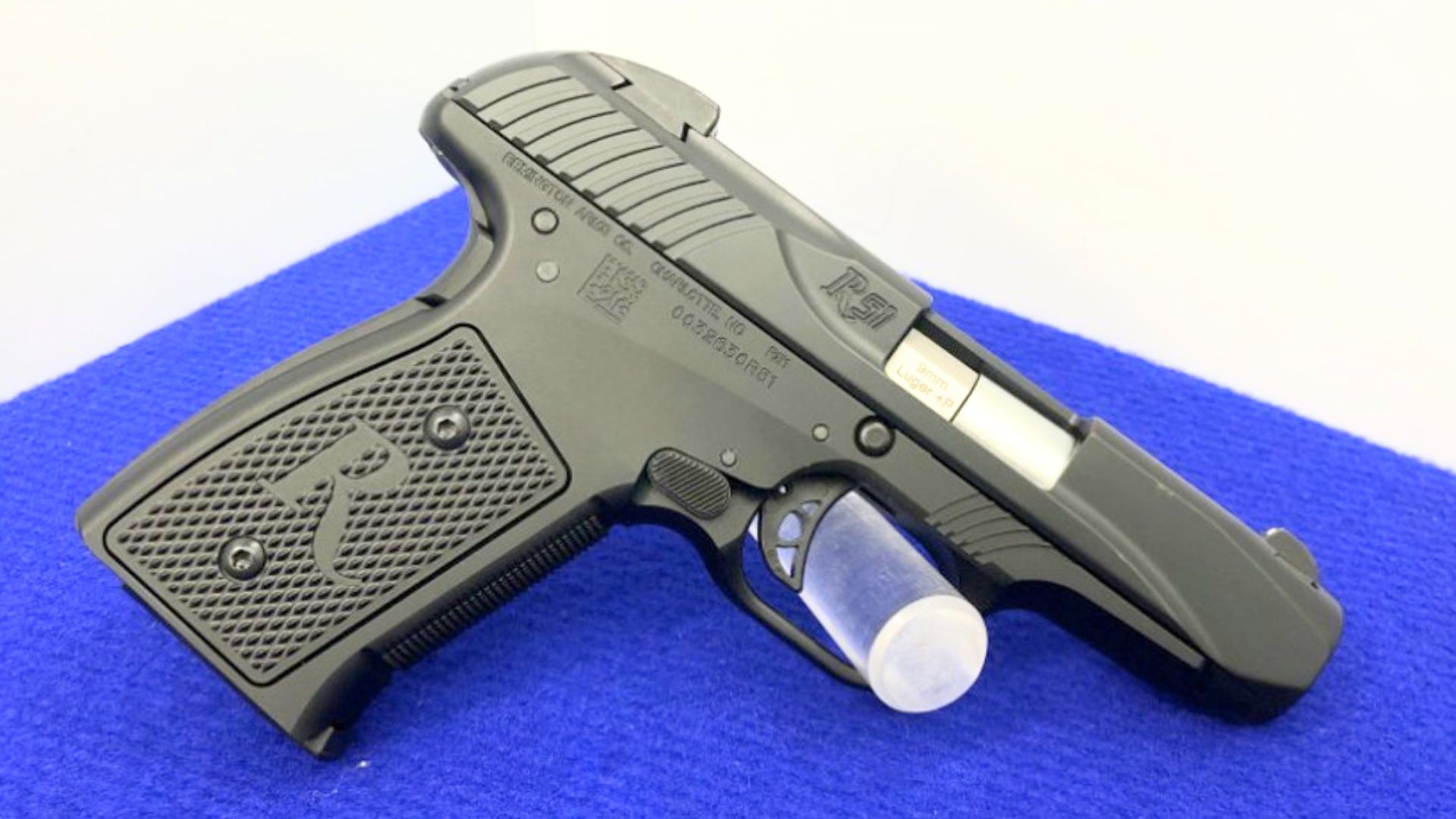
The Remington R51 was pitched as a modern update to a classic design, offering soft recoil and carry-ready reliability. On paper, it looked like a winner. The second you took it to the range, though, it all unraveled. Early models were plagued with misfeeds, out-of-battery discharges, and slide issues that made them unsafe to shoot.
Remington recalled the pistol and re-released a Gen 2 version, but by then, the damage was done. Even with fixes, trust never returned. The R51 became one of the most infamous handgun failures in modern history—a gun that proved even the biggest names can rush a bad design.
Kimber Solo Carry
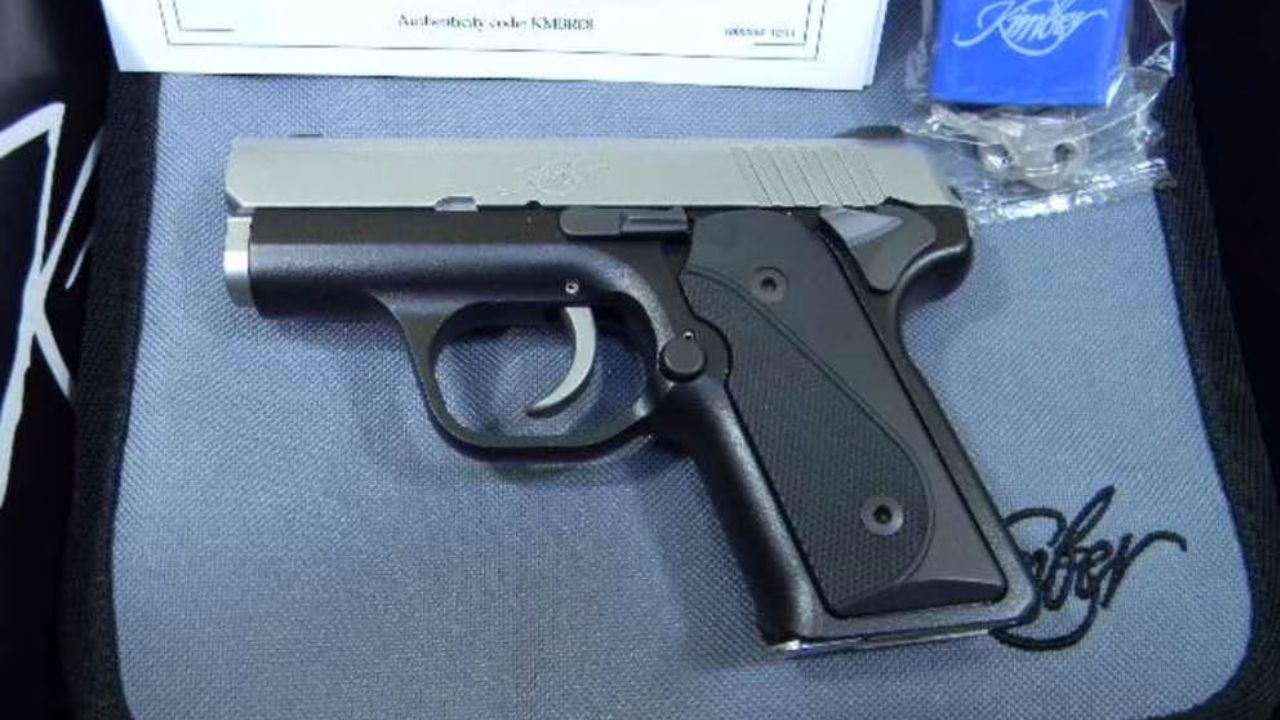
The Kimber Solo Carry arrived with big claims: a premium, compact 9mm for concealed carry with the same quality Kimber brought to its 1911s. It was sleek, light, and good-looking—but it couldn’t run clean. The pistol was picky about ammo, struggling to feed anything other than expensive, high-velocity loads.
Malfunctions were so common that many owners gave up trying to find a reliable combination. Kimber quietly pulled the Solo from production not long after, but by then, its reputation was sunk. For a pistol that was supposed to set a new standard in micro-9 performance, it ended up being a cautionary tale instead.
Taurus PT709 Slim
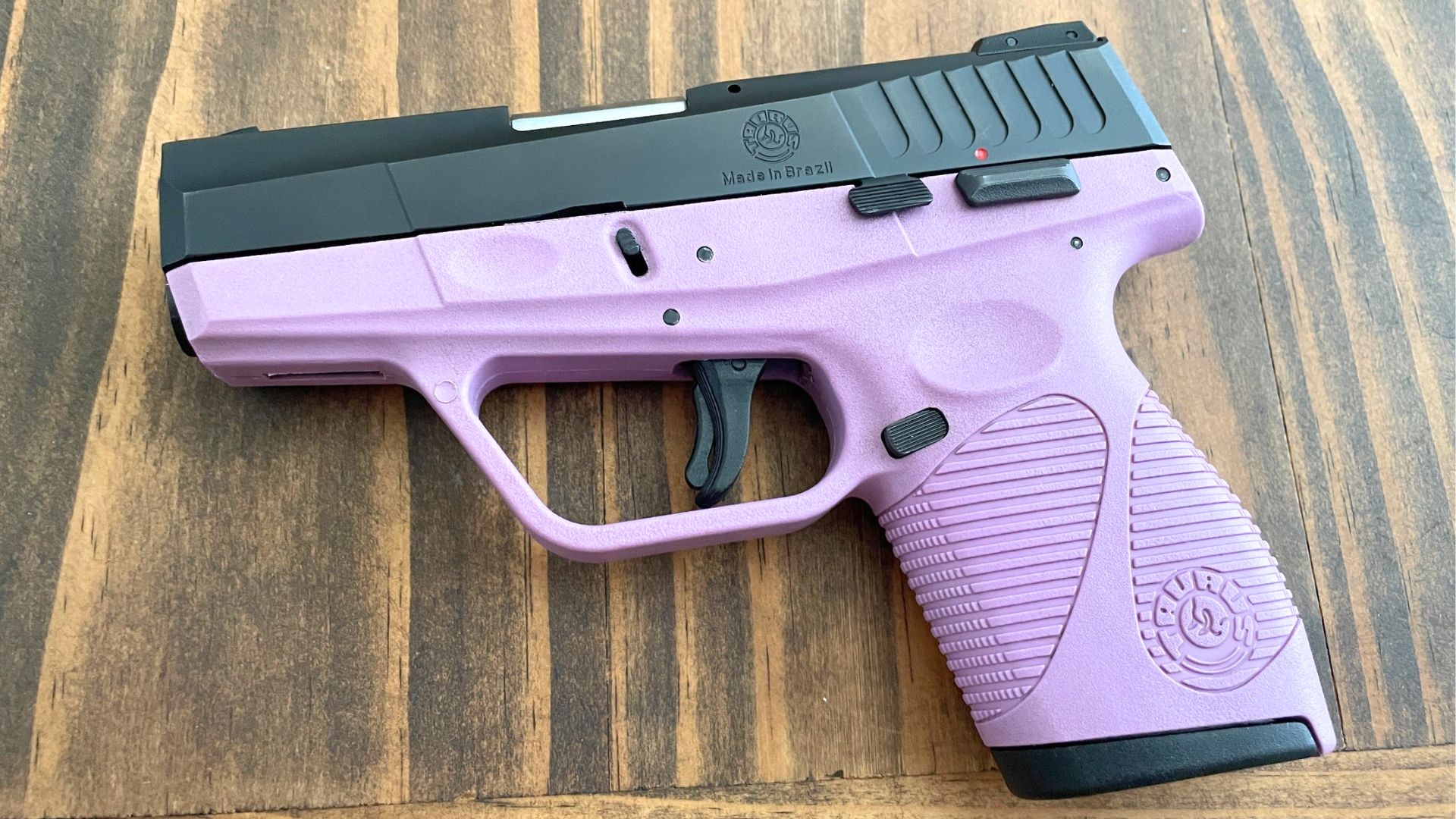
Taurus built the PT709 Slim to compete in the budget concealed carry market. It had decent ergonomics, a slim profile, and a fair price tag—but also a frustrating habit of failing to feed or extract. Shooters found that magazines, ammo, and even grip pressure could throw reliability out the window.
The trigger system was another sore point, with spongy take-up and a reset that felt inconsistent at best. For a carry gun, that’s a deal-breaker. While later Taurus designs improved, the PT709 became a reminder that “affordable” can come at the cost of dependability.
Walther CCP (First Generation)
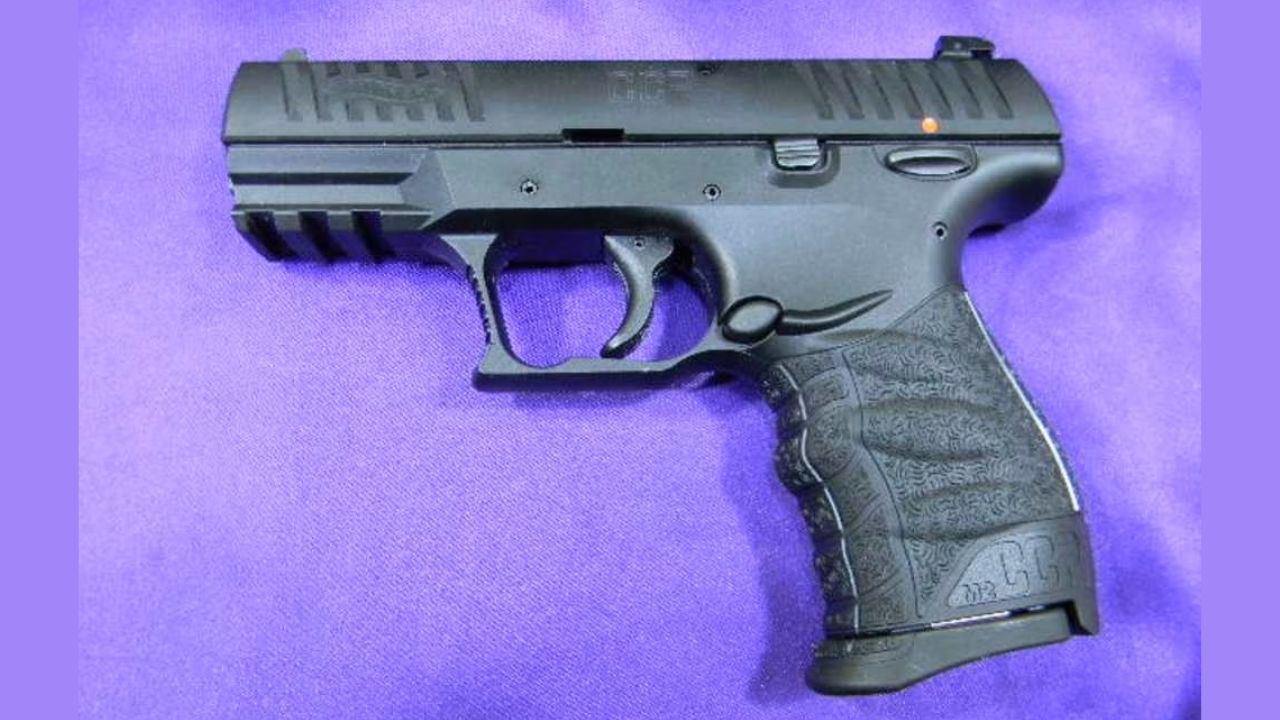
The first-generation Walther CCP introduced the company’s “SoftCoil” gas-delayed system, designed to reduce recoil and make shooting comfortable. Unfortunately, the system also made cleaning and maintenance a nightmare—and reliability suffered badly.
Many owners reported failures to eject, stovepipes, and even issues with the slide sticking halfway through its cycle. Walther corrected some of these flaws in later versions, but the original CCP earned a reputation for being finicky and unforgiving. It was a case of innovation that looked good in ads but stumbled hard in the real world.
Colt All American 2000
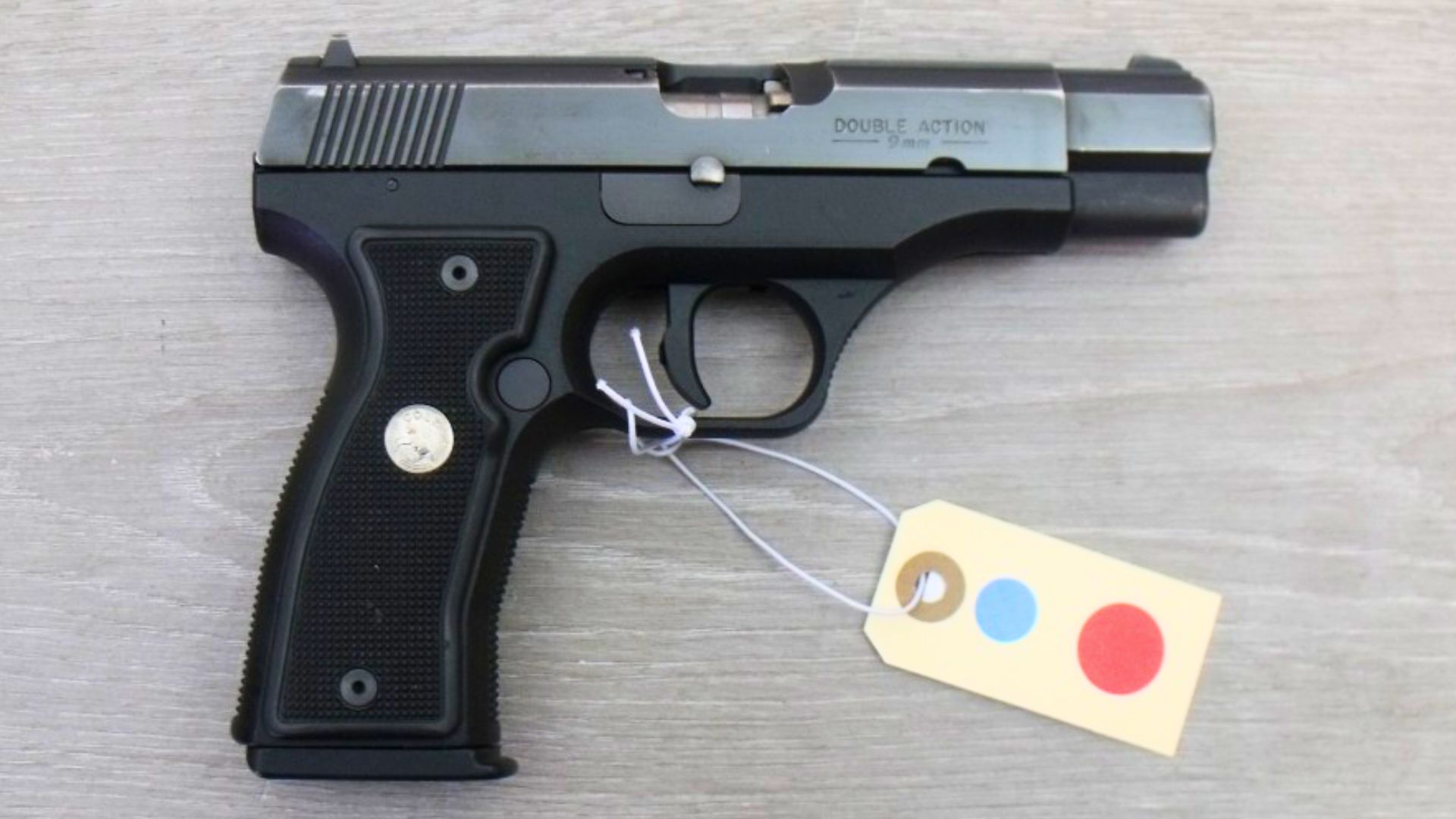
When Colt announced the All American 2000, it sounded like the company was stepping into the future—a polymer-framed, double-action pistol built to rival Glock. The design had pedigree, with Eugene Stoner’s name attached, but execution was another story.
The pistol suffered from feeding issues, poor accuracy, and a heavy, unpredictable trigger that made it hard to shoot well. Colt’s production quality didn’t help either, with loose tolerances and poor consistency between models. What should have been a breakthrough became one of Colt’s most embarrassing missteps.
SIG Sauer Mosquito

The SIG Mosquito was meant to be a .22 LR training pistol that mirrored the feel of SIG’s full-sized models. Unfortunately, it became notorious for malfunctions. Light strikes, failures to eject, and picky ammo tolerance made it frustrating for anyone who wanted a reliable plinker.
The Mosquito could run decently with specific high-velocity loads, but that defeated the purpose of a .22 trainer. Shooters expecting SIG reliability got something closer to a problem child. For many, it was a lesson that not every SIG with a familiar name deserves the same trust.
Springfield Armory XD-E
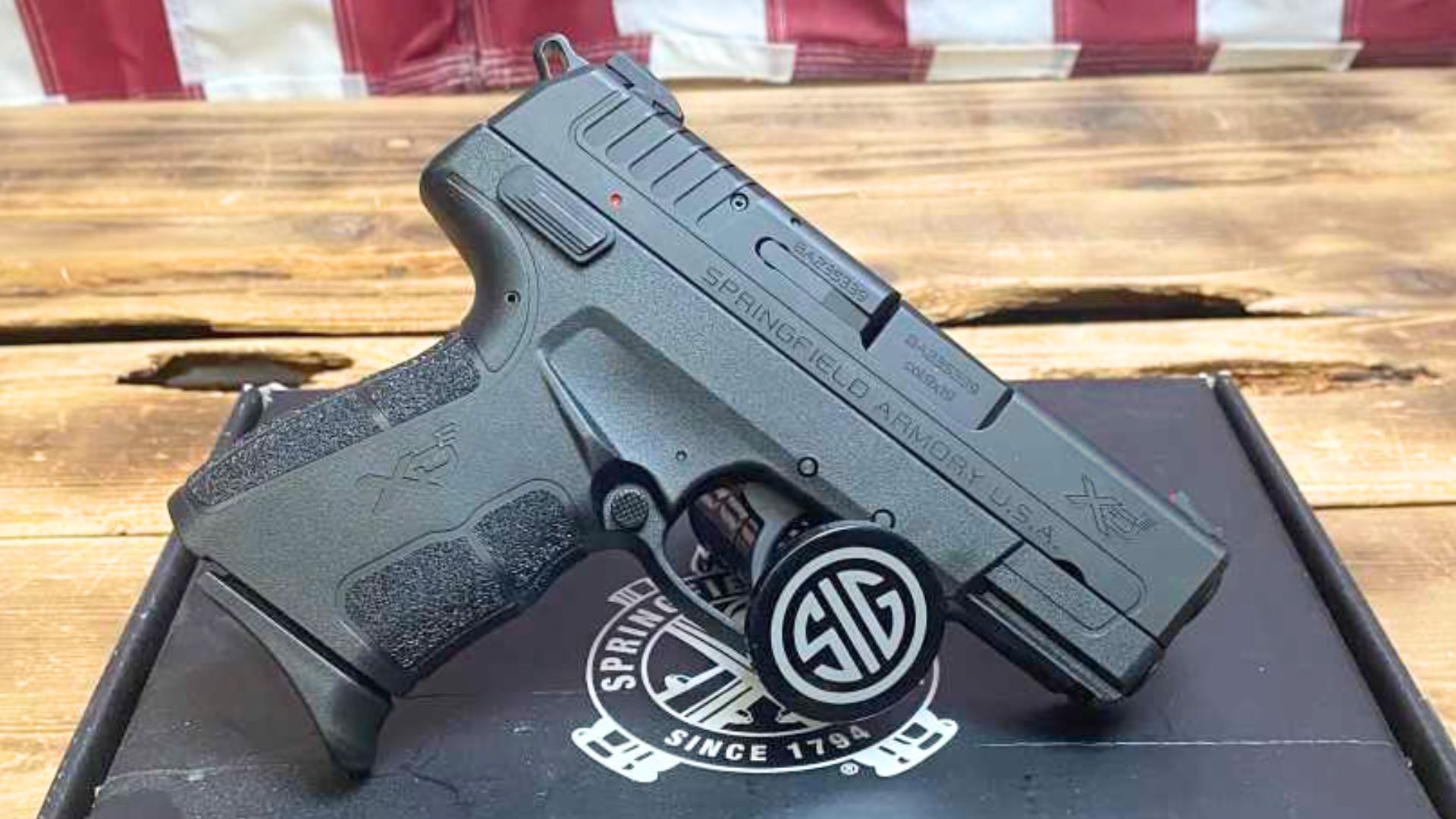
The Springfield XD-E promised to combine DA/SA hammer-fired safety with the slimness of a striker gun. It was marketed heavily to those who preferred traditional triggers but wanted a carry-friendly frame. What it delivered was a stiff, gritty trigger and a slide so heavy it turned racking into a chore.
While not plagued by catastrophic failures, the XD-E had enough small malfunctions—failures to feed and premature slide lock—that shooters quickly lost patience. It never caught on with serious carry users and quietly disappeared from shelves not long after launch.
Remington RP9

Remington’s RP9 entered the crowded striker-fired market with high hopes. It looked like a modern service pistol with solid capacity and a competitive price. Then came the reliability problems—stovepipes, failure to go into battery, and magazines that didn’t feed properly.
Combine that with a trigger that felt mushy and an oversized grip that didn’t fit many hands, and you had a pistol that couldn’t win over its target audience. The RP9 vanished almost as quickly as it appeared, leaving behind another dent in Remington’s already battered handgun reputation.
KelTec PF9

The KelTec PF9 was one of the first ultra-compact 9mm pistols to hit the market, and people lined up for it. But while it was small and lightweight, it was also snappy, unreliable, and known for parts working loose under regular use.
Feed issues and light primer strikes were common, and the rough trigger made follow-up shots difficult. The PF9 earned a reputation as a pistol you carried often but shot rarely. It was a bold idea ahead of its time but lacked the refinement to make it dependable.
Honor Defense Honor Guard
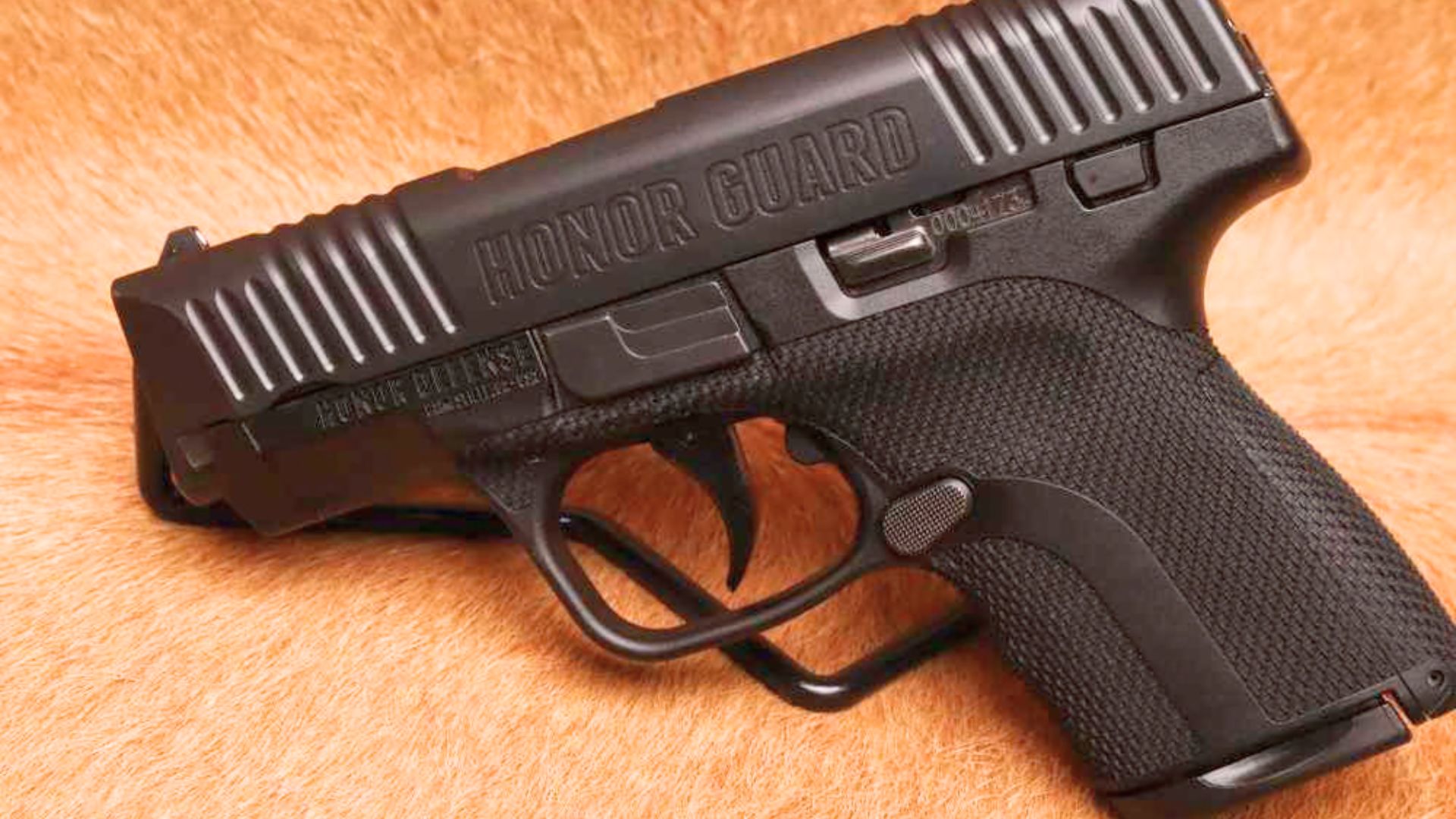
The Honor Guard pistol came from a small American startup that promised a feature-packed carry gun made by veterans. It had potential, but reports of out-of-battery firing and drop safety concerns quickly surfaced. That killed its reputation almost overnight.
While some users claimed solid performance, enough real-world incidents pushed it off most serious buyers’ lists. The company addressed the issues later, but the damage was done. In the firearms world, once a pistol gets a reputation for being unsafe, there’s no marketing campaign that can bring it back.
Hudson H9
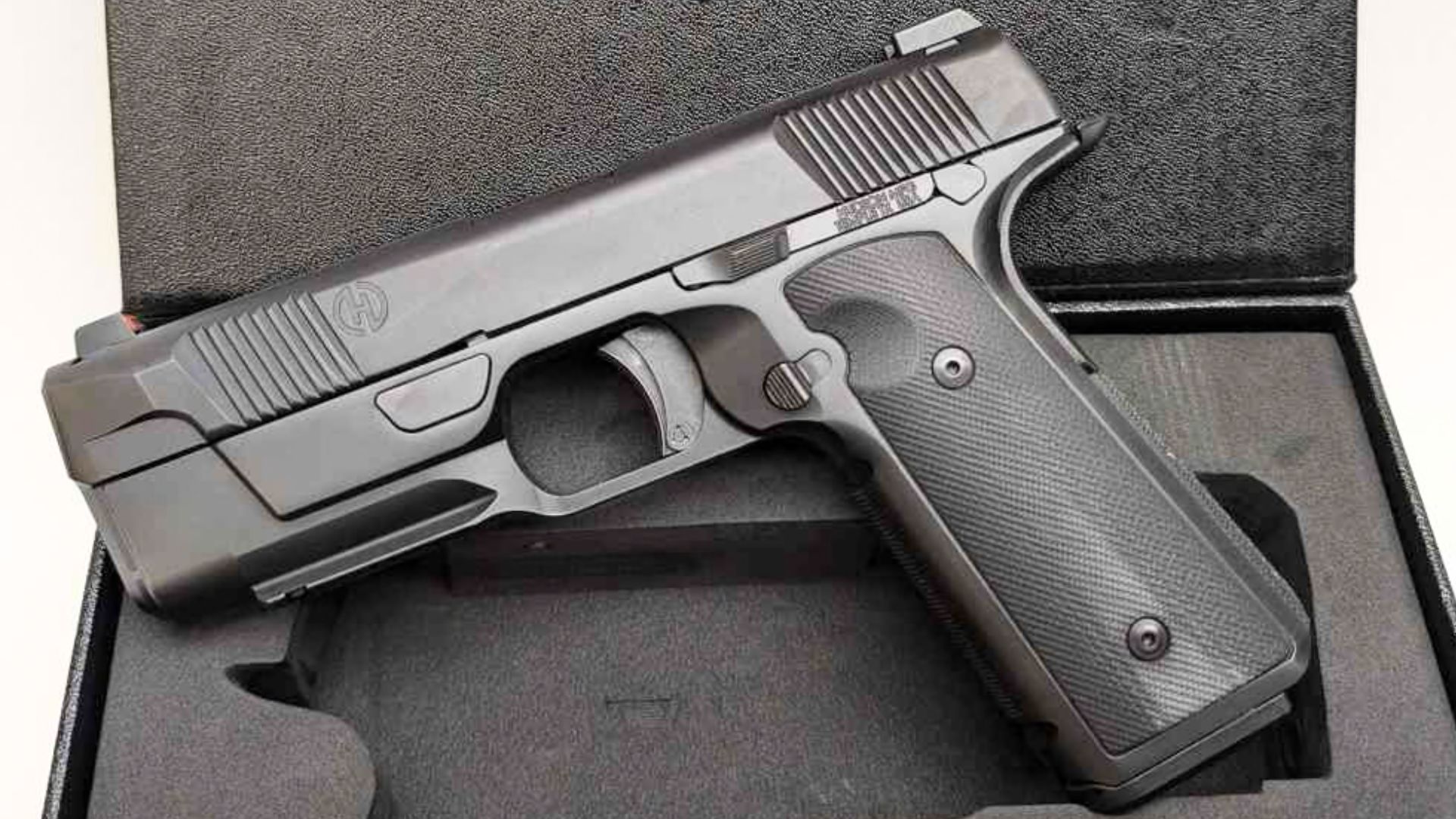
The Hudson H9 was one of the most hyped pistols of the last decade—a hybrid between a 1911 and a striker-fired gun that looked futuristic and promised exceptional handling. Early reviewers praised the concept, but when production models shipped, the problems started.
Feeding issues, premature parts wear, and inconsistent reliability tanked its reputation. The company went bankrupt before fixes could roll out, leaving buyers with expensive paperweights. The H9 had brilliant potential, but it proved that clever engineering doesn’t matter if the gun can’t run a full magazine without hiccups.
Like The Avid Outdoorsman’s content? Be sure to follow us.
Here’s more from us:
*This article was developed with AI-powered tools and has been carefully reviewed by our editors.