Photo credit: Chlempi – CC BY 4.0, /Wikimedia Commons
If you’ve ever put a few mags through a pistol back-to-back and felt that slide sting your thumb during a quick press check, you already know where this is going. Some handguns are known for heating up fast—and not just from abuse or neglect. Even under what most folks would call a moderate pace, these guns seem to soak up heat like a cast iron pan. In some cases, it’s the barrel profile or the material. In others, it’s poor venting, tight slide-to-frame tolerances, or a delayed-blowback system that dumps excess heat right into the shooter’s hands. Whether it’s a range toy or something you’re running hard in training, you’ll want to know which models are known to run hot. Because a burned finger or heat-induced failure mid-session is the kind of lesson you don’t forget.
Walther CCP

The Walther CCP runs on a gas-delayed blowback system, which means a good chunk of that heat gets redirected into the frame and slide area. It’s designed that way—softer recoil, slower cycling—but the tradeoff is a pistol that gets warm fast and doesn’t cool down quickly. After just a few mags, especially with hotter 9mm loads, you can feel the heat radiating through the grip.
Disassembly involves dealing with the gas piston, so you’re up close and personal with warm internals whether you want to be or not. Even in casual range sessions, the slide and barrel area can get too hot to touch. This isn’t a major problem for folks running a few slow-paced mags, but if you’re running drills or extended strings, it can become a serious annoyance. Add in the polymer frame’s tendency to trap that heat longer, and you’ve got a pistol that behaves more like a toaster than a tool after a little hard use.
FN Five-seveN
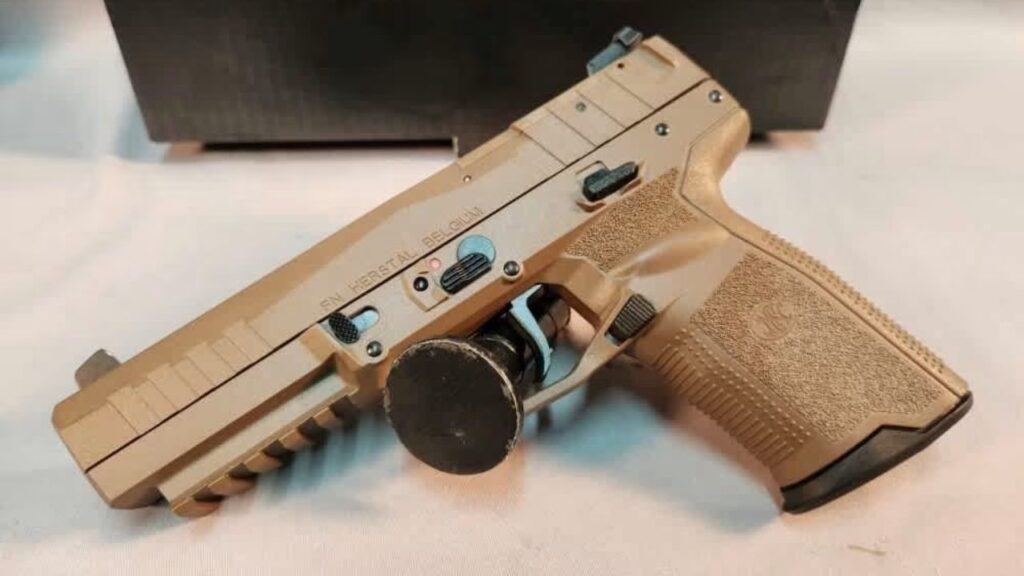
The FN Five-seveN might be chambered in 5.7x28mm, but don’t let the smaller caliber fool you—this thing runs hot in a hurry. That bottlenecked cartridge moves fast, and with a 20-round magazine, it encourages extended shooting. The barrel heats up fast, and since it’s tucked into a mostly polymer frame, there’s not a lot of mass to pull that heat away from your hands.
Once you hit that third mag, you’ll start noticing it. The top of the slide gets warm enough to sting, and the narrow profile means more of that heat concentrates near your grip. Even the trigger can feel warm if you’re putting rounds downrange fast. In cooler weather it might not be a big deal, but during summer sessions or long training days, it’s noticeable. The gun isn’t malfunctioning—it’s just doing what it does. But if you’re running it hard, expect to feel like you’re cooking something after a while.
KelTec PMR-30

The KelTec PMR-30 is light, weird, and loud—and it heats up fast. That .22 Magnum round spits out fire like it’s pretending to be a much bigger cartridge, especially out of that long, pencil-thin barrel. Combine that with the PMR-30’s featherweight polymer build and you’ve got very little mass to soak up or dissipate heat. After a couple mags, it feels like you’re holding something that’s been left on the dash of a hot truck.
There’s no heat shield under the slide and barely any material separating your hand from the top end of the gun. Even the magazine well gets noticeably warm during fast-paced shooting. The trigger area and slide grooves are especially bad about transferring heat. If you plan on running through a few of those 30-round mags in quick succession, be ready for discomfort. The gun keeps shooting, sure—but your fingers might not thank you for it.
CZ P-07
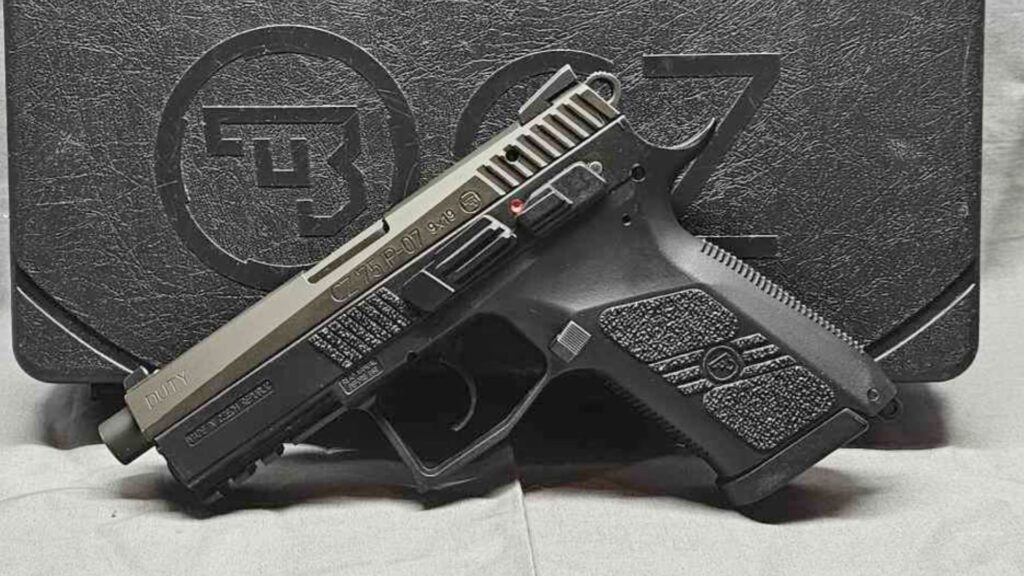
The CZ P-07 has a reputation for being solid and accurate, but it can build heat faster than expected. It’s a hammer-fired, DA/SA pistol with a fairly tight slide-to-frame fit and a relatively small surface area for heat dissipation. After a few back-to-back mags, the slide starts getting uncomfortable, especially around the ejection port and forward serrations.
The polymer frame doesn’t offer much help in pulling that heat away from the top end, and there’s not a lot of airflow built into the design. While it’s manageable in slower-paced shooting, anyone doing rapid-fire strings or extended drills will feel it quick. The rail gets warm too, which can be annoying if you’re running a light or laser that makes contact with your support hand. It’s not a dealbreaker—it still runs—but it’s something you start to notice once you push the gun harder than a casual plinking session.
Glock 43X
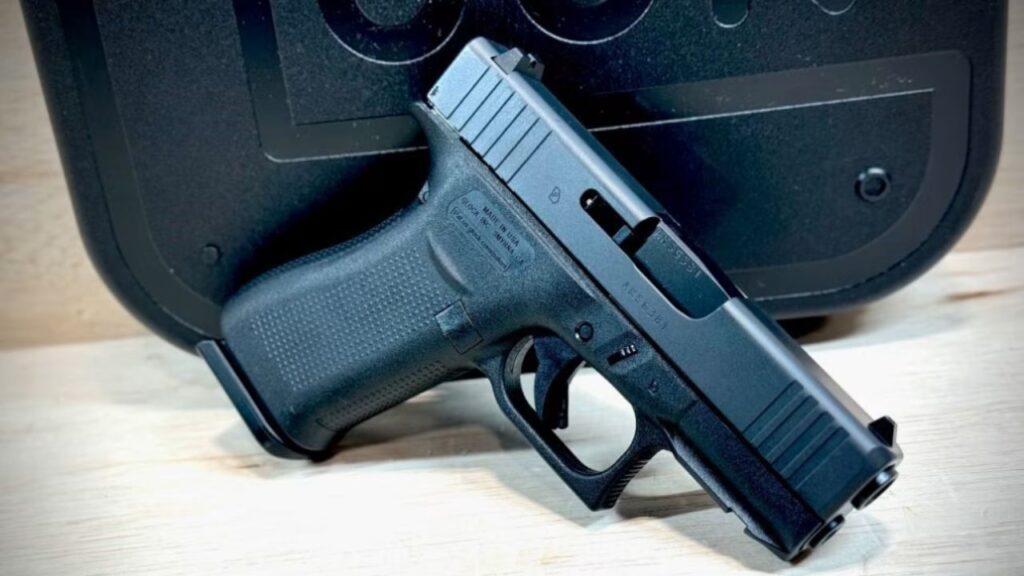
The Glock 43X is a popular carry pistol, but when it comes to extended shooting, it gets surprisingly hot. Part of the issue is the slim profile. There’s less metal mass in the slide to absorb and spread out heat, and after a few mags, it starts to collect right where your support-hand thumb rests. Combine that with the subcompact barrel and you’ve got a heat funnel that points straight back at you.
Even though Glocks are known for reliability, the smaller-framed ones don’t always hold up as comfortably under high round counts. The polymer frame does nothing to cool your grip, and the trigger guard can start feeling warm after repeated use. If you’re used to full-size duty pistols, the 43X might catch you off guard. It’s a great EDC choice, but if you’re planning to run it hard during a class or drill day, you’ll notice your hands cooking by the end.
SIG P938
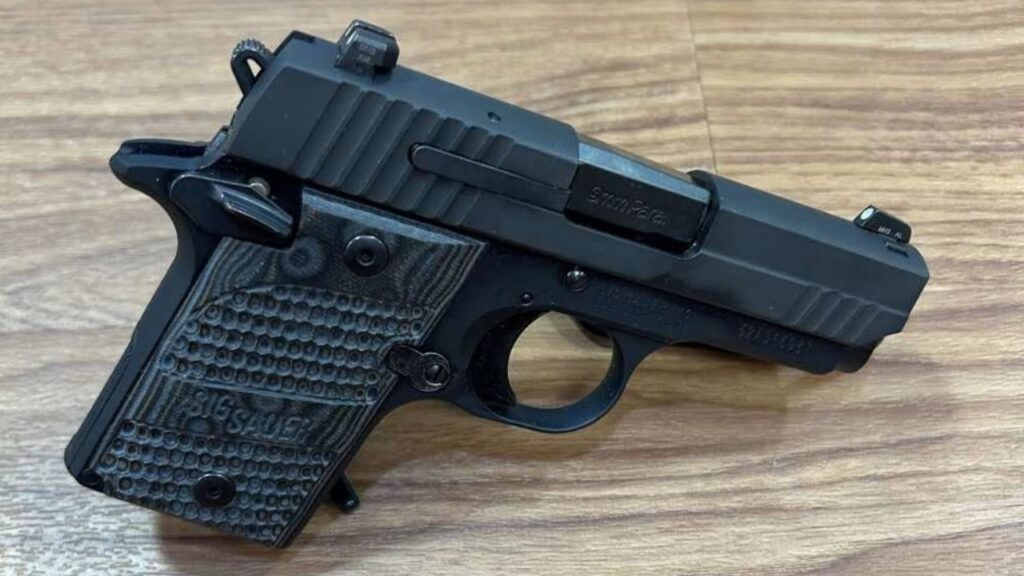
The SIG P938 packs 9mm into a 1911-style micro pistol, and it’s known for both its snappy recoil and tendency to heat up fast. The small frame and thin slide mean there’s not much metal to soak up heat, so everything stays pretty close to your skin. After a couple mags, the top end gets uncomfortable—especially near the ejection port.
The all-metal construction doesn’t help as much as you’d think. Because it’s so compact, all the heat stays concentrated in a small area. If you’re doing any sort of extended shooting, you’ll feel it in your thumb, web of your hand, and even in the trigger area. This isn’t the pistol you want to run for long drills. It’s great for carry and decent for short sessions, but when things heat up, it becomes a whole different experience—less like training, more like playing hot potato.
Beretta 92FS

The Beretta 92FS is a big, classic duty pistol that you’d expect to handle heat better—and it mostly does. But where it starts to warm up is on the barrel and locking block. Since the open-slide design leaves so much of the barrel exposed, that heat builds fast and becomes noticeable after several mags.
The frame stays cool longer, but the top end can start to feel like a stovetop after extended use. It’s not uncommon to feel that warmth come through if you’re shooting quickly and doing any slide manipulation. Press checks, malfunction drills—anything that involves touching the front half of the slide—can leave your fingers feeling singed. It’s a solid, proven gun, no question there. But run it long enough on a hot day, and you’ll know exactly what part of your skin it’s pressing into.
H&K VP9

The H&K VP9 is a favorite for a lot of folks thanks to its ergonomics and trigger, but it’s also a pistol that heats up more than you’d expect. The recoil system is tuned for soft shooting, but that also means the slide cycles fast and heat builds quickly during repeated use. Add in a relatively tight fit between slide and frame, and it starts acting like an oven.
What surprises people is how warm the trigger area gets. That’s partly because of how the fire control unit is designed, and partly because the VP9 has very little ventilation built in. It doesn’t cause failures, but it can definitely change how comfortable you are after a few drills. Especially if you’re running suppressed or with +P ammo. The heat tends to linger, too, making follow-up handling a bit miserable if you’re not wearing gloves or pacing your sessions.
Springfield Hellcat
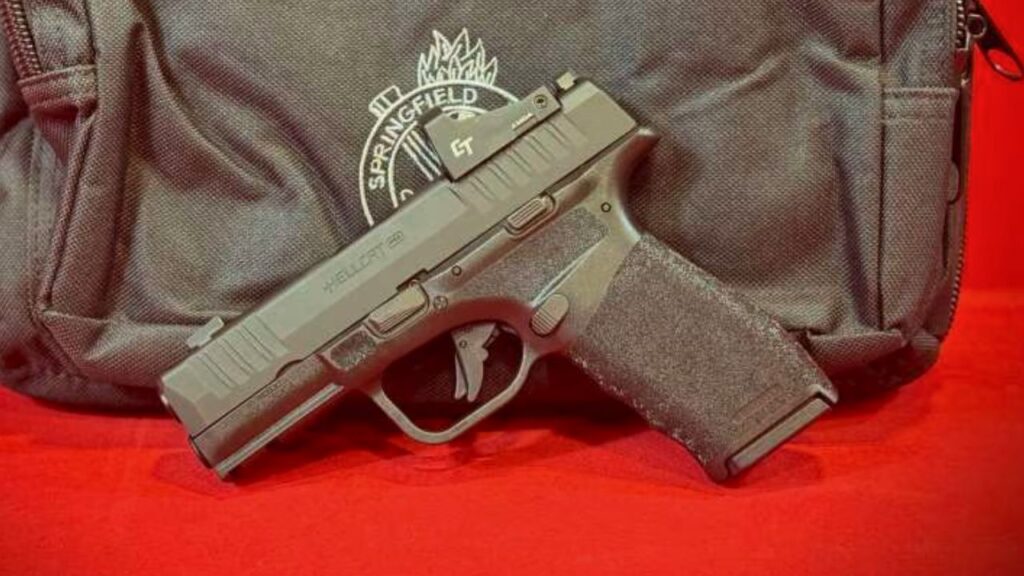
The Hellcat was designed to be a high-capacity micro-compact, but all that firepower packed into a tiny frame comes at a cost—heat. The short barrel heats up fast, and the slide doesn’t have much mass to spread that heat out. After three or four mags, especially if you’re running quickly, you’ll notice the top end warming up fast.
It’s most noticeable around the front serrations and near the ejection port. Because it’s such a small gun, there’s less material between your hand and the hot parts. Even the trigger starts to feel warm after extended use. The polymer frame doesn’t offer much insulation, and the compact size means your grip is right on top of the action. It’s great for carry, but if you’re running a full training session with it, be ready for some discomfort. That heat shows up faster than you think.
Ruger LC9s

The LC9s is slim, lightweight, and designed for concealment—but it can heat up in a hurry. The small profile and light slide mean there’s not a lot of surface area to absorb or shed heat, so it builds fast and stays trapped in the upper half of the pistol. The barrel is especially prone to getting hot after just a couple mags.
This becomes a problem if you’re doing training drills or extended practice. The slide serrations don’t offer much grip once it’s hot, and you’ll definitely feel the warmth creeping into the trigger guard and grip. There’s also a noticeable heat transfer into the magazine during reloads. If you’ve got a full session planned with this little guy, wear gloves or be ready to take more breaks than usual. It’ll keep running, but it won’t stay comfortable for long.
Steyr M9-A1

The Steyr M9-A1 is underrated in a lot of ways, but it has one quirk that bugs some shooters—the way it handles heat. The low bore axis and unique slide geometry make for a great shooting experience, but they also funnel a lot of warmth into the top end of the frame. After a few solid strings of fire, that whole area starts radiating heat.
The trigger assembly and takedown lever can get warm, and the slide feels hotter than most comparable pistols. Even the polymer frame near the slide rails holds onto some of that heat longer than expected. It’s not a malfunction issue—it’s more of a comfort problem. If you’re used to running Glocks or M&Ps, this thing might surprise you. It’s still a smooth shooter, but it’s not the kind of pistol you want to run in 100-degree weather without expecting a little sizzle.
*This article was developed with AI-powered tools and has been carefully reviewed by our editors.