Photo credit: WHO_TEE_WHO/YouTube
You can do everything right—scrub the chamber, lube the rails, swap springs, polish feed ramps—and the thing still chokes like it was designed to fail. Some guns are like that. They look the part and feel decent in hand, but once the rounds start flying, they sputter, stall, or lock up when you need them most. It’s not always about neglect. Sometimes, no amount of maintenance can fix poor geometry, cheap materials, or sloppy tolerances. If you’ve ever had a gun that’s showroom clean but still stumbles on round three, you’re not alone. These are the ones that never earned your trust, no matter how hard you tried to make them work.
Kimber Solo Carry

The Solo Carry looked like a premium pocket pistol and came with a price tag to match. But it never lived up to the promise. Even with factory-recommended premium ammo, failures to feed and eject were constant complaints. Go off-brand or drop to lower-grain loads, and you could expect a malfunction every magazine.
It wasn’t about gunk. These things jammed fresh out of the box and kept doing it after careful cleaning. Tight tolerances might sound good on paper, but when a gun can’t handle slight variations in pressure or bullet shape, it becomes a finicky range toy—not something you’d stake your safety on.
Remington R51 (Gen 1)
This one had high hopes and a unique action. But in practice, it quickly gained a reputation for being one of the most jam-prone pistols of the decade. Even when cleaned thoroughly and run with good ammo, the R51 would hiccup—double feeds, failures to extract, and all sorts of weird lockups.
The problem wasn’t just break-in. These issues persisted through multiple magazines and range sessions. Its delayed blowback system was never quite dialed in, and tolerances seemed inconsistent between units. Some shooters never got through a full mag without clearing a jam. A clean gun shouldn’t act that way, period.
Desert Eagle in .50 AE

There’s no denying the Desert Eagle has presence. But when it comes to real-world reliability, especially in .50 AE, it struggles. These pistols demand a perfect grip, top-shelf ammo, and flawless magazine geometry. Even then, they’re notorious for stovepipes, short-stroking, or not going fully into battery.
You can clean every corner and oil the rails till they glisten, but if your shooting stance slips or the ammo is off-spec, the whole system falls apart. The big gas system has a lot going on, and any slight hiccup throws the timing off. It’s more of a novelty than a dependable sidearm.
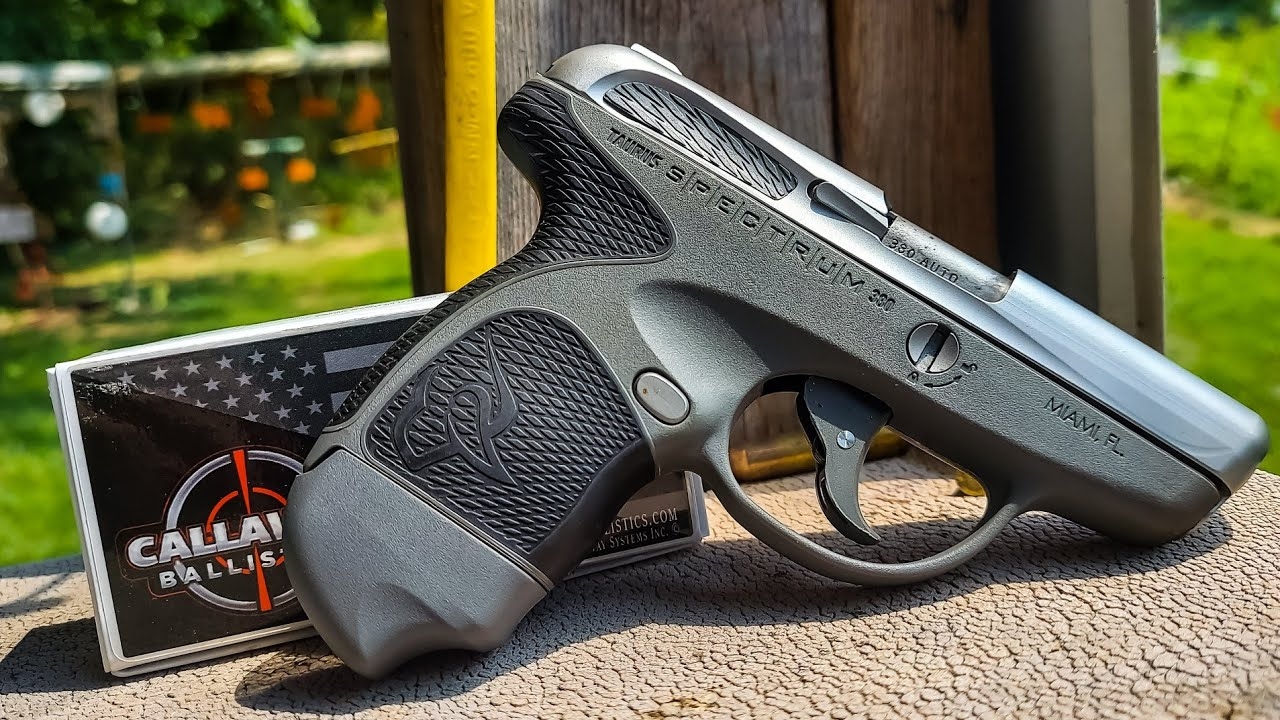
Taurus Spectrum
The Spectrum was supposed to be a sleek little .380 for concealed carry. What owners got instead was a pistol with chronic reliability issues. Even with high-end defensive ammo, failures to feed, eject, and reset the trigger were all too common—and not due to dirty internals.
These guns jammed whether they were fresh out of the box or freshly cleaned. Some even had magazines that wouldn’t seat properly or caused nose-dives during feeding. It was clear the problem wasn’t carbon buildup. It was poor design and looser tolerances where it counted. The Spectrum looked stylish but had no business being a carry gun.
ATI FX45 1911

Some budget 1911s run surprisingly well. The ATI FX45 isn’t one of them. While it looks like a full-size .45 ACP workhorse, it tends to choke even when you’re using good magazines and clean, well-lubed internals. Feeding issues, extractor problems, and slide hang-ups are all part of the package.
The tight fit on some parts doesn’t match the looser fit on others, leading to unpredictable function. You can strip it, scrub it, polish internals, and still deal with stubborn jams. For a design as proven as the 1911, this one does everything it can to break the mold—and not in a good way.
Smith & Wesson Sigma Series
The Sigma was an early attempt at a polymer striker-fired pistol, but it never fully earned its keep. Even with regular cleaning, factory ammo, and proper lubrication, shooters reported failures to feed and inconsistent ejection. It wasn’t always catastrophic—but it was common enough to be frustrating.
The stiff trigger didn’t help, and poor slide-to-frame fit on many units made reliability inconsistent. You’d clean it and expect better performance, only to get the same nose-dives and stove pipes. It’s a good reminder that reliability isn’t always about maintenance—it’s about how well the gun was made to begin with.
Beretta 21A Bobcat

The Bobcat is a fun little pistol with its tip-up barrel and compact frame, but it’s also one of the most ammo-sensitive guns you’ll ever shoot. Even when cleaned meticulously, you’ll get light strikes, feeding problems, and extraction failures—especially with standard or lower-powered .22 LR loads.
It’s picky, and some of that comes down to the blowback action and small size. But when even high-velocity rounds jam in a freshly cleaned Bobcat, it starts to feel like you’re fighting a losing battle. You can keep it spotless, but that won’t stop the stoppages. It’s a range toy—not something to trust for serious work.
Like The Avid Outdoorsman’s content? Be sure to follow us.
Here’s more from us:
The worst deer rifles money can buy
Sidearms That Belong in the Safe — Not Your Belt
*This article was developed with AI-powered tools and has been carefully reviewed by our editors.