Photo credit: IrvingSuperPawn/GunBroker
Every shooter wants a deal — the kind of pistol that punches above its price tag. But cheap and accurate rarely shake hands. When manufacturers trim costs, tolerances loosen, barrels lose consistency, and triggers feel like dragging gravel. The result? A pistol that might hit center mass one day and miss by inches the next. These are the handguns that tempt you with affordability but teach you fast that accuracy comes at a cost. You can polish them, tweak loads, and baby them all you want — they’ll still remind you that precision isn’t built on a budget.
Taurus G2C

The Taurus G2C is one of the best-selling budget pistols in the country, and for good reason — it’s cheap, reliable enough, and easy to carry. But consistent accuracy isn’t part of the deal. The trigger has an inconsistent break, and the short sight radius makes precise shooting a chore. Even with good ammo, groups often wander beyond what most shooters expect from a compact 9mm.
Some owners find their G2C prints left or low depending on grip pressure or trigger staging, which says a lot about tolerance control. You can make it better with trigger kits or upgraded sights, but out of the box, it’s a pistol that favors volume over precision. It’ll go bang when you need it to, but it’s not the gun you brag about at the range.
SCCY CPX-2

The SCCY CPX-2 wins points for price and simplicity, but if you’re looking for tight groups, you’re in for disappointment. Its double-action-only trigger is long, heavy, and inconsistent — it feels different from shot to shot. Combine that with a short barrel and minimal sight radius, and you’ll fight to keep rounds where you want them.
At defensive distances, it’s fine. Stretch it past 10 yards, and accuracy becomes unpredictable. Many shooters report vertical stringing or random flyers, especially when the trigger stacks unevenly. SCCY made the CPX-2 for affordability and basic function, not precision. You can appreciate it as a reliable truck or backup gun, but if you’re chasing accuracy, this one will keep you guessing every range trip.
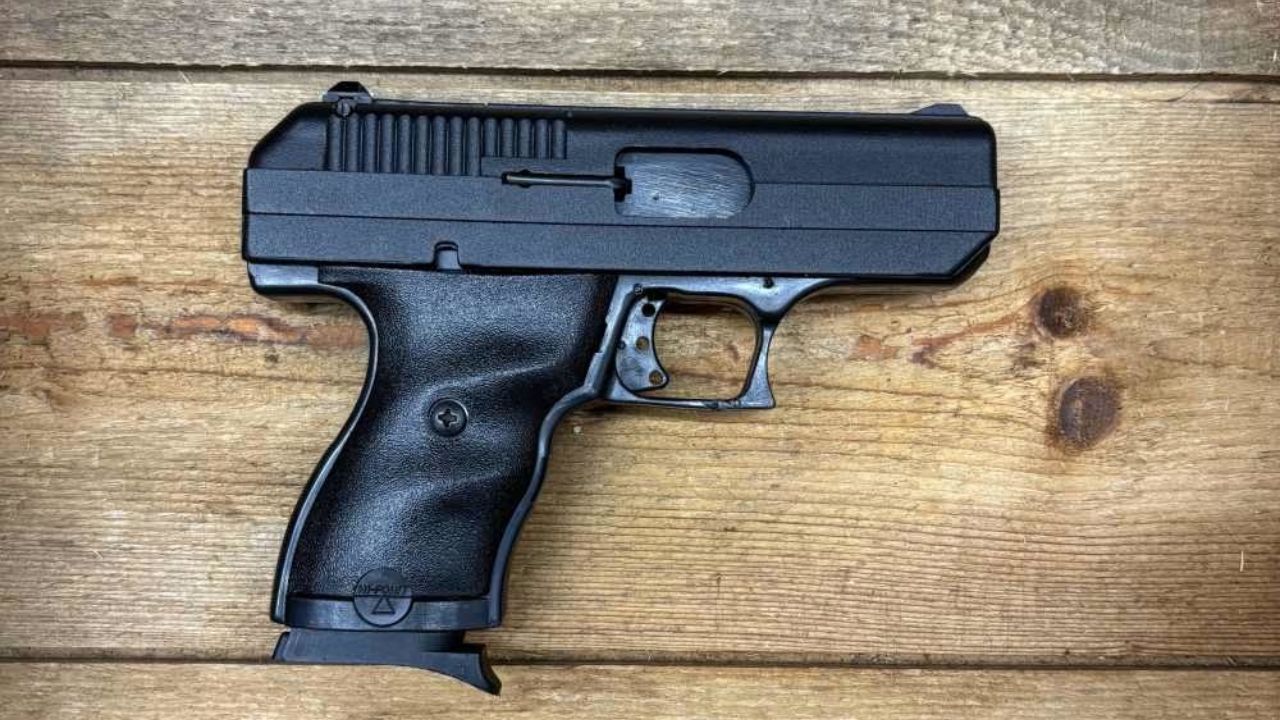
Hi-Point C9
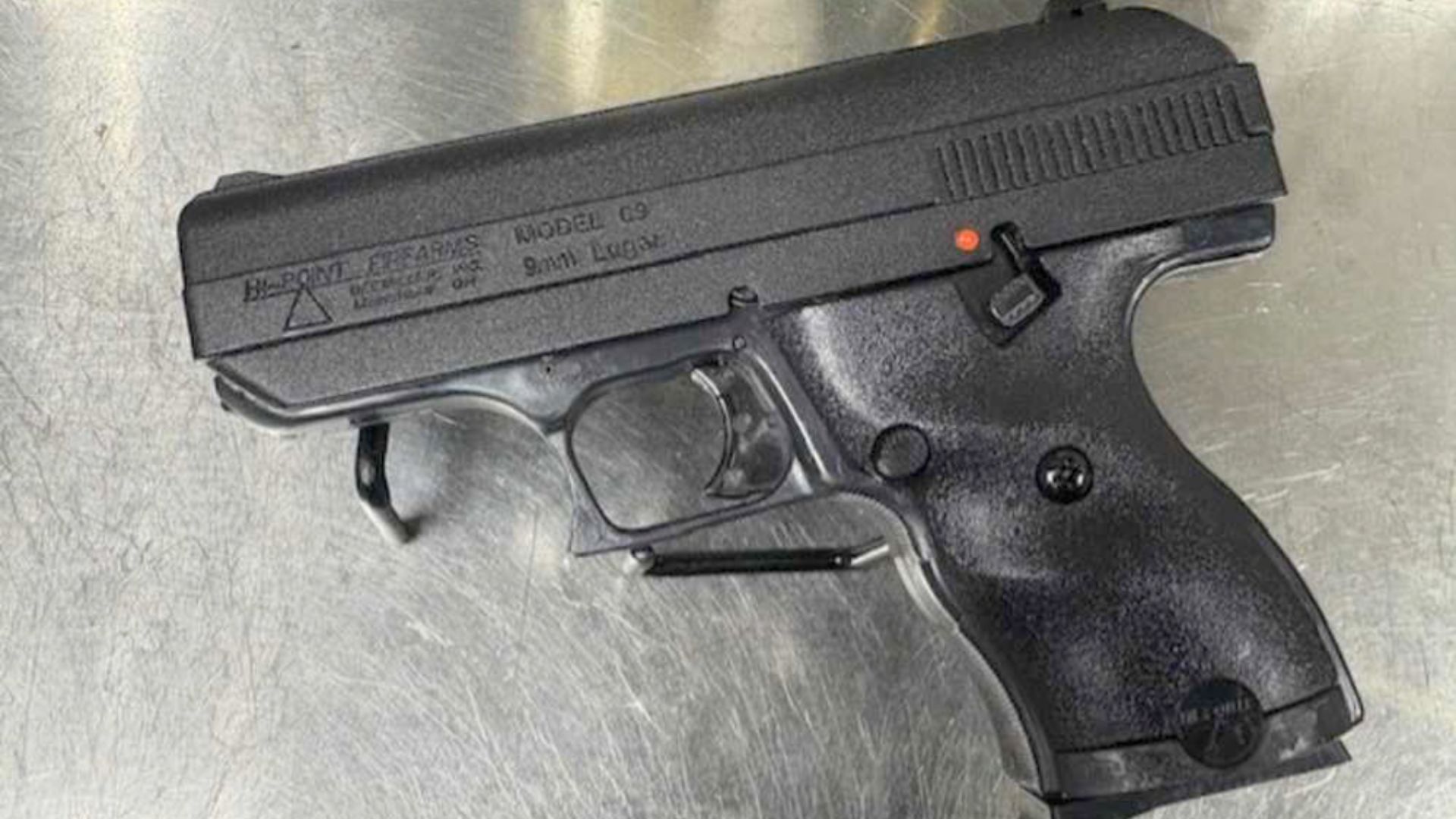
The Hi-Point C9 has earned a cult following for its durability and price point, but “accurate” isn’t a word most owners use. The blowback design makes recoil snappy and unpredictable, and the heavy slide disrupts sight tracking. Combine that with a gritty trigger and inconsistent ammo tolerance, and you get shotgun-like groups past 15 yards.
It can hit a paper plate at self-defense range — and for some, that’s all that matters. But the C9 feels more like a tool than a precision instrument. You can clean it meticulously, replace springs, and polish the feed ramp; it’ll still shoot like what it is — a low-cost defensive pistol that prioritizes function over finesse. Cheap? Absolutely. Accurate? Not in any serious sense.
KelTec P11

The KelTec P11 was one of the early polymer 9mm compacts, but it’s notorious for its punishing trigger and inconsistent accuracy. The double-action pull feels endless, often topping ten pounds, and there’s noticeable stacking before the break. That makes clean trigger control nearly impossible, especially under speed.
Recoil impulse is abrupt, and the short grip gives little leverage to settle your sight picture. Some P11s shoot respectable groups with specific ammo, but most scatter rounds unpredictably. It’s reliable and concealable, but it’s not built for precision. If you’ve ever tried to print tight groups at 25 yards with a P11, you already know — this pistol teaches patience the hard way.
Jimenez JA-9

Jimenez pistols sit at the very bottom of the price spectrum, and the JA-9 makes that obvious. The rough machining, inconsistent lockup, and soft alloys used in production lead to wandering point of impact from session to session. Even the best shooters struggle to find repeatable accuracy from this design.
Beyond that, the trigger is spongy, the sights are crude, and the tolerances vary enough that each gun feels different. Some run reliably; others can’t get through a box of ammo without hiccups. If you buy one, you’re buying a disposable range toy — not a serious handgun. For the money, it might be functional, but accuracy is purely accidental.
Diamondback DB9

The Diamondback DB9 looks slick and fits the hand well, but its ultra-light frame and short barrel make it unpredictable. It’s so small and snappy that even experienced shooters struggle with follow-ups. The thin grip and abrupt recoil combine to throw off sight alignment after every shot.
On paper, the DB9 should group decently, but reality proves otherwise. Many owners report six-inch spreads at ten yards — and that’s on a good day. It’s a pocket pistol made for emergencies, not tight clusters. You can practice until you’re blue in the face, but between the sharp recoil and wandering zero, you’ll never call it a tack driver.
Ruger EC9s

Ruger built the EC9s as an affordable counterpart to the LC9, and while it’s tough and reliable, it doesn’t match its pricier twin in precision. The gritty trigger, heavy pull, and tiny sights make precise aiming difficult. Even experienced shooters find their groups stretching at modest distances.
Recoil isn’t harsh, but the short barrel and narrow frame exaggerate shooter error. It’ll hit center mass at defensive range, but don’t expect it to win any accuracy contests. The EC9s is rugged and affordable — that’s what Ruger promised. Accuracy was never part of the bargain.
Bersa Thunder 380

The Bersa Thunder 380 is a neat little blowback pistol with decent reliability, but accuracy can vary widely from one gun to another. The heavy DA trigger and short sight radius make consistency tough, especially for those not used to blowback recoil impulse.
Shooters often note that the Thunder groups fine at seven yards, then scatters wildly beyond that. The fixed barrel design theoretically helps accuracy, but the trigger weight and low-sitting sights work against it. For a carry gun, it’s serviceable. For precision, it’s a lesson in compromise — cheap, handy, and barely predictable.
Phoenix Arms HP22A

The Phoenix HP22A is one of the cheapest semi-auto pistols on the market — and it shoots like it. The alloy frame and pot-metal slide don’t inspire confidence, and the loose tolerances show up fast on the target. Accuracy isn’t terrible at ten feet, but stretch to 25 yards, and the spread looks like buckshot.
It’s a fun plinker, nothing more. The trigger is mushy, the safety system is clunky, and the fixed sights limit your ability to dial things in. For casual backyard shooting, it’s fine, but if you’re chasing precision, the HP22A is where expectations go to die.
SCCY DVG-1

The DVG-1 was SCCY’s striker-fired follow-up to the CPX line, meant to fix its trigger issues. It did help — a little — but the pistol still struggles with real accuracy. The short barrel, light slide, and spongy break combine into a platform that feels unpredictable shot-to-shot.
It’s affordable and reliable enough for what it is, but you’ll fight for consistent groups. Many owners note that even good ammo doesn’t tighten things much. It’s a pistol designed for carry, not confidence. You won’t have to worry about reliability, but if you’re hoping to print tight patterns, the DVG-1 isn’t your ticket.
KelTec P32

The KelTec P32 is one of the smallest centerfire pistols you can buy — and it shoots like it. The long, heavy trigger pull, tiny sights, and minuscule grip make accuracy a full-time chore. Even though recoil is mild, the ergonomics don’t support precision.
At defensive range, it’ll hit a torso. Beyond that, accuracy falls apart. The sights are nearly decorative, and most shooters find themselves aiming “somewhere” instead of “there.” It’s great for deep concealment or backup carry, but if you want something that groups cleanly, you’ll be searching long after the brass hits the ground.
Like The Avid Outdoorsman’s content? Be sure to follow us.
Here’s more from us:
The worst deer rifles money can buy
Sidearms That Belong in the Safe — Not Your Belt
*This article was developed with AI-powered tools and has been carefully reviewed by our editors.