Photo credit: Skills2Survive/Youtube
Some handguns don’t seem special when they’re still easy to find. They sit in used cases with normal wear, older sights, plain finishes, and no big reason for a buyer to panic. At the time, they feel average enough to pass over without much thought.
Then the used market starts telling a different story. Clean examples dry up, prices climb, and shooters begin remembering what those guns did well. The pistol that once looked ordinary suddenly becomes the one people wish they had bought before everyone else noticed.
Smith & Wesson 3913
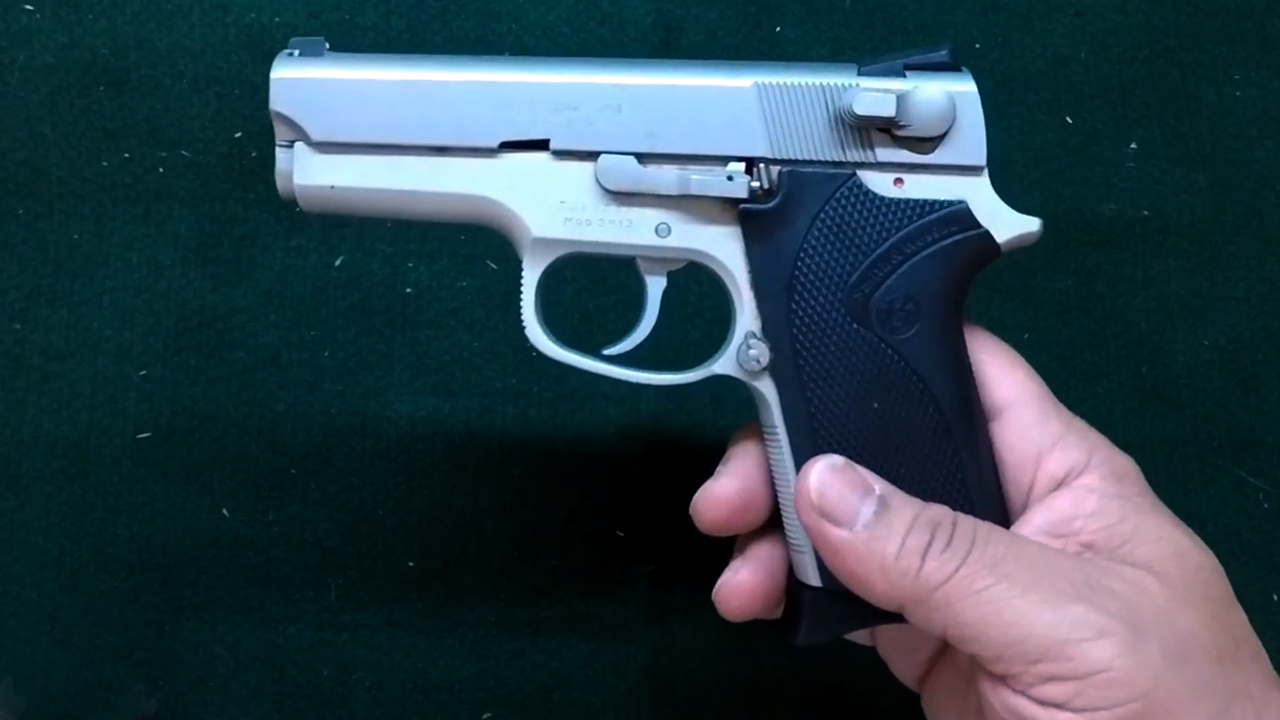
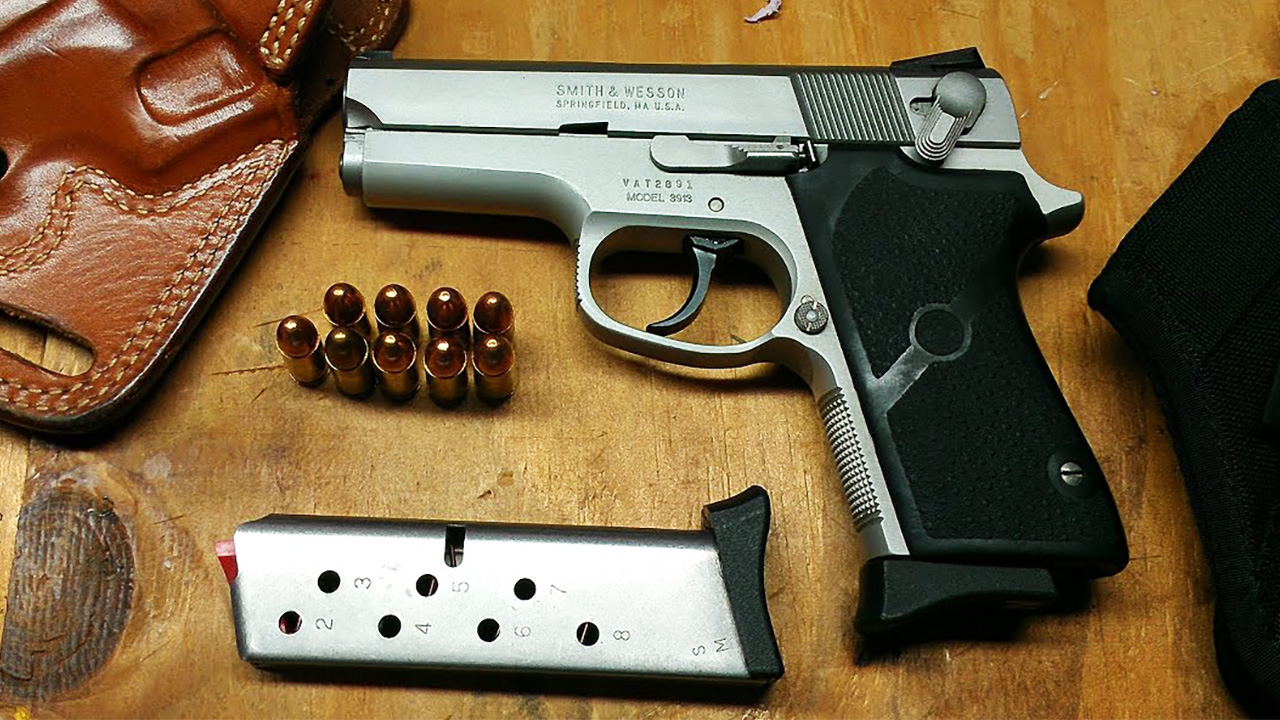
The Smith & Wesson 3913 felt average for a long time because it was a practical carry pistol, not a flashy one. Slim single-stack 9mms were not rare, and once polymer pistols took over, the 3913 looked like something from an older carry era. Plenty of buyers passed on them without feeling like they were missing much.
The used market proved otherwise. Clean 3913s are more appreciated now because they offer a slim alloy frame, flat carry profile, and a refined shooting feel that many tiny modern pistols don’t match. It doesn’t win capacity fights, and magazines or parts take more effort than current-production guns. But that’s exactly why nice examples stand out. The market realized old Smith carry guns had more going for them than people admitted.
SIG Sauer P239
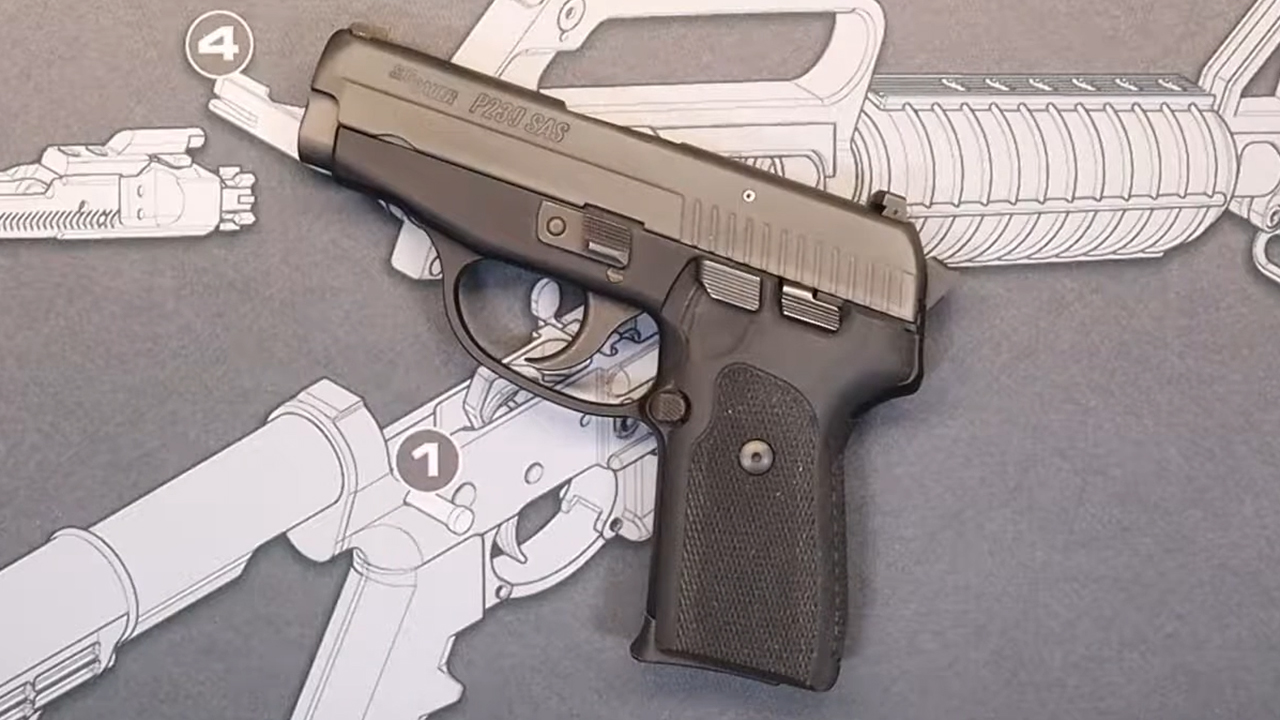
The SIG Sauer P239 seemed average once higher-capacity carry guns started dominating the conversation. It was heavier than many newer pistols, held fewer rounds, and used a DA/SA system that some shooters didn’t want to learn. On specs alone, it looked easy to leave behind.
Then people started missing the way it shot. The P239 has a slim, steady feel that tiny lightweight pistols often lack. It carries flat, manages recoil well, and gives shooters that classic SIG confidence in a smaller package. As clean examples became less common, the used market began treating them with more respect. It turns out a pistol doesn’t need modern capacity to feel worth keeping. Sometimes balance and control age better than numbers.
Smith & Wesson 5906

The Smith & Wesson 5906 looked average when police trade-ins and old third-generation Smiths were easier to find. It was a heavy stainless 9mm from a duty-pistol era that polymer guns had mostly replaced. A lot of shooters saw weight and older controls where they should have seen durability.
Now the used market has changed the tone. Clean 5906 pistols with good magazines are more desirable because shooters have rediscovered how pleasant they are to shoot. The stainless frame soaks up recoil, the pistol feels solid, and the old service-gun build quality gives it confidence. It’s not a modern concealed-carry pistol, but that was never its strongest role. As a range or home-defense handgun, it looks better every year.
Walther P99 AS
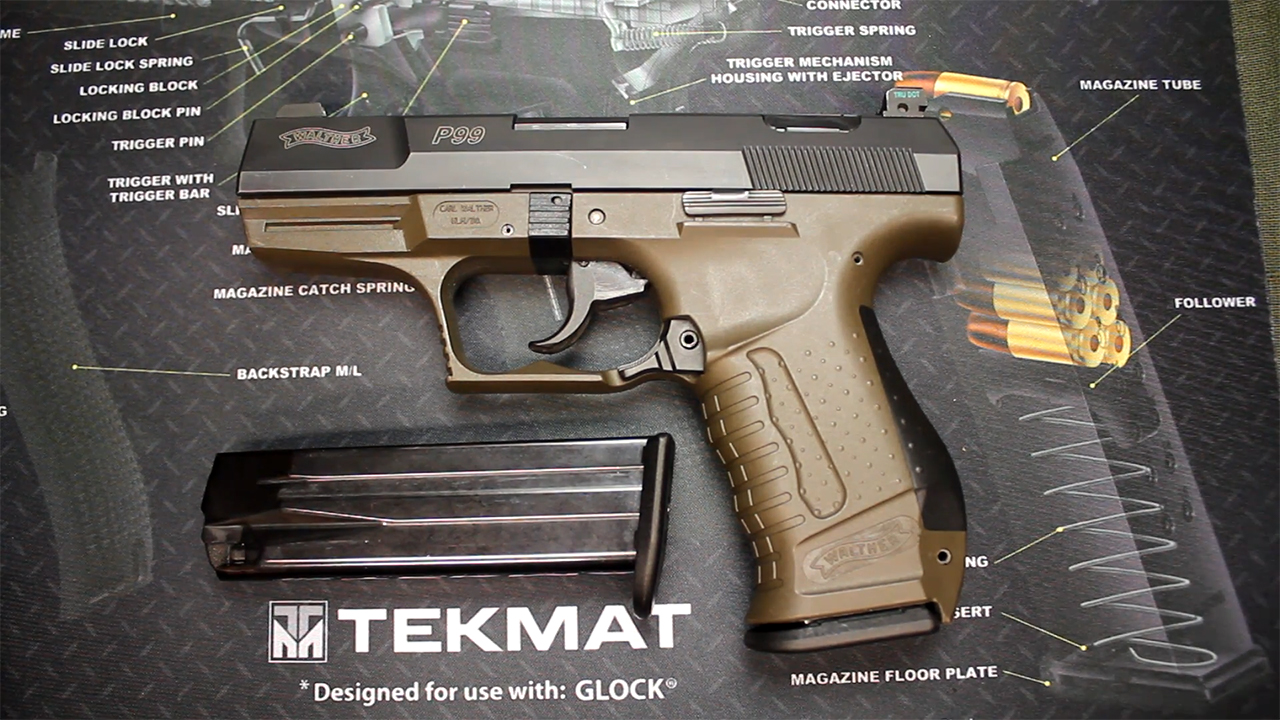
The Walther P99 AS felt average to people who didn’t understand it. It wasn’t a Glock, wasn’t a traditional DA/SA pistol, and wasn’t shaped like the striker-fired pistols most buyers were used to. The Anti-Stress trigger system and decocker made it different enough that some shooters skipped it.
The used market has made those same differences more interesting. The P99 AS has excellent ergonomics, a unique trigger system, and a distinct identity that newer Walthers don’t fully replace. It may not have the optics-ready convenience many buyers want now, but it offers something less common: personality that actually works. Good examples are not just old polymer pistols anymore. They’re reminders that unusual designs can age very well when they shoot this naturally.
Beretta 84 Cheetah

The Beretta 84 Cheetah didn’t always look like a pistol that would command attention later. It was a .380 ACP that was larger than many people expected, and newer small 9mms made that size-to-power argument even harder. Plenty of shooters judged it quickly and moved on.
Then the used market proved that comfort and quality still matter. The 84 Cheetah is soft-shooting, beautifully made, and far more enjoyable than many tiny .380s. The double-stack grip fills the hand, recoil stays mild, and the classic Beretta styling gives it lasting appeal. It may not be the most efficient carry gun, but efficiency is not the only reason people buy handguns. Nice Cheetahs became desirable because they feel better than the specs suggest.
Ruger P95
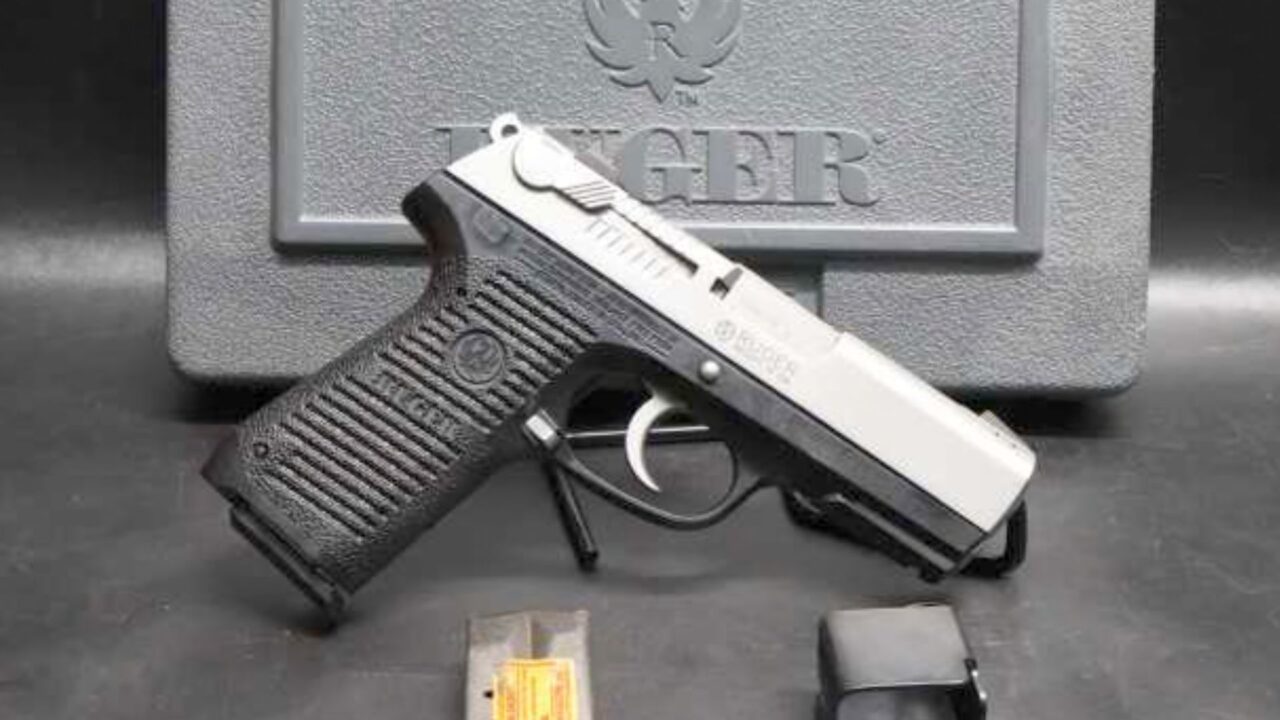
The Ruger P95 felt average partly because it looked so plain. It was chunky, affordable, and not especially graceful. Even when it was current, few people acted like they were looking at a future favorite. It was just a tough budget 9mm that worked.
That “just worked” part aged better than expected. The P95 has gained respect from owners who put years and rounds through them without much drama. It is not refined, and it lacks the modern features buyers now expect, but it has a durable, overbuilt feel that many budget pistols don’t. Clean examples are not impossible to find, but good ones make people smile because they represent an era of affordable pistols that could take real use. Average became dependable.
HK USP Compact
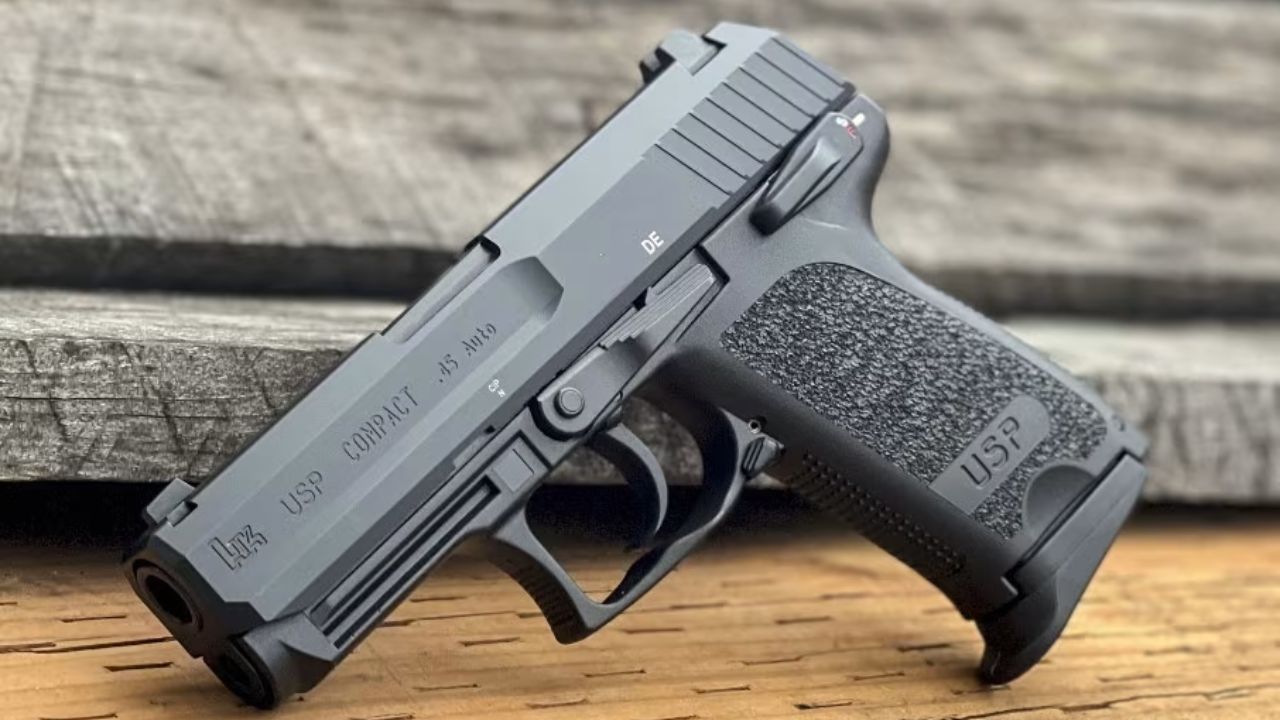
The HK USP Compact never felt average to HK fans, but plenty of casual buyers treated it like an older, chunky compact pistol once slimmer guns took over. It’s thick, not especially light, and not designed around modern optics trends. On a crowded used shelf, it could look like yesterday’s answer.
The used market has reminded people what made it special. The USP Compact feels tough, serious, and more durable than many lighter pistols. It handles recoil well, offers different control variants, and carries HK’s hard-use reputation. It may not be the easiest compact to conceal, but it has a confidence that newer pistols don’t always match. Clean examples stay desirable because owners know they aren’t just buying specs. They’re buying trust.
Colt Mustang

The Colt Mustang felt like a small .380 from another time once polymer pocket pistols became common. It had 1911-like controls, modest capacity, and a price that didn’t always make sense to buyers who only wanted a tiny carry gun. It was easy to see it as a neat little Colt, but not much more.
Then clean examples became harder to casually find, and the used market started treating them with more interest. The Mustang has metal-frame charm, pocket-size convenience, and a more refined feel than many tiny lightweight .380s. It still requires careful reliability testing and proper safety training, especially with older examples. But for buyers who like small Colts, it scratches an itch modern pocket guns don’t. Average disappeared once people realized charm has value.
Smith & Wesson 6906

The Smith & Wesson 6906 looked like a normal compact duty pistol when third-generation Smiths were common. Alloy frame, stainless slide, DA/SA controls, and practical capacity made it useful, but not especially glamorous. Once striker-fired compacts took over, it seemed easy to forget.
The used market has been kinder to it. The 6906 gives shooters a compact metal-frame 9mm that still feels sturdy and shootable. It’s lighter than the all-steel Smiths but more substantial than many modern polymer guns. It also carries that third-generation Smith quality people have started appreciating again. Parts, magazines, and condition matter, but a clean 6906 no longer feels average. It feels like a compact pistol from a more durable era.
Browning BDA .380

The Browning BDA .380 didn’t always draw the attention that classic centerfire pistols did. It was a .380, and plenty of shooters treated that as a reason to shrug. It also lived in a space near the Beretta Cheetah family, which could make it feel familiar instead of special.
Now the used market has made clean examples more interesting. The BDA has elegant styling, a refined feel, and a level of quality that separates it from ordinary pocket pistols. It is not the most practical defensive choice by modern standards, but it is a beautiful shooter with real collector appeal. Buyers who once ignored it because of the caliber may now wish they had looked closer. Nice .380s can absolutely become desirable.
CZ 82

The CZ 82 felt average when surplus examples were cheaper and easier to find. It was chambered in 9x18mm Makarov, came from a surplus background, and didn’t fit neatly into the normal 9mm Luger pistol market. A lot of buyers treated it like an inexpensive curiosity.
That view changed as imports slowed and clean pistols became less common. The CZ 82 has excellent ergonomics, a surprisingly good trigger, and practical accuracy that makes it more enjoyable than many expected. The cartridge is less convenient than 9mm Luger, and parts support deserves thought, but the pistol itself has real charm. The used market proved that a surplus handgun can be more than cheap. Sometimes it was a bargain because people didn’t know yet.
Beretta 92 Compact
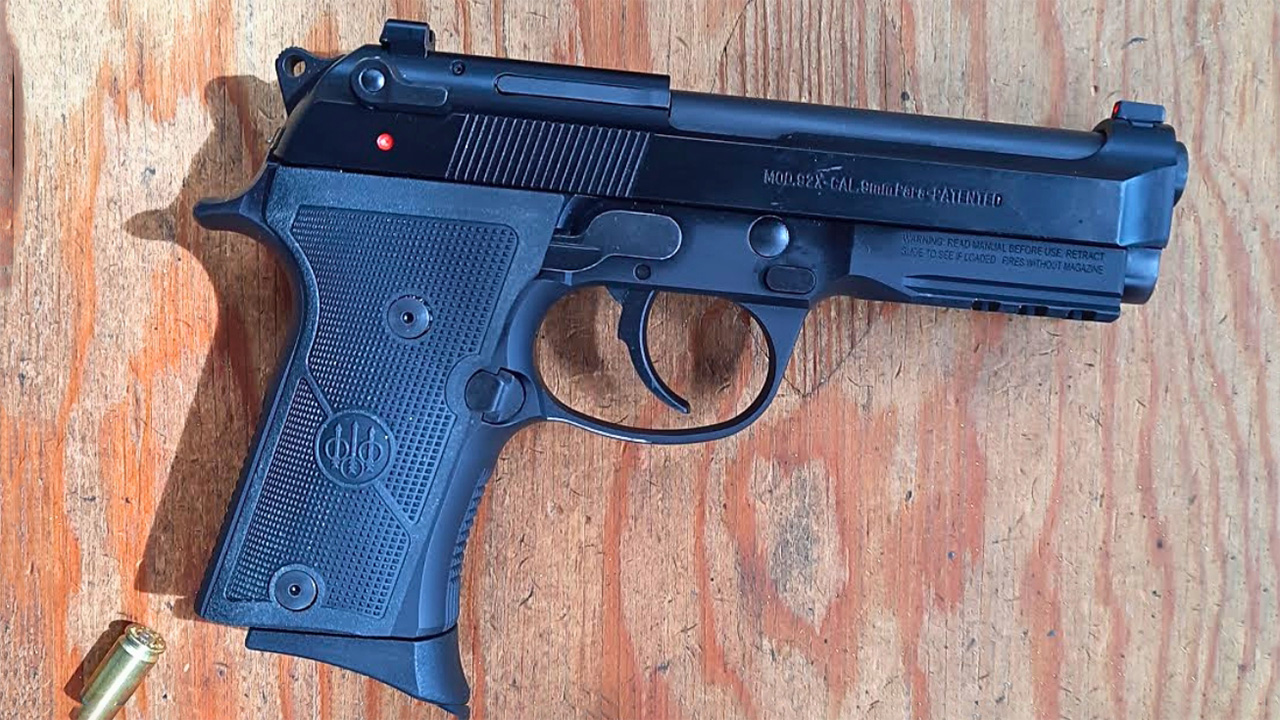
The Beretta 92 Compact used to feel like a side note next to the full-size 92FS. It wasn’t tiny enough to be a modern carry standout, and it wasn’t as famous as the duty-size gun. For a long time, it could seem like a less common version rather than a more desirable one.
The used market has made its appeal clearer. The 92 Compact gives shooters much of the smooth Beretta feel in a handier package. It still has width, DA/SA controls, and a larger footprint than modern micro-compacts, but it shoots like a real pistol. That matters. A clean 92 Compact feels more special now because there are plenty of small carry guns, but not many compact metal Berettas with this kind of range confidence.
Browning Hi-Power

The Browning Hi-Power never lacked respect, but there was a time when many used examples didn’t feel urgent. Modern pistols offered lighter weight, higher practical capacity, rails, better sights, and easier upgrades. A classic steel 9mm could seem like something a shooter would buy later.
The used market punished that delay. Clean Browning-marked Hi-Powers became more desirable as production ended and shooters remembered how good the pistol feels in the hand. The slim double-stack grip, natural balance, and long history give it staying power. It may need updates depending on the shooter’s preferences, and older examples vary. But a good Hi-Power is no average used 9mm anymore. The market made that very clear.
Kahr K9
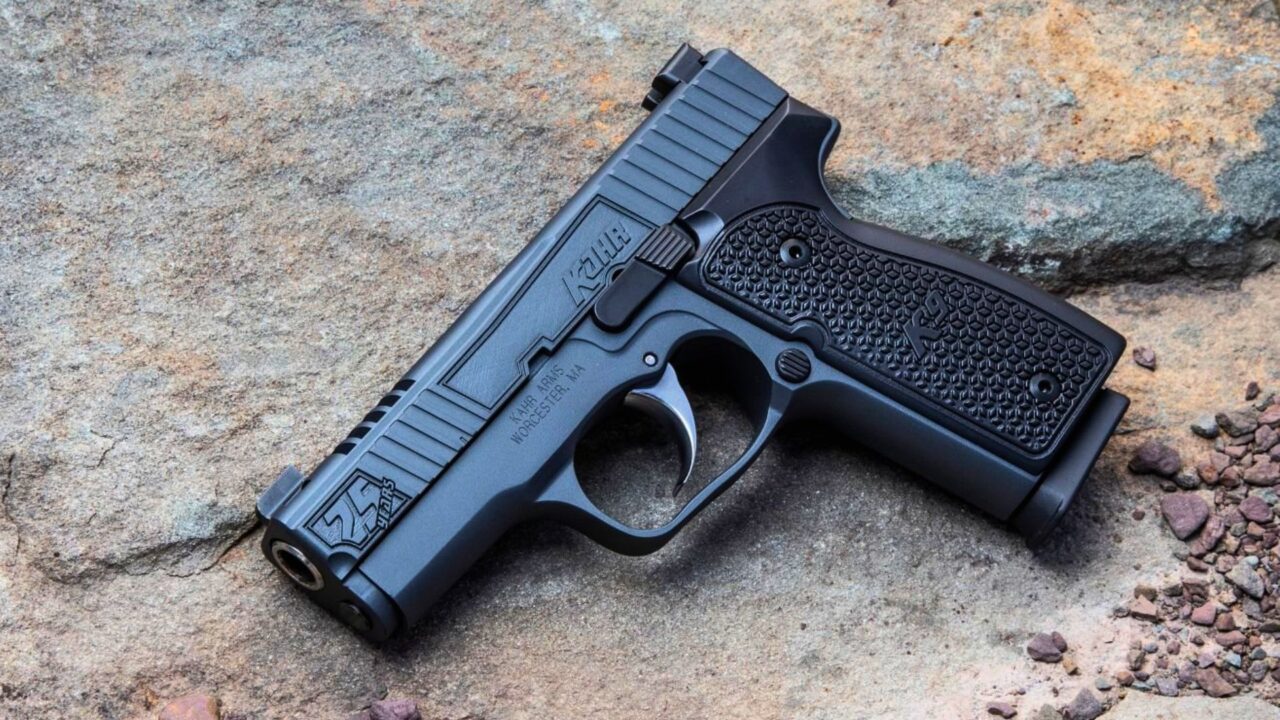
The Kahr K9 felt average when small carry pistols were multiplying fast. It was a steel-frame single-stack 9mm with a long double-action-only trigger. Once lighter polymer pistols and higher-capacity micro-compacts arrived, the K9 looked heavy and dated.
Now shooters who value control see it differently. The K9 carries flat, shoots smoothly, and has enough weight to tame recoil without becoming bulky. The trigger takes learning, but it is consistent and smooth. It’s not the pistol for someone chasing maximum capacity or minimum weight. It’s the pistol for someone who wants a small gun that behaves well. The used market proved that a little extra steel can still be worth real money.
Smith & Wesson Model 41
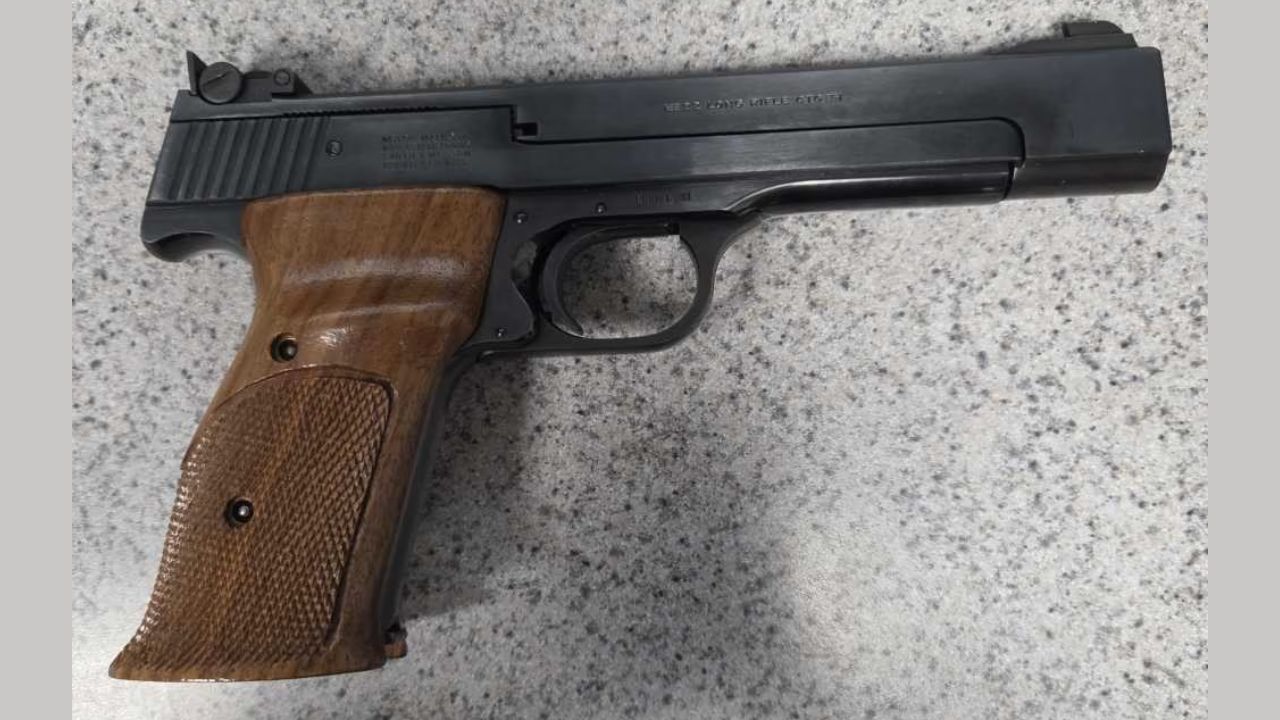
The Smith & Wesson Model 41 may have looked like an expensive .22 to casual buyers, which made it easy to underestimate. Rimfire pistols are often treated like plinkers, so some shooters wondered why they’d pay serious handgun money for one.
The used market answered that question. The Model 41 is a serious target pistol with an excellent trigger, good sights, strong accuracy potential, and a level of refinement cheaper rimfires don’t match. It makes .22 LR feel disciplined instead of casual. Clean examples hold attention because they offer a shooting experience that is hard to replace without spending real money. It felt average only to people who didn’t understand that great rimfires are never ordinary.
Like The Avid Outdoorsman’s content? Subscribe to our newsletter so you never miss an article.
Here’s more from us: