Photo credit: Bulletproof Tactical/YouTube
Some rifles get replaced because something lighter, faster, smoother, or more accurate comes along. Others stay in the safe because they have earned a kind of trust that does not show up on a spec sheet. Hunters may buy newer rifles with better coatings, threaded barrels, detachable magazines, and flatter-shooting chamberings, but the old rifle still gets packed when the tag really matters.
These are the rifles that feel hard to move on from. Some are tied to first deer, family hunts, or years of reliable service. Others just have the right balance, the right feel, or the kind of field reputation that makes selling them feel like a mistake before the paperwork is even done.
Remington Model 700
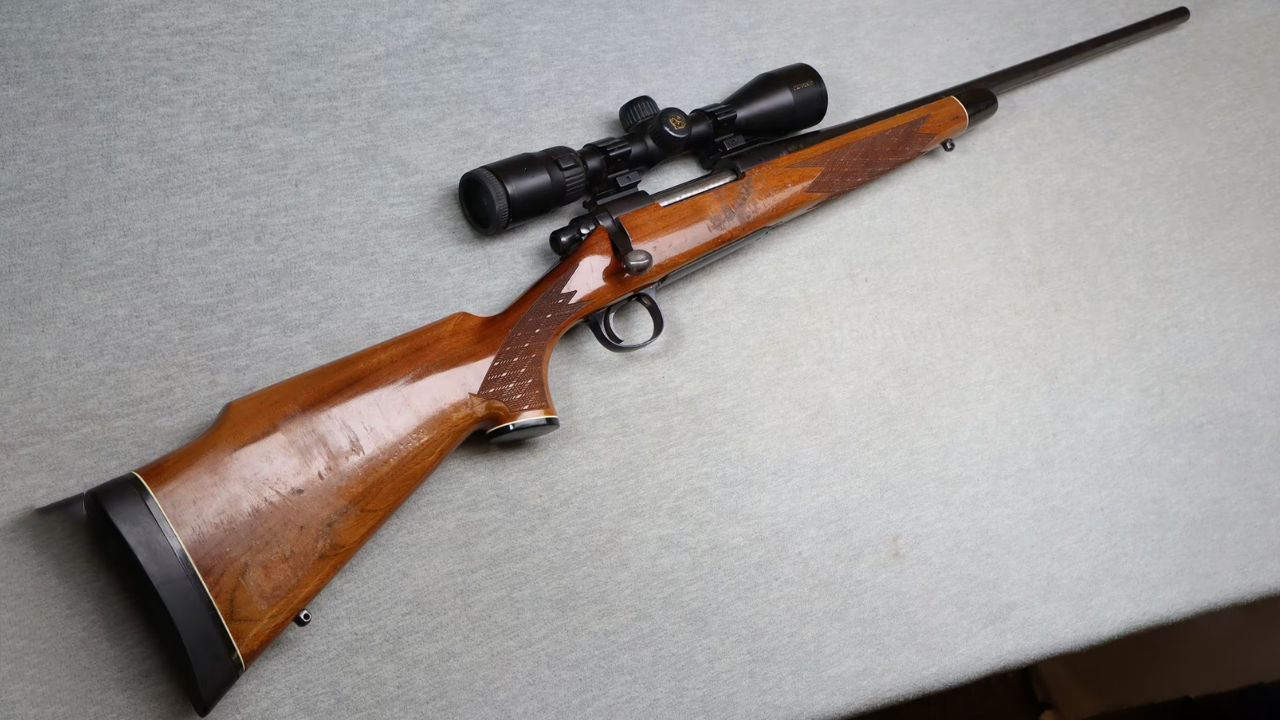
The Remington Model 700 is one of those rifles that many hunters keep even after they have bought newer bolt guns. It is familiar, easy to shoot, and supported by decades of aftermarket parts, stocks, triggers, mounts, and gunsmith knowledge. A hunter who has carried one for years usually knows exactly where it hits, how it feeds, and what load it likes.
Replacing one can feel wrong because the Model 700 became the baseline for so many hunting rifles. A newer rifle might be lighter or come with a better factory stock, but the old 700 still has a way of feeling dependable. When a rifle has already taken deer, elk, antelope, or black bear without drama, it becomes hard to convince yourself that it needs to go.
Winchester Model 70

The Winchester Model 70 has a reputation that makes it difficult for hunters to let go of, especially the controlled-round-feed versions. It feels like a rifle built for people who may only get one chance and need the action to work cleanly under pressure. The safety, feeding, and overall feel give it a serious hunting-rifle character that still matters to a lot of people.
Hunters keep Model 70s because they feel like they belong in the field. They are not always the lightest or cheapest rifles around, but they carry a sense of confidence that newer budget rifles often lack. A hunter may upgrade optics, add a lighter rifle for mountain hunts, or buy something in a newer cartridge, but selling a good Model 70 often feels like giving up more than just a rifle.
Ruger M77
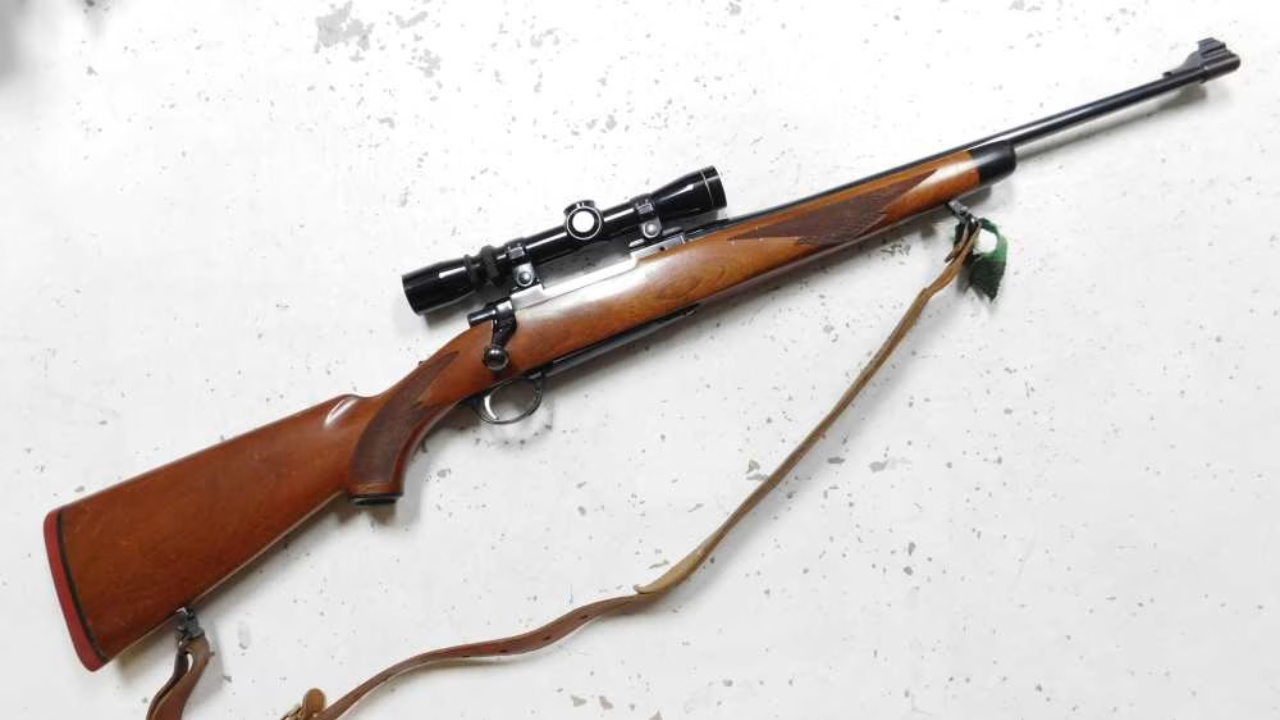
The Ruger M77 is the kind of rifle that sticks around because it feels tough in a way that is easy to understand. It has a solid action, strong scope mounting system, and a no-drama attitude that appeals to hunters who care more about reliability than trends. Many older M77s also have a classic look that fits deer camps better than most modern synthetic-stocked rifles.
Replacing one can feel like a bad trade, especially if it has already proven itself through rough weather and hard use. A hunter may complain about the trigger or the weight, but that usually does not mean the rifle is leaving. The M77 has a way of earning a place as the dependable backup that somehow keeps getting picked for opening morning.
Marlin 336
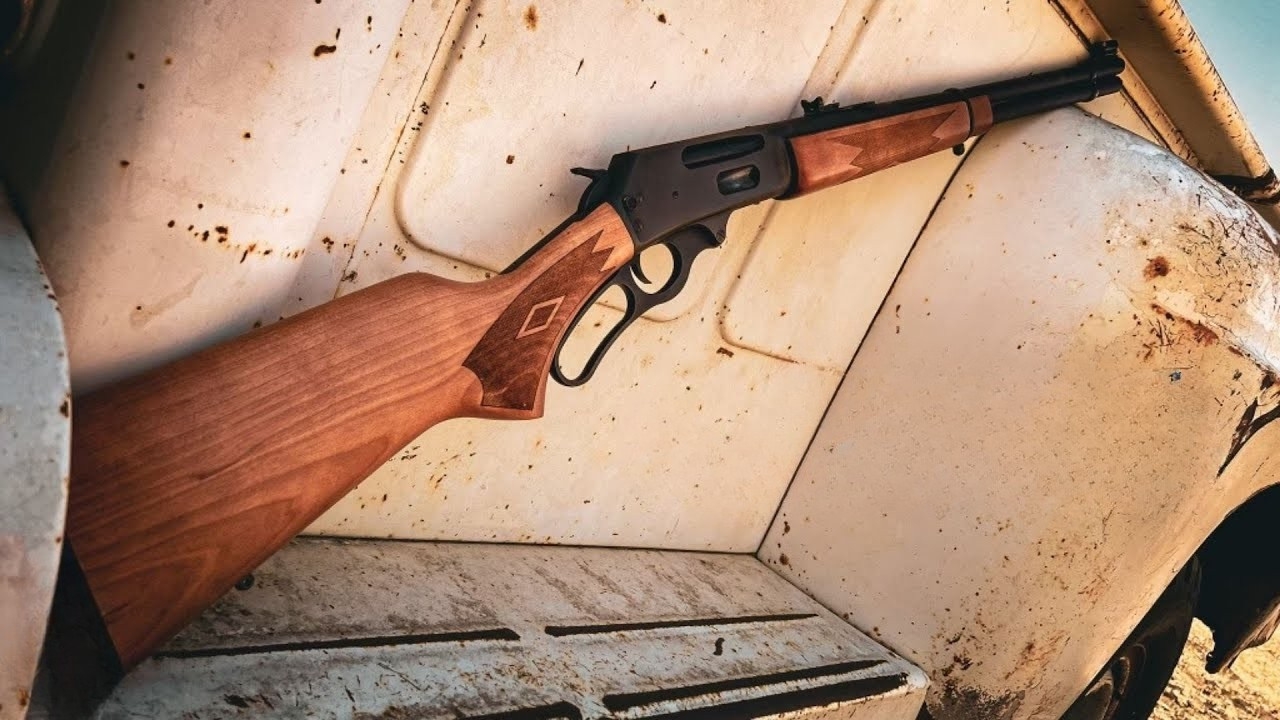
The Marlin 336 is one of the easiest rifles for hunters to justify keeping forever. It is compact, handy in thick woods, and chambered in rounds like .30-30 Winchester that still make sense for close to moderate-range deer hunting. It points naturally, carries well, and feels right in places where shots are fast and cover is tight.
Hunters often hesitate to replace a 336 because it fills a role that newer rifles do not always improve on. A bolt-action rifle may shoot flatter, and an AR-style rifle may offer more capacity, but neither feels quite the same in a deer stand, ground blind, or brushy ridge. Once a Marlin 336 has been in the family or the truck for years, selling it can feel like breaking a hunting tradition.
Winchester Model 94
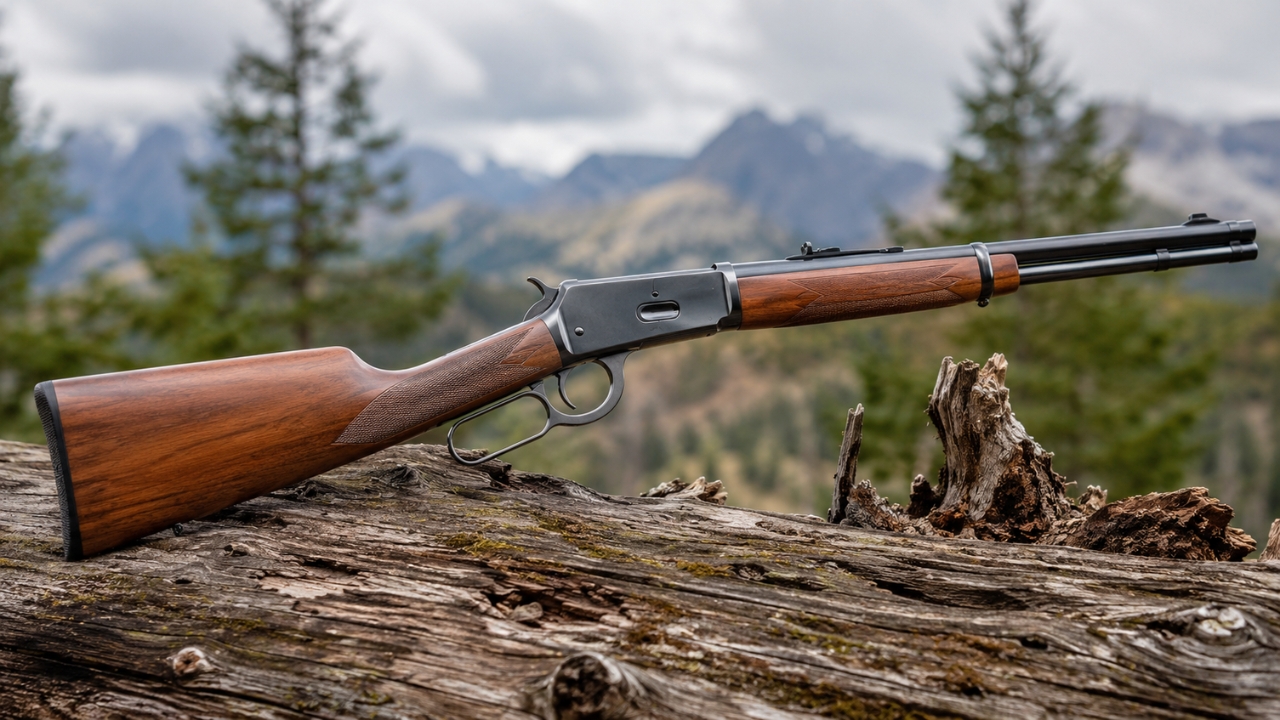
The Winchester Model 94 is not just kept because it works. It is kept because it feels connected to American deer hunting in a way few rifles can match. Its slim receiver, light weight, and fast handling make it a natural woods rifle, especially in .30-30 Winchester. For many hunters, it was the rifle they learned on or the rifle they saw older relatives carry.
Replacing a Model 94 feels wrong because it is not trying to compete with modern long-range rifles. It does one thing well, and hunters respect that. Even if it spends more time in the safe than it used to, a Model 94 still has a way of coming out for a nostalgic hunt, a short walk through timber, or a morning when the hunter wants the rifle to feel like part of the memory.
Browning BAR Mark II
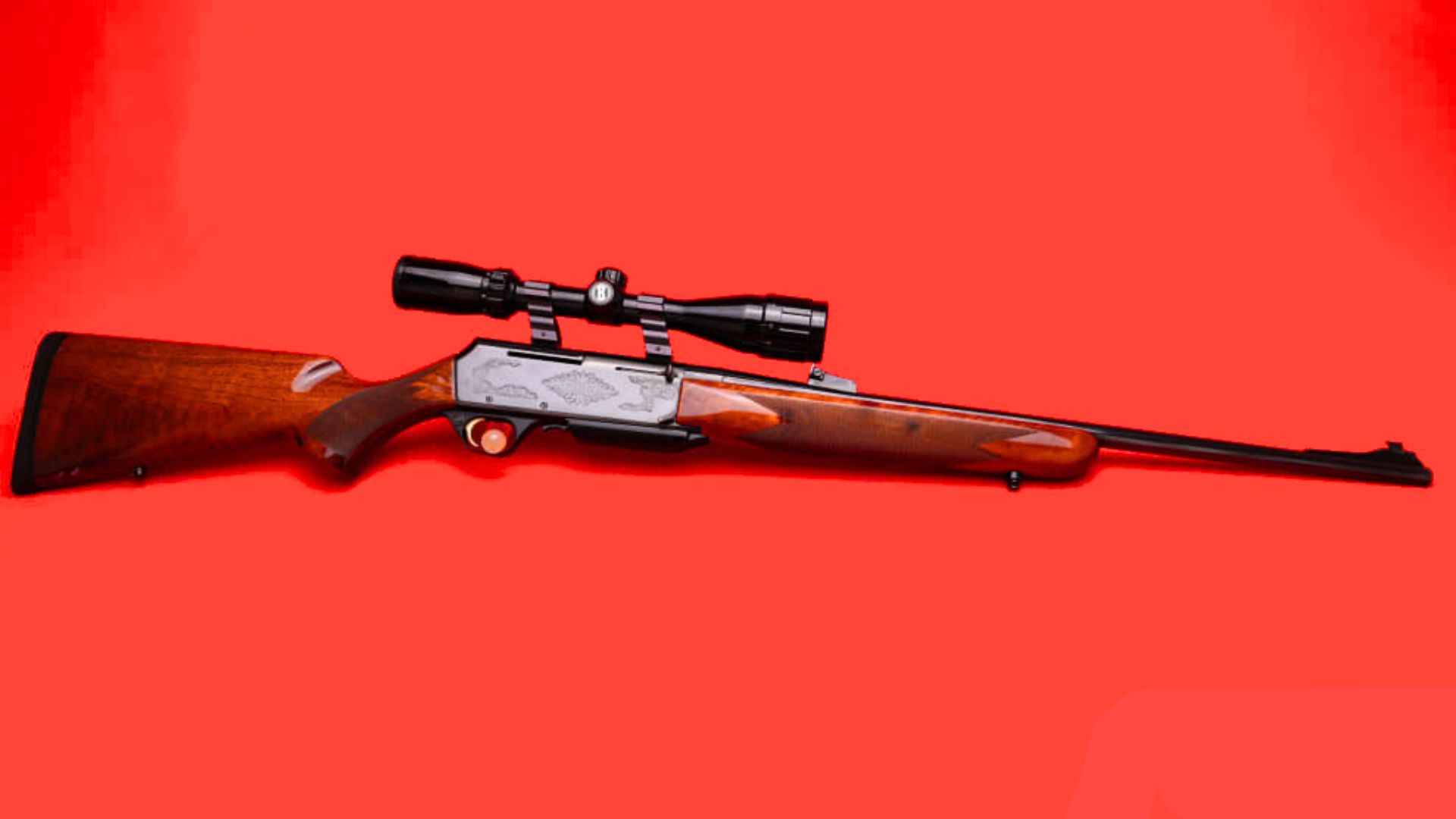
The Browning BAR Mark II is one of those semi-auto hunting rifles that many owners refuse to part with. It offers fast follow-up shots, soft recoil, and enough accuracy for serious big-game hunting. In chamberings like .30-06 Springfield, .270 Winchester, and .308 Winchester, it became a favorite for hunters who wanted speed without stepping away from traditional hunting cartridges.
Hunters keep them because replacing one with another semi-auto is not always easy. The BAR has a polished, grown-up feel that many newer rifles do not match. It is not a cheap rifle, and it was never pretending to be tactical. For hunters who used one on deer drives, hog hunts, or timber stands, it becomes the rifle that simply makes sense when fast shooting might matter.
Savage Model 99
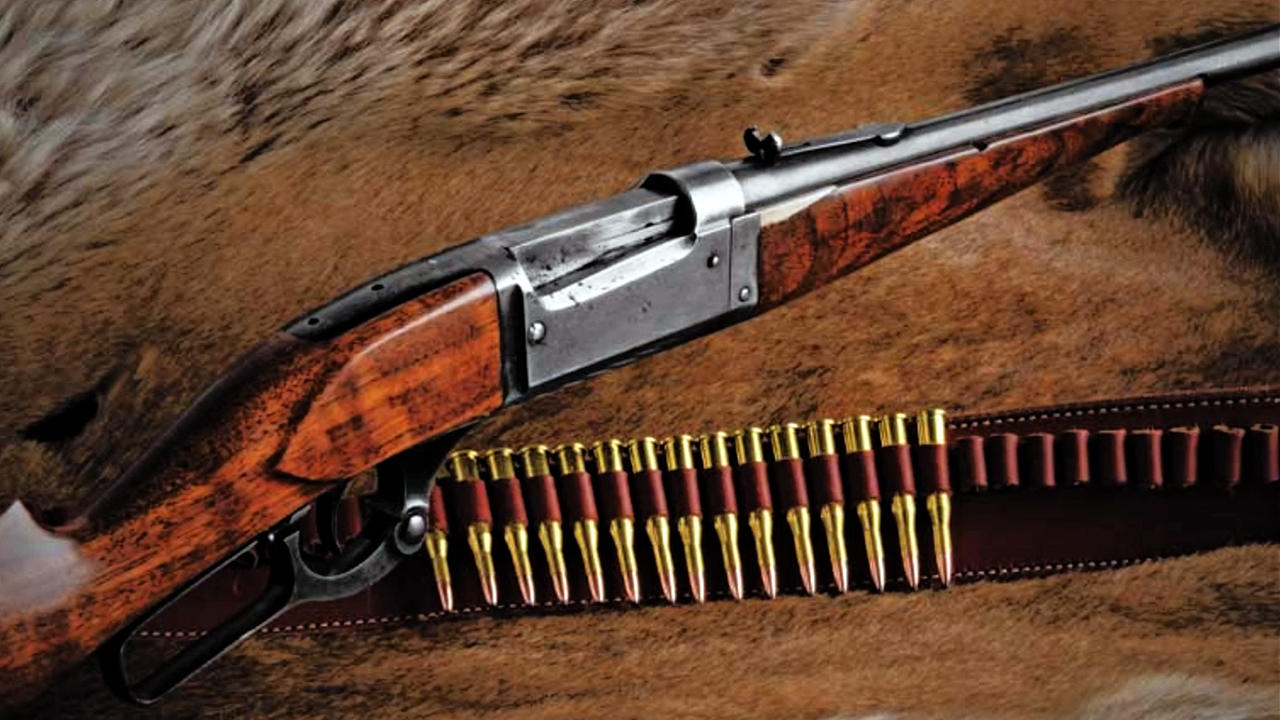
The Savage Model 99 is a rifle hunters keep because it is different in all the right ways. It offers lever-action handling with cartridges that stretched beyond the usual old woods rounds. The rotary magazine on many models, the sleek receiver, and the ability to run pointed bullets in certain chamberings made it feel ahead of its time.
Replacing a Model 99 feels wrong because there really is not a modern rifle that gives the same experience. It is not just another lever gun, and it is not just a nostalgic wall-hanger. A good Model 99 still hunts well, especially in classic chamberings like .300 Savage, .308 Winchester, and .243 Winchester. Letting one go can feel like selling off a piece of smart rifle design that has never been fully replaced.
Ruger 10/22
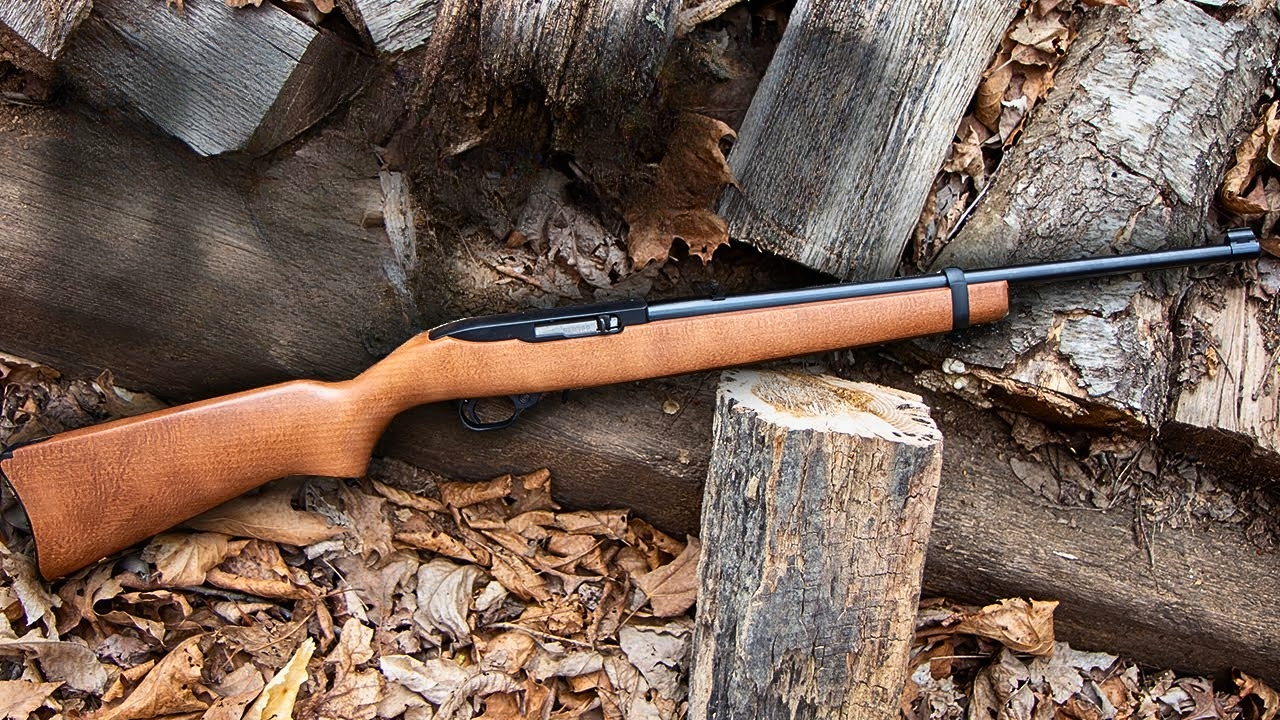
The Ruger 10/22 may not be a big-game rifle, but plenty of hunters keep one because it has been part of their shooting life for decades. It is used for squirrels, rabbits, camp plinking, practice, and teaching new shooters. It is simple to run, affordable to feed, and endlessly supported with stocks, barrels, triggers, and magazines.
Replacing a 10/22 rarely makes sense because it does not ask much from the owner. Even hunters who move on to expensive centerfires often keep the old Ruger because it still gets used. A rifle that helped someone learn trigger control, small-game hunting, and safe gun handling is not easy to sell. It may be the least fancy rifle in the safe, but it is often one of the hardest to part with.
Weatherby Mark V
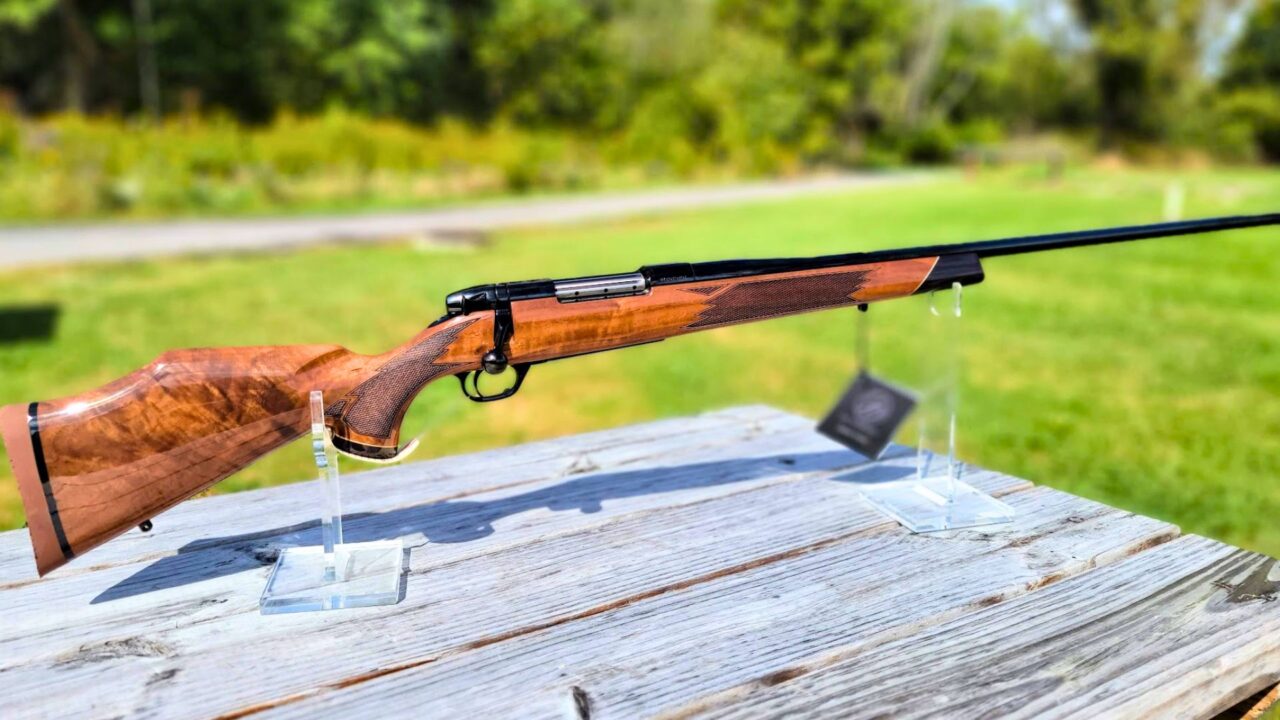
The Weatherby Mark V is the kind of rifle hunters keep because it feels tied to ambition. It has long been associated with speed, reach, and the idea of hunting open country where flat trajectories matter. Whether chambered in a Weatherby magnum or a more common cartridge, the Mark V has a strong identity that makes it stand apart from ordinary bolt guns.
Replacing one feels wrong because the rifle has a certain confidence built into it. It may be more rifle than some hunters need for whitetails, but that is part of its appeal. For the hunter who bought one for elk, mule deer, sheep, or western trips, the Mark V often represents a serious step up. Even if it gets carried less often later, it is hard to treat it like just another used rifle.
Browning A-Bolt
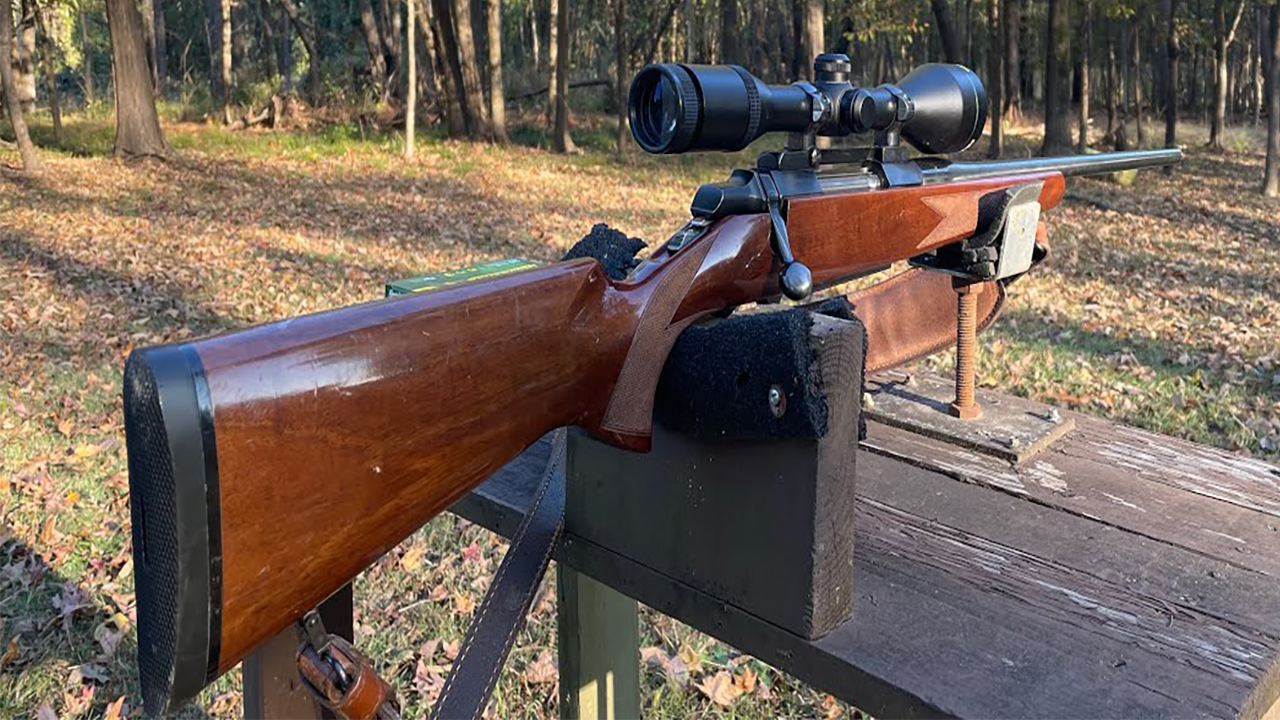
The Browning A-Bolt earned loyalty by being smooth, accurate, and easy to like. The short bolt lift, detachable magazine system, and clean hunting lines made it a favorite for people who wanted something a little different from the usual Remington, Winchester, or Ruger choices. Many A-Bolts also shoot better than their owners ever expected.
Hunters keep them because the rifle feels refined without being delicate. It carries well, cycles nicely, and has enough old-school Browning character to make it feel more personal than many newer production rifles. When an A-Bolt has already proven accurate with a favorite deer or elk load, replacing it can feel unnecessary. New rifles may have more modern features, but they do not always feel as settled.
Tikka T3 and T3x
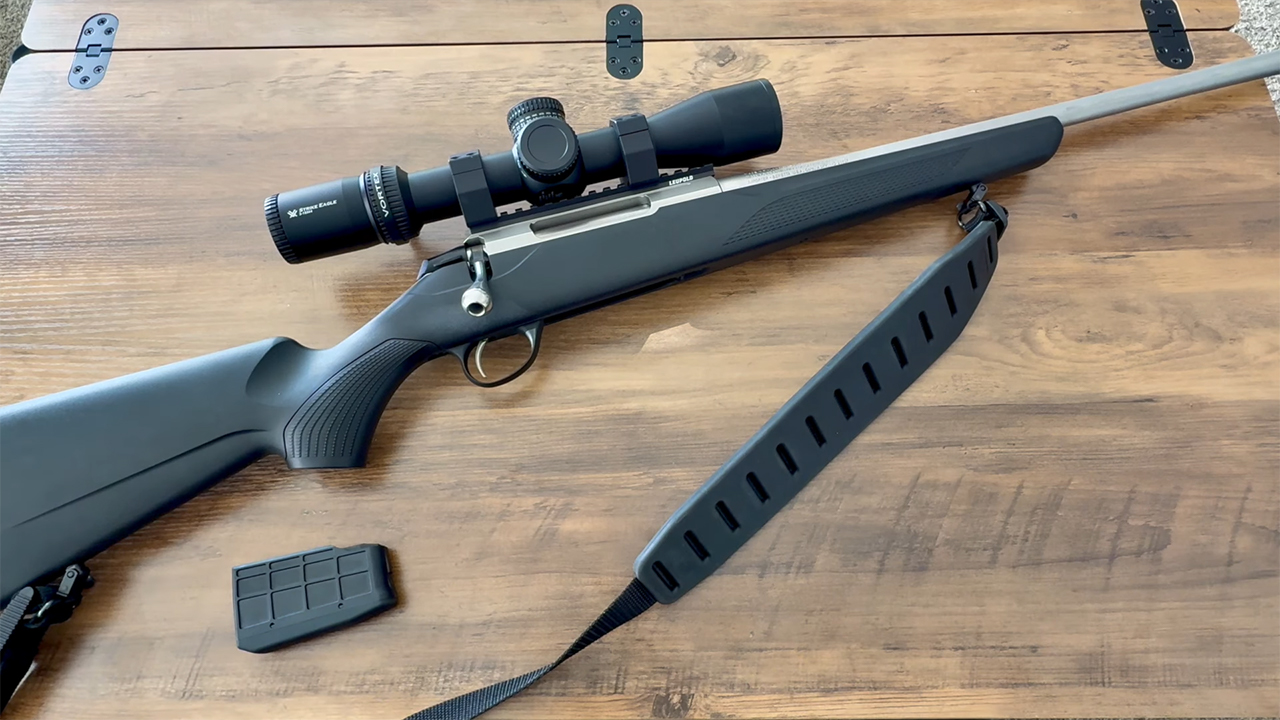
The Tikka T3 and T3x have become rifles that hunters keep because they tend to shoot well right out of the box. The action is smooth, the triggers are good, and the rifles are usually light enough to carry without feeling flimsy. They do not always have the classic looks of older walnut-stocked rifles, but they build trust quickly.
Replacing a Tikka often feels wrong because it does exactly what a hunting rifle is supposed to do. It feeds cleanly, groups well, and does not need much work before heading into the field. A hunter may buy something prettier or more expensive, but the Tikka often remains the rifle they grab when they want confidence without overthinking the choice.
Remington Model 7600
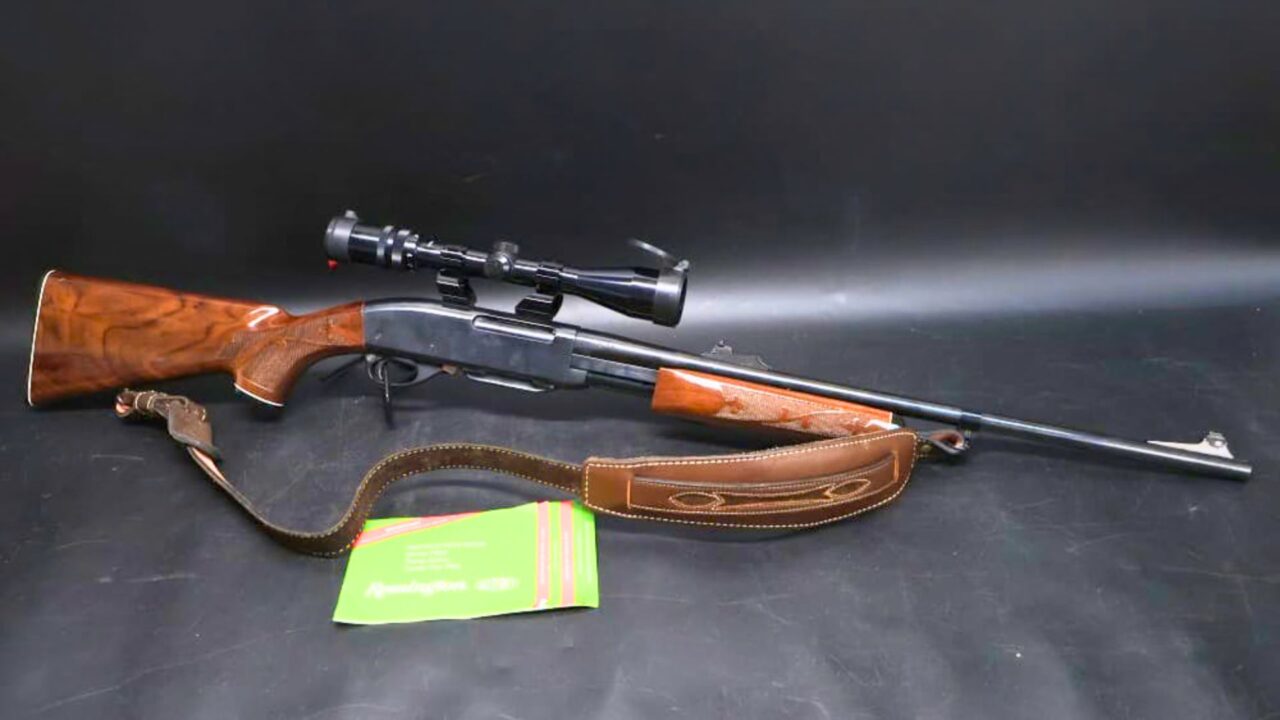
The Remington Model 7600 is a rifle many hunters keep because it fits a very specific style of hunting. In the Northeast, Midwest, and other timber-heavy areas, pump rifles became popular for fast shooting in thick cover. The 7600 gives hunters familiar pump-action speed while using serious centerfire cartridges like .30-06 Springfield and .308 Winchester.
Replacing one can feel wrong because not many modern rifles fill the same lane. A bolt-action rifle may be more common, but it does not handle the same way on deer drives or quick shots in the woods. For hunters who grew up around pump rifles, the 7600 feels natural. When a rifle matches your hunting style that closely, moving on from it feels harder than it should.
Henry Big Boy Steel

The Henry Big Boy Steel has become a keeper for hunters who like pistol-caliber lever guns that are actually useful in the field. Chamberings like .357 Magnum and .44 Magnum make sense for deer at short range, especially in thick woods or from compact stands. The rifle is handy, smooth, and easy to carry without feeling like a toy.
Hunters keep them because they are fun and practical at the same time. A .357 Magnum Big Boy can double as a range rifle, small-property deer rifle, and companion to a revolver. A .44 Magnum version brings more punch while staying compact. Replacing one with a bolt gun misses the point. The Henry works because it makes hunting feel direct and uncomplicated.
Sako 75
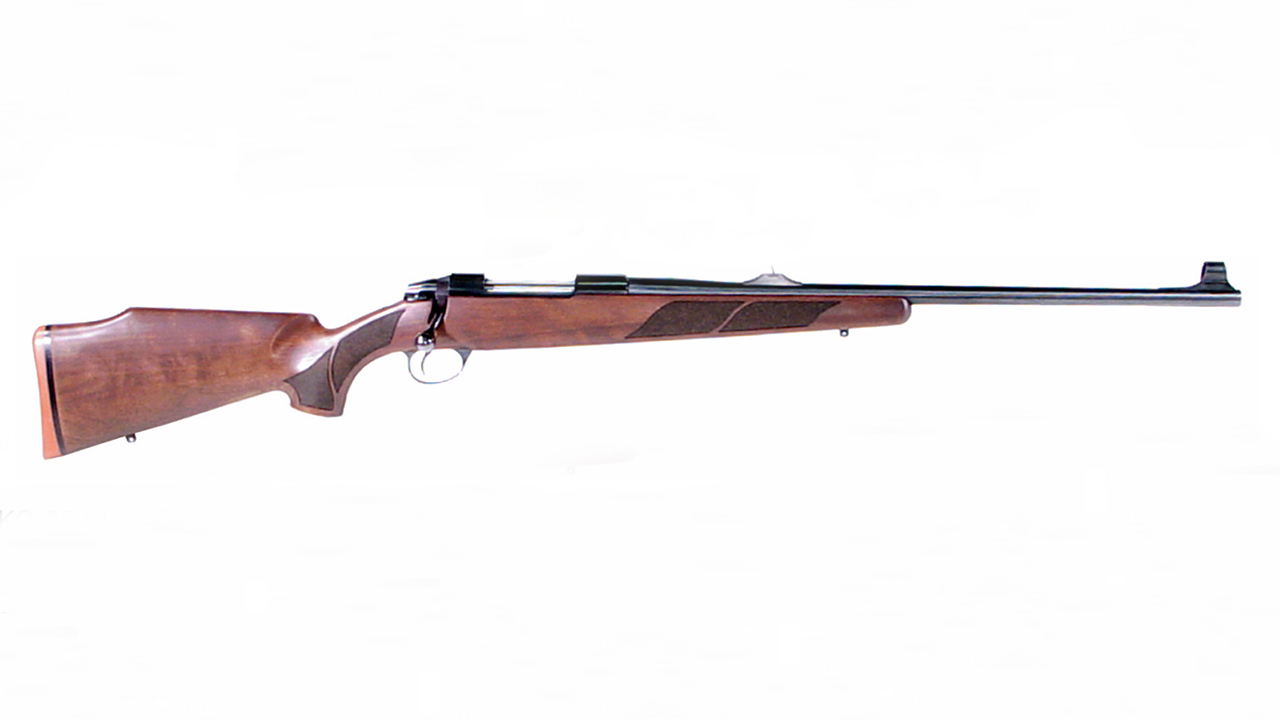
The Sako 75 is one of those rifles that owners often regret selling. It has a smooth action, strong accuracy reputation, and a level of fit and finish that makes it feel like a rifle built with care. It is not as common as many American hunting rifles, which only adds to the feeling that a good one should be held onto.
Replacing a Sako 75 feels wrong because rifles like it are not easy to duplicate. Modern rifles may be lighter or more feature-heavy, but they do not always have the same balance of precision and field feel. For hunters who appreciate a rifle that shoots well and still feels like a serious hunting tool, the Sako 75 is the kind of gun that stays in the safe long after others come and go.
CZ 550
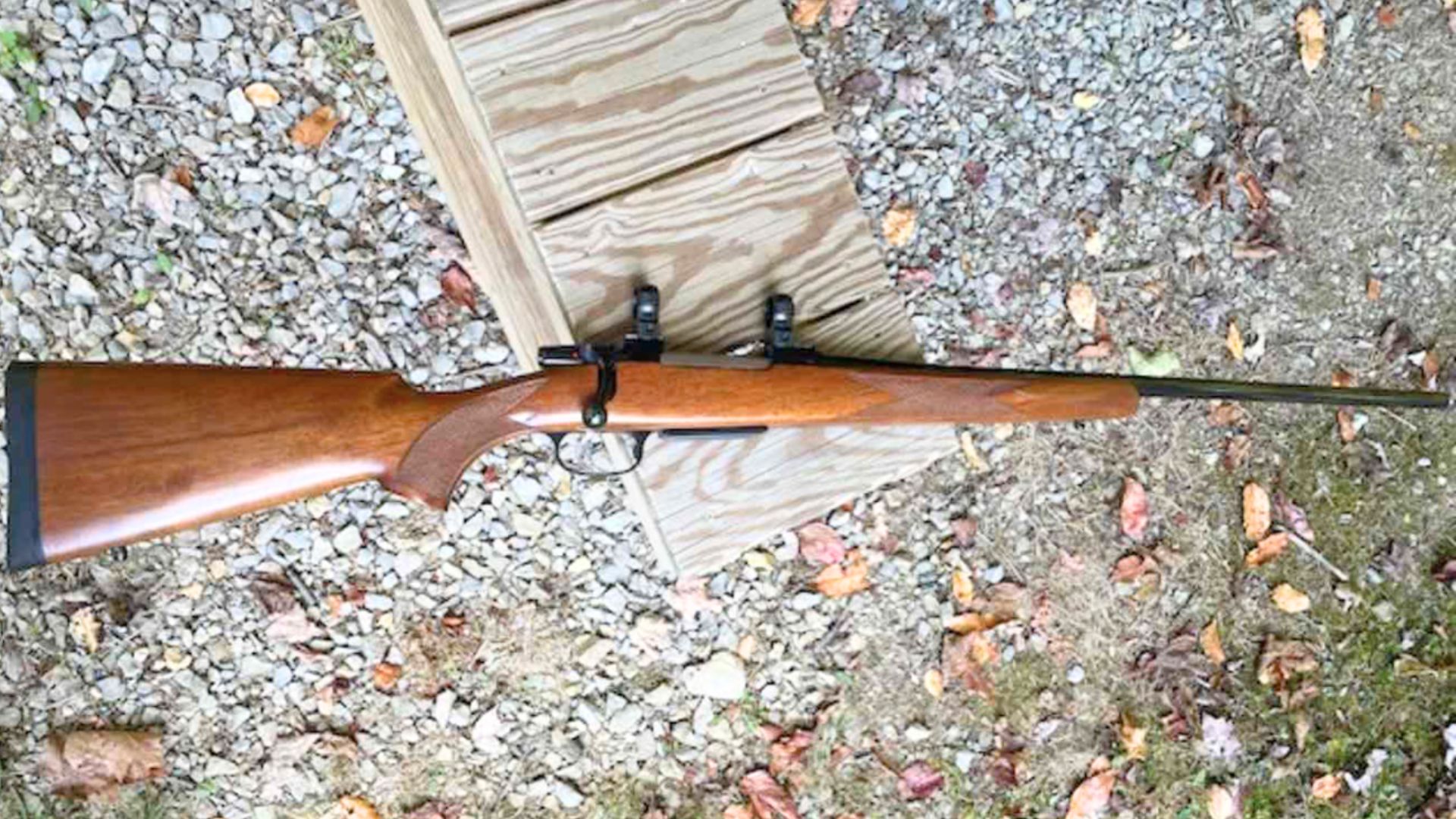
The CZ 550 is a rifle hunters keep because it feels overbuilt in a good way. With its Mauser-style controlled-round-feed action and strong reputation in heavier chamberings, it earned respect from hunters who wanted a rifle that could handle rough use. It has the kind of solid feel that makes many newer rifles seem a little too light or too stripped down.
Replacing one can feel wrong because the CZ 550 has a working-rifle attitude that is hard to fake. It may not be the sleekest or lightest option, but it feels dependable when the conditions get rough. In chamberings suited for deer, elk, bear, or dangerous game, it gives hunters confidence that the rifle is not the weak link. That is exactly the kind of trust that makes a rifle hard to sell.
Like The Avid Outdoorsman’s content? Be sure to follow us.
Here’s more from us: