Photo credit: Buffalo's Outdoors/Youtube
Walk into most gun shops today and you’ll see the same pattern: a wall of polymer striker-fired pistols, ARs in every shade of black and tan, and optics that cost more than the rifle they’re sitting on. None of that is “bad.” It’s just the water younger shooters swim in.
But there’s a whole lineup of older, proven firearms that keep getting skipped over because they aren’t trending on social media, they don’t have rails everywhere, or they take a little more effort to run well. Some of them are still bargains. Some of them are getting expensive. All of them have a reason they were classics in the first place.
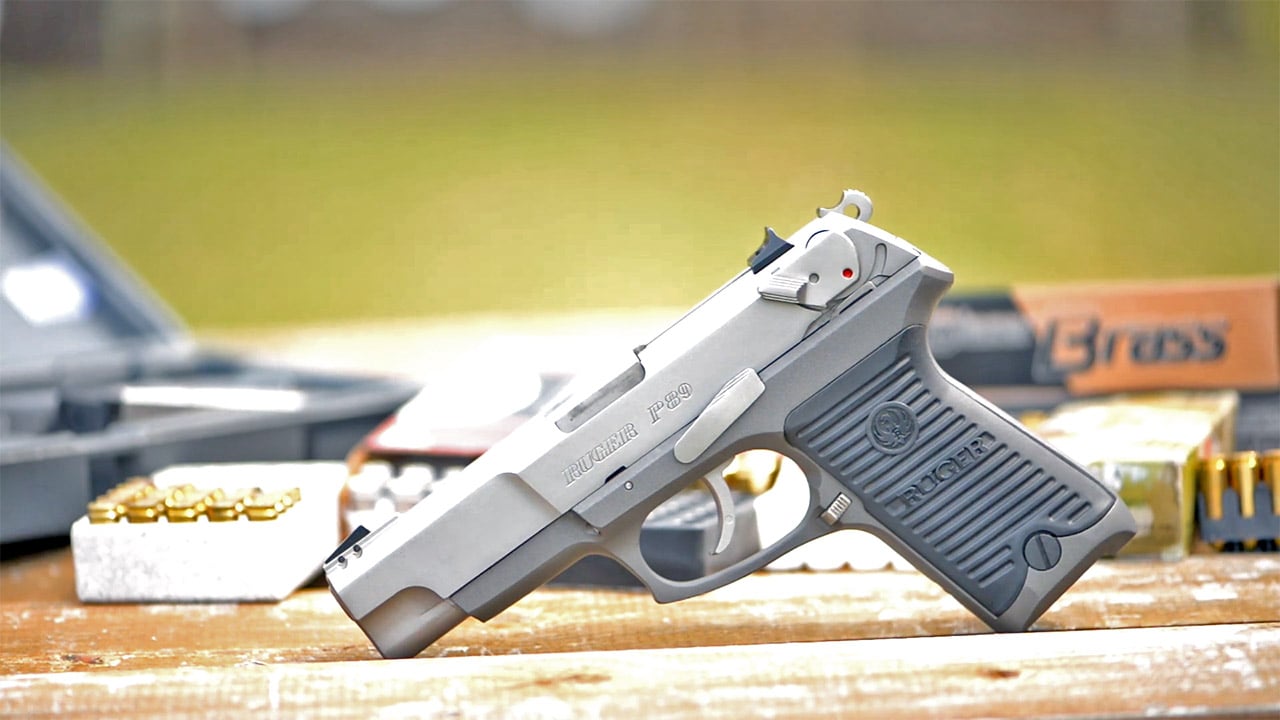
1. Ruger P89
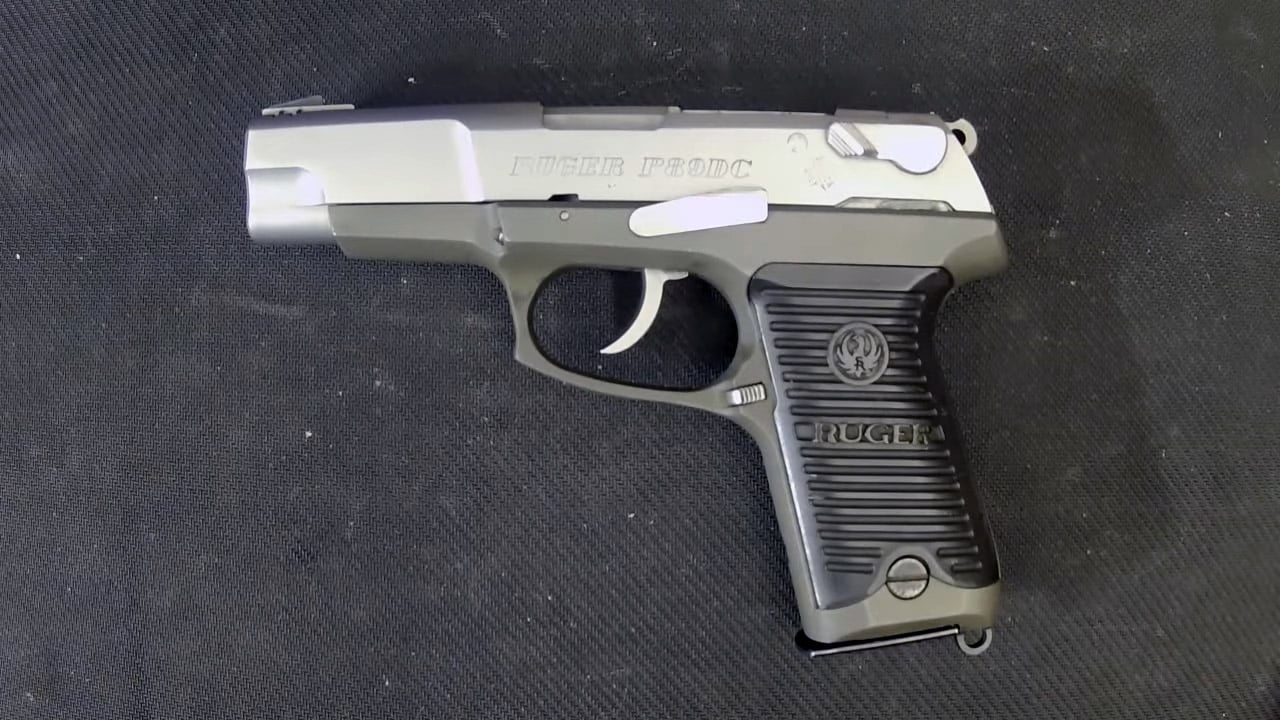
The Ruger P-series pistols are the definition of “ugly reliable.” The P89 is big, blocky, and about as subtle as a shovel, which is exactly why younger shooters ignore it. It doesn’t feel sleek like a modern compact 9mm.
Still, it runs. Feed it cheap range ammo, decent ammo, or whatever you found at the back of the cabinet, and it usually just keeps cycling. For a bedside pistol or a glovebox gun where legal, the weight and bulk stop mattering as much as the fact that it’s hard to kill.
2. Smith & Wesson Model 10
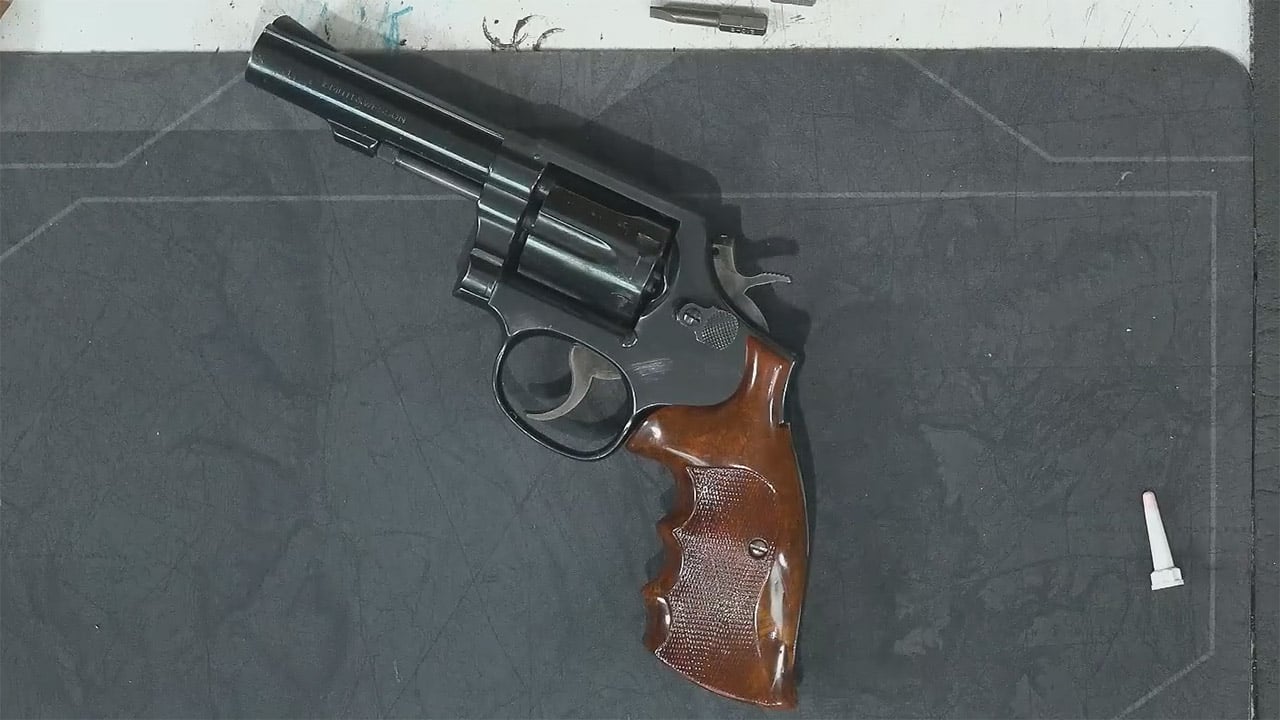
There are a lot of shooters under 30 who have never fired a K-frame .38 Special that wasn’t a lightweight snub. The Model 10 is the opposite: steel, steady, and boring in the best way. It points naturally and doesn’t punish you.
It’s also one of the best “teach a new shooter” handguns ever made. The trigger tells the truth, the sights are simple, and it makes you do the fundamentals instead of hiding behind gadgetry.
3. Remington 870 Wingmaster
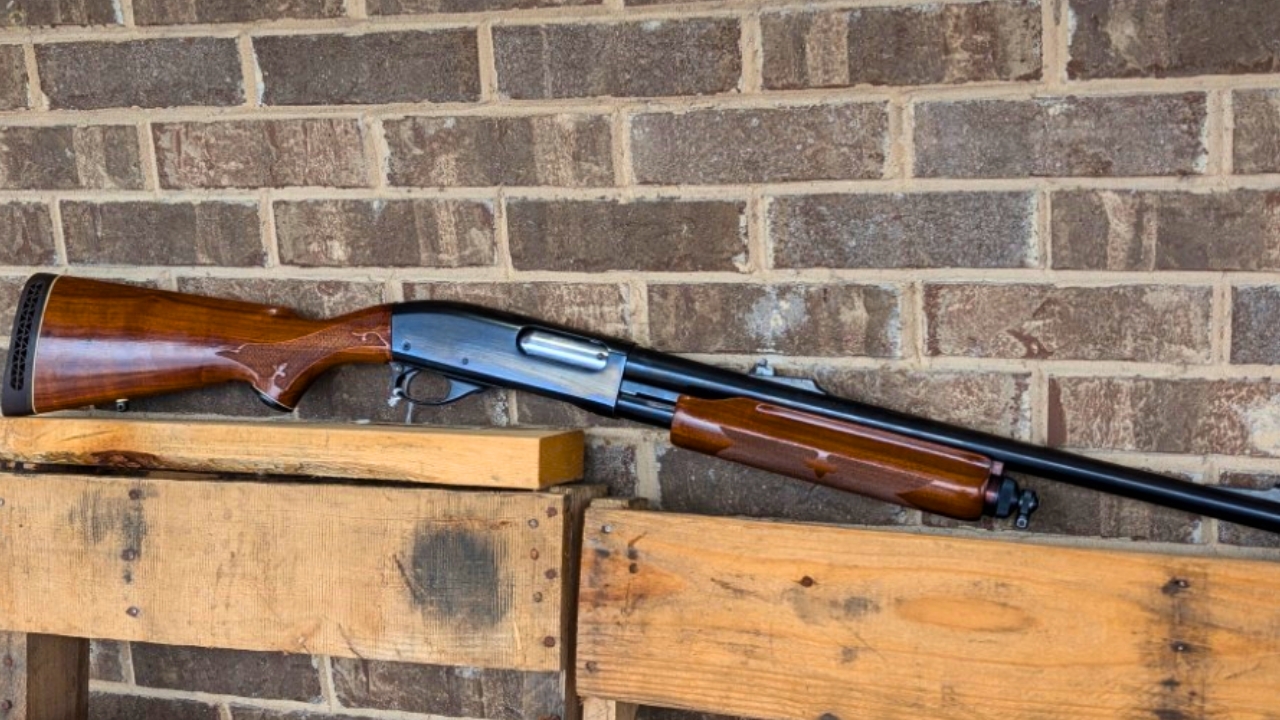
Plenty of younger hunters own a pump shotgun, but the older Wingmaster versions are a different animal than the bargain-bin pump that feels like it’s full of gravel. A good Wingmaster cycles like it’s on ball bearings. You notice it the first time you run it fast on clays.
They get ignored because they’re walnut-and-blue steel “grandpa guns.” Then somebody borrows one for a duck hunt, works the action with gloves on, and suddenly the plastic furniture doesn’t seem so exciting.
4. Winchester Model 94
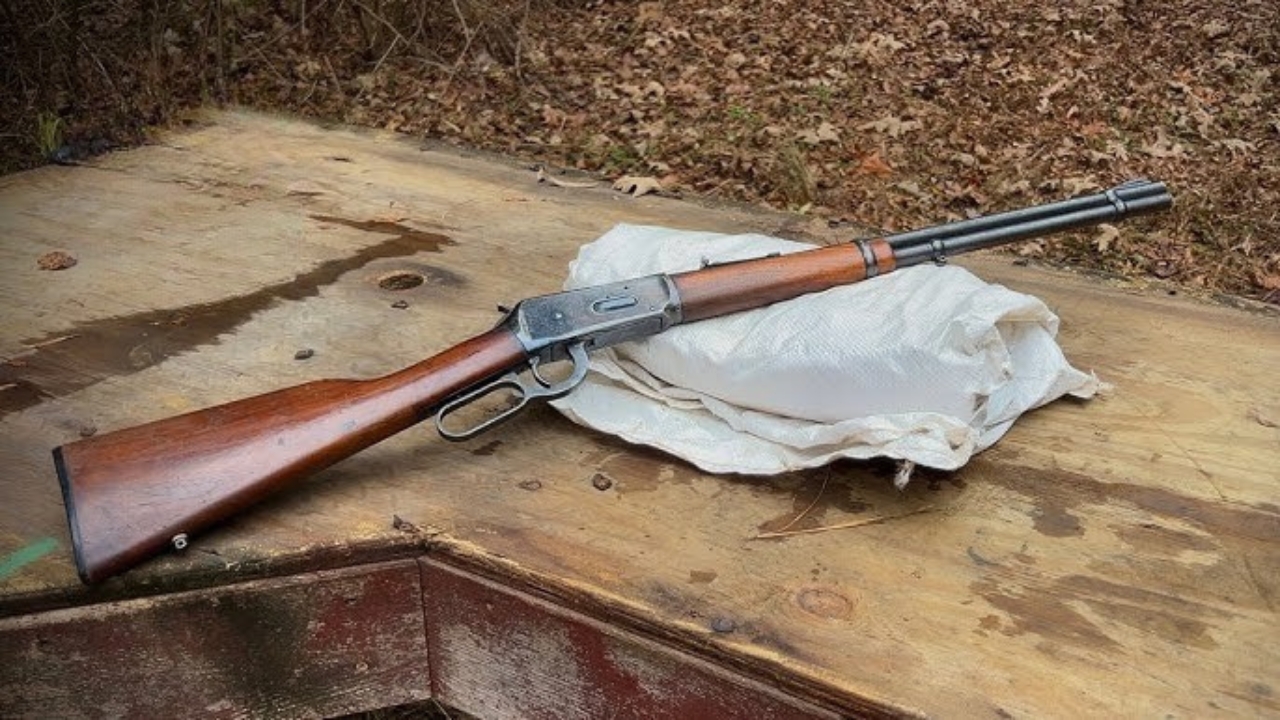
The Model 94 is light, slim, and quick in the woods. Younger shooters tend to treat lever actions like a costume piece or an overpriced boutique gun, and I get it with some of today’s prices. But the classic 94 in .30-30 still makes a ton of sense for real deer hunting.
Carry one all day and you’ll understand why it stuck around. It rides in the hand, comes up fast, and doesn’t snag on everything like a scoped bolt gun can in thick cover.
5. Ruger 10/22 (older carbine models)

Yes, everyone “knows” the 10/22, but a lot of younger shooters only see it as a platform to dump money into. The older basic carbine with iron sights gets overlooked, even though it’s the one that quietly does the work. There is nothing fancy about it, and that is kind of the point.
It’s a walking-around .22 that teaches shooting, knocks over squirrels, and runs without needing constant tuning. Keep it clean, keep decent mags, and it’ll be in the family for a long time.
6. Marlin Model 39A

Ask a younger shooter about a classic .22 and you’ll usually hear “10/22” or “some bolt gun.” The Marlin 39A doesn’t come up much, which is a shame. It’s one of the smoothest, most satisfying lever .22s ever made.
It also holds value because it’s actually good, not because it’s “rare.” The takedown design makes it easy to maintain, and it has a heft that makes it shoot steady offhand.
7. Browning Hi-Power
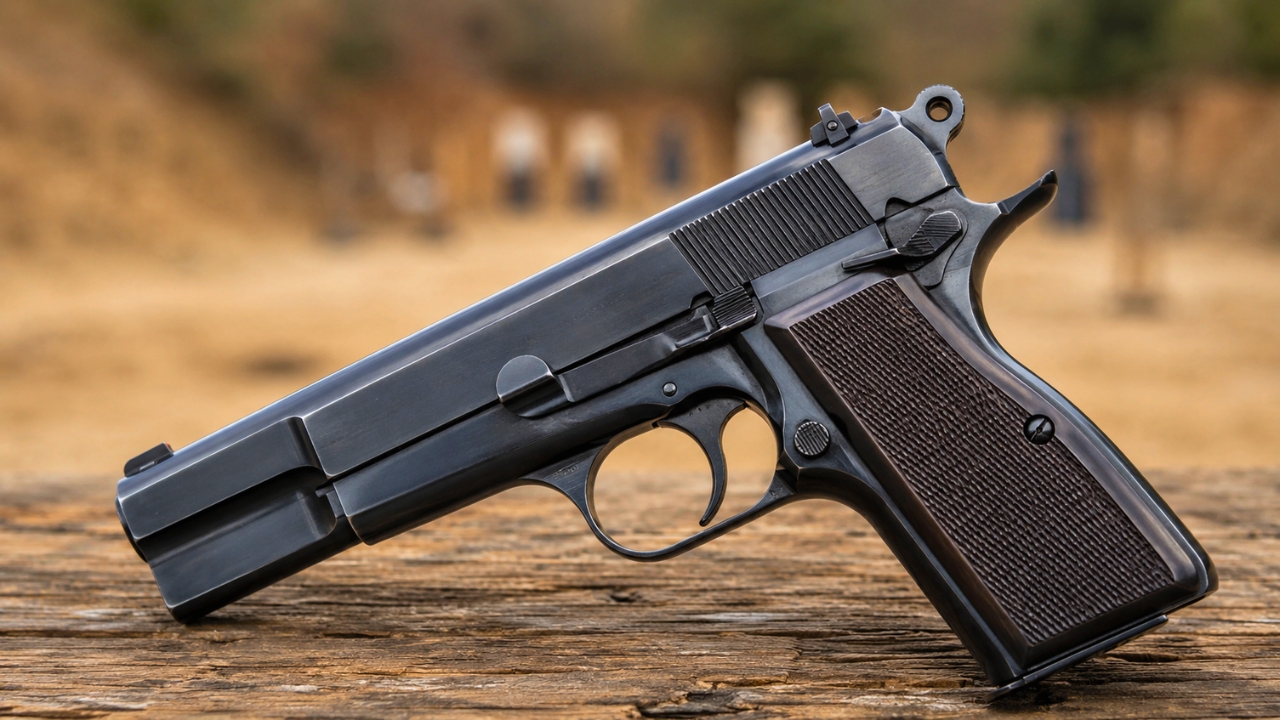
The Hi-Power gets ignored because it’s not a polymer wonder and it isn’t a 1911 either, so it doesn’t live in a neat internet box. It’s slim, points well, and carries flatter than a lot of double-stacks people swear are “compact.”
It does come with some caveats: older examples can have a heavy trigger, and parts/support vary by clone or generation. But if you want a classic 9mm with real soul that still shoots like a serious pistol, it belongs on the short list.
8. Colt Detective Special

Most new shooters who want a revolver buy a tiny, light snub and then wonder why they hate shooting it. The Detective Special is a different experience: a real steel frame with a little more weight, and it makes .38 Special feel reasonable. That extra couple ounces matters.
It’s also one of those guns that rides well in a coat pocket or on the belt without feeling like an anchor. The downside is price—nice ones aren’t cheap anymore—and you don’t abuse them with hot loads like you’re trying to prove something.
9. CZ 75B
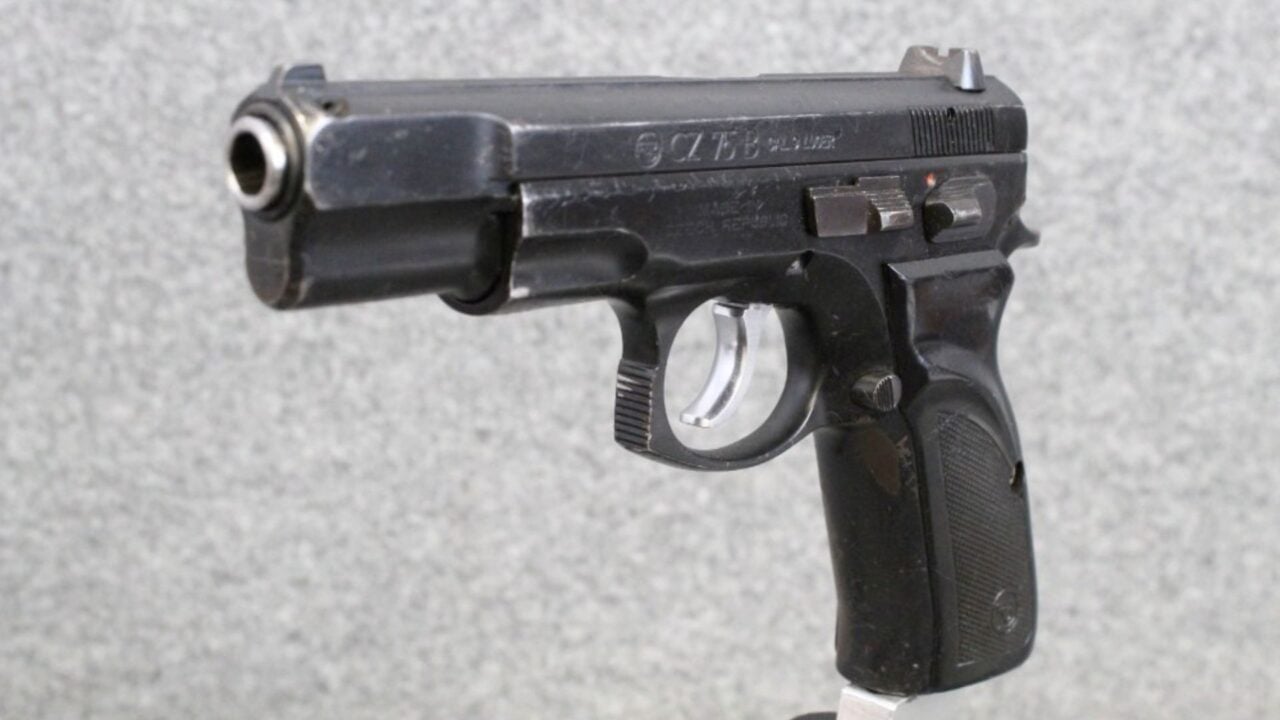
There’s a whole generation that skipped right past steel-framed DA/SA pistols. The CZ 75B is one of the best arguments for going back. It fits a lot of hands, tracks smoothly in recoil, and feels planted.
It’s not the lightest carry option, and the manual of arms takes more attention than “point and press.” But if you actually enjoy shooting, not just owning, this one has a way of turning ammo into smiles.
10. Ruger Blackhawk

Single-action revolvers are a hard sell to someone raised on red dots and 30-round mags. The Ruger Blackhawk looks slow, and in some ways it is. You’re not buying it to win a timer drill.
You’re buying it because it’s tough, accurate, and makes you slow down. In hunting camp, it’s a perfect “walk the woods” sidearm. On the range, it teaches control and follow-through like nothing else.
11. Mossberg 500 (plain field models)
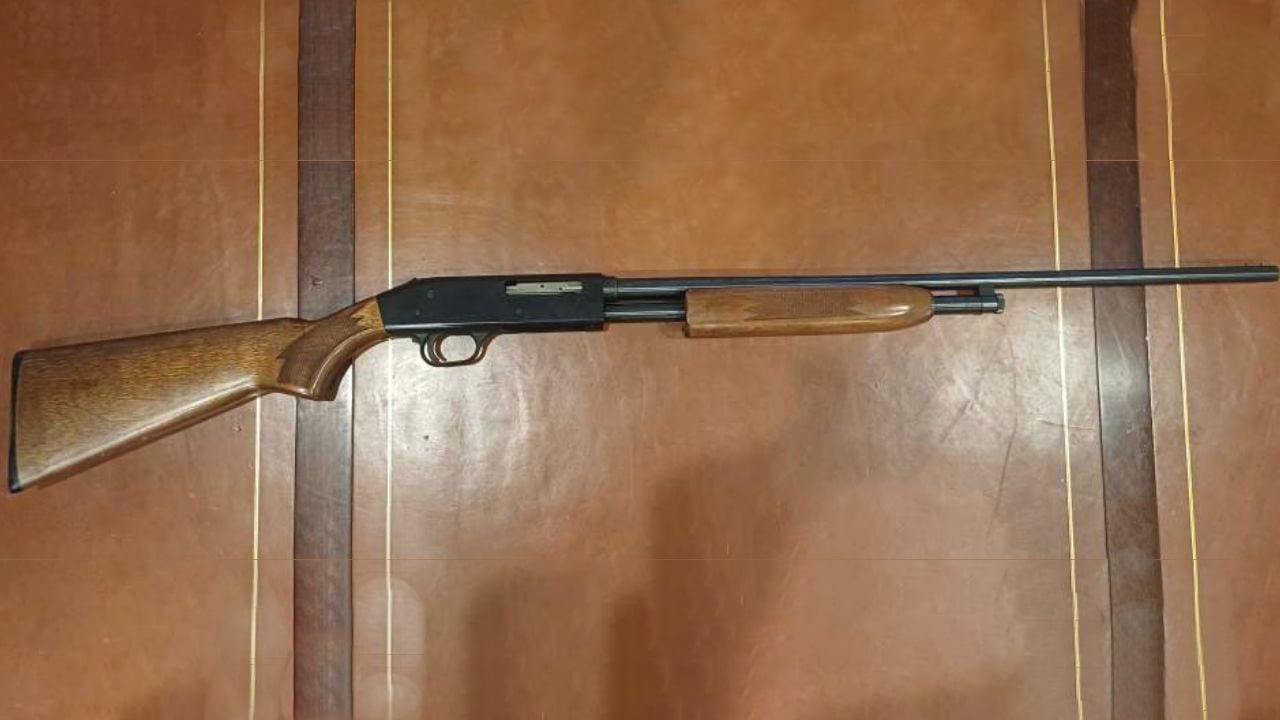
Everybody talks about the 500 like it’s common—and it is—but the plain field gun with a normal stock is the one that gets ignored. Younger buyers chase “tactical” furniture and shorter barrels, then end up with something that’s awkward for clays and birds.
A basic 500 with a 26- or 28-inch barrel just does shotgun things well. It’s easy to maintain, parts are everywhere, and you won’t cry if it picks up a few honest scratches in the duck blind.
12. Savage 110 (older wood-stock rifles)

The older Savage 110s aren’t glamorous. The stocks can feel chunky and the bluing might be worn, but they shoot. A lot of them shoot better than they have any business shooting, especially with handloads or a load they like.
Younger hunters often want a lightweight rifle with a detachable mag and a muzzle brake. Then they touch off one round without ear pro in the field by accident and learn a hard lesson. Those older 110s are usually calmer rifles to live with.
13. Remington 700 BDL (classic hunting trim)
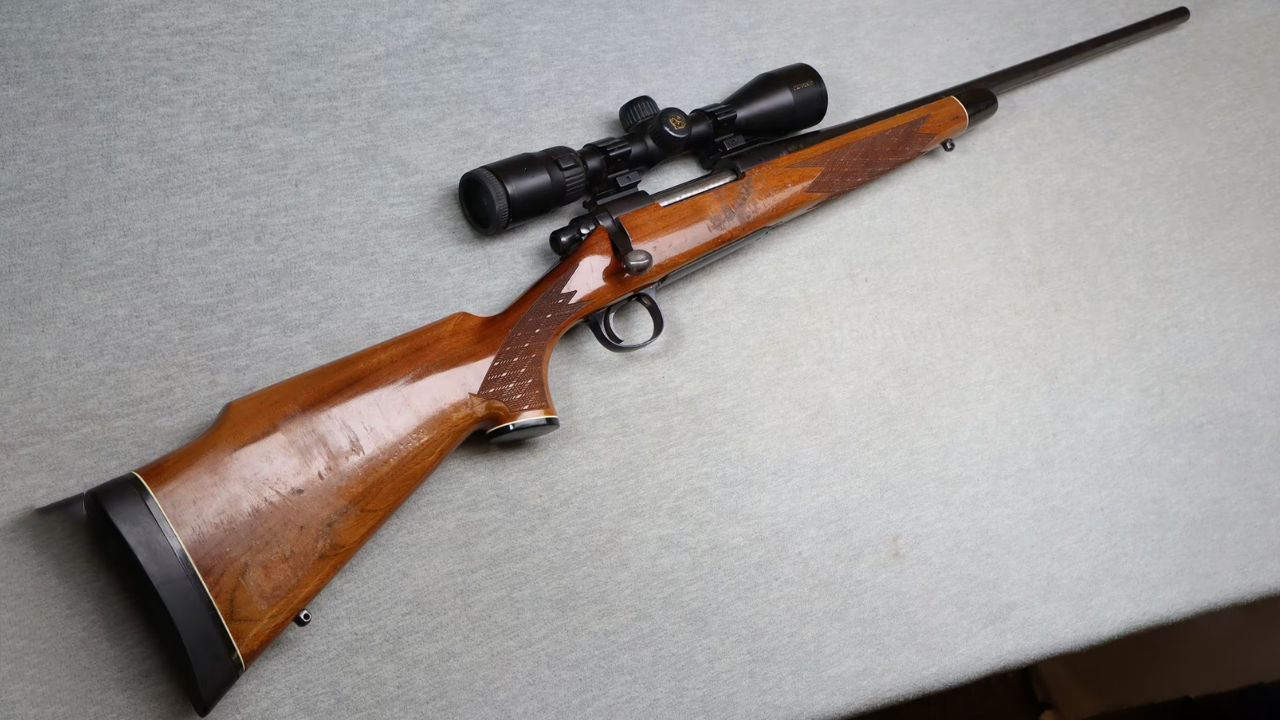
The Model 700 is complicated these days because of internet arguments, timelines, and who made what when. I’m not getting into all that. I’m saying the classic BDL-style hunting rifle is still a good tool when it’s in good shape and treated like a hunting rifle.
It carries well, balances nicely, and there’s a reason so many hunters built their whole “one rifle” identity around a 700 and a fixed 4x scope. It’s not exciting. It’s effective.
14. Winchester Model 70 (pre-64 and classic-style rifles)

The Model 70 is the kind of rifle younger shooters admire from across the counter and then put back because it costs more than the plastic-stock package gun. The problem is that a good Model 70 has a feel that doesn’t show up on a spec sheet.
The safety is where it should be, the action is smooth, and it carries like a real field rifle. If you’re the kind of hunter who walks ridges and still-hunts timber, a rifle like this makes sense in your hands, not just on paper.
15. SKS (Norinco and other common variants)

For years, the SKS was the “cheap rifle” people bought and then ignored. Younger shooters missed that era, and now many of them only see SKSs that have been “upgraded” into a mess. A clean, mostly original SKS is a handy rifle.
It’s simple, generally reliable with decent ammo, and the recoil is mild. The fixed magazine and stripper clips aren’t trendy, but they work, and the gun has a balance that a lot of bargain AR builds don’t.
16. Ruger Mini-14 (Ranch Rifle)

The Mini-14 gets dismissed because it isn’t an AR and it doesn’t have the same modular ecosystem. Fair enough. But as a ranch rifle that rides in a truck (legally and safely) or leans in a corner during chores, it’s a practical tool.
Mags can be a sticking point, and some older guns weren’t tack-drivers. Still, for coyote duty, property defense, and general utility, it’s a rifle that carries light and points fast.
17. Ithaca Model 37
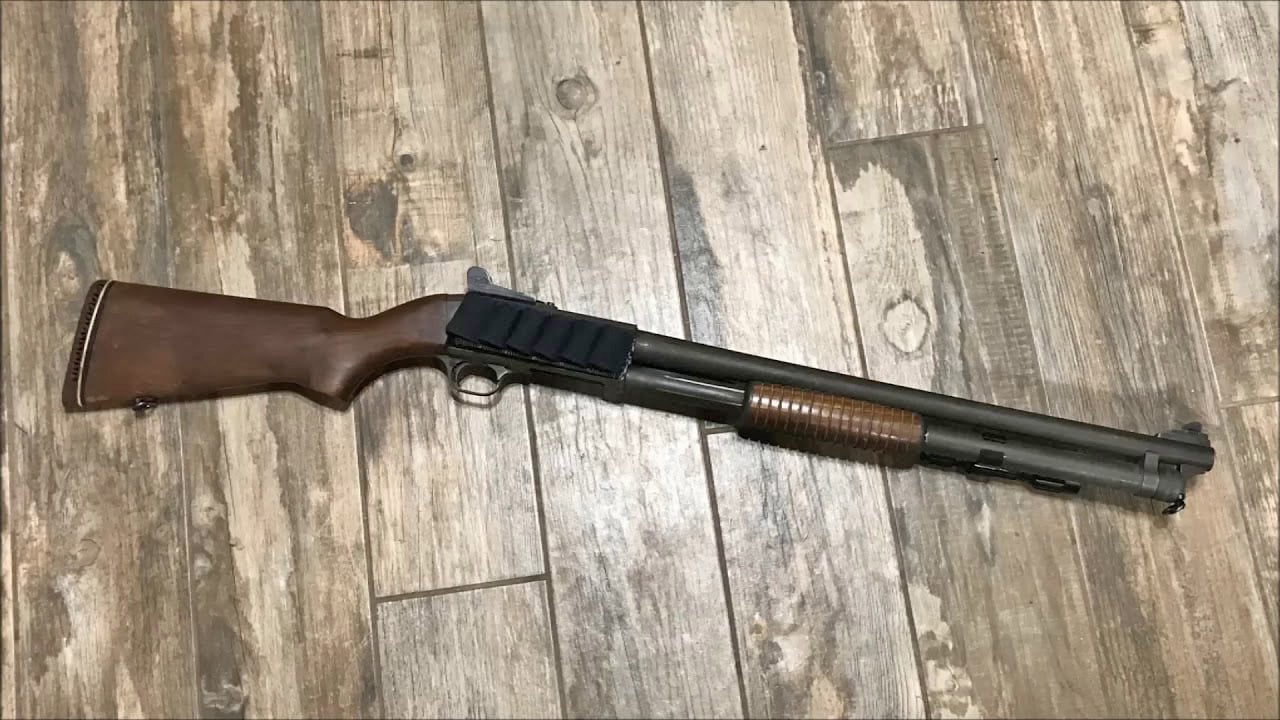
Bottom-eject shotguns don’t get much love anymore, and that’s a mistake. The Ithaca 37 is slick, trim, and friendly for left-handed shooters without needing special parts. It also keeps empties out of the brush and out of your buddy’s face in the blind.
They can be a little “old-school” to service if you’re used to modern everything, but a good one is a joy to carry. If you’ve ever shouldered a clunky pump all morning, you’ll appreciate the difference by lunch.
18. Beretta 92FS

Young shooters will call it “big” and move on. They’re not wrong. But the 92FS is one of the easiest 9mms to shoot well once you get the hang of the DA/SA trigger. The recoil impulse is soft, and it runs and runs when maintained.
It’s also a great pistol for high-round-count range days because it’s comfortable. Not everything needs to be the smallest possible gun that’s miserable to practice with.
19. Colt 1911 Government Model (basic, not tricked out)
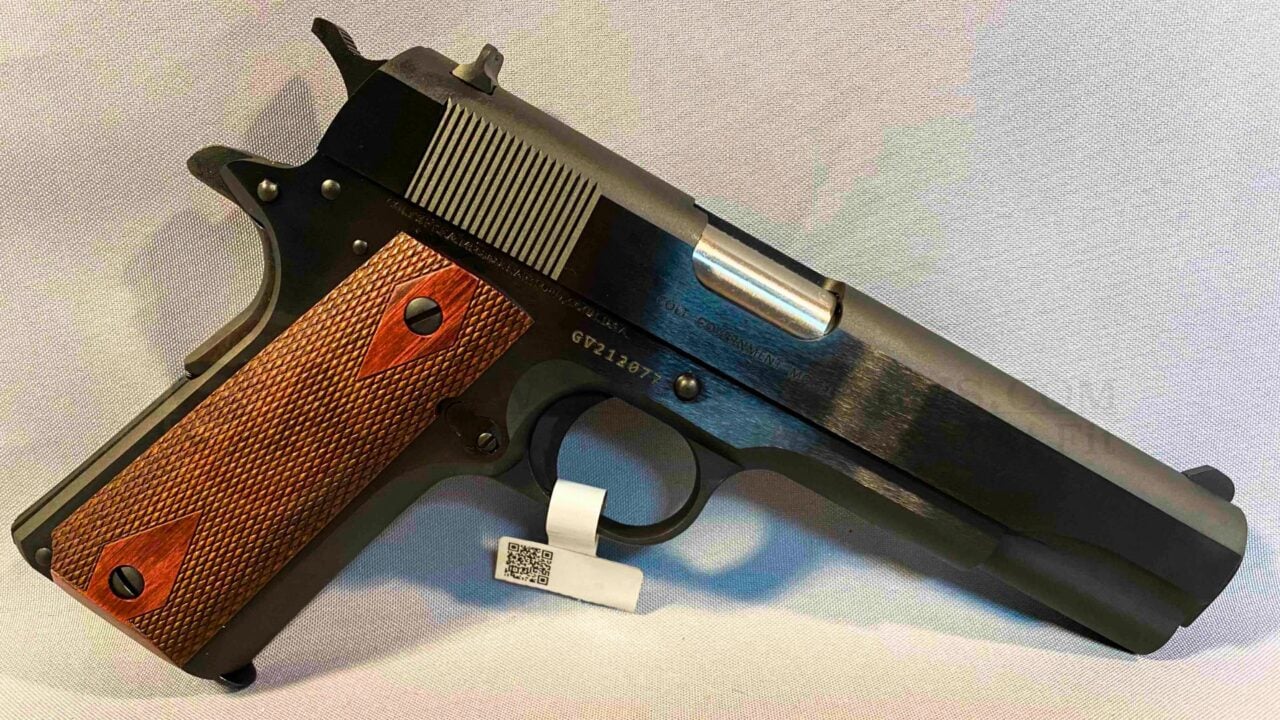
A lot of younger shooters only see two versions of the 1911: either a cheap one that rattles or a high-dollar one with a “combat” name and a price tag that makes you swallow hard. The plain Government Model, built right, still makes sense if you actually shoot it.
Yes, it takes more attention than a striker pistol. Magazines matter. Ammo choice can matter. But the trigger and the way it points are why it’s still here. If you want a pistol that rewards good technique, it’s hard to beat.
20. Springfield Armory M1A (Standard model)
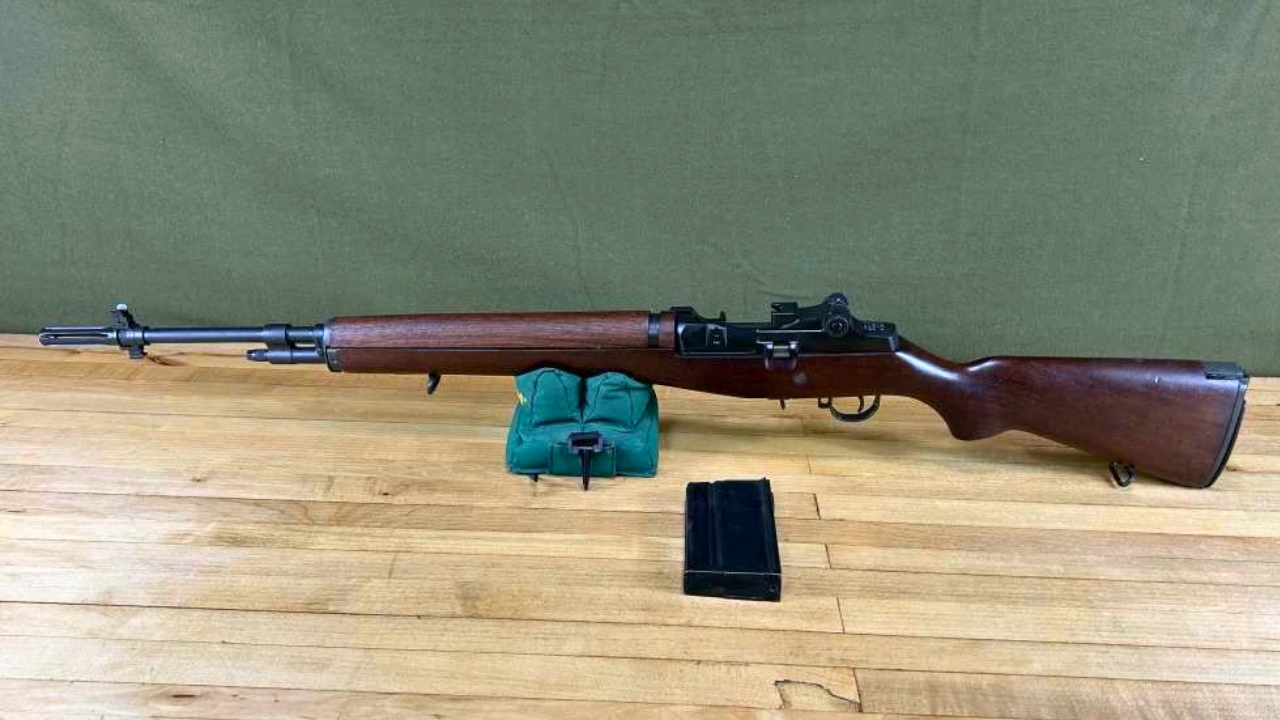
The M1A is heavy, loud, and not cheap to feed. Younger shooters look at the weight and the cost of .308 and decide they’d rather build a lighter rifle with more aftermarket parts. I get it.
But the Standard M1A has a feel that’s hard to explain until you run it. The sights are excellent, the rifle settles into position well, and it’s one of those guns that turns a simple range session into a real practice day. It’s not for everyone, but it’s a classic for a reason.
You don’t need to abandon modern guns to appreciate the older ones. The point is to recognize what works when the new-gun glow fades: a smooth action, a good trigger, common parts, and a design that carries right in the field. If you’ve got one of these classics sitting in the back of the safe, maybe don’t be so quick to trade it off for the latest thing. Ask me how I know.
Like The Avid Outdoorsman’s content? Subscribe to our newsletter so you never miss an article.
Here’s more from us: