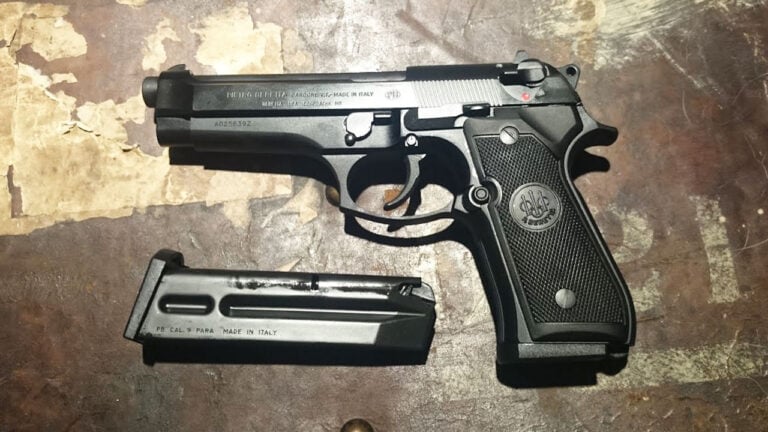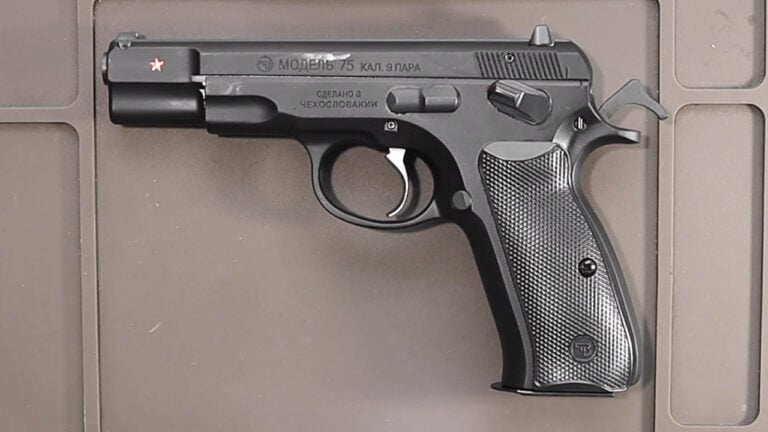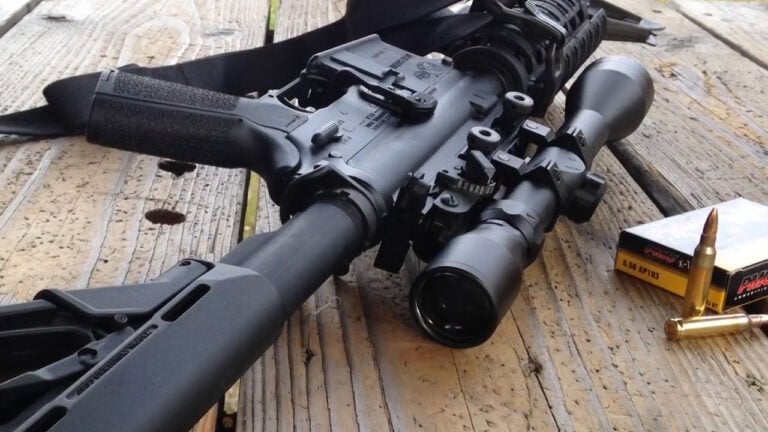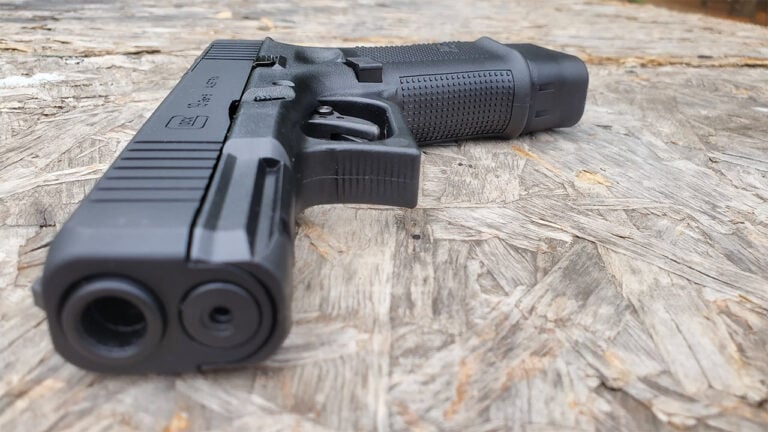
Photo credit: AI-generated image created using ChatGPT. Illustrative only
Most private firearm sales feel like a clean handoff: you verify what you can, take your pictures, trade cash for the rifle, and go back to worrying about deer season and the next range day. But every now and then, something from the past reaches forward and taps you on the shoulder.
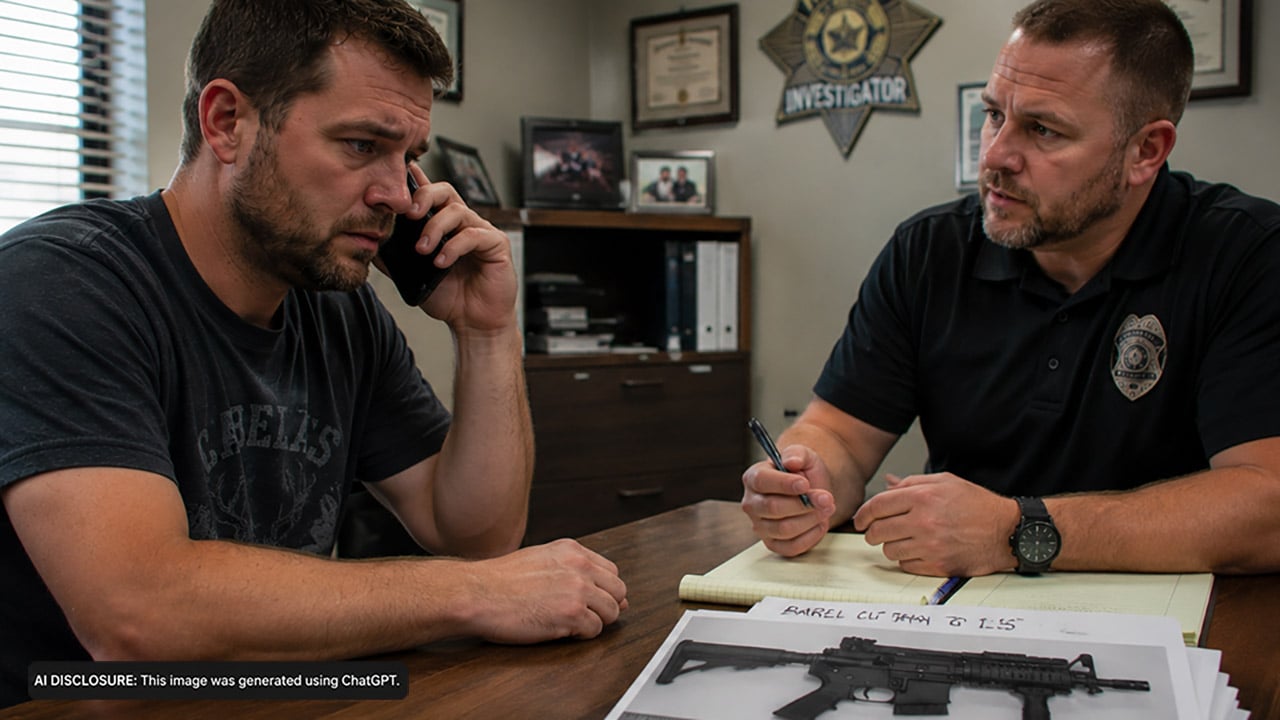
That’s what happened to one gun owner who shared his experience in the original post: an investigator contacted him about a rifle he’d sold roughly two years earlier. The rifle, he learned, had been modified after the sale with a much shorter barrel—reportedly around 9 inches—and it wasn’t registered as a short-barreled rifle (SBR).
The call nobody expects after a private sale
The seller explained he was contacted by an investigator and asked questions about the rifle’s condition at the time he sold it. That’s a jarring moment for any outdoorsman, because the first thing your mind does is rewind: Who did I sell it to? What exactly did I hand over? Did I keep anything that proves it?
In this case, he was able to answer questions and also remembered he’d listed the rifle on Armslist with two photos. That detail matters. When you’ve got a record—something dated, something that shows the firearm as it sat when it left your hands—you’re not relying only on memory while someone with a badge is asking you to be precise.
When a barrel swap turns into an NFA problem
According to the seller, the investigator told him the rifle’s barrel had been swapped for a much shorter one—about 9 inches—and the gun wasn’t registered as an SBR. That’s not a small change like a stock, an optic, or a sling. Barrel length is one of those hard lines in federal firearms law that can turn an otherwise ordinary rifle into a regulated item.
The practical reality is simple: the rifle was legal when it was sold (based on what the seller recalled and what his listing photos likely showed), and later someone allegedly changed it into a configuration that triggered different legal requirements. The problem for the original seller is that, on paper, an investigator is now looking backward through the chain of custody to figure out where that gun came from and what happened along the way.
Why documentation suddenly becomes worth its weight in ammo
A lot of outdoorsmen aren’t thinking about “paper trails” when they’re selling a rifle they don’t use anymore. They’re thinking about freeing up safe space, putting money toward a new scope, or funding tags and fuel. But when questions come later, the difference between “I think it had the factory barrel” and “Here are the original listing photos from the day it sold” can be huge.
The seller in this situation managed to recall the online listing and the fact it had pictures. That’s one of the few solid anchors you can have years later. Photos help establish what you actually transferred—especially when the issue is something visible like barrel length and overall configuration.
There’s also a common-sense angle here for anyone who sells guns occasionally: keep a folder. Screenshots of the ad, photos that clearly show the firearm, and basic notes about date and method of sale can go a long way. It doesn’t have to be complicated, and it’s not about acting like a lawyer. It’s about protecting yourself if a firearm ends up stolen, used in a crime, or modified into something that draws attention.
What an investigator likely cares about in a situation like this
Based on what the seller shared, the investigator’s questions centered on the condition of the rifle at the time of sale. That tracks with how these situations tend to unfold: the person asking questions is trying to separate “originally transferred” facts from “later modified” facts.
If a gun is found in an illegal configuration, it’s not unusual for investigators to work backward. They may be trying to identify the current possessor, confirm how the firearm changed hands, or verify whether the illegal modification happened recently or years ago. And for the seller, the key is staying grounded and factual—what you know, what you can document, and what you don’t actually remember.
This is also where people get tripped up emotionally. When an official call comes in, it’s easy to start over-explaining or guessing to be “helpful.” But guessing can create confusion. The seller here focused on what he could recall and leaned on the fact he had listed it with photos, which is about as practical as it gets.
The takeaways gun owners kept circling back to
Even with only a few details shared, the core concern is familiar to a lot of gun owners: you can do everything right, sell a legal rifle, and still get pulled into someone else’s mess later. That’s unsettling, especially for hunters and rural folks who treat firearms like tools and don’t spend much time thinking about investigative backtracking.
The other point people tend to focus on in situations like this is the difference between modifications that are just preferences and modifications that cross legal thresholds. Plenty of rifle setups are personalized—trigger upgrades, optics, stocks, lights, grips. But barrel length is one of those lines you don’t want to be fuzzy on, and the alleged 9-inch barrel is far outside what most people would consider a normal rifle configuration.
Finally, this kind of story makes folks think hard about how they sell. Private sales are legal in many places under certain rules, but the “ease” of a cash-and-carry handoff can become a headache later if you can’t point to basic documentation. It doesn’t mean you need to keep a filing cabinet like a gun shop. It means you should treat a sale the way you treat a property line: mark it clearly so there’s no confusion later.
For outdoorsmen who buy and sell the occasional rifle, the safest play is simple: document what you’re transferring, keep a copy of your listing photos, and don’t assume a deal is “done forever” the moment the buyer drives away. In this case, a couple of pictures and a decent memory helped the seller answer questions about a rifle that apparently didn’t stay in the same configuration after it left his hands.
Like The Avid Outdoorsman’s content? Subscribe to our newsletter so you never miss an article.
Here’s more from us: