Photo credit: Legacy Collectibles/YouTube
Military pistols get collectible fast because they sit at the intersection of history and hardware. You’re not only buying a handgun—you’re buying a snapshot of a war, a factory, and a government inspection system that cared about markings in a way civilian guns rarely do. That’s why prices swing so hard. Two pistols that look identical across a gun-show table can be worlds apart once you start checking matching numbers, proof marks, acceptance stamps, import marks, and whether the finish is original.
The biggest money drivers stay pretty consistent across the board: correct parts, matching serialized components, honest wear instead of refinishing, and documentation that ties the gun to a unit, a theater, or a vet bring-back story. Add scarcity—limited production, short contracts, or rare variations—and the price can jump from “nice shooter” to “serious collector piece” in a hurry.
DWM Luger P08

A DWM-marked Luger P08 is one of the most recognized military pistols on earth, and that recognition fuels demand. Prices climb when you’re looking at early production, strong original finish, crisp markings, and—most importantly—matching numbers across the serialized parts. Lugers punish parts swapping because collectors check everything, including small components that many shooters never notice.
The real money comes from rarity within the common. Unit markings, regimental stamps, and uncommon date combinations drive bids, as do correct magazines and a proper holster with matching or period-correct markings. Bring-back papers can change the ceiling entirely, especially if they connect the pistol to a specific conflict or veteran. Lugers are also notorious for being refinished, so originality becomes the line between “cool Luger” and “investment-grade Luger.”
Mauser Luger P08 (byf code)

Mauser-coded P08s, especially the wartime “byf” marked pistols, get expensive because collectors love factory codes and year blocks. The code tells a story, and certain combinations—like late-war production with clear markings—attract buyers who focus on Third Reich-era small arms. Matching numbers still rule everything, and mismatched toggles or small parts can cut value dramatically.
Prices also climb when you see correct grips, correct finish, and intact eagle proofs that haven’t been buffed by a refinish. Original magazines matter a lot on these guns, and so do period holsters with legible maker stamps. You’ll also see premiums for scarce variations, special markings, and unusually clean examples that weren’t run hard after the war. In this category, condition and correctness beat “rarity claims” every time.
Walther P38 (ac code)

The Walther P38 is collectible because it was a true service pistol, issued widely, and produced by multiple factories under wartime pressure. Walther “ac” coded examples bring attention because collectors track codes, years, and production details. Prices rise fast when the slide, frame, and locking block match, the finish is original, and the pistols still show sharp proofs without polishing or reblue wash.
What really moves the needle is variation and documentation. Early wartime P38s, marked police pistols, and guns with intact original phosphate or blued finishes can draw strong money, especially with correct magazines. Holsters help too, particularly if markings and dates line up with the pistol’s production era. The P38 is also a common refinish victim, so untouched examples with honest holster wear tend to sell quicker and higher than “too pretty” guns.
Walther P38 (byf code)

Mauser-made P38s with the “byf” code are a favorite for collectors who want a factory story attached to the gun. Production differences, machining changes, and finish transitions over the war give buyers plenty to chase. Matching numbers matter, and collectors pay for pistols that still have the correct locking block, correct grips, and correct finish for that specific production period.
Late-war examples can be tricky. Some are scarce and desirable, while others show rougher wartime shortcuts that collectors either love for authenticity or avoid for condition concerns. Clear proofs, intact markings, and minimal post-war alterations push prices upward. Correct magazines and a proper holster can add real value, especially when the pistol isn’t a parts mix. With byf P38s, the market rewards buyers who do the homework on what “correct” looks like for that exact code and year.
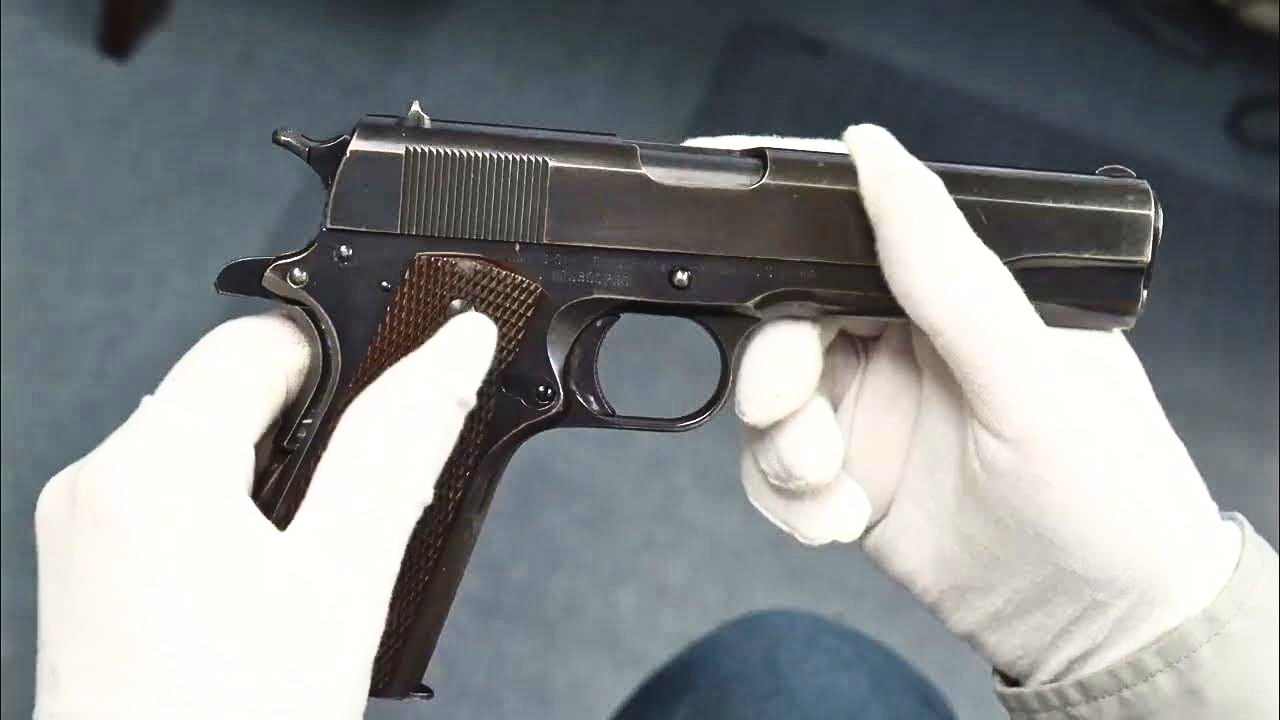
Colt M1911 (1918 “Black Army”)

A 1918 Colt M1911 from the so-called “Black Army” range pulls collectors because it’s tied to the closing stretch of World War I production and has a distinct look when original finish remains. Prices climb when the pistol shows correct roll marks, correct small parts, and an untouched finish that hasn’t been modernized. A refinish can erase the whole appeal, even if the gun looks cleaner afterward.
What drives the bigger numbers is provenance and correctness. A documented bring-back story, unit marks, or period accessories can push it into another bracket. Collectors also watch for correct barrels and correct grips, since those are commonly swapped over a century of use. The M1911 market is full of restored guns, so originality becomes the separator. When you find an honest example that hasn’t been “improved,” it gets expensive quickly.
Colt M1911A1 (WWII production)

A WWII Colt M1911A1 is collectible because it’s the American service pistol most people picture when they think “WWII sidearm.” Demand stays high, and prices rise when the pistol is correct to its production window—finish, markings, small parts, and inspector stamps. Collectors pay for pistols that haven’t been rebuilt with mixed parts, because arsenal rebuilds are common and easy to spot.
What really drives prices is condition plus documentation. A clean, original Colt with sharp markings and correct parkerizing can command a premium, especially if it includes correct magazines and a period holster. Bring-back paperwork adds serious credibility, and any direct tie to a veteran story can move bidding fast. The WWII 1911A1 world is also filled with “almost correct” guns, so buyers pay more for examples that don’t require excuses.
Singer M1911A1

Singer M1911A1 pistols are famous in the collector world because they’re legitimately rare and tied to a wartime contract that produced a very limited number of pistols compared to the big makers. That scarcity creates a price floor that most other military pistols never reach. The market is also full of fakes and altered guns, so authenticity and documentation are everything.
Prices climb when the pistol is verified, correct, and unmolested. Matching serial range, correct markings, correct finish, and correct parts are not optional in this category—buyers scrutinize every detail. Provenance matters more than almost any other pistol on this list, because a solid paper trail helps separate real examples from clever frauds. A Singer in original condition becomes a museum-grade piece, and the bidding reflects that. With Singer, you’re paying for rarity, verification, and the confidence that the gun is exactly what it claims to be.
Union Switch & Signal M1911A1

Union Switch & Signal M1911A1 pistols get expensive because the maker name itself is unusual in the handgun world. They’re a WWII production gun with a strong following, and collectors like having a service pistol made by a company better known for railroad equipment. That novelty, combined with legitimate military history, keeps demand strong.
The price drivers look familiar: correct finish, sharp markings, correct inspector stamps, and correct parts that haven’t been swapped during rebuild programs. Many US&S pistols were later mixed in arsenals, so a truly correct example brings more than a nice shooter-grade rebuild. Documentation helps, and original magazines and period holsters add value when they match the era. Because US&S pistols sit in a sweet spot—scarcer than many makers but still obtainable—collectors tend to bid hard when a clean, correct one shows up.
FN Browning Hi-Power (WWII occupation production)

WWII-era FN Browning Hi-Powers made under German occupation are collectible because they combine an iconic pistol design with complicated wartime history. Markings, acceptance stamps, and production details can place the gun in a specific period, and collectors pay for pistols that still show crisp proofs and original finish. Matching numbers matter, and so do correct internal parts and magazines.
Prices climb fast with correctness and scarcity. Certain marked variants, uncommon contracts, and condition outliers bring strong money, especially if the pistol hasn’t been refinished. Accessories help here too—original holsters, period magazines, and documentation can separate an ordinary Hi-Power from a serious collector piece. This is also a category where fakes and “enhanced” guns exist, so buyers pay premiums for examples that are clearly authentic. The wartime Hi-Power market rewards detail-oriented collectors.
Inglis Hi-Power (No. 2 Mk I*)
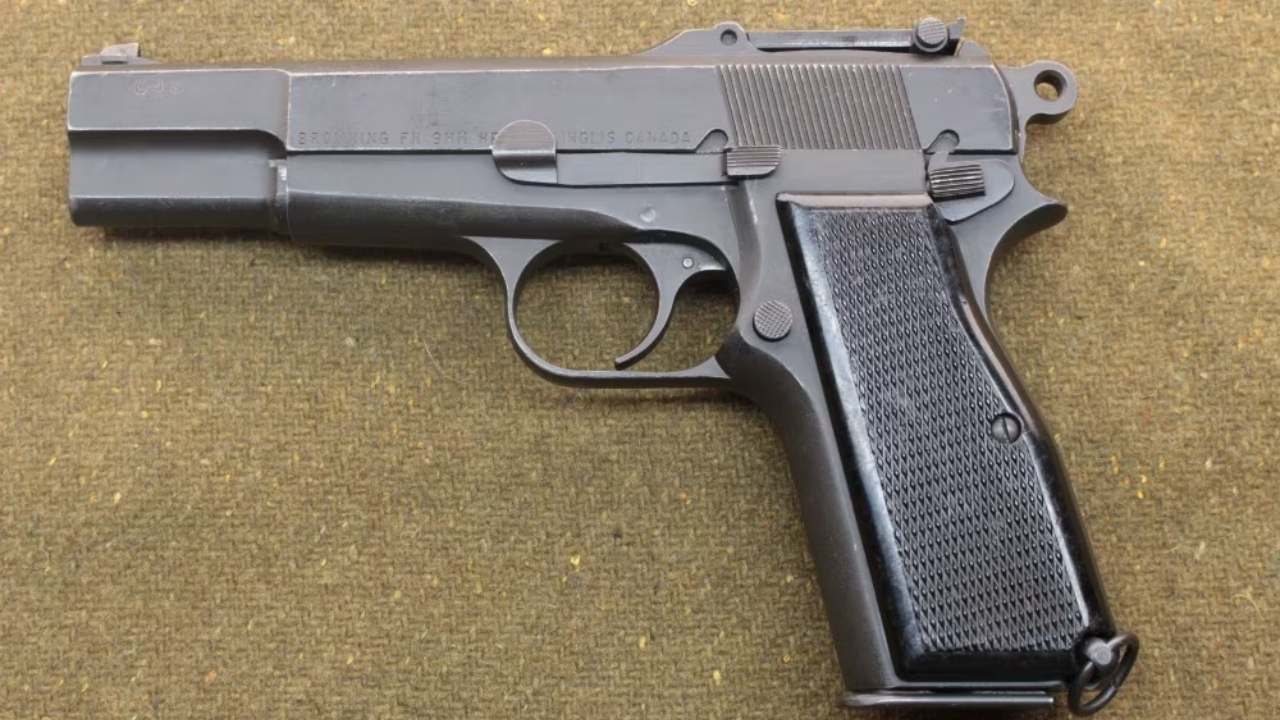
Canadian Inglis Hi-Powers are a collector favorite because they’re tied to WWII production and specific contract features. The No. 2 Mk I* variations, including pistols originally set up around stock-slot configurations on certain models, draw attention because they represent a specific military requirement and era. Prices rise when the pistol is correct for its markings, has strong original finish, and hasn’t been rebuilt into a parts mix.
Demand also spikes around complete, correct packages. Original magazines, correct holsters, and any contract-specific accessories matter to buyers who collect by country and service history. Markings clarity is a big deal, because worn or polished stamps reduce collector confidence. Inglis pistols also appeal because they’re historically important without being unreachable, so bidding can get competitive when a clean example appears. With Inglis, you’re paying for wartime provenance, correct configuration, and completeness.
SIG P210 (Swiss military pattern)

The Swiss SIG P210 is collectible because it’s built like a precision instrument and has genuine military service behind it. Prices climb when you’re looking at correct military-marked variants, strong original finish, and clean, unmolested examples. Swiss arms collectors care about matching numbers and original parts, and the P210 market reflects that.
What really drives P210 prices is condition and documentation. A well-kept example with correct markings, intact proofs, and original grips commands attention. Boxes, papers, and military acceptance markings can push value higher because they support authenticity and completeness. The P210 also attracts buyers who want both history and performance, which broadens demand. It’s not a “battlefield bring-back” type gun in the same way as wartime pistols, but it’s still a service sidearm with a reputation for quality that keeps prices strong across generations of collectors.
Tokarev TT-33 (Soviet production)

The Soviet TT-33 is collectible because it’s a straightforward military pistol tied to a huge historical footprint. Prices rise when you’re looking at authentic Soviet production with clear markings and correct parts, not mixed builds or scrubbed-refurb examples. The Tokarev world is filled with refurbs and reworks, so originality becomes the premium feature.
What pushes TT-33 prices up is clarity and correctness: crisp stampings, intact finish that hasn’t been heavily reworked, and correct magazines. Collectors also chase specific year ranges and arsenal marks, and they’ll pay more for examples that haven’t been force-matched. Accessories and documentation help, but the big value swing usually comes from whether the gun is a true, correct Soviet TT-33 or a heavily refurbished pistol with altered details. With Tokarevs, the market rewards the ones that still look like they came out of service, not out of a rebuild program.
Makarov PM (East German, Ernst Thälmann)

East German Makarov PM pistols bring higher collector interest because the fit, finish, and markings tend to be more refined than many other Cold War variants. Prices rise when the pistol has clear East German factory markings, strong original bluing, and correct magazines. Collectors pay for condition because these guns can look dramatically different depending on wear and storage.
What drives the market here is a mix of quality and scarcity. East German examples are not infinite, and demand stays high because people like having a “best-of” Makarov variant with real service pedigree. Original accessories—holster, spare magazine, cleaning rod—add value, especially when they match the pistol’s era. Import marks can influence collector appeal, and untouched examples with minimal import distraction usually sell higher. With East German Maks, the price is often a reflection of finish quality and how complete the package is.
Nambu Type 14

The Type 14 Nambu is collectible because it’s unmistakably Japanese, tied to WWII service, and full of detail that collectors learn to read. Prices climb based on arsenal markings, date codes, condition, and whether the pistol is correct and intact. Matching numbers and original parts matter, and finish originality is a major driver because refinishing can erase the pistol’s historical character.
The market also reacts to variation. Certain production periods and specific features can carry premiums, and bring-back documentation can move value substantially. A Type 14 with crisp markings, an original magazine, and a correct holster is far more attractive than a loose pistol with questionable parts. Collectors also watch for guns that were captured and later modified or repaired in ways that aren’t period-correct. With Nambus, it’s often the markings and the story behind the exact production date that turns a curiosity into a high-dollar collectible.
Nambu Type 94

The Type 94 Nambu is collectible because it’s rare compared to the Type 14 and carries a reputation for unusual design choices that collectors remember. Prices rise when the pistol is complete, original, and shows clear markings and correct parts. The Type 94 is often encountered with wear, mismatched components, or missing pieces, so clean examples naturally command stronger money.
What drives the top-end prices is correctness and documentation. Bring-back papers or a documented provenance can push a Type 94 into a serious collector bracket, especially when combined with original finish and a correct magazine. Because the pistol is less common, collectors also pay for verified authenticity and unaltered condition. This is another category where over-cleaning and refinishing can hurt value, even if the gun looks “better” to a casual eye. The Type 94 market rewards restraint and originality.
French MAS 1935A
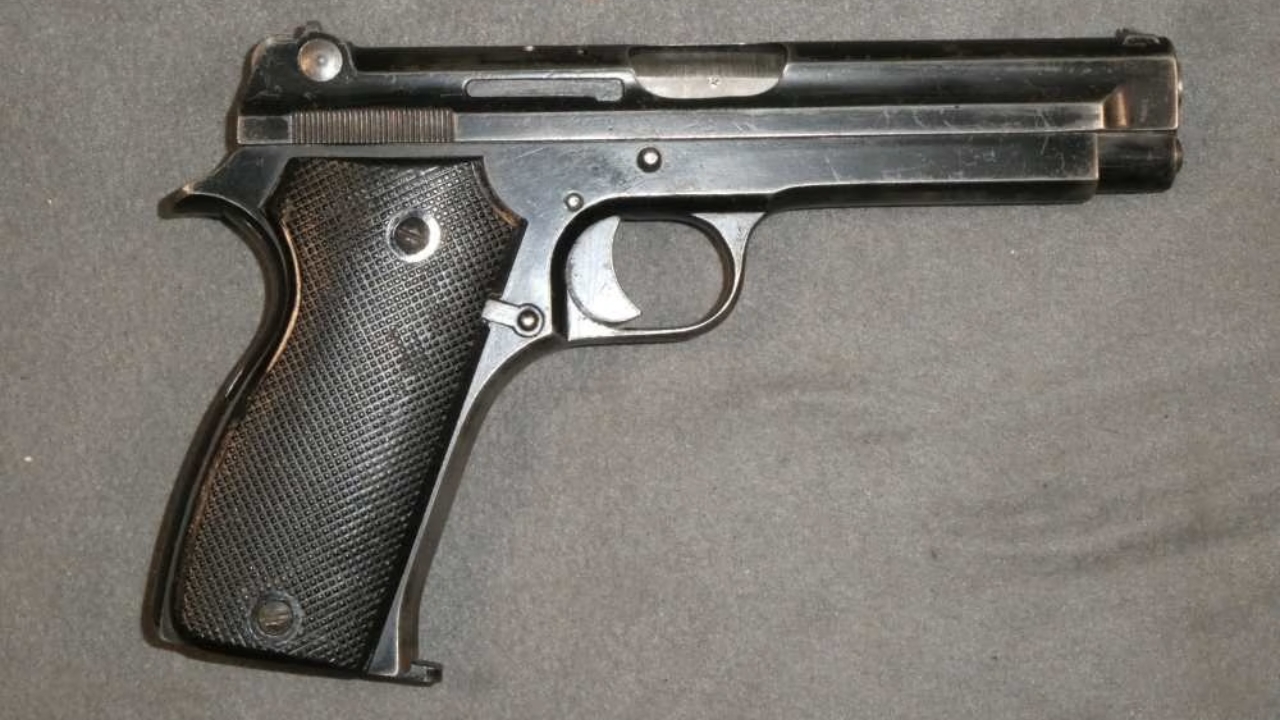
The MAS 1935A is collectible because it’s a real service pistol with distinct French military character and a smaller collector footprint than the big-name WWII pistols. Prices climb when the pistol is correct, with crisp markings, strong original finish, and matching serialized parts where applicable. Many examples show honest wear, so high-condition pistols stand out and draw bids.
What drives prices higher is the combination of scarcity and completeness. Correct magazines can be a factor, and original holsters and accessories add appeal because they’re less commonly found as complete sets. Collectors also look for intact proof marks and avoid pistols that have been refinished or heavily altered. The MAS 1935A isn’t always flashy, but that’s part of the appeal—you’re buying a legitimate military sidearm that serious collectors respect. When a clean, original one appears, it tends to sell quickly because supply is not endless.
Like The Avid Outdoorsman’s content? Subscribe to our newsletter so you never miss an article.
Here’s more from us: