Photo credit: PisutKP/Shutterstock.com
This isn’t about “this gun is trash.” This is about small carry guns living on tight margins. Full-power defensive loads—especially hotter loads, +P where applicable, or just heavy-for-caliber loads—can expose weak magazine springs, marginal extractor tension, short-slide timing, and shooter control issues. Some pistols run them fine but beat your hands up so badly you won’t train with them. Some run them until the gun gets hot, then they get weird. And some are simply pickier with certain bullet shapes at higher recoil impulse. These specific models show up a lot in “it runs practice ammo but acts up with my carry load” conversations.
Kahr PM9

The PM9 is a true micro 9 with a small, light slide and a design that wants the right recoil spring and a clean, properly lubricated system to stay happy. With many PM9s, standard pressure practice ammo runs fine, but when you move to hotter defensive loads, the gun can feel harsher and less forgiving, and timing issues can show up if springs are tired or magazines are worn. The other factor is grip—these little Kahrs can be sensitive to how consistently you hold them, and full-power loads magnify every inconsistency. That becomes “this ammo doesn’t work” when it’s sometimes “this gun needs fresh springs and consistent technique.” The PM9 can be a great carry gun, but it’s not a “throw anything in it and hammer 300 rounds” pistol. With full-power loads, it asks you to keep it maintained and to confirm reliability with your mags and your specific load.
Kahr PM40

PM40s have a reputation for being snappy and less forgiving than their 9mm counterparts, and full-power .40 defensive loads can be brutal in a tiny platform. That brutality isn’t just discomfort—it can lead to shooters getting inconsistent grip, which can cause stoppages that look like ammo issues. It also accelerates wear and spring fatigue if you’re running it hard. Many people buy a micro .40 thinking it’s the perfect balance, then realize the gun punishes them and demands more maintenance discipline than they expected. If you’ve got a PM40 that runs practice okay but gets weird with carry loads, look at magazine condition, recoil spring life, and your grip. If you can’t keep a consistent, locked-in hold under the hotter loads, the gun will punish you with reliability drama. That’s why a lot of experienced carriers stick to 9mm in this size class.
Kel-Tec PF-9

PF-9s are light, thin, and built to be carried more than they’re built to be shot all day. Full-power defensive loads in a PF-9 can make the gun feel like it’s trying to jump out of your hands, and that increases the chance of grip-induced malfunctions and inconsistent cycling. The PF-9 can also be picky about certain bullet profiles, and hotter loads can exaggerate that because slide velocity and recoil impulse change the timing. Some PF-9s run fine. Some are temperamental. The reason they make this list is the pattern: people practice with softer ball ammo, then load a stout JHP and suddenly the gun feels harsher, groups open up, and reliability confidence drops. If you carry a PF-9, you need to validate your exact defensive load with your exact magazines, and you need to accept that it’s a minimalist platform.
Diamondback DB9

The DB9 is one of those micro 9s that can be fine with certain ammo and then get finicky with hotter defensive loads, especially if the gun is dirty or the shooter’s grip is inconsistent. The platform is extremely small, and extremely small guns don’t have much extra margin. Full-power loads can drive the slide harder, and if magazine springs are borderline or the feed geometry doesn’t love your hollow point, you’ll see nose-dives or odd feeding behavior. Another reality is that some DB9 owners simply don’t enjoy shooting defensive ammo in it, so they don’t train with the actual load they carry. Then the first time they run it, they’re surprised by how sharp the recoil is and how different it feels. That’s where confidence dies. If your carry gun “hates” your carry load, you either change the load to one it feeds reliably, or you change the gun.
Ruger EC9s

The EC9s is generally solid, but it’s also a budget carry pistol that a lot of people run with minimal maintenance and bargain magazines. When you introduce full-power defensive loads, weak magazine springs and inconsistent grip show up faster. The gun can feel noticeably snappier with hotter loads, which leads to shooters changing grip pressure mid-string, and then they start getting failures that they swear are ammo issues. Many times it’s the shooter and the mag stack-up. The EC9s also tends to be carried a lot and cleaned less than it should be, and full-power loads are less forgiving of a dirty gun than soft range ammo. If you want it to be boring with defensive loads, keep it clean, don’t cheap out on mags, and actually shoot a meaningful test amount of your carry load before trusting it.
SCCY CPX-2

SCCY pistols often live in the “cheap and carried” category, and that means they frequently get the worst combination: lots of pocket lint, minimal cleaning, and then a hot defensive load when it counts. Full-power defensive ammo can expose magazine presentation issues and inconsistent cycling in guns that are already operating with less refinement in the system. The other factor is trigger and shooter input. With a heavier trigger and a small, light gun, shooters tend to clamp harder and move the gun more under recoil, which can induce malfunctions that disappear with softer ammo. If your CPX-2 runs ball all day and then gets weird on your carry load, don’t do mental gymnastics. Prove it. Run multiple magazines of your defensive load with clean mags and a clean gun. If it won’t do it, pick a load it likes or pick a gun that doesn’t live on the edge.
Springfield XD-S 9mm
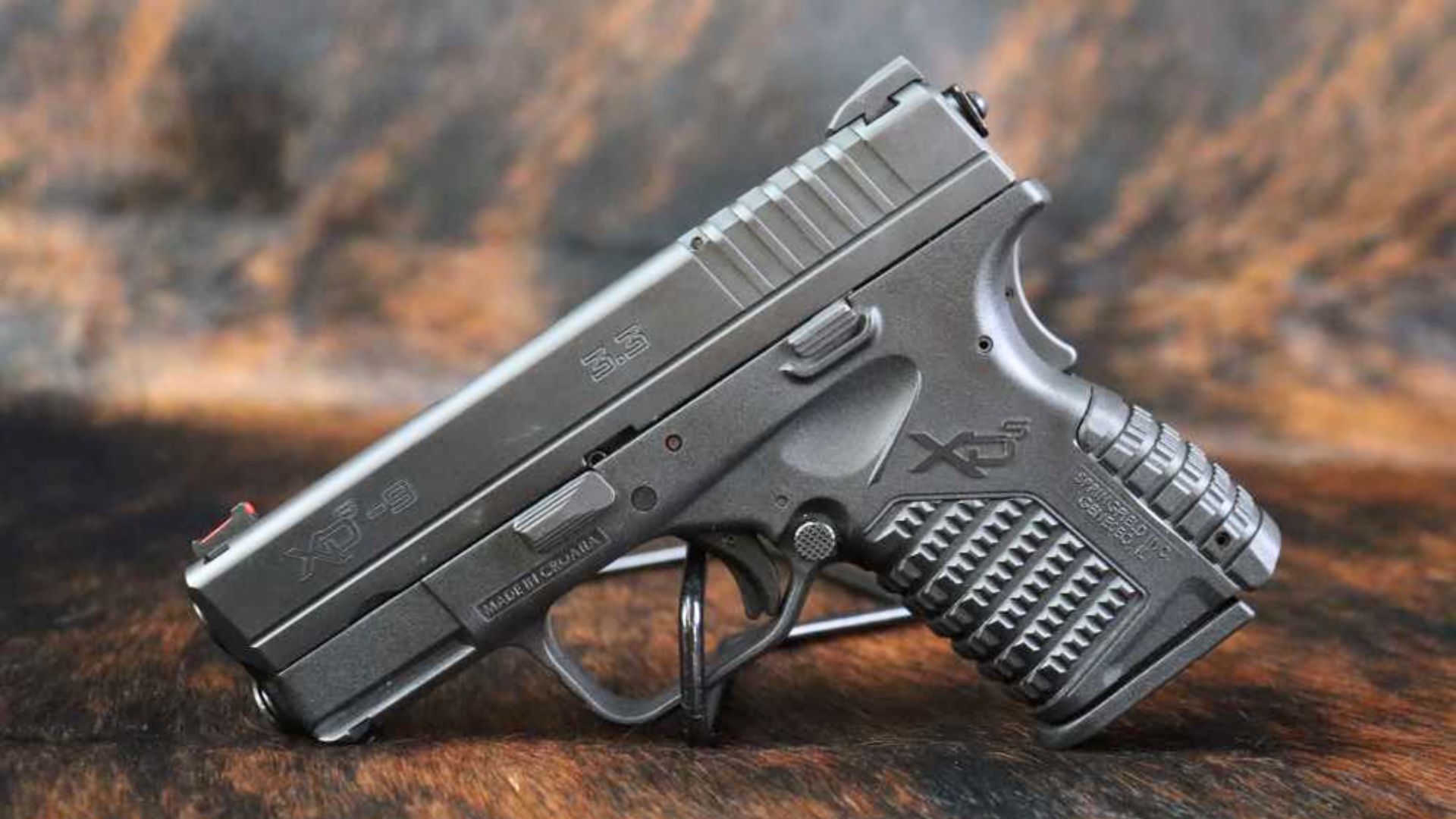
The XD-S is a slim carry gun that many people like, but full-power defensive loads can make it feel harsh enough that some shooters start changing their grip subconsciously. That’s where you see failures that don’t show up with soft practice ammo. The XD-S can also be sensitive to maintenance and lubrication condition as round counts stack up. Hotter loads increase slide velocity and recoil energy, and if springs are tired or the gun is dry, you can get inconsistent behavior. The reason it belongs here is not because it can’t run defensive ammo. It’s because it’s one of those slim pistols where the difference between “pleasant practice” and “full-power carry” is big enough that many owners never truly validate the gun with their carry ammo. Then they assume it’s fine. Validate it, keep springs fresh, and don’t judge it off one magazine.
Walther PPS M2

The PPS M2 is a good pistol, but it’s also a slim single-stack-ish platform where full-power loads can feel significantly sharper than what most people practice with. That matters because grip consistency matters. If the shooter starts loosening their support hand under recoil or the gun starts shifting, you can get odd behavior that looks like ammo sensitivity. The PPS also tends to be carried a lot, and carry guns get contaminated. Sweat and lint in mags plus a hotter load is a common combo for last-round or feed presentation problems. If your PPS is “fine” in winter practice and then “weird” in summer carry ammo tests, you’re probably seeing the effects of contamination, spring life, and grip. The PPS is capable, but small guns require real validation with carry loads, not wishful thinking.
SIG P365 (standard grip module, short grip)

The P365 is very capable, but in its smallest grip configuration, full-power defensive loads can push some shooters into grip inconsistency. That’s where problems start. The gun itself usually runs, but if your hands are large or you’re squeezing hard and riding controls, hotter loads make those mistakes show up faster. Another issue is magazine condition and cleanliness. P365 mags are good, but any carry mag that lives in sweat and lint can get sluggish. Hotter ammo increases the demand on the feed system. The reason the P365 makes this list is because people assume “it’s a modern wonder gun” and skip validation with their actual carry load. Then they find out the gun is snappier than their practice setup, and their confidence takes a hit. If you want it to be boring, shoot it with the exact defensive ammo you carry, with your carry mags, after it’s been carried.
Ruger LCR .357

Lightweight revolvers are the kings of “hates full-power loads,” and the LCR in .357 is a perfect example. Full-power .357 defensive loads are not fun in a light gun, and that’s not just discomfort. It changes how people shoot. They flinch. They lose grip. They start dreading practice. The end result is they carry ammo they don’t truly train with. Some loads can also cause bullet pull issues in lightweight revolvers if you’re running heavy recoil repeatedly, and that can create reliability concerns. The LCR is a great carry revolver, but most experienced carriers end up running .38 +P in the .357 gun because it’s controllable enough to practice and accurate enough to place shots. If your revolver makes you hate practice, it’s not helping you.
S&W 340PD
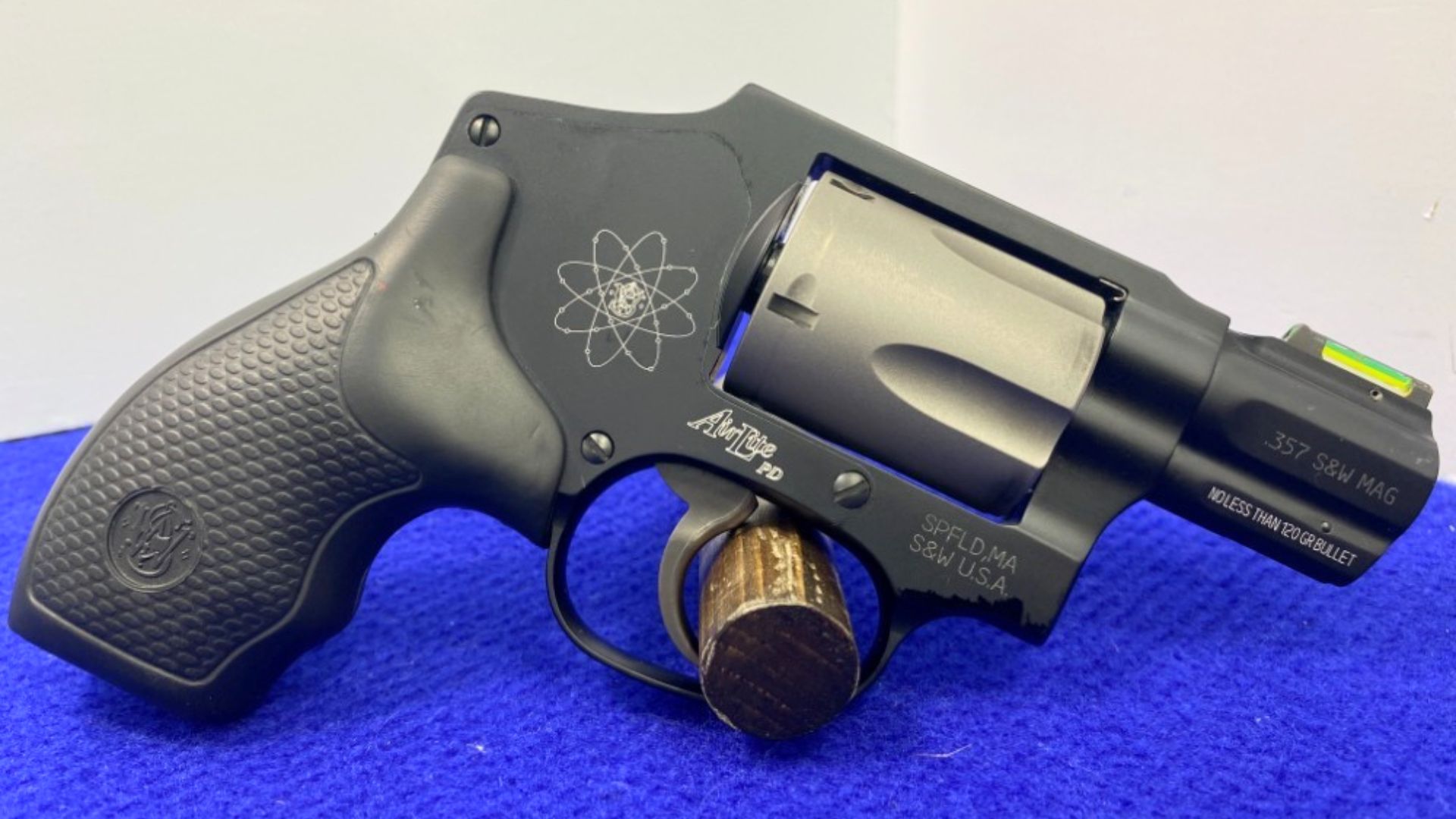
The 340PD is an absolute beast for carry weight, but full-power .357 loads in it are punishing. That punishment leads to poor training habits, and poor training habits lead to missed shots when it matters. This gun “hates” full-power loads in the most practical way possible: it makes most people not want to shoot it. If you’re honest, you’ll admit that matters more than whether the gun technically functions. Also, extremely light revolvers can be more sensitive to bullet pull and to shooter control issues under recoil, especially across multiple cylinders of hot ammo. The 340PD is a legitimate tool if you understand what it is. Most people are better served carrying .38 +P loads they can actually shoot well, or stepping up to a slightly heavier revolver that makes practice realistic.
SIG P938

The P938 is a micro 9 with a short grip and a small, fast system. Full-power defensive loads can make it snappy enough that grip inconsistencies show up, and when they do, the shooter blames the ammo. The P938 can run great, but it’s not as forgiving as a compact when you start pushing hotter loads through a tiny frame. Also, many P938s are bought as “nice little carry guns” and then not shot in volume. That’s how you end up carrying a load you’ve only tested for one box. If your P938 feels fine with ball and then gets weird with a particular JHP profile, don’t assume it’ll “wear in.” Validate it, try a different defensive load with a proven feeding profile, and make sure your magazines are in good shape. Tiny 1911-ish guns can be fantastic, but they’re not magic.
Kimber Micro 9

The Micro 9 is another small platform where hot defensive ammo can turn it into a handful. When people say a gun “hates” full-power loads, sometimes they mean it’s unreliable, and sometimes they mean it punishes the shooter so badly that performance falls apart. The Micro 9 can do both depending on the specific gun and ammo. Short grip, short slide, and light weight means recoil feels sharper and follow-up shots become harder. If your carry load has a steep hollow point profile or runs on the hotter side, any marginal magazine issue gets exposed faster. The Micro 9 also attracts buyers who like the style and size, not necessarily buyers who are committed to shooting hundreds of rounds. That’s where confidence gaps form. With these guns, you don’t guess. You test.
Taurus PT709 Slim

The PT709 Slim is a classic “carry a lot, shoot a little” pistol. With full-power defensive ammo, you often see two issues: recoil makes the gun harder to control than people expected, and bullet profile sensitivity can show up depending on magazines and feed ramp condition. If the gun is carried in sweaty conditions and not cleaned, full-power ammo is less forgiving than soft range ball. People think their pistol “suddenly started malfunctioning,” when the gun has been living a hard carry life and then got asked to run a hotter load. Some examples run great. Some don’t. The reason it’s here is the pattern of owners learning the difference between “works on range ammo” and “works on carry ammo.” If your gun only likes one type of ammo, you either carry that ammo or you carry a different gun.
Beretta Nano

The Nano is compact and generally robust, but it can be unpleasant with hotter loads and that can lead to shooter-induced inconsistency. It’s also a model where some owners have found it pickier with certain defensive bullet shapes compared to ball. When you move from practice ammo to a full-power JHP that has a different profile and different recoil impulse, you can see feed behavior change, especially if magazines are dirty or springs are tired. The Nano can be a good carry gun, but it’s not the kind of pistol I’d trust without a real carry-ammo test. “A magazine or two” isn’t a test. If your Nano is going to be your daily gun, it needs to run your chosen defensive load reliably when the gun is warm, when it’s a little dirty, and when you’re shooting it fast.
Rohrbaugh R9
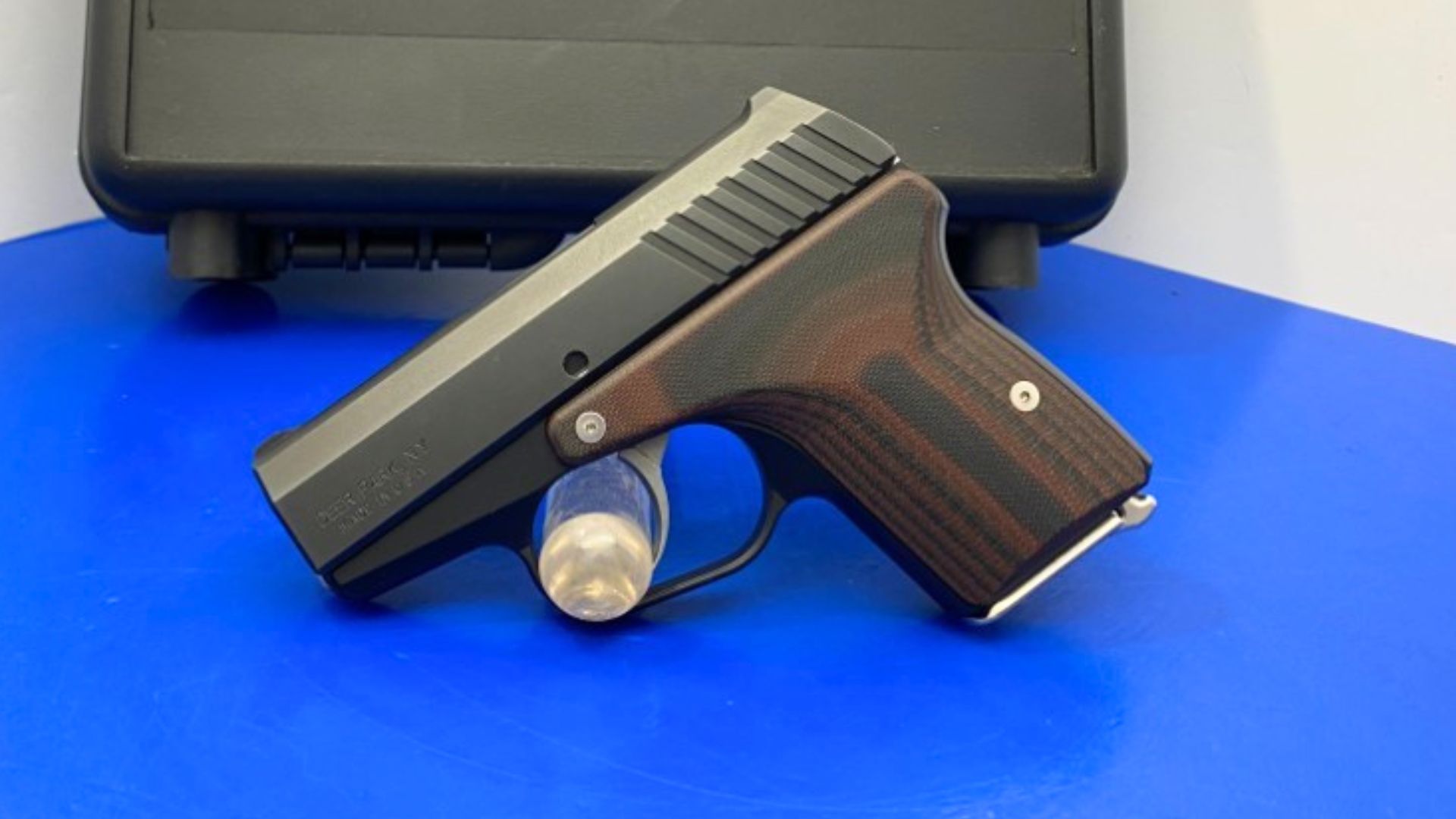
The R9 is a serious micro 9 that was designed with a specific intent, and it’s one of the best examples of why “full-power” isn’t always the right move. Some micro 9 platforms are simply not meant to live on a steady diet of hotter loads, and they can demand more careful ammo selection and maintenance. When people ignore that and run the hottest defensive ammo they can find, they end up with a gun that’s unpleasant, harder to control, and more likely to show timing sensitivity. The R9 can be a great carry piece if you respect what it is: a deep concealment pistol, not a high-volume trainer. If you want a carry gun that loves hot ammo and loves high round counts, you usually step up in size and mass.
Like The Avid Outdoorsman’s content? Subscribe to our newsletter so you never miss an article.
Here’s more from us: