Photo credit: Kennard Lang/YouTube
Some guns get expensive the honest way. They were rare from the start, beautifully built, or tied to a famous military contract. Everybody knew they mattered, and the price reflected it early. That kind of value jump is easy to understand.
The more painful ones are the guns nobody cared about when they were sitting in used cases for normal money. They looked odd, felt outdated, came from the wrong brand, or filled a role shooters had not started chasing yet. Then the market changed. Collectors noticed them, owners started talking, clean examples dried up, and suddenly the gun people ignored became the one they wish they had bought cheap.
Remington Model 673

The Remington Model 673 looked strange enough that a lot of hunters never gave it a fair shot. The vent-rib barrel, throwback Model 600 styling, and oddball chamberings made it feel like a rifle built for a very specific crowd. When they were new, plenty of people walked past them without much thought.
That same oddness is why they became interesting later. The 673 was short, handy, and different in a market full of ordinary bolt guns. Chamberings like .350 Remington Magnum gave it a thumper personality that hunters either loved or ignored. Once people realized Remington probably wasn’t going to keep making rifles like that, clean examples started looking a lot less goofy and a lot more collectible.
Ruger No. 3
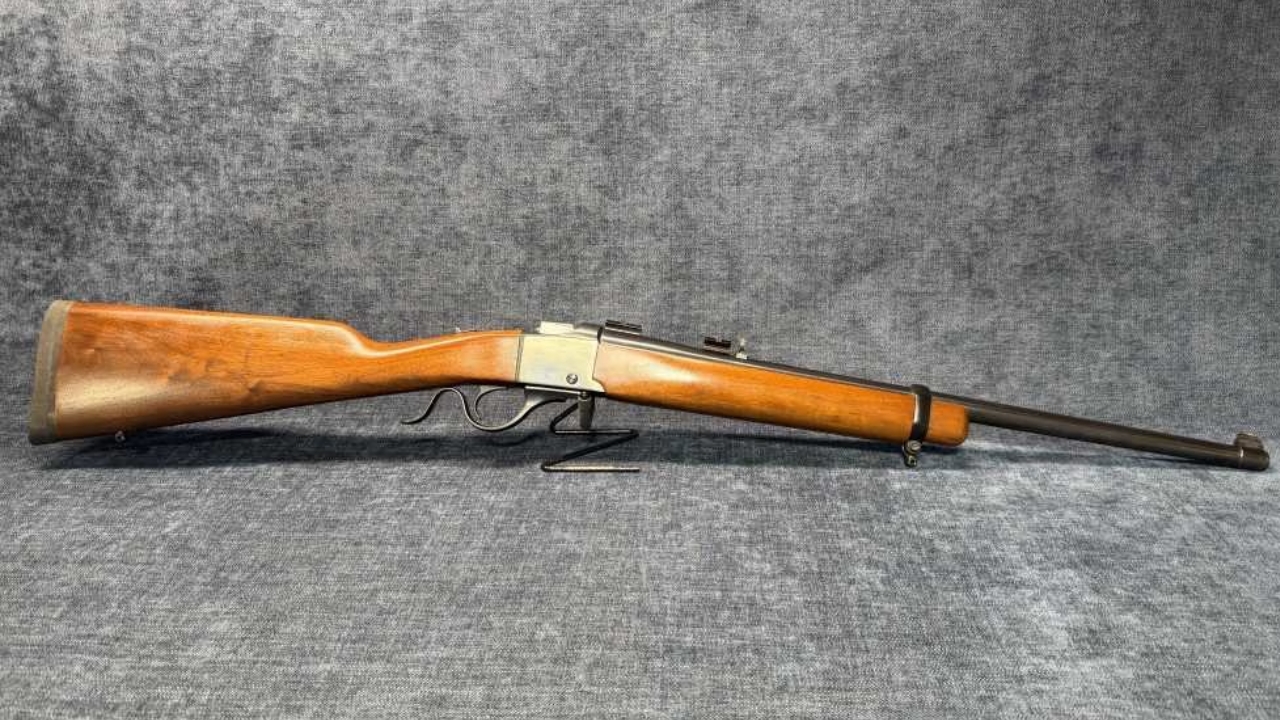
The Ruger No. 3 was always the plainer sibling to the Ruger No. 1. It lacked the same graceful stock lines and fancy feel, so many shooters treated it like the cheaper single-shot. For a long time, that made it easier to overlook, especially for buyers who wanted something more polished.
Now that plainness has its own appeal. The No. 3 is strong, compact, and chambered in some genuinely interesting cartridges. It feels like a working single-shot instead of a display rifle, and that makes it stand apart. Once shooters started chasing discontinued Ruger single-shots, the No. 3 stopped being the ignored little brother. People who passed on them when prices were reasonable probably wish they had looked closer.
Marlin 1895M
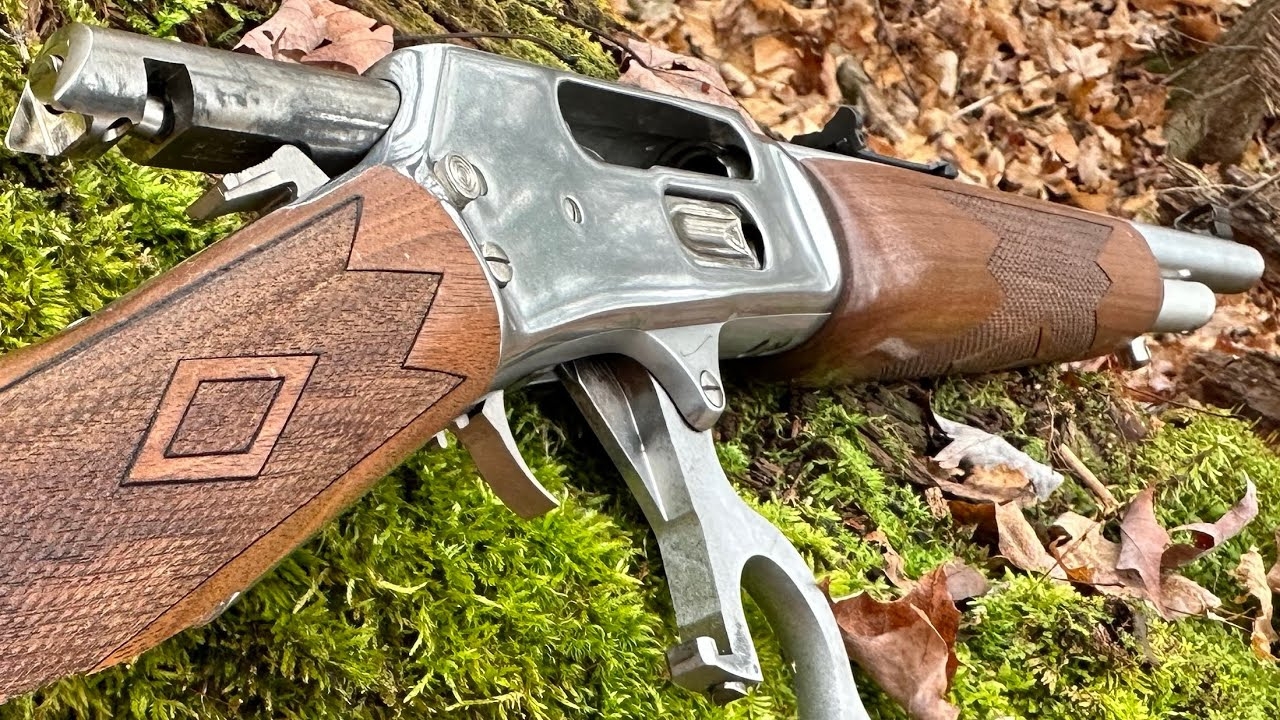
The Marlin 1895M in .450 Marlin was not exactly a mainstream rifle when it appeared. The cartridge itself never became a household name, and a lot of hunters were already comfortable with .45-70 if they wanted a big-bore lever gun. That made the .450 Marlin version easy to dismiss.
Later, that short production window started working in its favor. The 1895M had power, attitude, and scarcity on its side. It appealed to hunters who wanted something harder-hitting and different from the usual lever-action choices. Even if the cartridge stayed niche, the rifle became more desirable because there simply were not endless clean examples floating around. What once seemed like an odd chambering became the whole reason people started chasing it.
Winchester Model 100

The Winchester Model 100 used to sit in that awkward space where it wasn’t a classic lever gun and wasn’t a bolt-action deer rifle. A semi-auto hunting rifle with traditional lines sounded useful, but it never got the same emotional respect as Winchester’s more famous designs. A lot of them were treated like ordinary old deer rifles.
That changed once shooters started appreciating mid-century sporting rifles more seriously. The Model 100 had style, history, and a role that modern rifles don’t quite duplicate. It also pairs in memory with the Model 88, which helped pull attention back toward Winchester’s less conventional hunting guns. Clean examples, especially in desirable chamberings, do not feel like cheap leftovers anymore. They became the kind of rifles people wish they had bought before nostalgia got expensive.
Colt Mustang Plus II
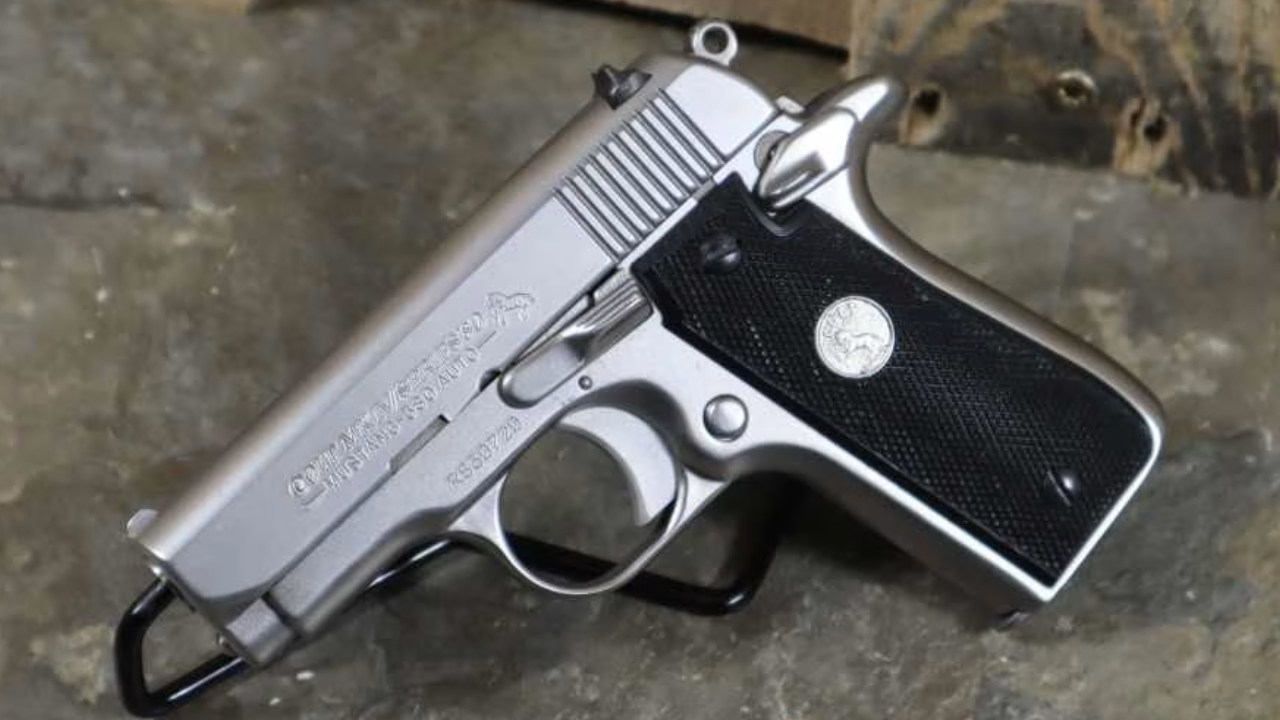
The Colt Mustang Plus II was easy to ignore when pocket pistols were changing fast. It was a small .380 with a longer grip than the standard Mustang, and it lived in a market that eventually shifted toward tiny polymer guns and micro 9mms. For a while, it just felt like another little Colt that wasn’t a 1911.
Now older Colt pocket pistols carry more pull. The Mustang Plus II has the Colt name, a compact carry role, and enough unusual detail to make collectors pay attention. It is not the most practical defensive pistol by modern standards, but that is not always what drives price. Once clean small Colts started getting harder to casually replace, the Plus II stopped looking like a forgotten pocket gun.
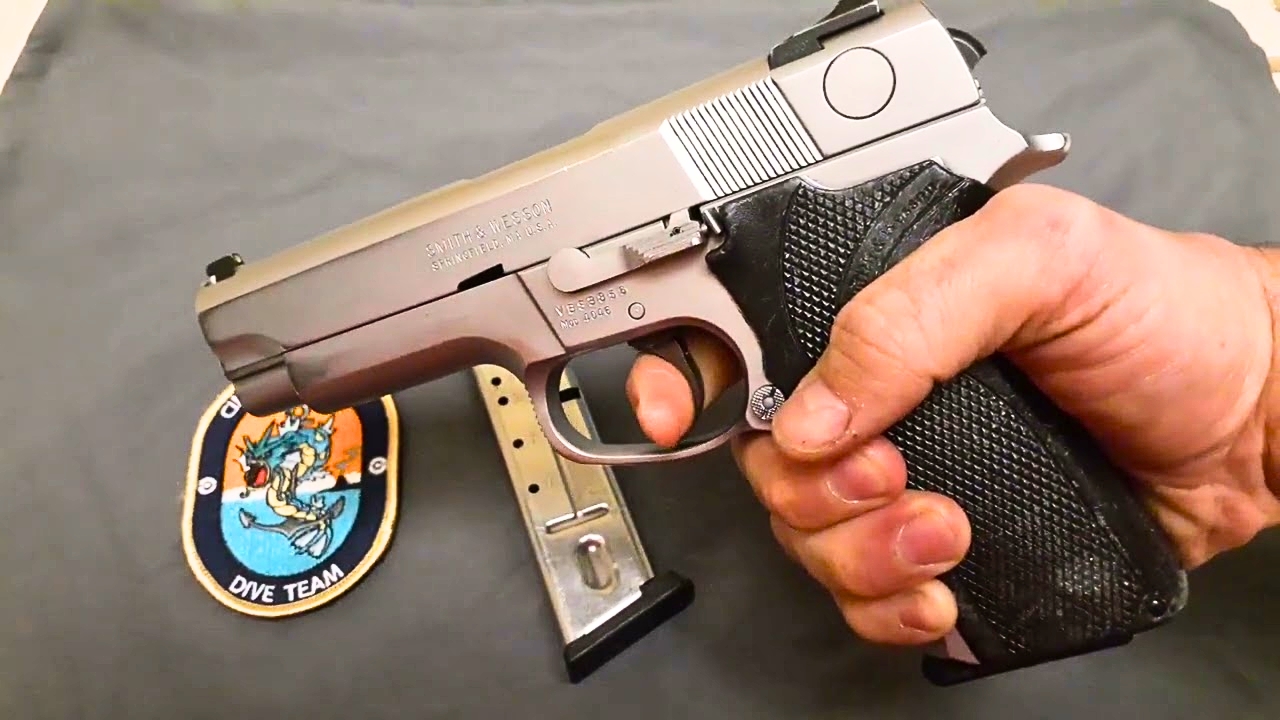
Smith & Wesson 4046
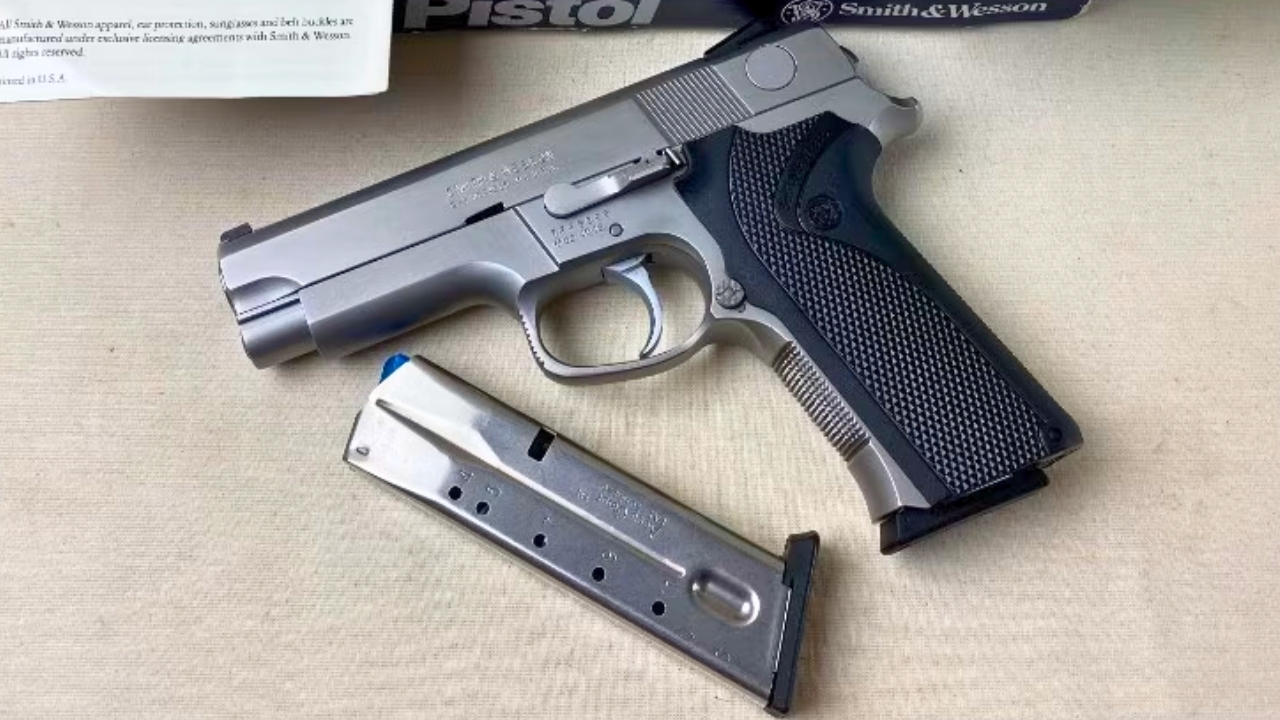
The Smith & Wesson 4046 was once the definition of a heavy police trade-in. Stainless, double-action-only, chambered in .40 S&W, and built for duty use, it did not exactly scream collector piece. When .40 pistols fell out of favor, guns like this seemed even easier to overlook.
That is why they were interesting. The 4046 was rugged, smooth-shooting for the caliber, and tied to the era when departments were all-in on .40. As older Smith autos gained respect, even the less glamorous models started getting second looks. The 4046 may never have the broad pull of a 9mm third-gen Smith, but clean examples became more appreciated once shooters realized these heavy duty pistols were not coming back.
Browning A-Bolt Micro Hunter
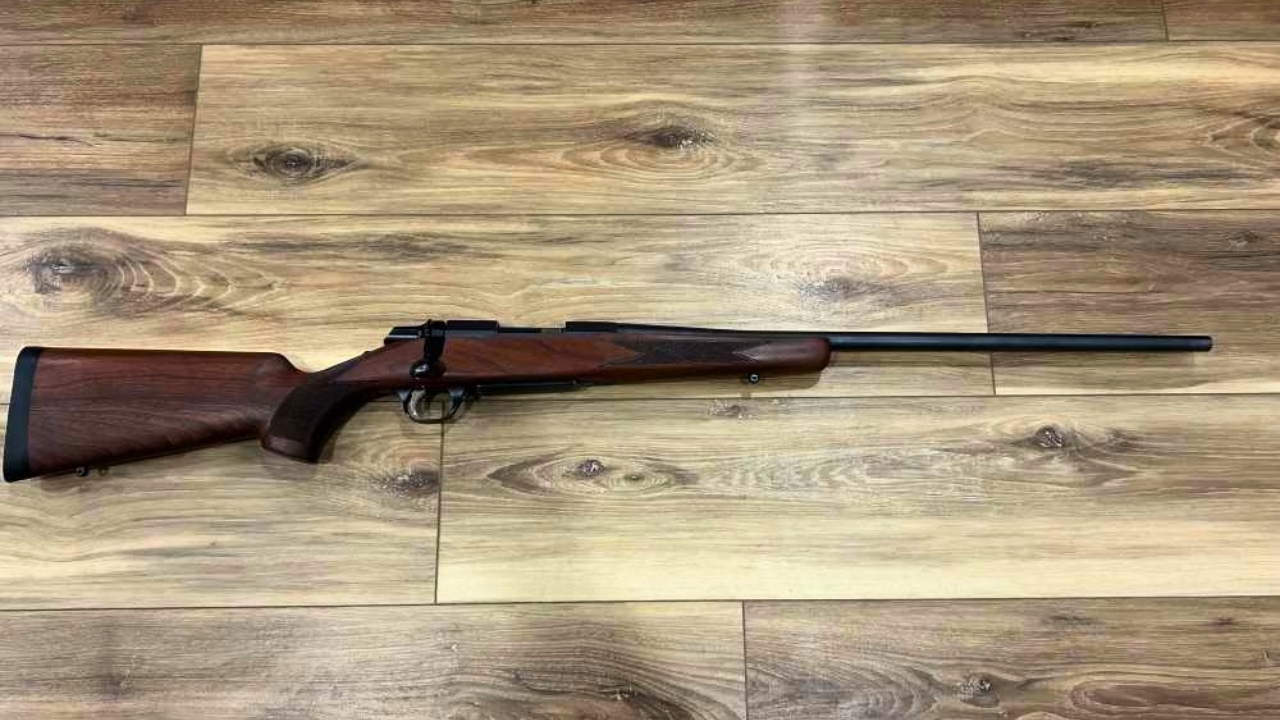
The Browning A-Bolt Micro Hunter did not always get treated like a future collectible. It was a compact hunting rifle, and compact rifles often get dismissed as youth guns or niche tools. Some hunters saw the shorter length and smaller stock and assumed it was not something they needed to buy unless they had a specific use.
That changed once people started looking for handy, well-made bolt guns. The A-Bolt Micro Hunter had Browning quality, smooth handling, and a size that made sense in thick cover or smaller-framed hands. It was not just a cut-down rifle. It was a useful little hunting gun with charm. Once Browning moved on from the A-Bolt era, these became harder to find in nice shape, and the old casual attitude disappeared.
Remington 760 Gamemaster

The Remington 760 Gamemaster was just a normal pump deer rifle in a lot of regions for a long time. In places where woods hunters liked fast follow-up shots, they were everywhere. Because they were common working rifles, many owners did not treat them like something that would become expensive later.
Now clean examples have more demand than a lot of people expected. The 760 carries nostalgia, practical woods-rifle handling, and that old Remington feel hunters still miss. It points fast, cycles quickly, and offers a different rhythm than a bolt gun. The carbine versions and desirable chamberings can especially get attention. What used to be a regular deer-camp rifle became a reminder that ordinary working guns can become hard to replace.
Browning Double Auto
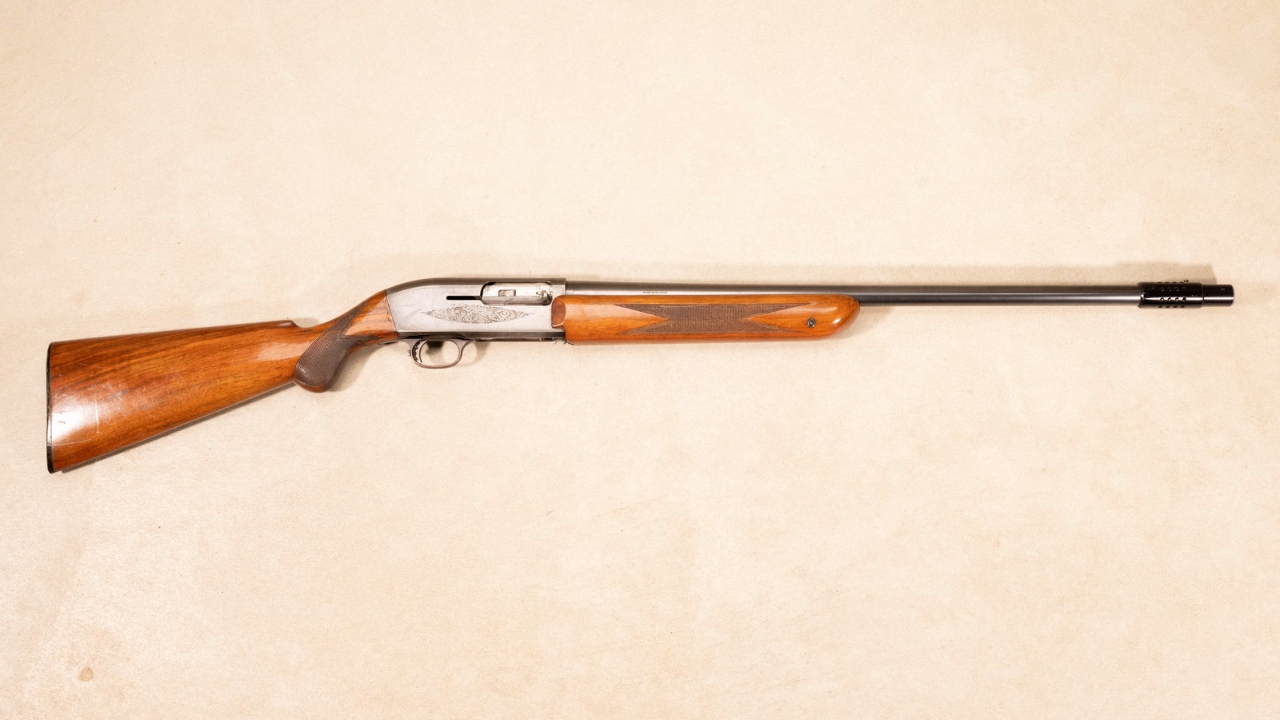
The Browning Double Auto was always a little odd. It was not an Auto-5, not a pump, and not a typical semi-auto in the way most hunters thought about shotguns. With only two shots and unusual styling, it was easy for many buyers to pass over when more conventional choices were available.
That uniqueness aged well. The Double Auto is light, quick-handling, and full of old Browning personality. It was especially appealing to upland hunters who cared about carry weight and balance more than magazine capacity. Once shooters started appreciating unusual Browning designs, the Double Auto gained a following it didn’t always have. Clean examples went from overlooked oddities to shotguns people actually seek out.
Ruger 96/44
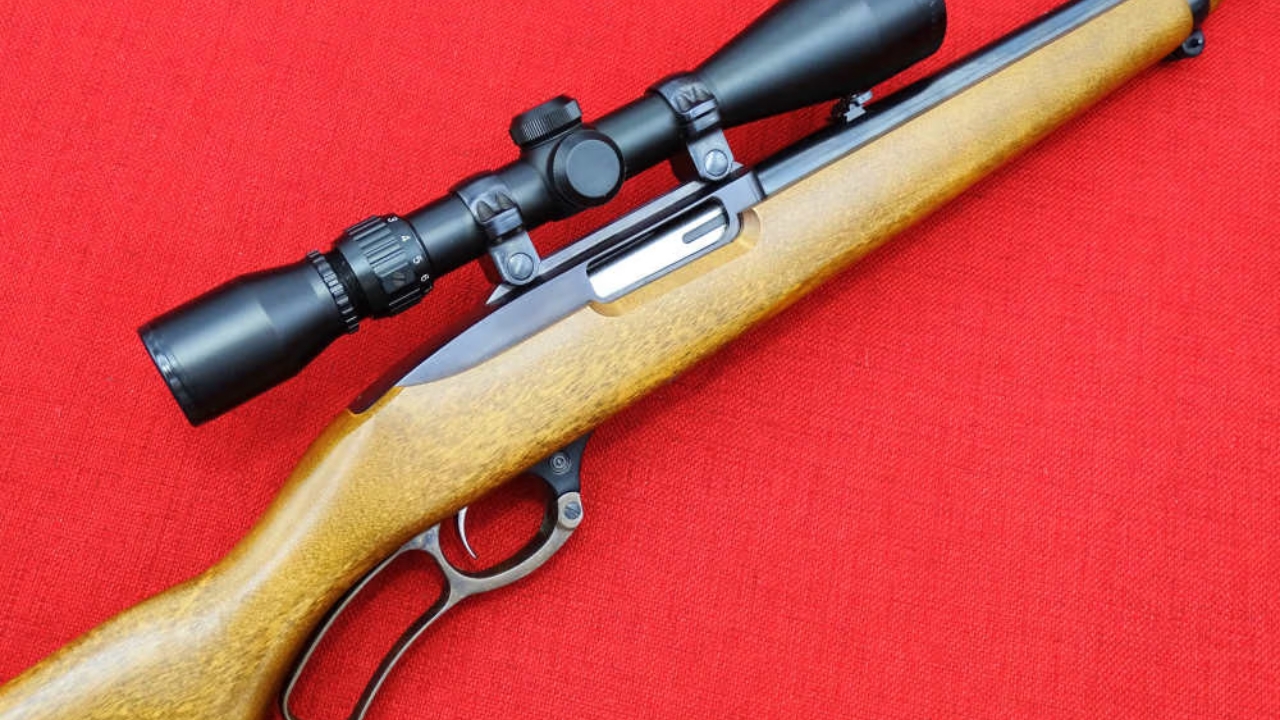
The Ruger 96/44 was never as common or as celebrated as Ruger’s more familiar lever and semi-auto designs. A lever-action .44 Magnum with a rotary magazine sounded useful, but it looked different from traditional lever guns and did not carry the old West romance that sells rifles fast.
That odd setup became the attraction later. The 96/44 was compact, handy, and useful for close-range deer, hogs, and woods carry. It also had Ruger’s practical personality, which made it appealing to shooters who wanted something different but still usable. Because it was discontinued and never flooded the market, prices started reflecting scarcity. People who ignored them when they seemed strange now have to pay for that hesitation.
Beretta Nano

The Beretta Nano did not get a lot of love when micro 9mms started moving fast. It was smooth-sided and snag-free, but the trigger, grip feel, and unusual styling kept it from becoming a favorite. Many shooters moved on to more popular small pistols without giving the Nano much thought.
The funny thing is that discontinued carry guns from major brands often become more interesting with time. The Nano has Beretta’s name, a distinct design, and a place in the early single-stack 9mm era. It may not have become the carry pistol everyone wanted, but clean examples are not as invisible as they once were. Some guns become expensive not because everyone loves them, but because enough people realize they are part of a short-lived chapter.
H&R Handi-Rifle

The H&R Handi-Rifle used to be one of the easiest guns to underestimate. It was simple, affordable, and plain. A break-action single-shot rifle did not look like something that would ever make people regret passing on it, especially when bolt guns with repeat shots were sitting nearby.
Then H&R stopped being the easy answer. Suddenly, hunters who wanted a cheap, simple, reliable single-shot had fewer options. The Handi-Rifle had been useful all along for young hunters, farm use, straight-wall deer states, and people who liked uncomplicated rifles. It also came in a wide range of chamberings that now make certain versions especially desirable. The gun nobody bragged about became a lot harder to replace once it was gone.
Remington 541-T
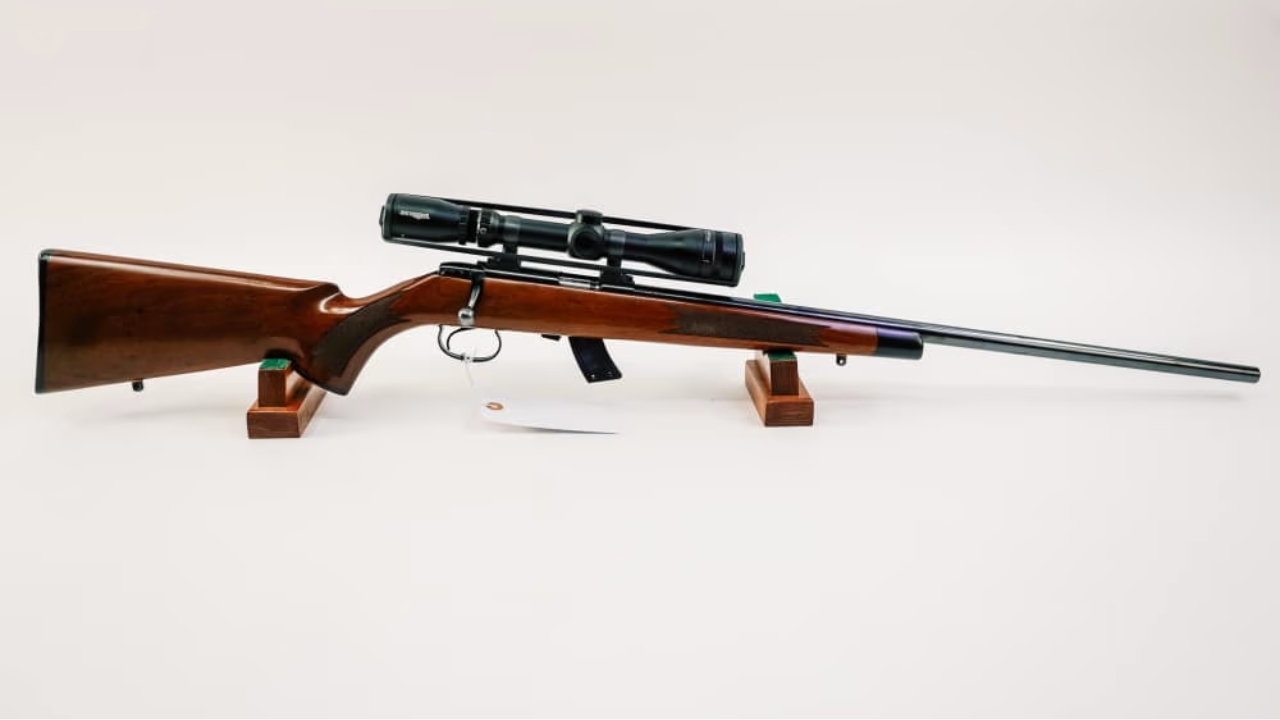
The Remington 541-T was once just a nice bolt-action .22 to a lot of shooters. It had better quality than basic rimfires, but it still lived in that category people often treat casually. Many owners saw rimfires as training guns or small-game rifles, not firearms that would eventually climb into serious money.
That view changed as older high-quality rimfires became harder to find. The 541-T had accuracy, clean lines, and a grown-up rifle feel that many modern .22s lack. It made sense for target work, small game, and anyone who appreciated a rimfire that felt serious. Once people started chasing older Remington rimfires again, the 541-T stopped being just another .22. It became one of those rifles people wish they had bought when nobody was paying attention.
Dan Wesson 15-2

The Dan Wesson 15-2 spent years living outside the Smith & Wesson and Colt spotlight. The interchangeable barrel system was clever, but it also made the revolver seem different enough that some traditionalists did not fully embrace it. For a while, many shooters treated Dan Wesson revolvers like a good deal rather than a must-have.
That deal eventually got noticed. The 15-2 was accurate, strong, and flexible in a way most revolvers were not. Being able to swap barrel lengths gave owners a lot of options without buying multiple guns. As revolver fans started appreciating the design more, clean examples and complete pistol packs became much more desirable. The gun people once walked past became one of the smartest revolver buys in hindsight.
Winchester 1300 Black Shadow
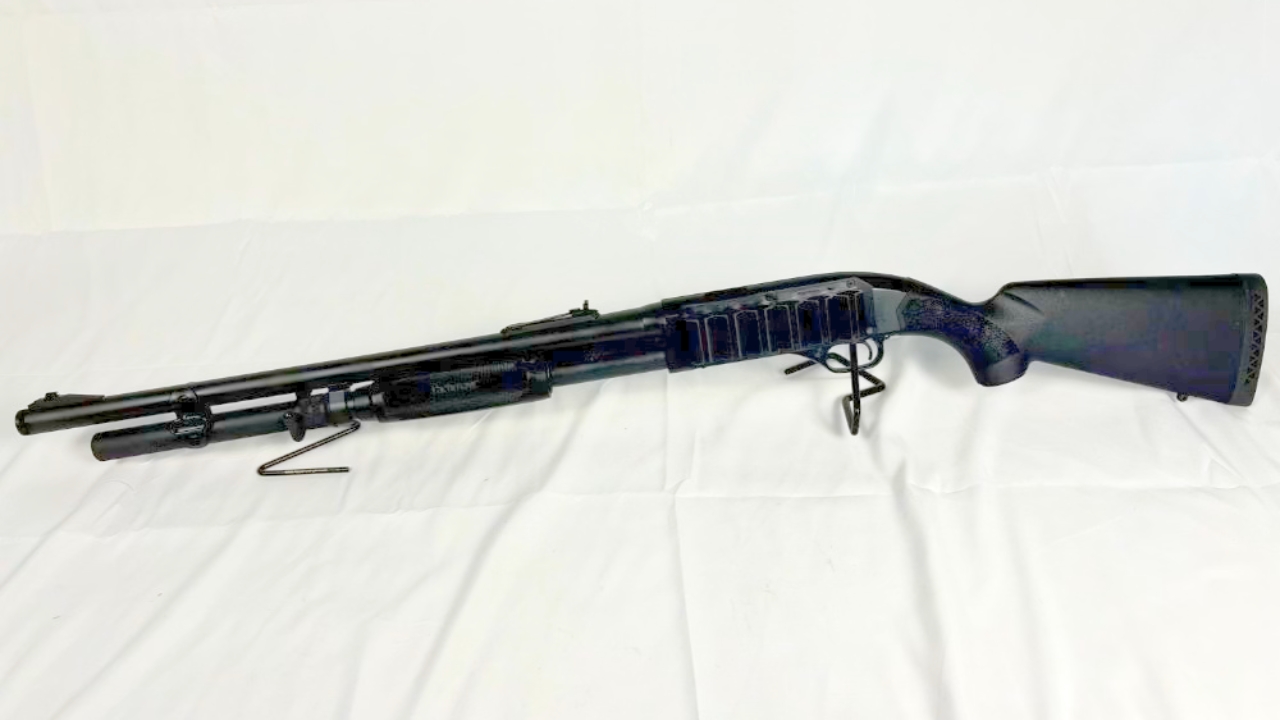
The Winchester 1300 Black Shadow was not the shotgun people usually put on a pedestal. It was a practical pump gun with synthetic furniture and a working-gun attitude. Because the Remington 870 and Mossberg 500 dominated so much of the pump shotgun conversation, the 1300 often got treated like a secondary option.
That was never entirely fair. The 1300 had a slick, fast action and handled hunting and defensive use better than many gave it credit for. The Black Shadow version was especially practical for rough weather and field use. Once Winchester pumps were no longer sitting everywhere, people started remembering how quick and handy they were. A shotgun that once felt ordinary became more desirable simply because shooters realized it had been underrated all along.
Like The Avid Outdoorsman’s content? Subscribe to our newsletter so you never miss an article.
Here’s more from us: