Photo credit: Davidsons GalleryofGuns/YouTube
Light rifles sound great on the store floor. You pick it up, it feels like nothing, and you immediately imagine long hikes and easy carry. Then you actually shoot it. The recoil is sharper, the rifle is harder to steady, your groups open up when you’re tired, and the gun feels jumpy on sticks or a pack. Light rifles can be awesome—if the whole setup is balanced and you’re honest about how you shoot.
Tikka T3x Lite (especially in magnums)

The T3x Lite is a phenomenal rifle, but when you buy it in a harder-kicking caliber, the “Lite” part can slap you back into reality. A light rifle in a magnum caliber can feel sharp, and that sharp recoil makes it harder to shoot well. People start anticipating, groups grow, and suddenly that “light and handy” rifle isn’t so fun during a longer range session.
A lot of guys end up adding weight back—heavier scope, heavier rings, muzzle brake, sometimes even a chassis. That tells you something. The rifle is great. The ultra-light concept can become a problem when you’re trying to shoot tight groups from field positions and you don’t want to get beat up.
Tikka T3x Superlite
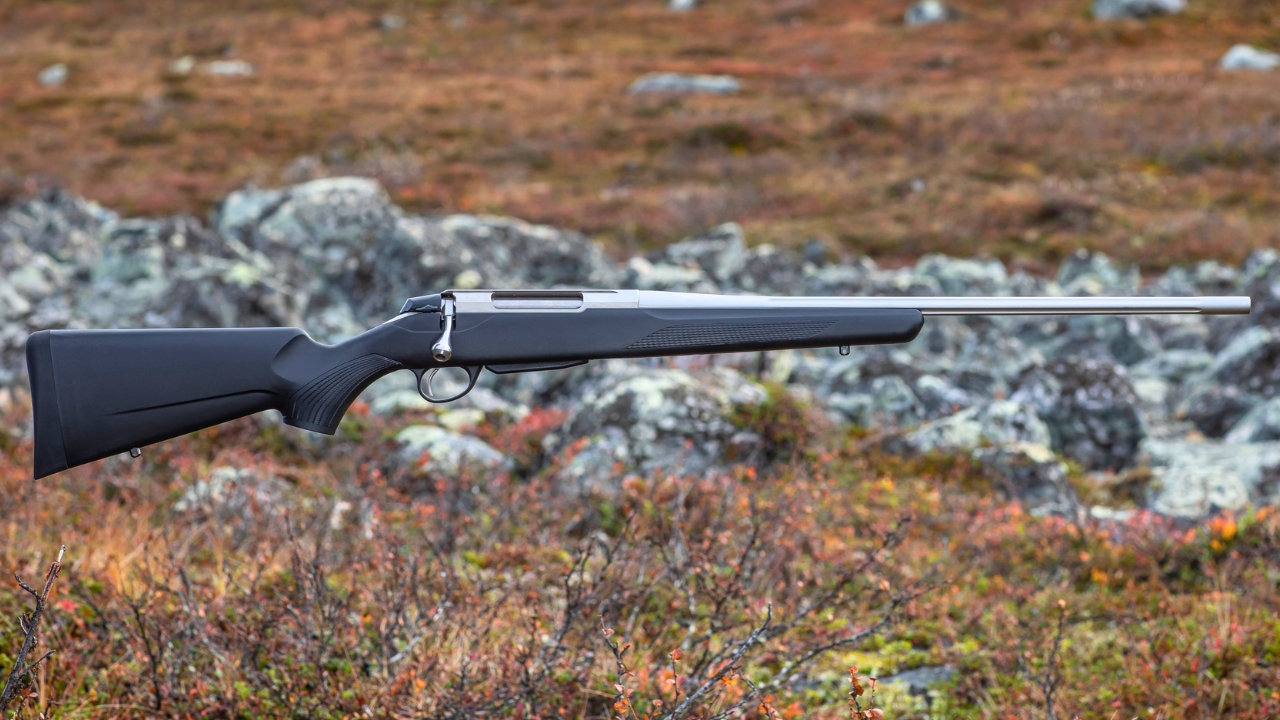
The Superlite is even more of that tradeoff. It’s awesome to carry, but it can be harder to shoot well when you’re trying to do quick follow-ups or steady shots at distance. A lighter barrel heats faster too, so if you’re doing load development or any kind of real practice, you’ll see group shifts and you’ll spend more time waiting for the barrel to cool.
The regret usually isn’t “this rifle is bad.” It’s “I wish I bought the slightly heavier version.” Because in the field, a couple extra pounds can be manageable. On the firing line, the extra stability can be everything.
Ruger American Go Wild (light configs)
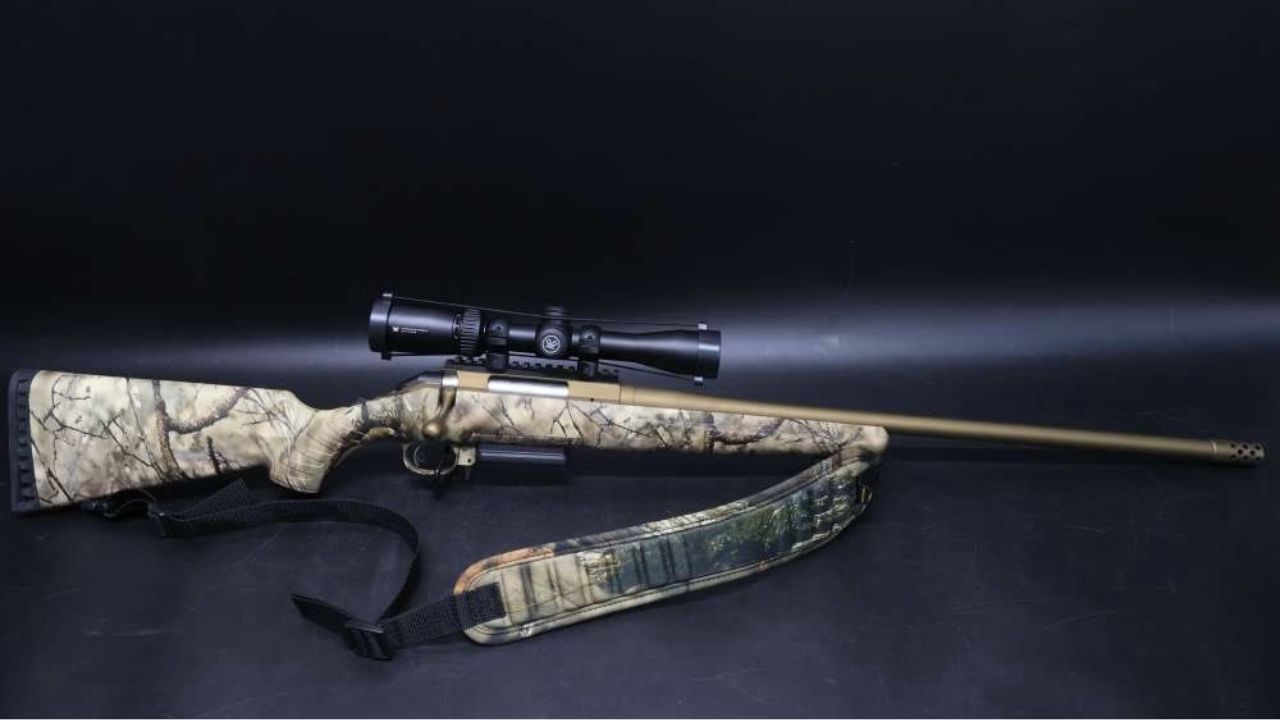
The Ruger American line is a value king, but the lighter configs can feel jumpy and less steady, especially with hotter hunting loads. If you’re shooting from a pack or sticks, you may find it harder to hold the rifle still and break clean shots. A light rifle amplifies your wobble.
The other regret is the feel. Light rifles can feel “hollow” in recoil, and the American’s budget stock doesn’t always help. Many owners end up swapping stocks or adding weight in the forend to settle it down. Again, that’s the pattern: buy light, then add weight to fix the shooting experience.
Savage 110 Ultralite

The 110 Ultralite is a legitimate mountain rifle, but it’s also one of those rifles where you need to be honest about your use. If you’re actually climbing and carrying all day, it makes sense. If you’re mostly hunting from a blind, a truck, or short walks, the ultralight setup can feel like a mistake once you start shooting it.
The recoil can be spicy depending on caliber, and the rifle can feel harder to track and harder to settle. A lot of guys realize quickly that their “real world” hunting doesn’t require an ultralight, but their “real world” practice does require a rifle they enjoy shooting.
Christensen Arms Ridgeline (especially in magnums)

A Ridgeline can feel like the perfect premium lightweight hunting rifle. Then you shoot it and you realize lightweight plus magnum recoil can be a rough combo. Some shooters love it. Others start flinching, and once that starts, everything else goes downhill fast.
The regret usually shows up in how people modify them: brakes, heavier optics, sometimes different stocks. A brake can make it manageable, but now you’re adding noise and blast. The light version only makes sense if you truly need it. If you don’t, you often end up wishing you bought something a little heavier and calmer.
Weatherby Mark V Backcountry (magnum calibers)

These rifles are built for mountain hunting, and they do that job. The regret comes when someone buys one because it’s cool and light, then realizes it’s not a relaxing rifle to shoot. Ultra-light magnums can feel like they’re trying to leave your shoulder, and that makes practice less frequent.
Less practice means less confidence. A rifle that you don’t like shooting becomes a rifle you don’t shoot much. Then hunting day comes and you’re hoping you’re “still good.” That’s not where you want to be. Backcountry rifles are tools for a specific need, not a default flex.
Browning X-Bolt Speed (light hunting trims)

The X-Bolt line is popular, but the lighter trims can get jumpy in recoil and less forgiving from field positions. Browning’s hunting rifles carry well, but the “too light” versions can amplify shooter input—wobble, poor follow-through, and rushed shots. You may not notice it on a perfect bench day. You’ll notice it when you’re tired and shooting off sticks.
A lot of guys buy a light X-Bolt and then realize they’d rather have a little more rifle in the hands. That extra weight often helps more than the extra ounces hurt, especially if your hunting isn’t a ten-mile hike straight up.
Remington 700 Mountain Rifle (lightweight variants)

The Mountain Rifle concept has been around forever: light barrel, easy carry. The regret happens when people expect it to shoot like a heavier 700 varmint profile. Thin barrels heat fast, can string shots, and aren’t as steady when you’re trying to take precise shots at distance.
If you truly need a light rifle to carry far, it’s fine. But a lot of buyers don’t need that. They end up with a rifle that’s great for one cold shot and not as fun for real practice. If you’re a “shoot a box or two at the range” guy, it’s fine. If you want to train, the light profile can be frustrating.
Ruger Hawkeye Lightweight

The Hawkeye Lightweight carries great. It can also remind you fast that recoil is a math problem. Less weight equals more felt recoil. In mild calibers, no big deal. In harder kickers, it’s easy to start shooting worse without realizing why. The rifle doesn’t “hurt” you once. It wears on you over the session.
The regret also shows up in steadiness. Light rifles are harder to hold still from awkward positions. You may carry it like a dream and then fight it on a windy ridge. That’s where people start wishing they had a little more mass to settle the gun down.
Winchester Model 70 Featherweight

The Featherweight is a classic for a reason, but it’s still a light rifle with a light-ish barrel. That means quick heating and less stability compared to heavier sporters. People buy it because it’s iconic and easy to carry, and then they realize it’s not always the easiest rifle to shoot tight groups with during longer sessions.
In the woods, it shines. On the bench, it can be more work than expected. If your hunting style is “walk and stalk in thick timber,” you’ll love it. If your hunting style is “shoot from a rest at 250-350 and want confidence,” the light version can feel less forgiving.
Kimber Mountain Ascent

The Mountain Ascent is an ultralight built for serious mountain guys. The regret happens when a normal hunter buys it because it’s light and premium, then realizes it’s not a fun range rifle. Recoil is sharp, muzzle jump is real, and holding steady can feel harder than it should for the money.
A lot of owners solve it with brakes, but brakes bring blast. Others just don’t practice as much. Either way, the rifle becomes less “enjoyable,” and enjoyability matters because it drives practice. Ultralight rifles are not automatically better—they’re better only if the mission demands them.
Sig Cross
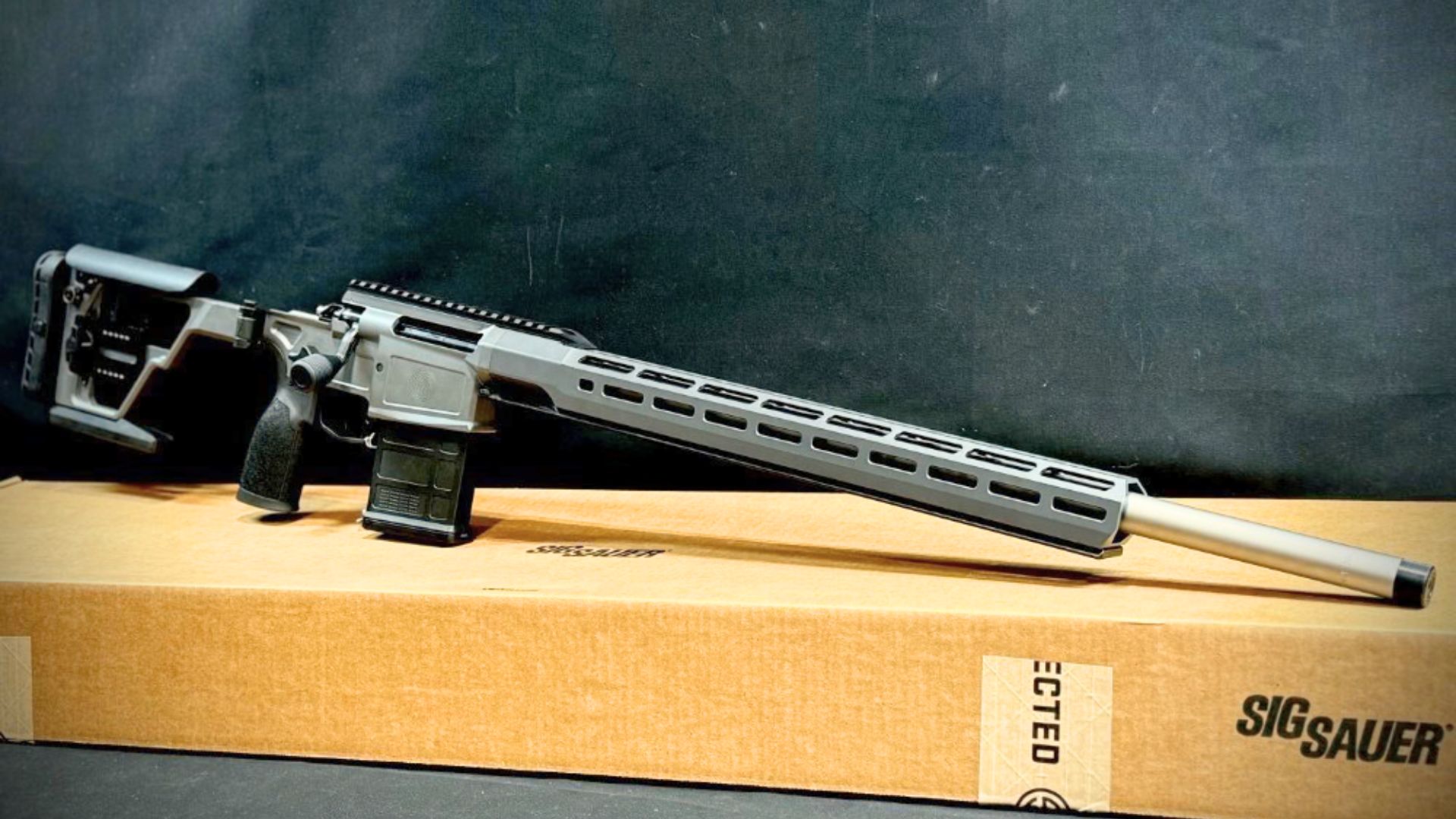
The Cross is marketed like a do-it-all field rifle. In lighter setups, especially with shorter barrels and minimal accessories, it can feel snappy and harder to settle than people expect. Chassis rifles often need some mass to feel stable. When you keep them too light, they lose some of the advantage that makes chassis systems appealing.
The regret is usually “this feels jumpy” and “I don’t shoot it as well as I thought I would.” Add a suppressor or add a heavier optic and things get better—again, adding weight back. That’s the theme: people chase light, then rebuild toward balance.
Mossberg Patriot (lighter hunting builds)
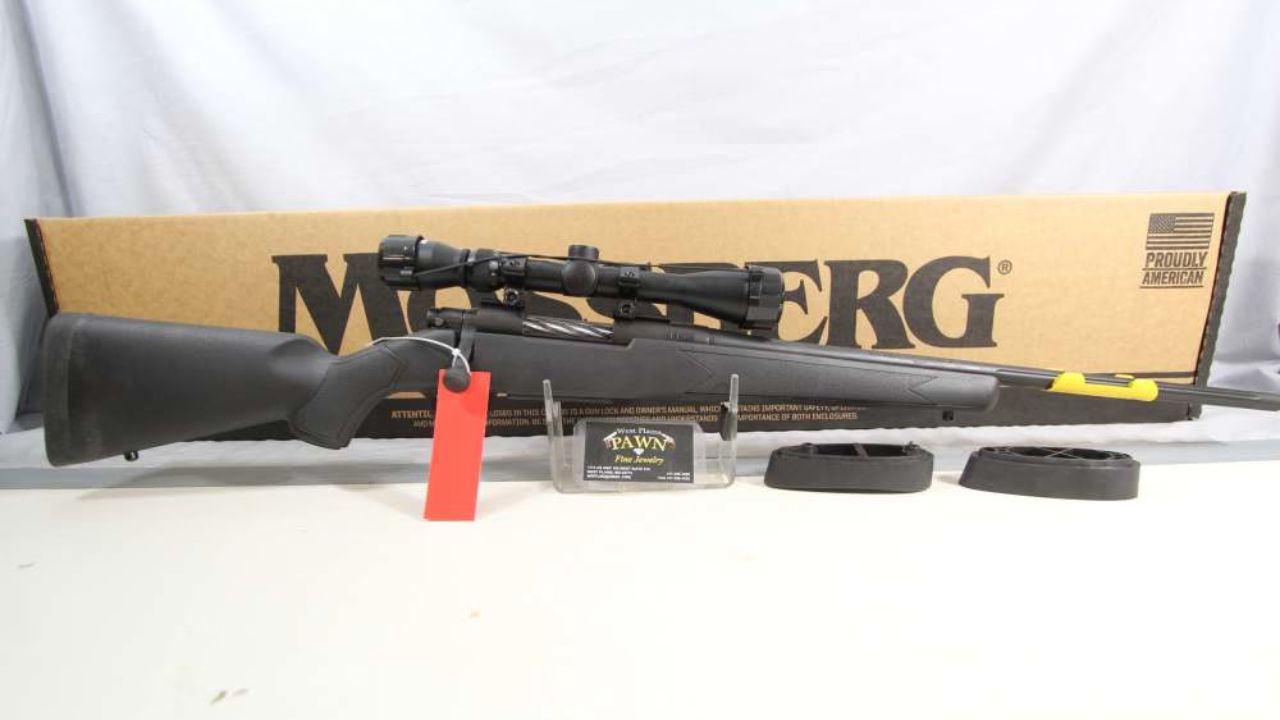
The Patriot is another value hunting rifle that can be fine for the money, but the lighter feel can magnify everything you do wrong. If the rifle doesn’t sit steady, your trigger press gets messy, your follow-through gets lazy, and groups open. A light rifle doesn’t hide mistakes.
Many owners end up wanting a sturdier stock or a heavier setup to calm it down. It’s not that the rifle can’t kill deer. It’s that people often regret choosing “as light as possible” instead of “as stable as I can reasonably carry.”
Howa 1500 Super Lite

Howa makes solid rifles, and the Super Lite does what it says: it’s light. The regret usually comes from people who don’t actually need ultralight. They realize they’d rather carry a slightly heavier rifle that shoots calmer and is easier to hold steady. Thin barrels and light stocks can also make the rifle less pleasant for long practice sessions.
If you’re hiking hard and counting ounces, it makes sense. If you’re hunting from a stand or doing short walks, you may end up feeling like you traded away shootability for a benefit you don’t really use.
Savage Axis II XP (light package)
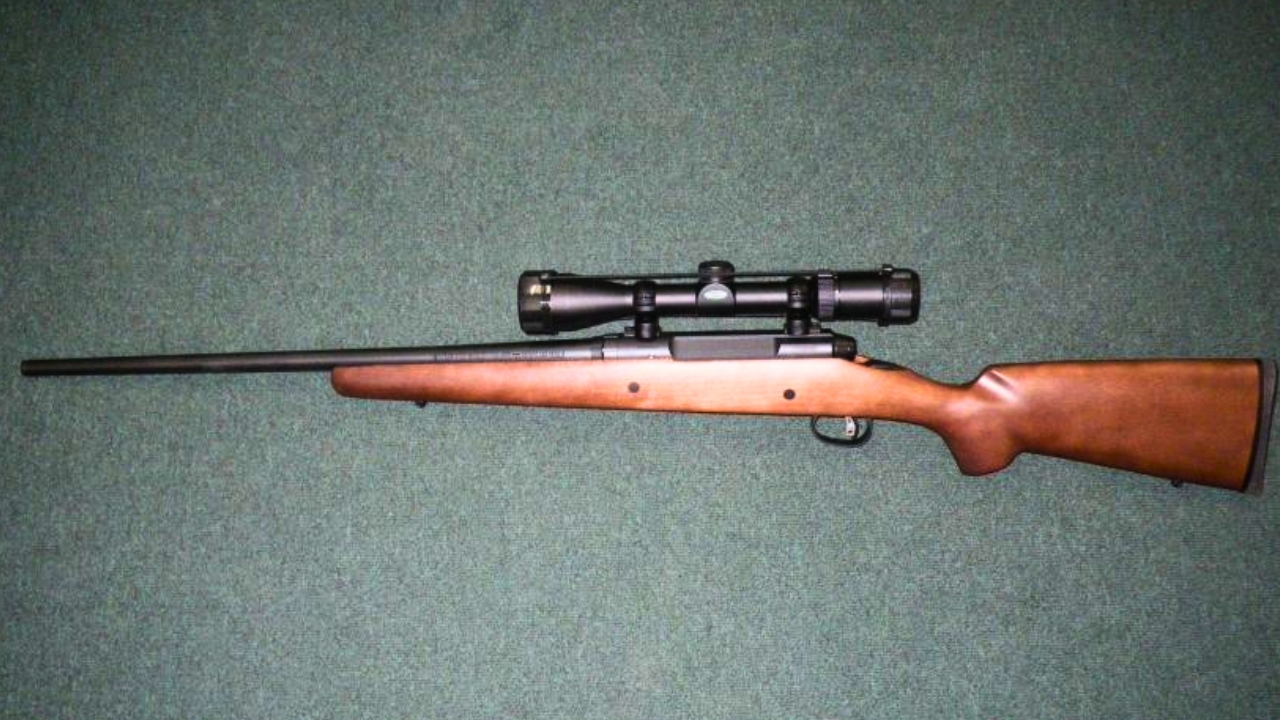
The Axis II package rifles get bought because they’re affordable and light. The lightness can be a downside when you’re trying to shoot well, especially with the basic stock and budget optic. The whole system can feel jumpy and less consistent. A lot of people buy the light package and then slowly replace everything that made it light and cheap.
That’s where regret comes from: you wanted a simple rifle, and now you’re upgrading stock, optic, rings, maybe even the trigger feel. If you’d started with a slightly heavier, more stable setup, you might have spent less money long-term.
Bergara B-14 Ridge (lighter end of the line, compared to HMR)

Bergaras are known for accuracy, but when someone buys the lighter Ridge expecting it to feel like an HMR or a heavier barreled model, they can be disappointed. The Ridge is more of a hunting profile. It carries better, but it won’t feel as steady or as forgiving when you’re shooting longer strings or trying to run quick follow-ups.
The regret is usually “I should’ve bought the heavier model.” Not because the Ridge is inaccurate, but because the heavier setup makes it easier to shoot well consistently. A rifle that helps you shoot well is a rifle you trust more. That trust is worth more than shaving a pound if you didn’t need the pound savings.
Like The Avid Outdoorsman’s content? Subscribe to our newsletter so you never miss an article.
Here’s more from us: